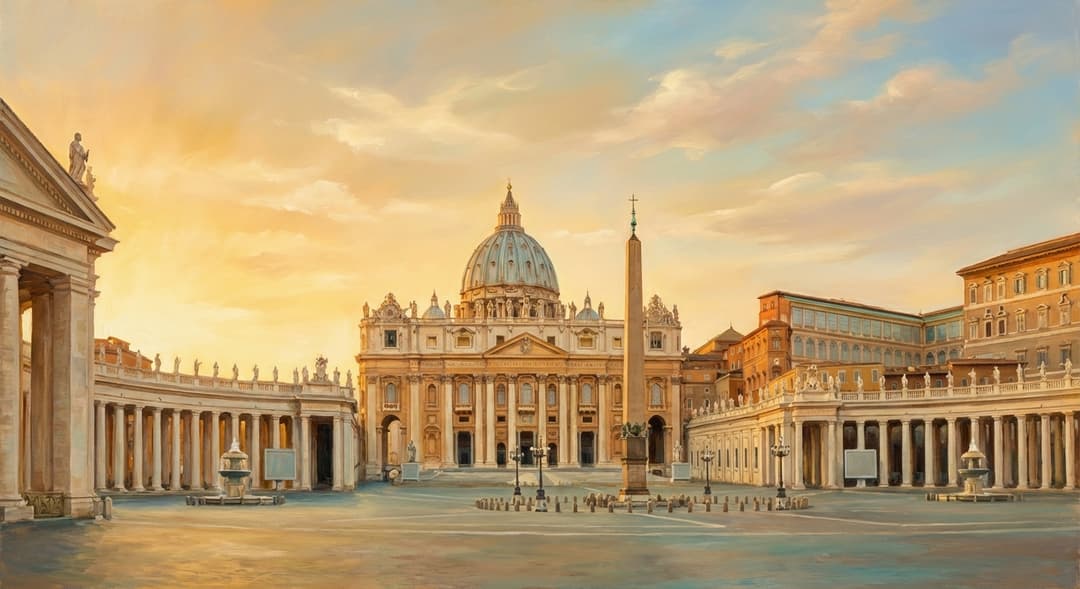
معلومات للزوار
زيارة تلة الفاتيكان
توفر زيارة تلة الفاتيكان تجربة عميقة غارقة في التاريخ والفن والأهمية الدينية. توقع أن تنبهر بعظمة كاتدرائية القديس بطرس، والمجموعات الفنية الواسعة في متاحف الفاتيكان، والجمال الهادئ لحدائق الفاتيكان. الجو مهيب ونابض بالحياة، حيث يلتقي الحجاج والسياح من جميع أنحاء العالم لاستكشاف هذا الموقع الشهير.
أبرز المعالم
- كاتدرائية القديس بطرس: تعجب من التحفة المعمارية وتسلق إلى القبة للحصول على مناظر بانورامية لروما.
- متاحف الفاتيكان: استكشف المجموعات الفنية ذات الشهرة العالمية، بما في ذلك كنيسة سيستين مع اللوحات الجدارية لمايكل أنجلو.
- حدائق الفاتيكان: استمتع بملاذ هادئ وسط المساحات الخضراء المورقة والمعالم التاريخية.
أشياء يجب معرفتها
- ارتدِ ملابس محتشمة (يجب تغطية الكتفين والركبتين) عند زيارة المواقع الدينية.
- كن مستعدًا للحشود، خاصة خلال موسم الذروة.
- احجز التذاكر مسبقًا لتجنب الطوابير الطويلة.
الموقع
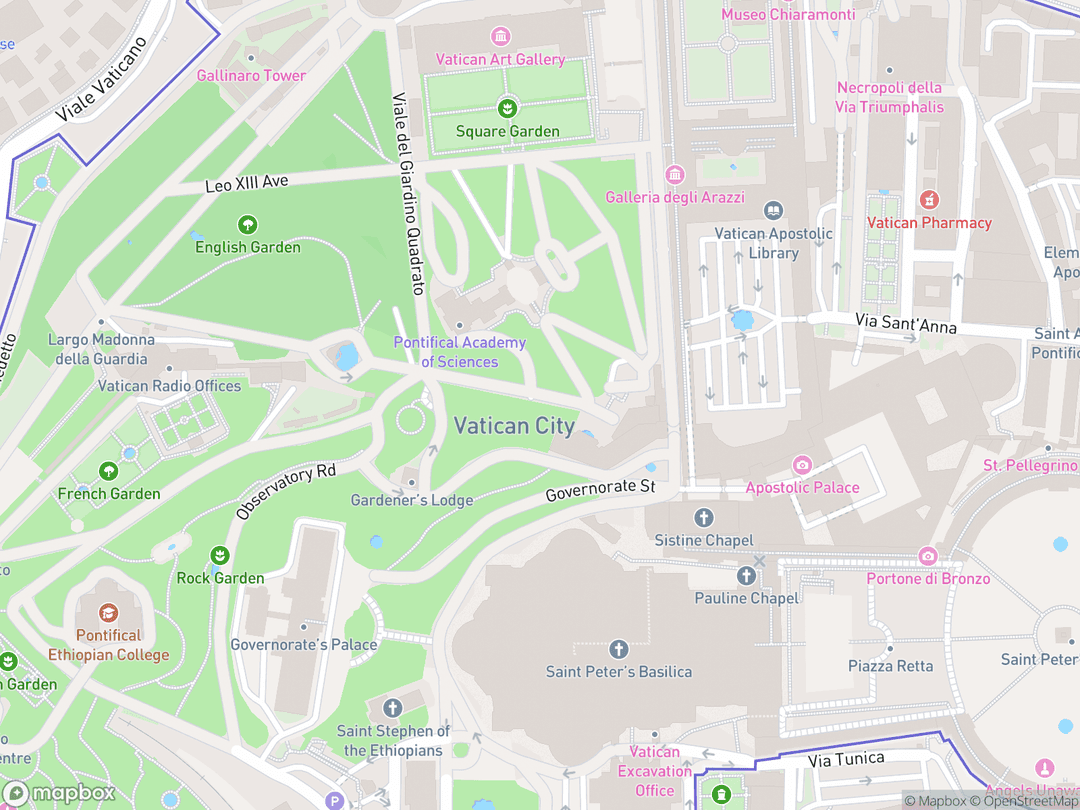
Vatican City, Rome, Italy
ساعات العمل: تختلف الساعات حسب الموقع المحدد. تحقق من موقع الفاتيكان الرسمي للحصول على التفاصيل.
كيفية الوصول: يمكن الوصول إلى تلة الفاتيكان عن طريق وسائل النقل العام، بما في ذلك الحافلات والمترو. أقرب محطة مترو هي Ottaviano-San Pietro.
احصل على الاتجاهاتنصائح لزيارتك
قم بالزيارة مبكرًا
وصل في الصباح الباكر لتجنب أكبر الحشود والاستمتاع بتجربة أكثر هدوءًا.
احجز التذاكر مسبقًا
اشترِ التذاكر عبر الإنترنت لتخطي الطوابير الطويلة في متاحف الفاتيكان والمعالم السياحية الشهيرة الأخرى.
قواعد اللباس
تذكر أن ترتدي ملابس محتشمة عند زيارة المواقع الدينية، وتغطي الكتفين والركبتين.
حول
تقع تلة الفاتيكان على الضفة اليمنى لنهر التيبر في روما، إيطاليا، وهي موقع ذو أهمية تاريخية ودينية هائلة. فهي موطن لكاتدرائية القديس بطرس ومتاحف الفاتيكان والعديد من الهياكل الأخرى التي تمثل قرونًا من التاريخ الكاثوليكي والإنجازات الفنية. على الرغم من أنها ليست واحدة من التلال السبعة التقليدية في روما، إلا أن تلة الفاتيكان كانت مركزًا للنشاط الديني منذ فترة طويلة قبل صعود المسيحية.
في العصور القديمة، ارتبطت المنطقة بالآلهة الوثنية وكانت موقع سيرك نيرون، حيث استشهد العديد من المسيحيين الأوائل، بمن فيهم القديس بطرس. يمثل بناء كاتدرائية القديس بطرس القديمة في القرن الرابع نقطة تحول، حيث حولت التلة إلى مركز للعبادة المسيحية. على مر القرون، تطور الفاتيكان ليصبح قلب الكنيسة الكاثوليكية، وجذب الحجاج والزوار من جميع أنحاء العالم.
اليوم، تقف تلة الفاتيكان كدليل على القوة الدائمة للإيمان والتراث الثقافي الغني للكنيسة الكاثوليكية. إن عجائبها المعمارية وكنوزها الفنية وجوها الروحي تجعلها وجهة فريدة وملهمة للناس من جميع الخلفيات. تضمن مدينة الفاتيكان، التي تأسست كدولة مستقلة في عام 1929، استمرار الحفاظ على هذا الموقع المقدس وإدارته.
معرض الصور
العناصر الرمزية
يتميز الجزء الخارجي للمعبد بنقوش معقدة، كل منها غني بالمعنى الروحي:

St. Peter's Basilica Dome
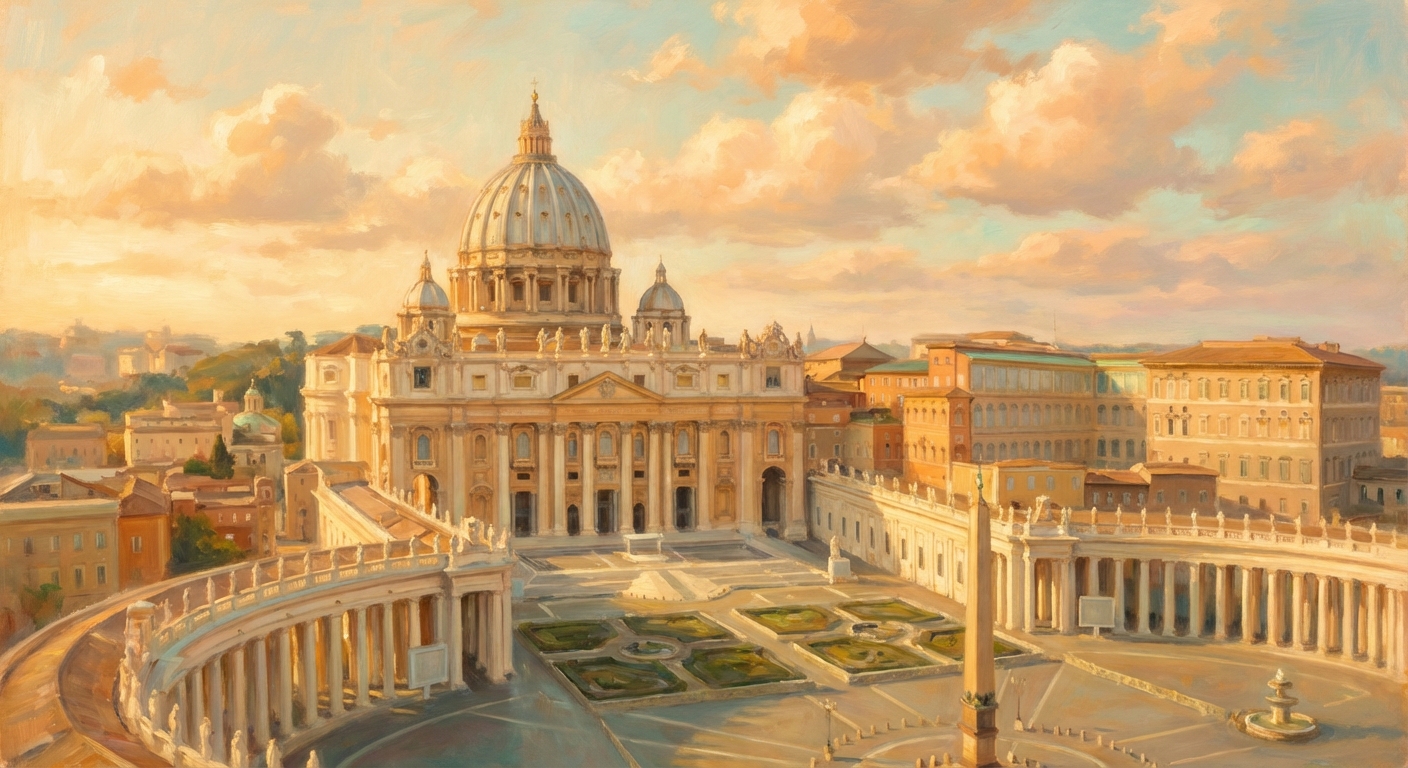
The dome of St. Peter's Basilica, designed in part by Michelangelo, symbolizes the heavens and the connection between the earthly and divine realms. Its impressive height and intricate design reflect the grandeur and power of the Catholic Church. The dome serves as a focal point of the Vatican skyline and a testament to Renaissance architectural achievement.

Colonnades of St. Peter's Square
Designed by Gian Lorenzo Bernini, the colonnades of St. Peter's Square represent the embracing arms of the Church, welcoming pilgrims and visitors from around the world. The semi-circular design creates a sense of enclosure and grandeur, enhancing the overall experience of the square. The colonnades are adorned with statues of saints, further emphasizing the spiritual significance of the site.

Obelisk in St. Peter's Square
The ancient Egyptian obelisk in St. Peter's Square represents Christ's triumph over paganism. Originally brought to Rome by Emperor Caligula, it was later moved to its current location in 1586. The obelisk stands as a silent witness to centuries of history and a symbol of the enduring power of faith.

Papal Altar
The Papal Altar, located beneath the dome of St. Peter's Basilica, marks the supposed tomb of St. Peter. It is the site where the Pope celebrates Mass and a focal point of religious devotion for Catholics. The altar is adorned with intricate carvings and precious materials, reflecting the sacredness of the space.

Sistine Chapel Frescoes
Michelangelo's frescoes in the Sistine Chapel are among the most famous works of art in the world. The ceiling depicts scenes from the Book of Genesis, while the altar wall features the Last Judgment. These masterpieces represent the pinnacle of Renaissance art and a profound expression of religious faith.

Swiss Guard Uniforms
The colorful uniforms of the Swiss Guard, who have been protecting the Pope since the 16th century, are a distinctive symbol of the Vatican. Designed in part by Michelangelo, the uniforms represent the loyalty and dedication of the Swiss Guard to the papacy. Their presence adds a sense of tradition and pageantry to the Vatican.

Bronze Doors of St. Peter's Basilica
The bronze doors of St. Peter's Basilica, particularly the main door known as the Holy Door, are adorned with intricate reliefs depicting scenes from the lives of St. Peter and St. Paul. These doors serve as a symbolic entrance to the sacred space within the basilica. The Holy Door is only opened during Jubilee years, marking a time of special grace and pilgrimage.

Vatican Gardens
The Vatican Gardens offer a peaceful retreat amidst lush greenery, fountains, and historical monuments. These gardens provide a serene contrast to the bustling atmosphere of St. Peter's Square and the Vatican Museums. They represent a harmonious blend of nature and art, inviting visitors to reflect and contemplate.
حقائق مثيرة للاهتمام
Vatican Hill was once considered an unhealthy area used for grazing cattle.
Before Christianity, the hill was associated with pagan deities and prophecy.
Emperor Nero blamed Christians for the fire that devastated Rome and executed them on Vatican Hill.
The Circus of Nero, where Christians were martyred, now lies beneath St. Peter's Basilica.
The Vatican includes a secret passage (Passetto di Borgo) to Castel Sant'Angelo, used by popes as an escape route.
The dome of St. Peter's Basilica is one of the largest in the world.
The Vatican is the smallest independent country in the world.
The Vatican Museums house an extensive collection of art and artifacts from various periods.
The Swiss Guard has been protecting the Pope since the 16th century.
There is a heart-shaped cobblestone in St. Peter's Square, nicknamed 'Nero's Heart,' possibly marking the site of Nero's circus.
الأسئلة الشائعة
What is the significance of Vatican Hill?
Vatican Hill is significant as the location of St. Peter's Basilica, the Vatican Museums, and the Vatican City, the independent state that serves as the spiritual and administrative center of the Catholic Church. It is a place of pilgrimage, historical importance, and artistic excellence.
Who was St. Peter, and why is he important to the Vatican?
St. Peter was one of Jesus's apostles and is considered the first Pope. He was martyred in Rome, and St. Peter's Basilica is built over his supposed tomb, making it a site of immense religious significance for Catholics.
What are some of the must-see attractions on Vatican Hill?
Some of the must-see attractions include St. Peter's Basilica, the Vatican Museums (including the Sistine Chapel), St. Peter's Square, and the Vatican Gardens. Each offers a unique glimpse into the history, art, and spirituality of the Vatican.
What is the dress code for visiting Vatican Hill?
Visitors are expected to dress modestly when visiting religious sites on Vatican Hill. This typically means covering shoulders and knees. It's advisable to wear comfortable shoes, as there is a lot of walking involved.
How can I avoid long lines when visiting the Vatican?
To avoid long lines, it's recommended to book tickets online in advance, especially for the Vatican Museums. Arriving early in the morning or visiting during the off-season can also help reduce wait times. Consider taking a guided tour for expedited entry.
قصص ذات صلة
استكشف التاريخ الغني والتقاليد والأشخاص المرتبطين بهذا الموقع المقدس.
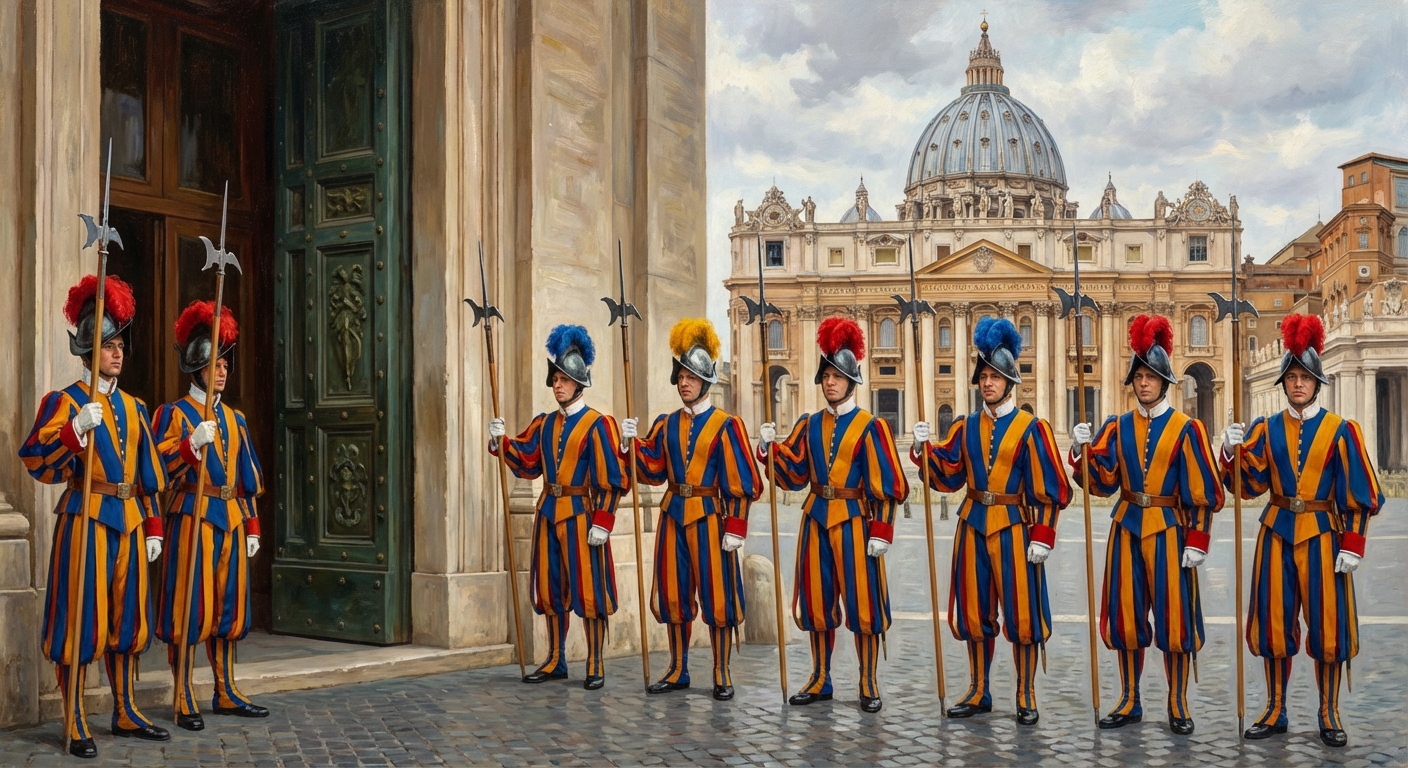 Heritage
 The Pontifical Swiss Guard
Protecting the Pope for over half a millennium with unflinching loyalty, vibrant uniforms, and formidable skill.
استكشاف القصة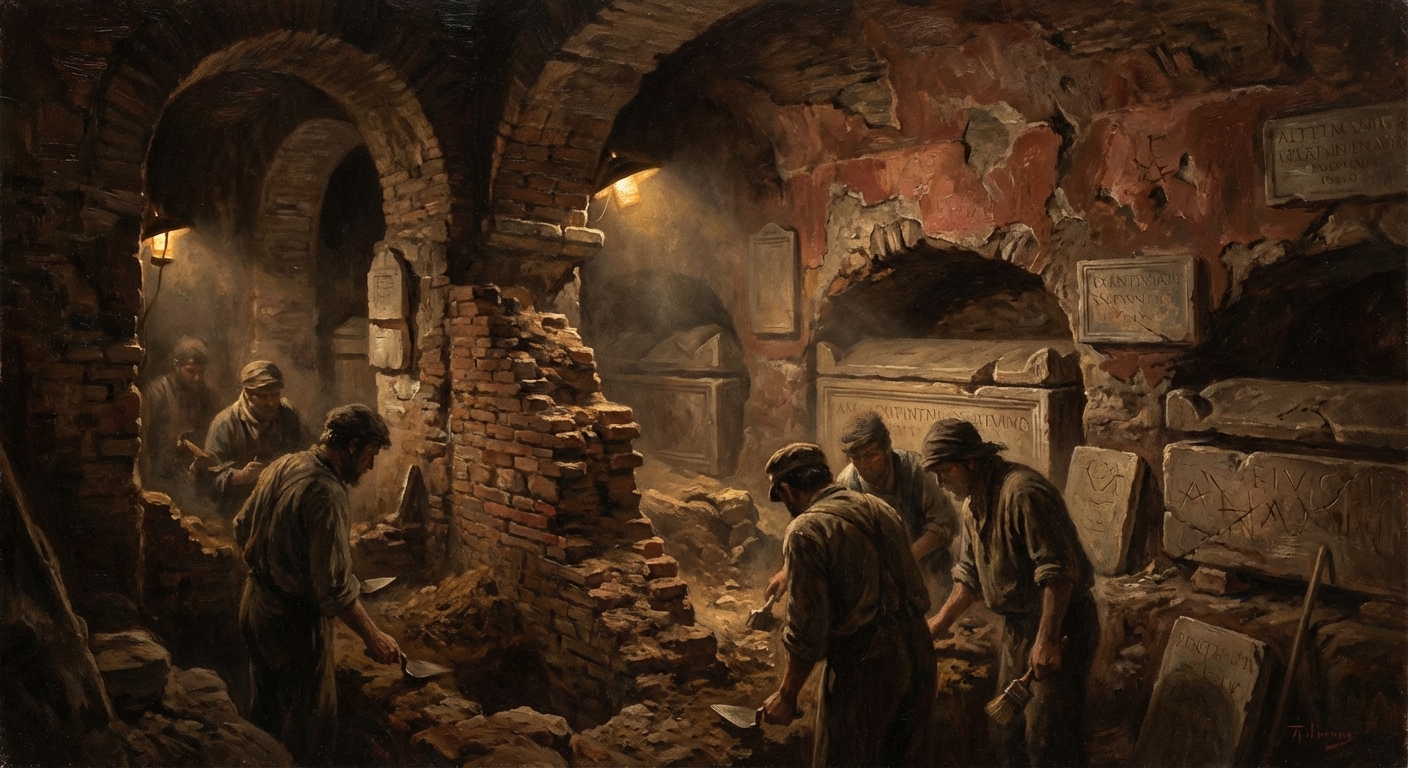 Notable Figure
 The Tomb of St. Peter: Faith Beneath the Vatican
Tracing the ancient tradition and modern archaeological search for the grave of the chief apostle beneath the high altar.
استكشاف القصة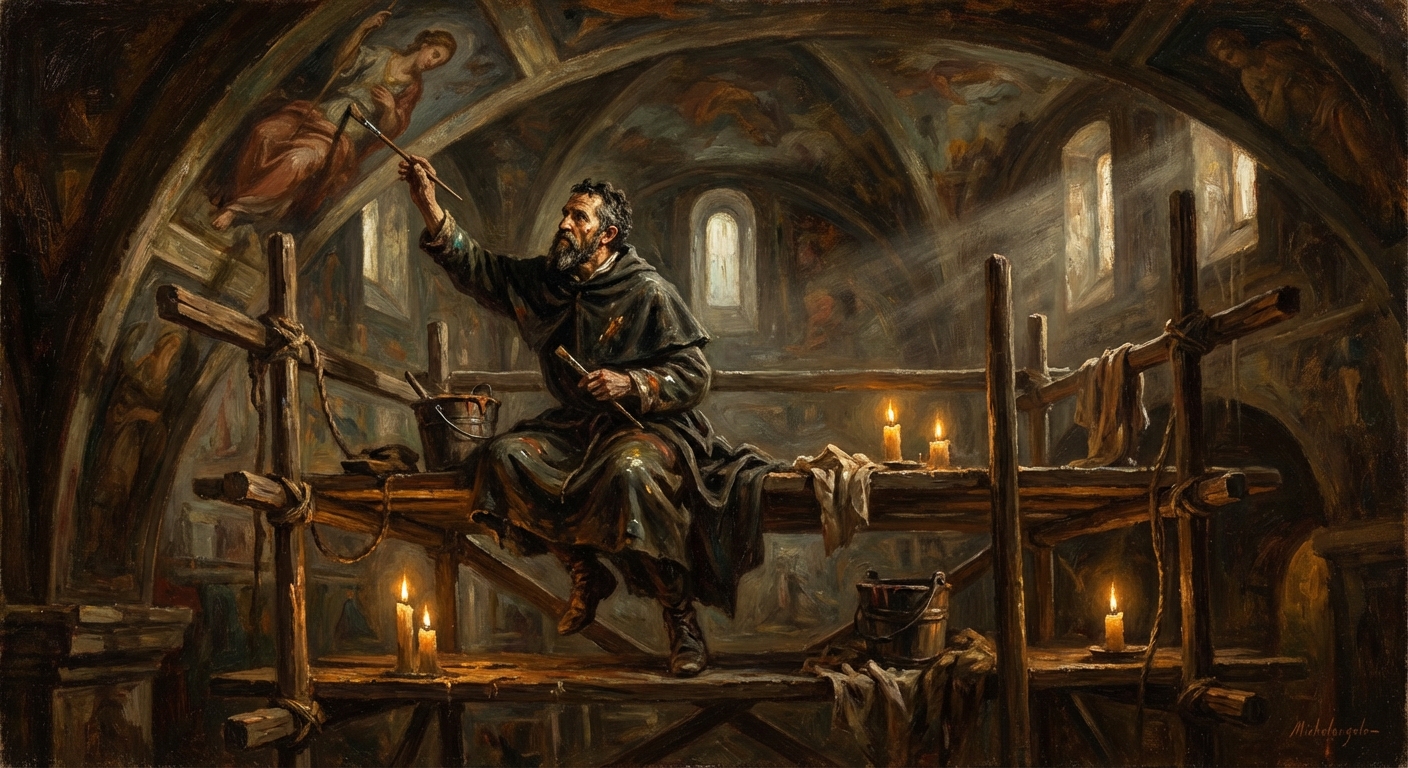 Artwork
 Michelangelo and the Sistine Chapel
The agonizing, transcendent creation of the world's most famous ceiling fresco.
استكشاف القصةقصص مميزة
The Construction of St. Peter's Basilica: A Testament to Faith and Art
1506–1626
The construction of the New St. Peter's Basilica was a monumental undertaking that spanned over a century and involved some of the greatest artists and architects of the Renaissance and Baroque periods. Initiated by Pope Julius II in 1506, the project aimed to replace the aging Old St. Peter's Basilica, which had stood for over a thousand years.
Donato Bramante, Raphael, Michelangelo, and Gian Lorenzo Bernini each contributed their unique talents to the design and construction of the basilica. Michelangelo's redesign of the dome and Bernini's creation of St. Peter's Square are particularly iconic elements of the Vatican. The basilica stands as a testament to the enduring power of faith and the transformative potential of art.
The completion of St. Peter's Basilica in 1626 marked a triumph of human ingenuity and a symbol of the Catholic Church's enduring legacy. The basilica continues to inspire awe and reverence in visitors from around the world, serving as a reminder of the rich history and artistic heritage of the Vatican.
المصدر: Vatican Archives
The Martyrdom of St. Peter: A Foundation of Faith
1st Century AD
According to tradition, St. Peter, one of Jesus's apostles and the first Pope, was martyred in Rome during the reign of Emperor Nero. He was crucified upside down, at his own request, as he felt unworthy to die in the same manner as Jesus. The location of his martyrdom is believed to be on Vatican Hill, where St. Peter's Basilica now stands.
The martyrdom of St. Peter is a foundational event in the history of the Catholic Church. His unwavering faith and ultimate sacrifice serve as an inspiration to Christians around the world. The construction of St. Peter's Basilica over his supposed tomb is a testament to the enduring significance of his life and teachings.
The legacy of St. Peter continues to shape the Catholic Church, with each successive Pope considered his successor. Vatican Hill, as the site of his martyrdom and the location of St. Peter's Basilica, remains a sacred place for Catholics and a symbol of the enduring power of faith.
المصدر: Early Christian Texts
The Establishment of Vatican City: A Symbol of Independence
1929
The Lateran Treaty of 1929 established Vatican City as an independent state, resolving a long-standing dispute between the papacy and the Italian government. The treaty granted the Pope sovereignty over Vatican Hill and its surrounding territory, ensuring the continued independence and autonomy of the Catholic Church.
The establishment of Vatican City was a pivotal moment in the history of the papacy, allowing the Pope to exercise his spiritual authority without interference from secular powers. Vatican City became a symbol of the Church's independence and a haven for its religious and cultural treasures.
Today, Vatican City remains the smallest independent country in the world, but its influence extends far beyond its physical boundaries. As the spiritual and administrative center of the Catholic Church, Vatican City plays a vital role in global affairs and continues to attract millions of visitors each year.
المصدر: Lateran Treaty Documents
الجدول الزمني
Possible Etruscan Settlement
The area may have been the site of an Etruscan town called Vaticum.
حدث بارزCircus of Nero and Martyrdom of St. Peter
The Circus of Caligula (later the Circus of Nero) was constructed. It is believed that Saint Peter was martyred here during the reign of Emperor Nero.
حدثConstruction of Old St. Peter's Basilica
Emperor Constantine I commissioned the building of the Old St. Peter's Basilica over the supposed tomb of St. Peter.
تكريسPapal Residence
After the fall of the Roman Empire, the hill became a preferred residence for the Popes.
حدث بارزExpansion of City Walls
Pope Leo IV expanded the city walls between 848 and 852 to protect St. Peter's Basilica and the Vatican.
تجديدAvignon Papacy
Before the Avignon Papacy, the headquarters of the Holy See were located at the Lateran Palace.
حدثConstruction of New St. Peter's Basilica Begins
Construction of the New St. Peter's Basilica began under Pope Julius II, replacing the deteriorating Old St. Peter's Basilica. Donato Bramante served as the primary architect.
تجديدMichelangelo Takes Over as Architect
Michelangelo took over as chief architect of St. Peter's, modifying Bramante's design and redesigning the dome.
تجديدRelocation of the Obelisk
The obelisk from the Circus of Nero was relocated to its present location in St. Peter's Square by Domenico Fontana.
حدثCompletion of New St. Peter's Basilica
The New St. Peter's Basilica was completed.
تكريسLateran Treaty Establishes Vatican City
The Lateran Treaty established Vatican City as an independent state.
حدث بارزCenter of the Catholic Church
Vatican Hill continues to serve as the spiritual and administrative center of the Catholic Church, attracting millions of visitors each year.
حدثPreservation and Pilgrimage
Ongoing efforts to preserve the historical and artistic treasures of Vatican Hill ensure its continued significance as a place of pilgrimage and cultural importance.
حدثArtistic Contributions
Throughout the centuries, numerous artists, architects, and craftsmen have contributed to the beauty and grandeur of Vatican Hill, leaving behind a legacy of artistic excellence.
حدثPapal Leadership
Successive Popes have played a crucial role in shaping the history and development of Vatican Hill, each leaving their own mark on this sacred site.
حدثالتاريخ حسب العقد
Pre-Roman Era
Before the rise of Rome, Vatican Hill was likely associated with Etruscan settlements and religious practices. The name "Vatican" may derive from the Etruscan language, suggesting a connection to ancient deities or sacred sites. Archaeological evidence indicates that the area was inhabited long before the Roman era, with traces of early settlements and burial grounds.
1st Century AD
During the Roman Empire, Vatican Hill was the site of the Circus of Nero, a large entertainment venue where chariot races and other spectacles were held. It was also a place of persecution for early Christians, with many martyred in the arena. According to tradition, St. Peter was crucified in the Circus of Nero, marking a pivotal moment in the history of Christianity.
4th Century
Emperor Constantine I commissioned the construction of Old St. Peter's Basilica over the supposed tomb of St. Peter, transforming Vatican Hill into a center of Christian worship. The basilica became a major pilgrimage site and a symbol of the growing power of the Catholic Church. The construction of the basilica marked a turning point in the history of Vatican Hill, solidifying its status as a sacred place.
16th Century
The 16th century saw significant changes to Vatican Hill, including the beginning of construction on the New St. Peter's Basilica. The century also saw the establishment of the Swiss Guard to protect the Pope.
19th Century
The 19th century was a time of political upheaval in Italy, with the Papal States gradually being absorbed into the Kingdom of Italy. The Pope's temporal power was diminished, but his spiritual authority remained strong. The Vatican became a symbol of resistance to the unification of Italy.
20th Century
The 20th century brought significant changes to Vatican Hill, including the establishment of Vatican City as an independent state in 1929. The Lateran Treaty resolved a long-standing dispute between the papacy and the Italian government, granting the Pope sovereignty over Vatican Hill and its surrounding territory. Vatican City became a symbol of the Church's independence and a haven for its religious and cultural treasures.
العمارة والمرافق
تهيمن الأساليب المعمارية لعصر النهضة والباروك على تلة الفاتيكان، مع قبة مايكل أنجلو الشهيرة التي تتوج كاتدرائية القديس بطرس، وأعمدة برنيني الكاسحة التي تحيط بالساحة، وقرون من الفن بتكليف تخلق أحد أكثر الخطوط السماوية المقدسة شهرة في العالم.
مواد البناء
ترافرتين
تم استخدام حجر الترافرتين، المستخرج من التلال القريبة، على نطاق واسع في بناء كاتدرائية القديس بطرس والمباني الأخرى على تلة الفاتيكان. إن متانته وجاذبيته الجمالية جعلته خيارًا شائعًا لكل من العناصر الهيكلية والزخرفية.
رخام
تم استخدام الرخام، المستورد من مناطق مختلفة من إيطاليا وخارجها، في المنحوتات والأعمدة والميزات الزخرفية الأخرى في كاتدرائية القديس بطرس ومتاحف الفاتيكان. أضاف ملمسه الناعم وألوانه المتنوعة إلى عظمة وجمال الموقع.
برونز
تم استخدام البرونز لأبواب كاتدرائية القديس بطرس، وكذلك للتماثيل والعناصر الزخرفية الأخرى. إن متانته ومقاومته للتآكل جعلته مادة مناسبة للاستخدام في الهواء الطلق.
المعالم الداخلية
صحن كاتدرائية القديس بطرس
صحن كاتدرائية القديس بطرس هو مساحة شاسعة ومثيرة للإعجاب، مزينة بمنحوتات ومنحوتات وفسيفساء معقدة. يخلق ارتفاعه الشاهق وزخرفته المتقنة إحساسًا بالعظمة والتبجيل.
كنيسة سيستين
تشتهر كنيسة سيستين بلوحاتها الجدارية المذهلة لمايكل أنجلو، بما في ذلك السقف الذي يصور مشاهد من سفر التكوين وجدار المذبح الذي يضم يوم القيامة الأخير. تمثل هذه الروائع قمة فن عصر النهضة والتعبير العميق عن الإيمان الديني.
صالات متاحف الفاتيكان
تضم متاحف الفاتيكان سلسلة من الصالات التي تضم مجموعة واسعة من الفنون والتحف من فترات مختلفة. تعرض هذه الصالات التراث الثقافي الغني للكنيسة الكاثوليكية والإنجازات الفنية للحضارة الغربية.
أراضي المعبد
تشتمل أراضي تلة الفاتيكان على ساحة القديس بطرس وحدائق الفاتيكان والعديد من الساحات والساحات. توفر هذه المساحات مزيجًا متناغمًا من الهندسة المعمارية والمناظر الطبيعية ومناطق التجمع العام.
الأهمية الدينية
تحمل تلة الفاتيكان أهمية دينية هائلة باعتبارها مركز الكنيسة الكاثوليكية وموقع كاتدرائية القديس بطرس، التي بنيت فوق قبر القديس بطرس، أحد رسل يسوع.
الغرض من تلة الفاتيكان هو أن تكون بمثابة المركز الروحي والإداري للكنيسة الكاثوليكية، وتعزيز تعاليم يسوع المسيح وتقديم التوجيه للكاثوليك في جميع أنحاء العالم.
الفرائض المقدسة
قداس
إن الاحتفال بالقداس هو فريضة مركزية في الكنيسة الكاثوليكية، حيث يتم إحياء ذكرى العشاء الأخير ليسوع المسيح وتقديم ذبيحة الحمد والشكر لله.
اعتراف
تسمح سر الاعتراف للكاثوليك بتلقي المغفرة عن خطاياهم والتصالح مع الله والكنيسة.
صلاة
الصلاة هي ممارسة أساسية للكاثوليك، مما يسمح لهم بالتواصل مع الله وطلب التوجيه والتعبير عن الامتنان.
البابوية
البابا، بصفته خليفة القديس بطرس، هو رأس الكنيسة الكاثوليكية والزعيم الروحي للكاثوليك في جميع أنحاء العالم. يقيم في مدينة الفاتيكان ويمارس سلطته على الكنيسة من هذا الموقع.
حج
تلة الفاتيكان هي وجهة حج رئيسية للكاثوليك، الذين يسافرون من جميع أنحاء العالم لزيارة كاتدرائية القديس بطرس، والصلاة عند قبر القديس بطرس، وتلقي البركات من البابا. الموقع هو رمز للإيمان ومصدر إلهام روحي لملايين الأشخاص.
معابد مشابهة
المصادر والأبحاث
كل حقيقة في Temples.org مدعومة بـ مصادر وأبحاث موثقة. يتم تصنيف كل معلومة حسب مستوى المصدر والثقة.
عرض جميع المصادر (5)
| الحقل | المصدر | المستوى | تاريخ الاسترجاع |
|---|---|---|---|
| About & Historical Background | The Metropolitan Museum of Art (opens in a new tab) | A | 2024-02-29 |
| About & Historical Background | Rost Architects (opens in a new tab) | B | 2024-02-29 |
| About & Historical Background | The Archaeologist (opens in a new tab) | B | 2024-02-29 |
| About & Historical Background | Walks Insider Rome (opens in a new tab) | C | 2024-02-29 |
| Visitor Information | Grokipedia (opens in a new tab) | D | 2024-02-29 |