
দর্শনার্থীদের অন্তর্দৃষ্টি
দর্শন মিনার্ভা মেডিকার মন্দির
মিনার্ভা মেডিকার মন্দিরটি ভুলভাবে চিহ্নিত হলেও, এটি প্রাচীন রোমান স্থাপত্য এবং বাগান নকশার একটি আভাস দেয়। যদিও সংরক্ষণের জন্য সাইটটি সাধারণত জনসাধারণের জন্য বন্ধ থাকে, তবুও দর্শনার্থীরা এই চিত্তাকর্ষক ধ্বংসাবশেষের বাইরের অংশটি উপভোগ করতে পারেন। টার্মিনি স্টেশনের (Termini Station) কাছে অবস্থিত এই স্থানটি ব্যস্ত শহরের মাঝে একটি অনন্য ঐতিহাসিক অভিজ্ঞতা প্রদান করে।
প্রধান বৈশিষ্ট্য
- বাইরে থেকে চিত্তাকর্ষক দশভুজ কাঠামোটি দেখুন।
- হোর্টি লিসিনিয়ানির (Horti Liciniani) ইতিহাস সম্পর্কে জানুন।
- ভুল সনাক্তকরণ এবং অ্যাথেনা জিউস্টিনিয়ানি (Athena Giustiniani) মূর্তির গল্পটি আবিষ্কার করুন।
জানার বিষয়
- বিশেষ অনুষ্ঠান ছাড়া সাইটটি সাধারণত জনসাধারণের জন্য বন্ধ থাকে।
- পরিদর্শনের আগে খোলার সময় সম্পর্কে আপডেটেড তথ্য দেখে নিন।
অবস্থান
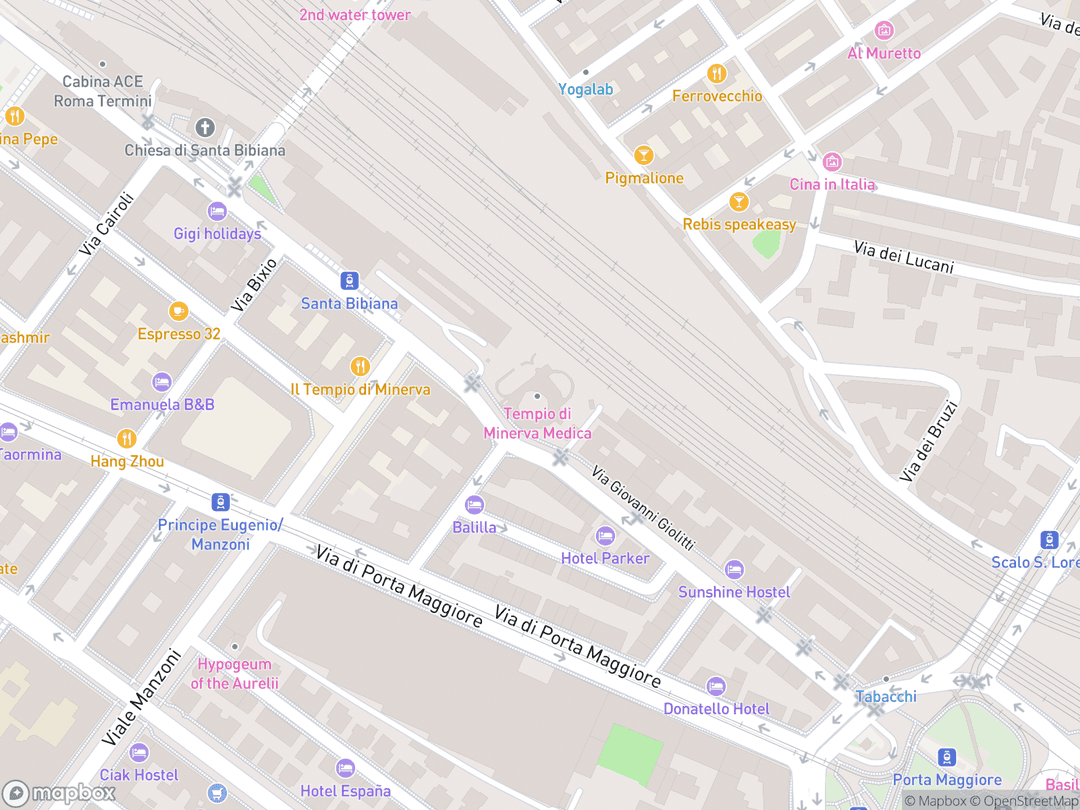
Via Giovanni Giolitti, 166, Rome, Italy
সময়: বিশেষ অনুষ্ঠান ছাড়া জনসাধারণের জন্য বন্ধ।
সেখানে যাওয়া: টার্মিনি স্টেশনের কাছে গণপরিবহন দ্বারা সহজেই যাতায়াতযোগ্য।
দিকনির্দেশ পানপরিচিতি
আজ মিনার্ভা মেডিকার মন্দির নামে পরিচিত কাঠামোটি আসলে একটি ধ্বংসপ্রাপ্ত নিমফিয়াম (nymphaeum), যা একটি স্মারক ফোয়ারা বা উপাসনালয় ছিল এবং এটি খ্রিস্টীয় ৩য় শতাব্দীর শেষের দিকে বা ৪র্থ শতাব্দীর শুরুর দিকে নির্মিত হয়েছিল। রোমের এসকুইলিন হিলে (Esquiline Hill), ভায়া ল্যাবিকানা (Via Labicana) এবং অরেলিয়ান প্রাচীরের (Aurelian Walls) মধ্যে অবস্থিত এই কাঠামোটি আধুনিক ভায়া জিওলিত্তির (Via Giolitti) কাছে দাঁড়িয়ে আছে। এই দশভুজ বিশিষ্ট হলটি, যা একসময় একটি চমৎকার গম্বুজ দ্বারা সুশোভিত ছিল, হোর্টি লিসিনিয়ানি (Horti Liciniani) নামক একটি বিশাল রাজকীয় কমপ্লেক্সের অংশ ছিল।
১৭শ শতাব্দীতে অ্যাথেনা জিউস্টিনিয়ানি (Athena Giustiniani) মূর্তিটি এই স্থানে আবিষ্কৃত হয়েছিল এমন একটি ভুল বিশ্বাসের কারণে এটিকে মিনার্ভা মেডিকার মন্দির হিসেবে ভুলভাবে চিহ্নিত করা হয়েছিল। এই ভুল সত্ত্বেও, নামটি রয়ে গেছে এবং সাইটটি তার স্থাপত্যের গুরুত্ব এবং ঐতিহাসিক প্রেক্ষাপটের জন্য মানুষের আগ্রহ আকর্ষণ করে চলেছে। এই কাঠামোটি রোমান ধর্মনিরপেক্ষ স্থাপত্যের একটি চমৎকার রূপান্তরকে প্রতিনিধিত্ব করে।
বর্তমানে, বিশেষ অনুষ্ঠান ছাড়া সাইটটি সাধারণত জনসাধারণের জন্য উন্মুক্ত নয়, কারণ চলমান সংরক্ষণ প্রচেষ্টার লক্ষ্য এর অবশিষ্ট বৈশিষ্ট্যগুলো রক্ষা করা। এই প্রচেষ্টাগুলোর উদ্দেশ্য হলো মূল আলংকারিক উপাদানগুলো উন্মোচন করা এবং এই প্রাচীন ধ্বংসাবশেষের দীর্ঘayু নিশ্চিত করা, যাতে ভবিষ্যত প্রজন্ম এর ঐতিহাসিক ও স্থাপত্যের মূল্য উপলব্ধি করতে পারে।
গ্যালারি
প্রতীকী উপাদান
মন্দিরের বাইরের অংশে জটিল খোদাই রয়েছে, যার প্রতিটি আধ্যাত্মিক অর্থে সমৃদ্ধ:

দশভুজ কাঠামো
নিমফিয়ামের দশভুজ আকৃতি একটি গুরুত্বপূর্ণ স্থাপত্য বৈশিষ্ট্য, যা ঐতিহ্যবাহী আয়তাকার মন্দিরের নকশা থেকে ভিন্নতা প্রদর্শন করে। এই অনন্য আকৃতিটি একাধিক কুলুঙ্গি এবং জানালা তৈরির সুযোগ করে দিয়েছিল, যা অভ্যন্তরীণ স্থান এবং আলোকে সমৃদ্ধ করেছিল।

ওপাস ল্যাটেরিসিয়াম
নিমফিয়াম নির্মাণে ‘ওপাস ল্যাটেরিসিয়াম’ বা পোড়ামাটির ইটের ব্যবহার রোমান প্রকৌশল দক্ষতার প্রতীক। এই টেকসই এবং বহুমুখী উপাদানটি জটিল কাঠামো তৈরির সুযোগ করে দিয়েছিল এবং ভবনের দীর্ঘস্থায়িত্বে অবদান রেখেছিল।

কুলুঙ্গি
নিমফিয়ামের ভেতরের নয়টি অর্ধবৃত্তাকার কুলুঙ্গিতে সম্ভবত মূর্তি বা আলংকারিক উপাদান রাখা হতো, যা এই স্থানের সামগ্রিক নান্দনিক এবং প্রতীকী মূল্যে অবদান রাখত। এই কুলুঙ্গিগুলো মূল আকর্ষণবিন্দু তৈরি করত এবং ভেতরের দৃশ্যমান সৌন্দর্য বাড়িয়ে তুলত।

খিলানযুক্ত জানালা
একদা নিমফিয়ামকে সুশোভিত করা দশটি বৃত্তাকার-খিলানযুক্ত জানালা প্রাকৃতিক আলোকে ভেতরে প্রবেশ করতে দিত, যা একটি উজ্জ্বল এবং আমন্ত্রণমূলক পরিবেশ তৈরি করত। এই জানালাগুলো চারপাশের বাগানের দৃশ্যও দেখাত, যা ভেতরের অংশকে প্রকৃতির সাথে সংযুক্ত করত।

মার্বেল ক্ল্যাডিং
নিমফিয়ামের ভেতরের এবং বাইরের উভয় দেয়ালই মূলত মার্বেল দিয়ে আবৃত ছিল, যা প্রাচীন রোমে সম্পদ এবং মর্যাদার প্রতীক ছিল। মার্বেল ক্ল্যাডিং কাঠামোর মহিমান্বিত রূপ এবং কমনীয়তা বাড়িয়ে তুলেছিল।

গম্বুজ
নিমফিয়ামের বর্তমানে ধসে পড়া গম্বুজটি ছিল একটি উল্লেখযোগ্য স্থাপত্য কীর্তি, যা রোমান প্রকৌশলের শিখরকে প্রতিনিধিত্ব করে। এর আকার এবং নকশা ছিল বিস্ময়কর, যা মহিমান্বিত এবং পরিশীলিত অনুভূতির সৃষ্টি করত।

জল
একটি নিমফিয়াম হিসেবে, কাঠামোর প্রতীকী রূপায়নে জল একটি কেন্দ্রীয় ভূমিকা পালন করেছিল। জল জীবন, পবিত্রতা এবং প্রশান্তির প্রতিনিধিত্ব করত এবং এর উপস্থিতি এই স্থানের সামগ্রিক পরিবেশকে উন্নত করে একটি শান্ত ও সতেজ পরিবেশ তৈরি করত।

বাগানসমূহ
হোর্টি লিসিনিয়ানি, যার অংশ ছিল এই নিমফিয়ামটি, ছিল বিস্তৃত বাগান যা প্রকৃতির প্রাচুর্য এবং সৌন্দর্যের প্রতীক ছিল। সবুজ গাছপালা এবং যত্ন সহকারে সাজানো ল্যান্ডস্কেপ দর্শনার্থীদের জন্য একটি শান্তিপূর্ণ এবং আরামদায়ক পরিবেশ প্রদান করত।
আকর্ষণীয় তথ্য
কাঠামোটি আসলে মিনার্ভা মেডিকার উদ্দেশ্যে উৎসর্গীকৃত কোনো মন্দির নয়, বরং একটি নিমফিয়াম।
কাছাকাছি অ্যাথেনা জিউস্টিনিয়ানির মূর্তিটি আবিষ্কৃত হওয়ার কারণে ১৭শ শতাব্দীতে এই ভুল শনাক্তকরণটি ঘটেছিল।
নিমফিয়ামটি হোর্টি লিসিনিয়ানির অংশ ছিল, যা ছিল একটি বিশাল রাজকীয় বাগান কমপ্লেক্স।
প্যান্থিয়ন এবং বাথস অব কারাকাল্লার পর এই গম্বুজটি প্রাচীন রোমের অন্যতম বৃহত্তম গম্বুজ ছিল।
১৮২৮ সালে গম্বুজটি ধসে পড়ে।
১৫শ শতাব্দীতে এটি ‘লে গালুজে’ নামে পরিচিত ছিল।
ভবনটির নকশা রোমান স্থাপত্যের একটি রূপান্তরকে প্রতিনিধিত্ব করে।
১৯শ শতাব্দীর শেষভাগে খননকার্যের সময় রোমান ম্যাজিস্ট্রেটদের মূর্তি পাওয়া গিয়েছিল।
ভবনটি সম্ভবত একটি বিলাসবহুল উত্তপ্ত ডাইনিং হল হিসেবে ব্যবহৃত হতো।
সাপের সাথে মিনার্ভার মূর্তিটি, যা এই ভুল শনাক্তকরণের কারণ ছিল, আসলে ক্যাম্পো মারজিওতে পাওয়া গিয়েছিল।
সাধারণ জিজ্ঞাসা
কাঠামোটি কি সত্যিই মিনার্ভা মেডিকার উদ্দেশ্যে উৎসর্গীকৃত একটি মন্দির?
না, কাঠামোটি আসলে একটি নিমফিয়াম, যা একটি স্মারক ফোয়ারা বা উপাসনালয়, কোনো মন্দির নয়। ১৭শ শতাব্দীতে এই ভুল শনাক্তকরণটি ঘটেছিল।
নিমফিয়ামটি কখন নির্মিত হয়েছিল?
নিমফিয়ামটি ৩য় শতাব্দীর শেষভাগে বা ৪র্থ শতাব্দীর প্রথম ভাগে হোর্টি লিসিনিয়ানি রাজকীয় কমপ্লেক্সের অংশ হিসেবে নির্মিত হয়েছিল।
আমি কি মিনার্ভা মেডিকা মন্দির পরিদর্শন করতে পারি?
চলমান সংরক্ষণ প্রচেষ্টার কারণে বিশেষ অনুষ্ঠান ছাড়া স্থানটি সাধারণত জনসাধারণের জন্য বন্ধ থাকে। তবে এটি বাইরে থেকে দেখা যেতে পারে।
নিমফিয়ামের স্থাপত্যগত গুরুত্ব কী?
এই কাঠামোটি রোমান ধর্মনিরপেক্ষ স্থাপত্যের একটি রূপান্তরকে প্রতিনিধিত্ব করে, যা তৎকালীন উন্নত নির্মাণ কৌশল এবং নকশার উপাদানগুলোকে প্রদর্শন করে।
মিনার্ভা মেডিকা মন্দিরটি কোথায় অবস্থিত?
কাঠামোটি রোমের এসকুইলিন পাহাড়ে অবস্থিত, যা আধুনিক ভায়া জিওলিট্টির কাছে এবং টার্মিনি স্টেশনের কাছাকাছি।
বৈশিষ্ট্যযুক্ত গল্প
মিনার্ভা মেডিকার ভুল শনাক্তকরণ
17th Century
১৭শ শতাব্দীতে, বর্তমানে মিনার্ভা মেডিকা মন্দির নামে পরিচিত কাঠামোটিকে ভুলবশত রোমান জ্ঞান ও চিকিৎসার দেবী মিনার্ভার উদ্দেশ্যে উৎসর্গীকৃত একটি মন্দির হিসেবে শনাক্ত করা হয়েছিল। এই ভুলটি ঘটেছিল কাছাকাছি অ্যাথেনা জিউস্টিনিয়ানির মূর্তিটি আবিষ্কারের কারণে, যা ভুলভাবে এই স্থানের সাথে যুক্ত করা হয়েছিল। ভুল শনাক্তকরণ সত্ত্বেও, নামটি রয়ে গেছে এবং কাঠামোটিকে মিনার্ভা মেডিকা মন্দির হিসেবেই উল্লেখ করা অব্যাহত রয়েছে।
গ্রীক মূল মূর্তির রোমান অনুলিপি অ্যাথেনা জিউস্টিনিয়ানির মূর্তিটি দেবী অ্যাথেনাকে চিত্রিত করে, যাকে রোমান পৌরাণিক কাহিনীতে প্রায়শই মিনার্ভার সমতুল্য মনে করা হতো। এই এলাকায় মূর্তির উপস্থিতি এই ধারণার জন্ম দেয় যে কাঠামোটি দেবীর উদ্দেশ্যে উৎসর্গীকৃত একটি মন্দির ছিল। তবে, প্রত্নতাত্ত্বিক প্রমাণ পরবর্তীতে প্রকাশ করেছে যে কাঠামোটি আসলে একটি নিমফিয়াম ছিল, যা একটি স্মারক ফোয়ারা বা উপাসনালয়।
এই ভুল শনাক্তকরণটি ঐতিহাসিক স্থানগুলোর ব্যাখ্যার চ্যালেঞ্জ এবং সতর্ক প্রত্নতাত্ত্বিক অনুসন্ধানের গুরুত্বকে তুলে ধরে। যদিও নামটি ভুল হতে পারে, এটি এই স্থানের ইতিহাসের সাথে মিশে গেছে এবং আজও ব্যবহৃত হচ্ছে, যা এই প্রাচীন ধ্বংসাবশেষে কৌতূহলের একটি নতুন মাত্রা যোগ করেছে।
উৎস: Historical records and archaeological reports from the 17th century.
হোর্টি লিসিনিয়ানি: একটি রাজকীয় বাগান কমপ্লেক্স
Late 3rd - Early 4th Century CE
নিমফিয়ামটি মূলত হোর্টি লিসিনিয়ানির অংশ ছিল, যা ছিল রোমান সম্রাট লিসিনিয়াসের একটি বিশাল রাজকীয় বাগান কমপ্লেক্স। এই বাগানগুলো রোমান অভিজাতদের সম্পদ এবং ক্ষমতার প্রমাণ ছিল, যা যত্ন সহকারে সাজানো ল্যান্ডস্কেপ, বিস্তৃত ফোয়ারা এবং বিলাসবহুল ভিলা প্রদর্শন করত। হোর্টি লিসিনিয়ানি কোলাহলপূর্ণ শহর থেকে দূরে একটি শান্ত আশ্রয় প্রদান করত, যা শিথিলকরণ এবং চিন্তাভাবনার সুযোগ করে দিত।
নিমফিয়ামটি নিজেই বাগানের একটি প্রধান বৈশিষ্ট্য ছিল, যা একটি মূল আকর্ষণবিন্দু এবং সৌন্দর্য ও সতেজতার উৎস হিসেবে কাজ করত। জলের উপস্থিতি, সবুজ গাছপালা এবং অলঙ্কৃত সজ্জা একটি শান্ত এবং আমন্ত্রণমূলক পরিবেশ তৈরি করত, যা বাগানের সামগ্রিক আকর্ষণকে বাড়িয়ে তুলত।
হোর্টি লিসিনিয়ানি রোমান সংস্কৃতির একটি গুরুত্বপূর্ণ দিককে প্রতিনিধিত্ব করে, যা প্রাচীন সমাজে বাগান এবং সবুজ স্থানের গুরুত্ব প্রদর্শন করে। এই বাগানগুলো সামাজিক মিলনমেলা, শৈল্পিক প্রকাশ এবং বুদ্ধিবৃত্তিক চর্চার স্থান প্রদান করত, যা প্রাচীন রোমের সামগ্রিক জীবনযাত্রার মান উন্নত করতে অবদান রেখেছিল।
উৎস: Archaeological studies and historical accounts of the Horti Liciniani.
নিমফিয়ামের স্থাপত্যগত গুরুত্ব
Late 3rd - Early 4th Century CE
নিমফিয়ামটি রোমান স্থাপত্যের একটি অসাধারণ উদাহরণ, যা উন্নত প্রকৌশল কৌশল এবং উদ্ভাবনী নকশার উপাদানগুলোকে প্রদর্শন করে। এর আকাশচুম্বী গম্বুজ এবং জটিল ইটের কাজসহ দশভুজ কাঠামোটি রোমান নির্মাণে একটি উল্লেখযোগ্য সাফল্যকে প্রতিনিধিত্ব করে। ‘ওপাস ল্যাটেরিসিয়াম’ বা পোড়ামাটির ইটের ব্যবহার জটিল এবং টেকসই কাঠামো তৈরির সুযোগ করে দিয়েছিল।
নিমফিয়ামের অভ্যন্তরভাগ কুলুঙ্গি, জানালা এবং মার্বেল ক্ল্যাডিং দিয়ে সুশোভিত ছিল, যা একটি দৃশ্যত অত্যাশ্চর্য এবং আমন্ত্রণমূলক স্থান তৈরি করেছিল। ১৮২৮ সালে আংশিকভাবে ধসে পড়া গম্বুজটি একটি বিশেষভাবে চিত্তাকর্ষক বৈশিষ্ট্য ছিল, যা কাঠামোর মহিমান্বিত রূপ এবং পরিশীলিততা বাড়িয়ে তুলেছিল।
নিমফিয়ামের নকশা রোমান ধর্মনিরপেক্ষ স্থাপত্যের একটি রূপান্তরকে প্রতিনিধিত্ব করে, যা ডোমাস অরিয়ার মতো পূর্ববর্তী কাঠামো এবং প্যান্থিয়নের মতো পরবর্তী মাস্টারপিসগুলোর মধ্যে ব্যবধান কমিয়ে দেয়। এর স্থান এবং আলোর উদ্ভাবনী ব্যবহার, এর মার্জিত সজ্জার সাথে মিলিত হয়ে এটিকে রোমান স্থাপত্যের ইতিহাসে একটি গুরুত্বপূর্ণ নিদর্শন করে তুলেছে।
উৎস: Architectural analyses and historical studies of the nymphaeum.
সময়রেখা
নিমফিয়াম নির্মাণ
রোমের একটি বিশাল রাজকীয় কমপ্লেক্স হোর্টি লিসিনিয়ানির অংশ হিসেবে নিমফিয়ামটি নির্মাণ করা হয়।
মাইলস্টোনএসকুইলিনো এলাকা পরিত্যাগ
এসকুইলিনো এলাকাটি পরিত্যক্ত হয় এবং ভবনটি ক্ষয়প্রাপ্ত ও জরাজীর্ণ হতে শুরু করে।
ঘটনাব্যাসিলিকা গাই এট লুসি নামে পরিচিত
মধ্যযুগে ভবনটিকে ব্যাসিলিকা গাই এট লুসি হিসেবে উল্লেখ করা হতো।
ঘটনা‘লে গালুজে’ নামে অভিহিত
ফ্লাভিও বিয়ন্ডো তাঁর ‘রোমা ইনস্টাওরাটা’ গ্রন্থে এই ধ্বংসাবশেষকে ‘লে গালুজে’ হিসেবে উল্লেখ করেছেন।
ঘটনাভুল শনাক্তকরণ
কাঠামোটিকে ভুলবশত মিনার্ভা মেডিকার মন্দির হিসেবে শনাক্ত করা হয়।
ঘটনাঅ্যাথেনা জিউস্টিনিয়ানির সাথে সংযোগ
অ্যাথেনা জিউস্টিনিয়ানির মূর্তিটি এই স্থানের সাথে যুক্ত করা হয়, যা ভুল শনাক্তকরণকে আরও জোরালো করে।
ঘটনাগম্বুজ ধসে পড়া
নিমফিয়ামের গম্বুজটি আংশিকভাবে ধসে পড়ে, যার ফলে কাঠামোর আরও ক্ষতি হয়।
ঘটনামূর্তি আবিষ্কার
খননকার্যের সময় বেশ কিছু মূর্তি আবিষ্কৃত হয় এবং পরবর্তীতে সেগুলো সেন্ট্রাল মন্তেমার্তিনি জাদুঘরে প্রদর্শিত হয়।
ঘটনাসংরক্ষণ প্রচেষ্টা
নিমফিয়ামের আদি আলংকারিক উপাদানগুলো উন্মোচনের জন্য সংরক্ষণ প্রচেষ্টা শুরু হয়।
সংস্কাররাজকীয় নির্মাণ
রোমান সাম্রাজ্যের শেষভাগে নিমফিয়ামটি নির্মিত হয়, যা উন্নত স্থাপত্য কৌশলের পরিচয় বহন করে।
মাইলস্টোনহোর্টি লিসিনিয়ানির অংশ
কাঠামোটি হোর্টি লিসিনিয়ানির একটি অবিচ্ছেদ্য অংশ হয়ে ওঠে, যা ছিল একটি বিশাল রাজকীয় বাগান কমপ্লেক্স।
ঘটনাশৈল্পিক চিত্রায়ন
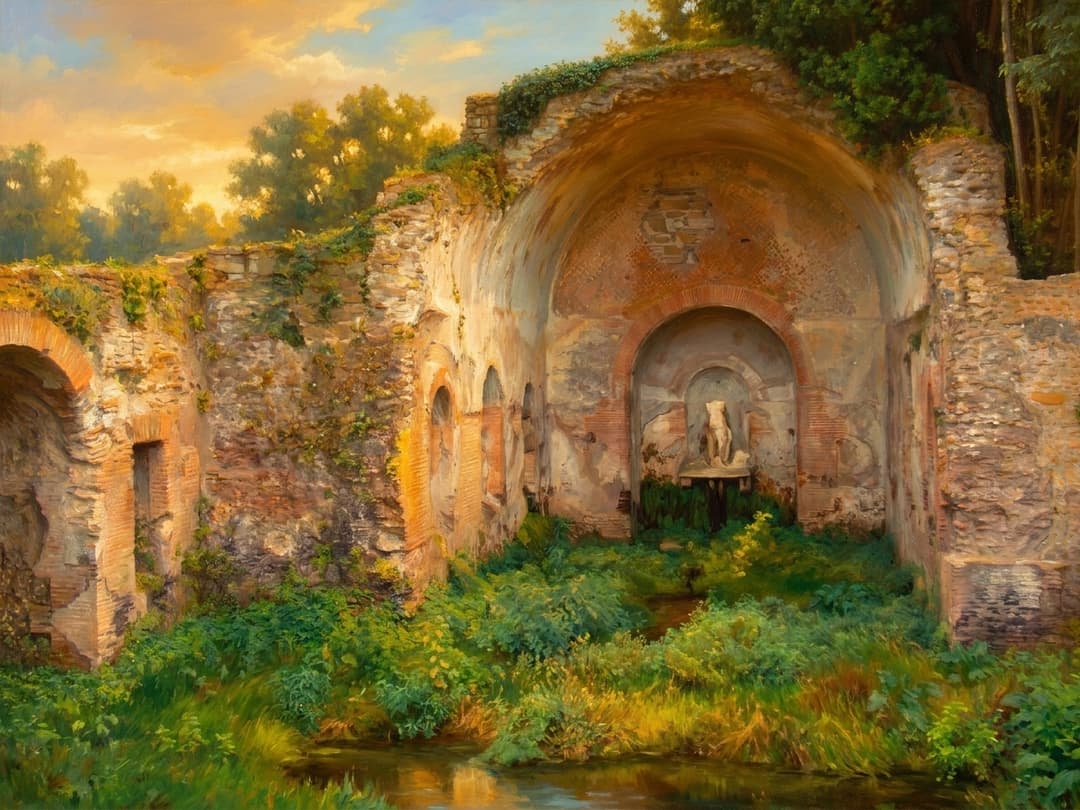
পাওলো আনেসির মতো শিল্পীরা চিত্রকর্মে এই কাঠামোটিকে ফুটিয়ে তোলেন, যা ১৭শ শতাব্দীতে এর রূপ কেমন ছিল তা ধারণ করে।
ঘটনাপ্রত্নতাত্ত্বিক আগ্রহ
স্থানটি প্রত্নতাত্ত্বিক এবং ঐতিহাসিকদের দৃষ্টি আকর্ষণ করে, যার ফলে আরও গবেষণা এবং নথিপত্র তৈরি হয়।
ঘটনাচলমান সংরক্ষণ
মিনার্ভা মেডিকা মন্দিরটি রোমে সংরক্ষণ এবং ঐতিহাসিক আগ্রহের একটি স্থান হিসেবে অব্যাহত রয়েছে।
সংস্কারখননকার্যের আবিষ্কার
খননকার্যের মাধ্যমে কাঠামোর আদি নকশা এবং উদ্দেশ্য সম্পর্কে আরও তথ্য জানা যায়, যা ঐতিহাসিক বোঝাপড়াকে সমৃদ্ধ করে।
ঘটনাঅনুরূপ মন্দিরসমূহ

উৎস ও গবেষণা
Temples.org-এর প্রতিটি তথ্য যাচাইকৃত দ্বারা সমর্থিত <strong>উৎস ও গবেষণা</strong>। তথ্যের প্রতিটি অংশ উৎস স্তর এবং আত্মবিশ্বাসের স্তর দ্বারা রেট করা হয়।
সমস্ত উৎস দেখুন (7)
| ক্ষেত্র | উৎস | স্তর | পুনরুদ্ধার করা হয়েছে |
|---|---|---|---|
| About & Historical Background | Turismo Roma (নতুন ট্যাবে খোলে) | C | 2024-05-03 |
| About & Historical Background | renatoprosciutto.com (নতুন ট্যাবে খোলে) | D | 2024-05-03 |
| About & Historical Background | Atlas Obscura (নতুন ট্যাবে খোলে) | D | 2024-05-03 |
| About & Historical Background | Madain Project (নতুন ট্যাবে খোলে) | B | 2024-05-03 |
| About & Historical Background | Rome the Second Time (নতুন ট্যাবে খোলে) | D | 2024-05-03 |
| About & Historical Background | Ancient Rome Live (নতুন ট্যাবে খোলে) | C | 2024-05-03 |
| About & Historical Background | Porto di Roma (নতুন ট্যাবে খোলে) | C | 2024-05-03 |