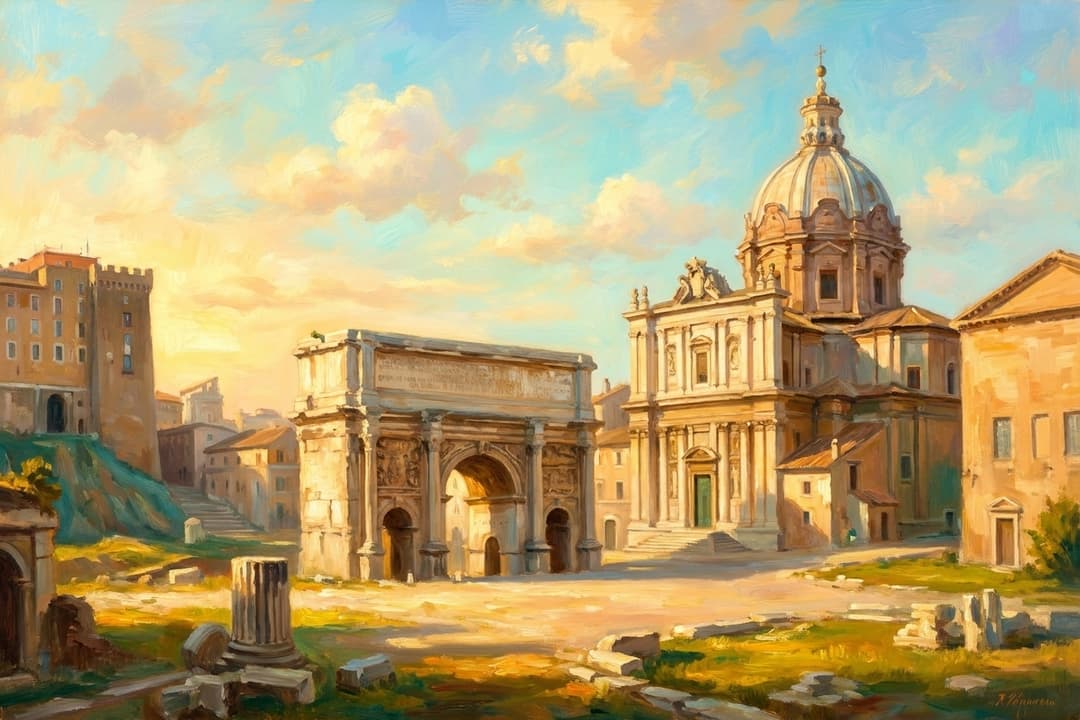
Visitor Insights
Visiting Temple of Minerva Medica
The Temple of Minerva Medica, though misidentified, offers a glimpse into ancient Roman architecture and garden design. While the site is typically closed to the public for conservation, visitors can still appreciate the exterior of this impressive ruin. Located near Termini Station, it provides a unique historical experience amidst the bustling city.
Highlights
- View the impressive decagonal structure from the outside.
- Learn about the history of the Horti Liciniani.
- Discover the story of the misidentification and the Athena Giustiniani statue.
Things to Know
- The site is usually closed to the public except for special events.
- Check for updated information on opening times before visiting.
Location
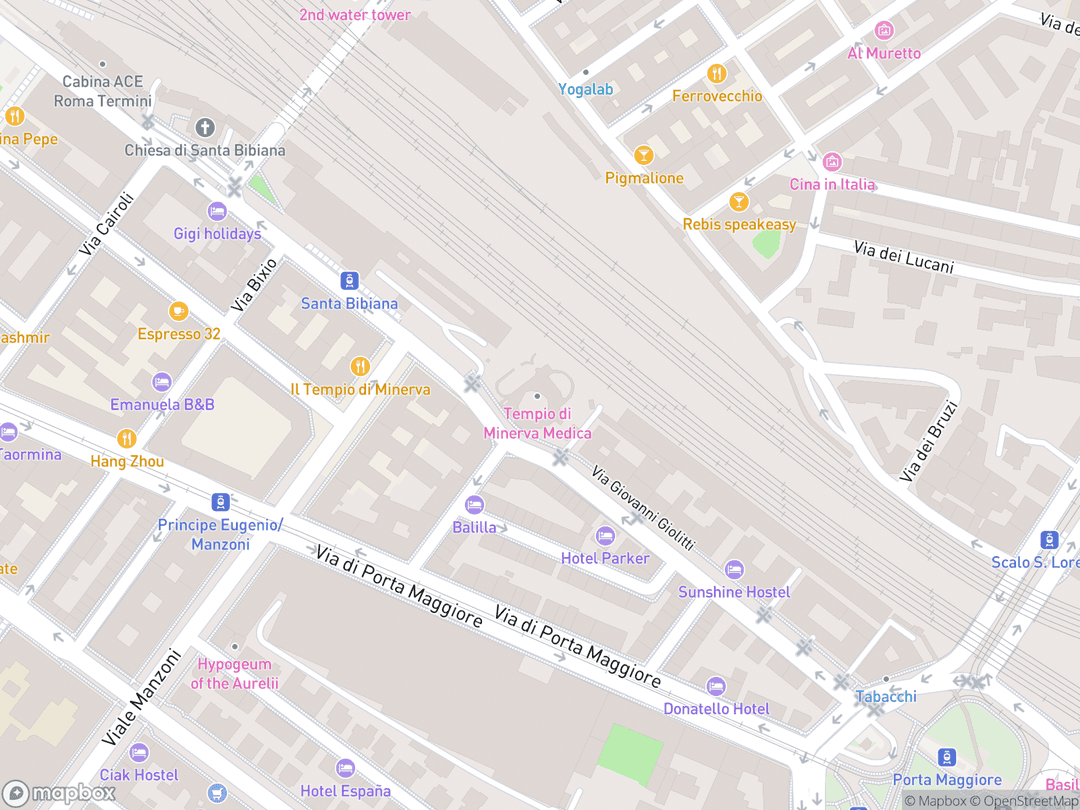
Via Giovanni Giolitti, 166, Rome, Italy
Hours: Closed to the public except for special occasions.
Getting There: Easily accessible by public transportation near Termini Station.
Get DirectionsAbout
The structure known today as the Temple of Minerva Medica is, in fact, a ruined nymphaeum, a monumental fountain or shrine, constructed in the late 3rd or early 4th century CE. Located on the Esquiline Hill in Rome, between the Via Labicana and the Aurelian Walls, it stands near the modern Via Giolitti. This decagonal hall, once adorned with a magnificent dome, was part of the Horti Liciniani, a sprawling imperial complex.
The misidentification as the Temple of Minerva Medica occurred in the 17th century due to the mistaken belief that the Athena Giustiniani statue was discovered at this location. Despite this error, the name has persisted, and the site continues to draw interest for its architectural significance and historical context. The structure represents a fascinating transition in Roman secular architecture.
Today, the site is not generally open to the public, except on special occasions, as ongoing conservation efforts aim to preserve its remaining features. These efforts seek to reveal original decorative elements and ensure the longevity of this ancient ruin, allowing future generations to appreciate its historical and architectural value.
Gallery
Symbolic Elements
The temple's exterior features intricate carvings, each rich with spiritual meaning:

Decagonal Structure
The decagonal shape of the nymphaeum is a significant architectural feature, representing a departure from traditional rectangular temple designs. This unique shape allowed for the creation of multiple niches and windows, enhancing the interior space and light.

Opus Latericium
The use of *opus latericium*, or fired brick, in the construction of the nymphaeum is symbolic of Roman engineering prowess. This durable and versatile material allowed for the creation of complex structures and contributed to the longevity of the building.

Niches
The nine semicircular niches within the nymphaeum likely housed statues or decorative elements, contributing to the overall aesthetic and symbolic value of the space. These niches would have provided focal points and enhanced the visual appeal of the interior.

Arched Windows
The ten round-arched windows that once adorned the nymphaeum allowed natural light to flood the interior, creating a bright and inviting atmosphere. These windows also provided views of the surrounding gardens, connecting the interior with the natural world.

Marble Cladding
Both the interior and exterior walls of the nymphaeum were originally covered with marble, a luxurious material that symbolized wealth and status in ancient Rome. The marble cladding would have added to the grandeur and elegance of the structure.

Dome
The now-collapsed dome of the nymphaeum was a significant architectural achievement, representing the pinnacle of Roman engineering. Its size and design would have been awe-inspiring, creating a sense of grandeur and sophistication.

Water
As a nymphaeum, water played a central role in the structure's symbolism. Water represented life, purity, and tranquility, and its presence would have enhanced the overall atmosphere of the space, creating a serene and refreshing environment.

Gardens
The Horti Liciniani, of which the nymphaeum was a part, were extensive gardens that symbolized nature's bounty and beauty. The lush greenery and carefully manicured landscapes would have provided a peaceful and relaxing setting for visitors.
Interesting Facts
The structure is not actually a temple dedicated to Minerva Medica, but a nymphaeum.
The misidentification occurred in the 17th century because of the discovery of the Athena Giustiniani statue nearby.
The nymphaeum was part of the Horti Liciniani, a vast imperial garden complex.
The dome was one of the largest in ancient Rome, after the Pantheon and the Baths of Caracalla.
The dome collapsed in 1828.
In the 15th century, it was known as 'Le Galluzze'.
The building's design represents a transition in Roman architecture.
Statues of Roman magistrates were found during excavations in the late 19th century.
The building may have served as a luxurious heated dining hall.
The statue of Minerva with the serpent, which led to the misidentification, was actually found in Campo Marzio.
Common Questions
Is the structure really a temple dedicated to Minerva Medica?
No, the structure is actually a nymphaeum, a monumental fountain or shrine, and not a temple. The misidentification occurred in the 17th century.
When was the nymphaeum constructed?
The nymphaeum was constructed in the late 3rd or early 4th century CE as part of the Horti Liciniani imperial complex.
Can I visit the Temple of Minerva Medica?
The site is generally closed to the public except for special occasions due to ongoing conservation efforts. However, it can be viewed from the outside.
What is the architectural significance of the nymphaeum?
The structure represents a transition in Roman secular architecture, showcasing advanced building techniques and design elements of the time.
Where is the Temple of Minerva Medica located?
The structure is located on the Esquiline Hill in Rome, near the modern Via Giolitti and close to Termini Station.
Featured Stories
The Misidentification of Minerva Medica
17th Century
In the 17th century, the structure now known as the Temple of Minerva Medica was mistakenly identified as a temple dedicated to the Roman goddess of wisdom and medicine, Minerva. This error stemmed from the discovery of the Athena Giustiniani statue nearby, which was incorrectly associated with the site. Despite the misidentification, the name has persisted, and the structure continues to be referred to as the Temple of Minerva Medica.
The Athena Giustiniani statue, a Roman copy of a Greek original, depicts the goddess Athena, who was often equated with Minerva in Roman mythology. The statue's presence in the area led to the assumption that the structure was a temple dedicated to the goddess. However, archaeological evidence has since revealed that the structure was actually a nymphaeum, a monumental fountain or shrine.
The misidentification highlights the challenges of interpreting historical sites and the importance of careful archaeological investigation. While the name may be inaccurate, it has become ingrained in the site's history and continues to be used today, adding a layer of intrigue to this ancient ruin.
Source: Historical records and archaeological reports from the 17th century.
The Horti Liciniani: An Imperial Garden Complex
Late 3rd - Early 4th Century CE
The nymphaeum was originally part of the Horti Liciniani, a vast imperial garden complex that belonged to the Roman emperor Licinius. These gardens were a testament to the wealth and power of the Roman elite, showcasing meticulously manicured landscapes, elaborate fountains, and luxurious villas. The Horti Liciniani provided a tranquil retreat from the bustling city, offering a place for relaxation and contemplation.
The nymphaeum itself would have been a prominent feature of the gardens, serving as a focal point and a source of beauty and refreshment. The presence of water, lush greenery, and ornate decorations would have created a serene and inviting atmosphere, enhancing the overall appeal of the gardens.
The Horti Liciniani represent a significant aspect of Roman culture, demonstrating the importance of gardens and green spaces in ancient society. These gardens provided a place for social gatherings, artistic expression, and intellectual pursuits, contributing to the overall quality of life in ancient Rome.
Source: Archaeological studies and historical accounts of the Horti Liciniani.
The Architectural Significance of the Nymphaeum
Late 3rd - Early 4th Century CE
The nymphaeum is a remarkable example of Roman architecture, showcasing advanced engineering techniques and innovative design elements. The decagonal structure, with its soaring dome and intricate brickwork, represents a significant achievement in Roman construction. The use of opus latericium, or fired brick, allowed for the creation of complex and durable structures.
The interior of the nymphaeum was adorned with niches, windows, and marble cladding, creating a visually stunning and inviting space. The dome, which partially collapsed in 1828, would have been a particularly impressive feature, adding to the grandeur and sophistication of the structure.
The nymphaeum's design represents a transition in Roman secular architecture, bridging the gap between earlier structures like the Domus Aurea and later masterpieces like the Pantheon. Its innovative use of space and light, combined with its elegant decorations, make it a significant landmark in the history of Roman architecture.
Source: Architectural analyses and historical studies of the nymphaeum.
Timeline
Construction of the Nymphaeum
The nymphaeum is constructed as part of the Horti Liciniani, a large imperial complex in Rome.
MilestoneAbandonment of the Esquilino Area
The Esquilino area is abandoned, and the building begins to fall into decay and disrepair.
EventKnown as Basilica Gai et Luci
The building is referred to as the Basilica Gai et Luci during the Middle Ages.
EventReferred to as 'Le Galluzze'
Flavio Biondo refers to the ruins as 'Le Galluzze' in his *Roma Instaurata*.
EventErroneous Identification
The structure is incorrectly identified as the Temple of Minerva Medica.
EventAssociation with Athena Giustiniani
The statue of Athena Giustiniani is linked to the site, reinforcing the incorrect identification.
EventDome Collapse
The dome of the nymphaeum partially collapses, causing further damage to the structure.
EventStatue Discoveries
Statues are discovered during excavations and are later displayed at the Centrale Montemartini museum.
EventConservation Efforts
Conservation efforts begin to reveal original decorative elements of the nymphaeum.
RenovationImperial Construction
The nymphaeum is built during the late Roman Empire, showcasing advanced architectural techniques.
MilestonePart of Horti Liciniani
The structure becomes an integral part of the Horti Liciniani, a vast imperial garden complex.
EventArtistic Depictions
Artists like Paolo Anesi depict the structure in paintings, capturing its appearance in the 17th century.
EventArchaeological Interest
The site gains interest from archaeologists and historians, leading to further study and documentation.
EventOngoing Preservation
The Temple of Minerva Medica continues to be a site of conservation and historical interest in Rome.
RenovationExcavation Discoveries
Excavations reveal more about the structure's original design and purpose, enhancing historical understanding.
EventSimilar Temples
Sources & Research
Every fact on Temples.org is backed by verified Sources & Research. Each piece of information is rated by source tier and confidence level.
View All Sources (7)
| Field | Source | Tier | Retrieved |
|---|---|---|---|
| About & Historical Background | Turismo Roma (opens in a new tab) | C | 2024-05-03 |
| About & Historical Background | renatoprosciutto.com (opens in a new tab) | D | 2024-05-03 |
| About & Historical Background | Atlas Obscura (opens in a new tab) | D | 2024-05-03 |
| About & Historical Background | Madain Project (opens in a new tab) | B | 2024-05-03 |
| About & Historical Background | Rome the Second Time (opens in a new tab) | D | 2024-05-03 |
| About & Historical Background | Ancient Rome Live (opens in a new tab) | C | 2024-05-03 |
| About & Historical Background | Porto di Roma (opens in a new tab) | C | 2024-05-03 |