দর্শনার্থীদের অন্তর্দৃষ্টি
দর্শন ফুশিমি ইনারি তাইশা
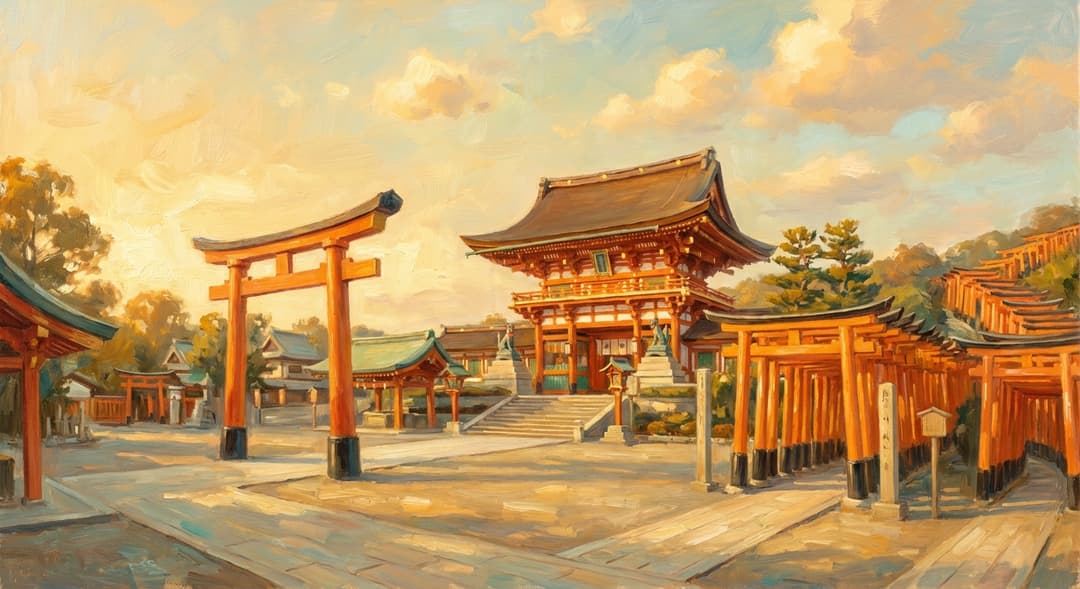
ফুশিমি ইনারি তাইশা পরিদর্শন শিন্তো সংস্কৃতি এবং ধান, কৃষি, ব্যবসা ও সমৃদ্ধির দেবতা ইনারির উপাসনার এক অনন্য ও নিমগ্ন অভিজ্ঞতা প্রদান করে। এই উপাসনালয়টি তার হাজার হাজার সিঁদুর-রঙা তোরি গেটের জন্য বিখ্যাত যা মাউন্ট ইনারি বেয়ে উপরে উঠে গেছে, যা একটি দৃশ্যত চমৎকার এবং আধ্যাত্মিকভাবে উদ্দীপক পথ তৈরি করেছে। চূড়ায় পৌঁছানো এবং ফিরে আসার জন্য প্রায় ২-৩ ঘণ্টা সময় লাগে, যার পথে ছোট ছোট উপাসনালয় এবং বিশ্রামের জায়গা রয়েছে। উপাসনালয়টি ২৪ ঘণ্টা খোলা থাকে, যা দর্শনার্থীদের নিজেদের গতিতে ঘুরে দেখার এবং শান্ত পরিবেশ উপভোগ করার সুযোগ দেয়, বিশেষ করে ভোরে বা গভীর সন্ধ্যায় যখন ভিড় কম থাকে। মূল উপাসনালয় এলাকাটি কিয়োটো থেকে সহজেই যাতায়াতযোগ্য, যা এটিকে স্থানীয় এবং পর্যটক উভয়ের কাছেই একটি জনপ্রিয় গন্তব্য করে তুলেছে। আপনি শিন্তো ঐতিহ্যে আগ্রহী হন, হাইকিং করতে চান বা কেবল শ্বাসরুদ্ধকর প্রাকৃতিক দৃশ্য উপভোগ করতে চান, ফুশিমি ইনারি তাইশা একটি স্মরণীয় এবং সমৃদ্ধ পরিদর্শনের অভিজ্ঞতা প্রদান করে। অনেক শেয়ালের মূর্তিগুলোর দিকে নজর রাখতে ভুলবেন না, যেগুলোকে ইনারির দূত হিসেবে বিবেচনা করা হয়, এগুলো প্রায়শই মুখে একটি চাবি ধরে থাকে, যা ধানের গোলার চাবিকে প্রতীকায়িত করে।
প্রধান বৈশিষ্ট্য
- মাউন্ট ইনারি বেয়ে উপরে উঠে যাওয়া হাজার হাজার সিঁদুর-রঙা তোরি গেট।
- মাউন্ট ইনারির চূড়ায় হাইকিং করার এবং পথিমধ্যে ছোট ছোট উপাসনালয়গুলো অন্বেষণ করার সুযোগ।
- শান্ত ও নির্মল পরিবেশ, বিশেষ করে ভোরে বা গভীর সন্ধ্যার সময়।
জানার বিষয়
- চূড়ায় ওঠার পথটি ক্লান্তিকর হতে পারে, তাই আরামদায়ক জুতো পরুন এবং সাথে পানি রাখুন।
- উপাসনালয়টিতে প্রচুর ভিড় হতে পারে, বিশেষ করে পর্যটনের মূল মরসুমে।
- উপাসনালয় পরিদর্শনের সময় সম্মানজনক পোশাক এবং আচরণ প্রত্যাশিত।
অবস্থান
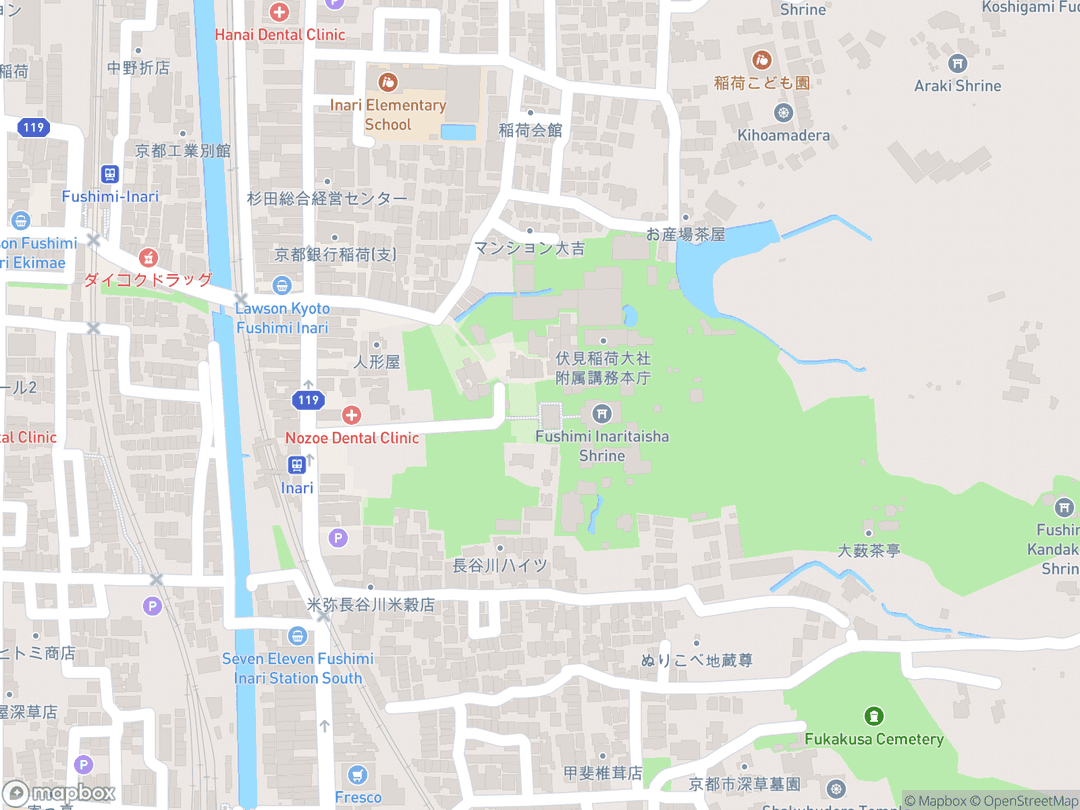
68 Yabunouchi-cho, Fukakusa Fushimi-ku, Kyoto, Kyoto Prefecture 612-0882, Japan
সময়: ২৪ ঘণ্টা খোলা
সেখানে যাওয়া: কেইহান মেইন লাইন বা নারা লাইনের মাধ্যমে যথাক্রমে ফুশিমি-ইনারি বা ইনারি স্টেশনে পৌঁছানো যায়।
দিকনির্দেশ পানআপনার দর্শনের জন্য টিপস
আরামদায়ক জুতো পরুন
মাউন্ট ইনারি আরোহণে প্রচুর হাঁটার প্রয়োজন হয়, তাই আরামদায়ক জুতো অপরিহার্য।
পানি সাথে রাখুন
শরীর হাইড্রেটেড রাখা গুরুত্বপূর্ণ, বিশেষ করে গরমের মাসগুলোতে।
পরিচিতি
Kyoto.travel-এর তথ্য অনুযায়ী, ৭১১ খ্রিস্টাব্দে প্রতিষ্ঠিত ফুশিমি ইনারি তাইশা হলো ইনারির প্রধান উপাসনালয় এবং এটি জাপানের কিয়োটোর মাউন্ট ইনারির পাদদেশে অবস্থিত। এটি তার হাজার হাজার সিঁদুর-রঙা তোরি গেটের জন্য বিখ্যাত যা পাহাড়ের চূড়া পর্যন্ত একটি মন্ত্রমুগ্ধকর পথ তৈরি করেছে।
ইনারির উদ্দেশ্যে উৎসর্গীকৃত হাজার হাজার উপাসনালয়ের মধ্যে সবচেয়ে গুরুত্বপূর্ণ হিসেবে, ফুশিমি ইনারি তাইশা শিন্তো ঐতিহ্যে একটি অত্যন্ত গুরুত্বপূর্ণ স্থান দখল করে আছে। ইনারি হলেন ধান, কৃষি, ব্যবসা এবং সমৃদ্ধির শিন্তো দেবতা, যা এই ক্ষেত্রগুলোতে আশীর্বাদপ্রার্থীদের জন্য এই উপাসনালয়টিকে একটি অত্যন্ত গুরুত্বপূর্ণ কেন্দ্রে পরিণত করেছে। এই উপাসনালয়ের ইতিহাস ৮ম শতাব্দী পর্যন্ত বিস্তৃত, যার মূল উপাসনালয়টি ১৪৯৯ সালে একটি অগ্নিকাণ্ডের পর পুনর্নির্মাণ করা হয়েছিল।
ফুশিমি ইনারি তাইশার দর্শনার্থীরা ১৫৮৯ সালে নির্মিত রোমন গেটসহ এর চমৎকার স্থাপত্যশৈলী অন্বেষণ করতে পারেন এবং প্রায় ১০,০০০ তোরি গেট দিয়ে ঘেরা পথ ধরে পাহাড়ি ট্রেইলে হাঁটতে পারেন। উপাসনালয়টি ২৪ ঘণ্টা খোলা থাকে, যা যেকোনো সময় পরিদর্শনের সুযোগ করে দেয় এবং সমস্ত দর্শনার্থীদের জন্য একটি অনন্য ও আধ্যাত্মিক অভিজ্ঞতা প্রদান করে। এখানকার আইকনিক শেয়ালের মূর্তিগুলো, যাদের ইনারির দূত হিসেবে বিবেচনা করা হয়, উপাসনালয়ের রহস্যময় পরিবেশকে আরও বাড়িয়ে তোলে।
গ্যালারি
প্রতীকী উপাদান
মন্দিরের বাইরের অংশে জটিল খোদাই রয়েছে, যার প্রতিটি আধ্যাত্মিক অর্থে সমৃদ্ধ:

তোরি গেট
সিঁদুর-রঙা তোরি গেটগুলো ফুশিমি ইনারি তাইশার সবচেয়ে আইকনিক প্রতীক। প্রতিটি গেট জাপানি ব্যবসায়িক প্রতিষ্ঠানগুলো কৃতজ্ঞতার প্রতীক হিসেবে এবং ক্রমাগত সমৃদ্ধি নিশ্চিত করার জন্য দান করেছে। এই গেটগুলো একটি পবিত্র স্থানে প্রবেশের প্রতীক, যা দর্শনার্থীদের ভেতরের মন্দিরের পথের দিকে পরিচালিত করে।

শিয়ালের মূর্তি (কিৎসুন)
শিয়াল, যা কিৎসুন নামে পরিচিত, ধান ও কৃষির কামি ইনারির বার্তাবাহক হিসেবে বিবেচিত হয়। মন্দির প্রাঙ্গণ জুড়ে অনেক শিয়ালের মূর্তি পাওয়া যায়, যেগুলো প্রায়শই মুখে একটি চাবি ধরে থাকে, যা ধানের গোলার চাবির প্রতীক। এই মূর্তিগুলো ইনারি এবং মানুষের সমৃদ্ধির মধ্যে গুরুত্বপূর্ণ সংযোগের প্রতিনিধিত্ব করে।

সিঁদুর রঙ
মন্দির জুড়ে, বিশেষ করে তোরি গেটগুলোতে ব্যবহৃত প্রাণবন্ত সিঁদুর রঙ একটি গুরুত্বপূর্ণ প্রতীকী উপাদান। জাপানি ঐতিহ্যে, বিশ্বাস করা হয় যে সিঁদুর রঙ অপশক্তিকে দূরে রাখে এবং সৌভাগ্য নিয়ে আসে। এই রঙটি একটি দৃশ্যত আকর্ষণীয় এবং আধ্যাত্মিকভাবে সুরক্ষামূলক পরিবেশ তৈরি করে।

ইনারি পর্বত
ইনারি পর্বত নিজেই একটি পবিত্র স্থান, যার পাদদেশে মন্দিরটি নির্মিত এবং এর পথগুলো চূড়া পর্যন্ত চলে গেছে। পর্বতটিকে আধ্যাত্মিক শক্তি এবং কামির সাথে সংযোগের একটি স্থান হিসেবে বিবেচনা করা হয়। চূড়ায় আরোহণ করা একটি তীর্থযাত্রা, যা দর্শনার্থীদের প্রাকৃতিক এবং আধ্যাত্মিক পরিবেশে নিমজ্জিত হতে সাহায্য করে।

ধানের গোলার চাবি
অনেক শিয়ালের মূর্তি তাদের মুখে একটি চাবি ধরে থাকে, যা ধানের গোলার চাবি। এই চাবিটি ধান ও কৃষির কামি হিসেবে ইনারির ভূমিকার প্রতীক, যা মানুষের জন্য প্রচুর ফসল এবং সমৃদ্ধি নিশ্চিত করে। চাবিটি জীবন ও কল্যাণের জন্য প্রয়োজনীয় সম্পদের অধিকারকে প্রতিনিধিত্ব করে।

রোমন গেট
১৫৮৯ সালে তোয়োতোমি হিদেয়োশি দ্বারা নির্মিত রোমন গেটটি মন্দিরের একটি বিশিষ্ট স্থাপত্য বৈশিষ্ট্য। এই দোতলা গেটটি পবিত্র প্রাঙ্গণের একটি মহিমান্বিত প্রবেশদ্বার হিসেবে কাজ করে, যা মন্দিরের ঐতিহাসিক ও সাংস্কৃতিক গুরুত্ব প্রদর্শন করে। গেটের নকশা আজুচি-মোমোয়ামা (Azuchi-Momoyama) যুগের স্থাপত্য শৈলীকে প্রতিফলিত করে।

হন্ডেন (প্রধান হল)
হন্ডেন বা প্রধান হলটি একটি অগ্নিকাণ্ডের পর ১৪৯৯ সালে পুনর্নির্মাণ করা হয়েছিল এবং এটি আজুচি-মোমোয়ামা যুগের একটি গুরুত্বপূর্ণ স্থাপত্যের নিদর্শন। এই কাঠামোটি উপাসনার কেন্দ্রীয় স্থান হিসেবে কাজ করে এবং এখানে দেবদেবীদের অধিষ্ঠিত করা হয়েছে। এর নকশা এবং নির্মাণ মন্দিরের ঐতিহাসিক ও ধর্মীয় গুরুত্বকে প্রতিফলিত করে।

কাসুগা-জুকুরি শৈলী
মন্দিরটি কাসুগা-জুকুরি শৈলীতে নির্মিত, যা একটি বাঁকা সিলুয়েট সহ ঢালু ছাদ এবং একটি স্বতন্ত্র প্রবেশদ্বার দ্বারা চিহ্নিত। এই স্থাপত্য শৈলীটি শিন্তো মন্দিরগুলোর জন্য ঐতিহ্যবাহী এবং এটি মন্দিরের অনন্য নান্দনিক ও সাংস্কৃতিক মূল্য বৃদ্ধি করে। কাসুগা-জুকুরি শৈলীটি জাপানি ইতিহাস এবং ধর্মীয় অনুশীলনে মন্দিরের গভীর শিকড়কে প্রতিফলিত করে।
আকর্ষণীয় তথ্য
সাধারণ জিজ্ঞাসা
ফুশিমি ইনারি তাইশা কী?
ফুশিমি ইনারি তাইশা হলো জাপানের কিয়োটোর ফুশিমি-কু-তে অবস্থিত শিন্তো ধর্মের ধান, কৃষি, ব্যবসা এবং সমৃদ্ধির দেবতা ইনারির প্রধান মন্দির। এটি ইনারি পর্বতে আরোহণকারী হাজার হাজার সিঁদুর-রঙা তোরি (torii) গেটের জন্য বিখ্যাত।
ইনারি কে?
ইনারি হলেন শিন্তো ধর্মের ধান, কৃষি, ব্যবসা এবং সমৃদ্ধির দেবতা। এই দেবতাকে প্রায়শই শিয়ালের সাথে যুক্ত করা হয়, যাদের ইনারির বার্তাবাহক বলে মনে করা হয়।
ফুশিমি ইনারি তাইশাতে এত বেশি তোরি গেট কেন আছে?
ফুশিমি ইনারি তাইশার প্রায় ১০,০০০ তোরি গেটের প্রতিটি জাপানি ব্যবসায়িক প্রতিষ্ঠানগুলো কৃতজ্ঞতার প্রতীক হিসেবে এবং ক্রমাগত সমৃদ্ধি নিশ্চিত করার জন্য দান করেছিল। এই গেটগুলো একটি পবিত্র স্থানে প্রবেশের প্রতীক।
ইনারি পর্বতের চূড়ায় পৌঁছাতে কতক্ষণ সময় লাগে?
ফুশিমি ইনারি তাইশাতে ইনারি পর্বতের চূড়ায় পৌঁছানোর পথটি প্রায় ৪ কিলোমিটার (২.৫ মাইল) দীর্ঘ এবং এতে প্রায় ২-৩ ঘণ্টা সময় লাগে। এই পথগুলোর পাশে ছোট ছোট মন্দির এবং বিশ্রামের জায়গা রয়েছে।
ফুশিমি ইনারি তাইশা ভ্রমণের সেরা সময় কোনটি?
ভিড় এড়ানোর জন্য ফুশিমি ইনারি তাইশা ভ্রমণের সেরা সময় হলো সকালের শেষভাগ থেকে বিকালের মধ্যভাগ, অথবা ভোরের আলোয় বা গভীর সন্ধ্যায়। মন্দিরটি ২৪ ঘণ্টা খোলা থাকে, যা যেকোনো সময় ভ্রমণের সুযোগ দেয়।
সংশ্লিষ্ট গল্প
এই পবিত্র স্থানটির সাথে সম্পর্কিত সমৃদ্ধ ইতিহাস, ঐতিহ্য এবং মানুষ সম্পর্কে অন্বেষণ করুন।
বৈশিষ্ট্যযুক্ত গল্প
প্রতিষ্ঠার কিংবদন্তি
711 CE
ফুশিমি ইনারি তাইশার প্রতিষ্ঠা প্রভাবশালী হাতা বংশের সদস্য হাতা নো ইরোগুকে কেন্দ্র করে একটি চিত্তাকর্ষক কিংবদন্তির সাথে জড়িত। কাহিনী অনুসারে, হাতা নো ইরোগু একটি মোচি (ঐতিহ্যবাহী জাপানি চালের পিঠা)-র দিকে একটি তীর ছুড়েছিলেন। অলৌকিকভাবে, মোচিটি একটি সাদা পাখিতে রূপান্তরিত হয় এবং ইনারি পর্বতের চূড়ার দিকে উড়ে যায়।
চূড়ায় পৌঁছানোর পর, সাদা পাখিটি ধান গজাতে এবং তা সমৃদ্ধ করতে সাহায্য করেছিল, যা ভূমি এবং মানুষের সমৃদ্ধির মধ্যে ঐশ্বরিক সংযোগকে নির্দেশ করে। এই অসাধারণ ঘটনাটি ধান ও কৃষির কামি ইনারিকে সম্মান জানানোর স্থান হিসেবে মন্দিরটি প্রতিষ্ঠার দিকে পরিচালিত করে। কিংবদন্তিটি মন্দিরের গভীর ঐতিহাসিক এবং আধ্যাত্মিক গুরুত্বকে তুলে ধরে, এর উৎপত্তির সাথে একটি অলৌকিক ঘটনা এবং ইনারির আশীর্বাদকে যুক্ত করে।
উৎস: Fushimi Inari-taisha
তোরি গেটের তাৎপর্য
Ongoing
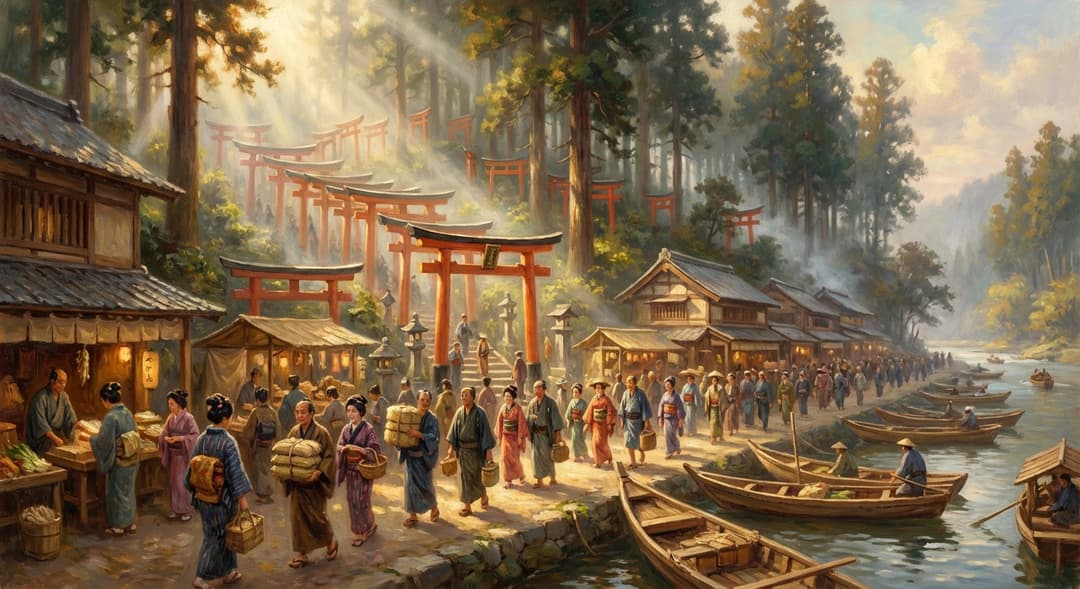
ইনারি পর্বতের পথ ধরে থাকা হাজার হাজার সিঁদুর-রঙা তোরি গেট কেবল একটি দৃশ্যমান চমৎকার বিষয়ই নয়; এগুলো জাপানি ব্যবসায়িক প্রতিষ্ঠানগুলোর চিরস্থায়ী বিশ্বাস এবং কৃতজ্ঞতার প্রতিনিধিত্ব করে। প্রতিটি গেট এমন একটি কোম্পানির দ্বারা দান করা হয়েছে যারা ব্যবসার কামি ইনারিকে সম্মান জানাতে এবং তাদের উদ্যোগে ক্রমাগত সাফল্য নিশ্চিত করতে চেয়েছিল।
ঘনভাবে সাজানো গেটের দুটি সমান্তরাল সারি সেনবোন তোরির মধ্য দিয়ে হাঁটা একটি গভীর আধ্যাত্মিক অভিজ্ঞতা, কারণ দর্শনার্থীরা সমৃদ্ধি এবং ঐশ্বরিক অনুগ্রহের প্রতীক দ্বারা পরিবেষ্টিত থাকেন। গেটগুলো মন্দির এবং ব্যবসায়ী সম্প্রদায়ের মধ্যে দীর্ঘস্থায়ী সম্পর্কের প্রমাণ হিসেবে কাজ করে, যা জাপানি সমাজে বিশ্বাস এবং ঐতিহ্যের গুরুত্বকে তুলে ধরে।
উৎস: Japan-Guide.com - Fushimi Inari Shrine
বার্তাবাহক হিসেবে শিয়ালদের ভূমিকা
Ancient Times
শিয়াল, যা কিৎসুন নামে পরিচিত, ফুশিমি ইনারি তাইশার লোককাহিনীতে একটি বিশেষ স্থান অধিকার করে আছে, যা ধান, কৃষি, ব্যবসা এবং সমৃদ্ধির কামি ইনারির বার্তাবাহক হিসেবে কাজ করে। এই শ্রদ্ধেয় প্রাণীগুলোকে প্রায়শই মন্দির প্রাঙ্গণ জুড়ে মূর্তিতে চিত্রিত করা হয়, প্রায়শই তাদের মুখে একটি চাবি থাকে, যা ধানের গোলায় প্রবেশাধিকার এবং প্রচুর ফসলের আশীর্বাদের প্রতীক।
মন্দিরে শিয়ালের উপস্থিতি প্রাকৃতিক জগৎ এবং ঐশ্বরিক শক্তির মধ্যে গুরুত্বপূর্ণ সংযোগের কথা মনে করিয়ে দেয়, সেইসাথে জীবন ধারণে ভূমিকা পালনকারী প্রাণীদের সম্মান ও শ্রদ্ধা জানানোর গুরুত্বকেও তুলে ধরে। শিয়ালের মূর্তিগুলো ইনারির উপস্থিতি এবং প্রভাবের একটি বাস্তব রূপ হিসেবে কাজ করে, যা দর্শনার্থীদের তাদের আধ্যাত্মিক যাত্রায় পরিচালিত করে।
উৎস: Kiddle - Fushimi Inari-taisha
সময়রেখা
মন্দির প্রতিষ্ঠা
মন্দিরটি আনুষ্ঠানিকভাবে হাতা বংশ (Hata clan) দ্বারা প্রতিষ্ঠিত হয়েছিল। কিংবদন্তি অনুসারে, হাতা নো ইরোগু একটি মোচি (চাল দিয়ে তৈরি পিঠা)-র দিকে একটি তীর ছুড়েছিলেন, যা একটি সাদা পাখিতে রূপান্তরিত হয়ে ইনারি পর্বতের (Mount Inari) চূড়ায় উড়ে গিয়েছিল, যেখানে ধান জন্মাতে শুরু করেছিল।
মাইলস্টোনরাজধানী কিয়োটোতে স্থানান্তরিত
রাজধানী কিয়োটোতে স্থানান্তরিত করা হয়েছিল, যা এই মন্দিরের গুরুত্ব বৃদ্ধি করেছিল।
ঘটনাপ্রাথমিক হিয়ান যুগ
প্রাথমিক হিয়ান যুগে মন্দিরটি রাজকীয় পৃষ্ঠপোষকতা লাভ করেছিল।
ঘটনামন্দির স্থানান্তরিত
সন্ন্যাসী কুকাই (Kūkai)-এর অনুরোধে মন্দিরটি স্থানান্তরিত করা হয়েছিল।
ঘটনাসর্বোচ্চ মর্যাদা অর্জন
ফুশিমি ইনারি একটি শিন্তো মন্দিরের জন্য সম্ভাব্য সর্বোচ্চ মর্যাদা অর্জন করেছিল।
মাইলস্টোনসম্রাটের ডিক্রি
সম্রাট মুরাকামি আদেশ দিয়েছিলেন যে বার্তাবাহকরা যেন ইনারি মন্দিরসহ জাপানের অভিভাবক কামি (kami)-দের কাছে গুরুত্বপূর্ণ ঘটনার লিখিত বিবরণ বহন করে নিয়ে যায়।
ঘটনাপ্রধান মন্দির ধ্বংস
ওনিন বিদ্রোহের (Onin Rebellion) সময় একটি অগ্নিকাণ্ডে প্রধান মন্দিরের কাঠামোটি ধ্বংস হয়ে গিয়েছিল।
ঘটনাপ্রধান মন্দির পুনর্নির্মাণ
প্রধান মন্দির (হন্ডেন) পুনর্নির্মাণ করা হয়েছিল।
মাইলস্টোনরোমন গেট নির্মাণ
তোয়োতোমি হিদেয়োশি (Toyotomi Hideyoshi) দ্বারা রোমন গেটটি নির্মিত হয়েছিল।
মাইলস্টোনকানপেই-তাইশা উপাধি
ফুশিমি ইনারি-তাইশাকে আনুষ্ঠানিকভাবে কানপেই-তাইশা (Kanpei-taisha) হিসেবে মনোনীত করা হয়েছিল, যার অর্থ এটি সরকারি পৃষ্ঠপোষকতা প্রাপ্ত মন্দিরগুলোর মধ্যে প্রথম সারিতে অবস্থান করছিল।
ঘটনাস্থাপত্য ও সুবিধা
ধর্মীয় তাৎপর্য
ফুশিমি ইনারি তাইশা শিন্তো ঐতিহ্যের মধ্যে গভীর শ্রদ্ধার স্থান অধিকার করে আছে, যা জাপানের আদিবাসী আধ্যাত্মিক পথ যা কামি — প্রাকৃতিক ঘটনা, পূর্বপুরুষ এবং পবিত্র স্থানগুলোতে বসবাসকারী ঐশ্বরিক আত্মার পবিত্র উপস্থিতি উদযাপন করে। শিন্তো উপাসনালয়গুলো কেবল উপাসনার স্থান নয় বরং কামিদের বাসস্থান হিসেবে বিবেচিত হয়, যেখানে দৃশ্যমান এবং অদৃশ্য জগতের মধ্যবর্তী সীমানা সংকুচিত হয়ে আসে এবং মানুষ সমস্ত সৃষ্টির চালিকাশক্তি ঐশ্বরিক শক্তির সাথে যোগাযোগ করতে পারে।
উপাসনালয়টি মানবজাতি এবং কামিদের মধ্যে একটি পবিত্র মিলনস্থল হিসেবে কাজ করে, যা একটি পবিত্র স্থান প্রদান করে যেখানে দর্শনার্থীরা প্রার্থনা করতে পারেন, কৃতজ্ঞতা প্রকাশ করতে পারেন, পবিত্রতা অন্বেষণ করতে পারেন এবং স্বাস্থ্য, সমৃদ্ধি ও আধ্যাত্মিক সম্প্রীতির জন্য আশীর্বাদ লাভ করতে পারেন। এটি শতাব্দী ধরে চর্চিত প্রাচীন শিন্তো আচার-অনুষ্ঠানগুলোকে সংরক্ষণ করে, যা জাপানি জনগণ এবং প্রাকৃতিক বিশ্বকে টিকিয়ে রাখা আধ্যাত্মিক শক্তিগুলোর মধ্যে জীবন্ত সংযোগ বজায় রাখে।
পবিত্র বিধি
সানপাই (উপাসনালয় উপাসনা)
দর্শনার্থীরা মূল হালের সামনে মাথা নত করা, দুবার তালি দেওয়া, নীরব প্রার্থনা করা এবং আবার মাথা নত করার ঐতিহ্যবাহী উপাসনা পদ্ধতি অনুসরণ করেন। প্রতি বছর লক্ষ লক্ষ জাপানিদের দ্বারা চর্চিত এই আচারিক ক্রমটি উপাসনাকারী এবং অধিষ্ঠিত কামির মধ্যে একটি ব্যক্তিগত সংযোগ স্থাপন করে।
হারায়ে (শুদ্ধিকরণ আচার)
অভ্যন্তরীণ উপাসনালয়ের দিকে যাওয়ার আগে, দর্শনার্থীরা চোজুয়া (পবিত্রতার ফোয়ারা) থেকে তেমিজু — হাত ও মুখ ধোয়ার আচার সম্পন্ন করেন। এই পরিচ্ছন্নতার কাজটি পবিত্র স্থানে প্রবেশ করতে এবং কামির সাথে যোগাযোগ করার জন্য প্রয়োজনীয় শরীর ও আত্মার শুদ্ধিকরণকে প্রতীকায়িত করে।
নোরিতো (আচারিক প্রার্থনা)
শিন্তো পুরোহিতরা অনুষ্ঠানের সময় আনুষ্ঠানিক প্রার্থনা (নোরিতো) পাঠ করেন, যার জন্য শতাব্দী ধরে সংরক্ষিত প্রাচীন জাপানি ভাষা ব্যবহার করা হয়। এই প্রার্থনাগুলো কামিদের আহ্বান করে, প্রাপ্ত আশীর্বাদের জন্য কৃতজ্ঞতা প্রকাশ করে এবং অব্যাহত ঐশ্বরিক সুরক্ষা ও নির্দেশনার জন্য প্রার্থনা করে।
মাৎসুরি (উৎসব)
উপাসনালয়টি ঋতুভিত্তিক উৎসবের আয়োজন করে যা শোভাযাত্রা, সঙ্গীত, নৃত্য এবং সাম্প্রদায়িক নৈবেদ্যর মাধ্যমে কামিদের উদযাপন করে। এই মাৎসুরি উৎসবগুলো জাপানি আধ্যাত্মিক সংস্কৃতির অন্যতম প্রাণবন্ত প্রকাশ, যা ঐশ্বরিক শ্রদ্ধার সাথে সম্প্রদায়ের উদযাপন এবং সাংস্কৃতিক ধারাবাহিকতাকে মিশ্রিত করে।
কামি এবং পবিত্র ল্যান্ডস্কেপ
শিন্তো বিশ্বাসে, কামিরা কোনো দূরবর্তী, অতীত সত্তা নন বরং প্রকৃতির মধ্যে — পাহাড়, নদী, গাছপালা, পাথর এবং ঝড়ের মধ্যে বসবাসকারী অন্তর্নিহিত আধ্যাত্মিক উপস্থিতি। উপাসনালয়ের স্থানটি নির্বাচন করা হয়েছিল কারণ বিশ্বাস করা হতো যে কামিরা এখানে বিশেষভাবে উপস্থিত ছিলেন, যা এই স্থানটিকে আধ্যাত্মিক শক্তির একটি প্রাকৃতিক কেন্দ্রে পরিণত করেছে। চারপাশের প্রাকৃতিক দৃশ্য কেবল একটি পটভূমি নয় বরং পবিত্র প্রাঙ্গণের একটি অবিচ্ছেদ্য অংশ, যা শিন্তোদের এই বিশ্বাসকে প্রতিফলিত করে যে প্রকৃতি নিজেই সহজাতভাবে ঐশ্বরিক এবং শ্রদ্ধার যোগ্য।
মানবজাতি এবং প্রকৃতির মধ্যে সম্প্রীতি
শিন্তো শিক্ষা দেয় যে মানুষ প্রাকৃতিক বিশ্ব এবং এটিকে টিকিয়ে রাখা কামিদের সাথে একটি পারস্পরিক নির্ভরশীল সম্পর্কের মধ্যে বাস করে। উপাসনালয় পরিদর্শন করা এই সম্পর্কটিকে স্বীকার করার একটি কাজ — প্রকৃতির আশীর্বাদের জন্য কৃতজ্ঞতা প্রকাশ করা, প্রাকৃতিক নিয়মের বিরুদ্ধে করা অপরাধের জন্য ক্ষমা চাওয়া এবং বিশ্বের সাথে সম্প্রীতি বজায় রেখে বেঁচে থাকার প্রতিশ্রুতি পুনর্নবীকরণ করা। এভাবে উপাসনালয়টি কেবল ব্যক্তিগত ভক্তির স্থান হিসেবেই নয়, বরং জীবন্ত বিশ্বকে রক্ষা ও সম্মান করার জন্য মানবজাতির পবিত্র দায়িত্বের অনুস্মারক হিসেবেও কাজ করে।
অনুরূপ মন্দিরসমূহ
উৎস ও গবেষণা
Temples.org-এর প্রতিটি তথ্য যাচাইকৃত দ্বারা সমর্থিত <strong>উৎস ও গবেষণা</strong>। তথ্যের প্রতিটি অংশ উৎস স্তর এবং আত্মবিশ্বাসের স্তর দ্বারা রেট করা হয়।
সমস্ত উৎস দেখুন (3)
| ক্ষেত্র | উৎস | স্তর | পুনরুদ্ধার করা হয়েছে |
|---|---|---|---|
| Japan-Guide.com - Fushimi Inari Shrine | Japan-Guide.com (নতুন ট্যাবে খোলে) | C | 2026-02-13 |
| Kiddle - Fushimi Inari-taisha | Kiddle (নতুন ট্যাবে খোলে) | C | 2026-02-13 |
| Kyoto.travel - Fushimi Inari Shrine | Kyoto.travel (নতুন ট্যাবে খোলে) | C | 2026-02-13 |