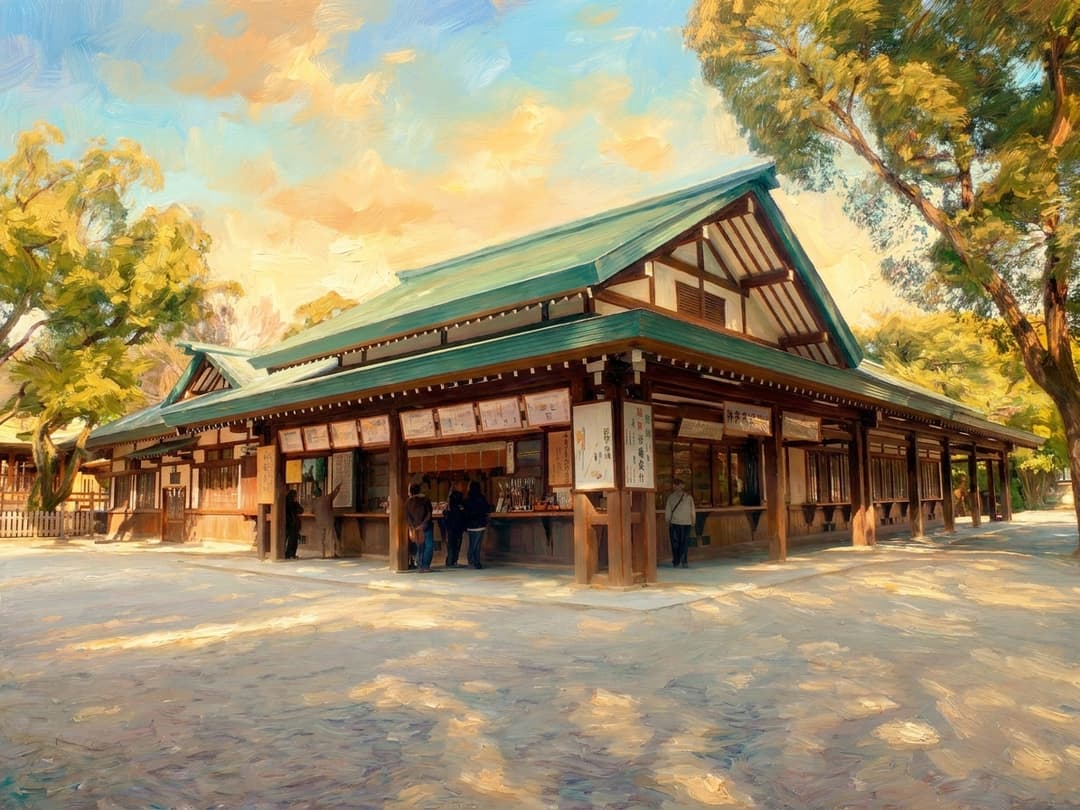
দর্শনার্থীদের অন্তর্দৃষ্টি
দর্শন আতসুতা শ্রাইন
আতসুতা শ্রাইন দর্শনার্থীদের নাগোয়ার কেন্দ্রস্থলে একটি নির্মল এবং আধ্যাত্মিক অভিজ্ঞতা প্রদান করে। এর বিস্তীর্ণ প্রাঙ্গণ কোলাহলপূর্ণ শহর থেকে একটি শান্ত আশ্রয়ের সুযোগ করে দেয়, যেখানে প্রাচীন গাছ এবং নুড়ি পাথরের পথ বিভিন্ন পবিত্র স্থানের দিকে নিয়ে যায়। দর্শনার্থীরা এই উপাসনালয়ের সমৃদ্ধ ইতিহাস এবং সাংস্কৃতিক গুরুত্ব অন্বেষণ করতে পারেন, ঐতিহ্যবাহী শিন্তো আচার-অনুষ্ঠান প্রত্যক্ষ করতে পারেন এবং প্রধান হল ও অন্যান্য কাঠামোর স্থাপত্য সৌন্দর্য উপভোগ করতে পারেন।
প্রধান বৈশিষ্ট্য
- ঐতিহ্যবাহী শিন্তো আচার ও অনুষ্ঠান প্রত্যক্ষ করুন।
- শান্ত এবং বিস্তীর্ণ উপাসনালয় প্রাঙ্গণ অন্বেষণ করুন।
- ঐতিহাসিক নিদর্শন এবং শিল্পকর্ম দেখতে ট্রেজার হল পরিদর্শন করুন।
জানার বিষয়
- উপাসনালয়ের প্রাঙ্গণটি বেশ বড়, তাই আরামদায়ক জুতো পরুন।
- পবিত্র পরিবেশের প্রতি শ্রদ্ধাশীল থাকুন এবং উপাসনালয়ের শিষ্টাচার মেনে চলুন।
- বিশেষ অনুষ্ঠান এবং উৎসবের জন্য সময়সূচী দেখে নিন।
অবস্থান
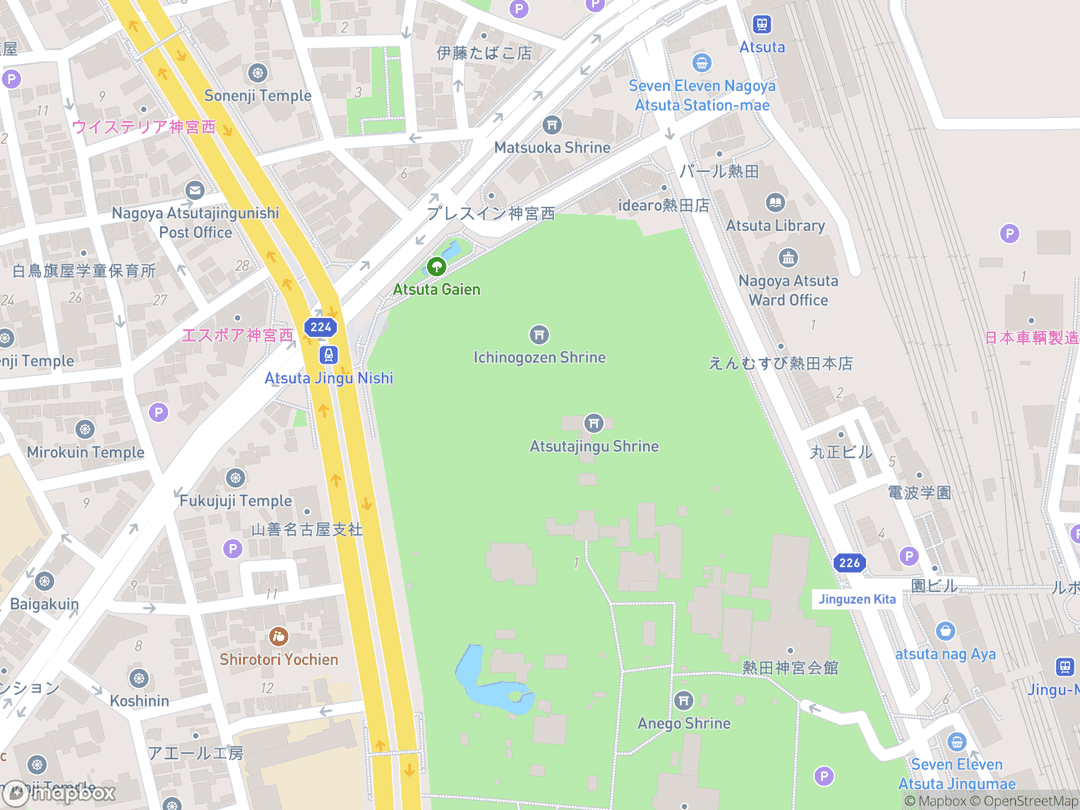
1-1-1 Jingu, Atsuta-ku, Nagoya, Aichi Prefecture 456-8585, Japan
সময়: উপাসনালয় প্রাঙ্গণ সর্বদা খোলা থাকে। ট্রেজার হল (বুঙ্কাদেন) সকাল ৯:০০ থেকে বিকাল ৪:৩০ পর্যন্ত খোলা থাকে (প্রবেশ বিকাল ৪:০০ পর্যন্ত)।
সেখানে যাওয়া: মেইতেতসু রেলওয়ে: নাগোয়া স্টেশন থেকে মেইতেতসু নাগোয়া লাইনে চড়ে জিঙ্গুমায়ে স্টেশনে যান (৫ মিনিট)। স্টেশন থেকে উপাসনালয়টি ৩ মিনিটের হাঁটা পথ। সাবওয়ে: সাবওয়ে মেইজো লাইনের আতসুতা জিঙ্গু নিশি স্টেশন থেকে উপাসনালয়টি ৫ মিনিটের হাঁটা পথ। জেআর: নাগোয়া স্টেশন থেকে জেআর তোকাইদো লাইনে চড়ে আতসুতা স্টেশনে যান (৬ মিনিট)। স্টেশন থেকে উপাসনালয়টি ১০ মিনিটের হাঁটা পথ।
দিকনির্দেশ পানপরিচিতি
আতসুতা শ্রাইন (আতসুতা জিংগু) হলো জাপানের আইচি প্রিফেকচারের নাগোয়ার আতসুতা-কু-তে অবস্থিত একটি শিন্তো উপাসনালয়। অন্যতম গুরুত্বপূর্ণ শিন্তো উপাসনালয় হিসেবে পূজনীয় এই স্থানটির অবস্থান ইসে গ্র্যান্ড শ্রাইনের পরেই। উপাসনালয়টি স্থানীয়ভাবে ‘আতসুতা-সামা’ (শ্রদ্ধেয় আতসুতা) বা কেবল ‘মিয়া’ (উপাসনালয়) নামে পরিচিত। আতসুতা শ্রাইন জাপানি ইতিহাস ও আধ্যাত্মিকতার সাথে গভীরভাবে জড়িত, যা প্রতি বছর প্রায় ৭০ লক্ষ থেকে ৯০ লক্ষ দর্শনার্থীকে আকর্ষণ করে।
শিন্তো, যাকে প্রায়শই “দেবতাদের পথ” হিসেবে বোঝা হয়, তা হলো জাপানের একটি আদি বিশ্বাস যা জাপানি সংস্কৃতি ও পরিচয়ের সাথে গভীরভাবে জড়িত। এটি ‘কামি’-এর প্রতি শ্রদ্ধার ওপর জোর দেয়, যা হলো প্রাকৃতিক উপাদান, স্থান এবং পূর্বপুরুষদের মধ্যে বসবাসকারী আত্মা বা দেবতা। শিন্তো ঐতিহ্যের বৈশিষ্ট্য হলো আচারগত পবিত্রতা, প্রকৃতির সাথে সম্প্রীতি এবং রাজপরিবারের প্রতি শ্রদ্ধা।
একটি শিন্তো উপাসনালয় হিসেবে, আতসুতা জিংগু এই নীতিগুলোকে ধারণ করে, যা ‘কামি’-এর সাথে সংযোগ স্থাপন এবং জাপানি ঐতিহ্য উদযাপনের একটি পবিত্র স্থান হিসেবে কাজ করে। তাওবাদী ঐতিহ্যের বৃহত্তর প্রেক্ষাপটে, শিন্তো প্রাকৃতিক জগতের সাথে সামঞ্জস্য রেখে বসবাস এবং পূর্বপুরুষদের সম্মান জানানোর ওপর জোর দেয়, যদিও এর নির্দিষ্ট অনুশীলন এবং বিশ্বাসগুলো জাপানের জন্য অনন্য। এই উপাসনালয়ের ইতিহাস বহু শতাব্দী প্রাচীন, যা গুরুত্বপূর্ণ ঘটনা এবং স্থাপত্যের পরিবর্তনের মধ্য দিয়ে গেছে যা জাপানি সংস্কৃতিতে এর স্থায়ী গুরুত্বকে প্রতিফলিত করে।
গ্যালারি
প্রতীকী উপাদান
মন্দিরের বাইরের অংশে জটিল খোদাই রয়েছে, যার প্রতিটি আধ্যাত্মিক অর্থে সমৃদ্ধ:

কুসানাগি-নো-ত্সুরুগি
কুসানাগি-নো-ত্সুরুগি, বা ‘ঘাস-কাটা তলোয়ার’, জাপানের তিনটি পবিত্র সম্পদের একটি, যা বীরত্বের প্রতীক। বিশ্বাস করা হয় যে এটি আতসুতা মন্দিরে সংরক্ষিত রয়েছে, যদিও এটি কখনই জনসাধারণের সামনে প্রদর্শন করা হয় না। তলোয়ারটি মন্দিরের গুরুত্ব এবং রাজপরিবারের সাথে এর সংযোগের কেন্দ্রবিন্দু।

আমাতেরাসু-ওমিকামি
সূর্য দেবী আমাতেরাসু-ওমিকামি শিনতোর একটি কেন্দ্রীয় উপাস্য এবং আতসুতাতেও তিনি পূজিত হন। মন্দিরটি আতসুতা-নো-ওকামি-র আরাধনার জন্য উৎসর্গীকৃত, যেখানে আমাতেরাসু-ওমিকামি পবিত্র তলোয়ার কুসানাগি-নো-ত্সুরুগি দ্বারা প্রতিনিধিত্ব করেন। তাঁর উপস্থিতি মন্দিরের আধ্যাত্মিক গুরুত্বকে আরও বাড়িয়ে তোলে।

তোরি গেট
তোরি গেট হলো ঐতিহ্যবাহী জাপানি গেট যা মন্দিরের পবিত্র স্থানে প্রবেশের পথ চিহ্নিত করে। এগুলো পার্থিব জগৎ থেকে পবিত্র জগতে উত্তরণের প্রতীক, যা দর্শনার্থীদের জাগতিক উদ্বেগ পেছনে ফেলে আধ্যাত্মিক পবিত্রতা ও শ্রদ্ধার রাজ্যে প্রবেশ করতে আমন্ত্রণ জানায়।

শিমেনাওয়া
শিমেনাওয়া হলো ধানের খড় দিয়ে তৈরি দড়ি, যা প্রায়শই *শিদে* (জিগজ্যাগ কাগজের ফিতা) দিয়ে সাজানো থাকে, যা মন্দিরের ভেতরের পবিত্র এলাকা এবং বস্তুগুলোকে চিহ্নিত করতে ব্যবহৃত হয়। এই দড়িগুলো পবিত্রতার প্রতীক এবং অপশক্তিকে দূরে রাখতে ব্যবহৃত হয়, যা একটি সুরক্ষিত ও পবিত্র স্থান তৈরি করে।

কর্পূর গাছ
মন্দির প্রাঙ্গণের প্রাচীন কর্পূর গাছগুলোকে পবিত্র মনে করা হয় এবং প্রায়শই এগুলোকে *শিমেনাওয়া* দিয়ে ঘিরে রাখা হয়। এই গাছগুলোকে আত্মার বাসস্থান হিসেবে শ্রদ্ধা করা হয় এবং এগুলো দীর্ঘায়ু ও জীবনীশক্তির প্রতীক, যা মন্দিরের আধ্যাত্মিক পরিবেশকে আরও সমৃদ্ধ করে।

হন্ডেন
হন্ডেন, বা প্রধান হল, হলো মন্দির চত্বরের আধ্যাত্মিক কেন্দ্রবিন্দু, যা ঐতিহ্যবাহী *শিনমেই-জুকুরি* স্থাপত্য শৈলীতে পুনর্নির্মিত হয়েছে। এটি আতসুতা-নো-ওকামি (আমাতেরাসু-ওমিকামি) এবং পবিত্র তলোয়ার কুসানাগিকে ধারণ করে, যা উপাসনা ও শ্রদ্ধার মূল কেন্দ্র হিসেবে কাজ করে।

নোবুনাগা-বেই
নোবুনাগা-বেই হলো একটি ৭.৪ মিটার উঁচু ছাদযুক্ত মাটির প্রাচীর যা ১৫৬০ সালে ওদা নোবুনাগা ওকেহাজামার যুদ্ধে তাঁর বিজয়ের কৃতজ্ঞতার প্রতীক হিসেবে দান করেছিলেন। এটি মন্দির চত্বরের একটি গুরুত্বপূর্ণ ঐতিহাসিক কাঠামো, যা জাপানি ইতিহাসের শক্তিশালী ব্যক্তিত্বদের সাথে মন্দিরের সংযোগের প্রতীক।

শিনমেই-জুকুরি শৈলী
শিনমেই-জুকুরি শৈলীটি রঙ না করা কাঠ, প্রসারিত কার্নিশসহ দোচালা ছাদ এবং উঁচু মেঝে দ্বারা চিহ্নিত। এই শৈলীটি প্রকৃতির সাথে সামঞ্জস্য এবং রূপের বিশুদ্ধতার ওপর জোর দেয়, যা প্রাচীন শস্যাগারের রূপ এবং শিনতো স্থাপত্যে প্রাকৃতিক উপাদানের প্রতি শ্রদ্ধাকে প্রতিফলিত করে।
আকর্ষণীয় তথ্য
আতসুতা মন্দিরটি প্রায় ২০০০ বছরের পুরানো বলে বলা হয়, যা আনুমানিক ১১৩ খ্রিস্টাব্দের।
মন্দিরটি আতসুতা-নো-ওকামি-র উদ্দেশ্যে উৎসর্গীকৃত, যেখানে সূর্য দেবী আমাতেরাসু-ওমিকামি পবিত্র তলোয়ার কুসানাগি-নো-ত্সুরুগি দ্বারা প্রতিনিধিত্ব করেন।
পবিত্র তলোয়ার কুসানাগি জাপানের তিনটি পবিত্র সম্পদের একটি, যা বীরত্বের প্রতীক।
মন্দিরের বুঙ্কাদেন (ট্রেজার হল)-এ ৬,০০০-এরও বেশি নিদর্শন রয়েছে, যার মধ্যে ১৭৪টি গুরুত্বপূর্ণ সাংস্কৃতিক সম্পদ এবং একটি খঞ্জর রয়েছে যা জাপানের একটি মনোনীত জাতীয় সম্পদ।
কাদামাটির তৈরি প্রাচীর নোবুনাগা-বেই, ১৫৬০ সালে ওদা নোবুনাগা ওকেহাজামার যুদ্ধে তাঁর বিজয়ের কৃতজ্ঞতার প্রতীক হিসেবে মন্দিরে দান করেছিলেন।
শিনতো মন্দিরগুলোর মধ্যে আতসুতা মন্দির কেবল ইসে গ্র্যান্ড শ্রাইনের পরেই দ্বিতীয় স্থানে রয়েছে।
মন্দিরটি বার্ষিক ৭০টিরও বেশি উৎসব এবং অনুষ্ঠানের আয়োজন করে, যা জনজীবন এবং কৃষি ঐতিহ্যের সাথে এর গভীর সংযোগকে প্রতিফলিত করে।
দ্বিতীয় বিশ্বযুদ্ধের বিমান হামলার সময়, আতসুতা মন্দিরের অনেক ভবন আগুনে ধ্বংস হয়ে গিয়েছিল, তবে ১৯৫৫ সালের মধ্যে প্রধান ভবনগুলি পুনর্নির্মাণ করা হয়েছিল।
২০২১ সালে খোলা কুসানাগি জাদুঘরটি মন্দিরের ৪৫০টিরও বেশি তলোয়ারের সংগ্রহ প্রদর্শন করে, যার মধ্যে ২০টি জাতীয় সম্পদ এবং গুরুত্বপূর্ণ সাংস্কৃতিক সম্পদ হিসেবে মনোনীত।
মন্দিরটি একটি শান্ত অরণ্য দ্বারা বেষ্টিত, যা নাগোয়া শহরে অবস্থিত হওয়া সত্ত্বেও একটি শান্তিপূর্ণ পরিবেশ প্রদান করে।
বলা হয় যে ওদা নোবুনাগাসহ সেনগোকু যুদ্ধবাজদের দ্বারা মন্দিরটি গভীরভাবে শ্রদ্ধেয় ছিল।
প্রাঙ্গণটি প্রায় ১৯০,০০০ বর্গমিটার এলাকা জুড়ে বিস্তৃত এবং এতে মোট ৪৫টি মন্দির রয়েছে।
সাধারণ জিজ্ঞাসা
আতসুতা মন্দির কীসের জন্য পরিচিত?
আতসুতা মন্দির জাপানের অন্যতম গুরুত্বপূর্ণ শিনতো মন্দির হিসেবে পরিচিত, যা কেবল ইসে গ্র্যান্ড শ্রাইনের পরেই স্থান পায়। এটি জাপানের তিনটি পবিত্র সম্পদের অন্যতম, কুসানাগি-নো-ত্সুরুগি ধারণ করার জন্য এবং এর সমৃদ্ধ ইতিহাস ও সাংস্কৃতিক গুরুত্বের জন্য বিখ্যাত।
কুসানাগি-নো-ত্সুরুগির গুরুত্ব কী?
কুসানাগি-নো-ত্সুরুগি, বা ‘ঘাস-কাটা তলোয়ার’, জাপানের তিনটি পবিত্র সম্পদের একটি, যা বীরত্বের প্রতীক। বিশ্বাস করা হয় যে এটি আতসুতা মন্দিরে সংরক্ষিত রয়েছে, যদিও এটি কখনই জনসাধারণের সামনে প্রদর্শন করা হয় না। তলোয়ারটি মন্দিরের গুরুত্ব এবং রাজপরিবারের সাথে এর সংযোগের কেন্দ্রবিন্দু।
দর্শনার্থীরা আতসুতা মন্দিরে কী দেখতে এবং করতে পারেন?
দর্শনার্থীরা শান্ত মন্দির প্রাঙ্গণ ঘুরে দেখতে পারেন, ঐতিহ্যবাহী শিনতো আচার-অনুষ্ঠান প্রত্যক্ষ করতে পারেন, ঐতিহাসিক নিদর্শন দেখার জন্য ট্রেজার হল (বুঙ্কাদেন) পরিদর্শন করতে পারেন এবং প্রধান হল ও অন্যান্য কাঠামোর স্থাপত্যের প্রশংসা করতে পারেন। কুসানাগি জাদুঘরটি মন্দিরের তলোয়ারের সংগ্রহ প্রদর্শন করে।
শিনমেই-জুকুরি স্থাপত্য শৈলী কী?
শিনমেই-জুকুরি হলো একটি স্থাপত্য শৈলী যা এর সরলতা, প্রাকৃতিক উপাদান এবং প্রাচীন শস্যাগারের রূপের অনুকরণের জন্য পরিচিত। এতে রঙ না করা কাঠ, প্রসারিত কার্নিশসহ দোচালা ছাদ এবং উঁচু মেঝে রয়েছে, যা প্রকৃতির সাথে সামঞ্জস্য এবং রূপের বিশুদ্ধতার ওপর জোর দেয়।
আমি কীভাবে আতসুতা মন্দিরে যাব?
আতসুতা মন্দিরে মেইতেতসু রেলওয়ে (জিঙ্গুমায়ে স্টেশন), সাবওয়ে (আতসুতা জিঙ্গু নিশি স্টেশন) এবং জেআর (আতসুতা স্টেশন) দিয়ে যাওয়া যায়। প্রতিটি স্টেশনই মন্দির থেকে অল্প হাঁটার দূরত্বের মধ্যে অবস্থিত।
আতসুতা মন্দিরে প্রবেশের জন্য কি কোনো প্রবেশ ফি আছে?
মন্দির প্রাঙ্গণে প্রবেশের জন্য কোনো প্রবেশ ফি নেই। তবে, কুসানাগি-কান-এর জন্য প্রবেশ ফি রয়েছে এবং কুসানাগি-কান ও ট্রেজার হাউসের জন্য একটি সম্মিলিত টিকিটের ব্যবস্থা রয়েছে।
বৈশিষ্ট্যযুক্ত গল্প
কুসানাগি-নো-ত্সুরুগির প্রতিষ্ঠা
c. 113 AD
প্রাচীন কিংবদন্তি অনুসারে, বীর রাজপুত্র ইয়ামাতো তাকেলুর মৃত্যুর পর জাপানের তিনটি পবিত্র সম্পদের অন্যতম এবং একটি কিংবদন্তি তলোয়ার কুসানাগি-নো-ত্সুরুগি আতসুতা মন্দিরে তার স্থান খুঁজে পায়। তাঁর বিধবা স্ত্রী, রাজকুমারী মিয়াজু, অত্যন্ত শ্রদ্ধার সাথে তলোয়ারটি স্থাপন করেন, যা একটি পবিত্র স্থান হিসেবে আতসুতা মন্দিরের উৎপত্তির সূচনা করে। এই কাজটি কেবল তাঁর প্রয়াত স্বামীকে সম্মানিতই করেনি, বরং মন্দিরটিকে জাতীয় ঐতিহ্য এবং আধ্যাত্মিক শক্তির রক্ষক হিসেবেও প্রতিষ্ঠিত করেছিল।
রহস্যময় গুণের অধিকারী বলে বিশ্বাস করা এই তলোয়ারটি বীরত্ব এবং রাজকীয় কর্তৃত্বের প্রতীক হয়ে ওঠে। আতসুতা মন্দিরে এর প্রতিষ্ঠা এই স্থানটিকে শিনতো উপাসনার একটি মূল কেন্দ্রে পরিণত করে এবং রাজপরিবার ও ঐশ্বরিক শক্তির মধ্যে স্থায়ী সংযোগের প্রমাণ হিসেবে কাজ করে। শতাব্দীর পর শতাব্দী ধরে, তলোয়ারের এই গল্পটি প্রজন্মের পর প্রজন্মে চলে এসেছে, যা জাপানি লোকগাথা এবং ধর্মীয় ঐতিহ্যে আতসুতা মন্দিরের অবস্থানকে সুদৃঢ় করেছে।
উৎস: Atsuta Jingu Official Records
ওদা নোবুনাগার কৃতজ্ঞতা: নোবুনাগা-বেই প্রাচীর
1560
সেনগোকু আমলের অশান্ত সময়ে, এক শক্তিশালী যুদ্ধবাজ ওদা নোবুনাগা একটি গুরুত্বপূর্ণ যুদ্ধের আগে ঐশ্বরিক আশীর্বাদ চেয়েছিলেন। ১৫৬০ সালে ওকেহাজামার যুদ্ধে তাঁর অপ্রত্যাশিত বিজয়ের পর, নোবুনাগা তাঁর সাফল্যের জন্য আতসুতা মন্দিরের কামি (kami)-কে কৃতিত্ব দেন এবং একটি উল্লেখযোগ্য দানের মাধ্যমে তাঁর কৃতজ্ঞতা প্রকাশ করেন। এই উৎসর্গটি একটি বিশাল মাটির প্রাচীরের রূপ নিয়েছিল, যা নোবুনাগা-বেই নামে পরিচিত, যা আজও তাঁর গভীর শ্রদ্ধার প্রমাণ হিসেবে দাঁড়িয়ে আছে।
নোবুনাগা-বেই, স্তরীভূত ছাদের টালি দিয়ে নির্মিত এবং মাটি, চুন ও তেল দিয়ে মজবুত করা কেবল একটি সুরক্ষামূলক প্রাচীর হিসেবেই কাজ করেনি, বরং মন্দিরের প্রতি নোবুনাগার আনুগত্যের প্রতীক হিসেবেও কাজ করেছিল। ভক্তির এই কাজটি প্রভাবশালী ব্যক্তিদের চোখে মন্দিরের গুরুত্বকে সুদৃঢ় করেছিল এবং আধ্যাত্মিক তাৎপর্যের স্থান হিসেবে এর মর্যাদাকে আরও বাড়িয়ে তুলেছিল। এই প্রাচীরটি জাপানি ইতিহাসের একটি অত্যন্ত গুরুত্বপূর্ণ মুহূর্তের সাথে একটি বাস্তব সংযোগ এবং বিশ্বাসের স্থায়ী শক্তির স্মারক হিসেবে রয়ে গেছে।
উৎস: Historical Archives of Aichi Prefecture
যুদ্ধের পর পুনর্নির্মাণ: স্থিতিস্থাপকতার প্রতীক
1955
দ্বিতীয় বিশ্বযুদ্ধের বিধ্বংসী বিমান হামলার সময়, জাপানের অন্যান্য অনেক সাংস্কৃতিক ল্যান্ডমার্কের মতো আতসুতা মন্দিরও মারাত্মক ক্ষতির সম্মুখীন হয়েছিল। মন্দির চত্বরে ছড়িয়ে পড়া আগুন অসংখ্য ভবন ধ্বংস করে দিয়েছিল, যা জাপানি জনগণের হৃদয়ে এক শূন্যতার সৃষ্টি করেছিল। তবে, স্থিতিস্থাপকতার মনোভাব জয়ী হয়েছিল এবং যুদ্ধ শেষ হওয়ার পরপরই মন্দিরটি পুনর্নির্মাণের প্রচেষ্টা শুরু হয়েছিল।
১৯৫৫ সালের মধ্যে, পবিত্র হন্ডেন সহ আতসুতা মন্দিরের প্রধান ভবনগুলি ঐতিহ্যবাহী শিনমেই-জুকুরি স্থাপত্য শৈলী অনুসরণ করে অত্যন্ত যত্ন সহকারে পুনর্নির্মাণ করা হয়েছিল। এই পুনরুদ্ধার কেবল মন্দিরের শারীরিক কাঠামোকেই পুনরুজ্জীবিত করেনি, বরং দেশের পুনরুদ্ধার এবং এর সাংস্কৃতিক ঐতিহ্য সংরক্ষণের সংকল্পের প্রতীকও ছিল। পুনর্নির্মিত আতসুতা মন্দিরটি আশার আলো এবং প্রতিকূলতার মুখে বিশ্বাসের স্থায়ী শক্তির প্রমাণ হিসেবে দাঁড়িয়ে আছে।
উৎস: Nagoya City Museum Records
সময়রেখা
মন্দির প্রতিষ্ঠা
ঐতিহ্যবাহী উৎস অনুসারে, ইয়ামাতো তাকেলু মারা যান। তাঁর বিধবা স্ত্রী, মিয়াজু-হিমে নো মিকোতো, কুসানাগি-নো-ত্সুরুগি তলোয়ারটি স্থাপন করেন, যা এই মন্দিরের ইতিহাসের সূচনা করে।
মাইলস্টোনওয়ারি বংশ দ্বারা প্রতিষ্ঠা
ওয়ারি বংশ আতসুতা মন্দির প্রতিষ্ঠা করে, যা স্থানীয় ইতিহাস এবং শাসনে এর অবস্থানকে সুদৃঢ় করে।
মাইলস্টোনবেতসুগু হাক্কেনগু মন্দিরের প্রতিষ্ঠা
বেতসুগু (সংযুক্তি) হাক্কেনগু মন্দিরটি প্রতিষ্ঠিত হয়েছিল, যা মন্দিরের চত্বর এবং ধর্মীয় কার্যাবলীকে প্রসারিত করে।
মাইলস্টোনপ্রধান পুরোহিতের বংশানুক্রমিক পরিবর্তন
কাজুমোতো (ওয়ারি বংশ) প্রধান পুরোহিতের পদটি ফুজিওয়ারা নো সুয়েনোরি (ফুজিওয়ারা বংশ)-এর কাছে হস্তান্তর করেন, যা মন্দিরের নেতৃত্বে একটি পরিবর্তন চিহ্নিত করে।
ঘটনাউত্তর ও দক্ষিণ দরবার আমলে আতসুতা মন্দির
উত্তর ও দক্ষিণ দরবার আমলে আতসুতা মন্দির একটি গুরুত্বপূর্ণ স্থান হয়ে ওঠে, যেখানে গো-দাইগো দক্ষিণ দরবারকে সমর্থন করেছিলেন এবং আতসুতা মাসায়োশি তাঁর পক্ষে সৈন্য পরিচালনা করেছিলেন।
ঘটনাওদা নোবুনাগা কর্তৃক দান
ওদা নোবুনাগা জাপানি ইতিহাসের একটি অত্যন্ত গুরুত্বপূর্ণ মুহূর্ত, ওকেহাজামার যুদ্ধে তাঁর বিজয়ের কৃতজ্ঞতার প্রতীক হিসেবে মন্দিরে নোবুনাগা-বেই প্রাচীরটি দান করেছিলেন।
মাইলস্টোনশিনমেই-জুকুরি শৈলীতে পুনর্নির্মাণ
মেইজি আমলে, শিনমেই-জুকুরি স্থাপত্য শৈলী ব্যবহার করে গর্ভগৃহটি পুনর্নির্মাণ করা হয়েছিল, যা এটিকে ইসে গ্র্যান্ড শ্রাইনের নান্দনিকতার সাথে সামঞ্জস্যপূর্ণ করে তোলে।
সংস্কারআরও পুনর্নির্মাণ
ইসে মন্দিরের সাথে এর সাদৃশ্যকে জোর দেওয়ার জন্য মন্দিরটিকে শিনমেই-জুকুরি স্থাপত্য শৈলীতে আরও পুনর্নির্মাণ করা হয়েছিল।
সংস্কারভবন পুনর্বিন্যাস এবং উন্নয়ন
মন্দিরের ইতিহাস এবং সাংস্কৃতিক গুরুত্ব প্রতিফলিত করার জন্য ভবনগুলি পুনর্বিন্যাস এবং উন্নত করা হয়েছিল, যা এর সামগ্রিক উপস্থাপনাকে আরও সুন্দর করে তোলে।
সংস্কারঅগ্নিকাণ্ডে ধ্বংস
প্রশান্ত মহাসাগরীয় যুদ্ধের সময় বিমান হামলার কারণে অগ্নিকাণ্ডে মন্দিরের অনেক ভবন ধ্বংস হয়ে গিয়েছিল, যা এই সাংস্কৃতিক ঐতিহ্যবাহী স্থানের জন্য একটি বিধ্বংসী ক্ষতি ছিল।
ঘটনাপ্রধান ভবনসমূহের পুনর্নির্মাণ
যুদ্ধকালীন ধ্বংসযজ্ঞের পর মন্দিরের প্রাথমিক কাঠামোগুলো পুনরুদ্ধার করে প্রধান ভবনসমূহ, যেমন *হন্ডেন*, পুনর্নির্মাণ করা হয়েছিল।
সংস্কারকুসানাগি জাদুঘর উদ্বোধন
মন্দিরের তলোয়ারের সংগ্রহ প্রদর্শনের জন্য কুসানাগি জাদুঘরটি খোলা হয়েছিল, যা এই গুরুত্বপূর্ণ নিদর্শনগুলি সংরক্ষণ এবং প্রদর্শনের জন্য একটি নিবেদিত স্থান প্রদান করে।
ঘটনানববর্ষের দর্শন
নববর্ষ উদযাপন করতে এবং সৌভাগ্যের জন্য প্রার্থনা করতে লক্ষ লক্ষ দর্শনার্থী আতসুতা মন্দিরে আসেন।
ঘটনাআতসুতা উৎসব
মন্দিরের ইতিহাস এবং সাংস্কৃতিক গুরুত্ব উদযাপনের জন্য প্রতি বছর আতসুতা উৎসব অনুষ্ঠিত হয়।
component.timeline.festivalশরৎকালীন উৎসব
ফসল কাটার মরশুম উদযাপন করতে এবং প্রকৃতির আশীর্বাদের জন্য কৃতজ্ঞতা জানাতে প্রতি বছর শরৎকালীন উৎসব অনুষ্ঠিত হয়।
component.timeline.festivalধর্মীয় তাৎপর্য
আতসুতা শ্রাইন হলো একটি শ্রদ্ধেয় শিন্তো উপাসনালয় যা জাপানের আধ্যাত্মিক সারমর্মকে ধারণ করে, যা এর ইতিহাস ও সংস্কৃতির সাথে গভীরভাবে জড়িত। একটি পবিত্র স্থান হিসেবে, এটি ‘কামি’-এর সাথে সংযোগ স্থাপন এবং জাপানি ঐতিহ্য উদযাপনের একটি মাধ্যম হিসেবে কাজ করে, যা আচারগত পবিত্রতা, প্রকৃতির সাথে সম্প্রীতি এবং পূর্বপুরুষদের প্রতি শ্রদ্ধার নীতিগুলোকে প্রতিফলিত করে।
আতসুতা শ্রাইনের মূল আধ্যাত্মিক উদ্দেশ্য হলো আতসুতা-নো-ওকামি-কে স্থাপন করা এবং তাঁর পূজা করা, যেখানে সূর্য দেবী আমাতেরাসু-ওমিকামিকে পবিত্র তলোয়ার ‘কুসানাগি-নো-তসুরুগি’ দ্বারা প্রতিনিধিত্ব করা হয়। এই উপাসনালয়টি মানুষের জন্য ঐশ্বরিক শক্তির সাথে সংযোগ স্থাপন, আশীর্বাদ প্রার্থনা এবং শিন্তো ঐতিহ্যকে সম্মান জানানোর একটি স্থান প্রদান করে।
পবিত্র বিধি
পবিত্রকরণ (মিসোগি)
‘মিসোগি’ নামে পরিচিত পবিত্রকরণ আচারগুলো ‘কামি’-এর কাছে যাওয়ার আগে শরীর ও আত্মাকে শুদ্ধ করার জন্য করা হয়। এই আচারগুলোর মধ্যে পবিত্রকরণ ফোয়ারায় (‘তেমিজু’) হাত ও মুখ ধোয়া অন্তর্ভুক্ত থাকে যাতে অপবিত্রতা দূর করা যায় এবং পবিত্র সংযোগের জন্য নিজেকে প্রস্তুত করা যায়।
প্রার্থনা (নোরিতো)
প্রার্থনা বা ‘নোরিতো’ হলো আতসুতা শ্রাইনের একটি অপরিহার্য অনুশীলন, যার মধ্যে ‘কামি’-এর সাথে যোগাযোগের জন্য প্রাচীন শিন্তো প্রার্থনা পাঠ করা হয়। এই প্রার্থনাগুলো কৃতজ্ঞতা প্রকাশ করে, আশীর্বাদ প্রার্থনা করে এবং মানুষ ও ঐশ্বরিক শক্তির মধ্যকার সংযোগকে পুনর্নিশ্চিত করে।
উৎসর্গ (হেইহাকু)
শ্রদ্ধা ও ভক্তির চিহ্ন হিসেবে ‘কামি’-এর উদ্দেশ্যে ‘হেইহাকু’ নামে পরিচিত উৎসর্গসমূহ নিবেদন করা হয়। এই উৎসর্গের মধ্যে খাবার, সাকে (ঐতিহ্যবাহী পানীয়) এবং অন্যান্য প্রতীকী সামগ্রী অন্তর্ভুক্ত থাকতে পারে, যা আধ্যাত্মিক জগতের সাথে সম্প্রীতি বজায় রাখার জন্য উপাসকের প্রতিশ্রুতি প্রদর্শন করে।
তাওবাদী ঐতিহ্যের মধ্যে ধর্মতাত্ত্বিক প্রেক্ষাপট
তাওবাদী ঐতিহ্যের বৃহত্তর প্রেক্ষাপটে, শিন্তো প্রাকৃতিক জগতের সাথে সামঞ্জস্য রেখে বসবাস এবং পূর্বপুরুষদের সম্মান জানানোর ওপর জোর দেয়। যদিও শিন্তোর নির্দিষ্ট অনুশীলন এবং বিশ্বাসগুলো জাপানের জন্য অনন্য, তাওবাদী নীতিগুলোর সাথে এর সামঞ্জস্য ভারসাম্য, প্রকৃতির প্রতি শ্রদ্ধা এবং সমস্ত কিছুর আন্তঃসংযুক্ততার ওপর এর মনোযোগকে নির্দেশ করে। একটি শিন্তো স্থান হিসেবে আতসুতা শ্রাইন এই মূল্যবোধগুলোকে ধারণ করে, যা আধ্যাত্মিক প্রতিফলন এবং ‘কামি’-এর সাথে সংযোগের জন্য একটি স্থান প্রদান করে।
অনুরূপ মন্দিরসমূহ

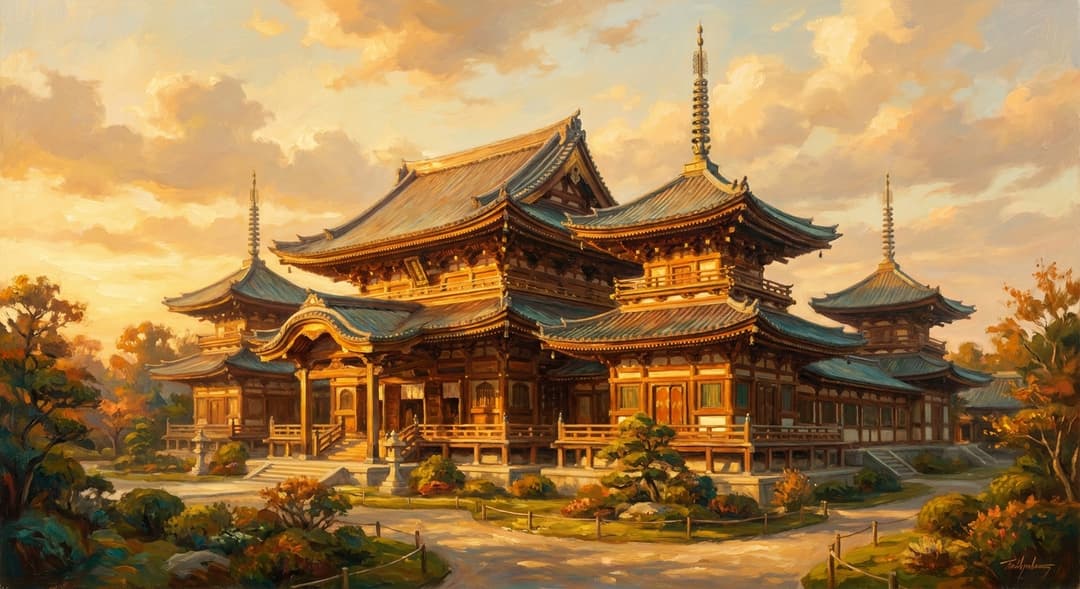
উৎস ও গবেষণা
Temples.org-এর প্রতিটি তথ্য যাচাইকৃত দ্বারা সমর্থিত <strong>উৎস ও গবেষণা</strong>। তথ্যের প্রতিটি অংশ উৎস স্তর এবং আত্মবিশ্বাসের স্তর দ্বারা রেট করা হয়।
সমস্ত উৎস দেখুন (4)
| ক্ষেত্র | উৎস | স্তর | পুনরুদ্ধার করা হয়েছে |
|---|---|---|---|
| About & Historical Background | Atsuta Jingu (নতুন ট্যাবে খোলে) | A | 2024-01-02 |
| About & Historical Background | Japan-Guide (নতুন ট্যাবে খোলে) | A | 2024-01-02 |
| Architecture & Symbolic Elements | Aichi Prefecture (নতুন ট্যাবে খোলে) | A | 2024-01-02 |
| Shrine History | JEEPE (নতুন ট্যাবে খোলে) | C | 2024-01-02 |