Taoism
Taoist temples are sanctuaries of harmony with nature, dedicated to the cultivation of the Tao through meditation, ritual, and the balance of yin and yang.
About Taoist Sacred Sites
Taoist temples serve as centers for the practice and preservation of one of China's oldest philosophical and religious traditions. These sacred spaces are often situated in mountain settings, reflecting Taoism's deep connection to the natural world and the pursuit of harmony between humanity and the cosmos. Taoist temple architecture follows principles of feng shui, incorporating elements that represent the balance of yin and yang. Major sacred mountains such as Wudang, Qingcheng, and Longhu have been centers of Taoist practice for millennia, housing monasteries where priests and nuns cultivate longevity, practice meditation, and perform elaborate rituals. Taoist temples typically feature statues of the Three Pure Ones, incense offerings, and intricate carvings of dragons, phoenixes, and other auspicious symbols.
Religious Sites 6
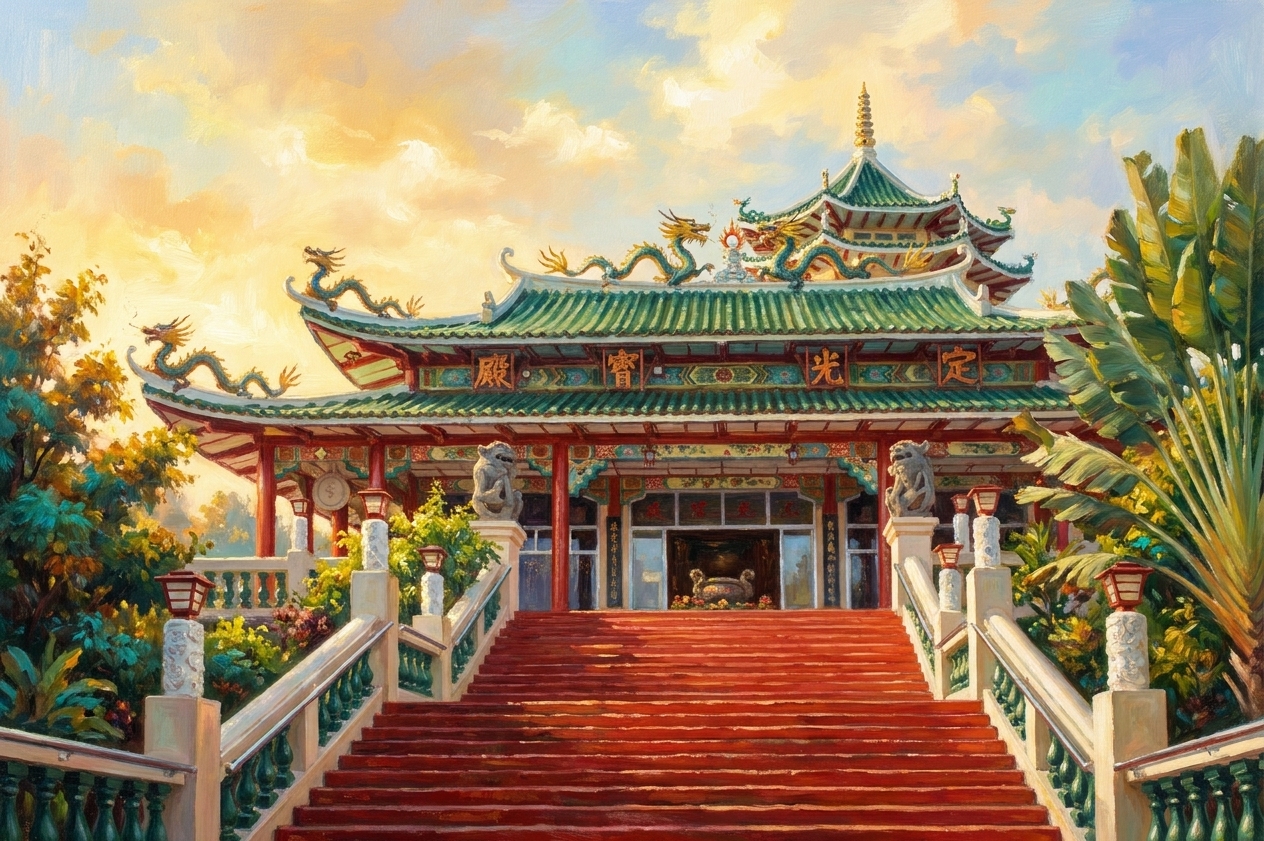
Cebu Taoist Temple
A serene Taoist temple in Cebu City offering panoramic views and cultural insights.
Explore →
Mount Longhu
A sacred Taoist mountain known for its natural beauty, cliff tombs, and the ancestral home of the Zhengyi School of Taoism.
Explore →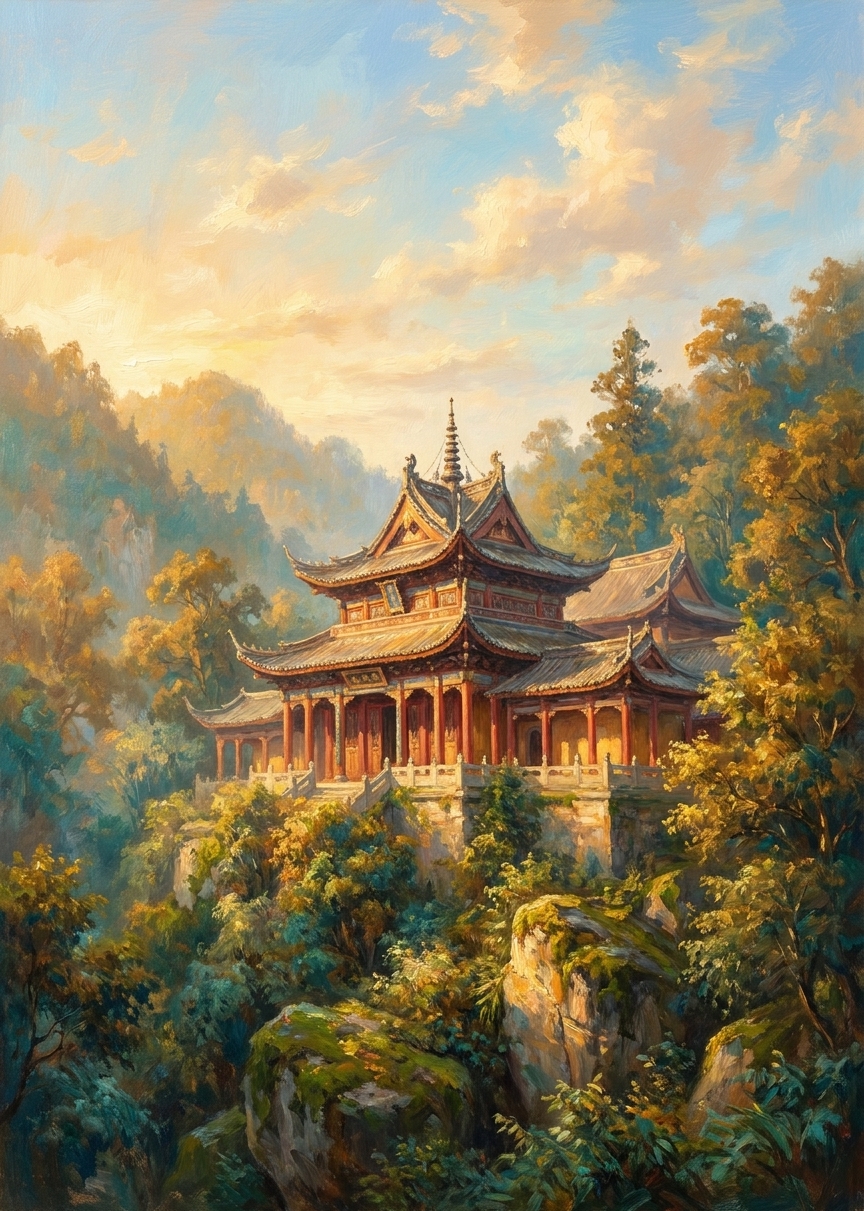
Mount Qingcheng
A revered mountain in Taoism, known as 'the most secluded place under heaven'.
Explore →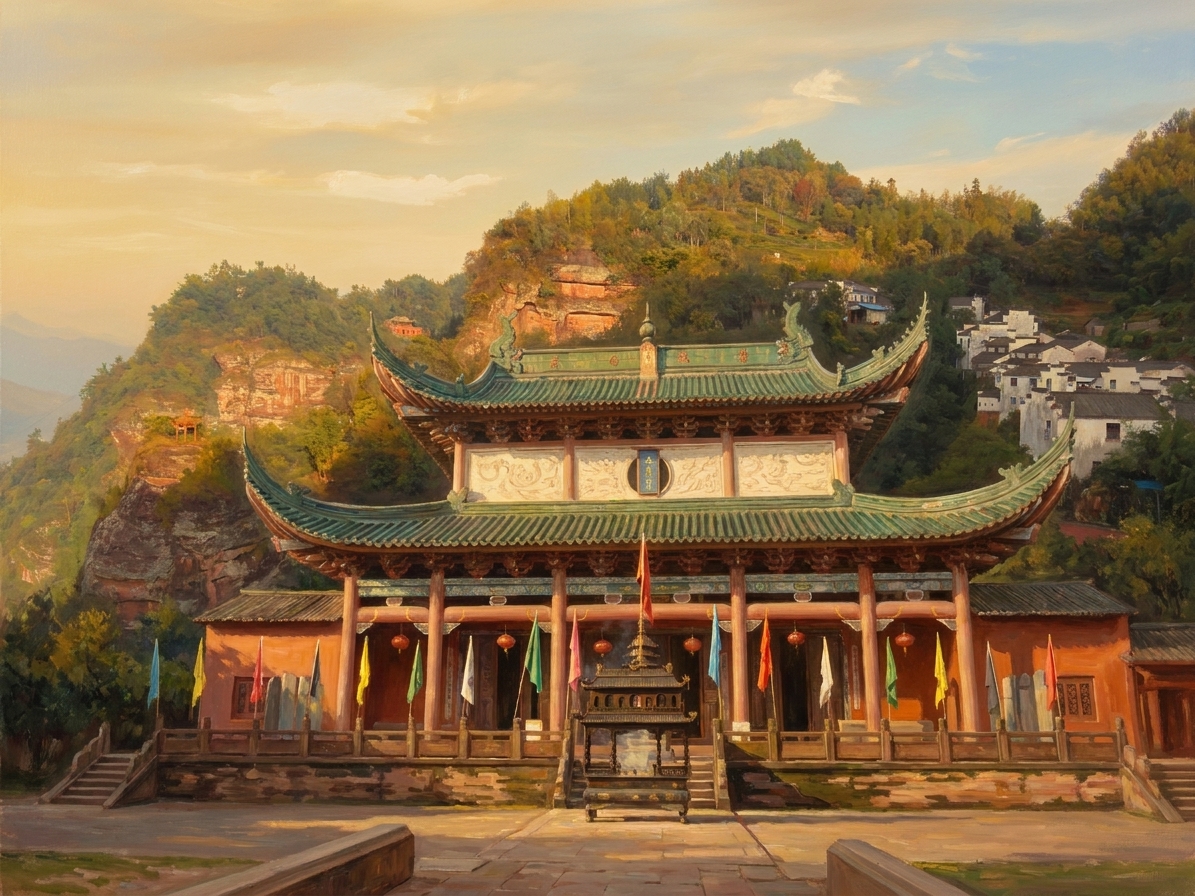
Mount Qiyun
One of the Four Sacred Mountains of Taoism, known for its stunning natural beauty and rich Taoist heritage.
Explore →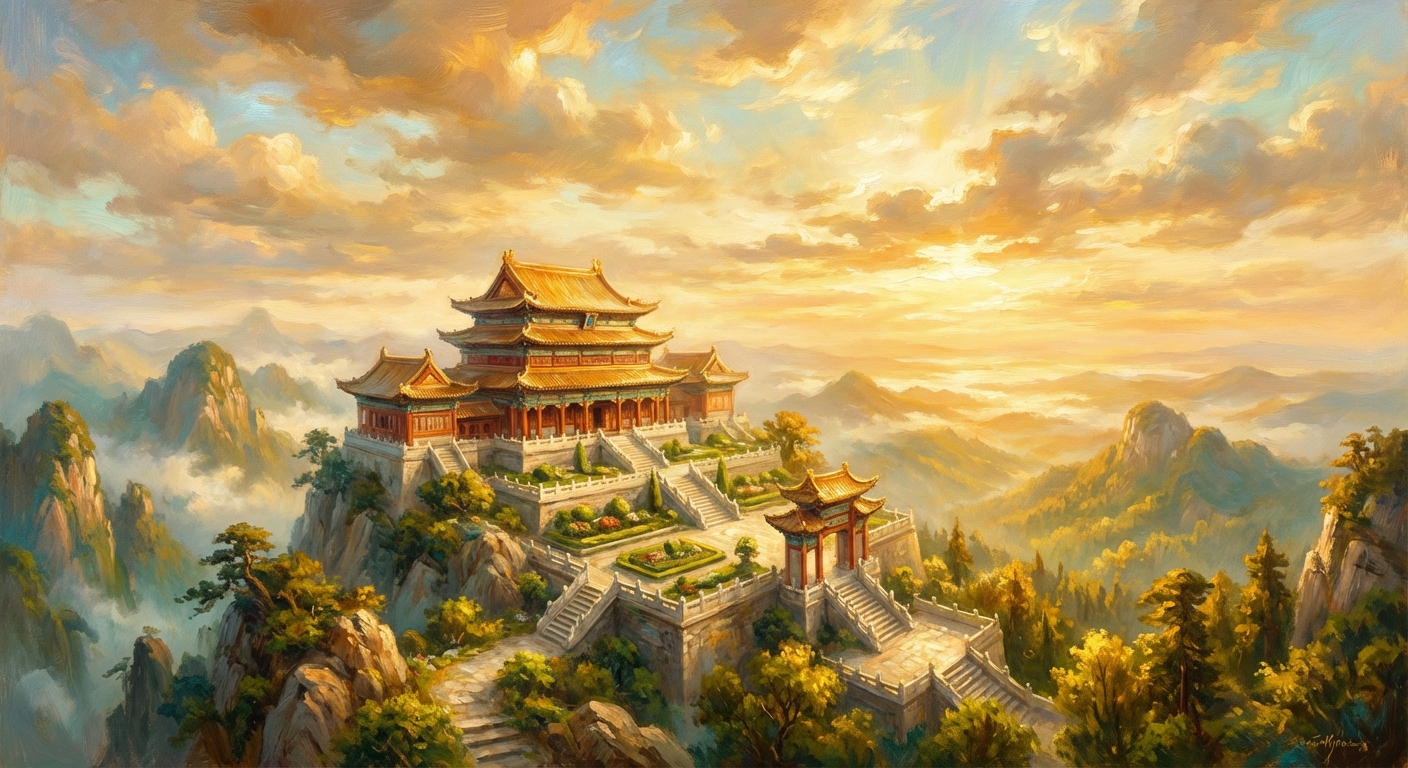
Sacred Mountains of China
Sacred sites in Taoism, serving as places of worship, pilgrimage, and spiritual retreat.
Explore →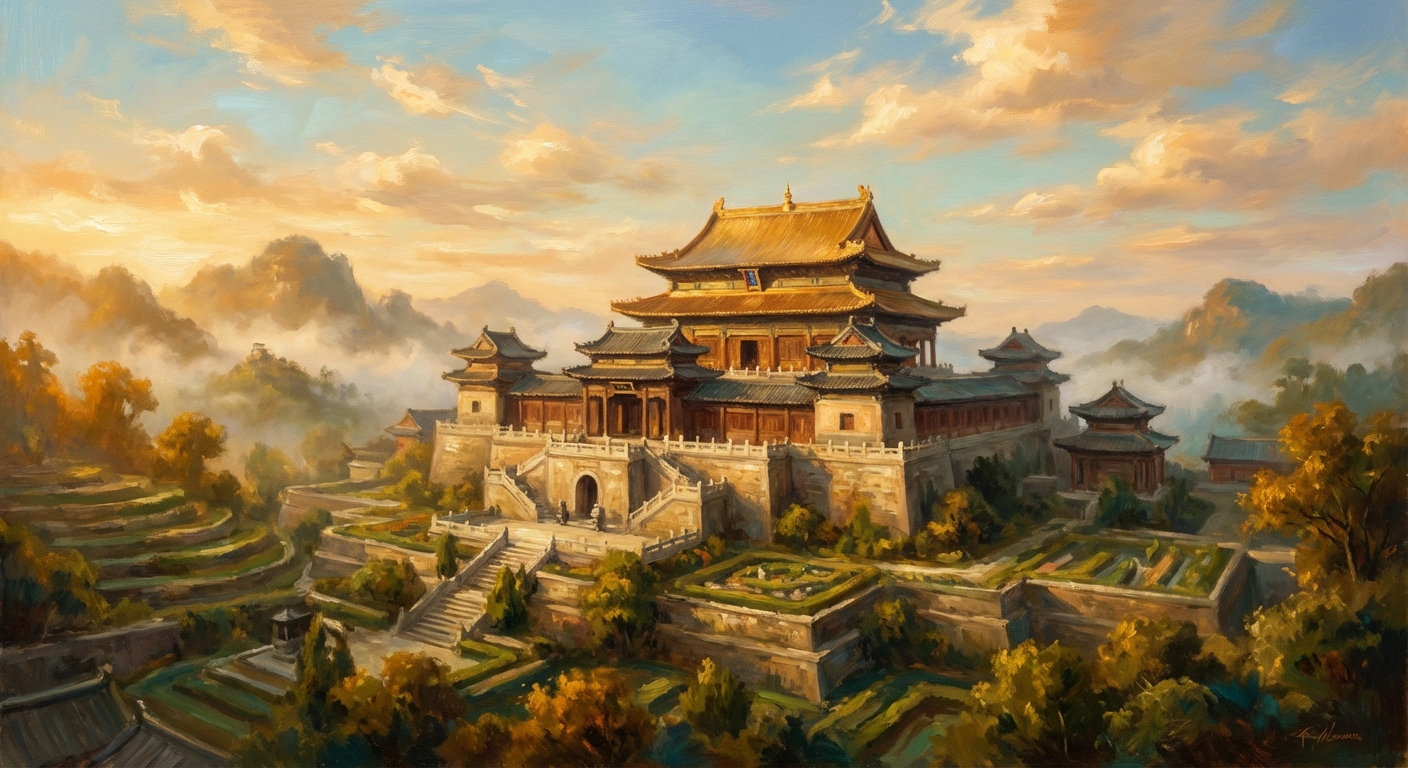
Wudang Mountains
A sacred Taoist site renowned for its temples, martial arts, and natural beauty.
Explore →