Visitor Insights
Visiting Cardston Alberta Temple
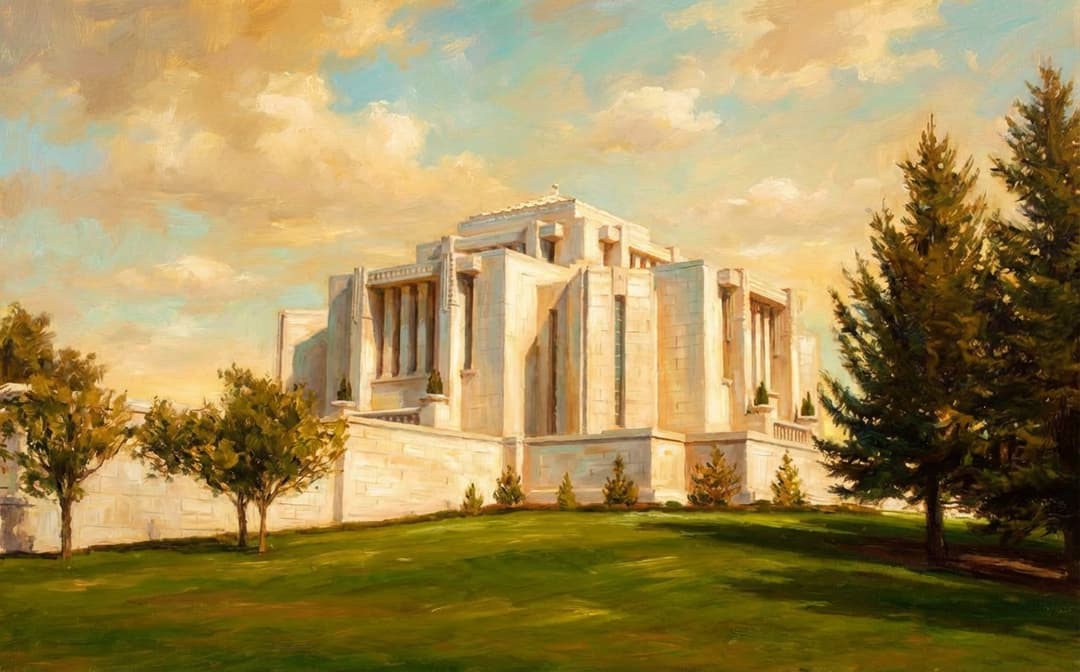
Visitors to the Cardston Alberta Temple are welcome to explore the beautifully maintained grounds, which offer a serene and peaceful atmosphere. While there is no formal visitor's center on site, a seasonal visitor's center (open during the summer months) provides insights into the temple's construction and history. The temple grounds feature large trees, vibrant flower gardens, and paved walkways, inviting contemplation and reflection.
Highlights
- Explore the meticulously landscaped grounds with mature trees and colorful flower gardens.
- Visit the seasonal visitor's center to learn about the temple's construction and history.
- Enjoy the peaceful and reverent atmosphere surrounding the temple.
Things to Know
- The temple is an active place of worship; please be respectful of its sacred nature.
- Photography inside the temple is not permitted.
- The visitor's center has limited hours and is only open during the summer.
Location
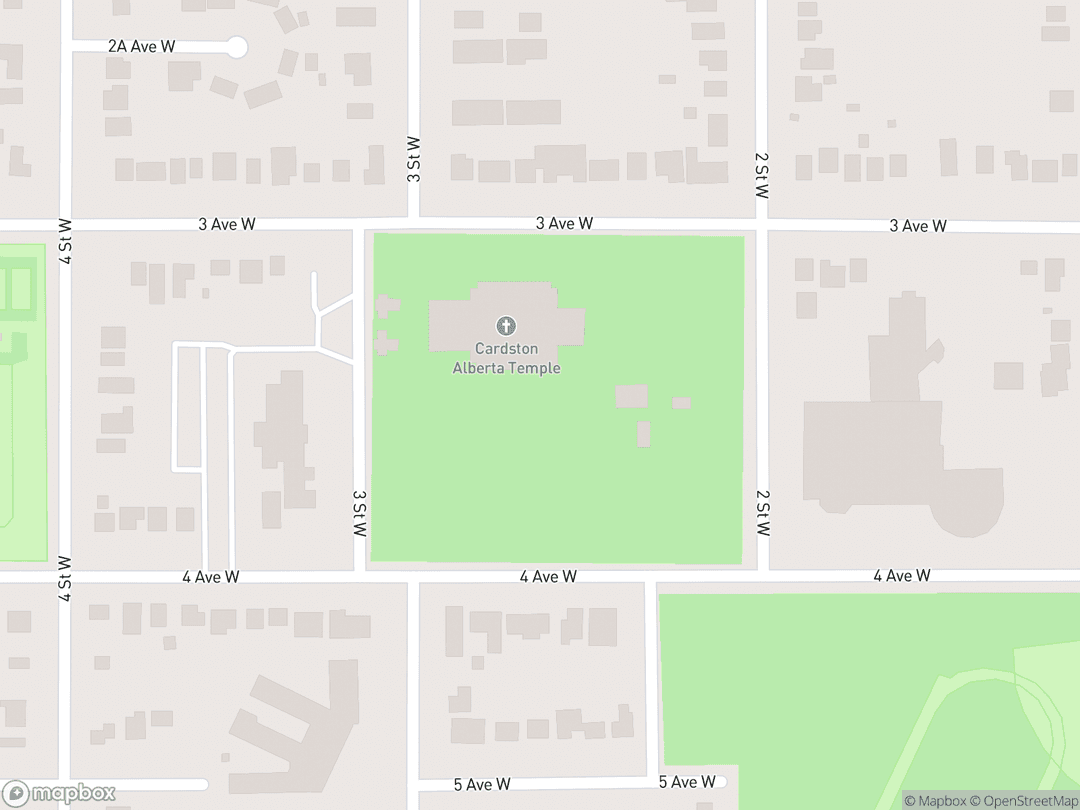
348 3rd St W, Cardston, Alberta T0K 0K0, Canada
Hours: The grounds are open daily from dawn until dusk. The visitor's center is open seasonally during the summer months.
Getting There: The Cardston Alberta Temple is located at 348 3rd St W in Cardston, Alberta. Parking is available on-site.
Get DirectionsAbout
The Cardston Alberta Temple stands as a beacon of faith and history in the town of Cardston, Alberta, Canada. As the first temple of The Church of Jesus Christ of Latter-day Saints constructed outside the United States, it holds a unique place in the Church's history and in the hearts of its members. Its construction and dedication represent the dedication and sacrifices of early Latter-day Saint settlers in the region.
Announced on October 12, 1912, by Church President Joseph F. Smith, the temple's construction was a monumental undertaking that required significant effort and resources from the local community. The groundbreaking took place on November 9, 1913, and the cornerstone was laid on September 19, 1915, by Elder David O. McKay. The temple was finally dedicated on August 26, 1923, by President Heber J. Grant, marking a significant milestone for the Church in Canada.
The temple's architecture is a distinctive blend of Grecian and subtle Peruvian influences, drawing inspiration from Frank Lloyd Wright and incorporating Mayan-Aztec and Prairie School styles. Constructed with white granite from British Columbia, the temple features a unique design with a single central tower and pyramid roof, setting it apart from earlier temple designs. Over the years, the temple has undergone renovations and additions, including a major renovation in the late 1980s, culminating in a rededication on June 22, 1991, by President Gordon B. Hinckley. Today, the Cardston Alberta Temple continues to serve as a sacred space for Latter-day Saints in the region, providing a place for worship, ordinances, and spiritual growth.
Gallery
Symbolic Elements
The temple's exterior features intricate carvings, each rich with spiritual meaning:

White Granite Exterior
The temple's exterior is constructed with white granite sourced from a quarry near Kootenai Lakes in British Columbia. This material symbolizes purity, strength, and enduring faith, reflecting the temple's sacred purpose and eternal nature. The choice of granite also provides a sense of permanence and resilience, echoing the steadfastness of the community that built the temple.

Single Central Tower
Unlike many other temples with multiple spires, the Cardston Alberta Temple features a single central tower with a pyramid roof. This unique design element symbolizes a connection to heaven and the singular focus on God. The tower serves as a beacon, drawing attention to the temple's sacred role as a place of worship and spiritual enlightenment.

Pyramid Roof
The pyramid roof atop the central tower is inspired by ancient architectural styles, particularly those of Mayan and Aztec temples. This design element symbolizes a connection to ancient cultures and a reverence for historical traditions. The pyramid shape also represents a gradual ascent towards enlightenment and spiritual understanding.

Greek Cross Layout
The temple's layout is based on a Greek cross, with arms facing the cardinal directions. This symmetrical design symbolizes balance, harmony, and the universal reach of the gospel. The cross shape also represents the atoning sacrifice of Jesus Christ, a central tenet of Latter-day Saint belief.

Stained-Glass Windows
The temple features stained-glass windows that add color and light to the interior spaces. These windows often depict religious symbols and scenes, creating a visually rich and spiritually uplifting atmosphere. The stained glass serves to filter and transform natural light, symbolizing the purifying and enlightening power of the divine.

Hand-Shaped Stone
The exterior of the temple features hand-shaped stones, showcasing the craftsmanship and dedication of the builders. This element symbolizes the personal effort and sacrifice that went into the temple's construction. The unique texture and character of each stone reflect the individuality and collective spirit of the community.

Woman at the Well Sculpture
Inside the lobby is a bas-relief sculpture of the Woman at the Well, created by Torlief Knaphus. This sculpture depicts a biblical story of Jesus offering living water to a Samaritan woman, symbolizing spiritual nourishment and the transformative power of faith. The sculpture serves as a reminder of the temple's role as a source of spiritual sustenance and renewal.

Ordinance Room Murals
The ordinance rooms feature murals depicting the Creation, Garden, World, and Terrestrial realms, leading to the Celestial Room. These murals visually represent the journey of life, from the beginning of creation to the ultimate goal of eternal life in God's presence. The progression of murals symbolizes spiritual growth and the unfolding of God's plan for humanity.
Interesting Facts
The Cardston Alberta Temple was the first temple built outside the United States, marking a significant expansion of the Church.
It was the first temple to have its design put out to bid to prominent architects, showcasing a commitment to architectural excellence.
The temple was the first to have a cornerstone engraved with the year the stone was set in place (A.D. 1915), a unique historical marker.
The Relief Society General Board initiated a penny subscription, generating over $13,000 for the temple's construction, demonstrating community support.
The temple is one of only two LDS temples constructed in the form of a cross, a distinctive architectural feature.
The design served as the basic pattern for the Laie Hawaii Temple, influencing temple architecture in other regions.
The temple is a National Historic Site of Canada, recognizing its cultural and historical significance.
The town of Cardston was founded by Latter-day Saints as a refuge from anti-polygamy laws in the United States, highlighting its historical context.
The temple's design blends ancient and modern themes, including Mayan-Aztec and Prairie School architecture, creating a unique aesthetic.
The presentation of the endowment was originally delivered by live acting in the Cardston Alberta Temple, a unique historical practice.
Common Questions
Why is the Cardston Alberta Temple significant?
The Cardston Alberta Temple holds the distinction of being the first temple built in Canada and the first outside of the United States. Its construction represents the faith and dedication of early Latter-day Saint settlers in the region.
What architectural styles influenced the temple's design?
The temple's architecture is a blend of Grecian and subtle Peruvian influences, drawing inspiration from Frank Lloyd Wright and incorporating Mayan-Aztec and Prairie School styles. This unique combination sets it apart from other temples.
When was the Cardston Alberta Temple dedicated?
The Cardston Alberta Temple was dedicated on August 26, 1923, by Church President Heber J. Grant. It was later rededicated on June 22, 1991, by President Gordon B. Hinckley after renovations.
Are visitors allowed on the temple grounds?
Yes, the Cardston Alberta Temple grounds are open to the public and feature large trees, flower gardens, and paved walkways. Visitors are welcome to enjoy the peaceful and reverent atmosphere.
Is there a visitor's center at the Cardston Alberta Temple?
While there is no formal visitor's center on site year-round, a seasonal visitor's center (open during the summer months) provides insights into the temple's construction and history.
What materials were used to construct the Cardston Alberta Temple?
The Cardston Alberta Temple is primarily constructed with white granite from a quarry near Kootenai Lakes in Nelson, British Columbia. The interior features woods and materials from around the world.
Related Stories
Explore the rich history, traditions, and people connected to this sacred site.
Featured Stories
The Dedication of the Cardston Alberta Temple
August 26–29, 1923
The dedication of the Cardston Alberta Temple was a momentous occasion for Latter-day Saints in Canada and beyond. Church President Heber J. Grant presided over the dedication, which took place in 11 sessions over four days. The dedication ceremonies were filled with spiritual experiences, heartfelt prayers, and inspiring messages, marking a significant milestone for the Church.
Members traveled from far and wide to attend the dedication, demonstrating their deep commitment to the temple and their faith. The dedication was not only a celebration of the completion of the temple but also a reaffirmation of the Church's presence and growth in Canada. The spirit of unity and dedication that permeated the dedication ceremonies left a lasting impact on all who attended.
The dedication of the Cardston Alberta Temple symbolized the fulfillment of a long-awaited dream and the beginning of a new era for Latter-day Saints in the region. It served as a testament to the sacrifices and hard work of the early settlers who had laid the foundation for the Church in Canada. The temple became a beacon of hope and a symbol of eternal promises for generations to come.
Source: The Church of Jesus Christ of Latter-day Saints Newsroom
Pioneer Sacrifice and Temple Construction
1913–1923
The construction of the Cardston Alberta Temple was a significant undertaking that required immense sacrifice and dedication from the local Latter-day Saint community. The early settlers faced numerous challenges, including economic hardships, harsh weather conditions, and the demands of building a new life in a frontier environment. Despite these obstacles, they remained steadfast in their commitment to building a temple.
Members donated their time, labor, and resources to support the construction efforts. They hauled materials, cleared land, and contributed financially, often giving beyond their means. The construction of the temple became a unifying force, bringing the community together in a common cause. The spirit of cooperation and selflessness that characterized the construction period exemplified the true meaning of sacrifice.
The completion of the Cardston Alberta Temple was a testament to the unwavering faith and resilience of the early Latter-day Saint pioneers. Their sacrifices laid the foundation for future generations to enjoy the blessings of the temple. The temple stands as a reminder of the enduring power of faith and the importance of community in achieving great things.
Source: Church History, The Church of Jesus Christ of Latter-day Saints
The 1991 Rededication of the Cardston Alberta Temple
June 22, 1991
After undergoing extensive renovations, the Cardston Alberta Temple was rededicated on June 22, 1991, by President Gordon B. Hinckley. The rededication marked the completion of a major project to update the temple's facilities and restore its architectural features. The renovations ensured that the temple would continue to serve as a sacred space for Latter-day Saints in the region for many years to come.
The rededication ceremonies were filled with joy and gratitude as members celebrated the renewed blessings of the temple. President Hinckley's messages emphasized the importance of the temple in providing opportunities for spiritual growth and eternal covenants. The rededication served as a reminder of the enduring significance of the temple in the lives of Latter-day Saints.
The rededicated Cardston Alberta Temple stood as a symbol of renewal and continued faith. The renovations and rededication represented a commitment to preserving the temple's legacy and ensuring its availability for future generations. The temple remained a beacon of hope and a testament to the enduring power of faith and dedication.
Source: Ensign, The Church of Jesus Christ of Latter-day Saints
Timeline
Latter-day Saint Settlers Arrive
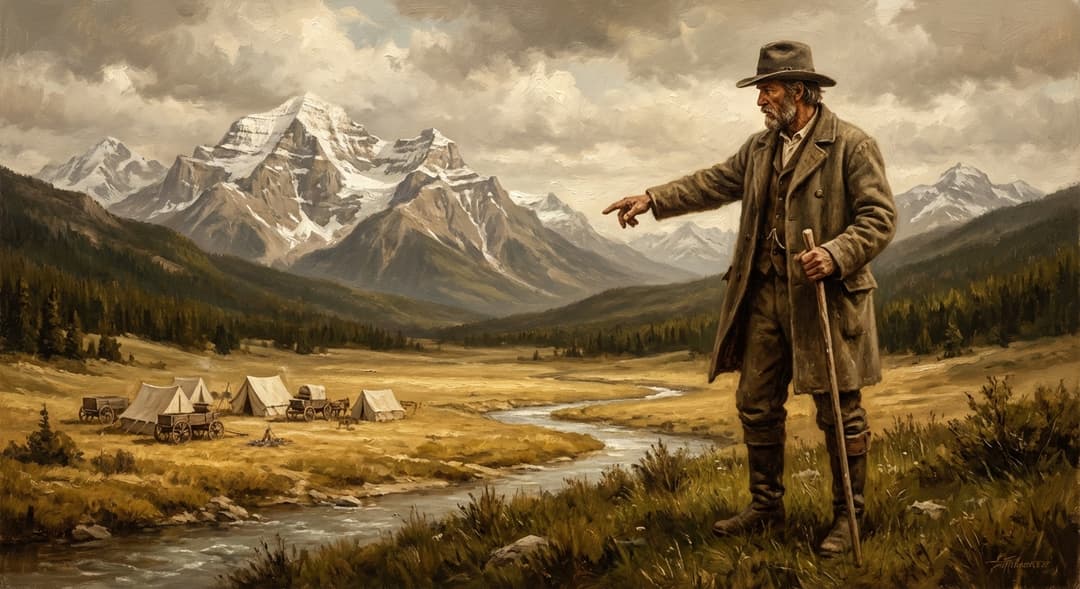
Charles Ora Card led a group of Latter-day Saint settlers to Lee Creek, Alberta, which was later named Cardston.
MilestoneTemple Announced
Church President Joseph F. Smith announced the intent to build a temple in Cardston, Alberta.
component.timeline.announcementGroundbreaking Ceremony
The groundbreaking ceremony was held, with Joseph F. Smith presiding.
component.timeline.groundbreakingCornerstone Laid
Elder David O. McKay laid the cornerstone of the Cardston Alberta Temple.
MilestoneTemple Dedication
The temple was dedicated by Church President Heber J. Grant in 11 sessions.
DedicationTemple Site Expanded
The temple site was expanded to more than 10 acres.
RenovationTemple Addition Dedicated
An addition to the temple was dedicated by Hugh B. Brown.
RenovationTemple Rededication
Following renovations, the temple was rededicated by Gordon B. Hinckley.
DedicationNational Historic Site Designation
The temple was designated a National Historic Site by Parks Canada.
MilestoneNational Historic Site Plaque Dedicated
A plaque commemorating the National Historic Site designation was dedicated.
EventCentennial Celebration
The temple marked its centennial with celebrations and commemorations.
EventFirst Latter-day Saints Arrive in Alberta
The first group of Latter-day Saints scouts arrived in what is now Alberta, Canada, seeking potential settlement locations.
MilestoneCardston Becomes a Town
Cardston was officially incorporated as a town, reflecting its growth and importance as a Latter-day Saint community.
MilestoneTemple Construction Progresses
Despite challenges related to World War I, construction on the Cardston Alberta Temple continued, with significant progress made on the exterior and interior.
RenovationMajor Temple Renovation
The temple underwent a major renovation to update its facilities and restore its architectural features, preparing it for rededication.
RenovationHistory by Decade
1880s — Settlement of Cardston
In the 1880s, Latter-day Saint settlers, led by Charles Ora Card, arrived in what is now Cardston, Alberta. They sought refuge from anti-polygamy laws in the United States and established a thriving community based on their religious principles. The early settlers faced numerous challenges, including harsh weather conditions and the demands of building a new life in a frontier environment.
1910s — Temple Announcement and Construction Begins
On October 12, 1912, Church President Joseph F. Smith announced the intent to build a temple in Cardston. The groundbreaking ceremony took place on November 9, 1913, marking the beginning of a monumental construction project. The construction of the temple became a unifying force, bringing the community together in a common cause.
1920s — Temple Dedication
The Cardston Alberta Temple was dedicated on August 26, 1923, by Church President Heber J. Grant. The dedication ceremonies were filled with spiritual experiences and inspiring messages. The temple became a beacon of hope and a symbol of eternal promises for generations to come.
1950s — Expansion of Temple Site
In the mid-1950s, the temple site was expanded to more than 10 acres. This expansion allowed for additional landscaping and facilities to enhance the temple grounds. The expansion reflected the growing importance of the temple to the community.
1960s — Temple Addition Dedicated
On July 2, 1962, an addition to the temple was dedicated by Hugh B. Brown. This addition provided additional space for temple ordinances and activities. The addition reflected the continued growth of the Church in the region.
1990s — Temple Rededication and Historic Site Designation
Following renovations, the temple was rededicated on June 22, 1991, by Gordon B. Hinckley. In 1992, the temple was designated a National Historic Site by Parks Canada, recognizing its cultural and historical significance. In 1995, a plaque commemorating the National Historic Site designation was dedicated.
2020s — Centennial Celebration
On August 26, 2023, the temple marked its centennial with celebrations and commemorations. The centennial celebration provided an opportunity to reflect on the temple's rich history and its enduring impact on the community. The temple continues to serve as a sacred space for Latter-day Saints in the region.
Architecture & Facilities
The Cardston Alberta Temple's architecture is characterized by a blend of Grecian and subtle Peruvian influences, resembling designs of Aztec temples. Inspired by Frank Lloyd Wright, it embodies a fusion of Mayan-Aztec and Prairie School architectural styles, creating a unique and distinctive design.
Building Materials
White Granite
The temple is constructed with white granite from a quarry near Kootenai Lakes in Nelson, British Columbia. This material provides a sense of permanence and resilience, echoing the steadfastness of the community that built the temple. The granite's light color also symbolizes purity and spiritual enlightenment.
Stained Glass
The temple features stained-glass windows that add color and light to the interior spaces. These windows often depict religious symbols and scenes, creating a visually rich and spiritually uplifting atmosphere. The stained glass serves to filter and transform natural light, symbolizing the purifying and enlightening power of the divine.
Wood
The interior of the temple incorporates various types of wood, adding warmth and natural beauty to the spaces. The wood is used in the construction of furniture, doors, and other architectural elements. The use of wood symbolizes growth, life, and the connection between humanity and the natural world.
Stone
In addition to the granite exterior, the temple incorporates other types of stone in its interior and exterior design. These stones add texture and visual interest to the spaces. The use of stone symbolizes strength, stability, and the enduring nature of the temple.
Interior Features
Celestial Room
The Celestial Room is the most sacred space in the temple, representing the presence of God. It is a place of peace, reflection, and spiritual communion. The room is often decorated with elegant furnishings and soft lighting, creating a serene and heavenly atmosphere.
Ordinance Rooms
The ordinance rooms are used for performing sacred ordinances, such as baptisms, endowments, and sealings. These rooms are designed to create a reverent and uplifting atmosphere. The ordinance rooms often feature murals depicting religious scenes and symbols.
Sealing Rooms
The sealing rooms are used for performing sealing ordinances, which unite families for eternity. These rooms are designed to create a sense of intimacy and connection. The sealing rooms often feature altars and other symbolic elements.
Baptistry
The baptistry is used for performing baptisms for the dead, a sacred ordinance in The Church of Jesus Christ of Latter-day Saints. The baptistry typically features a font of water and is designed to create a reverent and symbolic atmosphere.
Temple Grounds
The temple grounds are meticulously landscaped with large trees, flower gardens, and paved walkways. The grounds provide a peaceful and serene environment for visitors to enjoy. The landscaping is designed to enhance the beauty of the temple and create a welcoming atmosphere.
Additional Facilities
The Cardston Alberta Temple includes a distribution center where patrons can purchase temple clothing and other religious items. There is also a maintenance facility to ensure the temple is well-maintained.
Religious Significance
Temples of The Church of Jesus Christ of Latter-day Saints are dedicated to being Houses of the Lord. These sacred structures are distinct from meetinghouses or chapels, where regular worship services are held. Temples are reserved for special ordinances and covenants that are considered essential for the exaltation of individuals and families.
The primary purpose of temples is to provide a place where members of the Church can make sacred covenants with God and receive essential ordinances that enable them to return to His presence. These ordinances include baptisms for the dead, the endowment, and sealings, which unite families for eternity.
Sacred Ordinances
Baptism for the Dead
This ordinance allows individuals to be baptized vicariously for deceased ancestors who did not have the opportunity to be baptized in life. It is based on the belief that all individuals should have the chance to receive the saving ordinances of the gospel.
The Endowment
The endowment is a sacred ordinance in which individuals receive instruction, make covenants, and are promised blessings that enable them to return to God's presence. It is a symbolic journey through the plan of salvation, providing insights into the purpose of life and the path to eternal life.
Sealing
The sealing ordinance unites families for eternity, allowing husbands and wives, and parents and children, to be bound together in an eternal relationship. This ordinance is based on the belief that family relationships can continue beyond the grave.
The Temple as a House of Learning
Temples serve as houses of learning where members of the Church can receive instruction and guidance on the principles of the gospel. Through participation in temple ordinances and activities, individuals gain a deeper understanding of God's plan and their role in it.
The Temple as a Place of Revelation
Temples are also places of revelation where individuals can receive personal guidance and inspiration from God. As they participate in temple ordinances and activities, members of the Church can feel closer to God and receive answers to their prayers.
The Temple as a Symbol of Eternal Life
Temples are symbols of eternal life, representing the hope and promise of eternal families and eternal blessings. They serve as a reminder of the ultimate goal of life, which is to return to God's presence and live with Him forever.
Similar Temples
Sources & Research
Every fact on Temples.org is backed by verified Sources & Research. Each piece of information is rated by source tier and confidence level.
View All Sources (4)
| Field | Source | Tier | Retrieved |
|---|---|---|---|
| About & Historical Background | The Church of Jesus Christ of Latter-day Saints (opens in a new tab) | A | 2024-01-02 |
| Historical Timeline | Church History, The Church of Jesus Christ of Latter-day Saints (opens in a new tab) | A | 2024-01-02 |
| Interesting Facts | churchofjesuschristtemples.org (opens in a new tab) | C | 2024-01-02 |
| Dedication Information | Ensign, The Church of Jesus Christ of Latter-day Saints (opens in a new tab) | A | 2024-01-02 |