Visitor Insights
Visiting Sanxingdui Sacrificial Site
Visiting Sanxingdui offers direct access to a previously unknown Bronze Age civilization through world-class museum exhibition halls and interactive conservation laboratories.
Highlights
- Marvel at the restored 3.96-meter Bronze Sacred Tree in the main exhibition hall.
- Inspect the towering 2.62-meter Standing Bronze Giant high priest statue.
- Examine gold foil masks and oversized bronze masks with protruding eyes.
- Watch live archaeological restoration work inside the glass-walled Open Conservation Center.
Things to Know
- Reserve entry tickets online several days in advance as visitor capacity is strictly capped.
- Morning entry at opening time helps avoid heavy afternoon tour group traffic.
- English audio guides and private guided tours are available at the main lobby.
Location
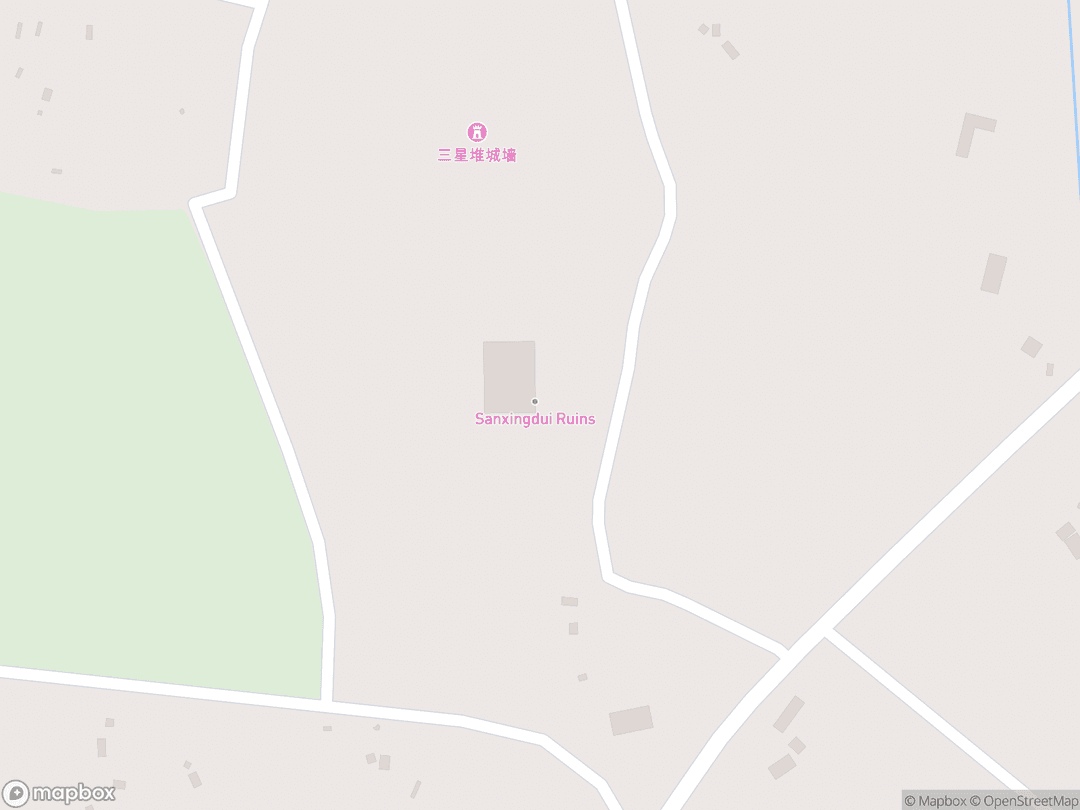
Xiangxin Road, Guanghan City, Deyang Prefecture, Sichuan Province, China
Hours: Main Hall: 08:30 – 18:00 daily (last entry 17:00). Restoration Center: 09:00 – 17:00.
Getting There: Take a 20-minute bullet train from Chengdu East Station to Guanghan North, followed by a 15-minute taxi to the museum entrance.
Get DirectionsTips for Your Visit
Timing Your Visit
Arrive right at 08:30 to experience the primary bronze artifacts with minimal crowds before large groups arrive.
Conservation Observation
Visit the Open Conservation Hall during mid-day to observe technicians working directly on newly unearthed artifacts.
About
The Sanxingdui Sacrificial Site is a Bronze Age urban complex and ritual center located in the Sichuan Basin of southwestern China. Active primarily between 1600 BCE and 1050 BCE, Sanxingdui served as the political and religious capital of the ancient Shu Kingdom, a highly sophisticated contemporary of northern China's Shang Dynasty.
Discovered in 1929 and extensively excavated from 1986 onward, the site has yielded thousands of bronze, gold, jade, and ivory artifacts. Distinct from Central Plains bronze vessel traditions, Sanxingdui ritual culture focused on human statues, towering bronze masks with protruding eyes, gold-sheathed heads, and multi-tiered bronze divine trees.
Around 1050 BCE, the priests and rulers of Sanxingdui ritually broke, burned, and deposited their sacred bronzes into eight rectangular earth pits before abandoning the city. This systematic sacrificial deposition remains one of archaeology's most captivating mysteries.
Gallery
Symbolic Elements
The temple's exterior features intricate carvings, each rich with spiritual meaning:

Bronze Sacred Tree
A 3.96-meter bronze tree representing the cosmic ladder and nine divine sun birds.
Protruding Eye Mask
Extravagant mask with 16-centimeter cylindrical eyes symbolizing clairvoyance and King Cancong.
Standing Bronze Giant
A 2.62-meter high priest figure depicting sovereign shamanic authority.

Gold Foil Mask
Pure gold leaf fitted over bronze faces conferring solar divine radiance.

Jade Yazhang Blade
Forked nephrite blade utilized to swear sacred oaths during sacrificial rites.
Elephant Tusk Stratum
Dense layers of raw ivory placed atop sacred bronzes as supreme offerings.
Horned Dragon
A bronze dragon slithering down the trunk of the cosmic tree to link earth and sky.
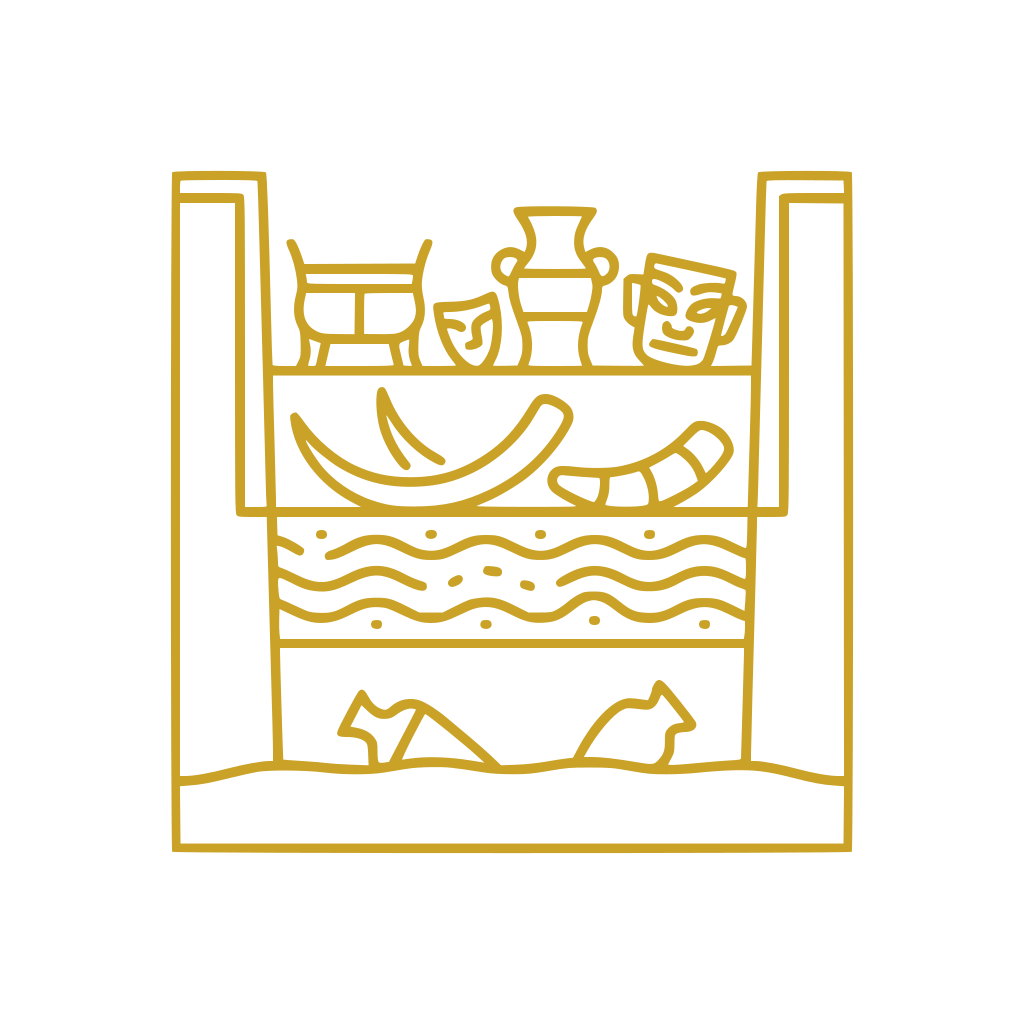
Sacrificial Pit Stratigraphy
Methodical four-tier pit burial arrangement of bronzes, ivory, and burned soil.
Interesting Facts
Sanxingdui possessed advanced bronze casting technology without leaving a single line of written text. (Tier A)
The bronzes were intentionally smashed and burned before being buried in structured layers. (Tier A)
A massive earthquake around 1050 BCE diverted the local river, forcing the city's abandonment. (Tier B)
The largest bronze mask found at Sanxingdui measures 1.38 meters wide and weighs over 71 kilograms. (Tier A)
Microscopic silk residues on bronzes prove silk was used to wrap offerings 3,000 years ago. (Tier B)
A single gold mask fragment unearthed in Pit No. 3 weighed 280 grams at 84% purity. (Tier A)
3D scans revealed that statue fragments from Pit 2 and Pit 8 joined together perfectly. (Tier B)
Copper isotope analysis proves raw materials were imported across thousands of kilometers. (Tier B)
Common Questions
What was the purpose of the sacrificial pits at Sanxingdui?
The pits served as sacred earth vaults for the systematic burning and deposition of decommissioned ritual objects.
Why do the bronze masks feature protruding eyes?
The protruding eyes represent divine vision, clairvoyance, and the legendary ancestral Shu King Cancong.
Are there written texts left by the Sanxingdui civilization?
No written records have been deciphered, making material artifacts the sole window into their religious beliefs.
How tall is the famous Bronze Sacred Tree?
The restored No. 1 Bronze Sacred Tree stands 3.96 meters tall on a three-ring base.
Featured Stories
The Unearthing of Yueliangwan
1929
In the spring of 1929, local farmer Yan Daocheng was clearing a silted irrigation ditch at Moon Bay when his spade struck a buried stone slab. Lifting the stone revealed a dense hoard of over 400 polished jade blades, ritual rings, and carved implements. This serendipitous discovery by a peasant family marked the first awakening of the lost ancient Shu Kingdom.
Source: Sichuan Provincial Archaeological Archives
The Dual Pit Breakthrough of 1986
July 1986
During hot summer excavation work at a local brick kilns clay pit, workers struck heavy metal fragments that emergency teams quickly identified as ancient bronze. Within weeks, Pits No. 1 and No. 2 were exposed, revealing hundreds of crushed bronze faces, gold masks, and the towering parts of the Bronze Sacred Tree. The sheer scale of anthropomorphic bronzes reshaped world understanding of East Asian antiquity.
Source: National Cultural Heritage Administration
The Rejoined Bronze Masterpiece
2022
In 2022, high-resolution 3D digital scans allowed conservators to analyze thousands of bronze fragments recovered across different pits. Researchers discovered that a bronze figure's lower body excavated from Pit No. 8 fit seamlessly onto a statue torso uncovered decades earlier in Pit No. 2. This remarkable physical match proved that both pits were filled simultaneously during a single unified ceremonial event.
Source: Sanxingdui Museum Research Bulletin
Timeline
Initial Discovery at Yueliangwan
Local farmer Yan Daocheng unearths over 400 jade and stone artifacts while clearing an irrigation ditch.
MilestoneFirst Scientific Excavation
David Crockett Graham leads a team from West China Union University Museum to excavate the site.
EventRegional Archaeological Survey
Sichuan Provincial Museum establishes the extensive prehistoric cultural layers across Guanghan.
EventAncient Wall Confirmation
Archaeologists locate and measure the rammed-earth defensive wall foundations of the ancient metropolis.
MilestoneDiscovery of Sacrificial Pit No. 1
Brick factory workers unearth bronze items leading to emergency excavation of the first sacrificial pit.
MilestoneDiscovery of Sacrificial Pit No. 2
Archaeologists uncover Pit No. 2 containing the Standing Bronze Giant and divine tree fragments.
MilestoneSanxingdui Culture Named
Scholars formally establish the term Sanxingdui Culture to designate this unique Bronze Age civilization.
MilestoneOriginal Museum Grand Opening
The initial Sanxingdui Museum opens to display restored bronzes including the 3.96-meter divine tree.
DedicationJinsha Link Confirmed
The discovery of Jinsha in Chengdu proves the geographical shift of the Shu capital after Sanxingdui.
EventQingguanshan Palace Foundations
Excavators uncover large timber architectural foundations confirming a central royal platform.
EventSix New Pits Located
Advanced remote sensing pinpoints six additional sacrificial pits adjacent to the original 1986 sites.
MilestoneNew State-of-the-Art Museum Hall Opens
A 54,400-square-meter modern exhibition complex opens to house thousands of newly conserved finds.
DedicationHistory by Decade
2500 BCE–1600 BCE — The Neolithic Baodun Beginnings
Early settlements along the Yazi River basin built timber dwellings and timber-palisade agricultural villages. This formative period laid the foundational agricultural and cultural base for the emerging Shu society.
1600 BCE–1200 BCE — Urban Capital and Metallurgy
Sanxingdui grew into a fortified capital featuring massive rammed-earth city walls and palatial wooden architecture. Advanced foundries mastered complex split-mold casting to produce large bronze works distinct from Central Plains vessels.
1200 BCE–1050 BCE — Sacrificial Peak and Decommissioning
The ritual center reached its zenith, creating divine trees, gold masks, and giant figures. Around 1050 BCE, priests systematically shattered, burned, and deposited their sacred treasures into eight earth pits before abandoning the city.
1920s–1980s — Discovery and Early Field Surveys
Following Yan Daocheng's 1929 jade discovery, early field surveys mapped out prehistoric settlement layers across Guanghan. In 1980, archaeologists formally identified the ancient city's rammed-earth perimeter walls.
1986–2000 — Pit Excavations and First Museum
The emergency excavation of Pits 1 and 2 in 1986 yielded over 1,000 masterworks that astounded the global archaeological community. In 1997, the dedicated Sanxingdui Museum opened to present these restored bronzes to the public.
2019–2023 — The New Six Pits and Expansion
State-of-the-art remote sensing located six new sacrificial pits between 2019 and 2022, uncovering thousands of additional gold and bronze artifacts. A new 54,400-square-meter exhibition hall opened in 2023 to showcase the complete collection.
Architecture & Facilities
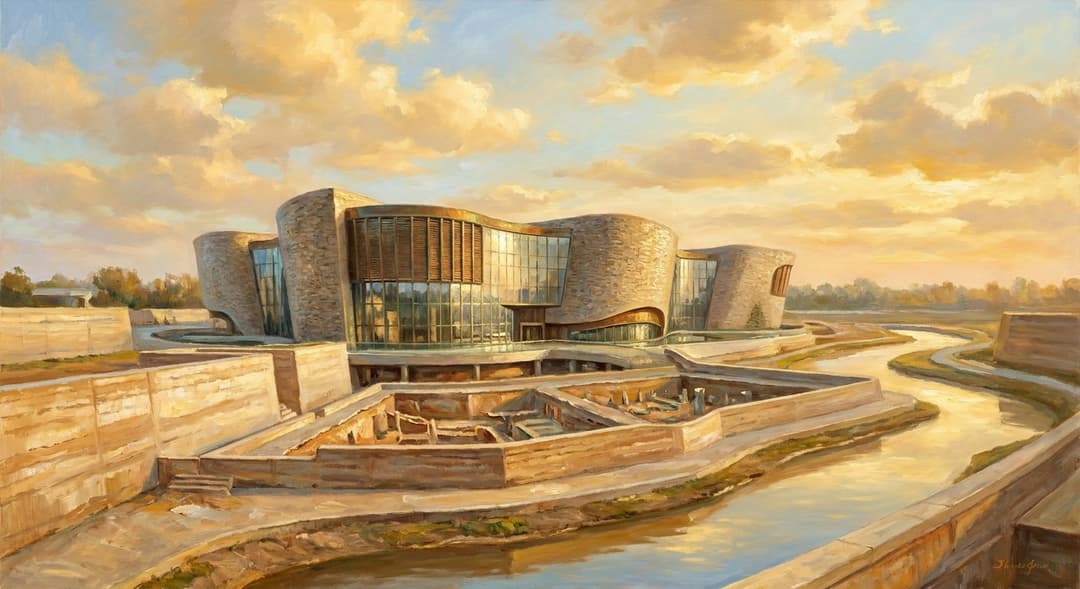
The ancient site consists of rammed-earth defensive walls and timber palace platforms, while the modern museum features organic earth-toned curved structures with bronze-patinated louvers designed by CSWADI to symbolize divine eyes emerging from the earth.
Building Materials
Rammed Earth (Hangtu)
Compacted local silt and clay layers used for ancient city defensive walls.
Cast Bronze
Copper-tin-lead alloys cast using advanced multi-piece split-mold techniques.
Hammered Gold Foil
High-purity gold sheet hammered thin and fitted over bronze faces.
Carved Nephrite Jade
Locally sourced jade carved into sacred blades and cylindrical cong tubes.
Interior Features
Grand Central Atrium
A multi-story spiral ramp connecting three thematic bronze exhibition floors.
Divine Tree Rotunda
A tall glass enclosure showcasing the restored 3.96-meter Bronze Sacred Tree.
Gold Mask Sanctuary
Low-lit display hall designed to highlight gold-clad bronze human heads.
Open Conservation Laboratory
Glass-walled working hall where visitors observe active artifact restoration.
Temple Grounds
A 33-hectare landscaped park combining ancient city wall remnants, quiet water gardens, and glass-covered excavation pits.
Additional Facilities
Includes an interactive digital auditorium, visitor service lobby, scholarly research center, and educational workshop space.
Religious Significance
Sanxingdui represents an ancient shamanic theocracy centered on eye iconography, cosmic tree symbolism, and gold divine masking.
The site functioned as the primary sacrificial ritual center linking earth, heaven, and ancestral deities for the ancient Shu Kingdom.
Sacred Ordinances
Jiao (Burnt Sacrifice)
Ritual burning of bronze, jade, and ivory items to transfer their spiritual essence to celestial realms.
Eye Rites
Veneration of oversized eyes to evoke spiritual clairvoyance and honor King Cancong.
Tree Axis Rituals
Ascending the symbolic cosmic tree path to commune between human priests and solar deities.
The Cosmic Tree and Solar Theology
The Bronze Sacred Tree served as the Axis Mundi, linking Heaven, Earth, and the underworld through bird-sun symbolism.
Decommissioning and Earth Pit Deposition
The breaking and burying of ritual bronzes served as a final supreme offering or sacred decommissioning event.
Sources & Research
Every fact on Temples.org is backed by verified Sources & Research. Each piece of information is rated by source tier and confidence level.
View All Sources (8)
| Field | Source | Tier | Retrieved |
|---|---|---|---|
| About & Historical Background | Sichuan Provincial Institute of Cultural Relics and Archaeology (opens in a new tab) | B | 2026-02-15 |
| About & Historical Background | UNESCO World Heritage Centre (opens in a new tab) | B | 2026-02-15 |
| Architectural Layout & Pits | China Southwest Architectural Design and Research Institute (opens in a new tab) | B | 2026-02-15 |
| Symbolic Elements & Artifacts | Sanxingdui Museum Official Portal (opens in a new tab) | A | 2026-02-15 |
| Excavation Timeline | National Cultural Heritage Administration of China (opens in a new tab) | B | 2026-02-15 |
| Religious Significance & Rituals | Journal of Chinese Archaeology (opens in a new tab) | B | 2026-02-15 |
| Visitor Insights & Access | Sichuan Provincial Department of Culture and Tourism (opens in a new tab) | B | 2026-02-15 |
| Scientific Analysis & Conservation | Peking University School of Archaeology and Museology (opens in a new tab) | B | 2026-02-15 |