Visitor Insights
Visiting Colonia Juárez Chihuahua Mexico Temple
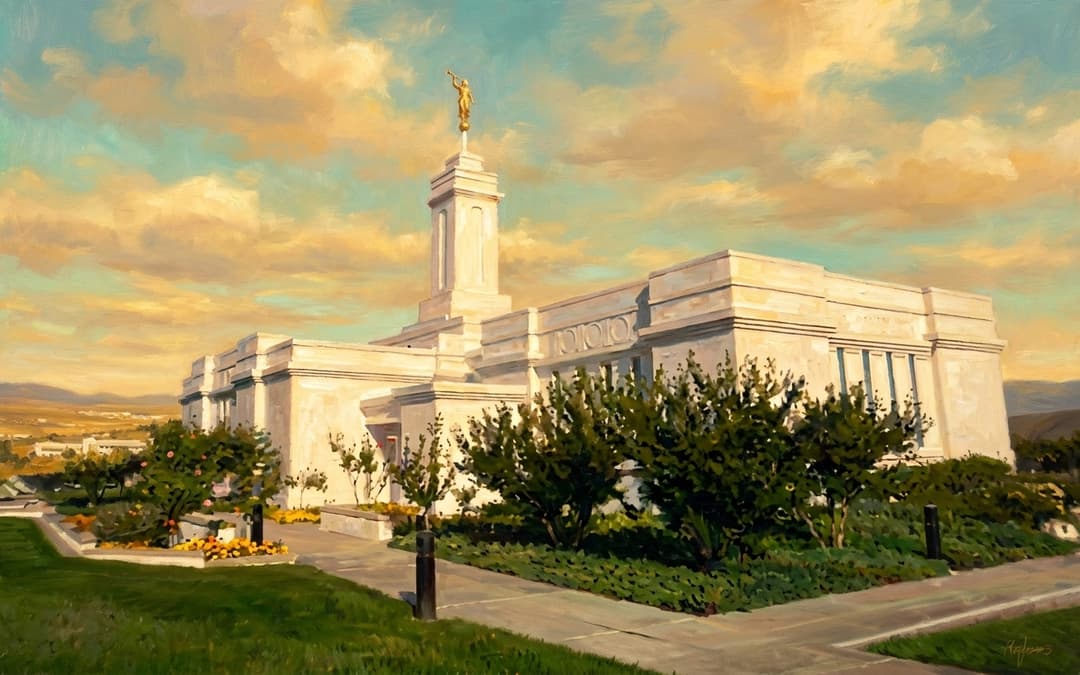
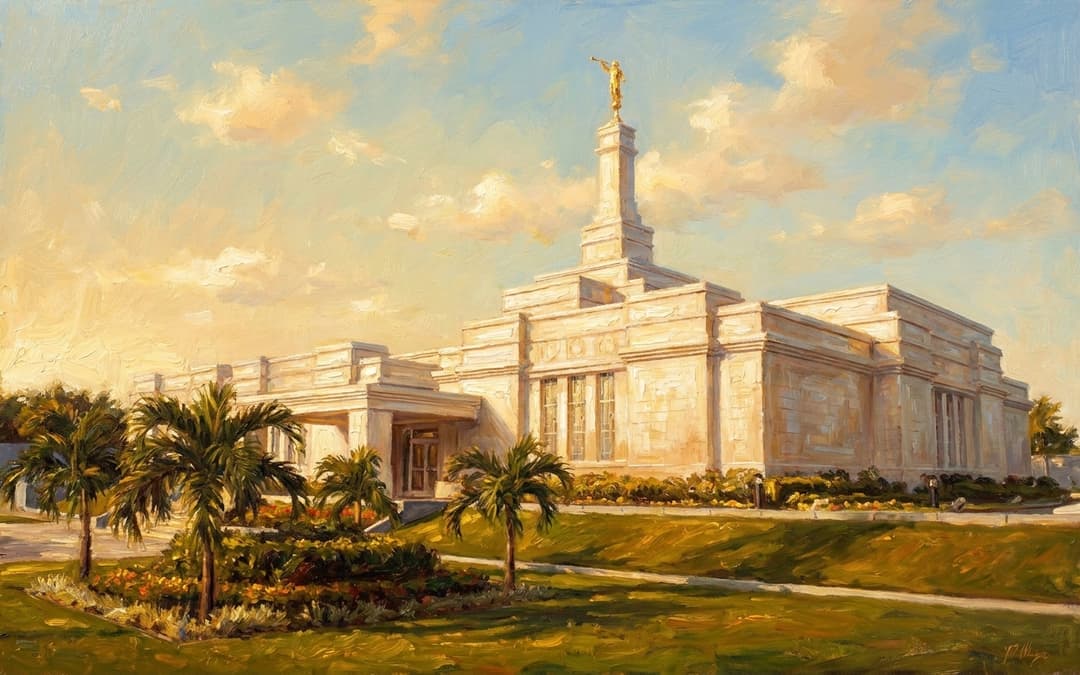
Visiting the Colonia Juárez Chihuahua Mexico Temple offers a serene and deeply spiritual experience in a historic pioneer valley. Nestled in the foothills of the Sierra Madre Occidental, the temple grounds provide a peaceful sanctuary characterized by manicured lawns, vibrant native flowers, and stunning panoramic views of the surrounding orchards. While the interior is reserved exclusively for members with a valid temple recommend, visitors of all faiths are welcome to walk the peaceful pathways and enjoy the quiet majesty of the exterior. The site is particularly breathtaking during the golden hour before sunset, when the white Vermont marble catches the warm light.
Highlights
- Stunning hillside views overlooking the historic Juárez Academy and valley
- Beautifully manicured gardens featuring native Chihuahuan flora and member-laid sod
- Gleaming white Vermont marble exterior that reflects the changing desert light
Things to Know
- The temple interior is closed to the general public; only the grounds are open
- No public visitors' center is available on-site, but a distribution center is open
- Respectful attire is encouraged when walking the sacred temple grounds
Location
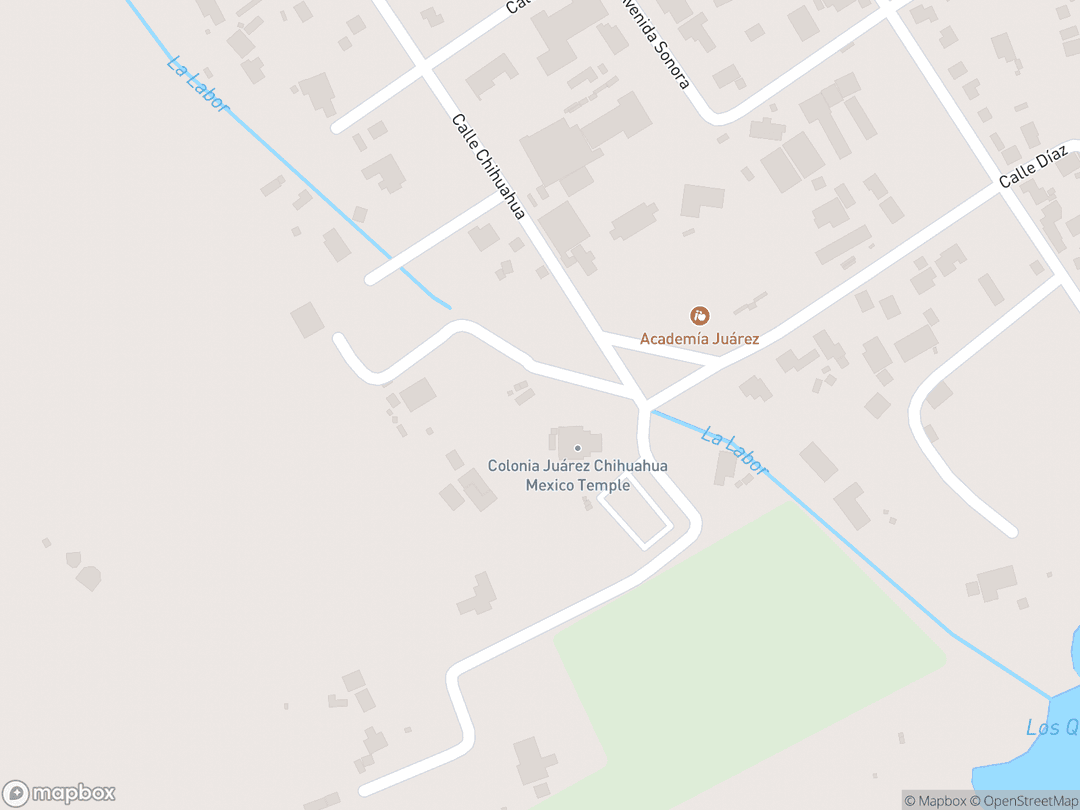
Calles Chihuahua y Díaz S/N, 31857 Colonia Juárez, Chihuahua, Mexico
Hours: Grounds are open daily from sunrise to sunset. Temple ordinance hours vary by week.
Getting There: Located in Colonia Juárez, Chihuahua, approximately 15 miles southwest of Nuevo Casas Grandes. Accessible by car via local paved roads with free on-site parking available.
Get DirectionsTips for Your Visit
Golden Hour Photography
Visit just before sunset to capture the warm, golden light reflecting off the white Vermont marble facade against the Sierra Madre backdrop.
Explore the Historic Valley
Combine your temple visit with a walk through the historic town of Colonia Juárez to see the pioneer-era homes and the nearby Juárez Academy.
Respectful Conduct
Keep voices low and maintain a reverent attitude while enjoying the peaceful atmosphere of the temple grounds.
About
The Colonia Juárez Chihuahua Mexico Temple stands as a historic monument of faith, sacrifice, and pioneering endurance. Located in the foothills of the Sierra Madre Occidental in northern Chihuahua, this sacred structure holds a unique place in the global history of The Church of Jesus Christ of Latter-day Saints. It represents the genesis of a monumental shift in the Church's global temple-building program, bringing sacred ordinances directly to remote congregations worldwide.
The temple's origins are deeply tied to the Latter-day Saint pioneers who established agricultural colonies along the Piedras Verdes River in 1885. Fleeing religious and legal persecution in the United States, these settlers built a thriving community in the harsh desert terrain. Over a century later, their descendants' generational faithfulness inspired a revolutionary concept: a smaller, highly efficient temple design that could be built quickly and affordably in remote areas.
Dedicated in 1999 by President Gordon B. Hinckley, the temple serves as a spiritual sanctuary for members in northern Mexico and across the United States border. Despite its compact footprint, the temple offers a full complement of sacred ordinances, symbolizing the global reach and localized focus of modern Latter-day Saint worship. It remains a beacon of peace, unity, and devotion in the historic valley of Colonia Juárez.
Gallery
Symbolic Elements
The temple's exterior features intricate carvings, each rich with spiritual meaning:

Angel Moroni
Atop the single central spire stands a gold-leafed statue of the Angel Moroni. In Latter-day Saint theology, Moroni is a key figure of the Restoration, symbolizing the fulfillment of biblical prophecy. The statue is oriented facing East, a traditional placement symbolizing the anticipation of the Second Coming of Jesus Christ.

Holiness to the Lord Inscription
The exterior facade bears the carved Spanish inscription: Santidad al Señor: La Casa del Señor. This sacred text designates the temple as a sanctuary physically and spiritually set apart from the secular world. It serves as a reminder of the holiness required of those who enter.

Single Stationary Ordinance Room
Unlike larger temples that utilize progressive rooms, this temple features a single stationary ordinance room. This design choice symbolizes the focused, unified nature of the temple endowment. It presents the entire instruction in one sacred space, maximizing efficiency without compromising sacredness.

The Celestial Room
The Celestial Room is designed as a physical representation of heaven on earth—a place of absolute peace and communion with God. The room's soft lighting, German-imported wall coverings, and custom crystal chandelier symbolize eternal glory. It offers patrons a quiet space for prayer, meditation, and reflection.

White Vermont Marble Cladding
The exterior is clad in gleaming white marble imported from Vermont, distinguishing it from other Mexican temples of the era. This choice of material reflects the highest quality of craftsmanship dedicated to the house of God. The stone was meticulously cut to reflect sunlight, making the temple visible for miles across the valley.

Spanish Colonial Interior Furnishings
The interior furnishings feature a custom Spanish Colonial theme to honor the regional heritage of northern Mexico. This design choice blends local cultural aesthetics with the sacred dignity of the temple. The custom-built furniture maintains a historic, elegant atmosphere throughout the building.

Hillside Elevation and Orientation
The temple is positioned on an elevated hillside overlooking the historic Juárez Academy and the valley below. This prominent placement symbolizes a spiritual beacon, drawing the eyes of the community upward. It integrates the sacred structure seamlessly into the natural Sierra Madre landscape.

Custom Crystal Chandelier
The Celestial Room features a highly unique, custom-designed crystal chandelier selected specifically for this project. The chandelier's intricate design refracts light throughout the room, symbolizing the light of Christ and eternal truth. It serves as a focal point of beauty and elegance in the temple's most sacred space.
Interesting Facts
Measuring just 6,800 square feet, the Colonia Juárez Temple holds the distinction of being the smallest operating temple in the entire global network of the Church.
The concept and floor plan for the Church's smaller temples were literally sketched on a piece of paper by President Gordon B. Hinckley while flying back to El Paso in June 1997.
While almost all other contemporary temples built in Mexico used domestic marble, the Colonia Juárez temple was finished with white marble imported from Vermont.
At the time of the temple's dedication, northern Mexico was suffering from a severe, multi-year drought. Immediately following the dedicatory prayer petitioning for rain, a gentle rain began to fall.
Demonstrating immense sacrifice, local members cultivated the sod on their own farms and transported it to the temple site to ensure the grounds would be beautifully green.
During the final push for completion, local youth volunteered to climb the scaffolding to clean the exterior marble and prepare the building for its public open house.
It was the very first temple constructed in the state of Chihuahua, dedicated nearly a year before the larger Ciudad Juárez Mexico Temple.
The temple serves the Juárez Stake, which was organized on December 9, 1895, making it the oldest stake of the Church in Mexico.
Unlike standard temple designs of the era, the interior furnishings were custom-designed with a Spanish Colonial theme to reflect the unique cultural heritage of the local colonies.
The temple's elevated hillside position gives it a prominent, monument-like appearance that integrates seamlessly with the surrounding Sierra Madre landscape.
Common Questions
Why is the Colonia Juárez Temple historically significant?
The Colonia Juárez Temple is historically significant because it is the smallest operating temple in the global network of The Church of Jesus Christ of Latter-day Saints. It represents the genesis of the Church's smaller temple-building program, which was conceived by President Gordon B. Hinckley to bring temple blessings directly to remote congregations worldwide.
Can the public tour the inside of the temple?
No, the interior of the temple is reserved exclusively for members of the Church holding a valid temple recommend. However, the beautifully landscaped grounds and gardens surrounding the temple are open to the public, and visitors of all faiths are welcome to enjoy the peaceful atmosphere.
What makes the construction materials of this temple unique?
While most contemporary temples built in Mexico during the late 1990s used domestic Mexican marble, the Colonia Juárez Temple was clad in white marble imported from Vermont. Additionally, the interior features custom Spanish Colonial furnishings and wall coverings imported from Germany.
What is the significance of the Angel Moroni statue?
The gold-leafed statue of the Angel Moroni atop the spire symbolizes the restoration of the gospel of Jesus Christ. Moroni is oriented facing East, which is a traditional placement symbolizing the anticipation of the Second Coming of Jesus Christ.
How did the local community contribute to the temple's construction?
The local community was deeply involved in the construction of the temple. Local members cultivated, donated, and laid the sod for the grounds, while local youth volunteered to climb the scaffolding to clean the exterior marble in preparation for the dedication.
Featured Stories
President Hinckley's Airplane Sketch
June 1997
During the centennial celebration of the Juárez Academy in June 1997, President Gordon B. Hinckley was deeply moved by the faithfulness of the local members who traveled hours to attend the temple. On his return flight, inspired by their devotion, he took a piece of paper and sketched a simplified, smaller temple floor plan.
This historic sketch became the blueprint for a revolutionary new generation of smaller temples worldwide. It allowed the Church to bring sacred ordinances directly to remote congregations, forever changing the global temple-building program.
Source: Church Newsroom
The Miracle of Rain
March 7, 1999
At the time of the temple's dedication in March 1999, northern Mexico was suffering from a severe, multi-year drought that threatened the local agricultural economy. During the dedicatory services, President Gordon B. Hinckley offered a heartfelt petition to the Lord, pleading for rain to bless the parched land and the faithful people.
Immediately following the conclusion of the final dedicatory session on Sunday, clouds gathered over the valley. To the astonishment and joy of the local residents, a gentle, soaking rain began to fall, ending the long drought and strengthening the community's faith.
Source: Ensign Magazine
The Youth Scaffolding Crew
February 1999
As the temple neared completion in early 1999, there was an urgent need to clean the exterior marble and prepare the building for the public open house. Demonstrating immense dedication, local youth volunteered to climb the high construction scaffolding to wash the white Vermont marble.
Working alongside adult supervisors, these young men and women spent hours meticulously cleaning the facade under the desert sun. Their selfless labor reflected the deep personal investment of the entire community in preparing the house of the Lord.
Source: Church History Department
Timeline
Pioneers Settle Colonia Juárez
Latter-day Saint pioneers fleeing religious and legal persecution in the United States establish agricultural colonies along the Piedras Verdes River.
MilestoneJuárez Stake Organized
The Juárez Stake is organized, marking the creation of the first stake of the Church in Mexico and anchoring the local congregations.
MilestoneRevolutionary Evacuation
Over 4,000 colonists evacuate to the United States due to severe instability and pressure from revolutionary forces during the Mexican Revolution.
EventPioneers Return to Rebuild
Dedicated pioneer families return to Chihuahua to rebuild their farms, schools, and congregations after the conflict subsides.
EventJuárez Academy Centennial
President Gordon B. Hinckley attends the centennial celebration of the Church-owned Juárez Academy and laments the long travel times to the nearest temple.
EventThe Airplane Sketch
Inspired by the local members' devotion, President Gordon B. Hinckley sketches a simplified, smaller temple floor plan on his return flight from El Paso.
MilestoneTemple Announcement
The Colonia Juárez Chihuahua Mexico Temple is officially announced by President Gordon B. Hinckley, launching the smaller temple program.
MilestoneGroundbreaking Ceremony
A snowy groundbreaking ceremony is held on the hillside site, marking the official start of construction.
component.timeline.groundbreakingYouth Clean the Facade
Local youth volunteer to climb construction scaffolding to clean the exterior marble and prepare the building for the open house.
EventPublic Open House Begins
A public open house begins, allowing thousands of local residents and visitors to tour the completed temple interior.
EventTemple Dedication
The temple is formally dedicated by President Gordon B. Hinckley, who petitions the Lord for rain to end a severe regional drought.
DedicationThe Miracle of Rain
Rain begins to fall on the parched valley immediately following the conclusion of the final dedicatory session.
Event20th Anniversary
The temple marks its 20th anniversary of continuous operation serving the Saints of northern Chihuahua.
MilestoneFull Pandemic Reopening
The temple fully reopens to patrons following temporary operating adjustments during the global pandemic.
EventContinuous Operation
The temple continues to stand as a historic beacon of faith, operating alongside a modern distribution center.
MilestoneHistory by Decade
1880s — Pioneer Settlement
In 1885, Latter-day Saint pioneers fleeing intense religious and legal persecution in the United States crossed into northern Mexico. They established agricultural colonies along the Piedras Verdes River, naming their primary settlement Colonia Juárez. Despite the harsh desert terrain, they built homes, dug irrigation canals, and planted extensive fruit orchards, establishing a permanent community.
1890s — Ecclesiastical Organization
As the colonies grew and flourished, the Church established a formal administrative presence. On December 9, 1895, the Juárez Stake was organized, marking the creation of the first stake of the Church in Mexico. This stake served as the ecclesiastical anchor for thousands of Saints in Chihuahua and Sonora, fostering deep spiritual devotion.
1910s — Revolutionary Evacuation
The outbreak of the Mexican Revolution brought severe instability to the region. In 1912, under pressure from revolutionary forces, more than 4,000 colonists evacuated to the United States. While many settled permanently in the U.S., a dedicated core of families returned to Chihuahua after the conflict to rebuild their farms, schools, and congregations.
1990s — Revelation and Construction
In June 1997, during the centennial celebration of the Church-owned Juárez Academy, President Gordon B. Hinckley lamented that local members had to travel eight hours to the nearest temple. Inspired by their generational faithfulness, President Hinckley sketched a simplified, smaller temple floor plan on his return flight. This revelation led to the temple's official announcement on October 4, 1997, followed by a snowy groundbreaking on March 7, 1998, and its dedication on March 6, 1999.
2000s — Spiritual Integration
The temple became a powerful symbol of unity, bridging the gap between Latter-day Saints in northern Mexico and those across the border in the United States. Regular temple excursions, which once required days of travel, became a weekly or daily reality for the local stakes, deeply enriching the spiritual lives of the members.
2010s — Continuous Devotion
On March 6, 2019, the temple marked its 20th anniversary of continuous operation. It remained a historic destination for descendants of the original pioneers and a vital spiritual center for the growing Spanish-speaking congregations of northern Chihuahua, proving the success of the smaller temple concept.
2020s — Modern Resilience
Following temporary operating adjustments during the global pandemic, the temple fully reopened to patrons. It continues to stand as a beacon of peace in the valley, operating alongside a newly constructed distribution center to serve the local community and maintain its historic legacy of faith.
Architecture & Facilities
The Colonia Juárez Chihuahua Mexico Temple features a Classic Modern, single-spire design. Its clean, horizontal lines and elevated hillside position give it a prominent, monument-like appearance that integrates seamlessly with the surrounding Sierra Madre landscape. The design represents a revolutionary shift in Latter-day Saint architecture, proving that sacred spaces could be highly functional and beautifully dignified even on a compact scale.
Building Materials
Exterior Cladding
Gleaming white marble imported from Vermont, meticulously cut and fitted to reflect the bright desert sunlight.
Interior Furnishings
Custom-designed furniture featuring a Spanish Colonial theme to honor the regional heritage of northern Mexico.
Wall Coverings
High-quality textile wall coverings custom-imported from Germany for the celestial and sealing rooms.
Celestial Chandelier
A highly unique, custom-designed crystal chandelier selected specifically to illuminate the Celestial Room.
Interior Features
Celestial Room
A quiet, beautifully appointed room symbolizing heaven on earth, featuring German wall coverings and a custom crystal chandelier.
Sealing Room
A sacred space where marriages and families are bound together for eternity, designed with elegant Spanish Colonial furnishings.
Ordinance Room
A single stationary room designed to present the entire temple instruction in one sacred space, maximizing efficiency.
Baptistry
A sacred font supported by twelve sculpted oxen, used for performing proxy baptisms on behalf of deceased ancestors.
Temple Grounds
The temple sits on a beautifully landscaped 2.56-acre hillside property. The grounds feature manicured lawns, vibrant flower beds, and native shrubs. The sod for the grounds was cultivated, donated, and laid by local members, reflecting the community's deep personal investment.
Additional Facilities
An on-site distribution center is located on the property, providing temple clothing, scriptures, and materials to patrons from the surrounding district.
Religious Significance
Throughout Judeo-Christian history, the concept of a dedicated sanctuary or 'house of God' has been central to the life of faith. From the Tabernacle of Moses in the wilderness to the Temple of Solomon in Jerusalem, believers have sought holy spaces to draw closer to the Creator and enter into sacred covenants. Christians universally share a deep reverence for the sacredness of covenants, the promise of God's eternal love, and the hope that family relationships can transcend the grave through the grace and redemption of Jesus Christ.
The Colonia Juárez Chihuahua Mexico Temple serves as a sacred sanctuary dedicated to performing saving ordinances that bind generations together for eternity.
Sacred Ordinances
Baptism for the Dead
A proxy practice rooted in the New Testament (1 Corinthians 15:29) where baptisms are performed for ancestors who did not have the opportunity to accept the gospel in life.
The Endowment
A sacred covenant where members receive instruction regarding the plan of salvation and make personal commitments to follow Jesus Christ.
Eternal Marriage
A sealing ordinance performed at the temple altar, binding couples and families together for all eternity through the priesthood power.
A Physical Bridge Between Heaven and Earth
In Latter-day Saint theology, the temple is viewed as a physical bridge between heaven and earth, where the grace of Christ's Atonement is applied to bind generations together. The ordinances performed within its walls are considered essential for salvation and eternal progression, making the temple the most sacred space on earth.
The Legacy of Pioneer Faith
The temple stands as a testament to the enduring faith of the Latter-day Saint pioneers who settled the region in 1885. Their sacrifice and devotion paved the way for the temple's construction, and the sacred structure continues to serve as a spiritual anchor for their descendants and the local community.
Similar Temples

Sources & Research
Every fact on Temples.org is backed by verified Sources & Research. Each piece of information is rated by source tier and confidence level.
View All Sources (7)
| Field | Source | Tier | Retrieved |
|---|---|---|---|
| About & Historical Background | The Church of Jesus Christ of Latter-day Saints (opens in a new tab) | A | 2026-02-18 |
| Architecture & Construction | Latter-day Saint Temples (opens in a new tab) | C | 2026-02-18 |
| Featured Stories & Miracles | The Church of Jesus Christ of Latter-day Saints (opens in a new tab) | A | 2026-02-18 |
| Historical Timeline & Pioneer History | BYU Studies (opens in a new tab) | B | 2026-02-18 |
| About & Regional Impact | Church Newsroom (opens in a new tab) | A | 2026-02-18 |
| Visitor Insights & Community | Church History Department (opens in a new tab) | A | 2026-02-18 |
| Architecture & Design | LDS Living (opens in a new tab) | B | 2026-02-18 |