Visitor Insights
Visiting Mexico City Mexico Temple
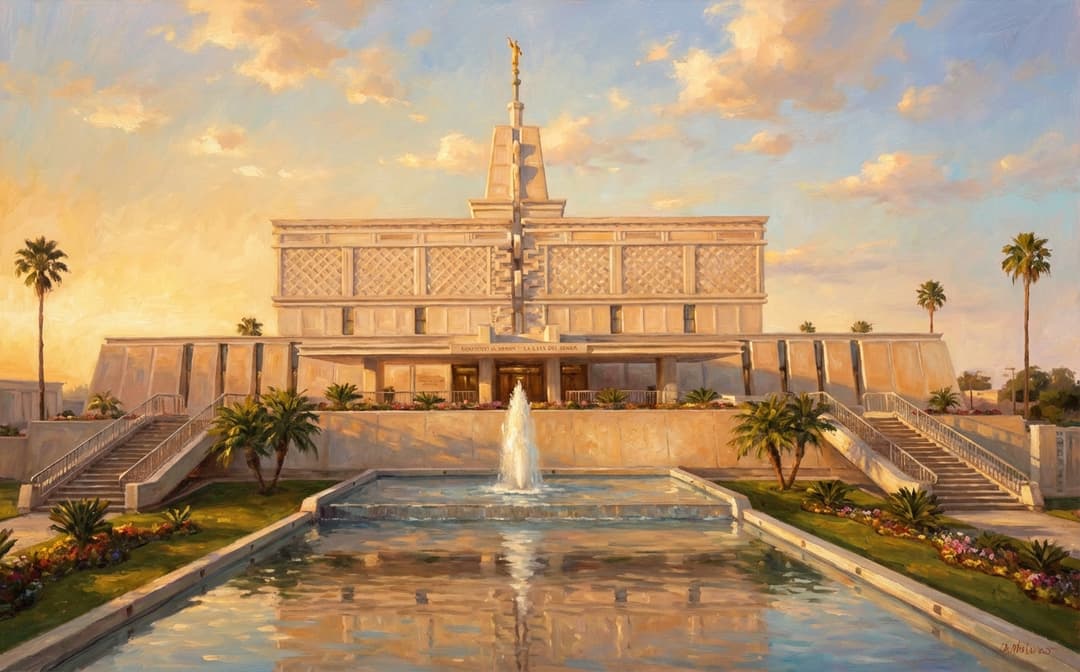
The Mexico City Mexico Temple welcomes visitors to experience its serene atmosphere and learn about its significance to the Latter-day Saint community. The temple grounds feature beautifully maintained gardens and a tranquil water feature, providing a peaceful setting for reflection. Visitors can explore the Visitors' Center, where they can learn more about the temple's history, purpose, and architectural design. Guided tours are available, offering insights into the temple's spiritual importance and its role in the lives of Latter-day Saints.
Highlights
- Explore the beautifully landscaped gardens and water feature.
- Visit the Visitors' Center to learn about the temple's history and purpose.
- Take a guided tour of the Visitors' Center.
Things to Know
- The temple grounds are open to the public, but access to the temple itself is reserved for members of The Church of Jesus Christ of Latter-day Saints.
- Appropriate attire is recommended when visiting the temple grounds.
- Photography may be restricted in certain areas.
Location
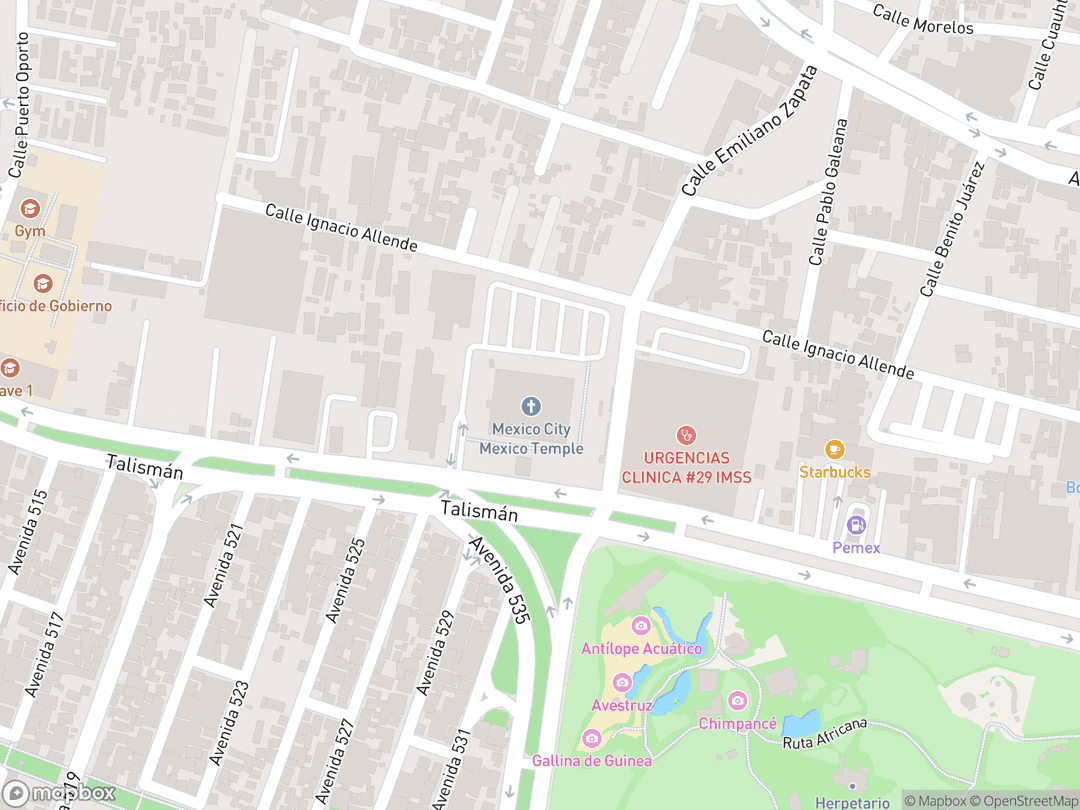
Avenida 510 No. 90, Colonia San Juan de Aragón, 07950 México City, México
Hours: The Visitors' Center is open Monday to Saturday from 10:00 AM to 8:00 PM, and Sunday from 11:00 AM to 8:00 PM.
Getting There: The Mexico City Mexico Temple is located in northeastern Mexico City, near Bosque de Aragón. It is accessible by public transportation and car.
Get DirectionsAbout
The Mexico City Mexico Temple, dedicated in 1983 as the first temple of The Church of Jesus Christ of Latter-day Saints built in Mexico, remains the largest temple outside of the United States and marked a significant milestone for the Church in a region where membership had been steadily growing since the mid-20th century.
The temple's architecture is a unique blend of modern design and Mesoamerican influences, reflecting the rich cultural heritage of the region. Its white cast stone exterior, adorned with a basket-weave design, rises to a height of 151 feet, topped by a statue of the angel Moroni holding the gold plates. The temple grounds, meticulously landscaped with gardens and a water feature, provide a serene and spiritual setting for visitors and members alike.
Throughout its history, the Mexico City Mexico Temple has undergone several renovations to enhance its functionality and beauty. These renovations have included upgrades to the interior design, incorporating carved columns, wood furniture, art glass, and carpets with Mesoamerican motifs. The temple has been rededicated twice, in 2008 and 2015, each time reaffirming its sacred purpose and its importance to the Latter-day Saint community in Mexico.
Today, the Mexico City Mexico Temple continues to serve as a spiritual center for Latter-day Saints in central Mexico. It is a place where members can participate in sacred ordinances, strengthen their faith, and draw closer to God. The temple stands as a testament to the enduring legacy of the Church in Mexico and its commitment to serving the spiritual needs of its members.
Gallery
Symbolic Elements
The temple's exterior features intricate carvings, each rich with spiritual meaning:

Angel Moroni Statue
The statue of the angel Moroni stands atop the temple, symbolizing the restoration of the gospel of Jesus Christ. Moroni was an ancient prophet who revealed the Book of Mormon to Joseph Smith. The Mexico City Mexico Temple is one of only five temples to have a statue of Moroni holding the gold plates.

Twelve Oxen
The baptismal font is mounted on the backs of twelve carved oxen, a common feature in Latter-day Saint temples. These oxen represent the twelve tribes of Israel, symbolizing the importance of baptism for all of God's children.

Mayan Revival Architecture
The temple's architecture incorporates elements of the Mayan Revival style, reflecting the rich cultural heritage of the region. This design choice connects the temple to the history and traditions of the Mexican people.

White Cast Stone Exterior
The temple's exterior is made of white cast stone, symbolizing purity and holiness. The light color reflects the sacred nature of the temple and its purpose as a place of spiritual enlightenment.

Basket-Weave Design
The exterior of the temple features a basket-weave design, adding texture and visual interest to the building. This intricate pattern symbolizes the interconnectedness of all things and the importance of unity.

Gardens and Water Feature
The temple grounds feature meticulously landscaped gardens and a tranquil water feature, providing a serene and spiritual setting for visitors and members alike. These elements symbolize the beauty and peace that can be found in the temple.

Mesoamerican Interior Designs
The temple's interior design incorporates Mesoamerican motifs in its carved columns, wood furniture, art glass, and carpets. These designs connect the temple to the cultural heritage of Mexico and its ancient civilizations.

Rectangular Base
The temple's rectangular base provides a strong and stable foundation, symbolizing the enduring nature of the gospel of Jesus Christ. This solid base represents the importance of building one's life upon a firm foundation of faith.
Interesting Facts
The Mexico City Mexico Temple was the first temple built in Mexico.
It is the largest temple outside of the United States.
The temple serves Latter-day Saints in central Mexico.
Following its completion, the temple received an international award for artistic use of precast concrete.
The temple has received favorable attention from the school of architecture at the University of Mexico and has become a subject of study.
The temple has been rededicated twice, in 2008 and 2015.
A Missionary Training Center (MTC) is located near the temple.
The architecture is influenced by the Mayan Revival style.
The temple site is located on what is called the 'Manzana del Templo' (Temple Square).
The baptismal font rests on the backs of twelve oxen, representing the twelve tribes of Israel.
Common Questions
What is the purpose of temples in The Church of Jesus Christ of Latter-day Saints?
Temples are considered houses of the Lord, places where members can draw closer to God and participate in sacred ordinances, such as marriages, baptisms for the dead, and endowments. These ordinances are essential for the eternal progression of individuals and families.
Who can enter the Mexico City Mexico Temple?
While the temple grounds are open to the public, access to the temple itself is reserved for members of The Church of Jesus Christ of Latter-day Saints who are in good standing and have a temple recommend. A temple recommend is obtained by living the principles and commandments of the Church.
What is the significance of the angel Moroni statue on top of the temple?
The statue of the angel Moroni is a symbol of the Restoration of the gospel of Jesus Christ. Moroni was an ancient prophet who revealed the Book of Mormon to Joseph Smith. The statue represents the spreading of the gospel message to the world.
What are some of the architectural features of the Mexico City Mexico Temple?
The Mexico City Mexico Temple exhibits a Mayan Revival architectural style, incorporating both Aztec and Mayan elements. The exterior is made of white cast stone with a basket-weave design. The temple has a rectangular base and levels that decrease in size as the building increases in height. The interior design includes carved columns and wood furniture, art glass, and carpets with Mesoamerican designs.
How can I learn more about the Mexico City Mexico Temple and The Church of Jesus Christ of Latter-day Saints?
You can visit the Visitors' Center located on the temple grounds, where you can learn more about the temple's history, purpose, and architectural design. You can also visit the official website of The Church of Jesus Christ of Latter-day Saints or contact local members of the Church.
Related Stories
Explore the rich history, traditions, and people connected to this sacred site.
Featured Stories
The Dedication of the Mexico City Mexico Temple
December 2, 1983
The dedication of the Mexico City Mexico Temple on December 2, 1983, was a momentous occasion for Latter-day Saints in Mexico. Gordon B. Hinckley, then a member of the First Presidency, presided over the dedication, marking a significant milestone for the Church in Mexico, where membership had been steadily growing since the mid-20th century. The dedication ceremonies were filled with spiritual power and gratitude, as members rejoiced in the blessings of having a temple in their own land.
The dedication of the Mexico City Mexico Temple was not only a spiritual event but also a cultural one. The temple's architecture, a unique blend of modern design and Mesoamerican influences, reflected the rich cultural heritage of the region. The dedication ceremonies included traditional Mexican music and dance, celebrating the country's vibrant culture and its connection to the temple.
The dedication of the Mexico City Mexico Temple had a profound impact on the Latter-day Saint community in Mexico. It provided a place where members could participate in sacred ordinances, strengthen their faith, and draw closer to God. The temple became a symbol of hope and inspiration, uniting members in their commitment to living the gospel of Jesus Christ.
Source: The Church News
The 2008 Rededication: A Time of Renewal
November 16, 2008
Following renovations, the Mexico City Mexico Temple was rededicated on November 16, 2008, by Thomas S. Monson, then President of The Church of Jesus Christ of Latter-day Saints. This rededication marked a time of renewal for the temple and the Latter-day Saint community in Mexico. The renovations had enhanced the temple's functionality and beauty, ensuring that it would continue to serve as a sacred place for generations to come.
The rededication ceremonies were filled with joy and anticipation, as members eagerly awaited the opportunity to once again enter the temple and participate in sacred ordinances. President Monson's presence added to the significance of the event, as he shared words of encouragement and inspiration with the Latter-day Saint community in Mexico. The rededication was a testament to the enduring legacy of the Church in Mexico and its commitment to serving the spiritual needs of its members.
The rededication of the Mexico City Mexico Temple had a lasting impact on the Latter-day Saint community in Mexico. It strengthened their faith, renewed their commitment to living the gospel of Jesus Christ, and provided a renewed sense of hope for the future. The temple became a symbol of resilience and perseverance, reminding members that even in the face of challenges, they could always find strength and peace in the house of the Lord.
Source: The Church News
The 2015 Rededication: A Symbol of Faith
September 13, 2015
After further interior renovations, the Mexico City Mexico Temple was rededicated on September 13, 2015, by Henry B. Eyring, then a member of the First Presidency of The Church of Jesus Christ of Latter-day Saints. This rededication served as a powerful symbol of faith and commitment for the Latter-day Saint community in Mexico. The interior renovations had enhanced the temple's beauty and functionality, creating an even more sacred and inspiring space for worship.
The rededication ceremonies were filled with reverence and gratitude, as members expressed their appreciation for the blessings of having a temple in their midst. Elder Eyring's presence added to the solemnity of the occasion, as he shared words of wisdom and encouragement with the Latter-day Saint community in Mexico. The rededication was a testament to the enduring legacy of the Church in Mexico and its unwavering commitment to serving the spiritual needs of its members.
The rededication of the Mexico City Mexico Temple had a profound impact on the Latter-day Saint community in Mexico. It strengthened their faith, deepened their commitment to living the gospel of Jesus Christ, and provided a renewed sense of purpose and direction. The temple became a symbol of hope and inspiration, reminding members that they could always find peace and solace in the house of the Lord.
Source: The Church News
Timeline
Temple ordinances first given in Spanish
Temple ordinances were first given in Spanish in the Mesa Arizona Temple, leading Mexican Saints to anticipate a temple in their own country.
MilestoneTemple Announced
Spencer W. Kimball announced plans to construct the Mexico City Mexico Temple.
MilestoneGroundbreaking Ceremony
A groundbreaking ceremony, presided over by Boyd K. Packer, was held to begin construction. Approximately 9,000 people attended.
component.timeline.groundbreakingPublic Open House
The temple held a public open house, drawing over 110,000 visitors, including government, business, and civic leaders.
EventTemple Dedication
Gordon B. Hinckley dedicated the Mexico City Mexico Temple.
Dedication100 Stakes in Mexico
Mexico became the first country outside the United States to have 100 stakes.
MilestoneTemple Closed for Renovations
The temple closed for renovations.
RenovationPublic Open House (Renovation)
A public open house was held following the renovations.
EventTemple Rededication
Thomas S. Monson rededicated the temple.
DedicationTemple Closed for Interior Renovations
The temple closed again for interior renovations.
RenovationPublic Open House (Interior Renovation)
A public open house was held after the interior renovation.
EventTemple Rededication
Henry B. Eyring rededicated the temple.
DedicationTemple Construction
Construction of the Mexico City Mexico Temple took place over four years, involving skilled laborers and dedicated volunteers.
component.timeline.constructionInternational Award
Following its completion, the temple received an international award for artistic use of precast concrete.
Event40th Anniversary
The Mexico City Mexico Temple celebrated its 40th anniversary, marking four decades of service to the Latter-day Saint community in Mexico.
MilestoneHistory by Decade
1940s–1970s: Early Growth of the Church in Mexico
We have longed for this day, when we could have a temple in our own land.
The seeds of the Church of Jesus Christ of Latter-day Saints in Mexico were sown in the late 19th century, but it was in the mid-20th century that the Church experienced significant growth. As membership increased, the need for a temple in Mexico became increasingly apparent. Mexican Saints traveled long distances to attend temples in the United States, demonstrating their dedication and sacrifice. The desire for a temple in their own land grew stronger with each passing year.
1976: Announcement of the Mexico City Mexico Temple
This is a day we have long awaited. A temple in Mexico will be a blessing to all who live here.
The announcement of the Mexico City Mexico Temple on April 3, 1976, by Spencer W. Kimball, then President of the Church, was met with jubilation and gratitude by Latter-day Saints in Mexico. The announcement marked a turning point for the Church in Mexico, signaling a new era of growth and opportunity. The temple would provide a place where members could participate in sacred ordinances, strengthen their faith, and draw closer to God.
1979–1983: Construction and Dedication
We have worked hard to build this temple, and we are grateful for the opportunity to serve the Lord.
The construction of the Mexico City Mexico Temple began in 1979 and was completed in 1983. The construction process involved skilled laborers and dedicated volunteers, who worked tirelessly to create a sacred space for worship. The temple's architecture, a unique blend of modern design and Mesoamerican influences, reflected the rich cultural heritage of the region.
1983–2007: Years of Service
The temple has been a blessing in our lives. It is a place where we can feel the Spirit of the Lord and draw closer to God.
For over two decades, the Mexico City Mexico Temple served as a spiritual center for Latter-day Saints in central Mexico. Members traveled from far and wide to attend the temple, participating in sacred ordinances and strengthening their faith. The temple became a symbol of hope and inspiration, uniting members in their commitment to living the gospel of Jesus Christ.
2007–2008: First Renovation and Rededication
We are grateful for the renovations that have been made to the temple. It is now even more beautiful and inspiring.
In 2007, the Mexico City Mexico Temple closed for renovations to enhance its functionality and beauty. The renovations included upgrades to the interior design and improvements to the temple's infrastructure. Following the renovations, the temple was rededicated on November 16, 2008, by Thomas S. Monson, then President of the Church.
2014–2015: Second Renovation and Rededication
We are excited to have the temple open again. It is a place where we can find peace and solace in a troubled world.
In 2014, the Mexico City Mexico Temple closed again for interior renovations to further enhance its beauty and functionality. The renovations included upgrades to the temple's interior design and improvements to its accessibility. Following the renovations, the temple was rededicated on September 13, 2015, by Henry B. Eyring, then a member of the First Presidency of the Church.
Architecture & Facilities
The Mexico City Mexico Temple exhibits a Mayan Revival architectural style, incorporating both Aztec and Mayan elements. The design reflects the rich cultural heritage of the region, blending modern aesthetics with traditional Mesoamerican motifs. The temple's unique architectural features make it a distinctive landmark in Mexico City.
Building Materials
White Cast Stone
The exterior of the temple is made of white cast stone, a durable and visually appealing material that symbolizes purity and holiness. The white color reflects the sacred nature of the temple and its purpose as a place of spiritual enlightenment. The cast stone provides a smooth and uniform surface, enhancing the temple's overall aesthetic appeal.
Art Glass
The temple's interior features art glass windows and panels, adding color and visual interest to the sacred space. The art glass depicts various religious symbols and motifs, enhancing the temple's spiritual atmosphere. The intricate designs and vibrant colors of the art glass create a sense of awe and reverence.
Wood Furniture
The temple's interior is furnished with handcrafted wood furniture, adding warmth and elegance to the sacred space. The wood furniture is made from high-quality materials and features intricate carvings and designs. The use of wood creates a sense of comfort and tranquility, inviting members to relax and reflect.
Carpets with Mesoamerican Designs
The temple's floors are covered with carpets featuring Mesoamerican designs, connecting the temple to the cultural heritage of Mexico and its ancient civilizations. The carpets add color and texture to the interior, enhancing its overall aesthetic appeal. The Mesoamerican designs serve as a reminder of the rich history and traditions of the region.
Interior Features
Celestial Room
The Celestial Room is the most sacred space in the temple, representing the presence of God. It is a place of quiet contemplation and prayer, where members can feel the Spirit of the Lord and draw closer to God. The Celestial Room is adorned with beautiful furnishings and artwork, creating a sense of peace and reverence.
Sealing Rooms
Sealing rooms are used for performing marriage ceremonies, where couples are sealed together for eternity. These rooms are decorated with beautiful furnishings and artwork, creating a sense of love and commitment. The sealing rooms are a sacred space where families can be united for time and all eternity.
Baptistry
The baptistry is used for performing baptisms for the dead, a sacred ordinance that allows deceased individuals to receive the blessings of baptism. The baptistry features a font mounted on the backs of twelve carved oxen, representing the twelve tribes of Israel. The baptistry is a place of cleansing and renewal, where members can participate in a vital work of salvation.
Endowment Rooms
Endowment rooms are used for presenting the endowment, a sacred ordinance that provides members with knowledge and covenants that will help them progress spiritually. These rooms are decorated with beautiful furnishings and artwork, creating a sense of reverence and inspiration. The endowment rooms are a place where members can learn about God's plan of salvation and make covenants to live according to His will.
Temple Grounds
The temple grounds are meticulously landscaped with gardens and a water feature, providing a serene and spiritual setting for visitors and members alike. The gardens feature a variety of flowers, trees, and shrubs, creating a colorful and inviting atmosphere. The water feature adds a sense of tranquility and peace, inviting visitors to relax and reflect.
Additional Facilities
The temple grounds also include a Visitors' Center, where visitors can learn more about the temple's history, purpose, and architectural design. The Visitors' Center features exhibits, displays, and interactive presentations, providing a comprehensive overview of the temple and its significance to the Latter-day Saint community. Guided tours of the Visitors' Center are available, offering insights into the temple's spiritual importance and its role in the lives of Latter-day Saints.
Religious Significance
Temples of The Church of Jesus Christ of Latter-day Saints are considered houses of the Lord, places where members can draw closer to God and participate in sacred ordinances. These ordinances are essential for the eternal progression of individuals and families. The Mexico City Mexico Temple is a sacred space where members can experience the blessings of the gospel of Jesus Christ.
The primary purpose of the Mexico City Mexico Temple is to provide a place where members can participate in sacred ordinances, such as marriages, baptisms for the dead, and endowments. These ordinances are essential for the eternal progression of individuals and families. The temple also serves as a place of spiritual learning and growth, where members can strengthen their faith and draw closer to God.
Sacred Ordinances
Baptism for the Dead
Baptism for the dead is a sacred ordinance that allows deceased individuals to receive the blessings of baptism. Members of the Church perform baptisms on behalf of those who have died without the opportunity to be baptized. This ordinance is a vital part of God's plan of salvation, allowing all of His children to receive the blessings of the gospel.
Endowment
The endowment is a sacred ordinance that provides members with knowledge and covenants that will help them progress spiritually. The endowment includes instruction on God's plan of salvation, covenants to live according to His will, and blessings of power and protection. This ordinance is a vital part of the temple experience, preparing members for eternal life.
Sealing
Sealing is a sacred ordinance that unites families together for eternity. Couples are sealed together in marriage, and children are sealed to their parents. This ordinance ensures that families can be together forever, enjoying the blessings of eternal life. The sealing ordinance is a vital part of God's plan of salvation, allowing families to be united for time and all eternity.
The Importance of Temple Attendance
Attending the temple is an essential part of living the gospel of Jesus Christ. The temple is a place where members can receive spiritual blessings, strengthen their faith, and draw closer to God. Regular temple attendance can help members to overcome challenges, find peace and solace, and progress spiritually. The temple is a sacred space where members can experience the love of God and the blessings of His gospel.
Similar Temples
Sources & Research
Every fact on Temples.org is backed by verified Sources & Research. Each piece of information is rated by source tier and confidence level.
View All Sources (2)
| Field | Source | Tier | Retrieved |
|---|---|---|---|
| Visitor Information | churchofjesuschristtemples.org (opens in a new tab) | C | 2024-01-02 |
| Symbolic Elements | The Church of Jesus Christ of Latter-day Saints (opens in a new tab) | A | 2024-01-02 |