Visitor Insights
Visiting Nuku'alofa Tonga Temple
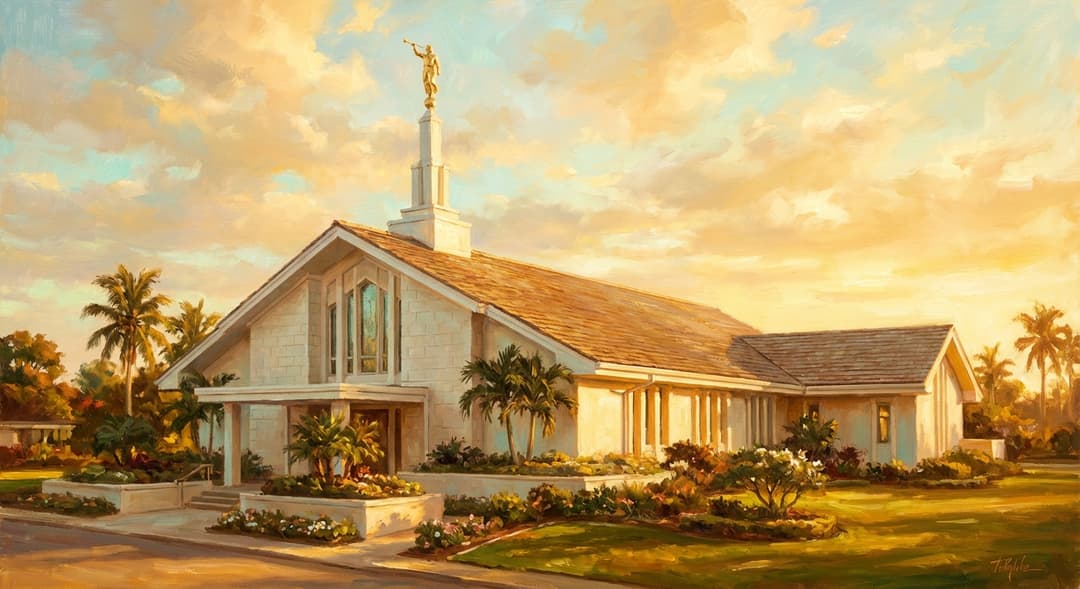
The Nuku'alofa Tonga Temple is located on the grounds of Liahona High School, offering a serene and spiritual atmosphere. Visitors can appreciate the beautifully maintained gardens and the temple's architecture. While there is no visitors' center, the temple grounds provide a peaceful environment for reflection. The temple serves as a central point of worship and community for Latter-day Saints in Tonga.
Highlights
- Experience the tranquility of the temple grounds.
- Admire the modern architecture and the angel Moroni statue.
- Reflect on the spiritual significance of the temple.
Things to Know
- The temple is closed on Sundays and during specific periods for maintenance.
- Patrons are encouraged to bring their own temple clothing.
- An arrival center and temple housing are available for those traveling from afar.
Location
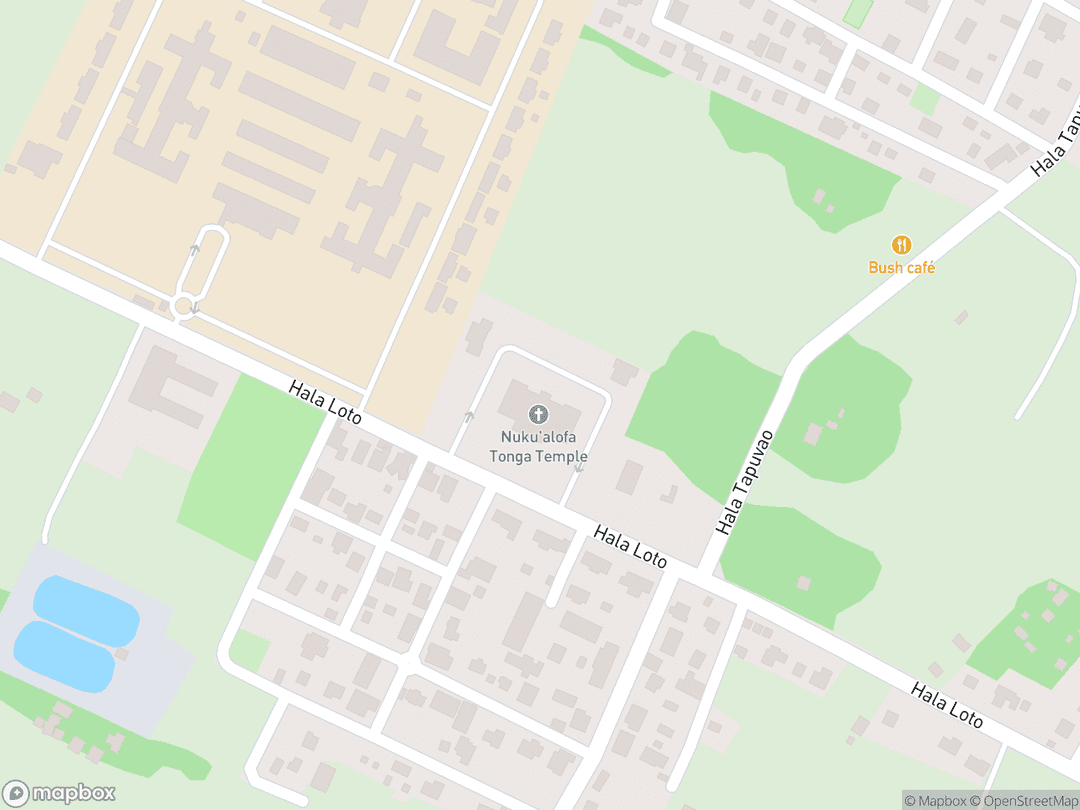
Loto Road, Matangiake, Tongatapu, Tonga
Hours: Please check the official website for operating hours.
Getting There: The temple is located on Loto Road, Matangiake, Tongatapu, Tonga, on the grounds of Liahona High School.
Get DirectionsAbout
The Nuku'alofa Tonga Temple, located in Matangiake, Tongatapu, Tonga, holds a special place in the hearts of the Latter-day Saints in Polynesia. Announced on April 2, 1980, by President Spencer W. Kimball, it was the first temple built in Tonga and the fourth in Polynesia. Its construction and subsequent dedication marked a significant milestone for the Church in the region, providing a sacred space for members to perform eternal ordinances.
The temple's history is intertwined with the dedication of Tonga as a land devoted to God, dating back to King George Tupou I in 1839. The groundbreaking ceremony on February 18, 1981, attended by King Taufa'ahau Tupou IV, symbolized the unity between the Church and the Tongan people. The original dedication, held on August 9-11, 1983, by Gordon B. Hinckley, saw members traveling from the far reaches of the Tongan islands to participate in this momentous occasion.
After over two decades of service, the temple closed in June 2006 for extensive renovations to modernize its facilities and enhance its structural integrity. The rededication on November 4, 2007, by Russell M. Nelson, was met with great joy and anticipation. The Nuku'alofa Tonga Temple continues to be a spiritual anchor for the Tongan Saints, fostering faith, community, and eternal family bonds.
Gallery
Symbolic Elements
The temple's exterior features intricate carvings, each rich with spiritual meaning:

Angel Moroni Statue
The statue of the angel Moroni stands atop the temple spire, symbolizing the restoration of the gospel. Latter-day Saints believe Moroni appeared to Joseph Smith and told him of the Book of Mormon. The statue faces eastward, signifying the anticipation of Christ's Second Coming.

Split Cedar Shake Shingles
The roof is covered with split cedar shake shingles, providing a natural and durable covering. Cedar is known for its resistance to decay and its ability to withstand harsh weather conditions. The shingles contribute to the temple's aesthetic appeal and blend harmoniously with the surrounding landscape.

R-Wall Finish
The exterior features an 'R-wall' finish, which is an insulation system applied to the concrete block. This system provides excellent thermal insulation, helping to maintain a comfortable interior temperature. The 'R-wall' finish also contributes to the temple's energy efficiency and reduces its environmental impact.

Celestial Room
The Celestial Room is a sacred space within the temple, representing the highest degree of glory in the afterlife. It is a place for quiet contemplation and prayer, where patrons can feel closer to God. The room is often adorned with beautiful furnishings and artwork, creating an atmosphere of peace and reverence.

Sealing Rooms
The temple includes three sealing rooms, where marriages are performed for eternity. These sacred ceremonies unite families not only for this life but also for all eternity. The sealing rooms are designed to create a reverent and intimate atmosphere for these important ordinances.

Baptistry
The baptistry is a dedicated space for performing baptisms for the dead, an ordinance of salvation for those who passed away without the opportunity to be baptized. The font is often ornately decorated and symbolizes the cleansing power of baptism. This ordinance connects families across generations.

Liahona High School Grounds
The temple is situated on the grounds of Liahona High School, a Church-owned educational institution. The presence of the school emphasizes the importance of education and spiritual development. The well-maintained grounds, with grass fields, gardens, hedges, and palm trees, create a peaceful and inviting environment.

Palm Trees
The grounds are adorned with palm trees, which are symbolic of the tropics and the beauty of the islands. These trees provide shade and add to the serene atmosphere of the temple grounds. They are a reminder of the natural beauty and abundance of the Tongan islands.
Interesting Facts
The Nuku'alofa Tonga Temple was the first temple built in Tonga.
It was the fourth temple built in Polynesia.
The groundbreaking was held one day before the groundbreaking for the Apia Samoa Temple.
Tonga has a high percentage of members of The Church of Jesus Christ of Latter-day Saints.
During the temple's construction, Tongan Church members showed reverence by working without compensation.
To attend the original dedication, many members sold their farm produce to afford passage.
Following the 2007 renovation, approximately 40,000 people toured the temple during the open house.
King George Tupou V, though not a member of the Church, attended an event honoring the temple's reopening.
Common Questions
What is the significance of the Nuku'alofa Tonga Temple?
The Nuku'alofa Tonga Temple was the first temple built in Tonga and serves as a sacred place for members of The Church of Jesus Christ of Latter-day Saints to perform religious ordinances and strengthen their faith.
When was the temple originally dedicated?
The temple was originally dedicated on August 9-11, 1983, by Gordon B. Hinckley, marking a significant milestone for the Church in Tonga.
Why was the temple renovated?
The temple was renovated to modernize its facilities, enhance its structural integrity, and ensure it could continue to serve the needs of the growing Church membership in Tonga.
Who rededicated the temple after the renovation?
Russell M. Nelson rededicated the temple on November 4, 2007, celebrating its reopening and continued service to the community.
What are some of the key features of the temple's architecture?
The temple features a modern design with an 'R-wall' finish, split cedar shake shingles, and a single attached end spire with a statue of the angel Moroni. The interior includes instruction rooms, sealing rooms, a baptistry, and a celestial room.
Featured Stories
The Dedication of a Sacred Space
August 9-11, 1983
The original dedication of the Nuku'alofa Tonga Temple was a momentous occasion for the Latter-day Saints in Tonga. Members traveled from the 150 islands of Tonga, some journeying for up to two days, to participate in the sacred event. The dedication, presided over by Gordon B. Hinckley, then a member of the First Presidency, was filled with spiritual power and gratitude.
The atmosphere was charged with excitement and reverence as the Tongan Saints gathered to witness the dedication of their first temple. Many had sacrificed greatly to attend, selling their farm produce, animals, or other belongings to afford passage. Their dedication and faith were palpable, creating a profound sense of unity and purpose.
The first dedicatory session was held within the temple, but due to the large number of attendees, the remaining sessions were held in the nearby gymnasium of Church-owned Liahona High School. The dedication marked a new era of spiritual growth and blessings for the Church in Tonga, solidifying the temple as a beacon of hope and eternal families.
Source: The Church News
A King's Tribute to the House of the Lord
November 2007
Following the extensive renovations, the Nuku'alofa Tonga Temple was rededicated in November 2007. The rededication was not only a significant event for the Church but also for the Kingdom of Tonga. King George Tupou V, though not a member of the Church, attended a special event honoring the temple's reopening, demonstrating the respect and admiration for the temple within the broader community.
King George Tupou V, deeply moved by the beauty and significance of the temple, called it 'magnificent' and 'a tribute to the glory of God.' His presence and words underscored the temple's importance as a symbol of faith, peace, and cultural heritage in Tonga. The event highlighted the positive relationship between the Church and the Tongan government, fostering mutual respect and cooperation.
The King's tribute resonated deeply with the Tongan Saints, reinforcing their commitment to the temple and its sacred purpose. His recognition of the temple's spiritual and cultural value further solidified its place as a cherished landmark in the Kingdom of Tonga, symbolizing unity and shared values.
Source: The Church News
Open House Draws Thousands
October 2007
Prior to the rededication of the Nuku'alofa Tonga Temple in 2007, an open house was held, inviting the public to tour the newly renovated sacred edifice. The response was overwhelming, with approximately 40,000 people, or 40 percent of the country's population, taking the opportunity to walk through the temple's hallowed halls. The open house provided a unique opportunity for the community to learn about the temple's purpose and significance.
Visitors from all walks of life, including members of other faiths and those with no religious affiliation, were impressed by the temple's beauty and the spirit of peace that permeated its rooms. The open house served as a bridge, fostering understanding and goodwill between the Church and the broader Tongan community. Many expressed gratitude for the opportunity to witness the sacred space and learn about the Church's teachings.
The success of the open house underscored the deep respect and curiosity that the Tongan people held for the temple. It created a lasting positive impression, dispelling misconceptions and fostering a greater appreciation for the Church's role in the community. The event solidified the temple's place as a cherished landmark and a symbol of faith and hope for the people of Tonga.
Source: The Church News
Timeline
Tonga Dedicated to God
King George Tupou I dedicated Tonga to God, setting a foundation for religious devotion.
MilestoneTemple Announced
President Spencer W. Kimball announced the construction of the Nuku'alofa Tonga Temple.
MilestoneGroundbreaking Ceremony
The groundbreaking ceremony was held, with King Taufa'ahau Tupou IV in attendance, marking the beginning of construction.
component.timeline.groundbreakingOriginal Dedication
The temple was dedicated by Gordon B. Hinckley, with members traveling from all over Tonga to attend.
DedicationTemple Closed for Renovation
The temple closed for extensive renovations to modernize its facilities.
RenovationTemple Rededication
Russell M. Nelson rededicated the renovated temple, celebrating its reopening.
DedicationTemple Presidency
'Aisake K. Tukuafu serves as the current temple president, overseeing the temple's operations.
EventHistory by Decade
Pre-1980 — A Land Dedicated to God
Tonga has a rich history of religious dedication, predating the arrival of The Church of Jesus Christ of Latter-day Saints. In 1839, King George Tupou I made a significant declaration by dedicating his country to God. This act laid a spiritual foundation for the nation, emphasizing the importance of faith and divine guidance in the lives of the Tongan people. King George Tupou I's dedication set a precedent for future generations, fostering a culture of reverence and devotion. This historical context is essential to understanding the significance of the Nuku'alofa Tonga Temple, as it represents a continuation of Tonga's long-standing commitment to religious principles. The temple's construction and dedication can be seen as a fulfillment of the spiritual seeds planted by King George Tupou I.
1980s — Announcement and Construction
The 1980s marked a pivotal period for The Church of Jesus Christ of Latter-day Saints in Tonga, with the announcement and subsequent construction of the Nuku'alofa Tonga Temple. On April 2, 1980, President Spencer W. Kimball announced the construction of the temple, bringing great joy and anticipation to the Tongan Saints. This announcement signified a major milestone for the Church in the region, providing a sacred space for members to perform eternal ordinances. The groundbreaking ceremony, held on February 18, 1981, was a momentous occasion, attended by King Taufa'ahau Tupou IV, symbolizing the strong relationship between the Church and the Tongan government. Construction commenced shortly thereafter, with Tongan Church members demonstrating their dedication by volunteering their time and talents. The temple began to take shape, representing a physical manifestation of their faith and commitment.
1983 — Dedication and Early Years
The year 1983 witnessed the dedication of the Nuku'alofa Tonga Temple, a landmark event that solidified its place as a spiritual center for the Tongan Saints. The dedication, held on August 9-11, was presided over by Gordon B. Hinckley, then a member of the First Presidency. Members traveled from all over Tonga, some journeying for days, to participate in the sacred event. The dedication ceremonies were filled with spiritual power and gratitude, as the Tongan Saints celebrated the culmination of years of anticipation and hard work. The temple opened its doors, providing access to sacred ordinances and blessings that strengthened families and fostered spiritual growth. The early years of the temple were marked by increased activity and a deepening sense of community among the Latter-day Saints in Tonga.
1990s — Growth and Service
The 1990s were a period of continued growth and service for the Nuku'alofa Tonga Temple. The temple served as a beacon of faith, attracting members from across the Tongan islands and beyond. It provided a sacred space for individuals and families to connect with God, strengthen their testimonies, and receive eternal blessings. The temple also played a vital role in fostering community and unity among the Latter-day Saints in Tonga. Members gathered regularly to participate in ordinances, attend temple sessions, and serve one another. The temple became a central hub for spiritual and social activities, strengthening the bonds of fellowship and creating a sense of belonging.
2000s — Renovation and Rededication
The 2000s brought significant changes to the Nuku'alofa Tonga Temple, with a major renovation project aimed at modernizing its facilities and enhancing its structural integrity. In June 2006, the temple closed its doors to undergo extensive renovations, which included upgrades to the interior, exterior, and mechanical systems. The renovation project was completed in 2007, and the temple was rededicated on November 4 by Russell M. Nelson. The rededication was a joyous occasion, marking the reopening of the temple and its continued service to the Tongan Saints. The renovated temple featured updated facilities and a refreshed aesthetic, ensuring its ability to meet the needs of the growing Church membership in Tonga.
2010s-Present — Continued Blessings
Since its rededication in 2007, the Nuku'alofa Tonga Temple has continued to be a source of blessings and inspiration for the Latter-day Saints in Tonga. The temple has served as a spiritual anchor, providing a sacred space for members to worship, serve, and connect with God. It has also played a vital role in strengthening families and fostering community among the Tongan Saints. The temple continues to be a symbol of faith, hope, and eternal families for the people of Tonga. Its presence serves as a reminder of the importance of spiritual growth, service, and commitment to the teachings of Jesus Christ. The Nuku'alofa Tonga Temple stands as a testament to the enduring faith and dedication of the Latter-day Saints in Tonga.
Architecture & Facilities
The Nuku'alofa Tonga Temple features a modern architectural design, characterized by clean lines and functional elegance. The design incorporates elements that reflect the local culture and climate, while also adhering to the principles of temple architecture.
Building Materials
Exterior Walls
The exterior walls are constructed with concrete blocks, providing a solid and durable foundation. The 'R-wall' finish is applied to the concrete blocks, offering excellent thermal insulation and contributing to the temple's energy efficiency.
Roofing
The roof is covered with split cedar shake shingles, providing a natural and aesthetically pleasing covering. Cedar is known for its resistance to decay and its ability to withstand harsh weather conditions, making it a durable and long-lasting roofing material.
Angel Moroni Statue
The statue of the angel Moroni, which stands atop the temple spire, is made of fiberglass and covered with gold leaf. The statue is a symbol of the restoration of the gospel and is a prominent feature of many Latter-day Saint temples.
Interior Finishes
The interior finishes include a variety of materials, such as wood, stone, and fabric, creating a warm and inviting atmosphere. The interior design incorporates elements that reflect the local culture and traditions, while also maintaining a sense of reverence and spirituality.
Interior Features
Celestial Room
The Celestial Room is the most sacred space within the temple, representing the highest degree of glory in the afterlife. It is a place for quiet contemplation and prayer, where patrons can feel closer to God. The room is often adorned with beautiful furnishings and artwork, creating an atmosphere of peace and reverence.
Sealing Rooms
The temple includes three sealing rooms, where marriages are performed for eternity. These sacred ceremonies unite families not only for this life but also for all eternity. The sealing rooms are designed to create a reverent and intimate atmosphere for these important ordinances.
Baptistry
The baptistry is a dedicated space for performing baptisms for the dead, an ordinance of salvation for those who passed away without the opportunity to be baptized. The font is often ornately decorated and symbolizes the cleansing power of baptism. This ordinance connects families across generations.
Instruction Rooms
The temple includes two instruction rooms, where patrons receive instruction on the principles and covenants of the gospel. These rooms are designed to create a comfortable and reverent learning environment.
Temple Grounds
The temple is situated on beautifully maintained grounds, featuring grass fields, gardens, hedges, and palm trees. The grounds provide a peaceful and inviting environment for visitors and patrons. The landscaping is designed to complement the temple's architecture and create a sense of harmony with nature.
Religious Significance
Temples of The Church of Jesus Christ of Latter-day Saints are considered houses of the Lord and are built for the purpose of performing sacred ordinances. These ordinances help bridge the gap between God and man, providing opportunities for spiritual growth and eternal blessings.
The primary purpose of the Nuku'alofa Tonga Temple is to provide a sacred space for members of The Church of Jesus Christ of Latter-day Saints to perform ordinances that are essential for their eternal progression. These ordinances include baptisms for the dead, endowments, and sealings.
Sacred Ordinances
Baptism for the Dead
Baptism for the dead is an ordinance performed in temples, where living members are baptized on behalf of those who have died without the opportunity to be baptized. This ordinance allows deceased individuals to receive the blessings of baptism and progress along the path to eternal life.
Endowment
The endowment is a sacred ordinance in which members receive instruction, make covenants with God, and are blessed with power from on high. This ordinance prepares individuals to enter into God's presence and receive eternal life.
Sealing
The sealing ordinance unites families together for eternity. Husbands and wives are sealed to each other, and children are sealed to their parents, creating eternal family bonds that transcend death.
The Importance of Covenants
Covenants are sacred agreements between God and man, in which God promises blessings in exchange for obedience to His commandments. The ordinances performed in the temple are accompanied by covenants, which bind individuals to God and provide a pathway to eternal life. Keeping these covenants is essential for receiving the full blessings of the temple.
The Role of the Temple in Spiritual Growth
The temple is a place of learning, revelation, and spiritual growth. By attending the temple regularly, members can deepen their understanding of the gospel, strengthen their testimonies, and draw closer to God. The temple provides a sanctuary from the world, where individuals can find peace, inspiration, and guidance.
Similar Temples
Sources & Research
Every fact on Temples.org is backed by verified Sources & Research. Each piece of information is rated by source tier and confidence level.
View All Sources (3)
| Field | Source | Tier | Retrieved |
|---|---|---|---|
| Basic Facts & Announcement | The Church of Jesus Christ of Latter-day Saints (opens in a new tab) | A | 2024-01-02 |
| Architectural Details & Site | churchofjesuschristtemples.org (opens in a new tab) | C | 2024-01-02 |
| Historical Timeline & Rededication | The Church News (opens in a new tab) | B | 2024-01-02 |