Visitor Insights
Visiting Tokyo Japan Temple
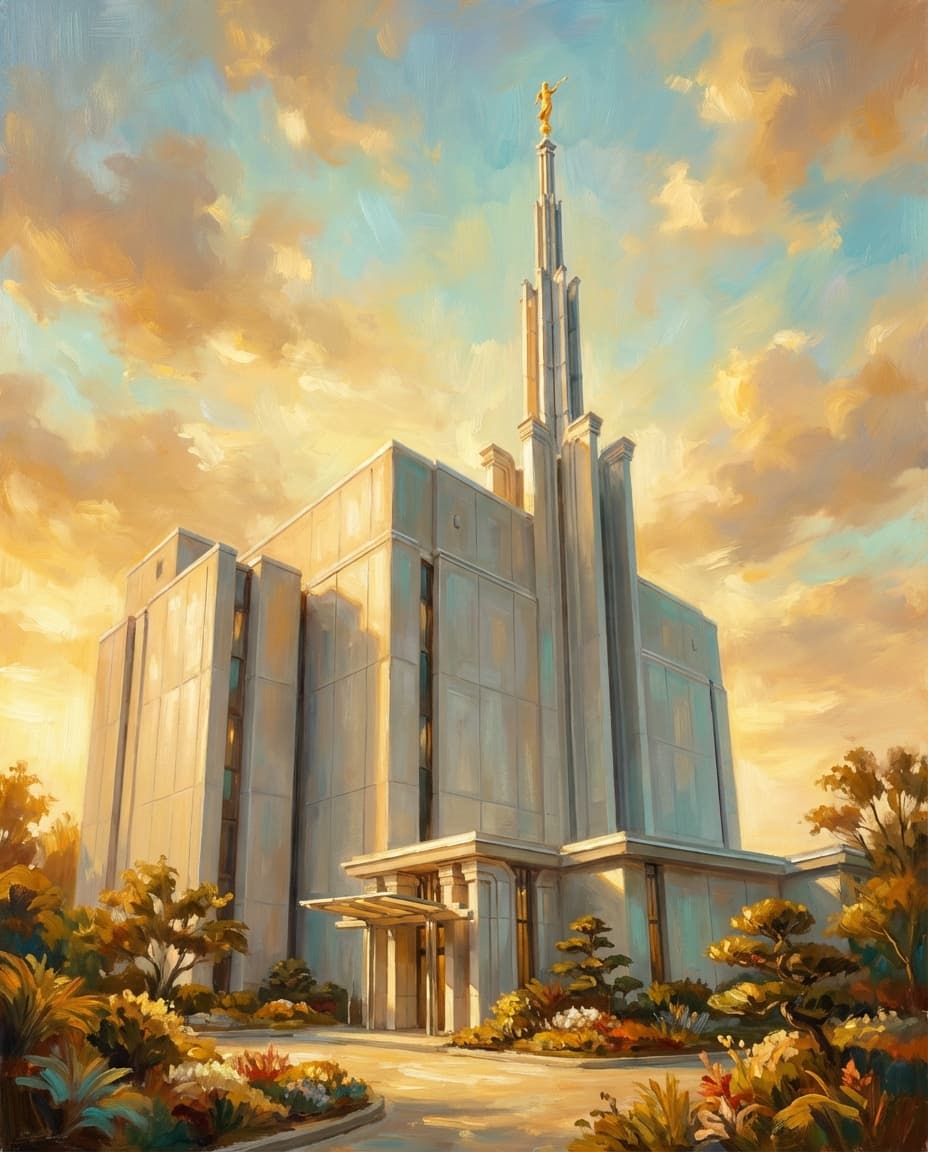
Visitors to the Tokyo Japan Temple are welcome to explore the serene grounds and experience the peaceful atmosphere. The temple is a five-minute walk from Hiroo Subway Station, making it easily accessible. A visitor's center is located on site and is open to the public, offering information about the temple's history, purpose, and significance. The grounds feature Japanese maples, bamboo landscaping, two shallow ponds, and a waterfall, creating a tranquil environment for contemplation and reflection.
Highlights
- Explore the beautifully landscaped grounds featuring Japanese maples and bamboo.
- Visit the visitor's center to learn about the temple's history and purpose.
- Reflect in the peaceful atmosphere created by the ponds and waterfall.
Things to Know
- The temple itself is not open to the general public; access is reserved for members of The Church of Jesus Christ of Latter-day Saints.
- Please dress respectfully when visiting the temple grounds.
- Photography inside the visitor's center may be restricted.
Location
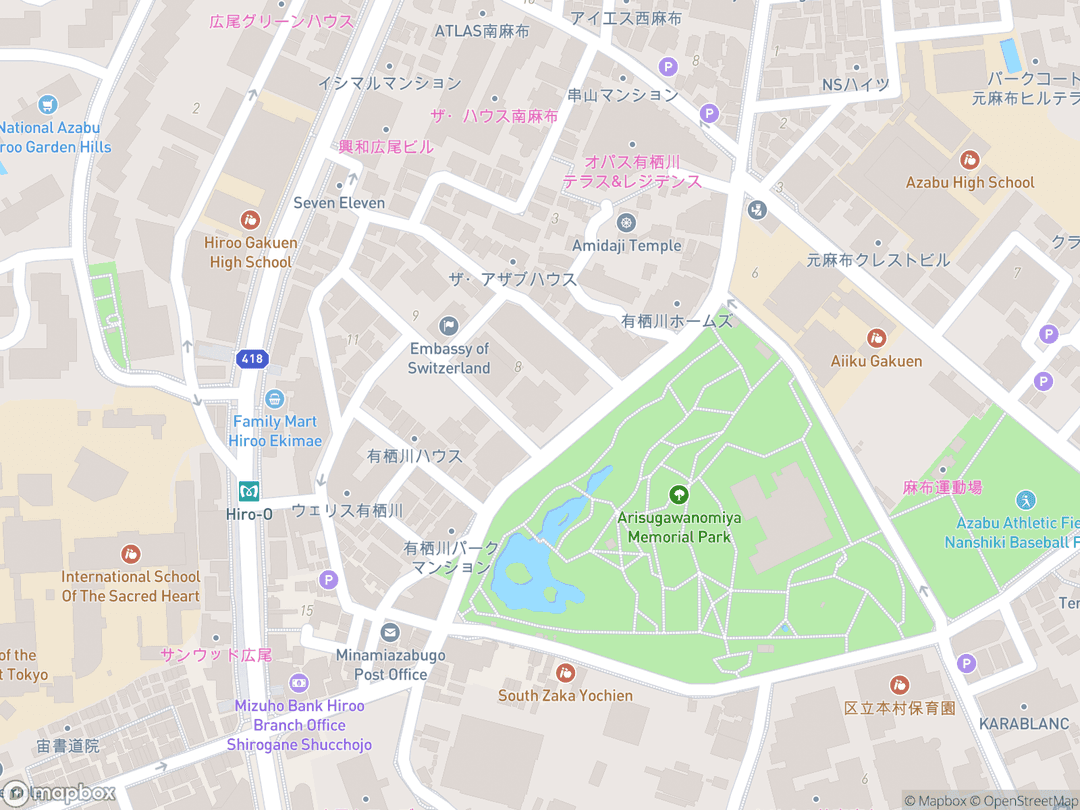
5-8-10 Minami Azabu, Minato-ku, Tokyo 106-0047, Japan
Hours: The visitor's center is open daily. Check the temple website for specific hours.
Getting There: The temple is a five-minute walk from Hiroo Subway Station. Parking is limited.
Get DirectionsTips for Your Visit
Plan Your Visit
Check the temple website for visitor center hours and any special events.
Dress Respectfully
Please dress modestly and respectfully when visiting the temple grounds.
About
The Tokyo Japan Temple, dedicated on October 27, 1980, was the first temple built in Asia and in a non-Christian nation, marking a significant milestone in the Church's global expansion. The Tokyo Japan Temple serves Latter-day Saints in northern Japan and Vladivostok, Russia, providing a sacred space for worship, ordinances, and spiritual growth.
The temple's design reflects a blend of modern architectural principles and Japanese cultural influences. Its exterior is clad in precast stone panels that evoke the appearance of light gray granite, while the interior incorporates Shibui-style furniture, Shoji lantern-inspired fixtures, and carpets with kimono patterns. The temple's serene grounds feature Japanese maples, bamboo landscaping, and tranquil water features, creating a peaceful environment for contemplation and reflection.
Throughout its history, the Tokyo Japan Temple has undergone renovations and enhancements to ensure its continued functionality and beauty. In 2004, a statue of the angel Moroni was added to the spire, symbolizing the preaching of the gospel of Jesus Christ. The temple closed for renovations in 2017 and was rededicated in 2022 by President Henry B. Eyring, reaffirming its importance as a spiritual center for Latter-day Saints in the region.
Gallery
Symbolic Elements
The temple's exterior features intricate carvings, each rich with spiritual meaning:

Precast Stone Panels
The exterior of the Tokyo Japan Temple is faced with 289 panels of precast stone, giving the appearance of light gray granite. The choice of this material reflects a sense of permanence and strength, symbolizing the enduring nature of the temple and its sacred purpose.

Angel Moroni Statue
The gilded statue of the angel Moroni stands atop the temple spire, symbolizing the preaching of the everlasting gospel to all nations, kindreds, tongues, and people. The angel Moroni is a key figure in the Book of Mormon and represents the restoration of the gospel in the latter days.

Japanese Maples
The temple grounds are adorned with Japanese maples, known for their vibrant colors and graceful forms. These trees symbolize beauty, tranquility, and the changing seasons of life, reminding visitors of the importance of growth and renewal.

Bamboo Landscaping
Bamboo is a prominent feature of the temple's landscaping, representing resilience, flexibility, and inner strength. In Japanese culture, bamboo is often associated with perseverance and the ability to withstand adversity, qualities that are valued in the pursuit of spiritual growth.

Shoji Lantern-Inspired Fixtures
The interior lighting fixtures are inspired by traditional Japanese Shoji lanterns, which diffuse light softly and create a warm, inviting atmosphere. These fixtures symbolize enlightenment, knowledge, and the gentle guidance of the Spirit.

Kimono Patterns
The carpets in the temple feature patterns inspired by traditional Japanese kimonos, which are known for their intricate designs and symbolic motifs. These patterns represent beauty, artistry, and the rich cultural heritage of Japan.

Shibui-Style Furniture
The temple's interior incorporates Shibui-style furniture, characterized by its simplicity, elegance, and understated beauty. This style reflects a sense of harmony, balance, and reverence for natural materials, creating a peaceful and contemplative environment.

Water Features
The temple grounds include two shallow ponds and a waterfall, creating a tranquil and reflective atmosphere. Water symbolizes purity, cleansing, and the life-giving power of the Spirit, reminding visitors of the importance of spiritual renewal.
Interesting Facts
The Tokyo Japan Temple was the first temple built in Asia.
It was the first temple built in a non-Christian nation.
The temple was constructed on the site of the former mission home.
Elder Matthew Cowley prophesied in 1949 that there would someday be temples in Japan.
The temple serves Latter-day Saints in northern Japan and Vladivostok, Russia.
The temple has two instruction rooms, five sealing rooms, and one baptistry.
In 2004, a gilded statue of the angel Moroni was added to the spire.
The landscape architects chose many indigenous plants for the landscape, including Japanese maples and bamboo.
The patterns used in the art glass, carpets, and fabrics were selected to replicate traditional Japanese patterns.
Common Questions
What is the purpose of the Tokyo Japan Temple?
The Tokyo Japan Temple serves as a sacred space for members of The Church of Jesus Christ of Latter-day Saints to participate in religious ordinances, such as marriages, baptisms, and endowments. These ordinances are believed to strengthen individuals and families and help them draw closer to God.
Can anyone visit the Tokyo Japan Temple?
The Tokyo Japan Temple itself is not open to the general public; access is reserved for members of The Church of Jesus Christ of Latter-day Saints who are in good standing. However, the temple grounds and visitor's center are open to the public and offer information about the temple's history, purpose, and significance.
What is the significance of the Tokyo Japan Temple being the first temple in Asia?
The Tokyo Japan Temple holds special significance as the first temple of The Church of Jesus Christ of Latter-day Saints to be built in Asia and in a non-Christian nation. Its construction marked a major milestone in the Church's global expansion and demonstrated its commitment to serving members in diverse cultures and regions.
What are some of the architectural features of the Tokyo Japan Temple?
The Tokyo Japan Temple features a blend of modern architectural principles and Japanese cultural influences. Its exterior is clad in precast stone panels that evoke the appearance of light gray granite, while the interior incorporates Shibui-style furniture, Shoji lantern-inspired fixtures, and carpets with kimono patterns. The temple's serene grounds feature Japanese maples, bamboo landscaping, and tranquil water features.
What is the role of the angel Moroni statue on the temple spire?
The statue of the angel Moroni, which was added to the spire in 2004, symbolizes the preaching of the gospel of Jesus Christ to the world. Moroni is a figure from the Book of Mormon who is believed to have revealed the location of the golden plates from which the Book of Mormon was translated.
Related Stories
Explore the rich history, traditions, and people connected to this sacred site.
Featured Stories
The Dedication of the First Temple in Asia
October 27–29, 1980
The dedication of the Tokyo Japan Temple in October 1980 marked a monumental occasion for The Church of Jesus Christ of Latter-day Saints. As the first temple in Asia and in a non-Christian nation, it symbolized the Church's expanding global reach and its commitment to serving members in diverse cultures. President Spencer W. Kimball presided over the dedication services, expressing gratitude for the faith and dedication of the Japanese Saints.
The dedication was a deeply spiritual experience for those in attendance, who felt a profound sense of connection to God and to each other. The temple became a beacon of hope and a symbol of the Church's growing presence in Japan, providing a sacred space for members to worship, make covenants, and receive blessings.
Source: The Church News
Elder Cowley's Prophecy Fulfilled
1949 & 1980
In 1949, Elder Matthew Cowley, a member of the Quorum of the Twelve Apostles, visited Japan and prophesied that temples would someday be built in the country. His words were a source of inspiration and hope for the Japanese Saints, who longed for the blessings of temple worship. Decades later, President Spencer W. Kimball announced the construction of the Tokyo Japan Temple, fulfilling Elder Cowley's prophecy and ushering in a new era for the Church in Japan.
The completion and dedication of the temple were seen as a testament to the power of prophecy and the faithfulness of God. The Japanese Saints rejoiced at the realization of their long-held dream, recognizing the temple as a symbol of God's love and blessings for them and their posterity.
Source: The Church News
A Place of Peace and Renewal
Ongoing
For over four decades, the Tokyo Japan Temple has served as a place of peace, renewal, and spiritual growth for Latter-day Saints in Japan and surrounding regions. The temple's serene grounds, beautiful architecture, and sacred ordinances have provided solace, inspiration, and a sense of connection to God for countless individuals and families.
The temple has become a cherished landmark in Tokyo, a symbol of faith, hope, and the enduring power of the gospel of Jesus Christ. Its continued presence serves as a reminder of the importance of temple worship and the blessings that come from drawing closer to God.
Source: The Church News
Timeline
First Missionaries Sent to Japan
The Church of Jesus Christ of Latter-day Saints first sent missionaries to Japan, marking the beginning of the Church's presence in the country.
MilestoneFirst Convert in Japan
Hajime Nakazawa became the first convert to the Church in Japan, paving the way for the growth of the Church in the region.
MilestoneJapanese Mission Discontinued
Due to rising tensions between the United States and Japan, the Japanese Mission was discontinued, temporarily halting missionary work in the country.
EventMission Reopened After World War II
The mission was reopened after World War II, signaling a renewed commitment to spreading the gospel in Japan.
MilestoneProphecy of Temples in Japan
Elder Matthew Cowley prophesied that temples would be built in Japan, foreshadowing the construction of the Tokyo Japan Temple.
component.timeline.prophecyFirst Stake in Asia Organized
The first stake in Asia, the Tokyo Stake, was organized, demonstrating the growing strength and maturity of the Church in Japan.
MilestoneTemple Announced
President Spencer W. Kimball announced the construction of a temple in Tokyo, fulfilling Elder Cowley's prophecy and providing a sacred space for Latter-day Saints in the region.
component.timeline.announcementGroundbreaking
Groundbreaking took place for the Tokyo Japan Temple, marking the beginning of the construction process.
component.timeline.groundbreakingPublic Open House
A public open house was held, allowing approximately 48,000 visitors to tour the newly completed temple and learn about its purpose.
EventDedication
The Tokyo Japan Temple was dedicated by Church President Spencer W. Kimball, becoming the first temple in Asia and in a non-Christian nation.
DedicationAngel Moroni Statue Added
A statue of the angel Moroni was added to the spire, symbolizing the preaching of the gospel of Jesus Christ to the world.
RenovationTemple Closed for Renovations
The temple closed for renovations to update its facilities and enhance its beauty.
RenovationPublic Open House
A public open house was held following the completion of the renovations, allowing the community to once again tour the temple.
EventRededication
The Tokyo Japan Temple was rededicated by President Henry B. Eyring, reaffirming its importance as a spiritual center for Latter-day Saints in the region.
DedicationHistory by Decade
1900s–1920s — Early Missionary Work
The Church of Jesus Christ of Latter-day Saints first sent missionaries to Japan in 1901, marking the beginning of the Church's presence in the country. Heber J. Grant dedicated Japan for the preaching of the gospel, and Hajime Nakazawa became the first convert in 1902. The early years were marked by challenges and limited success, but the missionaries persevered in their efforts to share the gospel with the Japanese people.
1930s–1940s — World War II and Reopening of the Mission
Due to rising tensions between the United States and Japan, the Japanese Mission was discontinued in 1924. Missionary work was suspended during World War II, but after the war, the mission was reopened in 1948. Elder Matthew Cowley visited Japan in 1949 and prophesied that temples would someday be built in the country.
1950s–1960s — Growth and Development
The Church experienced steady growth in Japan during the 1950s and 1960s. New meetinghouses were built, and local leaders were trained to guide the growing congregations. The Japanese Saints demonstrated their faith and dedication, laying the foundation for future growth and development.
1970s — Announcement and Construction of the Temple
In 1970, the first stake in Asia, the Tokyo Stake, was organized, demonstrating the growing strength and maturity of the Church in Japan. President Spencer W. Kimball announced the construction of a temple in Tokyo in 1975, fulfilling Elder Cowley's prophecy and providing a sacred space for Latter-day Saints in the region. Groundbreaking took place in 1978, and construction began on the temple.
1980s — Dedication and Early Years of the Temple
The Tokyo Japan Temple was dedicated in 1980 by President Spencer W. Kimball, becoming the first temple in Asia and in a non-Christian nation. The dedication was a momentous occasion for the Japanese Saints, who had long awaited the blessings of temple worship. The temple served as a spiritual center for Latter-day Saints in Japan and surrounding regions.
1990s–2000s — Continued Growth and Enhancements
The Church continued to grow in Japan during the 1990s and 2000s. In 2004, a statue of the angel Moroni was added to the spire of the Tokyo Japan Temple, symbolizing the preaching of the gospel of Jesus Christ to the world. The temple continued to serve as a beacon of faith and a source of blessings for Latter-day Saints in the region.
2010s–2020s — Renovation and Rededication
The Tokyo Japan Temple closed for renovations in 2017 to update its facilities and enhance its beauty. The temple was rededicated in 2022 by President Henry B. Eyring, reaffirming its importance as a spiritual center for Latter-day Saints in the region. The rededication marked a new chapter in the history of the temple and the Church in Japan.
Architecture & Facilities
Modern, with Japanese cultural influences woven throughout the design. The Tokyo Japan Temple features clean geometric lines, a distinctive multi-tiered spire reminiscent of traditional pagoda forms, and carefully landscaped gardens reflecting Japanese aesthetic principles.
Building Materials
Precast Stone Panels
The exterior of the Tokyo Japan Temple is faced with 289 panels of precast stone, giving the appearance of light gray granite. This material was chosen for its durability and aesthetic appeal, creating a sense of permanence and strength.
Structural Steel and Reinforced Concrete
The temple is constructed with structural steel and reinforced concrete, providing a solid and stable foundation. These materials ensure the temple's structural integrity and ability to withstand earthquakes and other natural disasters.
Interior Features
Instruction Rooms
The temple has two instruction rooms where members receive instruction on the gospel of Jesus Christ and prepare to make sacred covenants. These rooms are designed to create a reverent and peaceful atmosphere for learning and spiritual growth.
Sealing Rooms
The temple has five sealing rooms where marriages are performed and families are sealed together for eternity. These rooms are beautifully decorated and provide a sacred space for couples and families to make eternal commitments.
Baptistry
The temple has one baptistry where baptisms are performed for the dead. This ordinance allows deceased individuals to receive the blessings of baptism and become members of The Church of Jesus Christ of Latter-day Saints.
Temple Grounds
The temple grounds feature Japanese maples, bamboo landscaping, two shallow ponds, and a waterfall, creating a tranquil environment for contemplation and reflection. The landscape architects chose many indigenous plants for the landscape, including Japanese maples and bamboo.
Additional Facilities
A visitor's center is located on site and is open to the public, offering information about the temple's history, purpose, and significance. An arrival center is available, and patron housing is available.
Religious Significance
The Tokyo Japan Temple is a sacred space dedicated to the worship of God and the performance of religious ordinances. It is a place where members of The Church of Jesus Christ of Latter-day Saints can draw closer to God, strengthen their families, and receive blessings.
The primary purpose of the temple is to provide a place where members can make sacred covenants with God and receive blessings that are not available elsewhere. These covenants and blessings are essential for eternal life.
Sacred Ordinances
Endowment
The endowment is a sacred ordinance in which members receive instruction on the gospel of Jesus Christ and make covenants to live righteously. This ordinance helps members prepare for eternal life.
Sealing
The sealing ordinance unites families together for eternity. Couples are sealed together in marriage, and children are sealed to their parents. This ordinance ensures that families can be together forever.
Baptism for the Dead
Baptism for the dead is an ordinance in which living members are baptized on behalf of deceased individuals who did not have the opportunity to be baptized during their lifetime. This ordinance allows deceased individuals to receive the blessings of baptism and become members of The Church of Jesus Christ of Latter-day Saints.
The Importance of Temple Worship
Temple worship is an essential part of the gospel of Jesus Christ. It provides opportunities for members to draw closer to God, strengthen their families, and receive blessings that are not available elsewhere. Temple worship helps members prepare for eternal life and become more like Jesus Christ.
Similar Temples
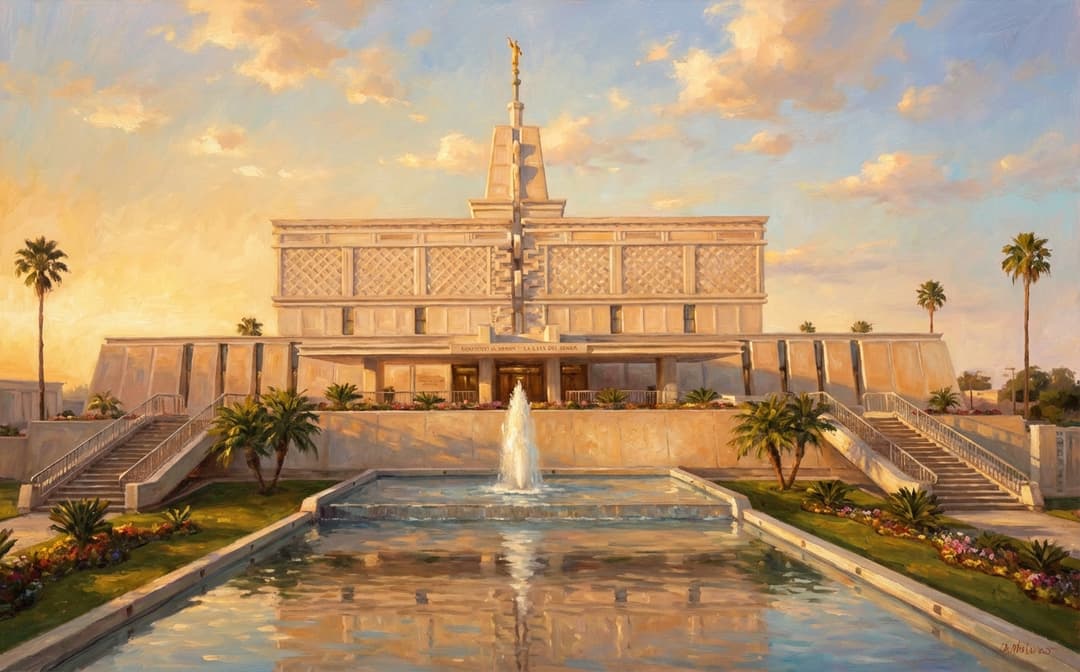
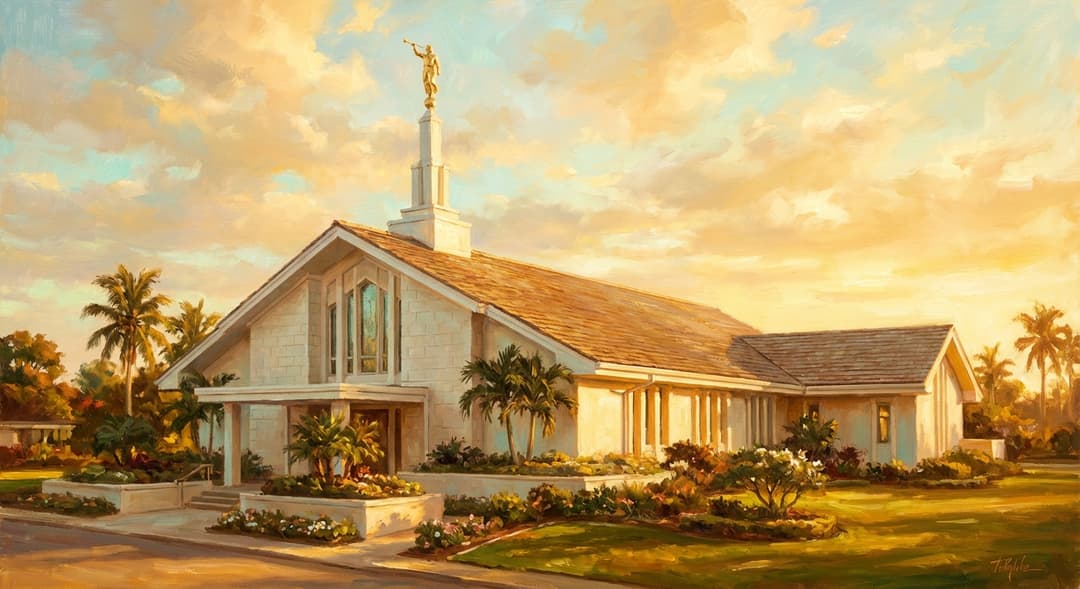
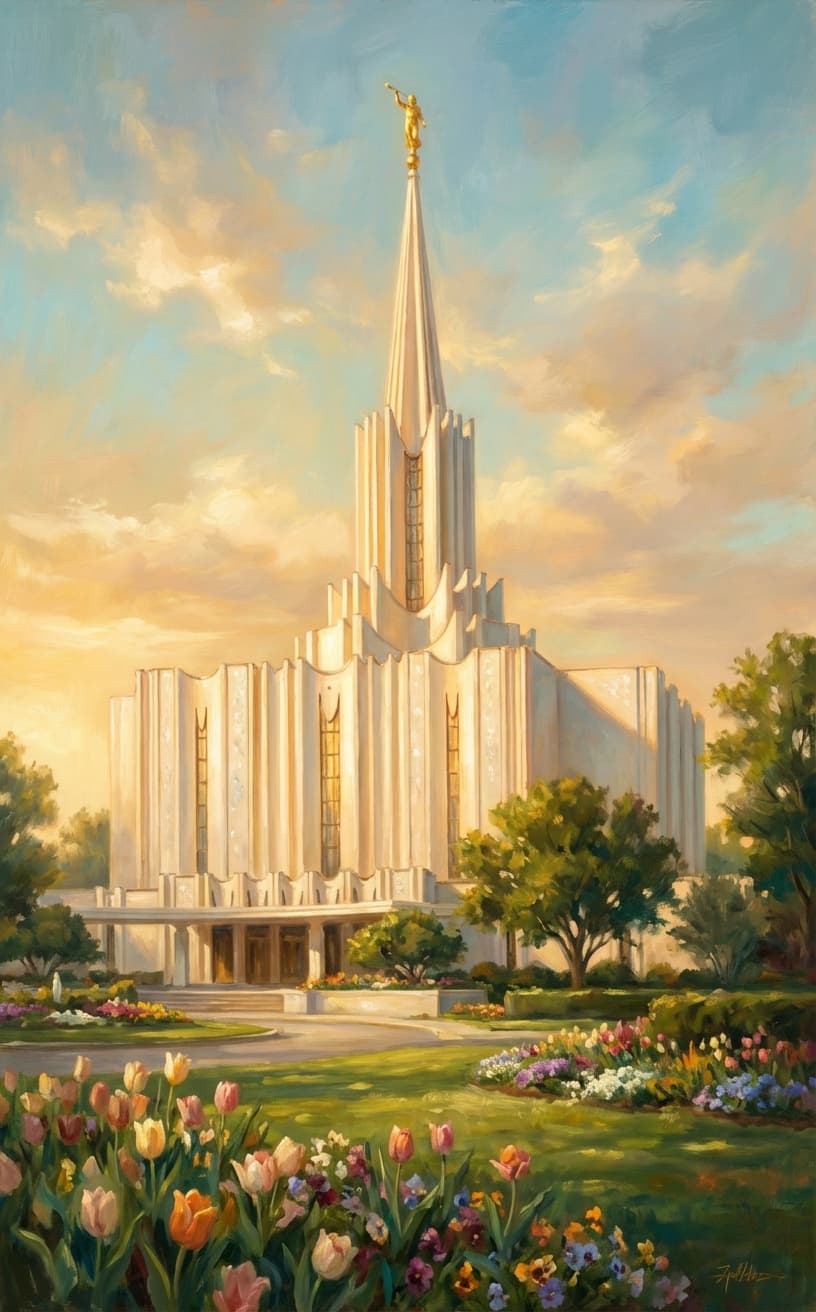
Sources & Research
Every fact on Temples.org is backed by verified Sources & Research. Each piece of information is rated by source tier and confidence level.
View All Sources (4)
| Field | Source | Tier | Retrieved |
|---|---|---|---|
| About & Historical Background | The Church of Jesus Christ of Latter-day Saints (opens in a new tab) | A | 2024-01-02 |
| Historical Timeline | The Church of Jesus Christ of Latter-day Saints (opens in a new tab) | A | 2024-01-02 |
| Architectural Description | churchofjesuschristtemples.org (opens in a new tab) | C | 2024-01-02 |
| Visitor Information | Tokyo Japan Temple (opens in a new tab) | A | 2024-01-02 |