Visitor Insights
Visiting São Paulo Brazil Temple
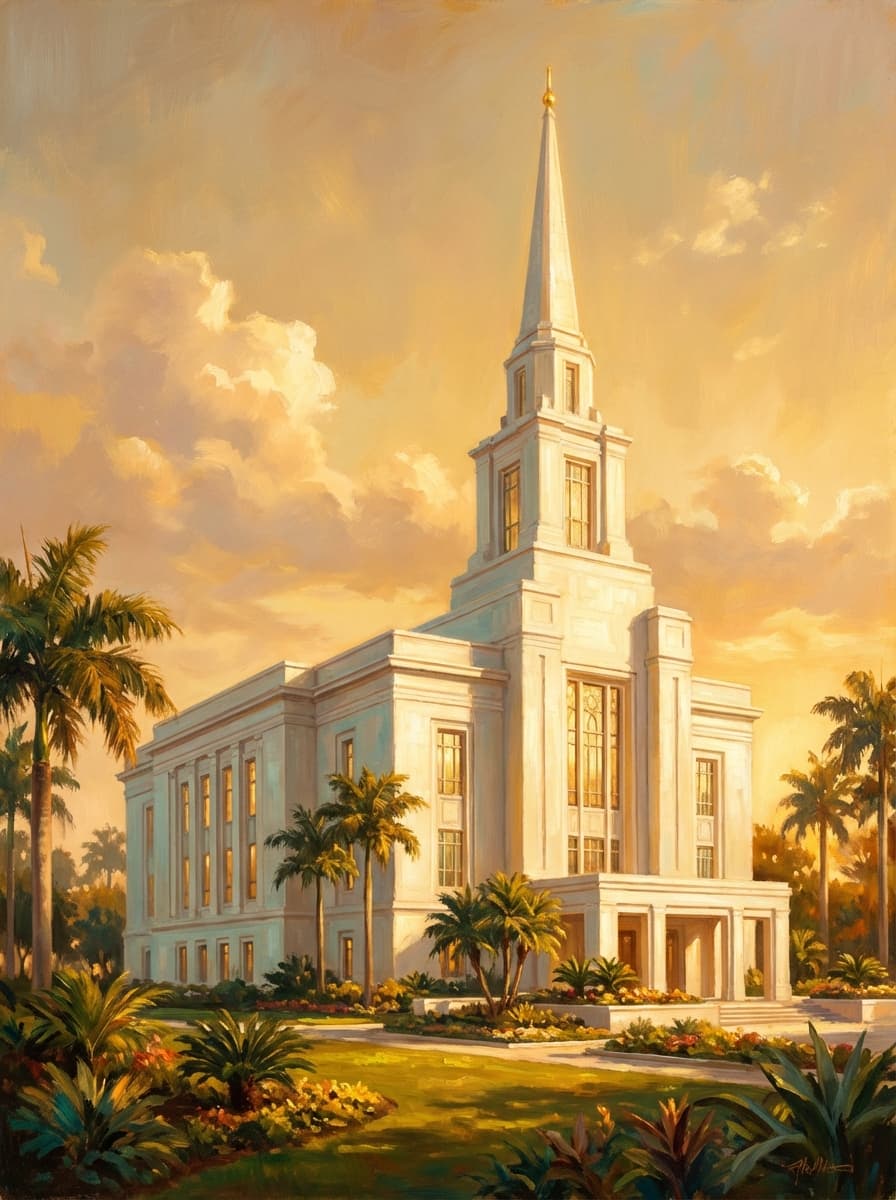
The São Paulo Brazil Temple welcomes visitors to experience its serene and spiritual atmosphere. The beautifully landscaped grounds invite quiet reflection, while the visitors' center offers insights into the temple's purpose and significance within The Church of Jesus Christ of Latter-day Saints. Guests can explore exhibits, ask questions, and learn about the beliefs and practices of Latter-day Saints. The temple is located near a major shopping mall and Metro station, providing public transportation access.
Highlights
- Explore the beautifully landscaped temple grounds.
- Visit the visitors' center to learn about the temple's purpose.
- Attend a guided tour to discover the temple's significance.
Things to Know
- The temple itself is open only to members of the Church with a temple recommend.
- The visitors' center is open to the public.
- Respectful attire is recommended when visiting the temple grounds.
Location
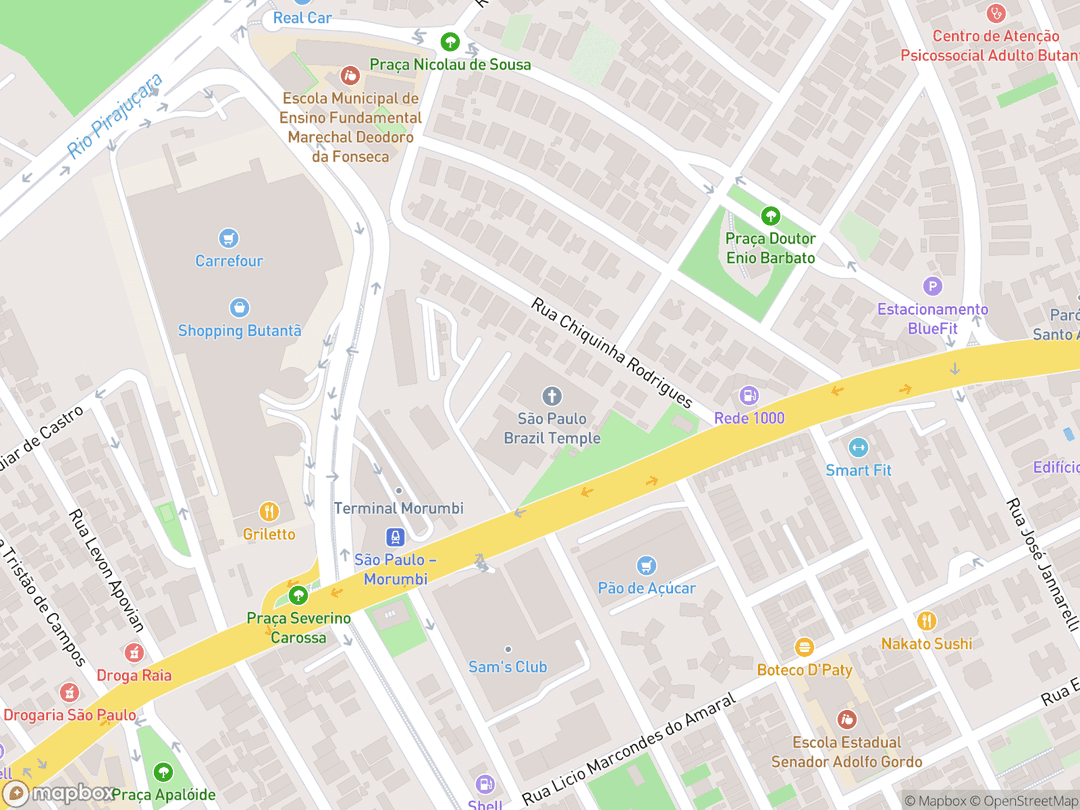
Av. Prof. Francisco Morato, 2390, Caxingui, São Paulo-SP, 05512-300, Brazil
Hours: The visitors' center is open daily. Check the official website for specific hours.
Getting There: The temple is accessible by public transportation via the São Paulo Metro. Parking is also available on-site.
Get DirectionsAbout
According to The Church of Jesus Christ of Latter-day Saints, the São Paulo Brazil Temple is the first temple of the denomination built in South America, standing as a beacon of faith and community in one of the world's largest cities. Its construction and dedication marked a significant milestone in the Church's growth and influence in Brazil and the surrounding regions.
Announced in 1975 by President Spencer W. Kimball, the temple's groundbreaking took place in 1976, and it was dedicated in 1978. This sacred edifice has provided a place for members to participate in sacred ordinances, strengthening their faith and uniting families for eternity. The temple has undergone renovations and expansions to better serve the growing needs of the Church in Brazil.
The São Paulo Brazil Temple continues to be a vital center for spiritual growth and service. In addition to its religious functions, the temple grounds also feature a visitors' center, which is open to the public and offers guided tours. This allows individuals of all faiths to learn more about the temple's purpose and significance. The temple stands as a testament to the dedication and faith of Latter-day Saints in Brazil and throughout South America.
Gallery
Symbolic Elements
The temple's exterior features intricate carvings, each rich with spiritual meaning:

Angel Moroni Statue
The angel Moroni statue, placed atop the temple spire, is a symbol of the restored gospel of Jesus Christ. It represents the angel mentioned in the Book of Revelation who would bring the everlasting gospel to the earth in the latter days. The statue was added to the temple in 2003, marking 25 years since its dedication.

Single-Story Design
The São Paulo Brazil Temple was the first temple to utilize a single-story design. This unique architectural choice reflects a sense of accessibility and connection to the surrounding community. The single-story structure also emphasizes the temple's role as a central gathering place for Latter-day Saints in the region.

Single Spire
The temple features a single spire, reaching a height of 101 feet (31 meters). The spire serves as a beacon, drawing attention to the sacred nature of the building. Its upward orientation symbolizes the connection between earth and heaven, inviting individuals to look towards God.

Cast Stone Exterior
The exterior of the temple is constructed of reinforced concrete faced with a cast stone composed of quartz and marble aggregates set in white cement. This choice of materials provides a durable and aesthetically pleasing finish. The white cement symbolizes purity and the sacred nature of the temple.

Ordinance Rooms
The temple has two ordinance rooms, where members participate in sacred ceremonies and make covenants with God. These rooms are designed to create a reverent and spiritual atmosphere, conducive to personal reflection and growth. The ordinances performed in these rooms are essential to the faith of Latter-day Saints.

Sealing Rooms
The temple has four sealing rooms, where families can be sealed together for eternity. This ordinance is considered one of the most sacred in The Church of Jesus Christ of Latter-day Saints. The sealing rooms are designed to create a sense of peace and unity, reflecting the eternal nature of family relationships.

Landscaping and Water Fountain
The landscaping surrounding the temple includes flowerbeds and a water fountain, creating a tranquil atmosphere. The carefully manicured grounds provide a peaceful setting for visitors and members alike. The water fountain symbolizes the living water of Jesus Christ, offering spiritual refreshment to all who seek it.

Spanish-Influenced Design
The temple exhibits a Spanish-influenced modern design, harmonizing with traditional Latter-day Saint temple architecture. This design reflects the cultural heritage of Brazil and the surrounding regions. The Spanish influence is evident in the temple's architectural details and overall aesthetic.
Interesting Facts
The São Paulo Brazil Temple was the first temple built in South America.
Members throughout Latin America made significant sacrifices to raise money for the temple's construction, including donating gold and jewelry.
During the open house before the 2004 rededication, approximately 99,000 visitors toured the temple.
The exterior stone was created with the help of local members who volunteered their time.
The temple's foundations are strong enough to sustain another 13 stories, making it virtually earthquake-proof.
The São Paulo Brazil Temple was originally named the São Paulo Temple.
A theatrical production entitled 'The Gate' was presented to visitors during the public open house.
In 1986, Brazil became the third country outside the United States to have 50 stakes.
The temple has two ordinance rooms and four sealing rooms.
The São Paulo East Brazil Temple will be the fifth temple built in the same city as another operating temple.
Common Questions
What is the significance of the São Paulo Brazil Temple?
The São Paulo Brazil Temple was the first temple of The Church of Jesus Christ of Latter-day Saints in South America. It serves as a sacred place for members to participate in ordinances that unite families for eternity and strengthen their faith. Its construction marked a significant milestone in the Church's growth and influence in Brazil and the surrounding regions.
When was the São Paulo Brazil Temple dedicated?
The São Paulo Brazil Temple was originally dedicated from October 30 to November 2, 1978, by President Spencer W. Kimball. It was later rededicated on February 22, 2004, by President Gordon B. Hinckley after undergoing extensive renovations and expansion.
Can anyone visit the São Paulo Brazil Temple?
While the temple itself is open only to members of The Church of Jesus Christ of Latter-day Saints with a temple recommend, the visitors' center on the temple grounds is open to the public. The visitors' center offers guided tours and exhibits that provide insights into the temple's purpose and significance.
What architectural style does the São Paulo Brazil Temple exhibit?
The São Paulo Brazil Temple exhibits a Spanish-influenced modern design, harmonizing with traditional Latter-day Saint temple architecture. It was the first temple to utilize a single-story, single-spire design. The exterior is constructed of reinforced concrete faced with a cast stone composed of quartz and marble aggregates set in white cement.
What are some interesting facts about the São Paulo Brazil Temple?
Some interesting facts about the São Paulo Brazil Temple include that it was the first temple built in South America, members throughout Latin America made significant sacrifices to raise money for its construction, and during the open house before the 2004 rededication, approximately 99,000 visitors toured the temple. The temple's foundations are also strong enough to sustain another 13 stories, making it virtually earthquake-proof.
Featured Stories
The Announcement and Initial Joy
March 1, 1975
The announcement of the São Paulo Brazil Temple by President Spencer W. Kimball on March 1, 1975, brought immense joy and excitement to Latter-day Saints throughout South America. Prior to this announcement, Brazilian Saints had to travel over 4,700 miles to the Washington D.C. Temple to participate in sacred ordinances, a journey that was both costly and time-consuming. The prospect of having a temple in their own country was a dream come true, a testament to the growing strength and faith of the Church in Brazil.
The news spread quickly, filling members with hope and anticipation. Many had labored for years, building the Church in Brazil through dedicated service and unwavering commitment. The temple announcement was seen as a divine recognition of their efforts, a sign that the Lord was pleased with their faithfulness. It was a moment of profound gratitude and renewed dedication, inspiring members to continue striving to live worthy of the blessings of the temple.
Source: The Church News
Sacrifices for Construction
1976–1978
The construction of the São Paulo Brazil Temple required significant sacrifices from Latter-day Saints throughout Latin America. Many members, often with limited financial resources, contributed generously to the temple fund, demonstrating their deep commitment to the project. Some donated gold and jewelry, heirlooms passed down through generations, as a tangible expression of their faith and devotion. These acts of sacrifice were a testament to the profound importance they placed on the temple and the blessings it would bring.
The spirit of sacrifice extended beyond financial contributions. Members volunteered their time and labor to help clear the temple site, removing brush and banana trees in preparation for construction. This collective effort fostered a sense of unity and shared purpose, strengthening the bonds between members and solidifying their commitment to the Church. The construction of the São Paulo Brazil Temple became a symbol of their collective faith and unwavering dedication.
Source: The Church of Jesus Christ of Latter-day Saints Newsroom
The Rededication and Continued Blessings
February 22, 2004
After undergoing extensive renovations and expansion, the São Paulo Brazil Temple was rededicated by President Gordon B. Hinckley on February 22, 2004. The rededication marked a new chapter in the temple's history, reaffirming its role as a sacred space for Latter-day Saints in Brazil. The renovations ensured that the temple would continue to meet the needs of the growing Church in the region, providing a place for members to participate in sacred ordinances and strengthen their faith.
The rededication ceremony was a joyous occasion, attended by thousands of members who had eagerly awaited the temple's reopening. President Hinckley's presence added to the significance of the event, underscoring the Church's commitment to Brazil and its members. The rededicated temple stands as a testament to the enduring faith and dedication of Latter-day Saints in Brazil, a beacon of hope and spiritual strength for generations to come.
Source: The Church News Archives
Timeline
Temple Announced
President Spencer W. Kimball announces the construction of a temple in São Paulo, Brazil.
MilestoneGroundbreaking Ceremony
James E. Faust presides over the groundbreaking ceremony for the São Paulo Brazil Temple.
component.timeline.groundbreakingTemple Dedication
President Spencer W. Kimball dedicates the São Paulo Brazil Temple in 10 sessions over four days.
DedicationFirst Missionary Training Center in South America
The Church organizes South America's first Missionary Training Center in São Paulo.
EventTemple Closure for Renovation
The temple closes for extensive renovations and expansion.
RenovationAngel Moroni Statue Added
A gold-leafed statue of the angel Moroni is added to the temple spire, marking 25 years since its dedication.
MilestonePublic Open House
A public open house is held after renovations, with approximately 99,000 visitors touring the temple.
EventTemple Rededication
President Gordon B. Hinckley rededicates the São Paulo Brazil Temple.
DedicationFirst Temple Visitors' Center in South America
The first temple visitors' center in South America is dedicated on the temple grounds.
MilestoneSecond Temple Announced in São Paulo
Plans are announced to construct a second temple in São Paulo, to be named the São Paulo East Brazil Temple.
MilestoneBrazil Reaches 50 Stakes
Brazil becomes the third country outside the United States to have 50 stakes.
MilestoneTheatrical Production "The Gate"
A theatrical production entitled 'The Gate' was presented to visitors during the public open house.
EventSite Clearing
Members worked to clear the site, removing brush and banana trees.
EventOvernight Endowment Sessions
The temple offered overnight endowment sessions to accommodate members traveling on weekends.
EventTemple Rededication
The temple was rededicated by President Gordon B. Hinckley on February 22, 2004.
DedicationHistory by Decade
1970s — Announcement and Dedication
The 1970s marked a pivotal era for The Church of Jesus Christ of Latter-day Saints in Brazil, culminating in the announcement and dedication of the São Paulo Brazil Temple. On March 1, 1975, President Spencer W. Kimball announced the construction of the temple, a momentous occasion for Brazilian Saints who had previously traveled great distances to attend temples in other countries. This announcement ignited a spirit of anticipation and dedication among the members. The groundbreaking ceremony took place on March 20, 1976, signifying the commencement of construction. Members worked diligently to prepare the site, clearing brush and banana trees. The temple was dedicated from October 30 to November 2, 1978, by President Spencer W. Kimball, marking the fulfillment of a long-awaited dream. This dedication established the São Paulo Brazil Temple as the first temple in South America, a beacon of faith for generations to come.
1980s — Growth and Consolidation
The 1980s witnessed significant growth and consolidation for the Church in Brazil, with the São Paulo Brazil Temple serving as a central hub for spiritual activities. The Church organized South America's first Missionary Training Center in São Paulo, further strengthening its presence in the region. The temple offered overnight endowment sessions to accommodate members traveling on weekends, demonstrating its commitment to serving the needs of its members. In 1986, Brazil achieved a remarkable milestone, becoming the third country outside the United States to have 50 stakes. This growth reflected the increasing strength and dedication of Latter-day Saints in Brazil, solidifying the Church's foundation for future expansion. The São Paulo Brazil Temple played a vital role in this growth, providing a sacred space for members to worship and strengthen their testimonies.
1990s — Continued Service and Outreach
The 1990s saw the São Paulo Brazil Temple continue its service to the growing membership of the Church in Brazil. The temple provided a place for members to participate in sacred ordinances, strengthening their faith and uniting families for eternity. The temple also served as a center for community outreach, fostering positive relationships with individuals of other faiths. The temple's presence in São Paulo contributed to the overall growth and stability of the Church in Brazil. Members looked to the temple as a source of spiritual guidance and strength, reinforcing their commitment to living the principles of the gospel. The São Paulo Brazil Temple remained a symbol of hope and inspiration for Latter-day Saints throughout the region.
2000s — Renovation and Rededication
The early 2000s brought significant changes to the São Paulo Brazil Temple, as it underwent extensive renovations and expansion. The temple closed in August 2002 for these improvements, which included the addition of a gold-leafed statue of the angel Moroni to the temple spire on August 20, 2003, marking 25 years since its dedication. These renovations were undertaken to better serve the growing needs of the Church in Brazil. After the renovations, a public open house was held from January 17 to February 14, 2004, attracting approximately 99,000 visitors. The temple was rededicated by President Gordon B. Hinckley on February 22, 2004, signifying a new chapter in its history. The rededicated temple stood as a testament to the enduring faith and dedication of Latter-day Saints in Brazil.
2010s — Expansion of Facilities and Services
The 2010s witnessed further expansion of facilities and services at the São Paulo Brazil Temple. On January 21, 2019, the first temple visitors' center in South America was dedicated on the temple grounds. The former patron housing facility was renovated and repurposed as a visitors' center, accommodation center, and office building for the Brazil Area. These improvements enhanced the temple's ability to serve members and visitors, providing a welcoming space for all who sought to learn more about the Church. The São Paulo Brazil Temple continued to be a beacon of light and hope, inspiring individuals to live righteous lives and strengthen their families. The addition of the visitors' center marked a significant milestone in the Church's outreach efforts in Brazil.
2020s — Continued Growth and Future Temples
The 2020s have brought continued growth and progress for the Church in Brazil, with plans announced to construct a second temple in São Paulo, to be named the São Paulo East Brazil Temple. This announcement reflects the increasing strength and dedication of Latter-day Saints in the region, as well as the Church's commitment to providing them with greater access to temple blessings. The São Paulo Brazil Temple continues to serve as a vital center for spiritual growth and service, inspiring members to live the principles of the gospel and strengthen their families. As the Church looks to the future, the São Paulo Brazil Temple will remain a symbol of faith and hope, a testament to the enduring legacy of Latter-day Saints in Brazil. The announcement of a second temple in São Paulo signifies a new era of growth and opportunity for the Church in the region.
Architecture & Facilities
The São Paulo Brazil Temple exhibits a Spanish-influenced modern design, harmonizing with traditional Latter-day Saint temple architecture. It was the first temple to utilize a single-story, single-spire design, creating a unique and accessible structure. The architectural style reflects the cultural heritage of Brazil while maintaining the sacred and reverent atmosphere characteristic of Latter-day Saint temples.
Building Materials
Exterior
The exterior of the temple is constructed of reinforced concrete faced with a cast stone composed of quartz and marble aggregates set in white cement. This combination of materials provides a durable and aesthetically pleasing finish, ensuring the temple's longevity and visual appeal. The white cement symbolizes purity and the sacred nature of the temple.
Spire
The temple features a single spire, reaching a height of 101 feet (31 meters). The spire is constructed of steel and clad in a similar cast stone as the rest of the exterior. The spire serves as a beacon, drawing attention to the sacred nature of the building and symbolizing the connection between earth and heaven.
Roofing
The roofing materials consist of durable, weather-resistant tiles that complement the overall architectural style. These tiles provide protection from the elements while enhancing the temple's aesthetic appeal. The color and texture of the tiles are carefully chosen to blend seamlessly with the surrounding landscape.
Windows
The windows are constructed of high-quality glass and framed with durable materials. The design of the windows allows natural light to illuminate the interior spaces, creating a warm and inviting atmosphere. The windows also provide views of the surrounding landscape, connecting the temple with its natural environment.
Interior Features
Baptistry
The baptistry is a sacred space where members perform baptisms for the dead, a vital ordinance in The Church of Jesus Christ of Latter-day Saints. The font is typically made of white stone or marble and is large enough to accommodate adult baptisms. The baptistry is designed to create a reverent and spiritual atmosphere.
Ordinance Rooms
The temple has two ordinance rooms, where members participate in sacred ceremonies and make covenants with God. These rooms are designed to create a reverent and spiritual atmosphere, conducive to personal reflection and growth. The ordinances performed in these rooms are essential to the faith of Latter-day Saints.
Sealing Rooms
The temple has four sealing rooms, where families can be sealed together for eternity. This ordinance is considered one of the most sacred in The Church of Jesus Christ of Latter-day Saints. The sealing rooms are designed to create a sense of peace and unity, reflecting the eternal nature of family relationships.
Celestial Room
The celestial room is a space for quiet reflection and prayer. It is designed to evoke a sense of peace and serenity, allowing members to feel closer to God. The celestial room is often decorated with beautiful artwork and furnishings, creating a sacred and uplifting atmosphere.
Temple Grounds
The São Paulo Brazil Temple is located on a beautifully landscaped site on the western side of São Paulo. The landscaping includes flowerbeds and a water fountain, creating a tranquil atmosphere. The grounds provide a peaceful setting for visitors and members alike, inviting quiet reflection and spiritual renewal.
Additional Facilities
The temple grounds also feature a visitors' center, which is open to the public and offers guided tours. The visitors' center provides insights into the temple's purpose and significance within The Church of Jesus Christ of Latter-day Saints. Additionally, there is an accommodation center and office building for the Brazil Area located on the temple grounds.
Religious Significance
Temples of The Church of Jesus Christ of Latter-day Saints are considered houses of the Lord, sacred spaces where members can draw closer to God and participate in ordinances that unite families for eternity. The São Paulo Brazil Temple serves as a beacon of faith and a center for spiritual growth for Latter-day Saints in Brazil and throughout South America.
The core spiritual purpose of the temple is to provide a place where members can make sacred covenants with God and receive blessings that are essential for their eternal progression. These covenants and blessings are available only in temples and are central to the faith of Latter-day Saints.
Sacred Ordinances
Baptism for the Dead
Baptism for the dead is an ordinance performed in temples whereby deceased individuals who did not have the opportunity to be baptized in this life can receive this essential ordinance vicariously. This practice reflects the Church's belief in the universality of salvation and the importance of offering all individuals the opportunity to receive the blessings of the gospel.
Endowment
The endowment is a sacred ordinance in which members receive instruction, make covenants, and are promised blessings that will help them return to God's presence. This ordinance is designed to prepare individuals for eternal life and to strengthen their relationship with God.
Sealing
Sealing is an ordinance performed in temples whereby families can be sealed together for eternity. This ordinance is considered one of the most sacred in The Church of Jesus Christ of Latter-day Saints and reflects the Church's belief in the eternal nature of family relationships. Sealing ensures that families can be together forever, if they remain faithful to their covenants.
The Importance of Covenants
Covenants are sacred agreements between God and individuals, whereby God promises blessings in exchange for obedience to His commandments. The covenants made in temples are essential for eternal progression and provide a pathway to return to God's presence. These covenants are a source of strength, guidance, and protection throughout life.
The Role of Temples in Spiritual Growth
Temples are sacred spaces where individuals can escape the distractions of the world and focus on their relationship with God. The atmosphere of reverence and peace in temples allows members to feel closer to the Spirit and to receive personal revelation. Temples are essential for spiritual growth and provide a refuge from the challenges of life.
Similar Temples
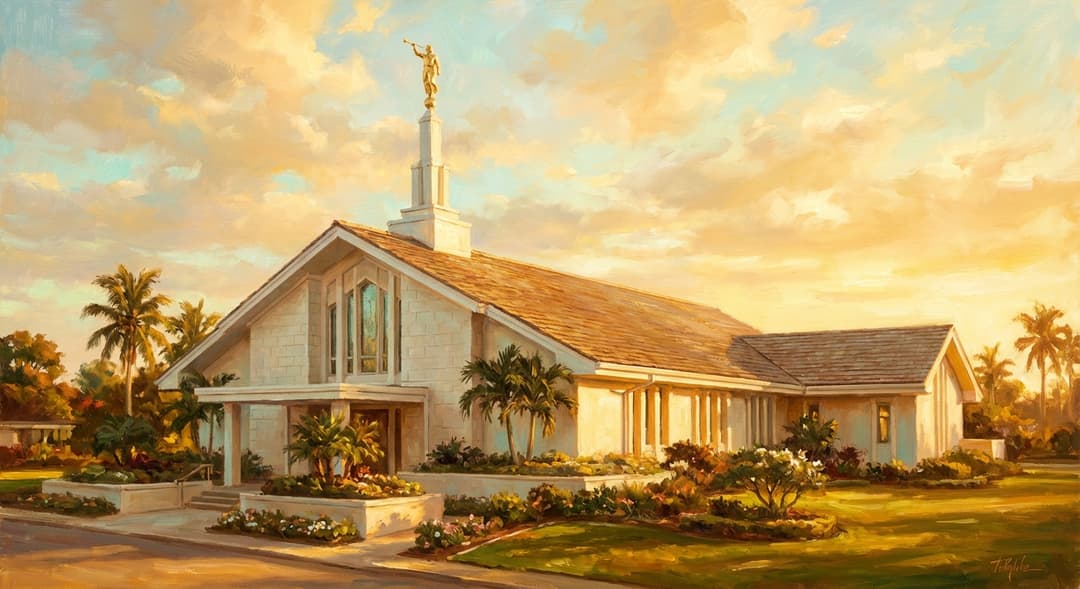
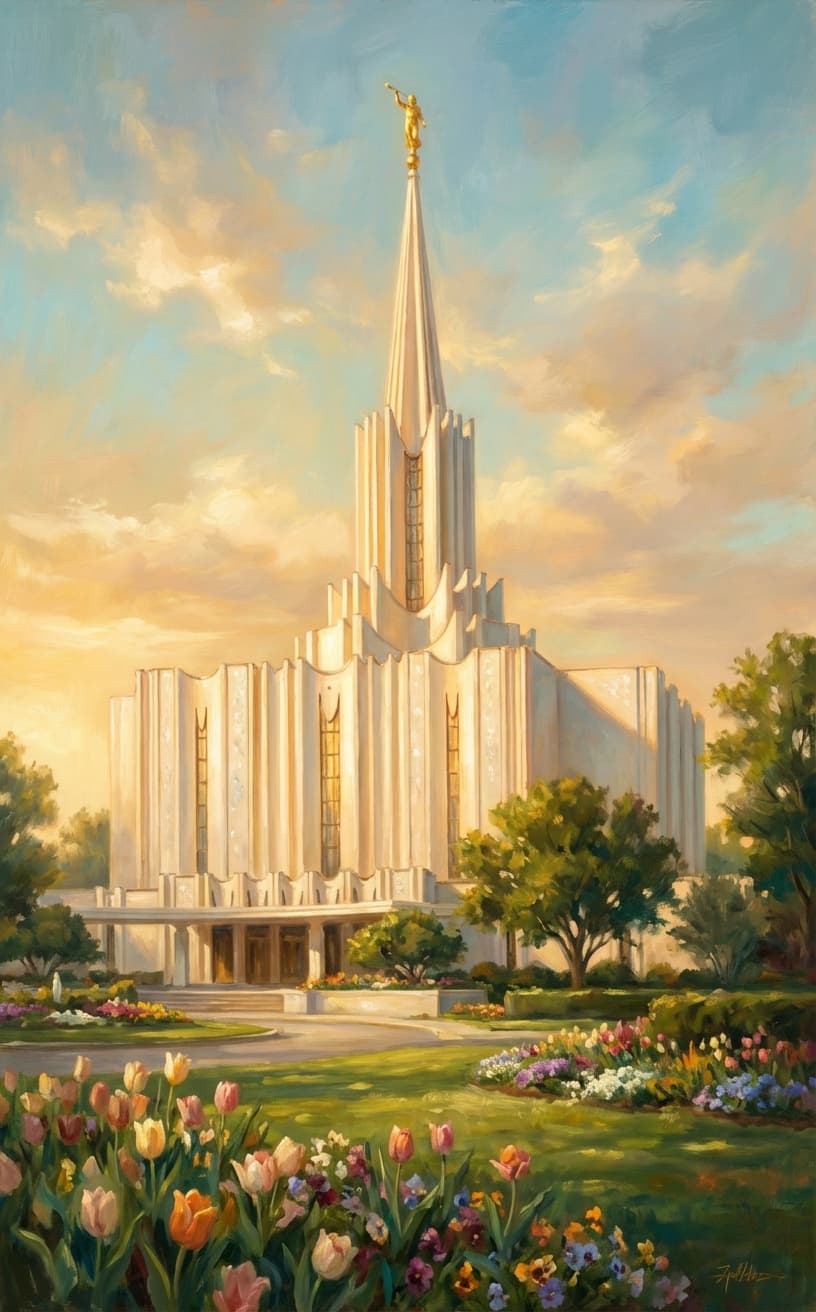
Sources & Research
Every fact on Temples.org is backed by verified Sources & Research. Each piece of information is rated by source tier and confidence level.
View All Sources (2)
| Field | Source | Tier | Retrieved |
|---|---|---|---|
| About & Historical Background | Church of Jesus Christ Temples (opens in a new tab) | C | 2024-01-02 |
| About & Historical Background | The Church of Jesus Christ of Latter-day Saints (opens in a new tab) | A | 2024-01-02 |