Visitor Insights
Visiting Monterrey Mexico Temple
The Monterrey Mexico Temple grounds are open to the public, offering a serene environment for quiet contemplation and walks. While the temple interior is reserved for members with a current temple recommend, visitors can appreciate the exterior architecture and gardens.
Highlights
- Enjoy the beautifully landscaped grounds and gardens.
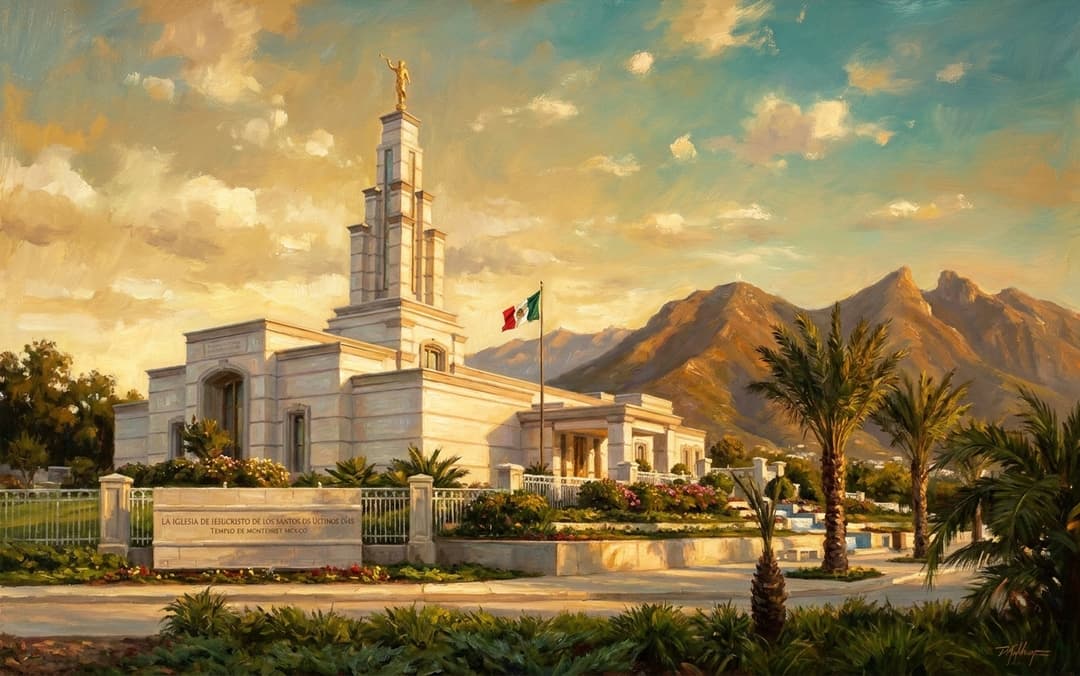
- Admire the temple's white marble exterior and the Angel Moroni statue.
- Experience a peaceful atmosphere against the backdrop of Monterrey's mountains.
Things to Know
- The temple interior is not open for public tours except during designated open house periods.
- A distribution center is available on site for members.
Location
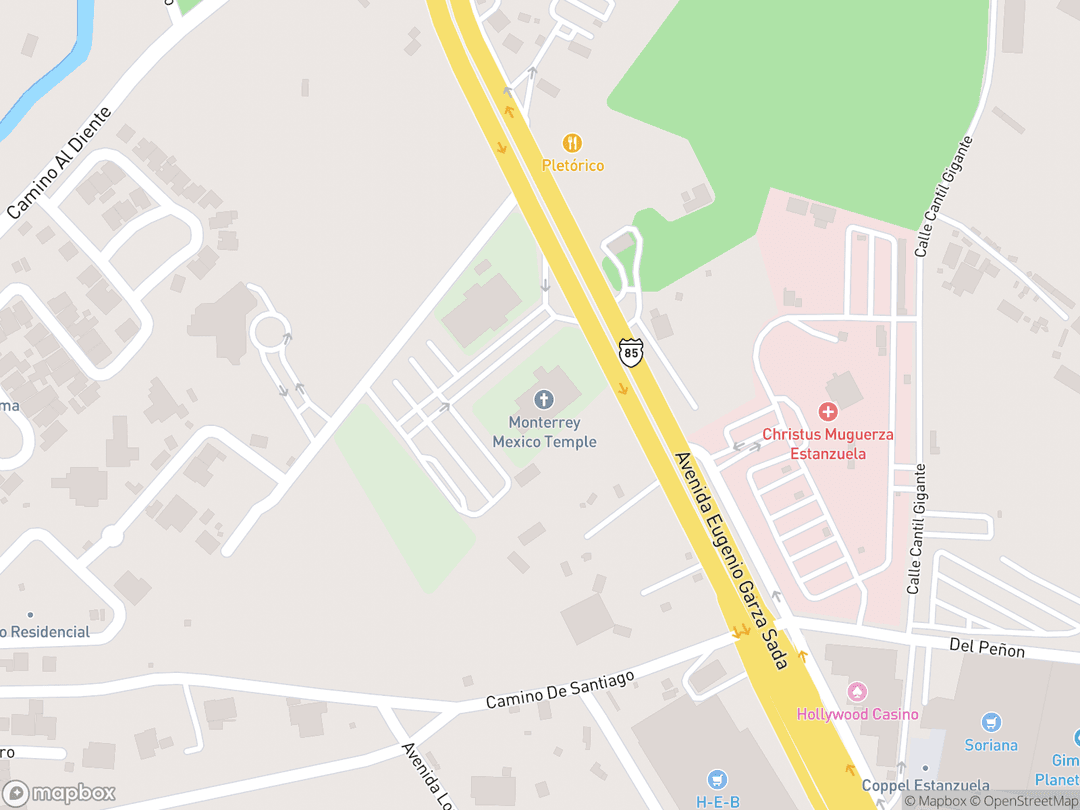
Carretera Nacional #7860 Esq. Privada Valle de la Estanzuela Colonia Valle Alto 64989 Monterrey, Nuevo León, Mexico
Hours: Operating hours vary; check the official Church website for current schedules and closure dates.
Getting There: Located in the Valle Alto section of Monterrey, the temple is accessible via Carretera Nacional. Ample parking is available on site.
Get DirectionsAbout
The Monterrey Mexico Temple stands as the 110th operating temple of The Church of Jesus Christ of Latter-day Saints worldwide and the twelfth dedicated in Mexico. Announced in 1995, its construction faced initial delays due to site opposition, leading to a relocation and a modified design. This sacred edifice provides a place for members to participate in eternal ordinances.
Situated on a 7.78-acre property in Valle Alto, the temple offers a peaceful retreat amidst the scenic Monterrey mountains. Its white marble exterior and single spire topped with the Angel Moroni statue contribute to its dignified presence. The temple's dedication by President Gordon B. Hinckley in 2002 marked a significant milestone for Latter-day Saints in the region.
Gallery
Symbolic Elements
The temple's exterior features intricate carvings, each rich with spiritual meaning:

Angel Moroni Statue
Perched atop the spire, the golden Angel Moroni symbolizes the restoration of the gospel and the preaching of the everlasting gospel.

White Marble Exterior
The temple's exterior is clad in white marble from Torreón, Mexico, symbolizing purity, light, and the sacred nature of the edifice.

Single Spire
A single, attached spire rises gracefully, directing attention heavenward and signifying the temple's role as a connection between heaven and earth.

Baptistry
This room houses a baptismal font resting on twelve oxen, symbolizing the twelve tribes of Israel and the ordinance of baptism by proxy for the deceased.

Ordinance Rooms
These rooms are where members participate in the endowment, a series of covenants and instructions that deepen understanding of God's plan.

Sealing Rooms
In these sacred rooms, marriages are performed for 'time and all eternity,' emphasizing the eternal nature of family relationships.

Celestial Room
Representing a return to God's presence, the Celestial Room is a place of quiet contemplation, symbolizing the peace and glory of eternal life.

Mountain Backdrop
The temple's setting against Monterrey's mountains, including Cerro de la Silla, symbolizes strength, permanence, and a connection to the divine.
Interesting Facts
The Monterrey Mexico Temple was the 110th operating temple of The Church of Jesus Christ of Latter-day Saints worldwide (Tier A).
Despite being the second temple announced for Mexico, construction delays caused it to become the twelfth dedicated in the country (Tier A).
Before its announcement in 1995, local Latter-day Saints traveled over 430 miles to the Mexico City Mexico Temple for ordinances (Tier A).
Its groundbreaking on November 4, 2000, occurred on the same day as the Lubbock Texas Temple's, with both dedicated just seven days apart (Tier A).
Construction faced significant delays for nearly five years due to opposition from adjacent property owners at the initially selected site (Tier A).
The original architectural design was substituted with a smaller, standard plan when the site was changed to allow for more green space and parking (Tier A).
Prolonged construction delays and site relocation inadvertently led to extensive local media coverage, generating unprecedented public interest (Tier A).
Over 40,000 people toured the temple during its public open house, reflecting the significant public interest it had garnered (Tier A).
Common Questions
Is the Monterrey Mexico Temple open to the public?
The temple grounds are open to the public, but the interior is reserved for members with a temple recommend.
What is the significance of the Angel Moroni statue?
The Angel Moroni symbolizes the restoration of the gospel and the preaching of the everlasting gospel to the world.
Why did construction of the temple face delays?
Construction was delayed for nearly five years due to opposition from adjacent property owners at the initially selected site.
Are there any visitor facilities on the temple grounds?
While there is no dedicated visitors' center, a distribution center for members is located on the temple grounds.
How many temples are there in Mexico?
The Monterrey Mexico Temple was the twelfth temple dedicated in Mexico.
Featured Stories
A Community's Perseverance
Late 1990s - 2002
The journey to build the Monterrey Mexico Temple was marked by significant community perseverance. Initial site opposition led to a three-year legal battle, testing the resolve of local members and Church leaders. This dedication ultimately resulted in a new, more harmonious location for the sacred edifice.
President Hinckley's Dedication
April 28, 2002
The dedication of the Monterrey Mexico Temple by President Gordon B. Hinckley was a momentous occasion for Latter-day Saints across northern Mexico. His presence underscored the global importance of temples and brought a spiritual culmination to years of anticipation and effort. Over 12,600 members attended the four dedicatory sessions, marking a spiritual highlight for the region.
Unprecedented Public Interest
April 8-20, 2002
The construction delays and site relocation inadvertently led to unprecedented public interest in the Monterrey Mexico Temple. Extensive local media coverage during the open house period resulted in over 40,300 visitors touring the temple. This widespread attention allowed many non-members to learn about the Church and its sacred purposes.
Timeline
Temple Announced
The First Presidency announced plans to construct a temple in Monterrey, Mexico, initially intended as the second in the country.
component.timeline.announcementInitial Site Opposition
An initially selected site faced significant opposition from neighbors, leading to a three-year legal dispute.
EventNew Site Chosen
A new site for the temple was selected in Valle Alto, a southeastern section of Monterrey, to resolve earlier disputes.
EventBuilding Permit Issued
A building permit for the newly chosen site was officially issued, allowing construction to proceed.
EventGroundbreaking Ceremony
Elder Lynn A. Mickelsen presided over the groundbreaking, nearly five years after the initial announcement, on the same day as the Lubbock Texas Temple.
component.timeline.groundbreakingPublic Open House Begins
A nearly two-week public open house commenced, attracting approximately 40,300 visitors and generating significant local media attention.
EventPublic Open House Concludes
The successful public open house concluded, having allowed many to tour the temple's interior before its dedication.
EventTemple Dedicated
President Gordon B. Hinckley dedicated the Monterrey Mexico Temple in four sessions, with over 12,600 members attending.
DedicationScheduled Closure for Maintenance
The temple is scheduled to close for routine maintenance, reflecting the ongoing care of sacred edifices.
RenovationHistory by Decade
1990s — Announcement and Initial Challenges
The Monterrey Mexico Temple was announced on December 27, 1995, bringing immense joy to local Latter-day Saints who previously traveled long distances for temple worship. However, the initial site selection faced significant opposition, leading to a prolonged legal dispute that delayed construction for several years.
2000s — Relocation and Construction
In March 2000, a new site was chosen in Valle Alto, allowing the project to move forward. The groundbreaking ceremony took place on November 4, 2000, presided over by Elder Lynn A. Mickelsen. Construction proceeded, culminating in a public open house in April 2002 that attracted over 40,000 visitors.
2000s — Dedication and Ongoing Service
President Gordon B. Hinckley dedicated the Monterrey Mexico Temple on April 28, 2002, making it the 110th operating temple worldwide. Despite earlier delays, the temple became a vital spiritual center for members in northern Mexico, providing sacred ordinances and a place of worship.
Architecture & Facilities
The Monterrey Mexico Temple features a classic modern architectural design, characterized by clean lines, a dignified appearance, and a harmonious integration with its natural surroundings. This style emphasizes simplicity and elegance, reflecting the sacred purpose of the edifice while providing a timeless aesthetic. The design was adapted to a smaller, standard plan after the site relocation, optimizing green space and functionality.
Building Materials
Exterior Cladding
The temple's exterior is clad in white marble, meticulously sourced from Torreón, Mexico, ensuring a bright and enduring finish.
Spire
The single spire is constructed to complement the marble facade, culminating in a prominent base for the Angel Moroni statue.
Interior Finishes
The interior features high-quality finishes, including fine woods, polished stone, and intricate detailing designed to create a reverent atmosphere.
Windows
Artistic stained-glass windows adorn the temple, allowing natural light to filter in and enhancing the spiritual ambiance of the interior spaces.
Interior Features
Baptistry
The baptistry features a baptismal font supported by twelve oxen, symbolizing the twelve tribes of Israel and the ordinance of baptism for the dead.
Ordinance Rooms
These rooms are designed for instruction and covenant-making, featuring comfortable seating and reverent decor to facilitate spiritual learning.
Sealing Rooms
The sealing rooms are intimate spaces where eternal marriages are performed, adorned with elegant furnishings and symbolic artwork.
Celestial Room
The Celestial Room is a serene space of quiet contemplation, characterized by its exquisite design and peaceful ambiance, symbolizing a return to God's presence.
Temple Grounds
The temple is set on a beautifully landscaped 7.78-acre property, featuring meticulously maintained gardens, walkways, and ample parking. The grounds are shared with a concurrently built stake center and offer stunning views of the surrounding Monterrey mountains, including the iconic Cerro de la Silla.
Additional Facilities
The temple grounds include a stake center, which was constructed alongside the temple, serving as a local meetinghouse for congregational worship and community activities. A distribution center is also located on site, providing essential resources for members.
Religious Significance
As a sacred edifice of The Church of Jesus Christ of Latter-day Saints, the Monterrey Mexico Temple holds profound religious significance within the Christian theological framework of the faith. It serves as a dedicated house of the Lord, where members draw closer to God and participate in eternal covenants.
The core spiritual purpose of the temple is to provide a holy sanctuary where individuals can make and renew sacred covenants with God, receive divine instruction, and perform saving ordinances for both the living and the deceased. It is a place of spiritual refuge and eternal perspective.
Sacred Ordinances
Baptism for the Dead
Members perform baptisms by proxy for their deceased ancestors, offering them the opportunity to accept the saving ordinance of baptism in the spirit world, reflecting the eternal nature of God's love and the Atonement of Jesus Christ.
Endowment
The endowment is a series of sacred covenants and instructions that teach members about God's plan of salvation, their divine potential, and the path to eternal life, reinforcing core Christian principles of faith, repentance, and obedience.
Sealing
In sealing rooms, marriages are performed for 'time and all eternity,' uniting families beyond mortal life. This ordinance underscores the belief that family relationships can continue eternally through the power of the priesthood, rooted in Christ's Atonement.
Covenant Path
The temple experience guides members along a 'covenant path'—a series of commitments made to God that lead to spiritual growth and a deeper relationship with Jesus Christ. Each ordinance and teaching within the temple reinforces this path.
Eternal Families
A central doctrine of Latter-day Saint faith is the belief in eternal families. The sealing ordinance performed in the temple enables family relationships to endure beyond death, providing hope and comfort in the eternal nature of love and kinship.
Return to God's Presence
The Celestial Room symbolizes the ultimate goal of Latter-day Saint worship: to return to live in God's presence. It is a place of quiet contemplation, representing the peace, joy, and glory of eternal life with God and Jesus Christ.
Similar Temples
Sources & Research
Every fact on Temples.org is backed by verified Sources & Research. Each piece of information is rated by source tier and confidence level.
View All Sources (8)
| Field | Source | Tier | Retrieved |
|---|---|---|---|
| About & Historical Background | The Church of Jesus Christ of Latter-day Saints (opens in a new tab) | A | 2024-07-30 |
| Dedication & Historical Context | Church News (opens in a new tab) | B | 2024-07-30 |
| Architectural Details & Site Information | ChurchofJesusChristTemples.org (opens in a new tab) | C | 2024-07-30 |
| Announcement & Early Plans | Photogent (opens in a new tab) | B | 2024-07-30 |
| Open House & Public Interest | Latter-day Saint Magazine (opens in a new tab) | C | 2024-07-30 |
| Material Sourcing | Wikidata (opens in a new tab) | B | 2024-07-30 |
| Symbolic Elements | LDS Living (opens in a new tab) | B | 2024-07-30 |
| Temple Facts & History | Church of Jesus Christ Facts (opens in a new tab) | B | 2024-07-30 |