Visitor Insights
Visiting Veracruz Mexico Temple
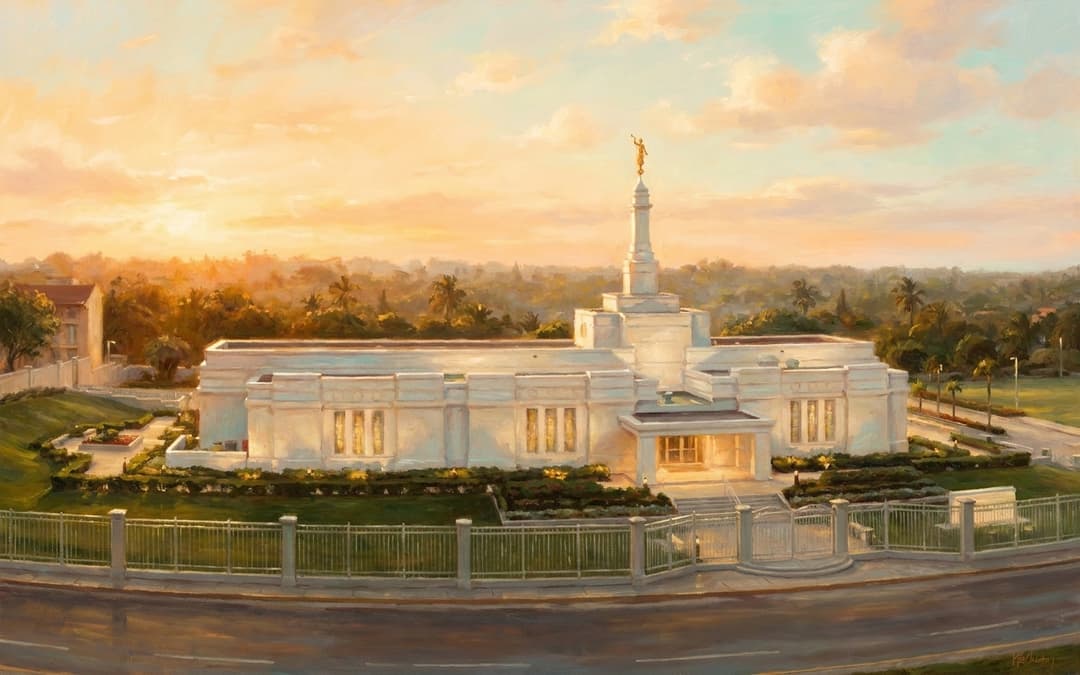
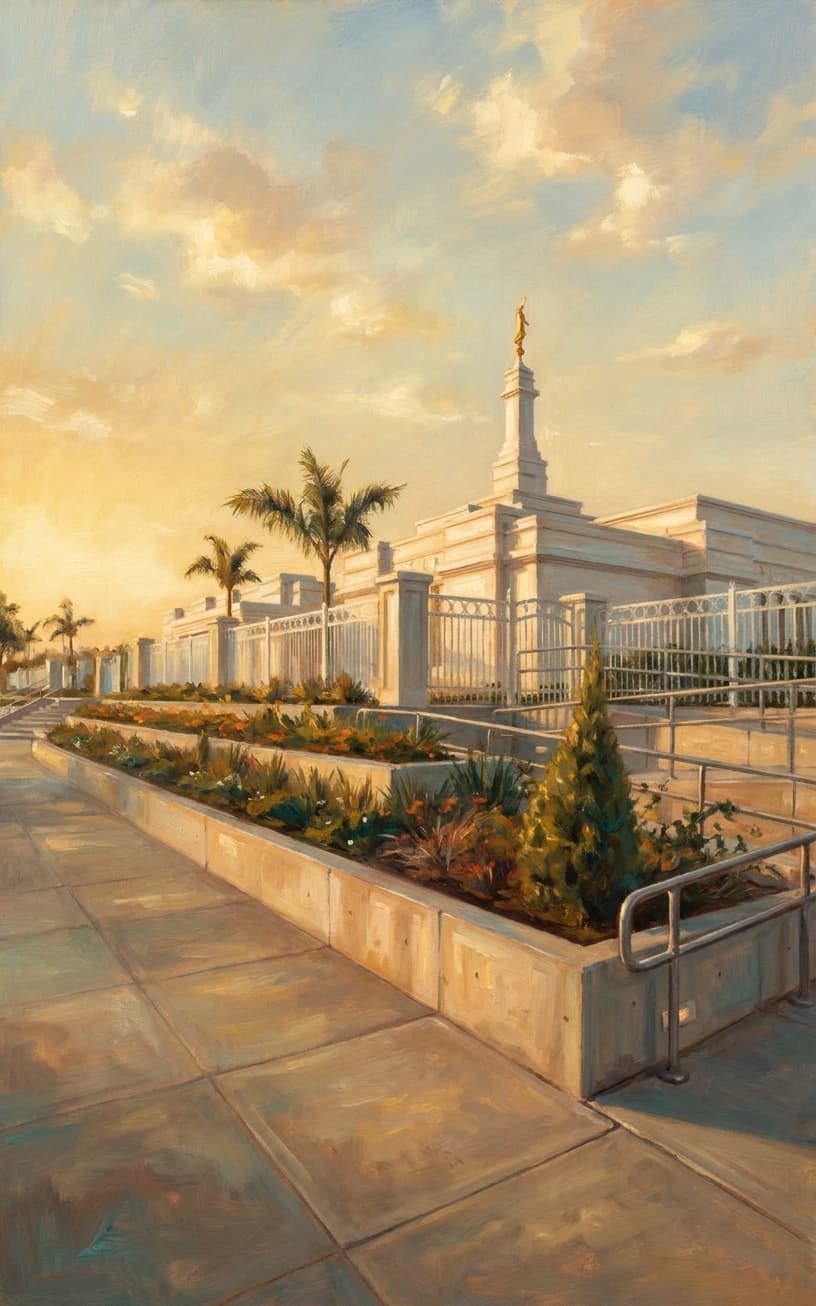
Situated in Boca del Río near the Gulf of Mexico, the Veracruz Mexico Temple grounds offer a peaceful tropical refuge. Visitors are welcome to walk the manicured garden pathways, while interior sanctuary entry requires an active temple recommend.
Highlights
- Polished Blanco Guardiano white marble exterior from Coahuila
- Beautiful coastal landscaping and palm-lined walkways
- On-site Church Distribution Center store and arrival facility
Things to Know
- Interior ordinance rooms are reserved for recommended Church members
- Located along Avenida Ejército Mexicano in major transit corridor
- Humid tropical climate with bright sunshine year-round
Location
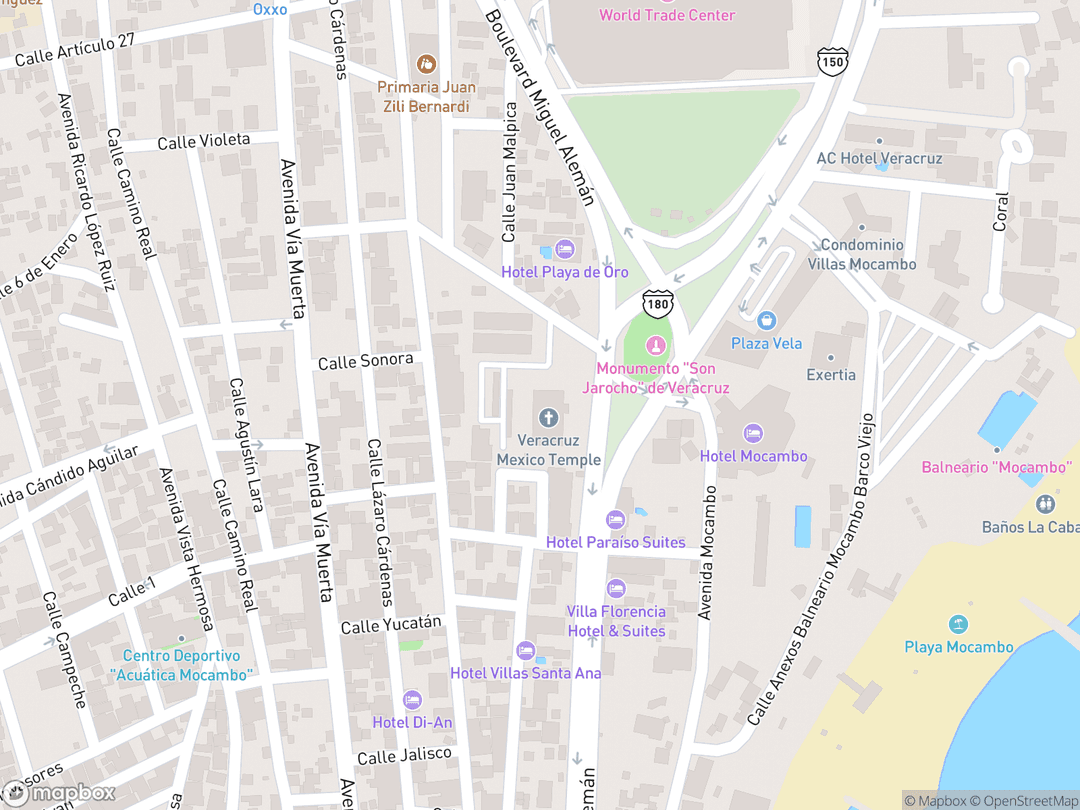
Avenida Ejército Mexicano, Esquina Michoacán, Colonia Luis Echeverría, 94295 Boca del Río, Veracruz, Mexico
Hours: Temple ordinance schedule varies daily; landscaped grounds are open during daylight hours.
Getting There: Accessible via public bus or taxi along Avenida Ejército Mexicano, approximately 10 kilometers south of downtown Veracruz.
Get DirectionsTips for Your Visit
Exterior Photography
Visit during early morning or late afternoon golden hours when soft sunlight accentuates the brilliant white marble facade against tropical skies.
Visitors Welcome on Grounds
While interior entry is reserved for Church members, non-members are invited to explore the peaceful exterior pathways and gardens.
About
In common with the broader Christian heritage within Abrahamic traditions, members of The Church of Jesus Christ of Latter-day Saints affirm Jesus Christ as the Son of God and the central figure of salvation history. Sacred temple architecture reflects a deep reverence for holy space where worshippers seek closeness to God and eternal peace.
Latter-day Saints draw a distinct theological line between local meetinghouses and sacred temples. While chapels host weekly public worship and community gatherings, temples are reserved as literal Houses of the Lord for sacred ordinances such as eternal marriage sealings, proxy baptisms, and the endowment ceremony.
Dedicated in July 2000 by President Thomas S. Monson, the Veracruz Mexico Temple stands in Boca del Río near the Gulf Coast shoreline. Clad in brilliant white Coahuila marble, this sacred edifice serves thousands of faithful Latter-day Saints across coastal eastern Mexico as a symbol of divine light.
Gallery
Symbolic Elements
The temple's exterior features intricate carvings, each rich with spiritual meaning:

Angel Moroni Statue
A gold-leafed statue atop the spire symbolizes the restoration of the everlasting gospel to all nations.

Twelve Oxen Font Base
The baptismal font rests upon twelve oxen representing the twelve ancient tribes of Israel.

Blanco Guardiano Marble
Polished Coahuila white marble represents personal holiness and purity while resisting marine humidity.

Single Tapered Spire
An upward-pointing central spire directs the thoughts of worshippers toward heaven and divine ascension.

Progressive Ordinance Rooms
Physical movement between instruction rooms symbolizes a soul's eternal spiritual progression toward God.

Mirrors of Eternity
Parallel mirrors in sealing rooms reflect infinite images symbolizing eternal family relationships.

Celestial Room Light
Luminous chandeliers and peaceful interior decor evoke the celestial presence and reign of God.
Interesting Facts
María Romero, the first convert in Veracruz in 1955, waded into the Jamapa River to be baptized at 87 years old. (Tier A)
Ground was broken on May 29, 1999, just 45 days after announcement, one of the fastest transitions in modern Church history. (Tier A)
Groundbreaking services occurred on the exact same day as temples in Adelaide, Australia, and Louisville, Kentucky. (Tier A)
President Thomas S. Monson dedicated the Mérida Yucatán Temple on July 8, 2000, and dedicated Veracruz the following morning. (Tier A)
The temple's exterior uses Blanco Guardiano white marble quarried in Torreón, Coahuila, Mexico. (Tier A)
Standing under 500 meters from the Gulf of Mexico, it is one of the closest temples to an ocean coastline in North America. (Tier B)
The Veracruz Mexico Temple was the tenth operating Latter-day Saint temple dedicated in the nation of Mexico. (Tier A)
President Thomas S. Monson prayed in the dedicatory prayer that local members 'may be released from the shackles of poverty.' (Tier A)
Common Questions
Where is the Veracruz Mexico Temple located?
The temple is located in Boca del Río, Veracruz, Mexico, along Avenida Ejército Mexicano near the Gulf Coast.
Can visitors tour the interior of the temple?
The interior is reserved for active Church members, but visitors are welcome to explore the public grounds.
When was the Veracruz Mexico Temple dedicated?
It was dedicated on July 9, 2000, by President Thomas S. Monson.
What architectural materials were used for the exterior?
The temple is clad in Blanco Guardiano white marble quarried in Torreón, Coahuila, Mexico.
Featured Stories
Faith in the Jamapa River
1955
When full-time missionaries arrived in Veracruz in 1955, 87-year-old María Romero embraced the restored gospel with fervent faith. Demonstrating remarkable devotion despite her advanced age, she waded into the cold waters of the Jamapa River to become the first convert baptized in Veracruz. Her pioneering spirit established a legacy of local faithfulness that culminated in a temple built in her homeland.
Source: Church News
A Rapid Transition to Construction
May 29, 1999
Following the announcement of the Veracruz Mexico Temple in April 1999, local leaders and builders moved with exceptional speed. Ground was broken on May 29, 1999—just 45 days after announcement—marking one of the fastest construction starts in modern Church history. On the same day, groundbreaking services occurred for sister temples in Australia and Kentucky.
Source: Church News
Dedicatory Blessings for Mexico
July 9, 2000
President Thomas S. Monson dedicated the Veracruz Mexico Temple immediately following his dedication of the Mérida Yucatán Temple the previous day. In his dedicatory prayer across four sessions, President Monson petitioned divine favor upon the land and people of Veracruz, praying that local Saints might prosper and be released from the shackles of poverty.
Source: Church News
Timeline
First Missionaries Arrive
Full-time Latter-day Saint missionaries arrive in the historic Gulf Coast port city of Veracruz.
EventFirst Local Baptism
Eighty-seven-year-old María Romero is baptized in the Jamapa River as the region's first convert.
EventFirst Meetinghouse Dedicated
The first local meetinghouse is dedicated in Veracruz with nearly 700 worshippers in attendance.
MilestoneTemple Announced
The First Presidency officially announces plans to construct a temple for the Veracruz region.
MilestoneGroundbreaking Service
Elder Carl B. Pratt presides over groundbreaking services just 45 days after announcement.
component.timeline.groundbreakingPublic Open House Begins
A six-day public open house commences, welcoming thousands of visitors from the community.
EventOpen House Concludes
The public open house concludes after hosting over 10,000 visitors.
EventTemple Dedicated
President Thomas S. Monson dedicates the Veracruz Mexico Temple across four sessions.
DedicationHistory by Decade
1950s–1980s — Pioneer Faith and Growth
Latter-day Saint missionary work began in Veracruz in 1955, quickly gaining devoted converts like María Romero. Over subsequent decades, local congregations multiplied into stakes across the Gulf Coast. Members sacrificed time and resources to travel thousands of miles to Arizona and Mexico City to attend the nearest temples.
1990s — Announcement and Rapid Progress
In April 1999, the First Presidency announced plans to construct a temple in Boca del Río to serve coastal Veracruz. Groundbreaking took place merely 45 days later under the direction of Elder Carl B. Pratt. Construction proceeded rapidly using classic modern architectural plans and local Coahuila white marble.
2000s–Present — Dedication and Sacred Service
President Thomas S. Monson dedicated the completed sanctuary on July 9, 2000, as the 93rd operating temple worldwide. Today, the temple complex features an arrival center and distribution store, serving thousands of faithful members across coastal eastern Mexico.
Architecture & Facilities
Designed by architect Alvaro Iñigo in collaboration with Church Architecture & Engineering Services, the temple features a Classic Modern single-spire architectural style. The streamlined structure emphasizes clean vertical lines, localized stone cladding, and functional spiritual spaces appropriate for tropical coastal environments.
Building Materials
Exterior Marble
Clad in Blanco Guardiano white marble quarried in Torreón, Coahuila, Mexico, providing durability against salt air.
Spire Structure
Constructed from reinforced structural steel and finished with matching stone cladding and gold leaf.
Windows and Glass
Features insulated artistic stained glass panels designed to withstand severe coastal weather.
Landscaping Stone
Utilizes polished local stone accents and paved concrete walkways throughout the manicured grounds.
Interior Features
Baptistry
Contains an elevated baptismal font supported by twelve subterranean oxen facing the cardinal directions.
Instruction Rooms
Includes two progressive ordinance rooms equipped for sequential symbolic religious instruction.
Sealing Rooms
Houses two sealing rooms with altars where eternal marriage ceremonies are performed.
Celestial Room
Features soft cream furnishings and elegant lighting symbolizing eternal peace in the presence of God.
Temple Grounds
The 3.39-acre manicured site features tropical flora, palm trees, manicured flower beds, paved walkways, and an adjacent meetinghouse.
Additional Facilities
The temple complex includes an arrival center, a Church Distribution Center store, and a full-sized Latter-day Saint meetinghouse.
Religious Significance
In harmony with broader Christian belief in Jesus Christ as Savior, Latter-day Saints venerate temples as holy places dedicated to the Lord. While local chapels host weekly congregational worship, temples serve as sanctuaries for sacred eternal covenants.
The Veracruz Mexico Temple provides a sacred space for Latter-day Saints to make covenants with God and receive essential salvation ordinances.
Sacred Ordinances
Baptisms for the Deceased
Proxy baptisms performed in behalf of ancestors, offering them the opportunity to accept gospel covenants.
The Endowment
A symbolic presentation imparting sacred knowledge regarding God's plan of salvation and moral covenants.
Eternal Sealing
Sacred marriage rites uniting husbands, wives, and children in eternal family relationships.
Bridging Heaven and Earth
Through temple ordinances, members strengthen their devotion to Jesus Christ and anchor their family relationships beyond mortality.
Similar Temples

Sources & Research
Every fact on Temples.org is backed by verified Sources & Research. Each piece of information is rated by source tier and confidence level.
View All Sources (6)
| Field | Source | Tier | Retrieved |
|---|---|---|---|
| About & Historical Background | The Church of Jesus Christ of Latter-day Saints (opens in a new tab) | A | 2026-02-22 |
| Timeline & Dedication | Church Newsroom (opens in a new tab) | A | 2026-02-22 |
| Architecture & Coastal Resilience | ChurchofJesusChristTemples.org (opens in a new tab) | C | 2026-02-22 |
| Architectural Specifications & Stone Sourcing | archINFORM Architecture Database (opens in a new tab) | B | 2026-02-22 |
| Regional Membership & Mission History | Cumorah Foundation (opens in a new tab) | B | 2026-02-22 |
| Visitor Information & Location Details | Mexico Tourism Board (opens in a new tab) | D | 2026-02-22 |