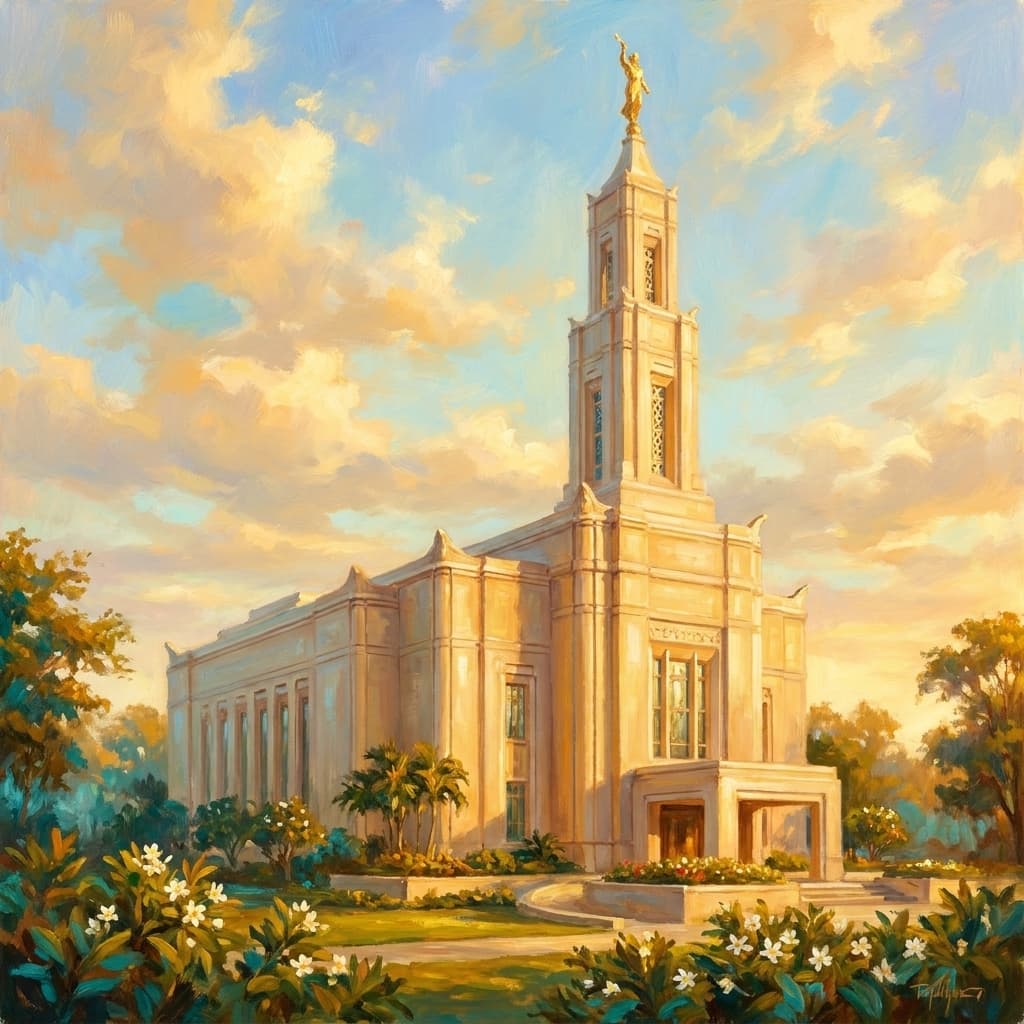
Visitor Insights
Visiting Urdaneta Philippines Temple
The Urdaneta Philippines Temple complex is located on MacArthur Highway in Urdaneta City, Pangasinan. The 15-acre campus features beautiful tropical landscaping, patron housing, and an arrival center open to the community.
Highlights
- Lush manicured tropical gardens featuring native flora and reflecting pools.
- Carved stone motifs highlighting the national sampaguita flower and local mango icons.
- Comprehensive patron accommodation facilities designed for long-distance travelers.
Things to Know
- Temple interior access requires a current recommend for faithful Latter-day Saints.
- Public access is welcomed across the expansive exterior campus gardens.
Location
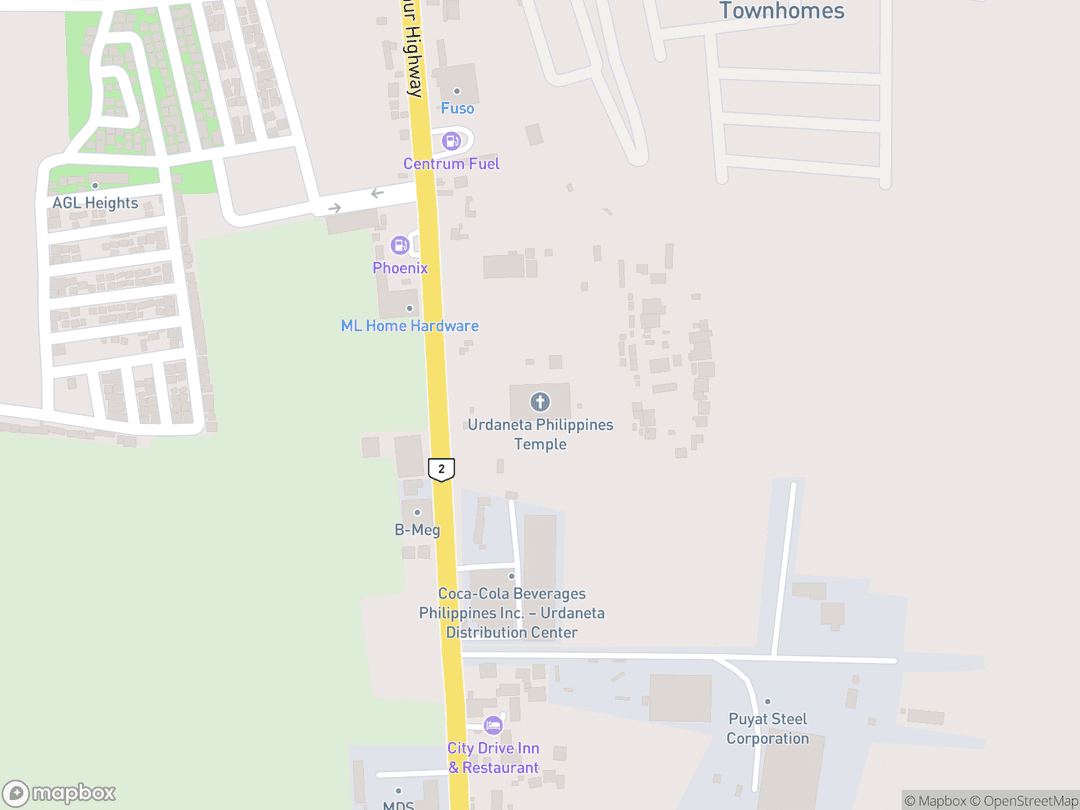
MacArthur Highway, Barangay Nancayasan, Urdaneta City, 2428 Pangasinan, Philippines
Hours: Operating schedule varies; check official church calendar for ordinance schedules.
Getting There: Accessible along MacArthur Highway in Barangay Nancayasan, approximately 160 km north of Metro Manila.
Get DirectionsTips for Your Visit
Explore the Grounds
Visitors of all religious faiths are welcome to walk through the landscaped gardens and enjoy the peaceful atmosphere.
Patron Accommodations
Patrons traveling from remote provinces in Northern Luzon can reserve lodging at the on-site patron housing center.
About
Rooted in the ancient Christian and Abrahamic tradition of consecrated sacred space, the Urdaneta Philippines Temple stands as a modern sanctuary dedicated to divine communion and eternal covenants. Standing on MacArthur Highway in Pangasinan, this holy edifice represents the third operating temple in the Philippines and the first in Northern Luzon, serving over 200,000 Latter-day Saints across 34 stakes and 13 districts.
Following the biblical pattern of Solomon's Temple, the structure is set apart from worldly concerns to administer sacred ordinances such as baptism for ancestors, the endowment, and eternal marriage sealings. Dedicated in April 2024 by President Dallin H. Oaks, the temple fulfills decades of spiritual growth and pioneer devotion across the archipelago.
Gallery
Symbolic Elements
The temple's exterior features intricate carvings, each rich with spiritual meaning:

Sampaguita Blossom
Representing purity, simplicity, and spiritual devotion, the national flower of the Philippines is crafted into art glass and woodwork.

Mango Fruit Pendants
Stylized mango pendants honor Pangasinan as the mango capital while symbolizing divine fruitfulness and spiritual abundance.

Three Vertical Framing Bands
Three vertical glass bars in the windows symbolize the divine unity of the Godhead and strength in priesthood organization.

Angel Moroni Statue
Standing atop the single central spire, the gold-leafed statue heralds the restoration of the gospel to all nations.

Ventanilla Stone Grilles
Carved stone window headers replicate traditional Filipino ventanillas that historically allowed cooling ventilation in colonial homes.

Golden Sand Granite Facade
Imported golden sand granite cladding reflects celestial light and symbolizes the enduring permanence of eternal covenants.

Honey Gold Limestone Flooring
Honed limestone quarried in the Holy Land creates a sacred physical connection to ancient Biblical worship centers.
Interesting Facts
The temple is the first Latter-day Saint house of the Lord erected in Northern Luzon. (Tier A)
Construction crews logged 2 million consecutive work hours without a lost-time safety injury. (Tier A)
President Dallin H. Oaks dedicated the temple 20 years after serving as Philippines Area President. (Tier A)
The interior art glass incorporates stylized mango pendants honoring Pangasinan's fruit heritage. (Tier B)
Over 65,000 public visitors toured the temple during its two-week open house in March 2024. (Tier A)
Building materials were sourced globally, including Israeli limestone tiles and Thai wool rugs. (Tier B)
The gospel was first brought to Urdaneta in 1969 by two returning university students. (Tier B)
Exterior stone panels feature carved ventanillas inspired by traditional Filipino colonial architecture. (Tier B)
Common Questions
Where is the Urdaneta Philippines Temple located?
It is situated on MacArthur Highway in Barangay Nancayasan, Urdaneta City, Pangasinan.
Who dedicated the Urdaneta Philippines Temple?
President Dallin H. Oaks of the First Presidency dedicated the temple on April 28, 2024.
What floral motifs are featured in the temple's artwork?
The design prominently highlights the sampaguita flower and stylized mango fruit pendants.
How large is the temple complex?
The building encompasses 32,604 square feet on a 15.34-acre campus with patron housing.
Featured Stories
An Apostolic Return and Spiritual Circle
April 28, 2024
In 2002, Elder Dallin H. Oaks was assigned to live in Manila as Area President, traveling extensively across Luzon and blessing local congregations. Two decades later, as First Counselor in the First Presidency, President Oaks returned to dedicate the Urdaneta Temple. His dedication completed a poignant 20-year spiritual arc for the Philippine Saints.
Source: The Church of Jesus Christ of Latter-day Saints Newsroom
Two Million Hours of Safety and Faith
March 15, 2021
During the complex multi-year construction of the temple complex, general contractor Haskell Philippines and hundreds of local tradesmen worked under tropical conditions. In March 2021, the site celebrated reaching 2,000,000 consecutive man-hours without a single lost-time safety injury. Church leaders praised the workers' diligence as a tangible testament to sacred stewardship.
Source: Haskell Engineering & Construction News
The Pioneer Seeds in Pangasinan
April 1969
The spiritual foundation of the temple began when two young university students, Sisters Maria Credo and Fe Basconcillo, joined the Church in Baguio City. Returning home to Urdaneta in 1969, they shared the restored gospel with their family, leading to the first local baptisms. Decades later, their family land sits directly adjacent to the dedicated house of the Lord.
Source: Church History Department Records
Timeline
First Native Baptism
Aniceta Fajardo becomes the first native Filipino to join the Church after meeting Latter-day Saint servicemen.
EventGospel Roots in Urdaneta
Sisters Maria Credo and Fe Basconcillo return home to Urdaneta and share the gospel with their family.
EventFirst Philippine Temple
The Manila Philippines Temple is dedicated, requiring Northern Luzon members to travel south for temple worship.
MilestoneTemple Announcement
President Thomas S. Monson formally announces the intent to build the Urdaneta Philippines Temple.
MilestoneGroundbreaking Ceremony
Elder Jeffrey R. Holland presides at the groundbreaking ceremony in Urdaneta City.
component.timeline.groundbreakingSafety Milestone
Construction workers achieve 2,000,000 man-hours without a single lost-time safety injury.
MilestoneAngel Moroni Installed
The gold-leafed Angel Moroni statue is placed atop the single central spire.
MilestonePublic Open House Begins
A two-week open house begins, welcoming over 65,000 public visitors to tour the temple interior.
EventTemple Dedication
President Dallin H. Oaks formally dedicates the Urdaneta Philippines Temple as the 190th operating temple.
DedicationHistory by Decade
1940s–1950s — Dawn of the Restored Gospel
Following World War II, Latter-day Saint American servicemen introduced the gospel to local Filipinos, leading to the 1946 baptism of Aniceta Fajardo. Small groups of devoted believers slowly gathered across Luzon to lay the foundation for future stakes.
1960s–1970s — First Roots in Urdaneta
The opening of the Philippines Manila Mission in 1961 dramatically expanded outreach across the archipelago. In 1969, native students returned to Urdaneta with the gospel, converting their families and establishing the first permanent congregation in Pangasinan.
1980s–2000s — Regional Expansion
With the dedication of the Manila Temple in 1984, members in Northern Luzon regularly undertook long journeys south for sacred worship. Rapid growth across Pangasinan led Church leaders to establish mission headquarters in Urdaneta to oversee northern expansion.
2010s — Announcement and Groundbreaking
President Thomas S. Monson announced the Urdaneta Temple in October 2010 to joyful acclaim across Luzon. Elder Jeffrey R. Holland presided over the January 2019 groundbreaking, promising that the region would be forever transformed by the sacred facility.
2020s — Construction, Open House, and Dedication
Despite global pandemic challenges, construction progressed smoothly, reaching safety milestones and installing the Angel Moroni statue in 2022. In early 2024, over 65,000 visitors toured the structure before President Dallin H. Oaks dedicated it on April 28, 2024.
Architecture & Facilities
The Urdaneta Philippines Temple exhibits a refined Spanish Colonial Revival architectural style integrated with traditional Asian structural elements. Its horizontal massing and symmetrical facade are highlighted by rounded exterior corners that gently sweep upward at the roofline in an upturned flare, honoring regional East Asian aesthetic traditions.
Building Materials
Exterior Cladding
The exterior is clad entirely in honey-toned Golden Sand granite imported from China.
Flooring Tile
Honed Honey Gold limestone quarried in Israel and Palestine paves interior circulation paths.
Art Glass Windows
Multi-layered leaded art glass features sampaguita blooms and pale pink and gold accent tones.
Carved Rugs
Celestial and Sealing rooms feature custom hand-carved cream wool area rugs fabricated in Thailand.
Interior Features
Baptistry
A consecrated font resting on twelve bronze oxen for vicarious baptismal covenants.
Instruction Rooms
Two progressive instruction rooms outfitted with hand-carved hardwood trim and broadloom carpet.
Celestial Room
A serene room representing heavenly peace, adorned with custom Thai wool rugs and crystal chandeliers.
Sealing Rooms
Three sealing rooms equipped with facing mirrors symbolizing eternal family unity.
Temple Grounds
The 15.34-acre campus features extensive tropical landscaping with native palm trees, flower beds, paved walkways, and quiet reflecting spaces surrounding the main temple.
Additional Facilities
The complex includes a multi-story patron housing center, an arrival center, a distribution store, and an adjacent stake center for regional gatherings.
Religious Significance
Rooted in the Abrahamic tradition of setting apart holy space for divine communion, Latter-day Saints regard the temple as a literal House of the Lord. Distinct from weekly meetinghouses, temples serve as sacred sanctuaries where eternal covenants bind believers to God and unite families across generations.
To provide a consecrated sanctuary where faithful members receive holy endowment ordinances and seal family relationships for eternity.
Sacred Ordinances
Baptism for the Dead
A vicarious proxy ordinance extending salvation and baptismal covenants to deceased ancestors.
The Endowment
A sacred instructional ceremony bestowing spiritual power, knowledge, and divine covenants.
Eternal Marriage and Sealing
Priesthood ordinances uniting husbands, wives, and children in eternal family units.
Continuity with Ancient Worship
Like ancient Israelite tabernacles, the temple is organized with sacred progression, moving patrons from symbolic earthly spaces into the heavenly presence represented by the Celestial Room.
A Beacon for Northern Luzon
Serving over 200,000 members across 34 stakes, the temple brings sacred ordinances within reach of families who previously traveled long hours south to Metro Manila.
Similar Temples
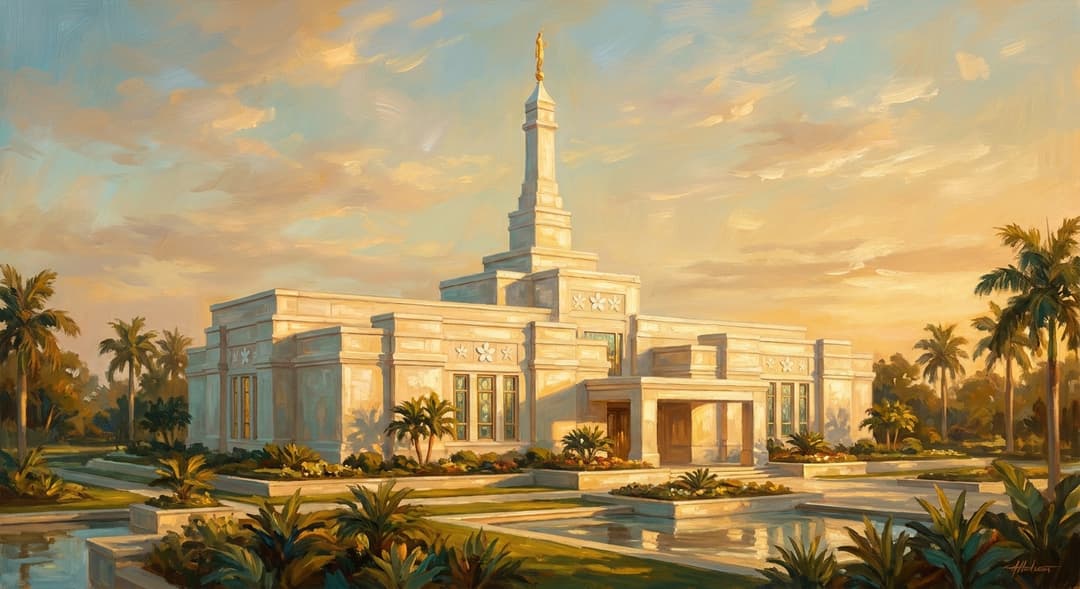
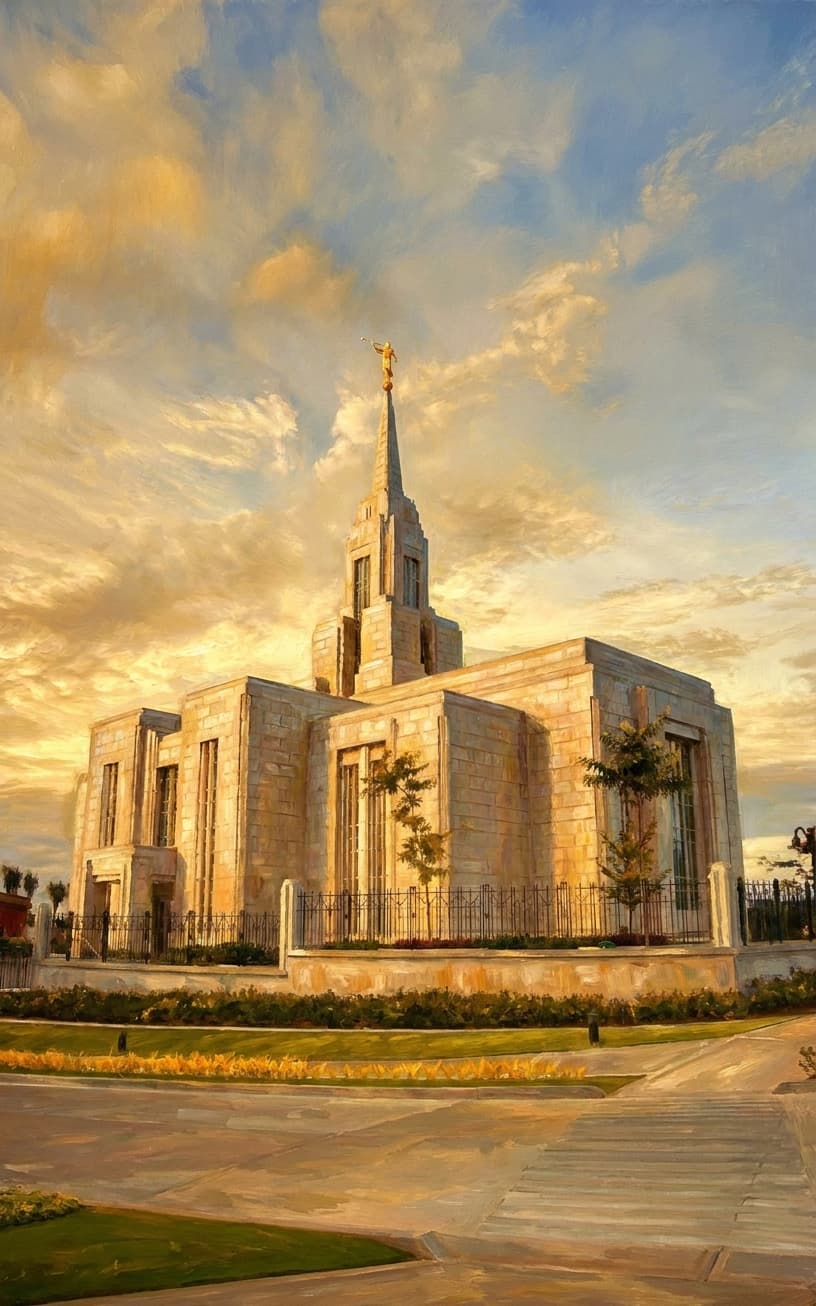
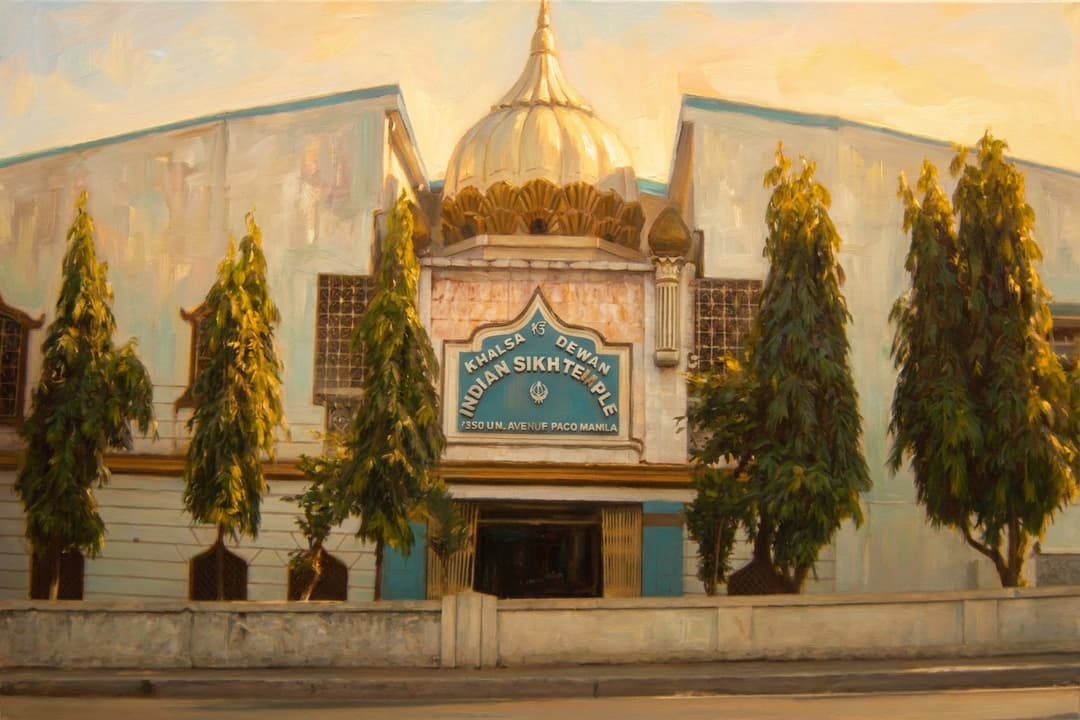
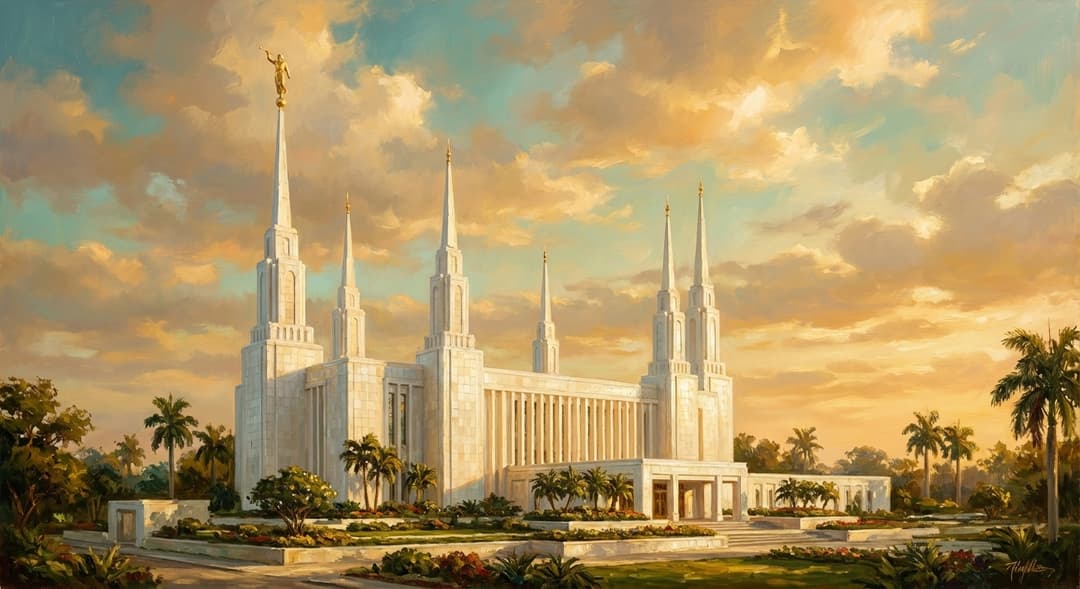
Sources & Research
Every fact on Temples.org is backed by verified Sources & Research. Each piece of information is rated by source tier and confidence level.
View All Sources (5)
| Field | Source | Tier | Retrieved |
|---|---|---|---|
| About & Historical Background | The Church of Jesus Christ of Latter-day Saints (opens in a new tab) | A | 2026-02-18 |
| Dedication & Milestones | The Church of Jesus Christ of Latter-day Saints Newsroom (opens in a new tab) | A | 2026-02-18 |
| Construction & Safety Milestones | ChurchofJesusChristTemples.org (opens in a new tab) | C | 2026-02-18 |
| Historical Timeline & Missionary Work | Church History Department (opens in a new tab) | A | 2026-02-18 |
| Architecture & Design Specifications | LDS Living (opens in a new tab) | B | 2026-02-18 |