Visitor Insights
Visiting London Hyde Park Chapel & Visitors' Center
The London Hyde Park Chapel & Visitors' Center welcomes individuals of all faiths and backgrounds to explore its spiritual and cultural offerings. It provides a peaceful retreat in a bustling city, offering insights into the beliefs and practices of The Church of Jesus Christ of Latter-day Saints.
Highlights
- Experience the interactive Visitors' Center.
- View the 'Christus' statue, a powerful symbol of faith.
- Attend Sunday worship services with local congregations.
Things to Know
- Check the official website for the most current operating hours.
- The area is a popular tourist destination, so plan for crowds.
Location
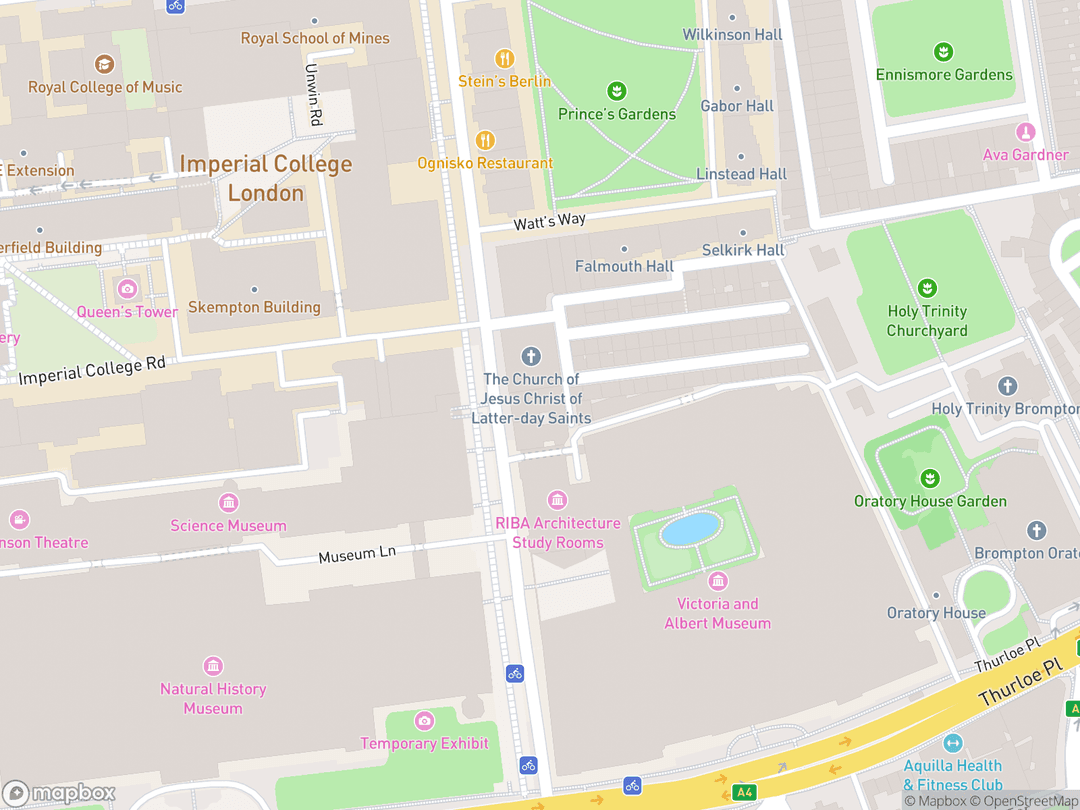
64-68 Princes Gate Exhibition Road, South Kensington, London SW7 2PA, United Kingdom
Hours: Generally open daily from 9:00 AM to 9:00 PM, though hours may vary; check the official website for current schedules.
Getting There: Located on Exhibition Road in South Kensington, directly across from the Science Museum. Easily accessible via the London Underground (Tube) to the South Kensington stop, followed by a short walk or underground passage.
Get DirectionsTips for Your Visit
Plan Your Visit
Consider visiting during off-peak hours for a more serene experience, especially if you wish to spend time in quiet reflection.
Explore Local Attractions
The chapel is surrounded by world-renowned museums like the Victoria & Albert Museum and the Natural History Museum, making it easy to combine your visit with other cultural experiences.
About
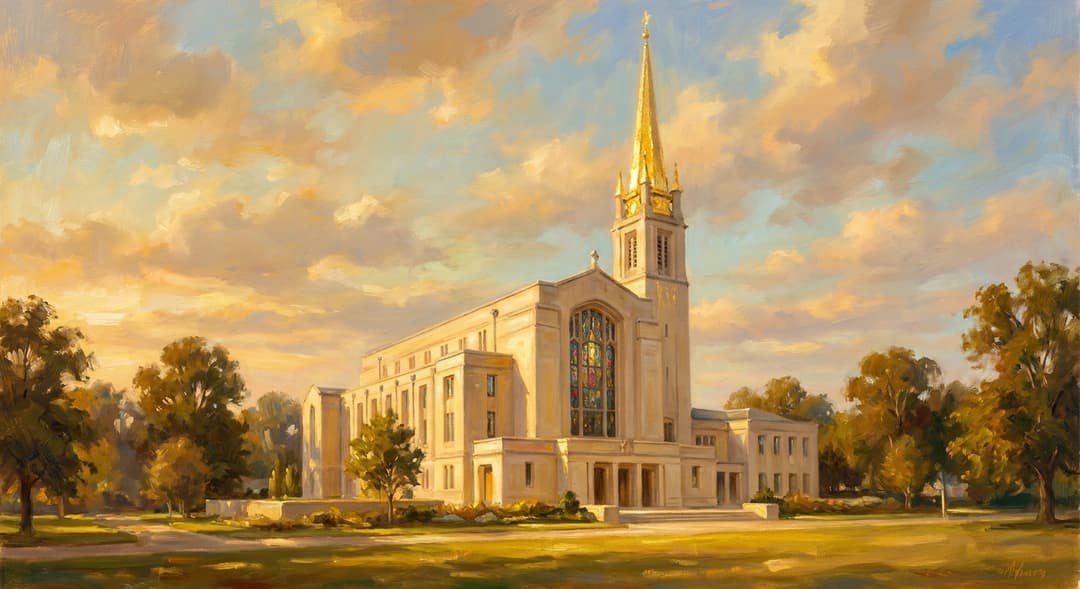
The London Hyde Park Chapel & Visitors' Center stands as a prominent Latter-day Saint facility in central London. It serves as a vital spiritual and cultural hub for members and visitors, embodying the global presence of The Church of Jesus Christ of Latter-day Saints within the broader Christian tradition.
Dedicated in 1961 by President David O. McKay, the multi-use building houses several congregations, a family history center, and an interactive visitors' center. Its distinctive architecture and welcoming atmosphere make it a recognizable landmark in the South Kensington area.
The center offers a peaceful environment for reflection and learning, inviting people of all backgrounds to explore the Church's teachings and its emphasis on Jesus Christ. It continues to fulfill President McKay's vision as an international gathering place for the Lord's people.
Interesting Facts
The property was acquired in 1955 as a former World War II bombsite, with no Church members living within a seven-mile radius at the time (Tier C).
President David O. McKay envisioned the chapel as an 'international gathering place for the Lord's people' during its 1961 dedication (Tier A).
The facility is a multi-use building, housing two wards, a Portuguese-speaking branch, a family history center, and the London England Hyde Park Stake headquarters (Tier A).
A distinctive 75-foot spire, covered in gold leaf, makes the chapel a recognizable landmark in the South Kensington skyline (Tier B).
The chapel once displayed Robert Oliver Skemp's mural 'The Purpose of Life,' originally created for the 1964 New York World's Fair (Tier B).
It featured the second concert organ to be constructed in London since the conclusion of the Second World War (Tier B).
The Visitors' Center is known for welcoming people from over 115 nations, reflecting London's diverse international population (Tier A).
Sir Thomas Bennett, the chapel's architect, also contributed to the design of the London England Temple in Surrey (Tier C).
The 2012 rededication introduced a new interactive visitors' center and prominently featured a 'Christus' statue in the foyer (Tier A).
Walter Kew, a worker on the original construction, and his family were baptized into the Church in 1972 in the very chapel he helped build (Tier A).
Common Questions
What is the purpose of the Hyde Park Chapel?
It serves as a multi-use facility for worship, family history research, and as a visitors' center to share information about The Church of Jesus Christ of Latter-day Saints.
Is there an entrance fee to visit the chapel?
No, there is no charge to visit the London Hyde Park Chapel & Visitors' Center.
What is the 'Christus' statue?
It is a prominent copy of Bertel Thorvaldsen's 1833 sculpture of the resurrected Jesus Christ, symbolizing the Church's focus on the living Christ.
Are there regular worship services held here?
Yes, the facility houses several Latter-day Saint congregations that hold regular Sunday worship services.
What other attractions are near the chapel?
The chapel is conveniently located near the Science Museum, Victoria & Albert Museum, and Natural History Museum in South Kensington.
Featured Stories
A Vision for London
February 26, 1961
When President David O. McKay dedicated the Hyde Park Chapel, he declared his vision for it to become an 'international gathering place for the Lord's people.' This aspiration reflected the Church's growing global presence and its commitment to establishing a spiritual home in one of the world's great cities. His words set the tone for the chapel's enduring role as a beacon of faith and community.
Source: The Church of Jesus Christ of Latter-day Saints
From Bombsite to Beacon
1955
The acquisition of the Princes Gate site in 1955 was a remarkable act of faith, as the property was a former World War II bombsite with no Church members living nearby. This transformation from ruins to a vibrant spiritual center symbolizes resilience and growth. It stands as a testament to the dedication of early Church leaders and members in establishing a significant presence in London.
Source: Ensign Peak Foundation
The Builder's Conversion
1972
Walter Kew, a worker involved in the original construction of the Hyde Park Chapel, later found himself drawn to the faith he had helped build. In 1972, he and his family were baptized into The Church of Jesus Christ of Latter-day Saints within the very walls he had helped erect. This personal story highlights the profound impact the chapel has had on individuals and families.
Source: The Church of Jesus Christ of Latter-day Saints
Timeline
President McKay's Vision
President David O. McKay instructed mission president Clifton Kerr to find a suitable property for a central London chapel.
MilestoneSite Acquisition
The Church acquired a former World War II bombsite at 64-68 Princes Gate in South Kensington, a location with no Church members nearby.
EventGroundbreaking Ceremony
Construction officially commenced with a groundbreaking ceremony for the new chapel.
component.timeline.groundbreakingChapel Dedicated
President David O. McKay dedicated the Hyde Park Chapel, envisioning it as an 'international gathering place for the Lord's people.'
Dedication'The Purpose of Life' Mural Installed
Robert Oliver Skemp's mural, originally for the 1964 World's Fair, was moved to the chapel's visitor center.
EventWorker's Baptism
Walter Kew, who helped build the chapel, and his family were baptized into the Church within the very building he helped construct.
EventFirst Rededication
The chapel underwent refurbishment and was rededicated by President Gordon B. Hinckley approximately 34 years after its initial dedication.
RenovationSecond Rededication & Renovations
Following further renovations, the facility was rededicated, featuring a new interactive visitors' center and a 'Christus' statue.
RenovationMural Relocated
The 'Purpose of Life' mural by Robert Oliver Skemp was relocated from the chapel's visitor center to Brigham Young University-Idaho.
EventHistory by Decade
Pre-1950s — Wartime Devastation
The site where the Hyde Park Chapel now stands was once occupied by buildings that suffered extensive damage during World War II. By the mid-1950s, the area was known as a "bombsite," a stark reminder of the conflict's impact on London. This cleared land presented a unique opportunity for future development.
1950s — Vision and Acquisition
In 1954, President David O. McKay initiated the search for a prominent central London location for a chapel. The Church acquired the Princes Gate site in 1955, a strategic move despite no members residing within a seven-mile radius. Groundbreaking for the new chapel commenced in August 1959, marking the beginning of its construction.
1960s — Dedication and Early Use
The London Hyde Park Chapel was dedicated by President David O. McKay on February 26, 1961, becoming a significant landmark for the Church in the UK. In 1964, Robert Oliver Skemp's mural, "The Purpose of Life," originally commissioned for the New York World's Fair, was installed in the chapel's visitor center. The chapel also featured one of London's first post-WWII concert organs.
1990s — First Rededication
Approximately 34 years after its initial dedication, the chapel underwent a period of refurbishment. Following these improvements, the facility was rededicated by President Gordon B. Hinckley, ensuring its continued functionality and spiritual significance for the growing Church membership.
2010s — Modernization and Relocation
Further extensive renovations were completed, leading to a second rededication on July 1, 2012. These upgrades included a new interactive visitors' center on the ground floor and the prominent installation of a "Christus" statue. In March 2015, the "Purpose of Life" mural was relocated to Brigham Young University-Idaho, making way for new exhibits.
Architecture & Facilities
The London Hyde Park Chapel & Visitors' Center is characterized by a distinctive modern ecclesiastical design, blending contemporary aesthetics with traditional architectural principles suitable for a sacred space. Its design reflects the mid-20th century architectural trends while aiming for a timeless quality that integrates with its historic London surroundings. The building's clean lines and use of classical materials contribute to its dignified presence.
Building Materials
Exterior Facade
Constructed primarily with Portland stone, a durable and aesthetically pleasing material widely used in prominent British buildings, giving the chapel a distinguished appearance.
Structural Frame
The building utilizes a reinforced concrete frame, providing robust structural integrity and allowing for its modern, multi-story design.
Spire Covering
The prominent spire is adorned with gold leaf, which catches the light and adds a symbolic, heavenward-pointing brilliance to the structure.
Window Art
A notable stained-glass window, crafted in the dalle de verre style by Pierre Fourmaintraux, introduces vibrant color and intricate design.
Interior Features
Main Chapel
A spacious and reverent assembly hall designed for worship services, featuring comfortable seating and a focus on the speaker's stand.
Visitors' Center
An interactive and welcoming space on the ground floor, offering exhibits and information about the Church's beliefs and global outreach.
Family History Center
Equipped with resources and technology for genealogical research, assisting individuals in discovering their family heritage.
Concert Organ
A significant musical instrument, one of the first concert organs built in London post-WWII, enhancing both worship and cultural events.
Temple Grounds
Situated in the culturally rich South Kensington district, the chapel's urban grounds are meticulously maintained, providing a welcoming approach for visitors. Its location directly across from the Science Museum and near other world-renowned institutions places it within a vibrant public space, yet it offers a sense of peaceful retreat.
Additional Facilities
Beyond its main chapel, the facility includes a comprehensive Visitors' Center with interactive displays and a dedicated Family History Center, offering resources for genealogical research to both members and the public.
Religious Significance
As a Latter-day Saint facility, the London Hyde Park Chapel & Visitors' Center serves as a vital spiritual and cultural center within the Christian theological tradition. It emphasizes the foundational belief in Jesus Christ as the Savior and Redeemer, inviting all to learn of His life and teachings.
The core spiritual purpose of the chapel is to provide a sacred space for worship, learning, and community gathering, fostering spiritual growth and a deeper connection to God through Jesus Christ. It also serves as a public outreach center to share the message of the restored gospel.
Sacred Ordinances
Sacrament Meeting
A weekly worship service where members partake of the sacrament (communion) in remembrance of Jesus Christ's atoning sacrifice.
Baptism
The sacred ordinance of baptism by immersion for the remission of sins, symbolizing a covenant with God and entrance into His Church.
Confirmation
Following baptism, members receive the gift of the Holy Ghost through the laying on of hands, providing divine guidance and comfort.
Focus on Jesus Christ
Central to the chapel's mission and the Church's doctrine is the worship of Jesus Christ. The prominent 'Christus' statue at the entrance serves as a powerful declaration of this focus, emphasizing His resurrection and role as the living Son of God.
Family History
The Family History Center within the chapel underscores the Latter-day Saint belief in the eternal nature of families. It provides resources for individuals to discover their ancestors and connect with their heritage, reflecting a commitment to family unity.
Community and Outreach
The chapel functions as a hub for local congregations, fostering a strong sense of community and mutual support. The Visitors' Center serves as an important outreach arm, welcoming people of all backgrounds to learn about the Church's teachings and values in an open and inviting environment.
Similar Temples
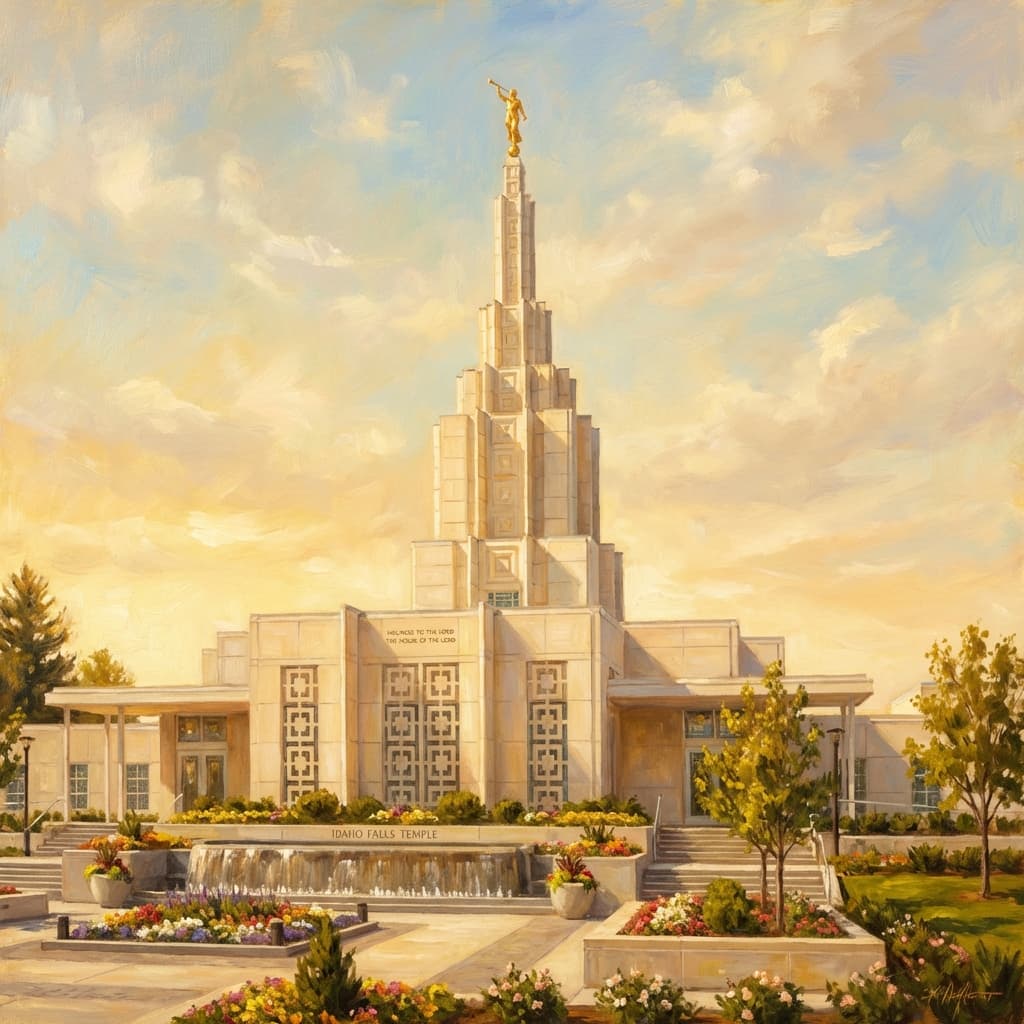
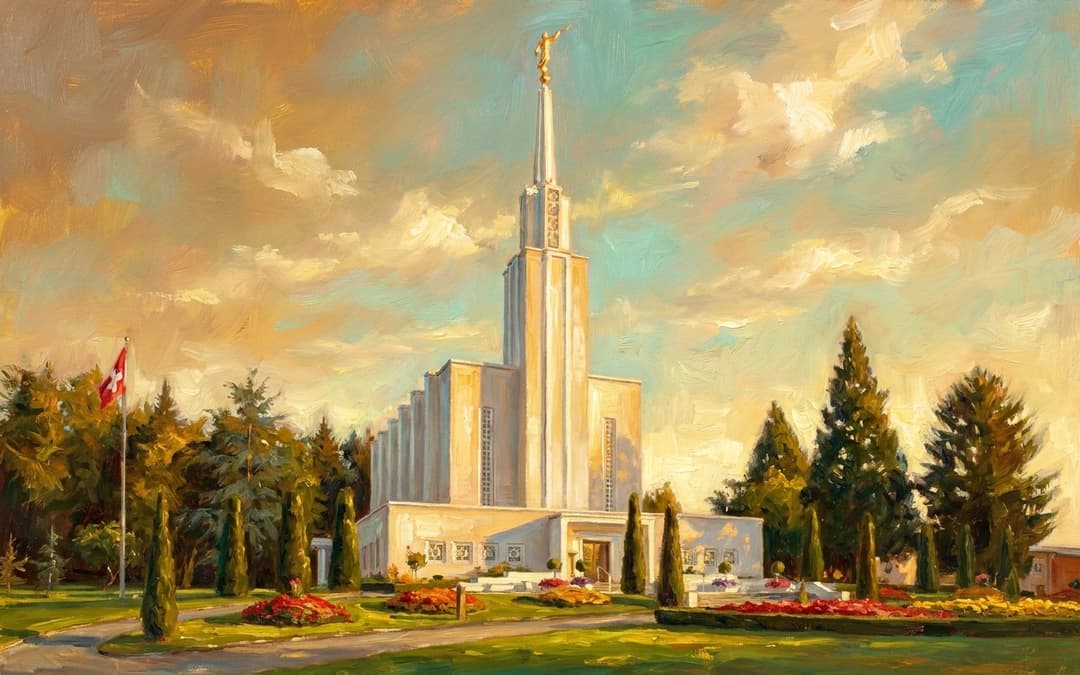
Sources & Research
Every fact on Temples.org is backed by verified Sources & Research. Each piece of information is rated by source tier and confidence level.
View All Sources (7)
| Field | Source | Tier | Retrieved |
|---|---|---|---|
| About & Historical Background | The Church of Jesus Christ of Latter-day Saints (opens in a new tab) | A | 2024-07-30 |
| Architectural Details | Whitefriars Glass (opens in a new tab) | B | 2024-07-30 |
| Site Acquisition & Early History | Ensign Peak Foundation (opens in a new tab) | C | 2024-07-30 |
| Visitor Information | Hyde Park Chapel (opens in a new tab) | A | 2024-07-30 |
| Architectural Style & Materials | Manchester History (opens in a new tab) | C | 2024-07-30 |
| General Information & Facilities | Mission.net (opens in a new tab) | C | 2024-07-30 |
| Concert Organ & Spire | Latter-day Saint Temples (WordPress) (opens in a new tab) | C | 2024-07-30 |