Visitor Insights
Visiting London England Temple
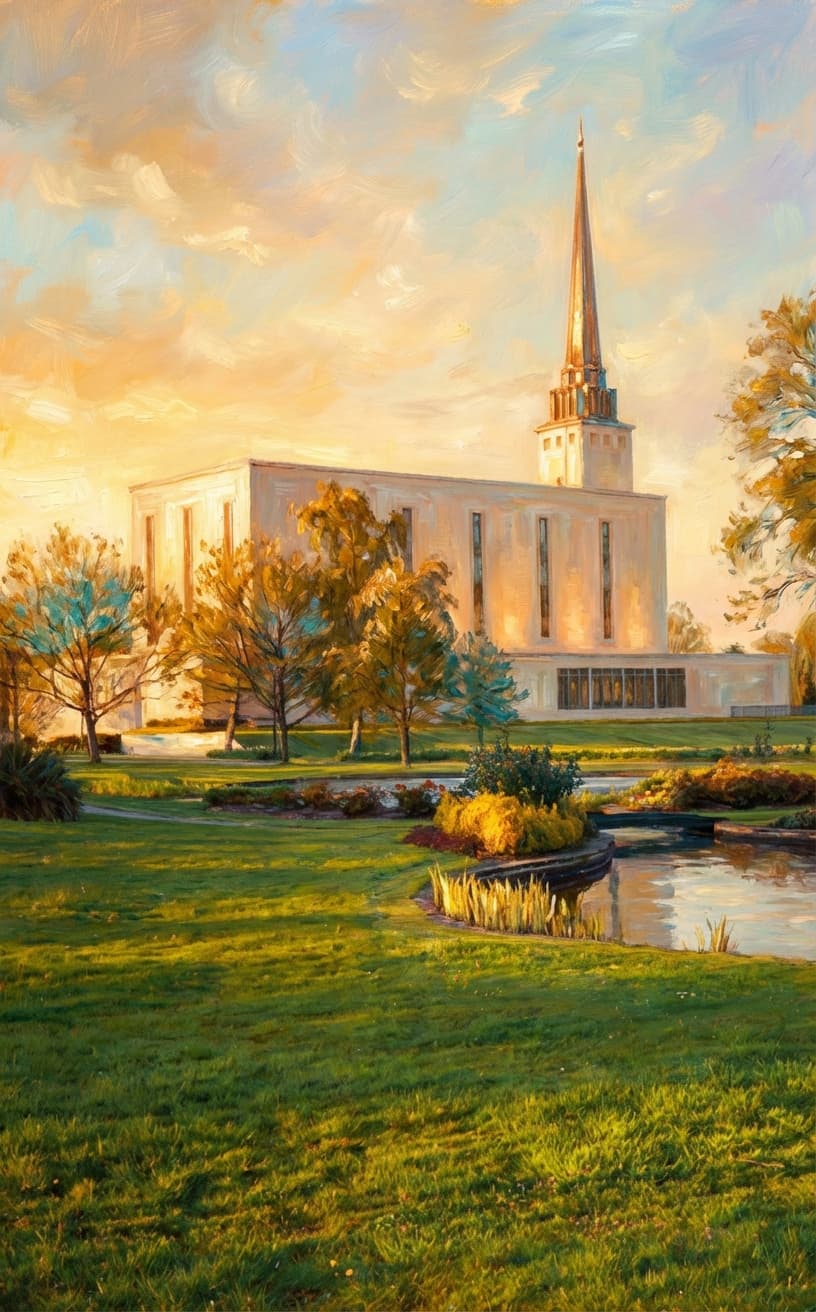
The London England Temple, located in a serene setting in Newchapel, Surrey, offers a peaceful and reverent atmosphere for visitors. While the temple itself is reserved for members of The Church of Jesus Christ of Latter-day Saints participating in sacred ordinances, the grounds are open to all during daylight hours. Visitors can enjoy the beautifully maintained gardens and reflect in the tranquil environment surrounding this sacred building.
Highlights
- Explore the beautifully landscaped grounds, featuring formal gardens and a tranquil pond.
- Admire the temple's architecture, a blend of modern and traditional Latter-day Saint design.
- Reflect on the spiritual significance of the temple as a house of the Lord.
Things to Know
- The temple is an active place of worship; please be respectful of the sacred environment.
- There is no visitors' center open to the public, but the grounds are accessible during daylight hours.
- Contact the temple for information on accessibility accommodations.
Location
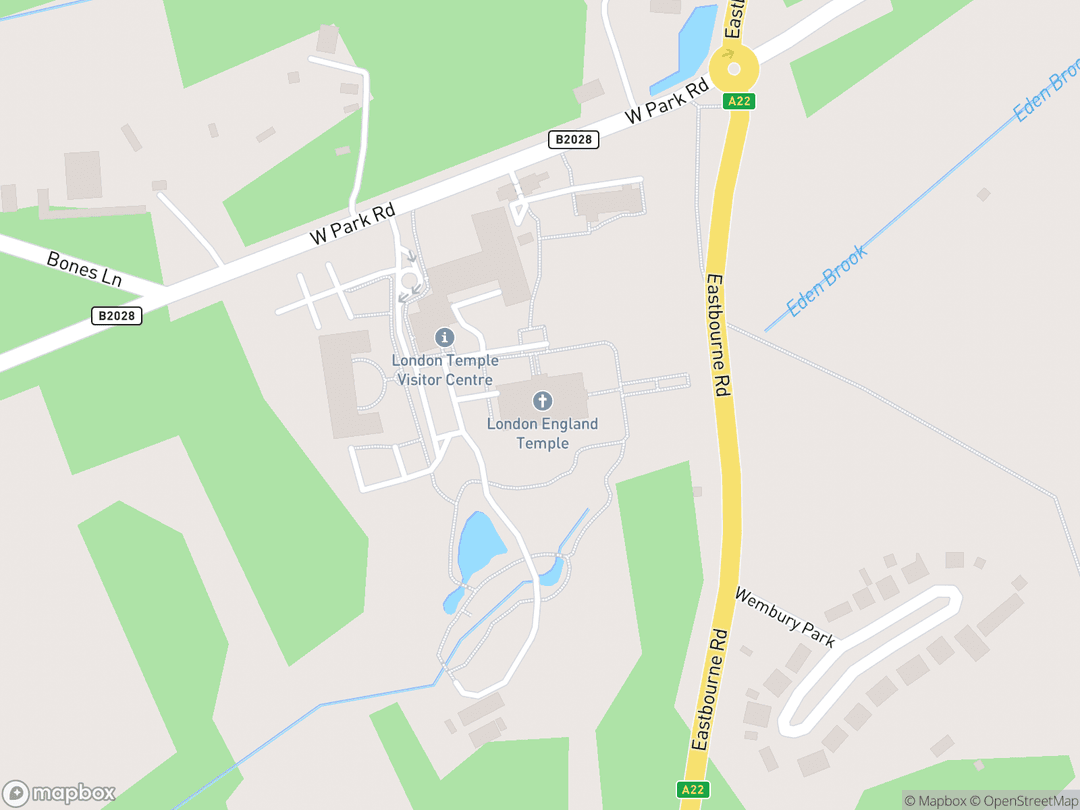
West Park Road, Newchapel, Surrey RH7 6HW, United Kingdom
Hours: Grounds are open to all during daylight hours. Contact the temple for more information.
Getting There: The temple is located in Newchapel, Surrey. Lingfield railway station is 2 miles northeast of the temple. There are no bus routes that take you there. An arrival center and patron housing are available.
Get DirectionsTips for Your Visit
Respect the Sacred Environment
Please maintain a reverent attitude while visiting the temple grounds.
Enjoy the Gardens
Take time to stroll through the formal gardens and appreciate the beauty of the surroundings.
Plan Your Visit
Check the temple website or call ahead for information on hours and accessibility.
About
The London England Temple, located in Newchapel, Surrey, stands as a beacon of faith for members of The Church of Jesus Christ of Latter-day Saints across the United Kingdom and parts of Europe. Announced in 1953 and dedicated in 1958, it was the first temple built in the UK and only the second in Europe, marking a significant milestone in the Church's expansion. The temple provides a sacred space for members to make covenants with God and participate in essential ordinances.
The temple's architecture blends modern design with traditional Latter-day Saint elements, creating a unique and inspiring structure. Situated on a sprawling 32-acre site, the temple grounds offer a tranquil environment for reflection and spiritual connection. The temple has undergone renovations and expansions over the years, including a rededication in 1992, ensuring it continues to meet the needs of a growing membership.
More than just a building, the London England Temple represents a place of spiritual refuge and a center for religious activity. It serves members in southern and central England, south Wales, the Channel Islands, northern parts of France, and the Limerick District in the Republic of Ireland. Its presence has strengthened the Church's presence in the region and provided a tangible symbol of faith.
Gallery
Symbolic Elements
The temple's exterior features intricate carvings, each rich with spiritual meaning:

Portland Stone Exterior
The exterior of the London England Temple is clad in white Portland stone, a material often used in significant British architecture. This stone symbolizes purity, durability, and the enduring nature of temple covenants. Its light color also reflects the temple's role as a beacon of hope and spiritual light.

Copper Spire
The temple's spire is sheathed in copper, a metal that has been used in sacred architecture for centuries. Copper is known for its ability to conduct energy and is often associated with transformation and spiritual growth. The spire's upward reach symbolizes the connection between earth and heaven.

Angel Moroni Statue
The gold-leafed statue of the angel Moroni atop the spire is a symbol of the restoration of the gospel of Jesus Christ. Moroni was an ancient prophet from the Book of Mormon, and his image represents the spreading of the gospel message to all the world, fulfilling biblical prophecies.

Celestial Room
The Celestial Room, found in all Latter-day Saint temples, represents heaven on earth. It is a space of peace, beauty, and reflection, where members can feel closer to God. The Celestial Room in the London England Temple is decorated in a French Second Empire style, evoking a sense of elegance and reverence.

Baptistry Font
The baptistry font is used for performing baptisms for the dead, a practice rooted in the belief that those who have died without the opportunity to be baptized can receive this essential ordinance through proxy. The font in the London Temple is supported by twelve bronze oxen, reminiscent of the Old Testament.

Gardens and Grounds
The temple is surrounded by formal gardens, Eden Brook, and a large pond, creating a tranquil and beautiful setting. These natural elements symbolize the Garden of Eden, a place of purity and innocence, and provide a space for contemplation and spiritual renewal.

Sealing Rooms
Sealing rooms are sacred spaces where marriages are performed for eternity. These rooms symbolize the eternal nature of families and the importance of making covenants with God. The London England Temple has eight sealing rooms, providing ample space for these sacred ceremonies.

Instruction Rooms
The instruction rooms are used to teach members about the plan of salvation and the covenants they make in the temple. These rooms are designed to create a reverent and peaceful atmosphere, conducive to learning and spiritual growth. The London England Temple has four instruction rooms.
Interesting Facts
The London England Temple was the second temple built in Europe.
The Magna Carta was signed in the same county as the temple.
The site is listed in the Domesday Book of William the Conqueror.
President David O. McKay chose the exact location on the site.
The open house drew over 76,000 visitors.
The temple serves members in multiple countries.
The brook running near the temple was originally called Eden.
The temple was originally constructed with a single ordinance room.
The temple's spire reaches a height of 156 feet (47.5 meters).
The site includes a three-story, 40-room Elizabethan-style mansion known as the Manor House.
Common Questions
What is the purpose of temples in The Church of Jesus Christ of Latter-day Saints?
Temples are considered houses of the Lord, sacred spaces distinct from meetinghouses where weekly worship services are held. Temples provide a place where members of the Church can make formal commitments and covenants with God and participate in sacred ordinances such as baptisms for the dead, endowments, and sealings.
Can anyone visit the London England Temple?
While the temple itself is reserved for members of The Church of Jesus Christ of Latter-day Saints who are actively participating in sacred ordinances, the temple grounds are open to the public during daylight hours. Visitors can enjoy the gardens and reflect in the peaceful environment.
What is the significance of the Angel Moroni statue on the temple spire?
The statue of the angel Moroni, a Book of Mormon prophet, symbolizes the restoration of the gospel of Jesus Christ. It is a common feature on many Latter-day Saint temples and represents the spreading of the gospel message to the world.
What are some of the architectural features of the London England Temple?
The temple has a modern-contemporary style with traditional Latter-day Saint temple design elements. The building is constructed of concrete and steel, with brick walls faced with white Portland stone. The spire is sheathed in copper, and the interior features chandeliers and cream-colored carpet.
What is the history of the site where the London England Temple is located?
The site, known as Newchapel Farm, is listed in the Domesday Book of William the Conqueror. It has a rich history and has been used for various purposes over the centuries before becoming the location of the London England Temple.
What are the operating hours for the London England Temple?
The temple grounds are open to all during daylight hours. For information about temple ordinance scheduling, please contact the temple directly.
Related Stories
Explore the rich history, traditions, and people connected to this sacred site.
Featured Stories
Dedication Amidst Post-War Optimism
September 1958
The dedication of the London England Temple in September 1958 was a momentous occasion, occurring just over a decade after the end of World War II. The dedication ceremonies, presided over by President David O. McKay, brought a sense of hope and renewal to Latter-day Saints in the United Kingdom and across Europe. The temple stood as a symbol of faith and resilience in a region still recovering from the ravages of war.
The dedication was not just a religious event; it was a cultural milestone. The temple's presence signaled a growing international presence for The Church of Jesus Christ of Latter-day Saints, and its dedication attracted attention from both members and non-members alike. The event fostered a sense of community and strengthened the bonds of faith among those who attended.
The dedication of the London England Temple was a testament to the dedication and sacrifice of early Latter-day Saints in the region. Their unwavering commitment to their faith paved the way for the construction of the temple, which would serve as a spiritual anchor for generations to come. The dedication ceremonies were filled with gratitude and a sense of divine purpose.
Source: Church News Archives
The Rededication: A Symbol of Renewal
October 1992
After undergoing extensive remodeling and refurbishment, the London England Temple was rededicated in October 1992 by President Gordon B. Hinckley. The rededication marked a new chapter in the temple's history, ensuring that it would continue to meet the needs of a growing membership. The renovations included an additional 8,500 square feet and a fourth floor, enhancing the temple's capacity and functionality.
The rededication ceremonies were a time of spiritual renewal and recommitment. Members from across the region gathered to celebrate the temple's reopening and to rededicate themselves to the covenants they had made within its walls. The event fostered a sense of unity and purpose, strengthening the bonds of faith among those who participated.
The rededication of the London England Temple was a powerful reminder of the enduring nature of temple covenants. It symbolized the ongoing commitment of The Church of Jesus Christ of Latter-day Saints to provide sacred spaces for members to connect with God and to participate in essential ordinances. The rededicated temple stood as a beacon of hope and inspiration for generations to come.
Source: Church News Archives
An Ancient Oak and a Chosen Site
1952
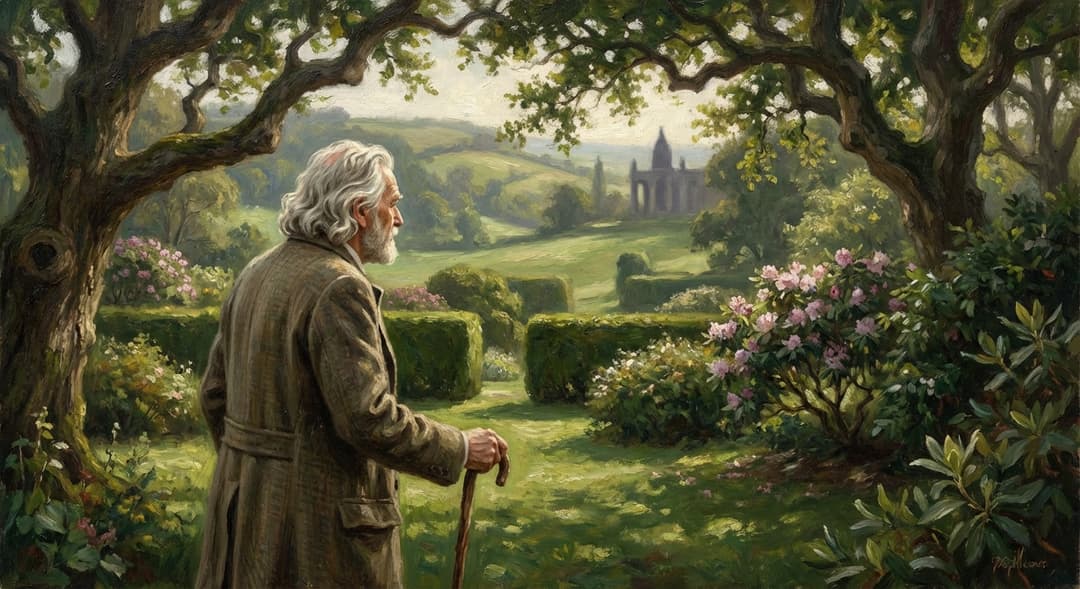
When President David O. McKay visited the Newchapel Farm site in 1952, he was immediately impressed by its beauty and tranquility. As he walked the grounds, he came across an ancient oak tree, estimated to be at least 450 years old. The tree stood as a silent witness to centuries of history, its branches reaching towards the heavens like outstretched arms.
President McKay was deeply moved by the presence of the ancient oak. He felt a sense of connection to the past and a sense of divine purpose. He declared that this was the place where the London England Temple should be built, instructing that the oak tree be preserved and protected. The tree became a symbol of the temple's enduring strength and its connection to the land.
The choice of the Newchapel Farm site, with its ancient oak tree, was a testament to the importance of history and tradition in The Church of Jesus Christ of Latter-day Saints. The temple was not just a new building; it was a continuation of a long line of faith and sacrifice. The ancient oak stood as a reminder of the enduring nature of temple covenants and the importance of connecting with the past.
Source: Ensign Peak Foundation Archives
Timeline
Temple Announced
The construction of the London England Temple was announced.
MilestoneGroundbreaking Ceremony
The groundbreaking ceremony was presided over by David O. McKay.
component.timeline.groundbreakingTemple Dedication
The London England Temple was dedicated by David O. McKay, becoming the first temple in the UK.
DedicationTemple Closed for Remodeling
The temple closed for extensive remodeling and refurbishment to better serve the needs of the members.
RenovationTemple Rededication
The newly renovated London England Temple was rededicated by Gordon B. Hinckley.
DedicationAngel Moroni Statue Added
A statue of the angel Moroni was placed atop the temple spire as part of a Jubilee Celebration.
EventSite Selection
David O. McKay and Stayner Richards selected the site for the London England Temple.
MilestoneFirst Temple in the UK
The London England Temple became the first temple built in the United Kingdom.
MilestoneMagna Carta Signed in Surrey
The Magna Carta was signed in the same county of Surrey where the London England Temple is located.
EventTemporary Closure Due to Pandemic
The London England Temple was temporarily closed in response to the coronavirus pandemic.
EventOpen House Extended
The overwhelming response to the London England Temple open house prompted leaders to extend it, with 76,324 visitors in total.
EventMovie Shown to Visitors
Visitors to the temple were shown a movie about the spread of Mormonism and were escorted through the temple by 40 young American missionaries.
EventExpansion and Fourth Floor Added
An additional 8,500 square feet (790 m2) were added, as well as a fourth floor, during the remodeling.
RenovationServes Wide Geographic Area
The London England Temple serves members in southern and central England, south Wales, the Channel Islands, northern parts of France, and the Limerick District in the Republic of Ireland.
MilestoneAnnouncement Significance
The announcement of the London England Temple marked a pivotal moment for Latter-day Saints in the UK, signaling growth and spiritual focus.
MilestoneHistory by Decade
Pre-1950s — Newchapel Farm
The site where the London England Temple now stands was originally known as Newchapel Farm. The farm is listed in the Domesday Book of William the Conqueror, a comprehensive record of land ownership in England compiled in 1086. For centuries, the land was used for agricultural purposes, providing sustenance and livelihood for the local community. The area was primarily rural, characterized by rolling hills, woodlands, and small villages.
1950s — Announcement and Construction
The 1950s marked a significant turning point in the history of Newchapel Farm. In 1952, David O. McKay, then President of The Church of Jesus Christ of Latter-day Saints, visited the site and selected it as the location for the London England Temple. The announcement of the temple construction in 1953 brought excitement and anticipation to Latter-day Saints in the United Kingdom and across Europe. The groundbreaking ceremony took place in 1955, marking the beginning of a new era for the site.
1960s–1980s — Temple Operations
Following its dedication in 1958, the London England Temple became a center of religious activity for Latter-day Saints in the region. The temple provided a sacred space for members to participate in essential ordinances such as baptisms for the dead, endowments, and sealings. The temple also served as a gathering place for members to connect with one another and strengthen their faith. The temple grounds were meticulously maintained, providing a tranquil and beautiful environment for visitors.
1990s — Remodeling and Rededication
In the early 1990s, the London England Temple closed for extensive remodeling and refurbishment. The renovations included an additional 8,500 square feet and a fourth floor, enhancing the temple's capacity and functionality. The rededication of the newly renovated temple took place in 1992, presided over by President Gordon B. Hinckley. The rededication marked a new chapter in the temple's history, ensuring that it would continue to meet the needs of a growing membership.
2000s — Jubilee Celebration
In 2008, the London England Temple celebrated its Jubilee, marking 50 years since its dedication. As part of the celebration, a statue of the angel Moroni was placed atop the temple spire. The Jubilee was a time of reflection and gratitude for the blessings the temple had brought to the lives of Latter-day Saints in the region. The event also served as a reminder of the temple's enduring importance as a symbol of faith and hope.
2010s–Present — Continued Service
The London England Temple continues to serve Latter-day Saints in southern and central England, south Wales, the Channel Islands, northern parts of France, and the Limerick District in the Republic of Ireland. The temple provides a sacred space for members to connect with God and to participate in essential ordinances. The temple grounds remain open to the public, offering a tranquil and beautiful environment for visitors to reflect and connect with the divine. The London England Temple stands as a testament to the enduring power of faith and the importance of sacred spaces in the lives of Latter-day Saints.
Architecture & Facilities
The London England Temple features a modern-contemporary architectural style, incorporating traditional Latter-day Saint temple design elements. The design emphasizes clean lines, geometric shapes, and a sense of openness and light. The temple's exterior is clad in white Portland stone, a material often used in significant British architecture, giving the building a sense of elegance and grandeur.
Building Materials
White Portland Stone
The exterior walls are faced with white Portland stone, a durable and aesthetically pleasing material that is commonly used in British architecture. The stone's light color reflects sunlight and creates a sense of purity and reverence.
Concrete and Steel
The temple's structural framework is constructed of concrete and steel, providing a strong and stable foundation. These materials are essential for ensuring the building's longevity and resistance to the elements.
Copper Sheathing
The temple's spire is sheathed in copper, a metal that is known for its durability and resistance to corrosion. The copper gives the spire a distinctive appearance and symbolizes the temple's connection to heaven.
Glass Windows
Large glass windows allow natural light to flood the interior spaces, creating a sense of openness and connection to the surrounding landscape. The windows are strategically placed to maximize natural light while minimizing glare.
Interior Features
Celestial Room
The Celestial Room is the most sacred space in the temple, representing heaven on earth. It is a place of peace, beauty, and reflection, where members can feel closer to God. The Celestial Room in the London England Temple is decorated in a French Second Empire style, evoking a sense of elegance and reverence.
Sealing Rooms
Sealing rooms are sacred spaces where marriages are performed for eternity. These rooms are designed to create a reverent and intimate atmosphere, conducive to making eternal covenants. The London England Temple has eight sealing rooms, providing ample space for these sacred ceremonies.
Baptistry
The baptistry is used for performing baptisms for the dead, a practice rooted in the belief that those who have died without the opportunity to be baptized can receive this essential ordinance through proxy. The baptistry font in the London Temple is supported by twelve bronze oxen, reminiscent of the Old Testament.
Instruction Rooms
The instruction rooms are used to teach members about the plan of salvation and the covenants they make in the temple. These rooms are designed to create a reverent and peaceful atmosphere, conducive to learning and spiritual growth. The London England Temple has four instruction rooms.
Temple Grounds
The London England Temple is situated on a sprawling 32-acre site, featuring formal gardens, Eden Brook, and a large pond. The grounds are meticulously maintained, providing a tranquil and beautiful environment for visitors. The gardens are filled with a variety of flowers, trees, and shrubs, creating a sense of peace and serenity. The pond provides a reflective surface, mirroring the temple's beauty and grandeur.
Additional Facilities
The site includes a three-story, 40-room Elizabethan-style mansion known as the Manor House, which has served various purposes for the Church. An arrival center and patron housing are also available on site, providing convenient accommodations for those traveling to the temple. A distribution center is located on site.
Religious Significance
Temples of The Church of Jesus Christ of Latter-day Saints are considered houses of the Lord and are sacred spaces distinct from meetinghouses or chapels, where weekly worship services are held. Temples provide a place where members of the Church can make formal commitments and covenants with God and participate in sacred ordinances.
The primary purpose of temples is to provide a place where members of the Church can receive essential ordinances that are necessary for their eternal salvation. These ordinances include baptisms for the dead, endowments, and sealings.
Sacred Ordinances
Baptism for the Dead
Baptism for the dead is a vicarious ordinance performed in temples on behalf of those who have died without the opportunity to be baptized. This practice is rooted in the belief that all individuals should have the opportunity to receive the blessings of baptism, regardless of when or where they lived.
Endowment
The endowment is a sacred ordinance in which members of the Church receive instruction and make covenants with God. The endowment provides a deeper understanding of the plan of salvation and prepares members to live righteous lives.
Sealing
Sealing is a sacred ordinance in which marriages are performed for eternity. This ordinance unites families together forever, ensuring that relationships will continue beyond the veil of death.
Eternal Families
The concept of eternal families is central to the teachings of The Church of Jesus Christ of Latter-day Saints. Temples provide the sacred space where families can be sealed together for eternity, ensuring that relationships will continue beyond this life. This belief brings comfort and hope to members of the Church, knowing that their families can be together forever.
Covenants and Blessings
The covenants made in temples are sacred agreements between individuals and God. These covenants are a source of strength and guidance, helping members to live righteous lives and to receive the blessings of eternal life. The temple is a place where members can renew their covenants and recommit themselves to following Jesus Christ.
Similar Temples
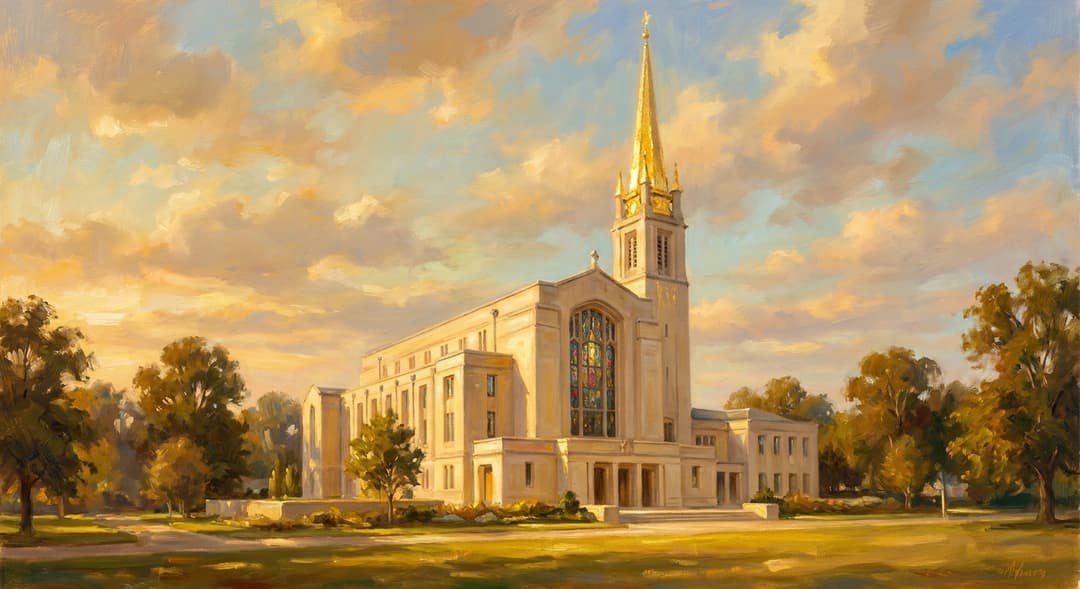
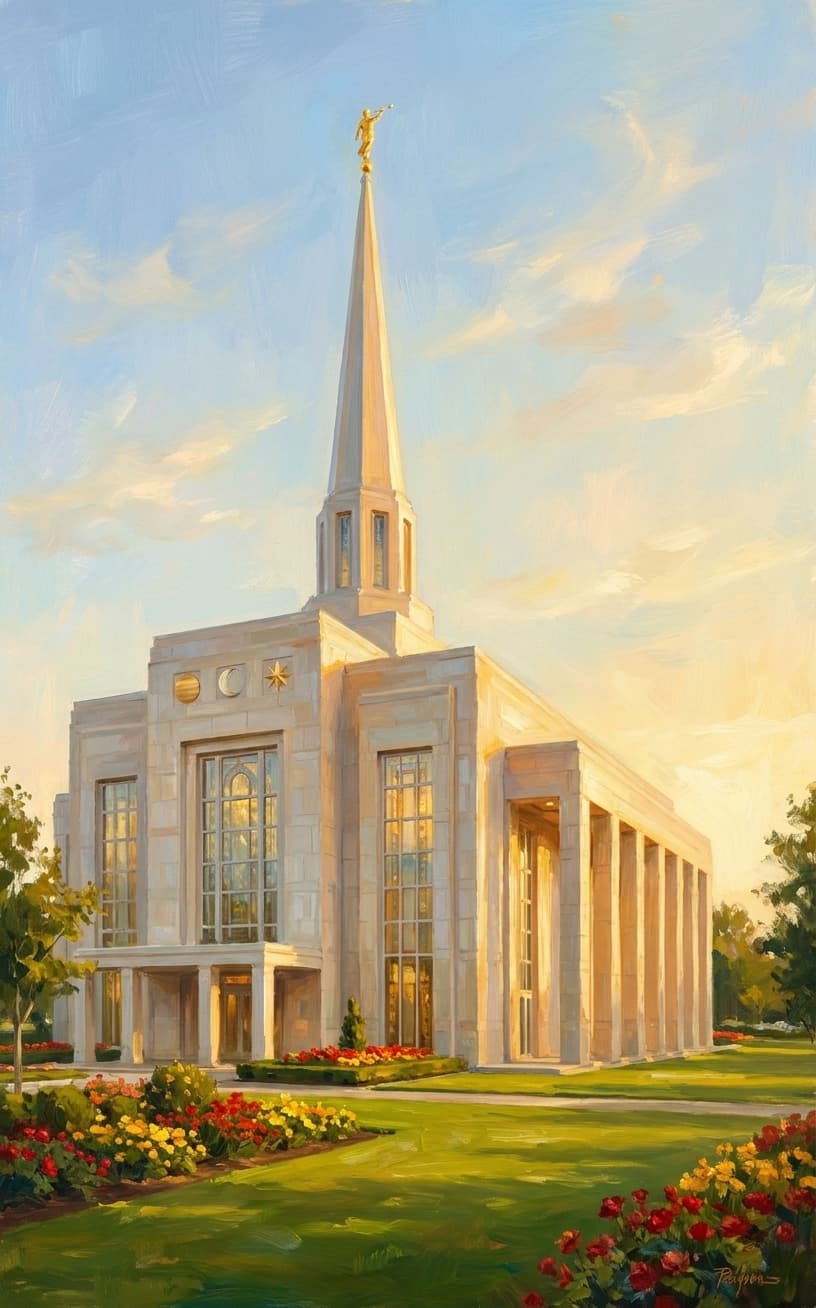
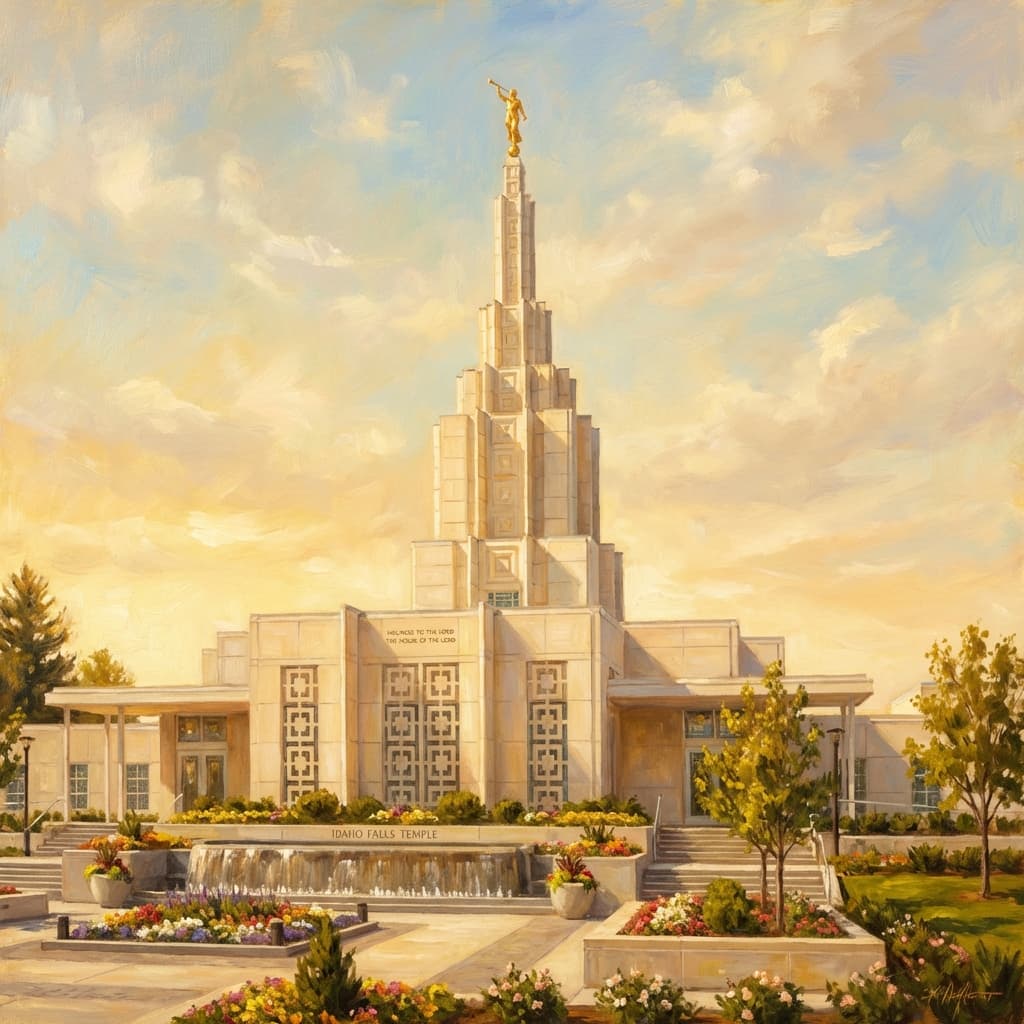
Sources & Research
Every fact on Temples.org is backed by verified Sources & Research. Each piece of information is rated by source tier and confidence level.
View All Sources (7)
| Field | Source | Tier | Retrieved |
|---|---|---|---|
| About & Historical Background | The Church of Jesus Christ of Latter-day Saints (opens in a new tab) | C | 2024-01-02 |
| About & Historical Background | The Church of Jesus Christ of Latter-day Saints Newsroom (opens in a new tab) | A | 2024-01-02 |
| Historical Timeline | The Church of Jesus Christ of Latter-day Saints (opens in a new tab) | A | 2024-01-02 |
| Architectural Description | MormonWiki (opens in a new tab) | C | 2024-01-02 |
| Dedication & Rededication | Church News (opens in a new tab) | B | 2024-01-02 |
| Historical Context | Ensign Peak Foundation (opens in a new tab) | B | 2024-01-02 |
| Temple History | Photogent.com (opens in a new tab) | C | 2024-01-02 |