Visitor Insights
Visiting Hamilton New Zealand Temple
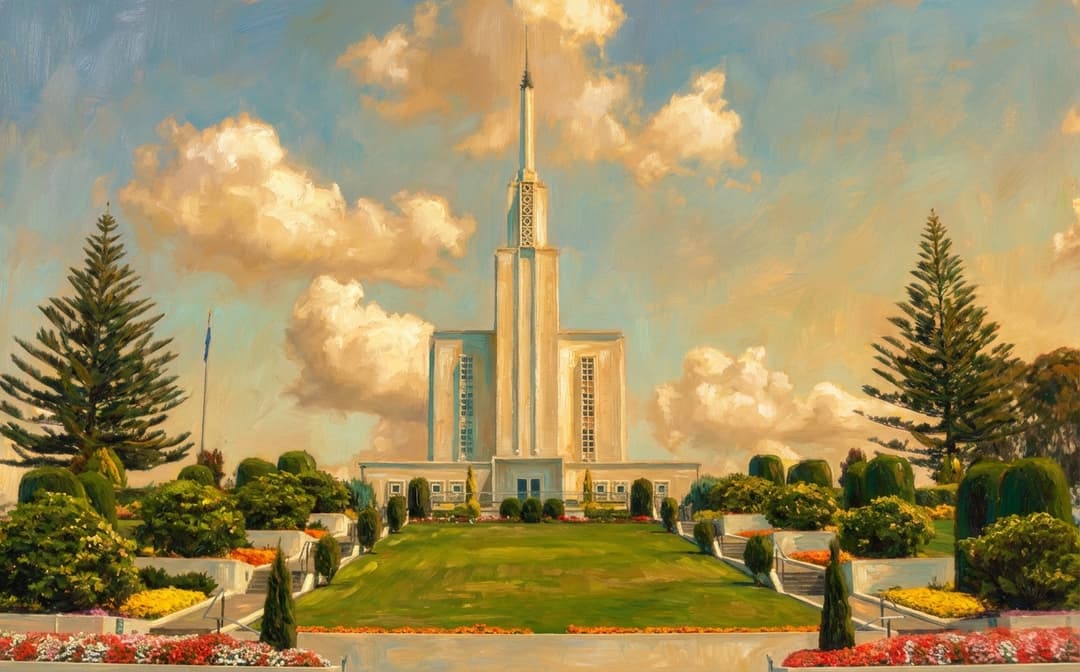
Visitors to the Hamilton New Zealand Temple can enjoy the serene and peaceful atmosphere of the temple grounds. The manicured gardens and displays offer a place for reflection and contemplation. Although there is no dedicated visitor's center on site, the temple grounds provide a welcoming environment for those interested in learning more about the temple and its significance. The temple stands on a hill providing a view of the Church College.
Highlights
- Explore the beautifully maintained gardens surrounding the temple.
- Admire the temple's architecture, which incorporates modernist geometry and Māori-inspired patterns.
- Reflect on the spiritual significance of the temple as a house of the Lord.
Things to Know
- The temple is an active place of worship; please be respectful of those who are attending services.
- Photography inside the temple is not permitted.
- Dress modestly when visiting the temple grounds.
Location
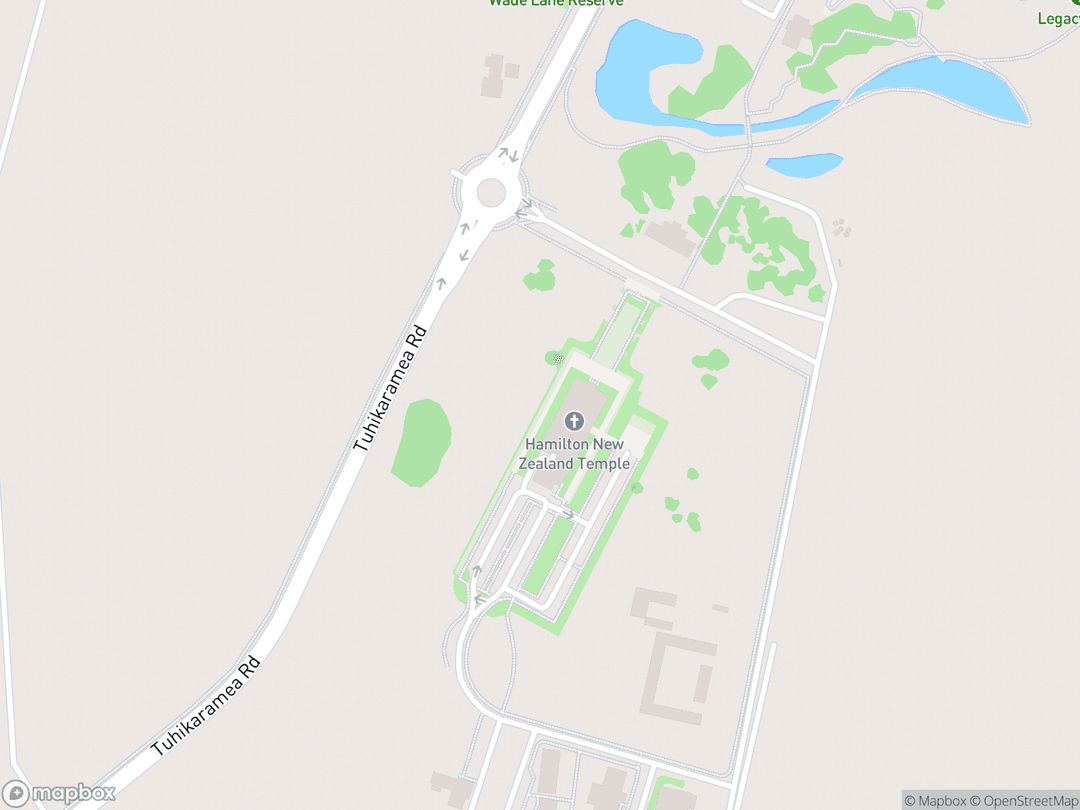
509 Tuhikaramea Road, Temple View, Hamilton, New Zealand
Hours: The temple grounds are open to the public during daylight hours.
Getting There: The Hamilton New Zealand Temple is located at 509 Tuhikaramea Road, Temple View, Hamilton. Parking is available on site.
Get DirectionsTips for Your Visit
Plan Your Visit
Check the temple's website for information on hours of operation and any special events that may be taking place.
Dress Appropriately
When visiting the temple grounds, please dress modestly and respectfully.
About
According to The Church of Jesus Christ of Latter-day Saints, the Hamilton New Zealand Temple, dedicated in 1958, was the first temple built in the Southern Hemisphere, marking a significant milestone in the Church's global expansion. Standing as a beacon of faith and a sacred space for members, the temple serves Latter-day Saints throughout New Zealand and the surrounding islands, providing a place for sacred ordinances and spiritual growth.
The temple's construction was a remarkable feat of faith and cooperation. Labor missionaries, many of whom were young members of the Church, volunteered their time and skills to build the temple and the adjacent Church College of New Zealand. These dedicated individuals manufactured the concrete blocks used in the temple's construction on-site, demonstrating their commitment to building a house of the Lord.
The Hamilton New Zealand Temple has undergone several renovations throughout its history to ensure its structural integrity and maintain its beauty. A recent renovation, completed in 2022, included seismic strengthening and upgrades to various systems. The temple was rededicated by Elder Dieter F. Uchtdorf, reaffirming its sacred purpose and its importance to Latter-day Saints in the region. The temple's design incorporates modernist geometry and kōwhaiwhai patterns, drawing inspiration from Māori and Polynesian cultures.
Gallery
Symbolic Elements
The temple's exterior features intricate carvings, each rich with spiritual meaning:

Single Spire
The single spire of the Hamilton New Zealand Temple represents the connection between heaven and earth, symbolizing the temple's role as a sacred space where members can draw closer to God. Its upward orientation signifies the aspiration to ascend spiritually and connect with divine principles. The spire is a prominent feature, visible from a distance, serving as a beacon of faith and hope.

Kowhaiwhai Patterns
The kōwhaiwhai patterns incorporated into the temple's design are inspired by Māori art and culture. These patterns often depict genealogical connections and stories, reflecting the importance of family and heritage in Māori tradition. Their inclusion in the temple symbolizes the integration of local culture and the eternal nature of family relationships.

Painted Concrete Masonry
The temple's exterior is constructed with painted concrete masonry, a durable and versatile material. The use of concrete blocks, manufactured on-site by labor missionaries, represents the collective effort and dedication of the community in building the temple. The painted surface provides a clean and modern aesthetic, enhancing the temple's visual appeal.

Acid-Etched Glazing
The acid-etched glazing on the temple's windows creates a soft, diffused light within the interior spaces. This technique enhances privacy while allowing natural light to filter through, creating a serene and reverent atmosphere. The etched designs may also incorporate symbolic motifs, adding to the temple's overall artistic and spiritual significance.

Butter Silk Limestone
The "Butter Silk" limestone used for the flooring is a light yellowish cream stone sourced from Palestine. Its smooth texture and warm color contribute to the temple's elegant and inviting interior. The use of high-quality materials reflects the sacred nature of the building and the care taken in its construction.

Silver Fern Design
The door hardware features a stylized silver fern design, a national symbol of New Zealand. The silver fern represents resilience, growth, and new beginnings. Its inclusion in the temple's design symbolizes the temple's connection to the land and its people, as well as the potential for spiritual growth and renewal.

Restored Murals
The restored historic murals in the baptistry and celestial room, painted by Paul Forster and Dale Jolley, depict Māori-inspired patterns and landscapes. These murals add a unique artistic dimension to the temple, reflecting the cultural heritage of the region. Their restoration ensures that these valuable artworks continue to inspire and uplift temple visitors.

Manicured Gardens
The meticulously maintained gardens surrounding the Hamilton New Zealand Temple provide a peaceful and contemplative environment. The gardens feature a variety of plants and flowers, creating a visually appealing and spiritually uplifting space. The care and attention given to the gardens reflect the reverence for the temple and its sacred purpose.
Interesting Facts
The Hamilton New Zealand Temple was the first temple built in the Southern Hemisphere.
It was the second temple built in Polynesia, following the Laie Hawaii Temple.
The temple was originally named the New Zealand Temple.
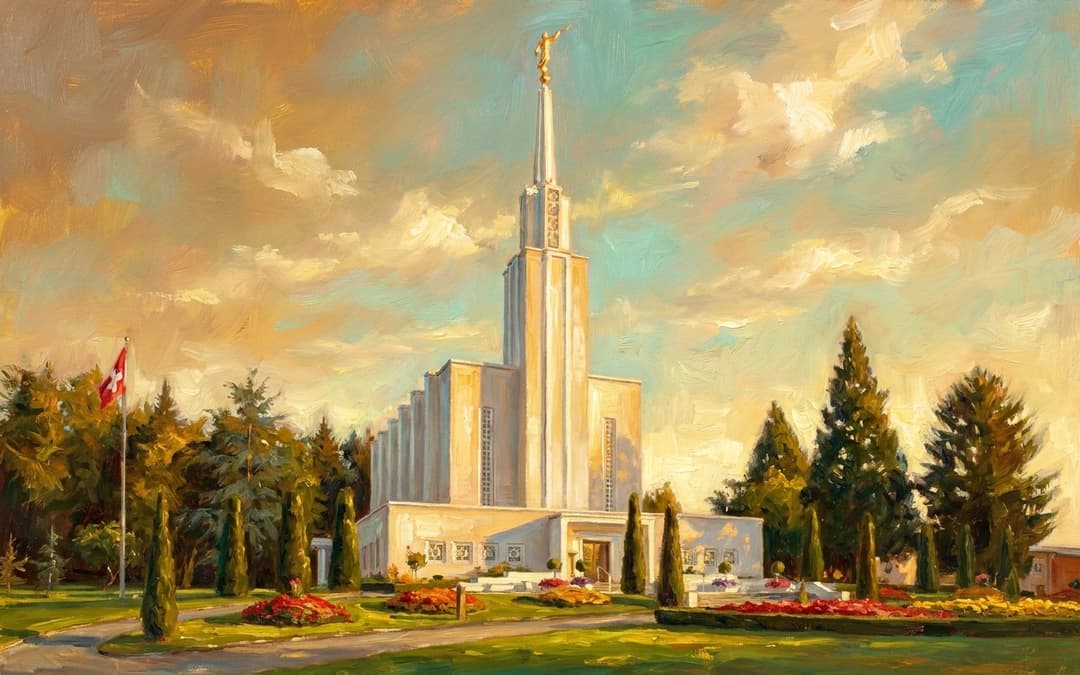
It is considered a sister building to the Bern Switzerland Temple.
The temple and the adjoining Church College of New Zealand were built entirely by volunteer missionary labor.
The blocks used to build the temple were manufactured on-site by the labor missionaries.
Prior to its dedication in 1958, approximately 112,500 people toured the temple during its public open house.
The first stake in New Zealand was created the month after the temple's dedication, in Auckland.
Local Māori legends say that King Tāwhiao accurately predicted the site of the temple before his death in 1894.
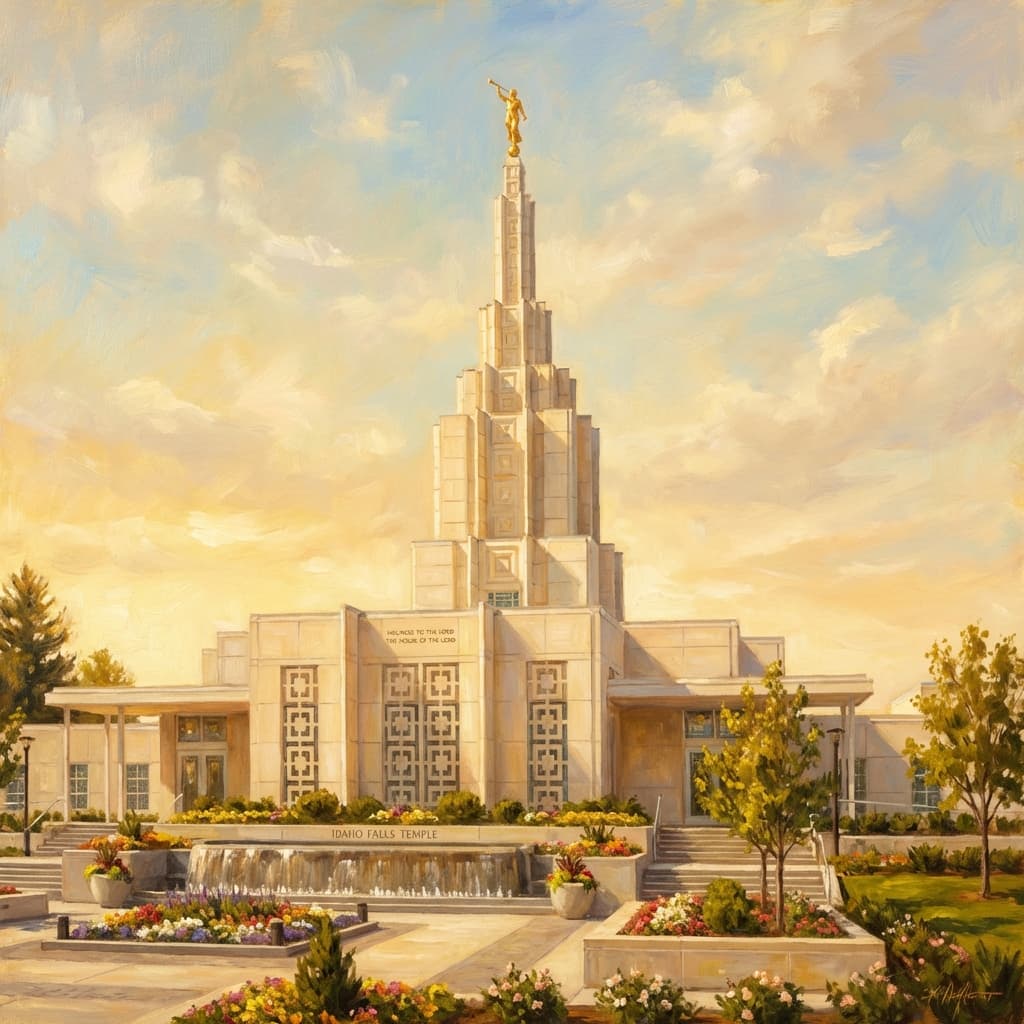
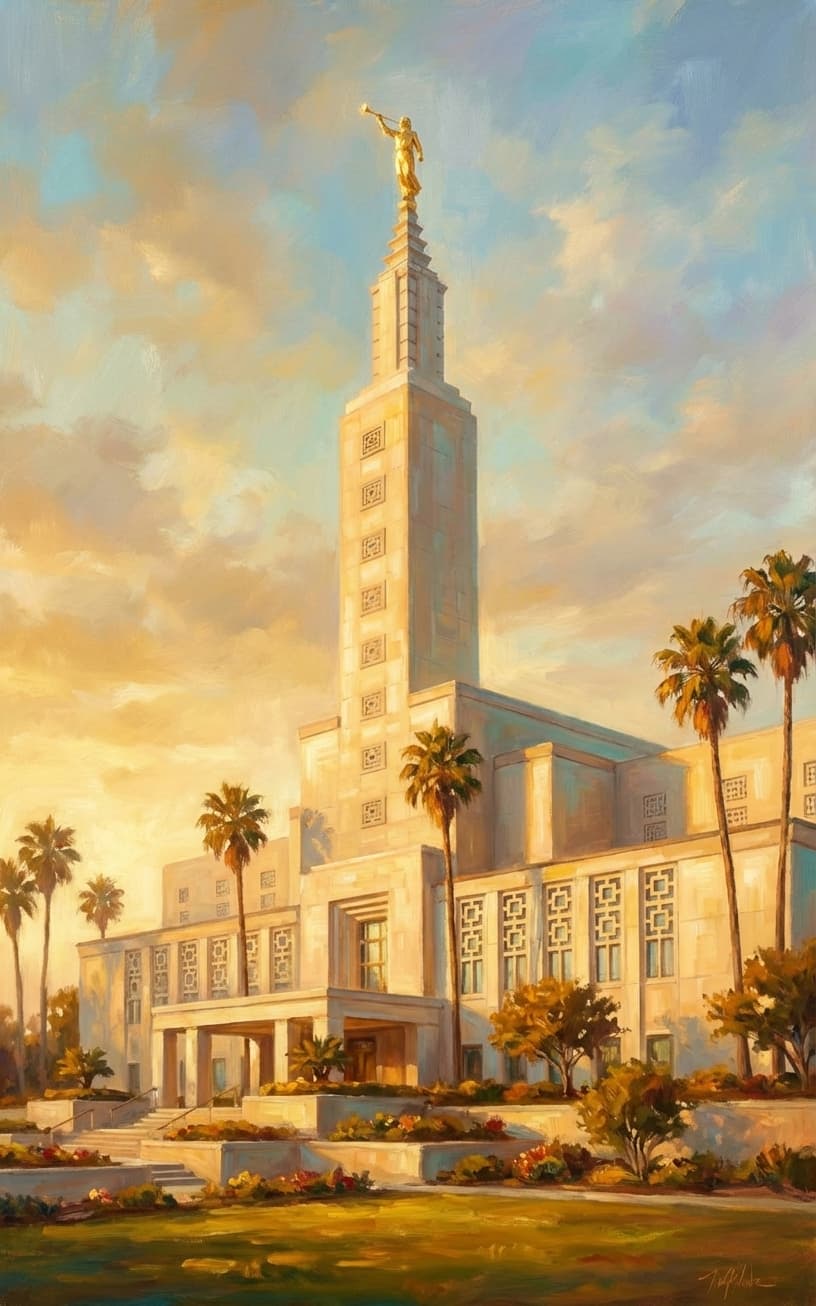
The Hamilton New Zealand Temple features murals in its Celestial Room, a feature shared by only two other temples: the Idaho Falls Idaho Temple and the Los Angeles California Temple.
The baptistry font and oxen were made using the same molds as the Bern Switzerland Temple.
The temple was dedicated about five months before the London England Temple, marking the first time two temples were dedicated in the same year.
Common Questions
What is the purpose of temples for members of The Church of Jesus Christ of Latter-day Saints?
Temples are considered houses of the Lord, distinct from meetinghouses used for regular Sunday worship. They are dedicated to performing sacred ordinances, or ceremonies, that have eternal significance, such as baptisms for the dead, endowments, and sealings.
What is the significance of the Hamilton New Zealand Temple?
The Hamilton New Zealand Temple was the first temple built in the Southern Hemisphere, marking a significant milestone in the Church's global expansion. It serves Latter-day Saints throughout New Zealand and the surrounding islands, providing a place for sacred ordinances and spiritual growth.
How was the Hamilton New Zealand Temple built?
The temple's construction was a remarkable feat of faith and cooperation. Labor missionaries, many of whom were young members of the Church, volunteered their time and skills to build the temple and the adjacent Church College of New Zealand. These dedicated individuals manufactured the concrete blocks used in the temple's construction on-site.
What are some of the architectural features of the Hamilton New Zealand Temple?
The Hamilton New Zealand Temple exhibits a modern, single-spire design, similar to the Bern Switzerland Temple. The temple's design incorporates modernist geometry and kōwhaiwhai patterns, drawing inspiration from Māori and Polynesian cultures. The building is three stories tall and constructed with painted concrete and acid-etched glazing.
When was the Hamilton New Zealand Temple originally dedicated and rededicated?
The Hamilton New Zealand Temple was originally dedicated on April 20–22, 1958, by David O. McKay. It was rededicated on October 16, 2022, by Dieter F. Uchtdorf, following extensive renovations.
Related Stories
Explore the rich history, traditions, and people connected to this sacred site.

Featured Stories
The Announcement of the Temple
February 17, 1955
On February 17, 1955, David O. McKay, then President of The Church of Jesus Christ of Latter-day Saints, announced the construction of a temple in New Zealand. This announcement was met with great joy and excitement by Latter-day Saints in the region, who had long desired a temple closer to home. The news spread rapidly throughout New Zealand and the surrounding islands, uniting members in a shared sense of purpose and anticipation.
The decision to build the temple in Hamilton was influenced by the presence of the Church College of New Zealand, which was already under construction. This allowed for the integration of the temple and the college, creating a center of learning and spiritual growth. The announcement marked a significant turning point for the Church in New Zealand, solidifying its presence and commitment to the region.
The announcement of the temple was not just a logistical decision; it was a fulfillment of prophecy and a testament to the faith of the Latter-day Saints in New Zealand. It symbolized a new era of spiritual blessings and opportunities for members to participate in sacred ordinances and strengthen their connection with God. The temple would become a beacon of hope and a source of inspiration for generations to come.
Source: The Church of Jesus Christ of Latter-day Saints Newsroom
Labor Missionaries Build the Temple
1955–1958
The construction of the Hamilton New Zealand Temple was a remarkable undertaking, relying heavily on the dedication and sacrifice of labor missionaries. These young men and women, many of whom were recent graduates of the Church College of New Zealand, volunteered their time and skills to build the temple and the adjacent college. They came from various backgrounds and possessed a wide range of talents, but they were united in their commitment to building a house of the Lord.
The labor missionaries not only provided the physical labor for the construction but also manufactured the concrete blocks used in the temple's walls. This involved long hours of hard work, often under challenging conditions. However, they approached their tasks with a spirit of joy and determination, knowing that they were contributing to something of eternal significance. Their efforts transformed the landscape and created a sacred space for generations to come.
The experience of serving as a labor missionary was transformative for many individuals. They developed valuable skills, forged lifelong friendships, and deepened their testimonies of the gospel. The Hamilton New Zealand Temple stands as a testament to their faith, sacrifice, and unwavering commitment to building the kingdom of God on earth. Their legacy continues to inspire Latter-day Saints in New Zealand and around the world.
Source: The Church of Jesus Christ of Latter-day Saints History Department
The 2022 Rededication
October 16, 2022
After undergoing extensive renovations, including seismic strengthening and upgrades to various systems, the Hamilton New Zealand Temple was rededicated on October 16, 2022, by Elder Dieter F. Uchtdorf of the Quorum of the Twelve Apostles. The rededication marked the culmination of years of planning and hard work, as well as a renewed commitment to the temple's sacred purpose.
The rededication ceremony was a deeply spiritual event, attended by Church leaders, members, and guests from throughout New Zealand and the Pacific region. Elder Uchtdorf spoke of the temple's significance as a place of peace, revelation, and eternal covenants. He encouraged members to make the temple a central part of their lives and to strive to live worthy of the blessings it offers.
The rededication of the Hamilton New Zealand Temple symbolized a new beginning for the Church in New Zealand. It reaffirmed the temple's role as a beacon of faith and a source of spiritual strength for Latter-day Saints in the region. The renovated temple stands as a testament to the enduring legacy of the pioneers who built it and the ongoing commitment of the Church to serving its members and communities.
Source: The Church of Jesus Christ of Latter-day Saints Newsroom
Timeline
Māori Matakite Prophecies
Māori matakite (seers) prophesied the coming of religious messengers distinct from existing Christian missionaries.
MilestoneMāori Identify Latter-day Saint Missionaries
Many Māori identified Latter-day Saint missionaries as the foretold messengers.
MilestoneChurch Membership Growth
Church membership in New Zealand grew by 500%, reaching approximately 5,000.
MilestoneTemple Announcement
David O. McKay announced the construction of the New Zealand Temple (later named the Hamilton New Zealand Temple).
component.timeline.announcementGroundbreaking Ceremony
Groundbreaking ceremonies took place, presided over by Ariel S. Ballif.
component.timeline.groundbreakingTemple Dedication
The Hamilton New Zealand Temple was dedicated by David O. McKay, becoming the first temple in the Southern Hemisphere.
DedicationChurch College of New Zealand Dedication
The Church College of New Zealand was dedicated six days after the temple dedication.
DedicationTemple Renovation
The temple closed for two months for renovations.
RenovationExtensive Temple Renovation
The temple closed for nine months for more extensive renovations, including air conditioning installation and asbestos removal.
RenovationExtensive Temple Renovation
The temple closed for extensive renovations, including seismic strengthening and upgrades to various systems.
RenovationPublic Open House
A public open house was held, allowing the community to tour the newly renovated temple.
EventTemple Rededication
The Hamilton New Zealand Temple was rededicated by Dieter F. Uchtdorf.
DedicationHistory by Decade
1830s
In the 1830s, Māori matakite (seers) prophesied the coming of religious messengers distinct from existing Christian missionaries. These prophecies spoke of a new spiritual awakening and the arrival of messengers who would bring a message of hope and restoration. These prophecies laid the groundwork for the eventual acceptance of Latter-day Saint missionaries by many Māori people.
1880s–1900s
During the late 19th century, many Māori identified Latter-day Saint missionaries as the messengers foretold in their ancient prophecies. The missionaries' message of the Book of Mormon and the restoration of the gospel resonated deeply with many Māori, who saw it as a fulfillment of their spiritual traditions. From 1885 to 1905, Church membership in New Zealand grew by 500%, reaching approximately 5,000, demonstrating the significant impact of the missionaries' work among the Māori people.
1950s
The 1950s marked a pivotal era for The Church of Jesus Christ of Latter-day Saints in New Zealand. On February 17, 1955, David O. McKay announced the construction of the New Zealand Temple (later named the Hamilton New Zealand Temple). This announcement was a watershed moment for Latter-day Saints in the Southern Hemisphere, who had long desired a temple closer to home. The Church College of New Zealand was also under construction during this time, creating a center of learning and spiritual growth. On December 21, 1955, groundbreaking ceremonies took place, marking the official start of the temple's construction.
1958
In April 1958, the Hamilton New Zealand Temple was dedicated by David O. McKay, becoming the first temple in the Southern Hemisphere. This dedication was a momentous occasion, attended by Latter-day Saints from throughout New Zealand and the Pacific region. The temple became a beacon of faith and a sacred space for members to participate in eternal ordinances. Six days later, the Church College of New Zealand was also dedicated, solidifying the Church's presence and commitment to education in the region.
1990s
The 1990s brought significant renovations to the Hamilton New Zealand Temple. In 1993, the temple closed for two months for initial renovations. Then, in 1994, the temple closed for nine months for more extensive renovations, including the installation of air conditioning and the removal of asbestos. These renovations ensured the temple's structural integrity and provided a more comfortable and safe environment for patrons.
2018–2022
In July 2018, the Hamilton New Zealand Temple closed for extensive renovations, including seismic strengthening and upgrades to various systems. These renovations were undertaken to ensure the temple's long-term preservation and its ability to withstand earthquakes. A public open house was held from August 26 to September 17, 2022, allowing the community to tour the newly renovated temple. On October 16, 2022, the temple was rededicated by Dieter F. Uchtdorf, reaffirming its sacred purpose and its importance to Latter-day Saints in the region.
Architecture & Facilities
The Hamilton New Zealand Temple exhibits a modern, single-spire design, similar to the Bern Switzerland Temple. The temple's design incorporates modernist geometry and kōwhaiwhai patterns, drawing inspiration from Māori and Polynesian cultures. The building is three stories tall and constructed with painted concrete and acid-etched glazing, reflecting a blend of contemporary and traditional elements.
Building Materials
Exterior
The temple's exterior is constructed with painted concrete masonry, providing a durable and visually appealing surface. The concrete blocks were manufactured on-site by labor missionaries, showcasing the community's dedication to the project. The acid-etched glazing adds a touch of elegance and allows natural light to filter through the interior spaces.
Flooring
The temple's flooring is made of 'Butter Silk,' a light yellowish cream limestone sourced from Palestine. This high-quality material contributes to the temple's elegant and inviting atmosphere. The smooth texture and warm color of the limestone enhance the overall aesthetic of the interior spaces.
Murals
The temple features restored historic murals in the baptistry and celestial room, painted by Paul Forster and Dale Jolley. These murals depict Māori-inspired patterns and landscapes, adding a unique artistic dimension to the temple. The restoration of these murals ensures that they continue to inspire and uplift temple visitors for generations to come.
Door Hardware
The door hardware throughout the temple features a stylized silver fern design, a national symbol of New Zealand. The silver fern represents resilience, growth, and new beginnings. Its inclusion in the temple's design symbolizes the temple's connection to the land and its people, as well as the potential for spiritual growth and renewal.
Interior Features
Baptistry
The baptistry is a sacred space where baptisms for the dead are performed. The font is supported by twelve oxen, symbolizing the twelve tribes of Israel. The baptistry features restored historic murals, adding to the spiritual atmosphere of the space. The ordinance of baptism performed in the temple symbolizes spiritual cleansing and rebirth.
Celestial Room
The celestial room is a beautiful and serene space that represents heaven on earth. It is a place for quiet reflection and prayer. The celestial room features restored historic murals, creating a visually stunning and spiritually uplifting environment. The room is designed to inspire feelings of peace and connection with God.
Sealing Rooms
Sealing rooms are where marriages are performed, uniting families for eternity. These rooms are decorated with elegant furnishings and artwork, creating a sacred and intimate setting. The ordinance of sealing is one of the most important ordinances performed in the temple, as it unites families for eternity.
Endowment Rooms
Endowment rooms are where members receive instruction and covenants related to the purpose of life and eternal progression. These rooms are designed to create a reverent and contemplative atmosphere. The endowment ceremony provides a deeper understanding of God's plan for his children and the blessings of eternal life.
Temple Grounds
The Hamilton New Zealand Temple is surrounded by meticulously maintained gardens, providing a peaceful and contemplative environment for visitors. The gardens feature a variety of plants and flowers, creating a visually appealing and spiritually uplifting space. Pathways wind through the gardens, inviting visitors to stroll and reflect on the temple's sacred purpose. The grounds also include displays and information about the temple and its significance.
Additional Facilities
While a dedicated visitor's center is not on site, the temple grounds provide a welcoming environment for those interested in learning more about the temple and its significance. The grounds feature displays and information about the temple's history, architecture, and purpose. The temple also offers accessibility headsets for patrons with hearing impairment, ensuring that all visitors can fully participate in the temple experience.
Religious Significance
Temples of The Church of Jesus Christ of Latter-day Saints are considered houses of the Lord, sacred spaces dedicated to performing ordinances that have eternal significance. These ordinances provide blessings and opportunities for spiritual growth, allowing members to draw closer to God and strengthen their connection with Him.
The primary purpose of temples is to provide a place where members can participate in sacred ordinances, such as baptisms for the dead, endowments, and sealings. These ordinances are essential for eternal progression and allow families to be united for eternity. Temples also serve as centers of spiritual learning and revelation, where members can receive guidance and inspiration from the Holy Ghost.
Sacred Ordinances
Baptism for the Dead
Baptism for the dead is an ordinance performed in temples on behalf of those who have died without the opportunity to be baptized. This ordinance allows deceased individuals to receive the blessings of baptism and become members of The Church of Jesus Christ of Latter-day Saints. It is an act of love and compassion, extending the blessings of the gospel to those who have passed on.
Endowment
The endowment is an ordinance that provides instruction and covenants related to the purpose of life and eternal progression. During the endowment ceremony, members learn about God's plan for his children, the role of Jesus Christ in that plan, and the blessings of eternal life. They also make covenants to live righteously and follow God's commandments. The endowment is a sacred and personal experience that deepens members' understanding of the gospel and strengthens their commitment to living it.
Sealing
Sealing is an ordinance that unites families for eternity. Marriages performed in the temple are sealed, meaning that they are valid not only for this life but also for all eternity. Children born to parents who are sealed in the temple are also sealed to their parents, creating an eternal family unit. The sealing ordinance is a powerful expression of love and commitment, ensuring that families can be together forever.
The Importance of Covenants
Covenants are sacred agreements between God and his children. In the temple, members make covenants to live righteously, follow God's commandments, and serve others. These covenants are essential for eternal progression and allow members to receive the full blessings of the gospel. By keeping their covenants, members demonstrate their love for God and their commitment to living a Christ-like life.
The Role of the Holy Ghost
The Holy Ghost is a member of the Godhead and serves as a guide and comforter for those who seek Him. In the temple, members can receive inspiration and revelation from the Holy Ghost, helping them to make righteous decisions and strengthen their testimonies. The Holy Ghost can also provide comfort and peace during times of trial and uncertainty. By seeking the guidance of the Holy Ghost, members can draw closer to God and receive the blessings of eternal life.
Similar Temples
Sources & Research
Every fact on Temples.org is backed by verified Sources & Research. Each piece of information is rated by source tier and confidence level.
View All Sources (4)
| Field | Source | Tier | Retrieved |
|---|---|---|---|
| About & Historical Background | The Church of Jesus Christ of Latter-day Saints (opens in a new tab) | A | 2024-01-02 |
| Historical Timeline | The Church of Jesus Christ of Latter-day Saints (opens in a new tab) | A | 2024-01-02 |
| Historical Timeline | The Church of Jesus Christ of Latter-day Saints (opens in a new tab) | A | 2024-01-02 |
| Interesting Facts | churchofjesuschristtemples.org (opens in a new tab) | C | 2024-01-02 |