Visitor Insights
Visiting Idaho Falls Idaho Temple
The Idaho Falls Temple Visitors' Center offers a welcoming atmosphere for all who wish to learn more about the temple and its significance. Open daily, visitors can explore exhibits featuring films, displays, and multimedia presentations. The center also houses a reproduction of Thorvaldsen's Christus statue, providing a spiritual focus for contemplation. Expect a serene and reverent environment, conducive to learning and reflection.
Highlights
- Explore exhibits detailing the history and purpose of the Idaho Falls Idaho Temple.
- View a reproduction of Thorvaldsen's Christus statue.
- Watch films and multimedia presentations about the temple and its role in the community.
Things to Know
- The Visitors' Center maintains a reverent atmosphere; please dress and act accordingly.
- Photography may be limited in certain areas of the Visitors' Center.
- Check the operating hours before visiting to ensure the center is open.
Location
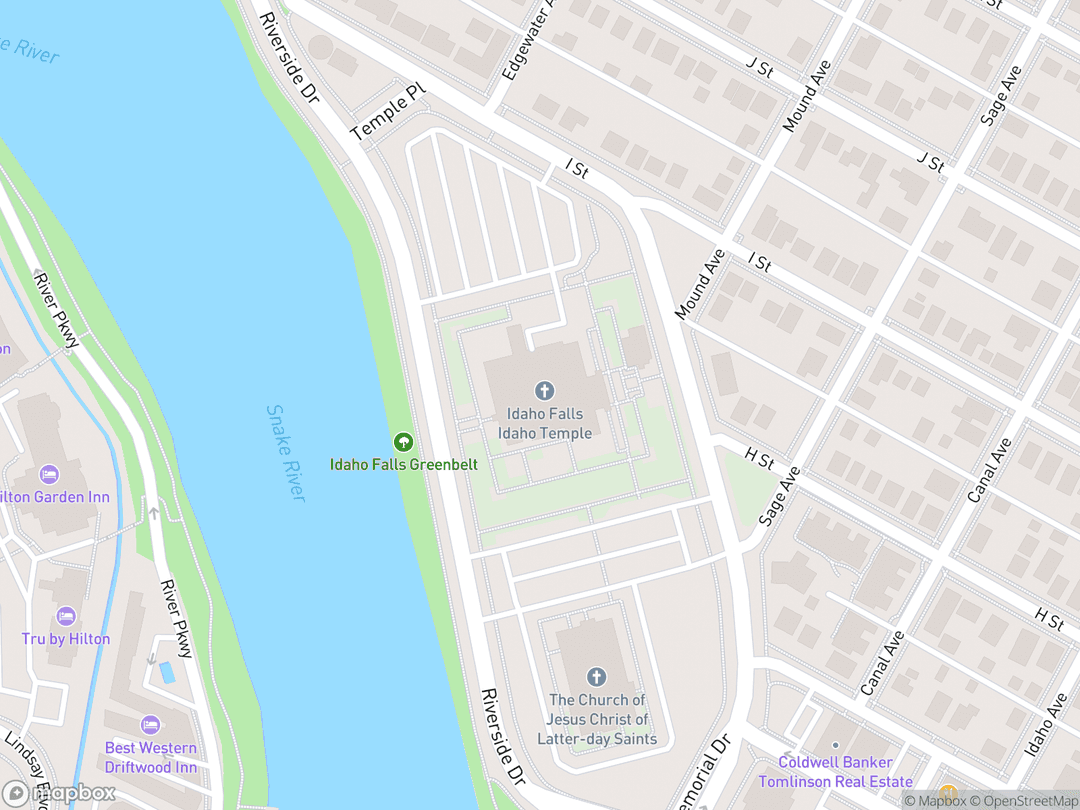
1000 Memorial Dr, Idaho Falls, Idaho, 83402-3410, United States
Hours: Open daily from 9:00 a.m. to 9:00 p.m.
Getting There: The Idaho Falls Temple is located at 1000 Memorial Dr, Idaho Falls, Idaho. Parking is available on-site. Public transportation options are also available.
Get DirectionsTips for Your Visit
Plan Your Visit
Check the official website for the most up-to-date information on hours, events, and any temporary closures.
Dress Respectfully
When visiting the Visitors' Center, dress modestly to maintain the reverent atmosphere.
Safety & Transportation
Idaho Falls and the temple grounds feature exceptional public safety, located near downtown and scenic river walks suitable for family visits.
About
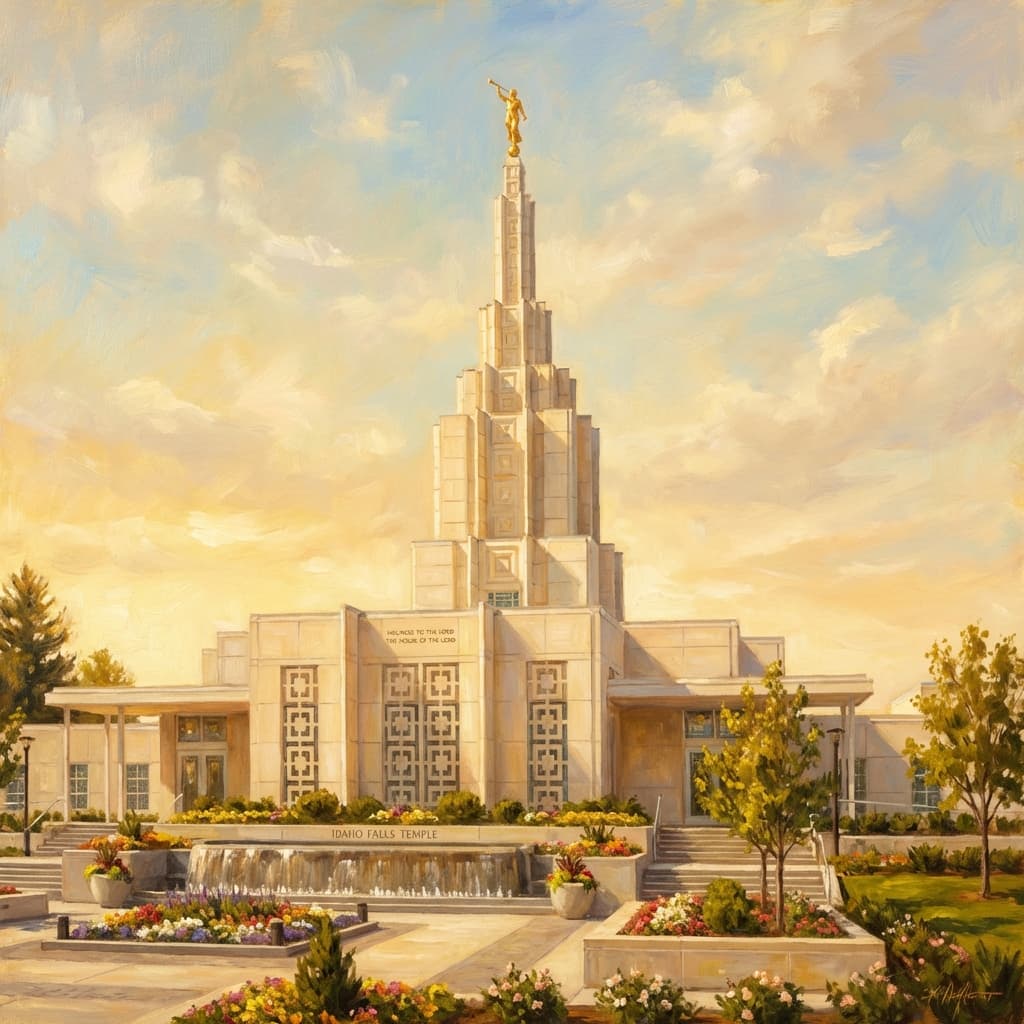
The Idaho Falls Idaho Temple stands as a beacon of faith in the heart of Idaho Falls. Dedicated on September 23, 1945, by President George Albert Smith, it holds a special place in the history of The Church of Jesus Christ of Latter-day Saints. Its construction and design were inspired by a vision of an ancient Nephite temple, blending Art Deco and international styles with traditional temple architecture.
Throughout its history, the temple has undergone several significant changes, including the addition of the angel Moroni statue in 1983, making it the first temple to receive such a statue after its original dedication. Renovations in 2015 brought modern updates while preserving the temple's unique character and historical significance. The temple's name was officially changed to the Idaho Falls Idaho Temple in 1999.
The Idaho Falls Idaho Temple continues to serve as a spiritual center for members of the Church in the region. Its beautiful grounds and unique architectural details make it a landmark in Idaho Falls, inviting visitors to learn more about its history and purpose. The temple stands as a testament to the faith and dedication of the community it serves.
Gallery
Symbolic Elements
The temple's exterior features intricate carvings, each rich with spiritual meaning:

Central Spire
The central spire of the Idaho Falls Idaho Temple symbolizes reaching upwards towards heaven and God. It represents the connection between the earthly and celestial realms, inviting individuals to elevate their thoughts and aspirations towards divine principles.

Angel Moroni Statue
The angel Moroni statue, placed atop the temple spire, symbolizes the restoration of the gospel of Jesus Christ and the spreading of its message to the world. It represents the divine messenger announcing the return of ancient scripture and the establishment of God's kingdom on earth.

Art Deco Design
The Art Deco elements incorporated into the temple's design reflect a period of optimism and progress. The geometric patterns and streamlined forms symbolize modernity and a forward-looking approach to faith and spirituality.

White Quartz Aggregate
The exterior of the temple is constructed with a cast stone finish made from white cement and white quartz aggregate. The white color symbolizes purity and holiness, while the quartz represents strength and durability, reflecting the enduring nature of faith.

Progressive-Style Ordinance Rooms
The hand-painted murals in the progressive-style ordinance rooms—Creation Room, Garden Room, World Room, Terrestrial Room, and Celestial Room—depict the journey of humanity from creation to eternal life. These murals serve as visual aids, teaching profound spiritual truths about God's plan for His children.

Baptismal Font on Twelve Oxen
The baptismal font, resting on the backs of twelve oxen, symbolizes the twelve tribes of Israel and the strength and power of God's work. It represents the ordinance of baptism, a symbolic cleansing and rebirth, and the importance of family history and redemption.

Water Feature
The waterfall feature on the east side of the temple symbolizes the living water of Christ, which brings spiritual refreshment and renewal. It represents the cleansing power of the gospel and the continuous flow of blessings that come from following God's commandments.
Interesting Facts
The Idaho Falls Idaho Temple was the first temple built in Idaho.
It was the first temple designed with a central spire.
The design was inspired by a vision of an ancient Nephite temple beheld by architect John Fetzer, Sr.
The Idaho Falls Idaho Temple was the only temple dedicated by President George Albert Smith.
It was the first temple to receive an angel Moroni statue after its dedication.
During the groundbreaking ceremony in 1940, six-year-old John Groberg held President David O. McKay's hat. Groberg later became a general authority and the temple's 14th president.
The Idaho Falls Idaho Temple is one of only seven temples where patrons progress through four ordinance rooms before passing into the Celestial Room.
The temple is built on a solid foundation of lava rock.
The dedication of the Idaho Falls Idaho Temple in 1945 was the first in nearly two decades.
The Idaho Falls Idaho Temple was the closest built in proximity to Church headquarters in Salt Lake City since the Salt Lake Temple was dedicated in 1893.
Common Questions
What is the Latter-day Saint history and legacy of the Idaho Falls Temple?
The Idaho Falls Temple is the first temple built in Idaho by The Church of Jesus Christ of Latter-day Saints. Located along the Snake River Valley, the area has a deep pioneer heritage and remains a spiritual center for the regional community.
How is the public safety and visitor environment around the Idaho Falls Temple?
Idaho Falls and the temple district feature excellent public safety and a peaceful environment. Situated in a scenic park area along the Snake River, the temple grounds and visitor center offer a secure, family-friendly atmosphere daily.
What is the significance of the Idaho Falls Idaho Temple?
The Idaho Falls Idaho Temple is a sacred building for members of The Church of Jesus Christ of Latter-day Saints, where they make covenants with God and perform ordinances such as marriages and baptisms for the dead. It serves as a spiritual center for members in the region.
When was the Idaho Falls Idaho Temple dedicated?
The Idaho Falls Idaho Temple was originally dedicated on September 23, 1945, by President George Albert Smith. It was rededicated on June 4, 2017, by President Henry B. Eyring after renovations.
What are the operating hours of the Idaho Falls Temple Visitors' Center?
The Idaho Falls Temple Visitors' Center is open daily from 9:00 a.m. to 9:00 p.m.
What can visitors expect to see at the Idaho Falls Temple Visitors' Center?
Visitors can expect to see exhibits featuring films, displays, multimedia presentations, and a reproduction of Thorvaldsen's Christus statue. The center provides information about the temple and its significance.
What architectural styles are incorporated into the design of the Idaho Falls Idaho Temple?
The Idaho Falls Idaho Temple blends Art Deco and international styles with traditional temple designs. The exterior is constructed of reinforced concrete with a cast stone finish.
Related Stories
Explore the rich history, traditions, and people connected to this sacred site.
Featured Stories
The Dedication by President George Albert Smith
September 23-25, 1945
The dedication of the Idaho Falls Idaho Temple by President George Albert Smith was a momentous occasion, marking the culmination of years of planning, sacrifice, and faith. It was particularly significant as it was the only temple dedicated by President Smith, adding a unique historical and spiritual dimension to the event.
During the dedicatory services, President Smith expressed profound gratitude for the blessings of the temple and its role in serving the Saints of the region. He emphasized the importance of the temple as a place of refuge, revelation, and spiritual growth, urging members to cherish and utilize its sacred ordinances.
The dedication ceremonies were filled with a spirit of reverence and joy, as members of the Church gathered to witness this historic event. The dedication of the Idaho Falls Idaho Temple stands as a testament to the enduring faith and dedication of the community it serves.
Source: The Church of Jesus Christ of Latter-day Saints Newsroom
The Addition of the Angel Moroni Statue
1983
The addition of the angel Moroni statue to the Idaho Falls Idaho Temple in 1983 marked a significant milestone in the temple's history. It was the first temple to receive an angel Moroni statue after its original dedication, symbolizing the ongoing restoration of the gospel of Jesus Christ.
The statue, a symbol of the divine messenger announcing the return of ancient scripture and the establishment of God's kingdom on earth, was placed atop the temple spire, becoming a prominent landmark in the Idaho Falls skyline. Its presence served as a reminder of the temple's sacred purpose and the importance of spreading the gospel message to the world.
The installation of the angel Moroni statue was met with great enthusiasm and reverence by members of the Church, who viewed it as a symbol of hope and a testament to the enduring power of faith.
Source: The Church of Jesus Christ of Latter-day Saints
The 2015-2017 Temple Renovation
2015-2017
The extensive renovation of the Idaho Falls Idaho Temple, which took place from 2015 to 2017, was undertaken to modernize the temple's facilities and enhance its functionality while preserving its unique architectural and historical character. The renovation included upgrades to the temple's mechanical, electrical, and plumbing systems, as well as improvements to its interior and exterior finishes.
During the renovation, great care was taken to maintain the temple's original design and architectural details, ensuring that its historical significance was preserved for future generations. The renovation also provided an opportunity to enhance the temple's accessibility and create a more welcoming environment for all who visit.
Following the completion of the renovation, a public open house was held, allowing members of the community to tour the newly renovated temple and learn more about its sacred purpose. The temple was rededicated on June 4, 2017, by President Henry B. Eyring, marking a new chapter in its history.
Source: The Church News
Timeline
Intent to Build Announced
Heber J. Grant announced the intent to build a temple in Idaho Falls.
MilestoneGroundbreaking Ceremony
The groundbreaking ceremony took place, presided over by David Smith.
component.timeline.groundbreakingSite Dedicated
The temple site was dedicated by David O. McKay.
DedicationExterior Completed
The exterior of the temple was completed.
MilestoneTemple Dedicated
The temple was dedicated by President George Albert Smith.
DedicationAngel Moroni Statue Added
An angel Moroni statue was added to the temple, the first temple to receive one after its original dedication.
MilestoneName Changed
The temple's name was changed from the Idaho Falls Temple to the Idaho Falls Idaho Temple.
MilestonePonds Replaced with Waterfall
Concrete ponds on the east side of the temple were removed and replaced with a waterfall feature.
RenovationTemple Closed for Renovations
The temple closed for extensive renovations.
RenovationPublic Open House
A public open house was held following the completion of the renovations.
EventTemple Rededicated
The temple was rededicated by President Henry B. Eyring.
DedicationGroundbreaking Ceremony Detail
During the groundbreaking ceremony, six-year-old John Groberg held President David O. McKay's hat. Groberg later became a general authority and temple president.
EventFirst Dedication in Decades
The dedication of the Idaho Falls Idaho Temple was the first in nearly two decades for the Church.
DedicationProximity to Headquarters
The Idaho Falls Idaho Temple was the closest built in proximity to Church headquarters in Salt Lake City since the Salt Lake Temple was dedicated in 1893.
MilestoneHistory by Decade
1920s — Planning and Announcement
In the 1920s, the seeds for the Idaho Falls Idaho Temple were sown. On March 3, 1927, President Heber J. Grant announced the intent to construct a temple in Idaho Falls, marking the beginning of a long journey of planning and preparation. This announcement was met with great enthusiasm by members of the Church in the region, who eagerly anticipated the blessings that a temple would bring.
1930s — Site Selection and Preparation
The 1930s were a time of careful site selection and preparation for the Idaho Falls Idaho Temple. Despite the challenges of the Great Depression, members of the Church remained committed to the temple project. The groundbreaking ceremony took place on December 19, 1939, presided over by David Smith, signaling the official start of construction.
1940s — Construction and Dedication
The 1940s saw the construction and dedication of the Idaho Falls Idaho Temple. The site was dedicated on October 19, 1940, by David O. McKay, and the exterior of the temple was completed in September 1941. The temple was dedicated from September 23-25, 1945, by President George Albert Smith, marking a significant milestone in the history of the Church.
1950s–1970s — Early Years of Operation
During the 1950s, 60s, and 70s, the Idaho Falls Idaho Temple became a spiritual center for members of the Church in the region. Thousands of individuals traveled to the temple to participate in sacred ordinances and strengthen their faith. The temple served as a beacon of hope and a symbol of the enduring power of the gospel.
1980s — Addition of the Angel Moroni Statue
The 1980s brought a significant addition to the Idaho Falls Idaho Temple with the installation of the angel Moroni statue in 1983. This event marked the first time a temple received an angel Moroni statue after its original dedication, symbolizing the ongoing restoration of the gospel of Jesus Christ. The statue became a prominent landmark in the Idaho Falls skyline.
1990s–2000s — Continued Service and Name Change
The Idaho Falls Idaho Temple continued to serve members of the Church throughout the 1990s and 2000s. In 1999, the temple's name was officially changed from the Idaho Falls Temple to the Idaho Falls Idaho Temple, reflecting its unique identity and significance.
2010s — Renovation and Rededication
The 2010s brought significant changes to the Idaho Falls Idaho Temple with a major renovation project. The temple closed for renovations on March 16, 2015, and underwent extensive upgrades and improvements. Following the completion of the renovations, a public open house was held, and the temple was rededicated on June 4, 2017, by President Henry B. Eyring.
Architecture & Facilities
The Idaho Falls Idaho Temple blends Art Deco and international styles with traditional temple designs.
Building Materials
Exterior
The exterior is constructed of reinforced concrete with a cast stone finish made from white cement and white quartz aggregate. This combination provides a durable and aesthetically pleasing surface that reflects light and symbolizes purity.
Interior
The interior features hand-painted murals in the progressive-style ordinance rooms. These murals depict the journey of humanity from creation to eternal life, adding depth and meaning to the temple experience.
Foundation
The temple is built on a solid foundation of lava rock, providing a stable and enduring base for the structure. This foundation symbolizes the strength and resilience of faith.
Angel Moroni Statue
The angel Moroni statue is made of bronze and covered in gold leaf. It stands atop the temple spire, symbolizing the restoration of the gospel of Jesus Christ and the spreading of its message to the world.
Interior Features
Celestial Room
The Celestial Room is the most sacred space in the temple, representing the presence of God. It is a place of peace, reflection, and spiritual communion, where members can feel closer to their Heavenly Father.
Ordinance Rooms
The ordinance rooms are where members participate in sacred ceremonies such as baptisms for the dead, endowments, and sealings. These rooms are designed to create a reverent and spiritual atmosphere.
Sealing Rooms
The sealing rooms are where marriages are performed, uniting families for eternity. These rooms are decorated with beautiful artwork and furnishings, creating a sacred and memorable experience.
Baptistry
The baptistry is where baptisms for the dead are performed. The font rests on the backs of twelve oxen, symbolizing the twelve tribes of Israel and the strength and power of God's work.
Temple Grounds
The temple grounds are beautifully landscaped with gardens, trees, and water features, creating a peaceful and serene environment. The grounds provide a place for visitors to reflect, meditate, and connect with nature.
Religious Significance
Temples of The Church of Jesus Christ of Latter-day Saints are dedicated to being Houses of the Lord. These beautiful structures are more than just meeting places; they are sacred spaces where members make covenants with God and participate in holy ordinances.
The primary purpose of temples is to provide opportunities for individuals to draw closer to God through sacred ordinances, which include baptisms for the dead, the endowment, and eternal marriage sealings. These ordinances are essential for exaltation and eternal life.
Sacred Ordinances
Baptism for the Dead
This ordinance allows individuals to be baptized on behalf of deceased ancestors who did not have the opportunity to be baptized in life. It is a demonstration of love and a vicarious offering of the gospel to those who have passed on.
The Endowment
The endowment is a sacred ordinance in which individuals receive instruction, make covenants, and are promised blessings conditioned upon their faithfulness. It is a spiritual preparation for eternal life.
Eternal Marriage Sealing
This ordinance unites a husband and wife for eternity, ensuring that their family relationships can continue beyond this life. Children born to a couple sealed in the temple are also considered sealed to their parents for eternity.
The Temple as a Bridge
Temples serve as a bridge between heaven and earth, connecting individuals with God and providing opportunities for spiritual growth and revelation. The ordinances performed in temples are essential for eternal progression and exaltation. The Idaho Falls Idaho Temple stands as a beacon of faith and a testament to the enduring power of the gospel.
Similar Temples
Sources & Research
Every fact on Temples.org is backed by verified Sources & Research. Each piece of information is rated by source tier and confidence level.
View All Sources (5)
| Field | Source | Tier | Retrieved |
|---|---|---|---|
| About & Historical Background | The Church of Jesus Christ of Latter-day Saints (opens in a new tab) | A | 2024-02-29 |
| About & Historical Background | churchofjesuschristtemples.org (opens in a new tab) | C | 2024-02-29 |
| Symbolic Elements | The Church of Jesus Christ of Latter-day Saints (opens in a new tab) | A | 2024-02-29 |
| Interesting Facts | webflow.io (opens in a new tab) | B | 2024-02-29 |
| Architectural Style | mormonwiki.com (opens in a new tab) | C | 2024-02-29 |