Visitor Insights
Visiting Keaʻiwa Heiau
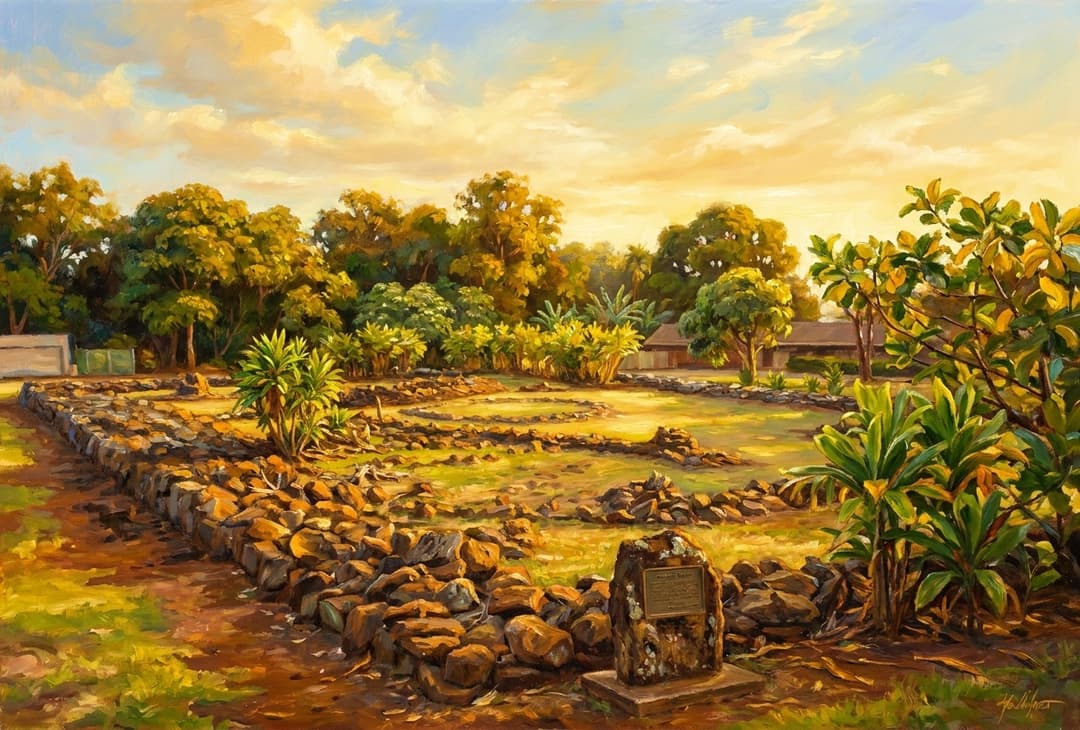
Keaʻiwa Heiau offers a peaceful cultural experience where visitors can observe ancient dry-stacked basalt walls and a replanted traditional medicinal herb garden. Located at the top of ʻAiea Heights, the site provides scenic ridge views and quiet paths for respectful reflection.
Highlights
- Preserved 16th-century stacked basalt wall enclosure
- Traditional lāʻau lapaʻau medicinal garden featuring noni, ti, and kukui
- Scenic mountain vistas looking down toward Pearl Harbor
Things to Know
- Never sit, stand, climb, or lean on the ancient basalt walls
- Refrain from moving stones or building rock cairns
- Avoid leaving plastic or non-biodegradable offerings
Location
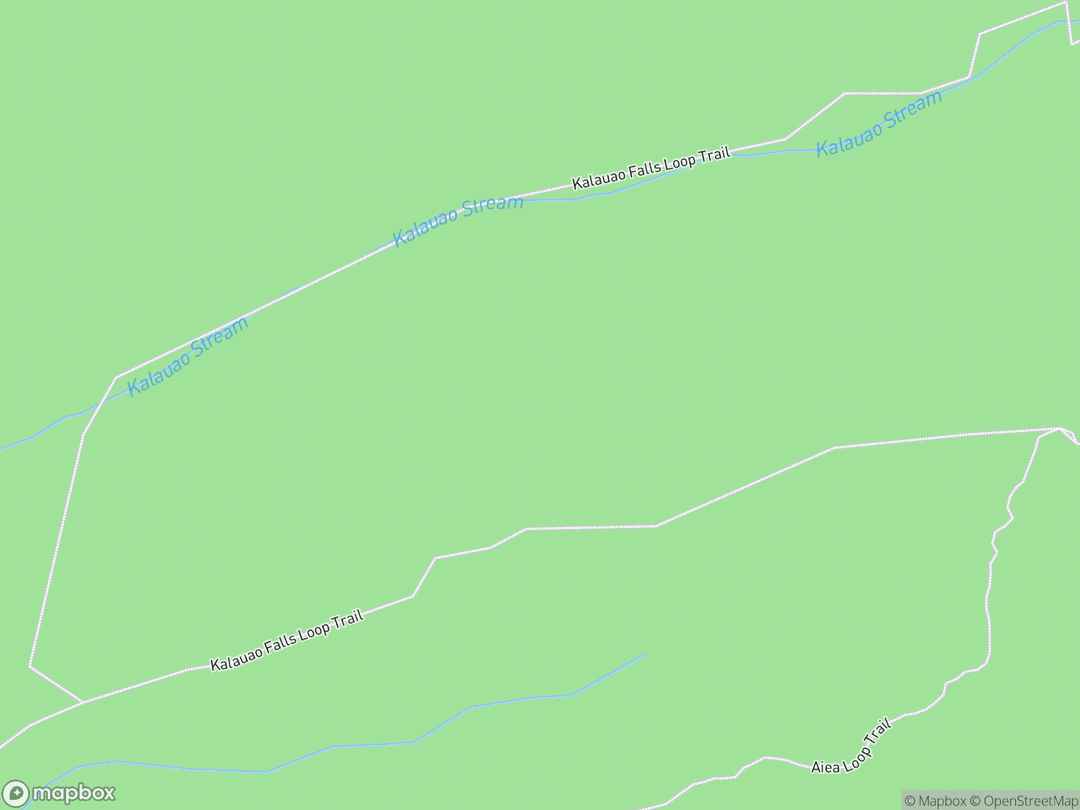
99-1849 ʻAiea Heights Dr, ʻAiea, HI 96701
Hours: 7:00 AM – 7:45 PM daily (Summer), 7:00 AM – 6:45 PM daily (Winter)
Getting There: Take ʻAiea Heights Drive to its topmost end into Keaīwa Heiau State Recreation Area, where visitor parking is provided.
Get DirectionsTips for Your Visit
Practice Cultural Respect
Treat the sanctuary as a living sacred site by keeping voices low and leaving all stones completely undisturbed.
Visit in the Early Morning
Arrive early to experience light mountain mist, cool ridge breezes, and peaceful surroundings before mid-day crowds.
About
Keaʻiwa Heiau is an ancient 16th-century Native Hawaiian sacred site (heiau hoʻōla) situated at the summit of ʻAiea Heights on Oʻahu. Constructed under the direction of High Chief Kākuhihewa and his high priest Kahuna Keaīwa, the open-air dry-stacked basalt structure served as Oʻahu's premier training sanctuary for traditional herbal healers (kahuna lapaʻau).
The stone enclosure functioned as both a place of spiritual prayer and a practical medical academy. Student practitioners underwent decades of study here, learning diagnostic methods, spiritual chanting, and the preparation of herbal remedies (lāʻau lapaʻau) cultivated in surrounding botanical gardens.
Today, Keaʻiwa Heiau is protected within the 384-acre Keaīwa Heiau State Recreation Area. Rededicated in 1951, it remains a active place of pilgrimage and cultural stewardship, standing as Oʻahu's most intact surviving monument to traditional Native Hawaiian medicine.
Gallery
Symbolic Elements
The temple's exterior features intricate carvings, each rich with spiritual meaning:

Pōhaku (Basalt Wall Stones)
Living carriers of mana that form a sacred perimeter separating daily life from the sanctified interior.

Noni (Morinda citrifolia)
A restorative medicinal fruit symbolizing physical cleansing, internal vitality, and deep systemic health.

Kukui (Candlenut Tree)
Symbolizes spiritual enlightenment and clarity, providing rich oils for soothing salves.

Ti Leaves (Cordyline fruticosa)
Sacred foliage representing divine protection, spiritual purity, and sanctified boundary lines.
ʻOlena (Wild Turmeric)
A sacred rhizome essential to purification rites and remedies for relieving inflammation.

ʻIliʻili Pebble Diagnostic Maps
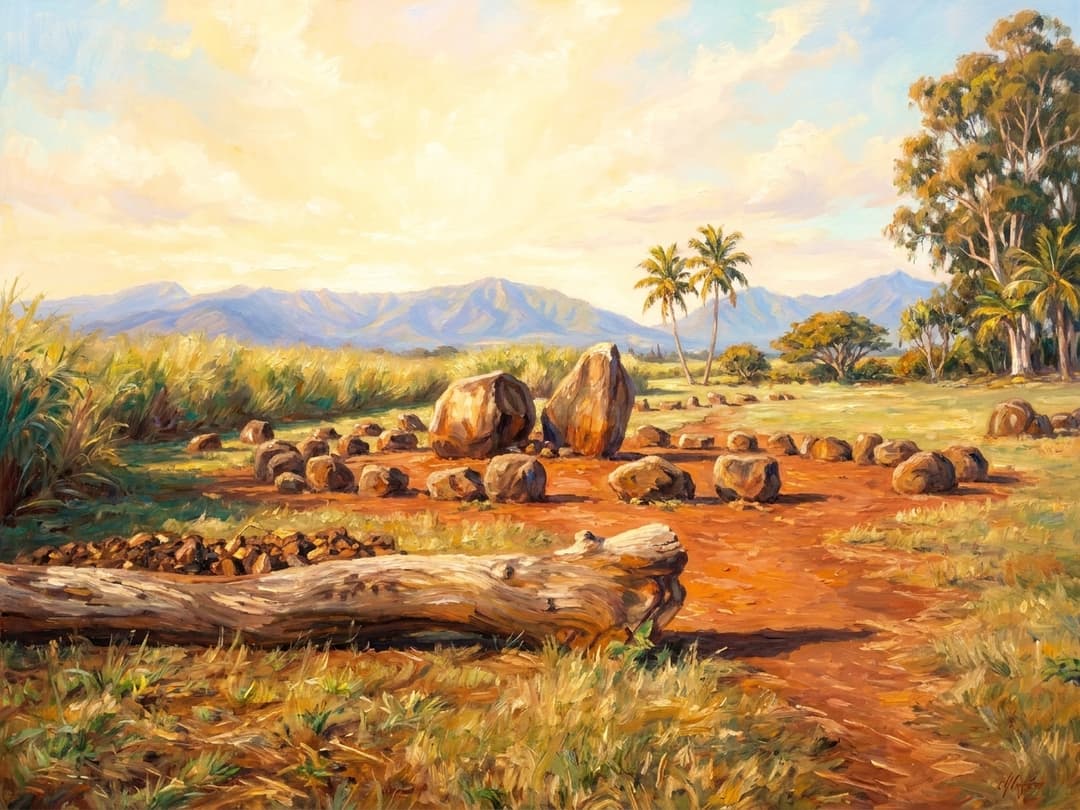
Smooth river pebbles arranged in body shapes to teach student healers anatomical diagnostics.

Pūholoholo Steam Hearth
A stone heating system used to disperse botanical steam infusions for pulmonary ailments.
Interesting Facts
The name Keaīwa translates to 'the mystery' or 'wonder' in Hawaiian, referencing the profound medical wisdom of the kahuna. (Tier A)
Apprentices lived at the temple for up to 20 years mastering physical diagnosis and botanical medicine. (Tier B)
Students practiced physical diagnostics using smooth river pebbles laid out in human body silhouettes on woven mats. (Tier B)
Under strict traditional laws, female apprentices studied herbal preparation in gardens directly outside the stone walls. (Tier B)
The central courtyard historically featured a stone-lined steam bath used to treat respiratory conditions. (Tier B)
Military encampments during World War II accidentally damaged outer wall sections while sourcing paving stones. (Tier B)
Community leaders and local doctors formally rededicated the temple and restored its native herb garden in 1951. (Tier A)
Aromatic lemon eucalyptus trees surrounding the temple were introduced during a watershed reforestation project in 1928. (Tier A)
Keaīwa Heiau is recognized as the single most intact healing temple open to the public on Oʻahu today. (Tier A)
Common Questions
What does the name Keaīwa mean?
Keaīwa translates to 'the mystery' or 'wonder' in Hawaiian, referring to the profound healing knowledge of the kahuna.
Can visitors walk inside the stone walls?
Visitors must remain outside the basalt walls to preserve structural integrity and respect the sacred site.
Is there an entry fee for Keaʻiwa Heiau?
Admission and parking are free within the Keaīwa Heiau State Recreation Area.
What plants grow in the medicinal garden?
The garden contains traditional Hawaiian healing flora including noni, ti, kukui, ʻolena, and koʻokoʻolau.
Featured Stories
The Vision of Kahuna Keaīwa
1500
Under the patronage of High Chief Kākuhihewa, High Priest Kahuna Keaīwa established this sanctuary as a place of life and learning. He chose the elevated ʻAiea ridge for its gentle winds, rich rains, and fertile soil ideal for medicinal cultivation. His design established Oʻahu's most honored institute for traditional healing.
Source: Bernice P. Bishop Museum Records
Preserving Lāʻau Lapaʻau in Secret
1819
When King Kamehameha II abolished the kapu system in 1819, public temple rituals were discontinued across the islands. Local healers in the ʻAiea ahupuaʻa quietly protected their ancestral botanical knowledge within family lineages. Their quiet devotion ensured that Hawaiian medical knowledge survived into the modern era.
Source: Hawaiʻi Division of State Parks Archives
The 1951 Cultural Rededication
1951
Determined to restore the neglected sanctuary following World War II, Native Hawaiian leaders, historians, and physicians united to preserve the site. Led by Dr. Nils P. Larsen and Paul Keliʻikoa, the group replanted traditional medicinal flora around the stone perimeter. Their efforts restored Keaīwa Heiau as a living monument to indigenous medical science.
Source: Hawaiʻi State Department of Land and Natural Resources
Timeline
Temple Construction
High Chief Kākuhihewa orders the construction of Keaʻiwa Heiau under Kahuna Keaīwa.
MilestoneMedical Training Center
The sanctuary expands into Oʻahu's premier academy for kahuna lapaʻau.
EventAbolition of Kapu
King Kamehameha II enacts ʻAi Noa, halting state rituals while private healing traditions continue.
MilestoneWatershed Reforestation
Territorial foresters replant the ridge with lemon eucalyptus and Norfolk pines.
EventArchaeological Survey
J. Gilbert McAllister documents the single-terrace stone enclosure for the Bishop Museum.
EventWorld War II Impact
Military encampments dismantle sections of the outer walls for stone paving.
EventCultural Rededication
Native Hawaiian elders and physicians rededicate the temple and replant medicinal flora.
DedicationState Recreation Area
The sanctuary is incorporated into the protected 384-acre state recreation area.
EventOngoing Cultural Stewardship
Modern cultural practitioners maintain ongoing educational visits and spiritual offerings.
EventArchitecture & Facilities
Keaʻiwa Heiau is an open-air dry-stacked basalt stone enclosure (heiau hoʻōla) constructed in the traditional pre-contact Hawaiian architectural style. Designed specifically for medical instruction and spiritual restoration rather than state sacrificial rites, its layout features a wide rectangular footprint oriented on a north-south axis overlooking the ʻAiea ridge toward Pearl Harbor.
Building Materials
Vesicular Basalt Stones
Local porous basalt river stones fitted without mortar using traditional dry-stack masonry.
Gravel and Rubble Fill
Crushed basalt gravel and small stones packed into the inner wall core for drainage and stability.
Pili Grass and Lau Hala
Organic thatch materials historically used to construct temporary working shelters inside the walls.
Basalt Paving Pavers
Smooth basalt stones used to pave working sections of the interior floor.
Interior Features
Central Courtyard (Pā)
An open paved space used for medicinal preparation, group instruction, and diagnostic prayer.
Hālau Foundations
Low stone platforms that supported thatched wooden shelters housing dried herbs and tools.
Pūholoholo Area
A stone hearth structure designed to generate medicinal steam infusions for treatment.
Perimeter Platforms
Raised stone seating areas along the inner wall borders reserved for master kahuna.
Temple Grounds
The immediate grounds feature a replanted lāʻau lapaʻau medicinal garden set within a dense forest canopy of lemon eucalyptus, ironwood, and ti plants.
Additional Facilities
Keaīwa Heiau State Recreation Area provides parking, restrooms, picnic pavilions, camping areas, and trailheads for the ʻAiea Loop Trail.
Religious Significance
In Hoʻomana Hawaiʻi, true wellness (ola) requires pono—a state of harmony between spiritual energy, physical health, and the natural environment. Keaīwa Heiau operated as a sacred nexus where prayer, botany, and physical therapy joined together.
To train master kahuna in herbal medicine, administer holistic healing to the community, and preserve sacred botanical knowledge.
Sacred Ordinances
Hoʻōla (Healing Prayer Rites)
Chanting (oli) and prayer rituals performed to invoke divine energy for patient recovery.
Lāʻau Lapaʻau Formulations
The precise gathering, compounding, and administration of native plant remedies.
Hiʻuwai (Purification Rituals)
Cleansing ceremonies using water and turmeric to clear energetic blockages prior to therapy.
Sanctuary of the Healers
Keaīwa Heiau was an elite educational institute where chosen apprentices completed multi-decade studies under master healers.
Similar Temples
Sources & Research
Every fact on Temples.org is backed by verified Sources & Research. Each piece of information is rated by source tier and confidence level.
View All Sources (8)
| Field | Source | Tier | Retrieved |
|---|---|---|---|
| About & Historical Background | Hawaiʻi Department of Land and Natural Resources (opens in a new tab) | A | 2026-02-01 |
| About & Historical Background | Bernice P. Bishop Museum (opens in a new tab) | B | 2026-02-01 |
| Architecture & Structural Details | University of Hawaiʻi at Mānoa Library (opens in a new tab) | B | 2026-02-01 |
| Visitor Insights & Practical Guidance | Hawaiʻi Division of State Parks (opens in a new tab) | A | 2026-02-01 |
| Symbolic Elements & Sacred Flora | University of Hawaiʻi Ethnobotany Program (opens in a new tab) | B | 2026-02-01 |
| Timeline & Featured Stories | Hawaiʻi State Archives (opens in a new tab) | B | 2026-02-01 |
| Religious Significance & Healing Rites | National Park Service Cultural Resources (opens in a new tab) | B | 2026-02-01 |
| Interesting Facts & Historical Notes | Historic Hawaiʻi Foundation (opens in a new tab) | B | 2026-02-01 |