Visitor Insights
Visiting San Antonio Texas Temple
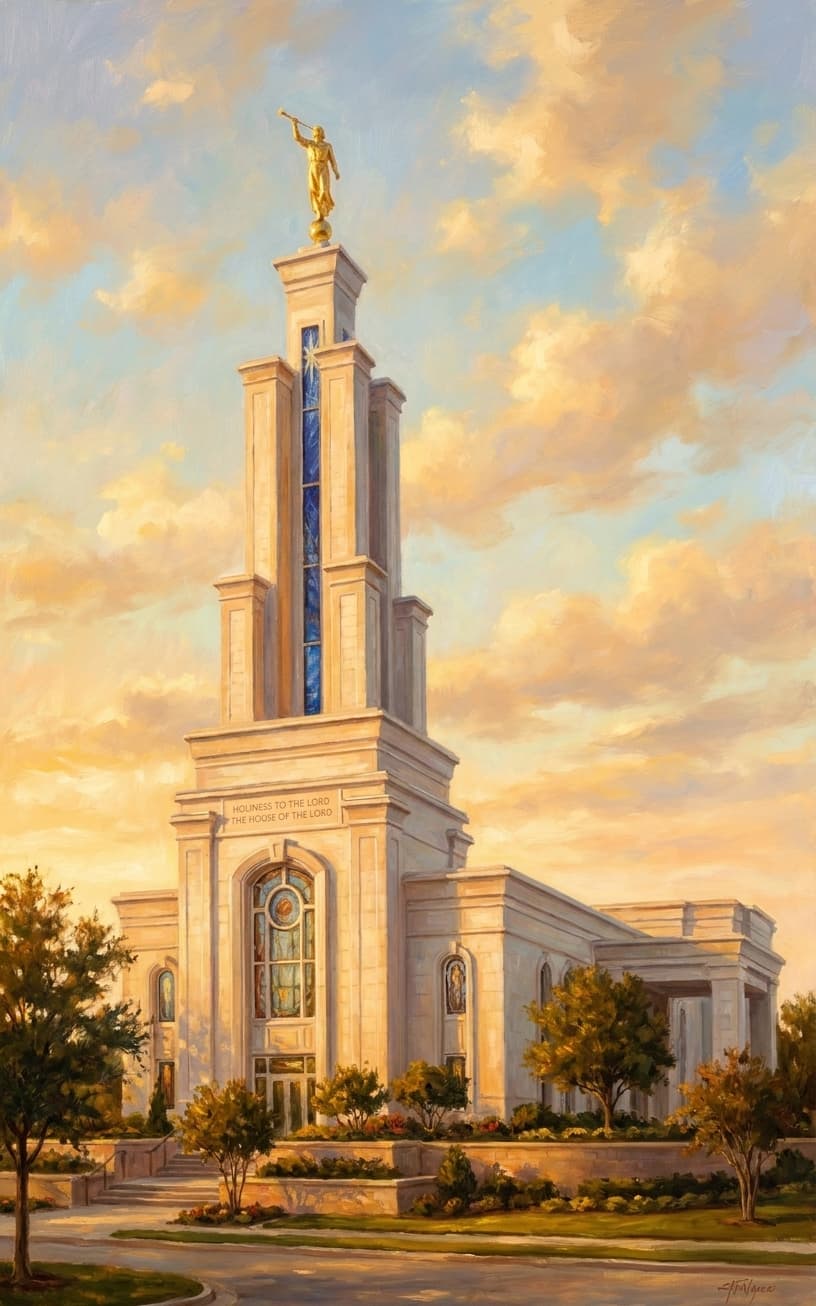
The San Antonio Texas Temple sits on a peaceful, elevated site overlooking northern San Antonio. Visitors of all faiths are welcome to explore the landscaped outdoor grounds, courtyards, and fountains.
Highlights
- Lush outdoor gardens featuring native live oaks, crape myrtles, and Texas wildflowers.
- Panoramas of the surrounding Texas Hill Country from the elevated hilltop grounds.
- Custom variegated granite facade topped by a golden Angel Moroni spire.
Things to Know
- Interior admittance is reserved for Church members holding a current temple recommend.
- The outdoor grounds are quiet and open to the public daily during daylight hours.
Location
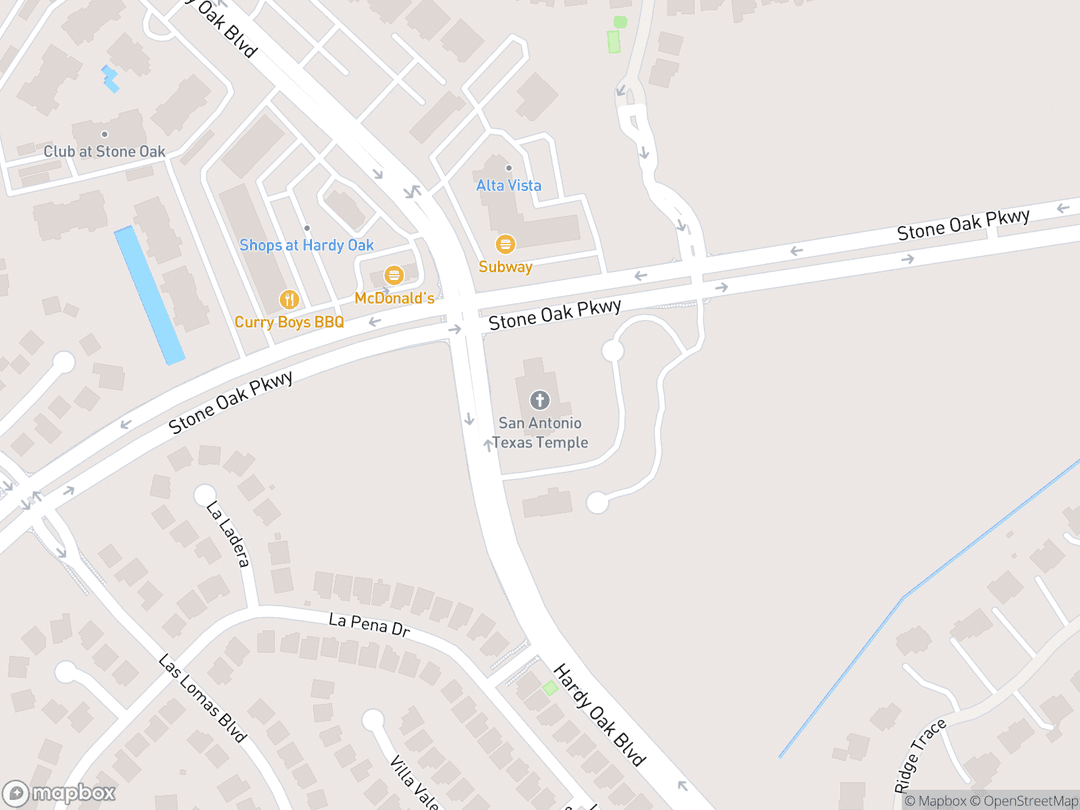
20080 Stone Oak Parkway, San Antonio, Texas 78258, United States
Hours: Tuesday, Wednesday, Friday: 8:30 AM – 8:15 PM; Thursday: 5:30 AM – 8:15 PM; Saturday: 6:30 AM – 6:45 PM; Closed Sunday & Monday
Getting There: Located in northern San Antonio along Stone Oak Parkway, easily accessible via US Highway 281 North and Loop 1604, approximately 12 miles from San Antonio International Airport.
Get DirectionsTips for Your Visit
Best Time to Visit
Late afternoon visits allow patrons to appreciate the warm sunset light reflecting off the granite facade.
Photography Guidelines
Outdoor photography of the exterior, flower gardens, and fountains is welcomed throughout the public grounds.
About
Dedicated in 2005 as the 120th operating temple of The Church of Jesus Christ of Latter-day Saints, the San Antonio Texas Temple serves members across South Texas and the Hill Country. Positioned atop a scenic 5.5-acre hilltop in the Stone Oak neighborhood, the structure reflects regional design sensibility and deep biblical symbolism.
As part of the broader Abrahamic and Christian legacy of sacred architecture, the temple functions as a sanctuary where believers enter into holy covenants. The interior features custom art glass incorporating native Texas agates, hand-painted murals of regional landscapes, and rich African cherrywood woodwork.
Gallery
Symbolic Elements
The temple's exterior features intricate carvings, each rich with spiritual meaning:

Agate Stained Glass Windows
Raw native agates excavated from the site were transformed into luminous art glass, echoing Isaiah 54:12. (Tier A)

Tree of Life Glass Panel
The main Celestial Room window depicts the Tree of Life, symbolizing divine love and eternal salvation. (Tier A)

Indigo Starburst Spire Motif
Deep indigo tones and starry motifs inside the spire reflect God's vast creation and heavenly promises. (Tier B)

Texas Wildflower Patterns
Stylized depictions of bluebonnets and regional flora connect cosmic grace with South Texas creation. (Tier B)

Oxen Supported Baptismal Font
Twelve oxen support the baptismal font, modeled after Solomon's temple to represent Israel's twelve tribes. (Tier A)

Angel Moroni Spire
The golden statue atop the spire represents Revelation 14:6 and the restoration of Christ's gospel. (Tier A)

Light Variegated Granite Facade
Durable granite stonework reflects the sunlight while standing as an enduring symbol of spiritual strength. (Tier A)

African Cherrywood Millwork
Rich dark wood trim throughout the interior signifies reverence and order within sacred spaces. (Tier B)
Interesting Facts
Native Texas agates excavated directly from the foundation bedrock were sliced and set into the temple stained glass windows. (Tier A)
President Gordon B. Hinckley described the interior designs as among the most beautiful in the entire Church. (Tier A)
Over 4,000 youth performed in a massive cultural celebration at the San Antonio Alamodome prior to dedication. (Tier A)
The temple was designed by a local San Antonio architectural firm to blend seamlessly with South Texas heritage. (Tier A)
Original interior landscape murals were hand-painted by local San Antonio artist Keith Bond. (Tier B)
The interior cap of the central spire features a rare indigo sky and star pattern pointing toward the heavens. (Tier B)
It was dedicated in May 2005 as the fourth operating Latter-day Saint temple constructed in the state of Texas. (Tier A)
More than 65,000 community members attended the three-week public open house tour in 2005. (Tier A)
Common Questions
Can non-members visit the San Antonio Texas Temple?
Visitors of all religious backgrounds are welcome to walk the outdoor gardens and courtyards, though interior access is reserved for Latter-day Saints.
What makes the stained glass windows in this temple unique?
The art glass windows contain real Texas agates excavated directly from the temple site during foundation work.
How tall is the San Antonio Texas Temple?
The structure stands on an elevated hilltop with a central spire reaching 115 feet to the apex of the Angel Moroni statue.
Who designed the temple structure and interior murals?
San Antonio architectural firm Rehler, Vaughn & Koone designed the building, while local artist Keith Bond painted the interior wall murals.
Featured Stories
The Miracle of the Excavated Agates
2003–2005
During initial excavation in 2003, a construction missionary felt prompted to collect rough rocks unearthed from the bedrock, despite teasing from workers. Months later, stained glass artist Tom Holdman arrived intending to feature local agates in the windows. The saved rocks proved to be genuine native Hill Country agates, which Holdman sliced and incorporated into the temple's finished windows.
Source: Holdman Studios & Local Construction Records
Youth Performance at the Alamodome
May 21, 2005
On the eve of the dedication, over 20,000 spectators gathered inside San Antonio's Alamodome for a massive cultural celebration. More than 4,000 young Latter-day Saints presented musical numbers, folk dances, and theatrical scenes celebrating Texas heritage and faith, complete with live horses on stage and fireworks.
Source: Church Newsroom Reports
A Temple Rooted in South Texas
2001–2005
The Church selected local firm Rehler, Vaughn & Koone to architect the temple, ensuring its lines complemented Texas Hill Country aesthetics. Local artist Keith Bond hand-painted ordinance room murals depicting Texas rivers and landscapes, grounding sacred worship in familiar regional surroundings.
Source: San Antonio Architectural Survey
Timeline
Temple Announcement
President Gordon B. Hinckley formally announces the San Antonio Texas Temple during a regional devotional.
MilestoneGroundbreaking Ceremony
Elder H. Bruce Stucki presides over the groundbreaking and site dedication ceremony.
component.timeline.groundbreakingPublic Open House Begins
A three-week public open house commences, drawing tens of thousands of community visitors.
EventOpen House Concludes
Over 65,000 guests complete walkthrough tours of the temple interior during the open house.
EventAlamodome Youth Cultural Celebration
Over 4,000 youth perform before 20,000 spectators at the Alamodome in San Antonio.
EventTemple Dedication
President Gordon B. Hinckley formally dedicates the temple across four sacred sessions.
DedicationHistory by Decade
1980s–1990s — Regional Growth
Latter-day Saint populations across Central and South Texas grew steadily during the late 20th century. Local members traveled hundreds of miles to temples in Houston or Dallas for sacred ordinances before a local temple was announced.
2000s — Construction & Dedication
President Gordon B. Hinckley announced the San Antonio Texas Temple in 2001, breaking ground in 2003. Construction utilized local architects and native materials, culminating in a May 2005 dedication by President Hinckley following a 65,000-visitor open house.
2010s–2020s — Continued Operations
The San Antonio Texas Temple continues to serve as a spiritual center for stakes across San Antonio, Austin, Corpus Christi, and the Texas Hill Country, providing a sacred refuge for covenant worship.
Architecture & Facilities
The San Antonio Texas Temple features a modern classical aesthetic infused with regional South Texas influences, constructed with a light-colored variegated granite exterior and topped by a single 115-foot spire and golden Angel Moroni finial.
Building Materials
Exterior Facade
Clad in light-colored variegated granite panels sourced for durability and reflective elegance under Texas sunlight.
Art Glass Windows
Custom art glass crafted by Holdman Studios embedding sliced native Texas agates unearthed during foundation drilling.
Interior Millwork
Finished with polished African Cherrywood trim, doorframes, and custom architectural cabinetry.
Murals
Original hand-painted interior murals by local San Antonio artist Keith Bond depicting Texas Hill Country scenery.
Interior Features
Celestial Room
Features a dramatic Tree of Life stained glass window, high ceilings, and plush custom-woven carpets.
Baptistry
Houses a baptismal font supported by twelve sculpted oxen modeled after Solomon's biblical temple font.
Ordinance Rooms
Two progressive ordinance rooms adorned with hand-painted murals depicting nature and creation.
Sealing Rooms
Sacred rooms for eternal marriage ceremonies equipped with facing mirrors symbolizing eternity.
Temple Grounds
The elevated 5.5-acre property features stone walkways, tranquil fountains, courtyard seating, and gardens planted with native live oaks, crape myrtles, and seasonal wildflowers.
Additional Facilities
Includes visitor arrival infrastructure, patron changing areas, administrative offices, and secure parking on the hilltop site.
Religious Significance
Within the Abrahamic Christian tradition, physical sacred structures serve as dedicated places of encounter between God and believers. Latter-day Saints view temples as literal houses of the Lord where divine grace and eternal covenants are accessed through sacred ordinances.
The temple provides a sanctuary for sacred rites, including eternal marriage sealings, proxy baptisms for ancestors, and the personal endowment ceremony.
Sacred Ordinances
Baptism for the Dead
Proxy baptisms performed in the baptistry font on behalf of deceased ancestors, grounding belief in Christ's universal redemption.
The Endowment
A ceremonial narrative instruction teaching God's plan of creation and salvation while making covenants of personal holiness.
Eternal Sealing
Sacred rites linking husband, wife, and children together in eternal family relationships beyond mortal life.
Biblical Typology & Sacred Art
From the twelve oxen font to the agate windows referencing Isaiah's prophecy, physical art inside the temple symbolizes divine transformation and spiritual rebirth.
Similar Temples
Sources & Research
Every fact on Temples.org is backed by verified Sources & Research. Each piece of information is rated by source tier and confidence level.
View All Sources (7)
| Field | Source | Tier | Retrieved |
|---|---|---|---|
| About & Historical Background | The Church of Jesus Christ of Latter-day Saints (opens in a new tab) | A | 2026-02-15 |
| Visitor Insights & Access | The Church of Jesus Christ of Latter-day Saints (opens in a new tab) | A | 2026-02-15 |
| Timeline & Featured Stories | Church History Department (opens in a new tab) | A | 2026-02-15 |
| Symbolic Elements & Artistry | Holdman Studios (opens in a new tab) | B | 2026-02-15 |
| Architecture & Specifications | ChurchofJesusChristTemples.org (opens in a new tab) | C | 2026-02-15 |
| Visitor Insights & Access | The Church of Jesus Christ of Latter-day Saints (opens in a new tab) | A | 2026-02-15 |
| About & Historical Background | San Antonio Express-News (opens in a new tab) | B | 2026-02-15 |