Visitor Insights
Visiting Syracuse Utah Temple
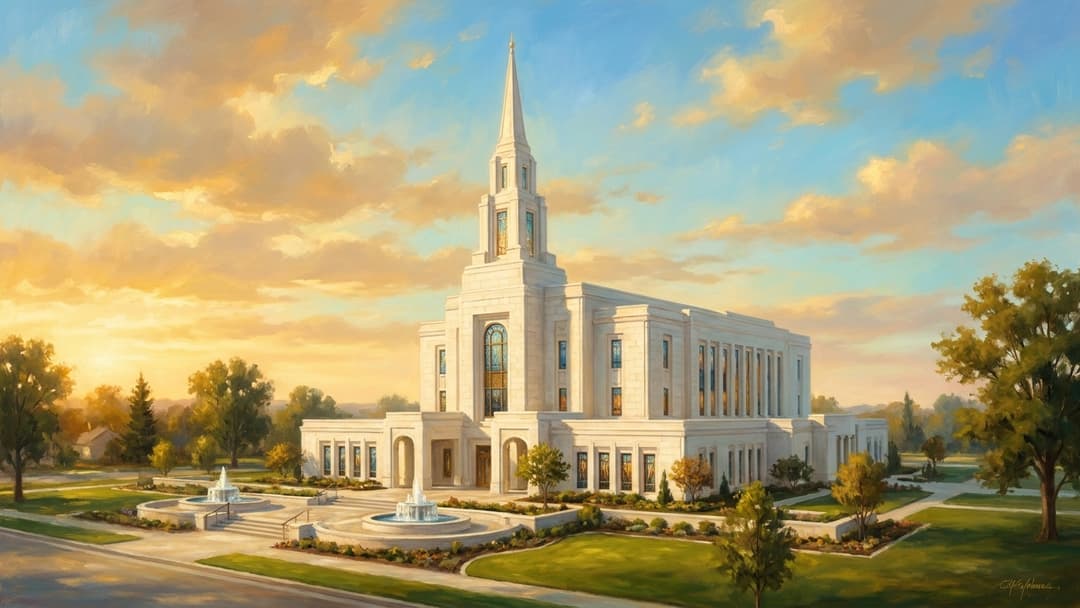
The Syracuse Utah Temple offers a serene, spiritual setting in northern Davis County, surrounded by manicured grounds reflecting the native flora of the Great Salt Lake wetlands. Public visitors are invited to walk the exterior garden pathways, view the reflective fountains, and enjoy quiet contemplation during daylight hours.
Highlights
- Beautifully landscaped 12-acre grounds with native wetland plant motifs and stone plazas.
- Dramatic west-facing views of sunsets over the Great Salt Lake and Antelope Island.
- Distinctive progressive classical architecture with a soaring 219-foot central spire.
Things to Know
- Interior entry is reserved for Church members holding a valid temple recommend.
- No public visitors' center or patron housing is located on the temple grounds.
- High visitor traffic occurs on weekends and during evening hours.
Location
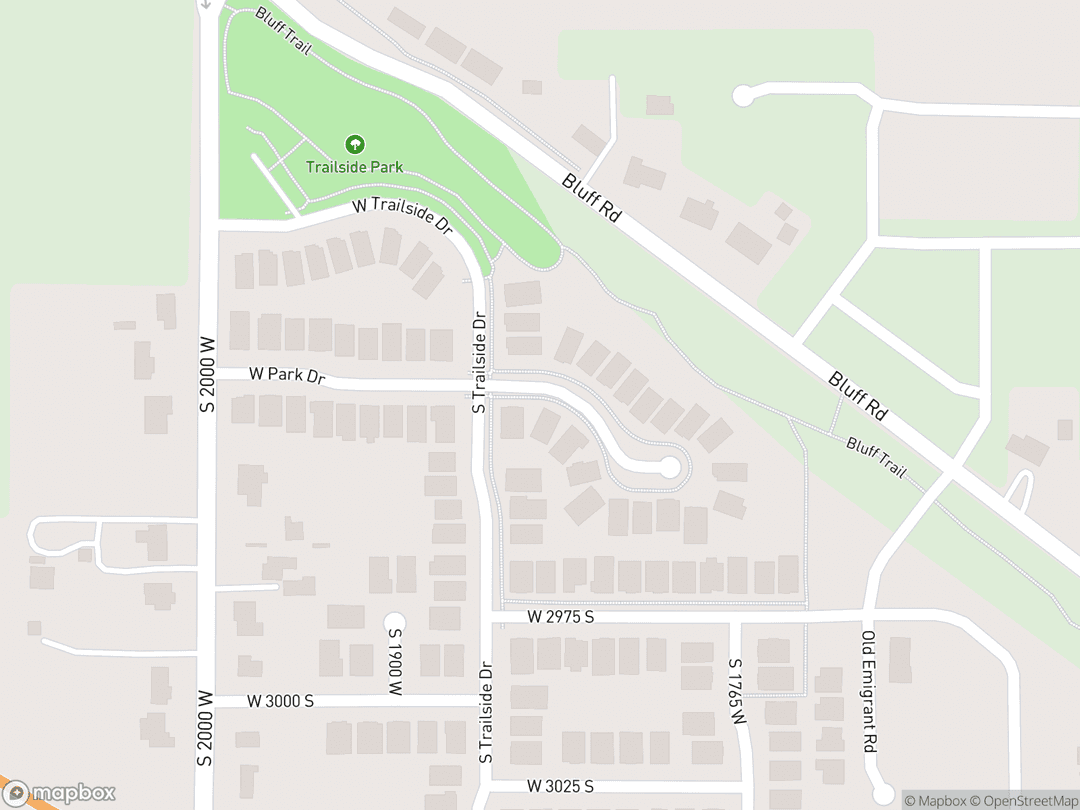
1098 South 2500 West, Syracuse, Utah 84075, United States
Hours: Grounds open daily from sunrise to sunset; temple sessions operate Tuesday through Saturday.
Getting There: Located at 1098 South 2500 West in Syracuse, accessible via Antelope Drive (SR-108) west from Interstate 15.
Get DirectionsAbout
The Syracuse Utah Temple stands as a sacred sanctuary of worship for members of The Church of Jesus Christ of Latter-day Saints in northern Davis County. Grounded in the broader Christian tradition of dedicated holy spaces—recalling the ancient biblical tabernacle and Jerusalem temple—this house of the Lord provides a modern refuge for sacred covenants and spiritual renewal.
Announced in April 2020 by Church President Russell M. Nelson, the temple addresses rapid population growth across the eastern shores of the Great Salt Lake. Built upon 12 acres of former agricultural land, the three-story structure blends progressive classical styling with regional architectural accents honoring the surrounding wetland ecosystem.
Dedicated on June 8, 2025, as the Church's 206th operating temple worldwide, the facility features dual baptistries specifically constructed to accommodate extensive youth participation. Through sacred ordinances such as the endowment and eternal family sealings, the temple unites believers with God and Jesus Christ across generations.
Gallery
Symbolic Elements
The temple's exterior features intricate carvings, each rich with spiritual meaning:

Snowball Sand-Verbena Motifs
Custom glass window borders incorporate this native Antelope Island floral species into leaded glass art.

Desert Paintbrush Patterns
Interior wall stenciling features stylized desert paintbrush blossoms representing resilience in arid landscapes.

Common Cattail & Reeds
Art glass window design panels honor neighboring lake waterfowl marshlands with stylized cattail and reed motifs.

Twelve Sculpted Oxen
Dual baptismal fonts rest upon twelve bronze-cast oxen facing four cardinal directions, symbolizing biblical Israel.

Great Salt Lake Color Palette
Interior glass panels blend soft blues, teals, and gold amber to mirror wetland sunsets over the lake.
Progressive Neo-Classical Spire
A single 219-foot attached end spire points skyward without an Angel Moroni statue, directing focus toward God.
Celestial Mirror Alignments
Facing mirrors inside sealing rooms reflect infinite parallel images, symbolizing eternal family relationships.
Interesting Facts
The Syracuse Utah Temple is one of only a few Latter-day Saint temples built with dual baptismal fonts to accommodate large youth populations. (Tier A)
Utah Governor Spencer Cox attended the 2021 groundbreaking, marking the first time a sitting Utah governor attended a temple groundbreaking ceremony. (Tier A)
President Russell M. Nelson dedicated the temple on June 8, 2025, at 100 years of age. (Tier A)
Elder Kevin R. Duncan could view the roof of his childhood farm home directly from the groundbreaking speaker platform. (Tier A)
Custom art glass throughout the building incorporates native Antelope Island flora like snowball sand-verbena and marsh cattails. (Tier B)
The edifice features a single attached spire reaching nearly 220 feet, constructed without an Angel Moroni statue. (Tier A)
It serves as the third operating temple in Davis County, alongside Bountiful and Layton. (Tier A)
Final architectural records confirmed the completed floor area at 90,526 square feet, reconciling early preliminary estimates. (Tier A)
The 12-acre site was previously an agricultural parcel used for cultivating alfalfa and grain. (Tier B)
Common Questions
When was the Syracuse Utah Temple dedicated?
The temple was dedicated on June 8, 2025, by Church President Russell M. Nelson.
Why does the Syracuse temple have two baptismal fonts?
Dual baptistries were installed to accommodate high numbers of youth participating in vicarious baptismal work.
Can the public visit the temple grounds?
Yes, the manicured gardens, plazas, and pathways are open to visitors of all faiths during daylight hours.
Does the Syracuse temple have an Angel Moroni statue?
No, the temple features a clean 219-foot central spire without an Angel Moroni statue.
Where is the Syracuse Utah Temple located?
The temple is located at 1098 South 2500 West in Syracuse, Utah, near Antelope Drive.
Featured Stories
Centenarian Prophet Dedicates the Temple
June 8, 2025
At 100 years of age, Church President Russell M. Nelson presided over and delivered the dedicatory prayer for the Syracuse Utah Temple. Accompanied by Elder Quentin L. Cook, his presence marked a historic centenarian milestone in modern temple dedications. The sacred session was broadcast throughout the temple district, uniting tens of thousands of local Latter-day Saints in thanksgiving.
Source: Church News & Official Announcements
Governor Attends Historic Groundbreaking
June 12, 2021
When Elder Kevin R. Duncan presided over the temple's groundbreaking ceremony in 2021, Utah Governor Spencer Cox joined church leaders on site. This marked the first time in Utah history that a sitting governor attended a Latter-day Saint temple groundbreaking ceremony. Elder Duncan noted during his address that he could see his childhood farm home directly across the adjacent field.
Source: Church Newsroom
Dual Baptistries for a Growing Generation
May 10, 2025
To accommodate the booming population of youth in northern Davis County, architects designed the Syracuse temple with two distinct baptismal fonts. Each font sits atop twelve sculpted oxen on the lower level, allowing twice as many youth groups to participate in proxy baptismal work. This rare architectural choice highlights the Church's dedication to youth engagement in family history ordinances.
Source: Architectural Nexus & Church Special Projects
Timeline
Settlement of Syracuse
Latter-day Saint pioneers establish agricultural homesteads along the eastern shores of the Great Salt Lake.
MilestoneDedication of the Salt Lake Temple
Early Syracuse residents begin traveling by wagon and train to perform sacred temple ordinances in Salt Lake City.
MilestoneTemple Announcement
President Russell M. Nelson announces plans to construct a temple in Syracuse during general conference.
MilestoneSite Location Confirmed
The First Presidency officially identifies a 12.27-acre agricultural site on 2500 West for the temple.
MilestoneExterior Rendering Released
The Church releases official design renderings showing a three-story progressive classical structure with a central spire.
MilestoneGroundbreaking Ceremony
Elder Kevin R. Duncan presides over the groundbreaking ceremony with Utah Governor Spencer Cox in attendance.
component.timeline.groundbreakingSpire Structure Installed
Construction crews raise and secure the heavy steel framework for the temple's 219-foot central spire.
MilestoneOpen House Dates Announced
The First Presidency formally announces public open house and dedication dates for the completed building.
EventMedia and VIP Tours Begin
Community leaders and interfaith representatives participate in guided previews of the sacred interior.
EventPublic Open House Begins
The temple opens its doors to over 100,000 public visitors during a three-week open house period.
EventTemple Dedication
President Russell M. Nelson dedicates the Syracuse Utah Temple as the Church's 206th operating temple.
DedicationHistory by Decade
1870s–1900s — Pioneer Era and Sacred Desires
Latter-day Saint families settled the fertile lands of Syracuse in the late 19th century, establishing a thriving agricultural community near the Great Salt Lake. Without a local temple, early residents made long journeys by wagon or rail to the Salt Lake Temple to participate in sacred covenants. Their devotion established a deep legacy of faith that sustained generations of local Latter-day Saint families.
2020s — Announcement, Construction, and Dedication
Announced by President Russell M. Nelson in April 2020, the Syracuse Utah Temple responded to rapid population growth in Davis County. Construction began with a historic groundbreaking in June 2021 attended by Utah Governor Spencer Cox. Following a widely attended public open house, President Nelson dedicated the temple on June 8, 2025, marking the 206th operating temple worldwide.
Architecture & Facilities
The Syracuse Utah Temple features a Progressive Neo-Classical architectural design that pairs clean vertical symmetry with subtle regional flourishes. Built across three levels, the structure features white stone cladding, deeply set windows, and a central attached end spire reaching 219 feet without an Angel Moroni statue. Its aesthetic blends modern geometric lines with classical proportions suited to the open prairie landscape.
Building Materials
Exterior Cladding
Constructed with premium White Moncini granite stone blocks for weather resistance and a brilliant pale surface.
Art Glass Windows
Custom leaded art glass features high-performance metal frames and stained panels in soft blue and amber tones.
Roofing & Spire Accents
Architectural metal paneling accents the upper roofline and forms the multi-tiered spire structure.
Interior Flooring
Celestial room floors showcase polished marble tiles imported directly from Egyptian and Israeli quarries.
Interior Features
Dual Baptistries
Features two separate baptismal fonts resting upon twelve sculpted bronze oxen to serve large youth groups.
Instruction Rooms
Four progressive endowment rooms offer plush tiered seating and elaborate wall molding for gospel teaching.
Sealing Rooms
Four sacred marriage rooms contain hand-carved wood altars and facing infinity mirrors.
Celestial Room
A high-vaulted core sanctuary with crystal chandeliers, custom hand-tufted carpets, and gold-leaf details.
Temple Grounds
Spanning 12.268 acres, the temple grounds feature manicured open lawn plazas, wide stone walkways, reflective water fountains, and raised garden beds filled with native shrubs and seasonal flowers.
Additional Facilities
The temple complex includes a meetinghouse on adjacent property and parking infrastructure designed to accommodate patron traffic.
Religious Significance
Within the broad Christian tradition, sacred sites have long served as places set apart for divine communion, echoing ancient biblical sanctuaries like the Tabernacle of Moses and Solomon's Temple. For members of The Church of Jesus Christ of Latter-day Saints, temples represent the most sacred places on earth—houses of the Lord where heavenly covenants bind believers to God and Jesus Christ.
To provide a holy sanctuary where sacred gospel ordinances are performed, uniting families for eternity and deepening members' devotion to Jesus Christ.
Sacred Ordinances
The Endowment
A sacred instructional ceremony detailing God's plan of salvation, the Creation, and the central redemptive role of Jesus Christ.
Eternal Marriage & Sealings
Priesthood ordinances that bind husbands, wives, and children together in eternal family relationships beyond mortality.
Proxy Baptisms
Vicarious baptismal ordinances performed in dual fonts on behalf of deceased ancestors, fulfilling the biblical precedent of 1 Corinthians 15:29.
Sanctuary of Peace and Covenant
The Syracuse Utah Temple provides local Latter-day Saints with a retreat from worldly burdens. Inside its quiet halls, patrons renew their Christian faith through formal commitments to live according to the teachings of Jesus Christ.
Family Salvation Across Generations
Through temple sealings and vicarious ordinances, believers extend the blessings of Christ's Gospel to ancestors who passed without receiving them, affirming God's unconditional love for all humanity.
Similar Temples
Sources & Research
Every fact on Temples.org is backed by verified Sources & Research. Each piece of information is rated by source tier and confidence level.
View All Sources (3)
| Field | Source | Tier | Retrieved |
|---|---|---|---|
| Architecture & Visual Elements | Architectural Nexus (opens in a new tab) | B | 2026-02-18 |
| Religious Significance & Interior | BHB Structural Engineering (opens in a new tab) | B | 2026-02-18 |
| Visitor Insights & Location | ChurchofJesusChristTemples.org (opens in a new tab) | C | 2026-02-18 |