স্তূপ / প্যাগোডা
একটি গম্বুজ আকৃতির বা ধাপে ধাপে নির্মিত টাওয়ার কাঠামো যা মূলত বুদ্ধের পবিত্র ধ্বংসাবশেষ সংরক্ষণের জন্য নির্মিত হয়েছিল। এগুলো শ্রদ্ধার কেন্দ্রীয় বস্তু, যা প্রায়শই সাধকদের দ্বারা প্রদক্ষিণ করা হয়।
বৌদ্ধ মন্দির এবং মঠগুলো হলো ধ্যান, শিক্ষা এবং সামাজিক সমাবেশের কেন্দ্র, যেখানে বুদ্ধের পবিত্র ধ্বংসাবশেষ এবং মূর্তি সংরক্ষিত থাকে।
বৌদ্ধ মন্দিরগুলো এশিয়া জুড়ে বিভিন্ন নামে পরিচিত — থাইল্যান্ডে 'ওয়াট', জাপানে 'তেরা', শ্রীলঙ্কায় 'দাগোবা' — এগুলো আধ্যাত্মিক কেন্দ্র হিসেবে কাজ করে যেখানে সাধকরা ধর্ম অধ্যয়ন করেন, ধ্যান অনুশীলন করেন এবং বুদ্ধের প্রতি শ্রদ্ধা নিবেদন করেন। এই পবিত্র স্থানগুলো অজন্তার প্রাচীন গুহা মন্দির থেকে শুরু করে মিয়ানমারের সুউচ্চ প্যাগোডা পর্যন্ত বিস্তৃত, যার প্রতিটিই তাদের অঞ্চলের অনন্য সাংস্কৃতিক ঐতিহ্যকে প্রতিফলিত করে এবং একই সাথে করুণা, প্রজ্ঞা এবং দুঃখ থেকে মুক্তির মূল বৌদ্ধ নীতিগুলো বজায় রাখে। অনেক বৌদ্ধ মন্দিরে মূল্যবান পবিত্র ধ্বংসাবশেষ, প্রাচীন পাণ্ডুলিপি এবং আইকনিক মূর্তি রয়েছে যা বহু শতাব্দী ধরে পূজিত হয়ে আসছে, যা এগুলোকে জীবন্ত ধর্মীয় স্থান এবং মানবজাতির সাংস্কৃতিক ঐতিহ্যের ভাণ্ডার উভয়ই করে তুলেছে।
ভারত থেকে জাপান পর্যন্ত শৈলী ব্যাপকভাবে ভিন্ন হলেও, মূল উপাদানগুলি জাগরণের পথকে উপস্থাপন করে।
একটি গম্বুজ আকৃতির বা ধাপে ধাপে নির্মিত টাওয়ার কাঠামো যা মূলত বুদ্ধের পবিত্র ধ্বংসাবশেষ সংরক্ষণের জন্য নির্মিত হয়েছিল। এগুলো শ্রদ্ধার কেন্দ্রীয় বস্তু, যা প্রায়শই সাধকদের দ্বারা প্রদক্ষিণ করা হয়।
ভিক্ষু ও ভিক্ষুণীদের (সংঘ) বসবাসের স্থান। ঐতিহাসিকভাবে, এগুলো অস্থায়ী বর্ষাবাসের আশ্রয়স্থল হিসেবে শুরু হয়েছিল এবং পরবর্তীতে বিশাল শিক্ষামূলক ও আধ্যাত্মিক কমপ্লেক্সে পরিণত হয়েছিল।
একটি উপাসনালয় বা প্রার্থনা গৃহ যার এক প্রান্তে একটি স্তূপ থাকে। মূলত প্রাচীন ভারতে পাহাড়ের গায়ে খোদাই করে তৈরি করা এই স্থানগুলো যৌথ প্রার্থনা এবং ধ্যানের জন্য ডিজাইন করা হয়েছে।
can মন্দির প্রাঙ্গণে রোপণ করা একটি পবিত্র অশ্বত্থ গাছ (ফিকাস রিলিজিওসা), যা বুদ্ধগয়ার মূল গাছটির প্রতীক যার নিচে সিদ্ধার্থ গৌতম বুদ্ধত্ব বা জ্ঞান লাভ করেছিলেন।
প্রধান বুদ্ধ মূর্তি ধারণকারী মূল হলঘর। এটি প্রদীপ, ধূপ এবং ফুল উৎসর্গ করার মূল কেন্দ্র হিসেবে কাজ করে।
বৌদ্ধ মন্দির স্থাপত্য এই তিনটি প্রধান ঐতিহ্য দ্বারা প্রভাবিত।
শ্রীলঙ্কা, থাইল্যান্ড এবং মিয়ানমারে প্রচলিত 'স্থবিরদের মতবাদ'। এটি সন্ন্যাস শৃঙ্খলা এবং ব্যক্তিগত নির্বাণ (অরহত্ব লাভ) এর উপর জোর দেয়। এখানকার মন্দিরগুলোতে প্রায়শই আকর্ষণীয় ঘণ্টা আকৃতির স্তূপ দেখা যায়।
চীন, জাপান, কোরিয়া এবং ভিয়েতনামে প্রচলিত 'মহৎ বাহন'। এটি বোধিসত্ত্বের আদর্শকে গুরুত্ব দেয়—সব জীবের কল্যাণে নিজের বুদ্ধত্ব লাভ বিলম্বিত করা। এখানকার স্থাপত্যে বাঁকানো ছাদ এবং বহুতল বিশিষ্ট প্যাগোডা প্রাধান্য পায়।
তিব্বত, ভুটান এবং হিমালয়ের কিছু অংশের সাথে যুক্ত 'বজ্র বাহন'। এটি তার গুহ্য অনুশীলন, রঙিন মন্ডল এবং রাজকীয় জং (দুর্গ) স্থাপত্যের জন্য পরিচিত।
মন্দির শুধুমাত্র উপাসনার জন্য নয়; এগুলি মননশীলতা বিকাশের জন্য সক্রিয় স্থান।
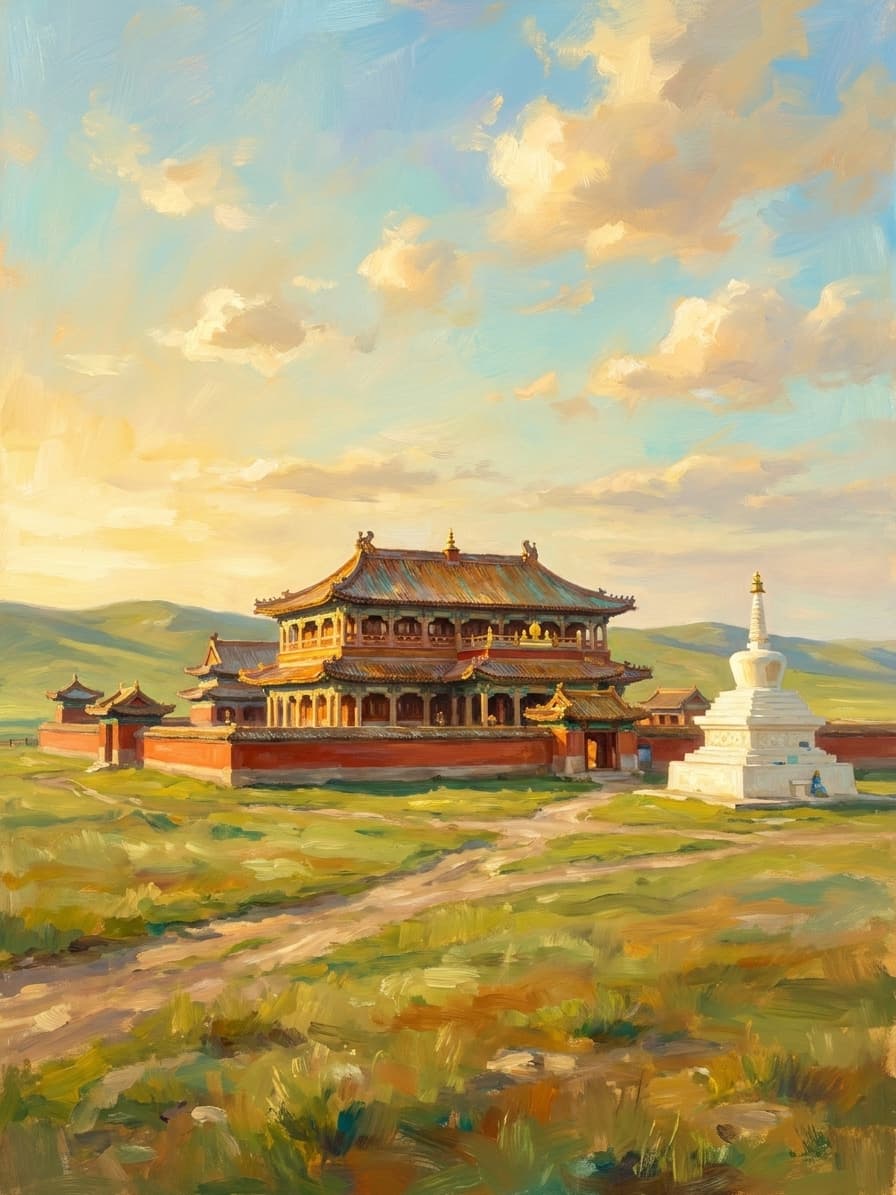
প্রশান্ত পরমসুখের মঠ, উত্তর মঙ্গোলিয়ার পবিত্র ইভেন উপত্যকায় অবস্থিত একটি মহিমান্বিত রাজকীয় চীন-তিব্বতি পবিত্র স্থান।
অনুসন্ধান করুন →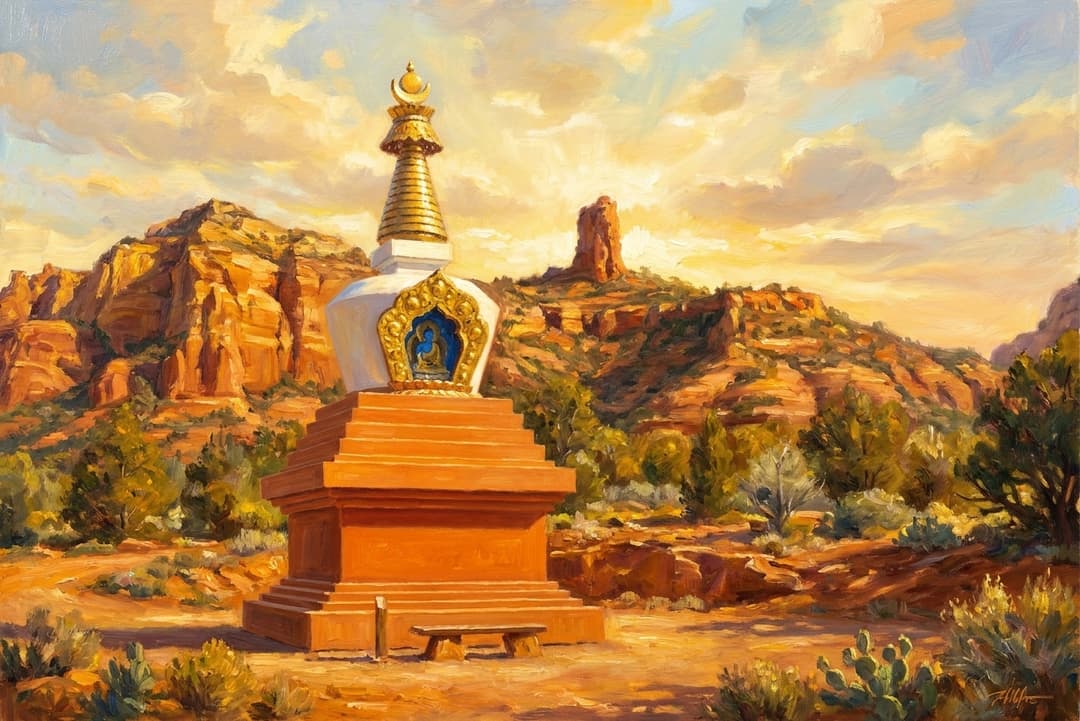
সেডোনার লাল পাথরের চূড়ার নিচে অবস্থিত ৩৬ ফুট উচ্চতার একটি পবিত্র তিব্বতি বৌদ্ধ বোধি স্তূপ।
অনুসন্ধান করুন →
অ্যারিজোনার প্রাচীনতম বৌদ্ধ অভয়ারণ্য, যা ১৯৩৩ সাল থেকে আধ্যাত্মিক আশ্রয় এবং সাংস্কৃতিক মেলবন্ধন প্রদান করে আসছে।
অনুসন্ধান করুন →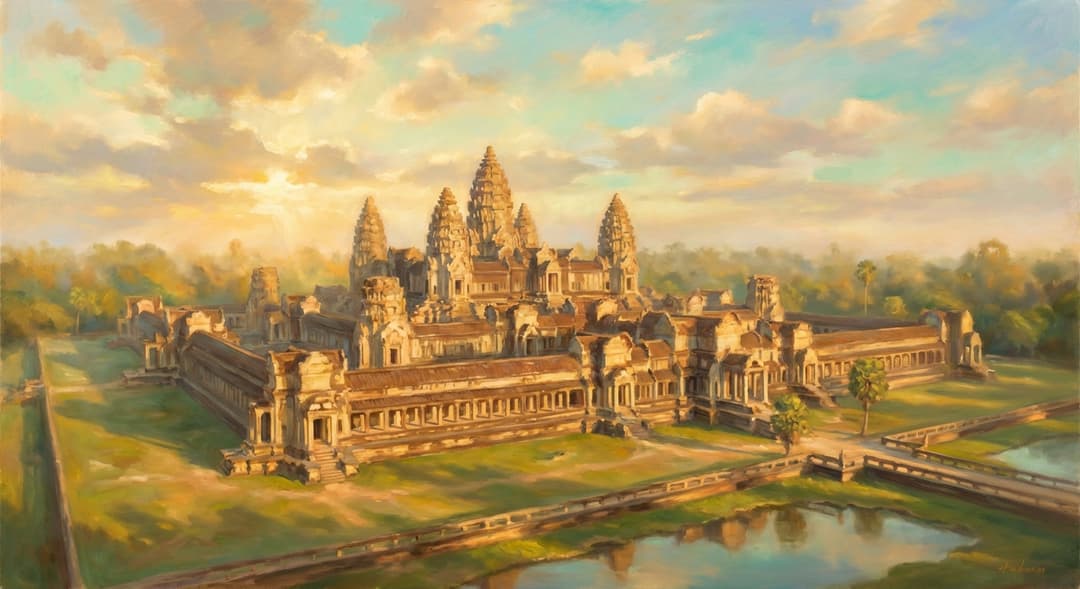
কম্বোদিয়ার একটি মহিমান্বিত মন্দির কমপ্লেক্স, যা মূলত বিষ্ণুর উদ্দেশ্যে উৎসর্গীকৃত এবং পরবর্তীতে একটি বৌদ্ধ মন্দিরে রূপান্তরিত হয়।
অনুসন্ধান করুন →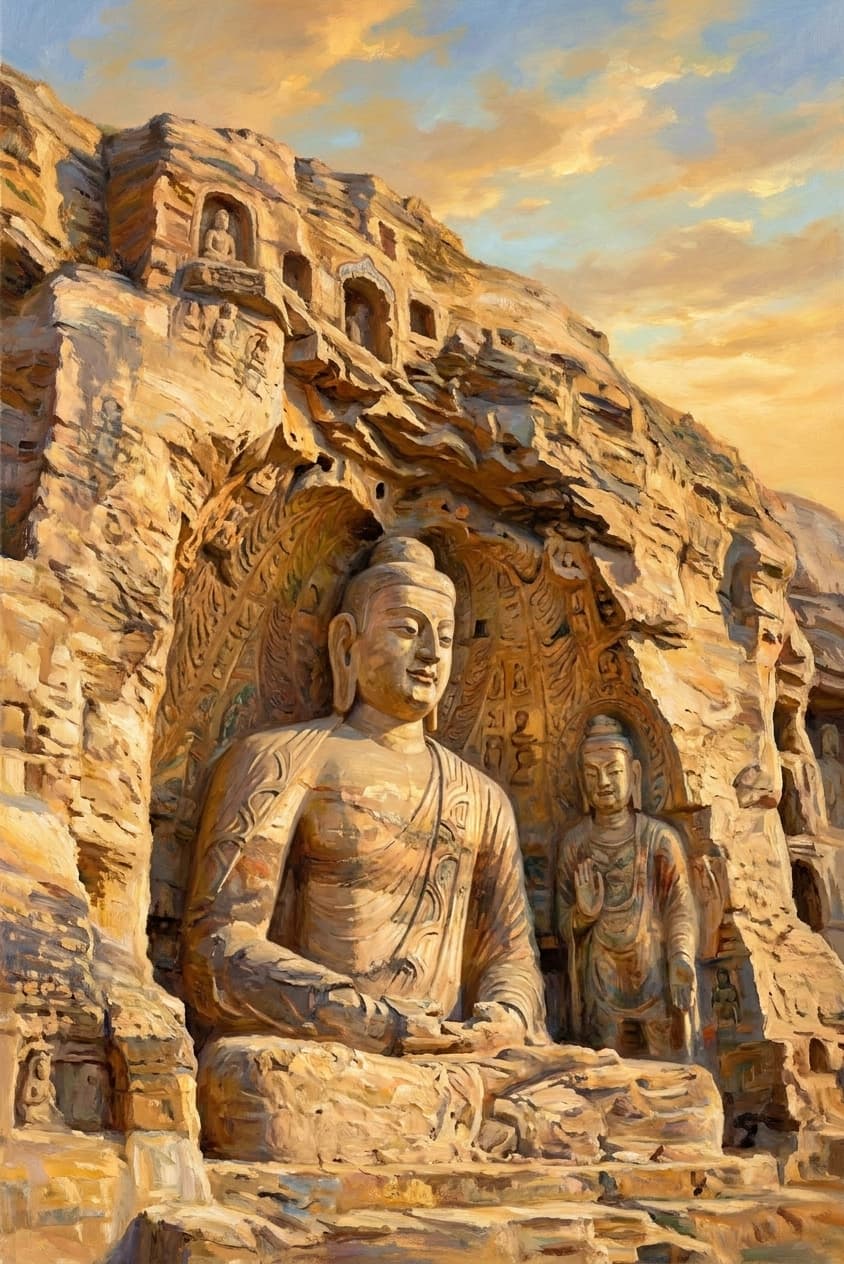
প্রাচীন সিল্ক রোড বরাবর ৫ম শতাব্দীর শিলাকাটা বৌদ্ধ শিল্প ও ধর্মীয় আধ্যাত্মিকতার এক অসামান্য মাস্টারপিস।
অনুসন্ধান করুন →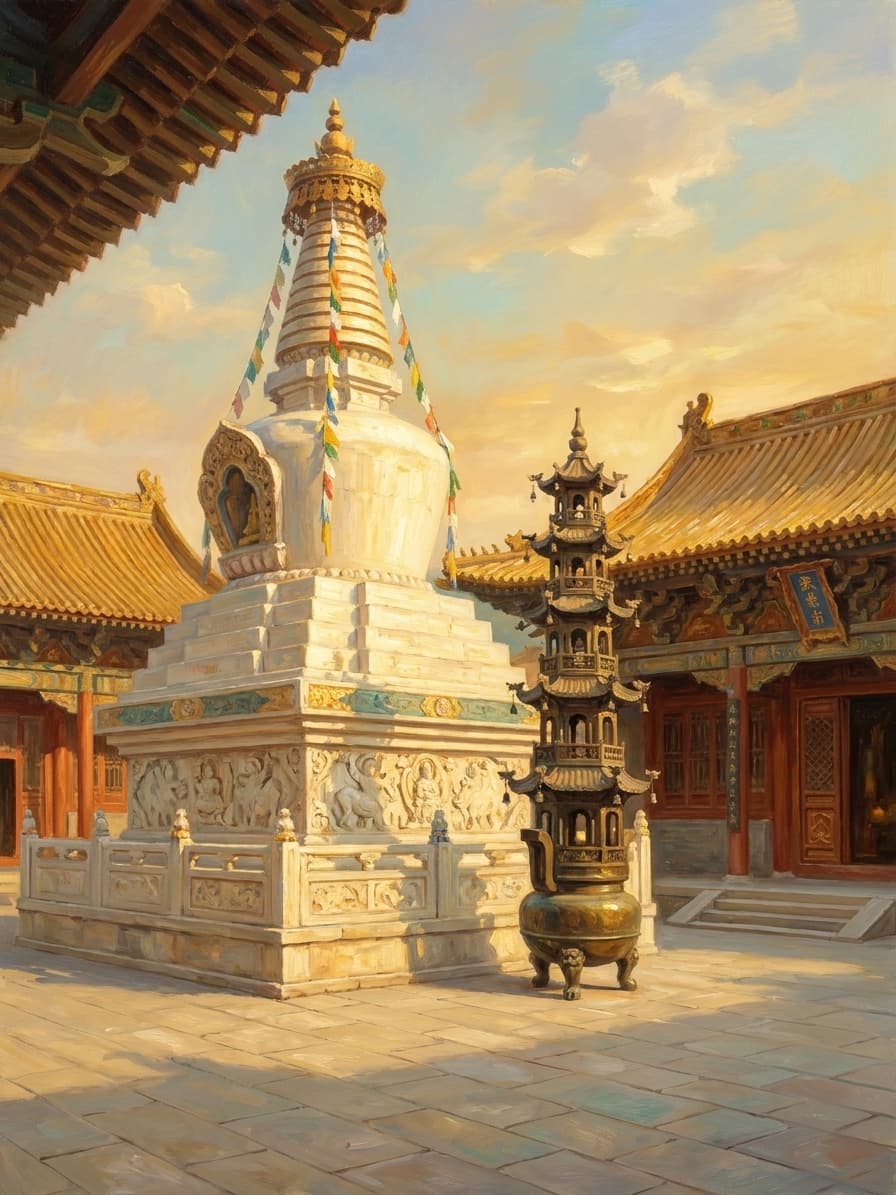
বোধিসত্ত্ব মঞ্জুশ্রীর পার্থিব আবাসস্থল এবং চীনের প্রাচীনতম কাঠের স্থাপত্যের কেন্দ্র।
অনুসন্ধান করুন →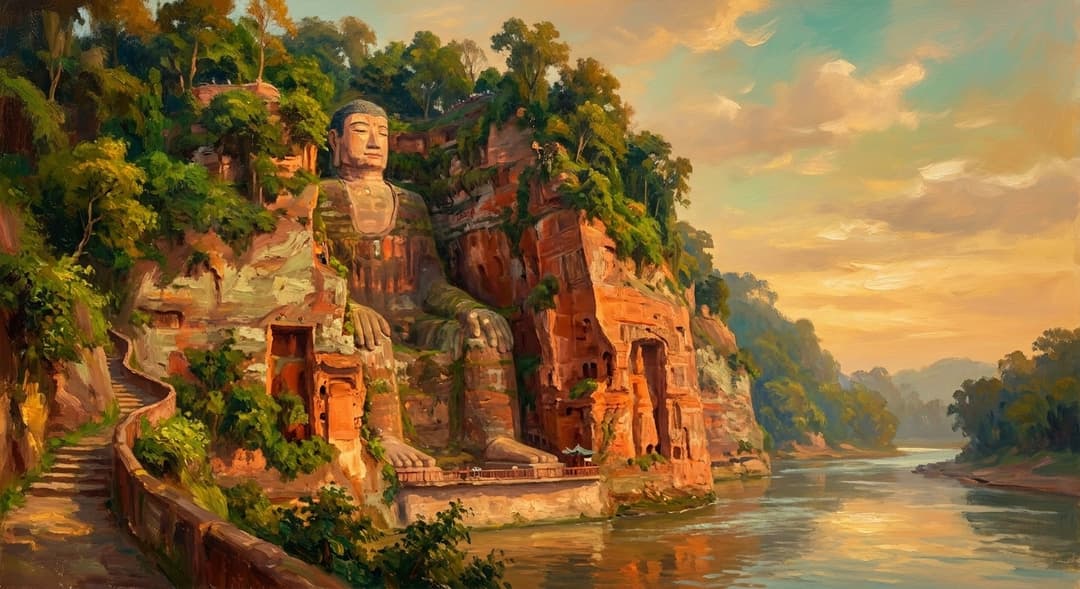
চীনের মহাযান বৌদ্ধধর্মের ভিত্তিপ্রস্তরস্বরূপ পবিত্র স্থান, যেখানে রয়েছে বিশাল লেশান বুদ্ধমূর্তি এবং পবিত্র এমে পর্বত।
অনুসন্ধান করুন →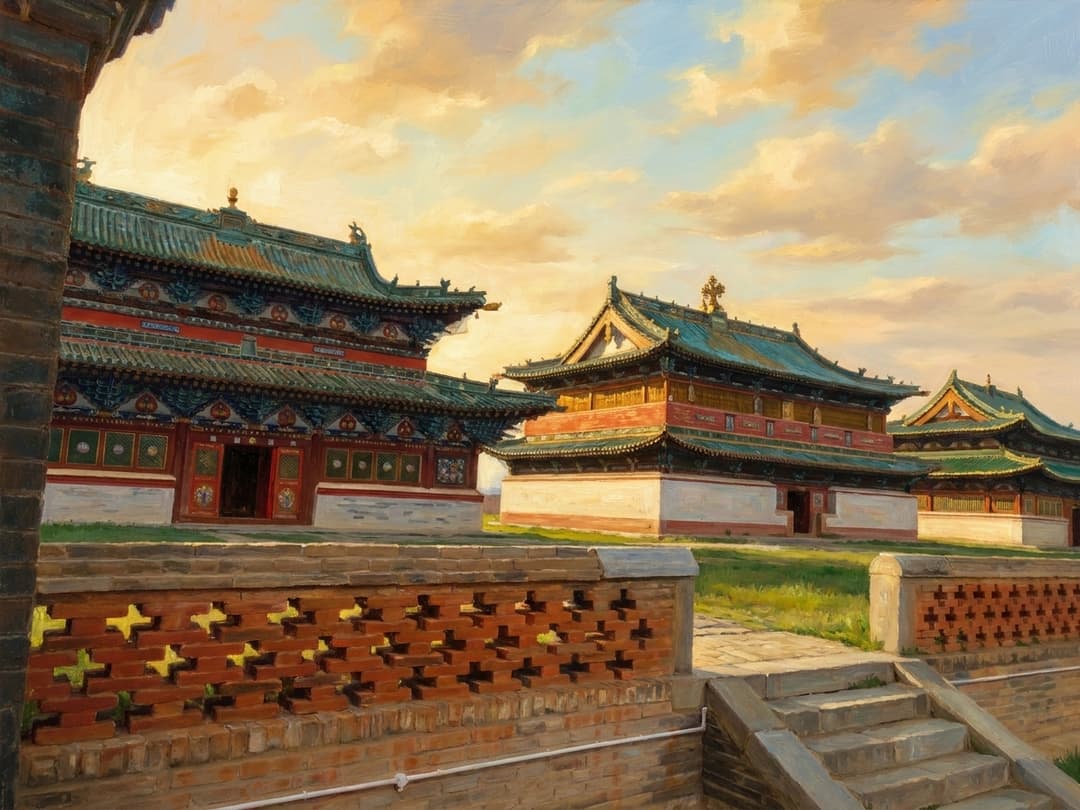
মঙ্গোলিয়ার প্রাচীনতম টিকে থাকা বৌদ্ধ মঠ, যা চেঙ্গিস খানের রাজধানীর প্রাচীন ধ্বংসাবশেষ থেকে নির্মিত।
অনুসন্ধান করুন →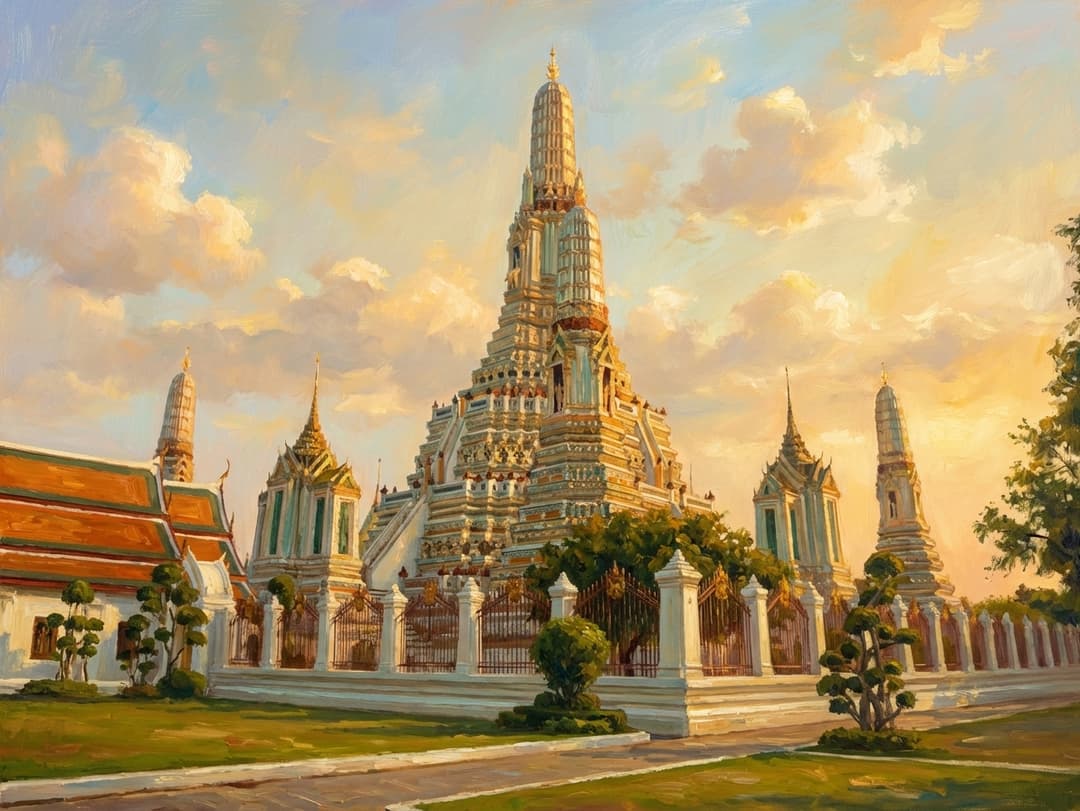
চাও ফ্রায়া নদীর তীরে অবস্থিত একটি ঐতিহাসিক বৌদ্ধ মন্দির, যা এর জটিল স্থাপত্য এবং প্রতীকী তাৎপর্যের জন্য বিখ্যাত।
অনুসন্ধান করুন →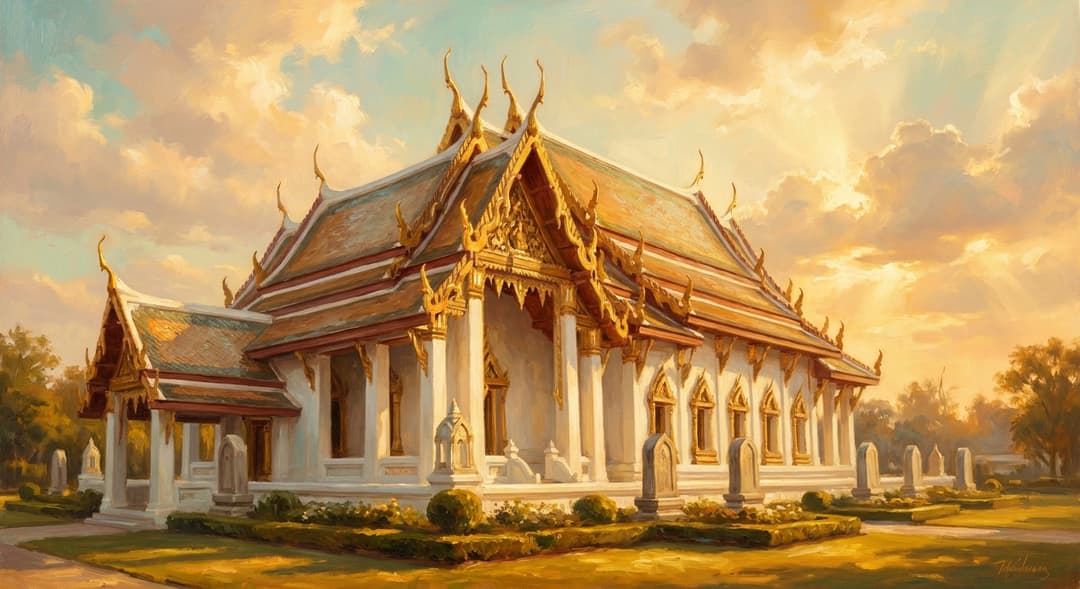
জাতীয় রাজধানী অঞ্চলের ধর্মীয় সম্প্রদায়ের জন্য একটি উৎসর্গীকৃত থেরবাদ পুণ্যস্থান এবং স্থায়ী আধ্যাত্মিক ধাম।
অনুসন্ধান করুন →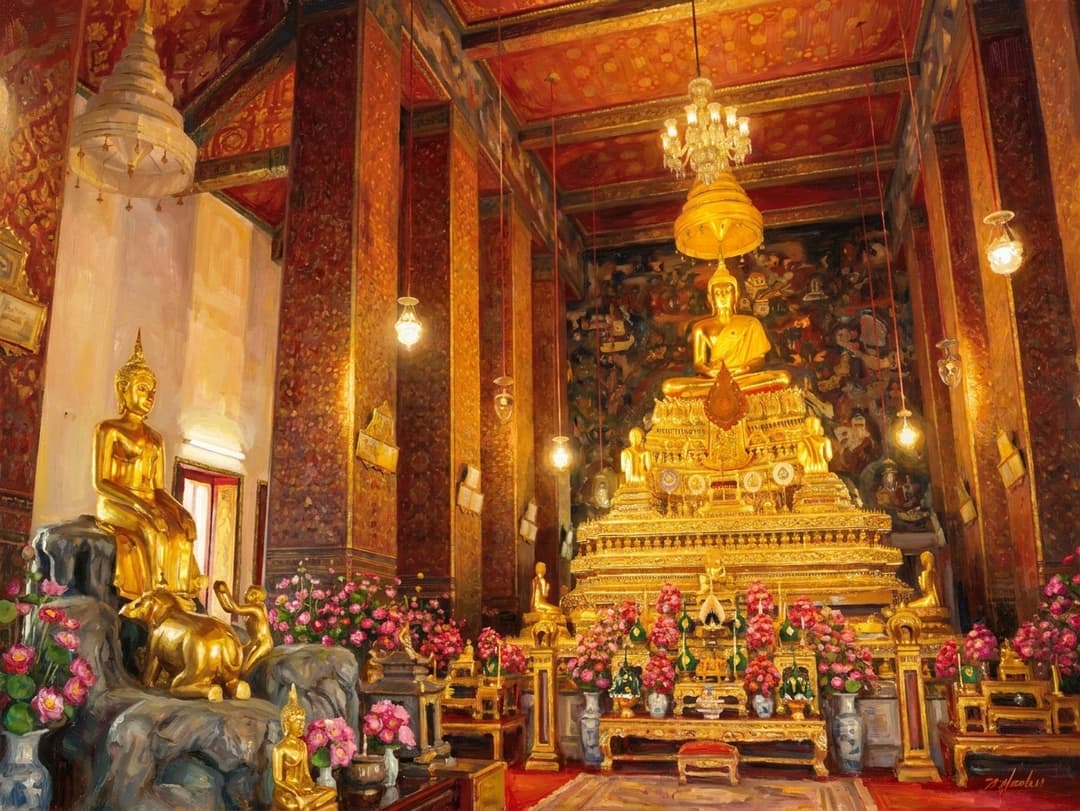
ব্যাংককের একটি প্রথম শ্রেণীর রাজকীয় মঠ, যেখানে ৪৬ মিটার দীর্ঘ বিশাল শায়িত বুদ্ধ প্রতিমা এবং ইউনেস্কো-স্বীকৃত চিকিৎসা শিলালিপি সংরক্ষিত রয়েছে।
অনুসন্ধান করুন →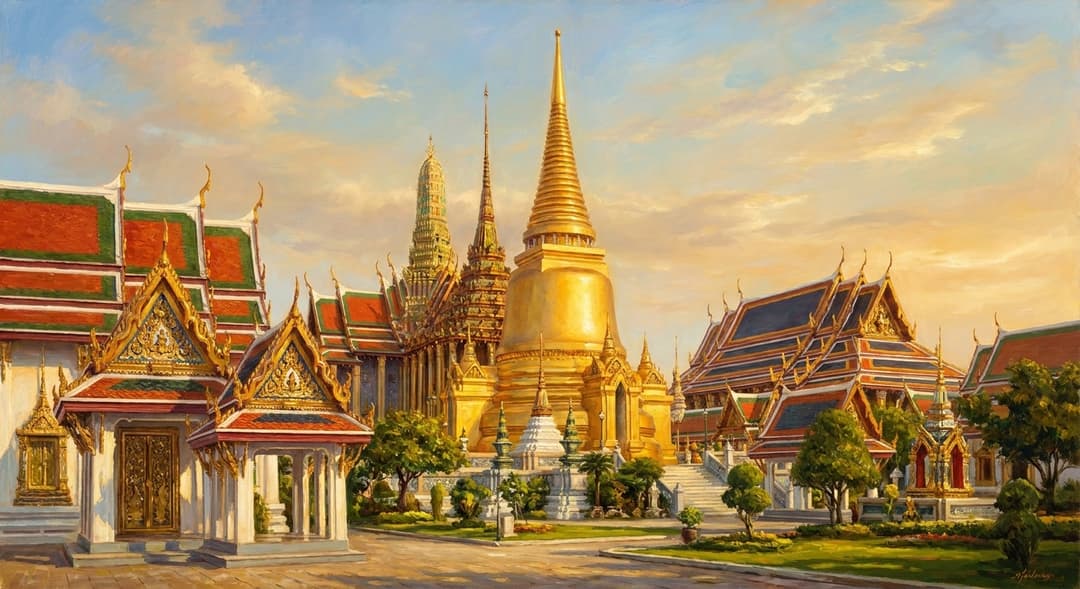
থাইল্যান্ডের পরম শ্রদ্ধেয় মরকত বুদ্ধ ধারণকারী পবিত্র রাজকীয় চ্যাপেল।
অনুসন্ধান করুন →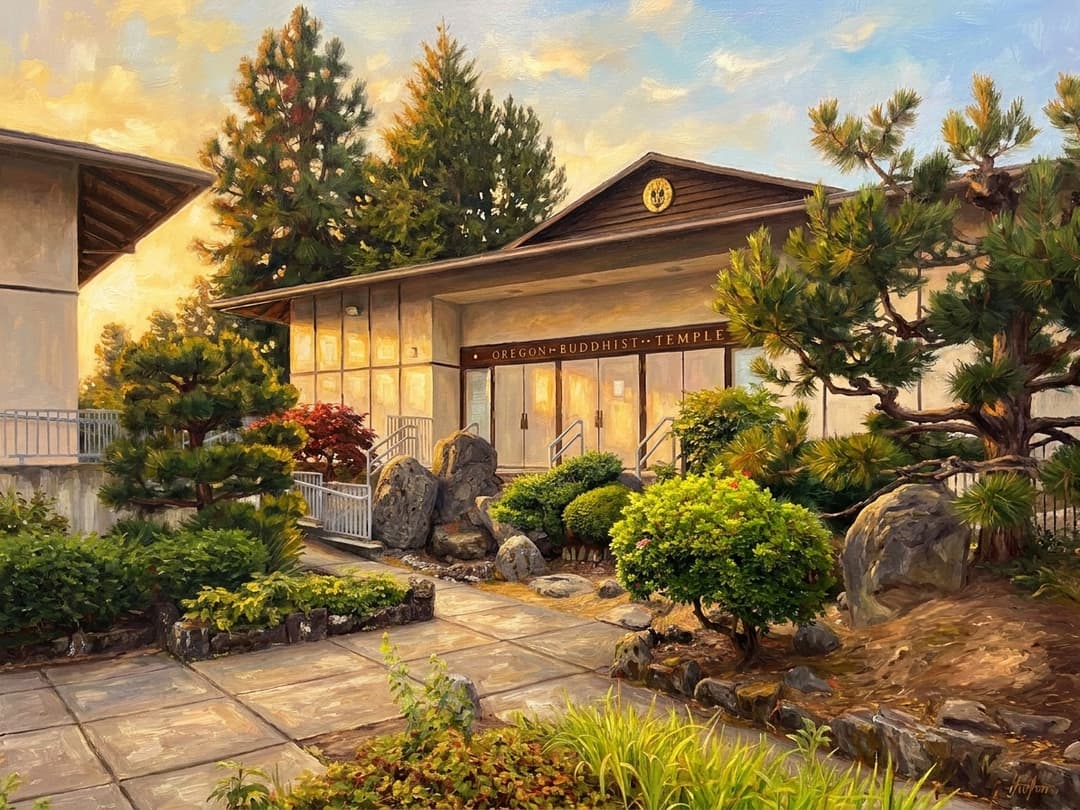
১৯০৩ সাল থেকে জোডো শিনশু পিওর ল্যান্ড ঐতিহ্যের মাধ্যমে প্যাসিফিক নর্থওয়েস্টে সেবা প্রদানকারী ওরেগনের প্রাচীনতম নিরবচ্ছিন্ন বৌদ্ধ প্রতিষ্ঠান।
অনুসন্ধান করুন →
জাপানের কিয়োটোতে অবস্থিত একটি চমৎকার জেন বৌদ্ধ মন্দির, যা তার সোনালী সম্মুখভাগ এবং শান্ত উদ্যানের জন্য বিখ্যাত।
অনুসন্ধান করুন →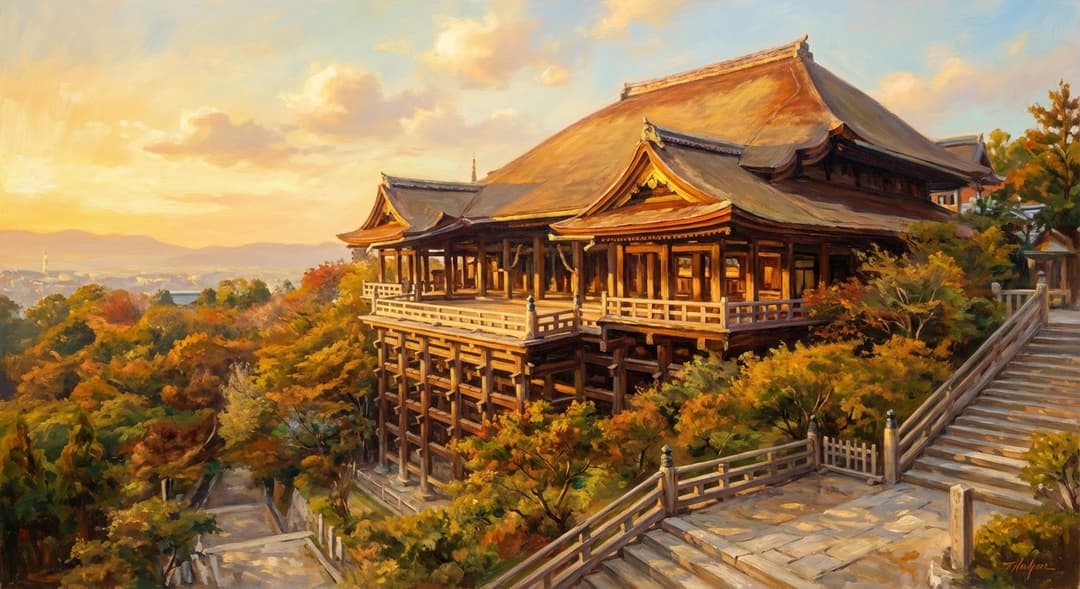
কিয়োটোর একটি শান্ত বৌদ্ধ মন্দির, যা তার ঐতিহ্যবাহী কাঠের মঞ্চ এবং পবিত্র জলের জন্য পরিচিত।
অনুসন্ধান করুন →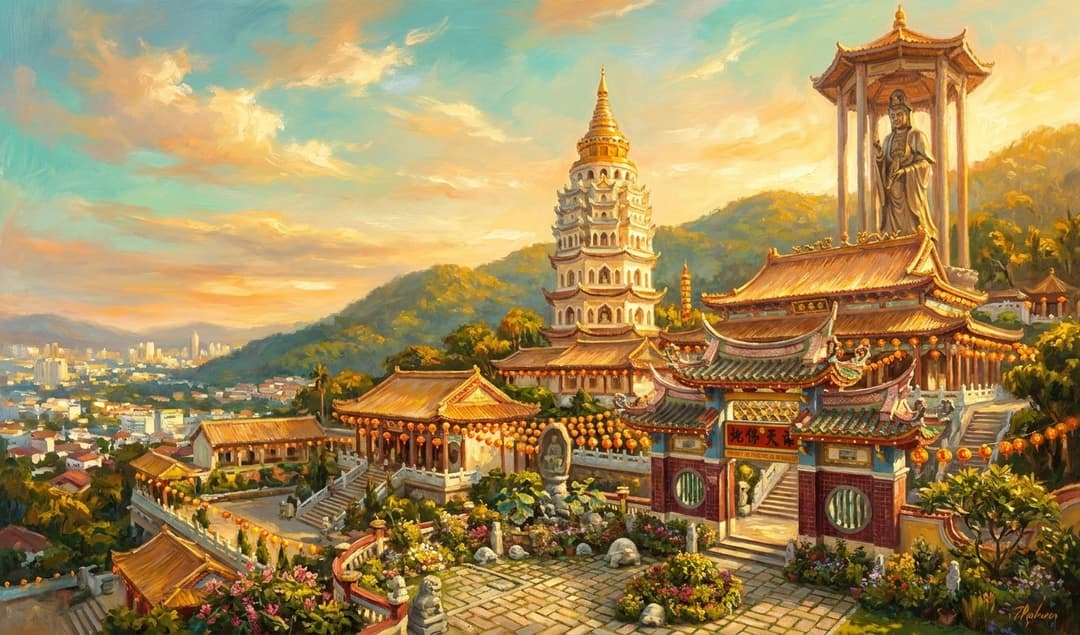
মালয়েশিয়ার বৃহত্তম বৌদ্ধ মন্দির প্রাঙ্গণ, যা ক্রেন পর্বতের ঢালে মহাযান ও থেরবাদ ঐতিহ্যকে একসূত্রে গ্রথিত করেছে।
অনুসন্ধান করুন →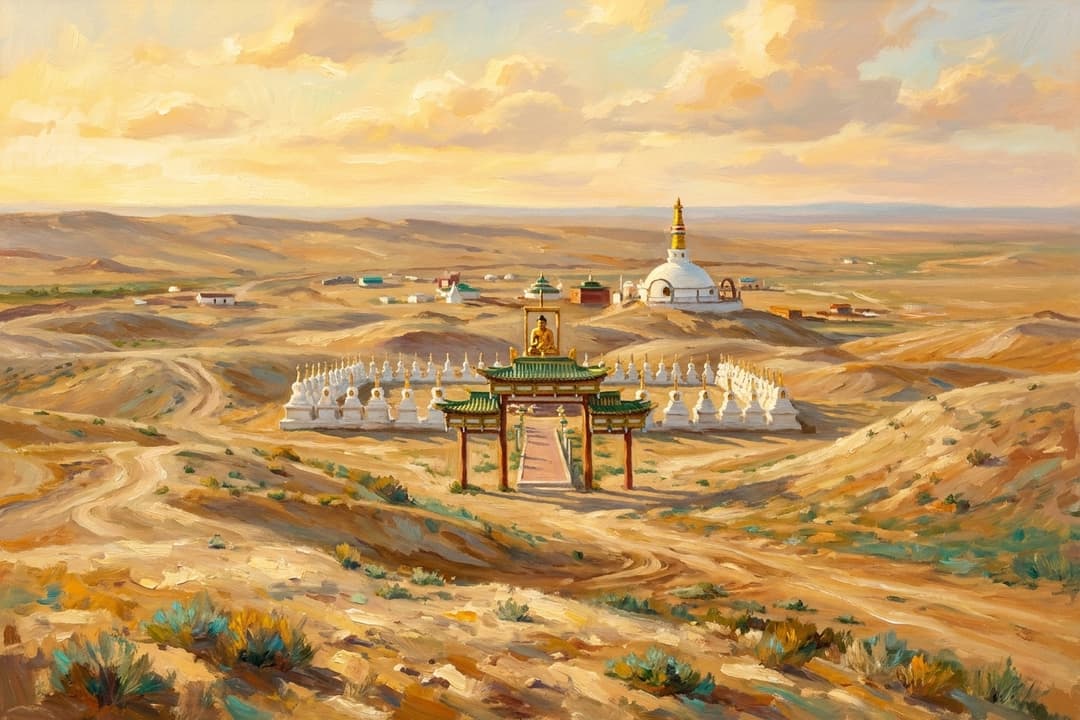
দানজানরাবজা কর্তৃক প্রতিষ্ঠিত গোবি মরুভূমির একটি পবিত্র মঠ এবং আধ্যাত্মিক শক্তিপূর্ণ শম্ভাল প্রবেশদ্বার।
অনুসন্ধান করুন →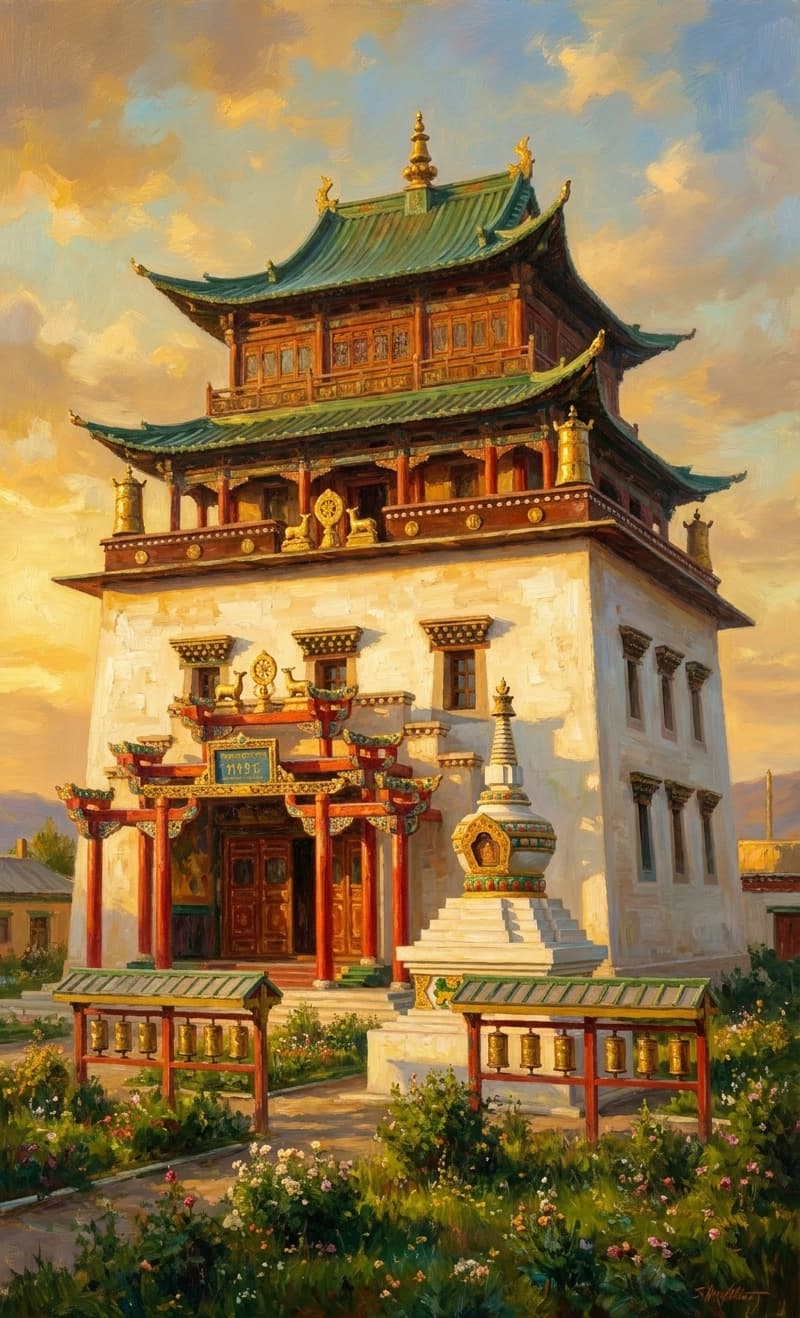
পূর্ণ আনন্দের মহা স্থান এবং মঙ্গোলীয় বৌদ্ধধর্মের জাতীয় আধ্যাত্মিক কেন্দ্র।
অনুসন্ধান করুন →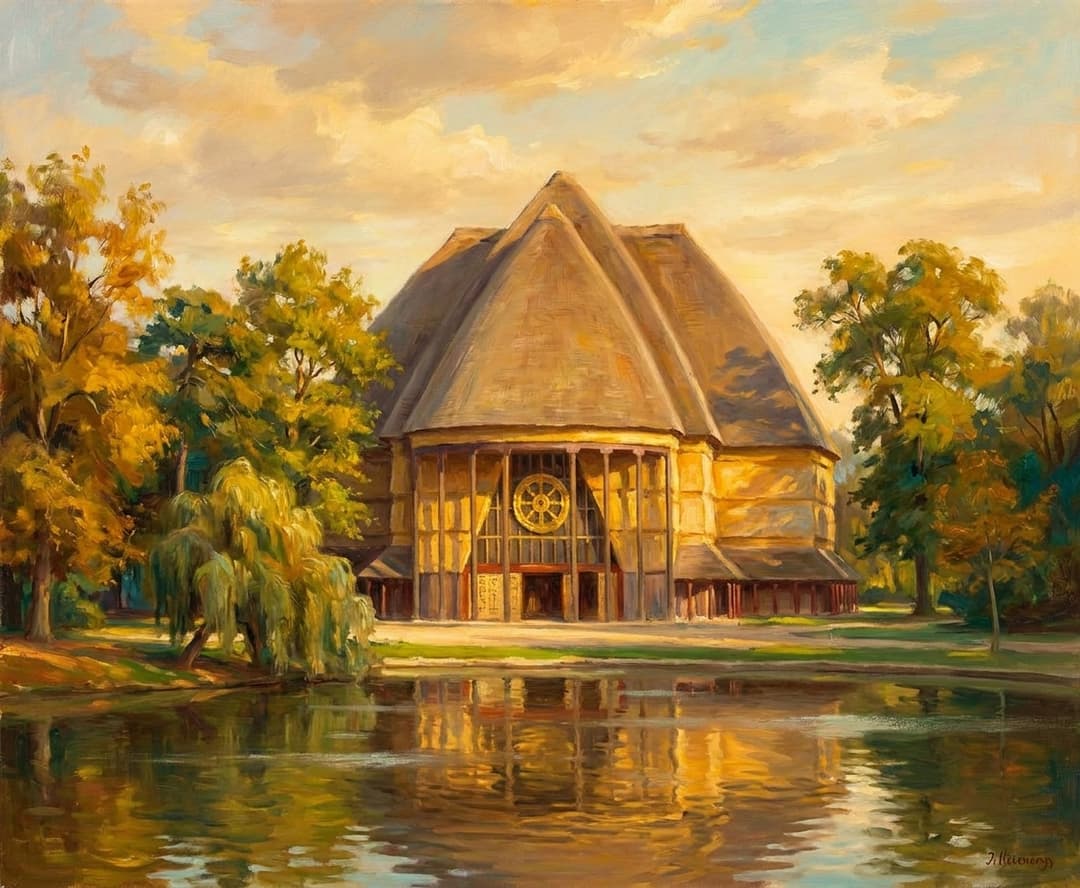
লাক ডোমেনিলের শান্ত জলের পাশে অবস্থিত ইউরোপের এক বিশাল সর্ব-বৌদ্ধ অভয়ারণ্য।
অনুসন্ধান করুন →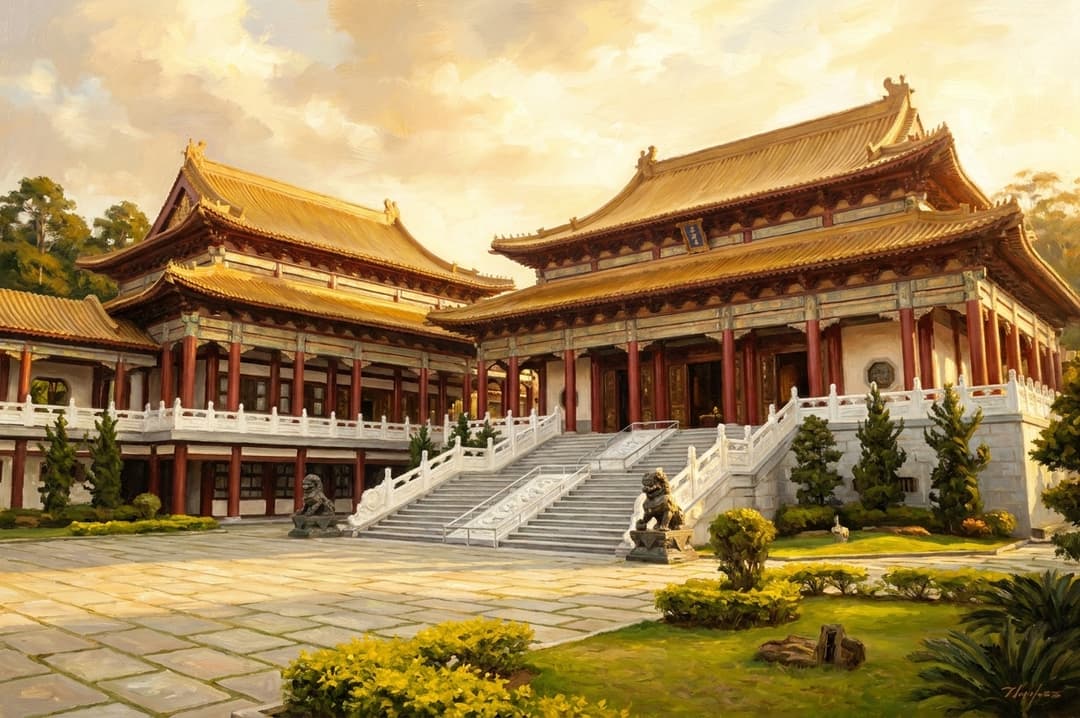
দক্ষিণ আমেরিকার বৃহত্তম বৌদ্ধ মন্দির প্রাঙ্গণ, যা মানবতাবাদী বৌদ্ধধর্ম এবং আন্তঃসাংস্কৃতিক সম্প্রীতির এক পবিত্র আশ্রয়স্থল।
অনুসন্ধান করুন →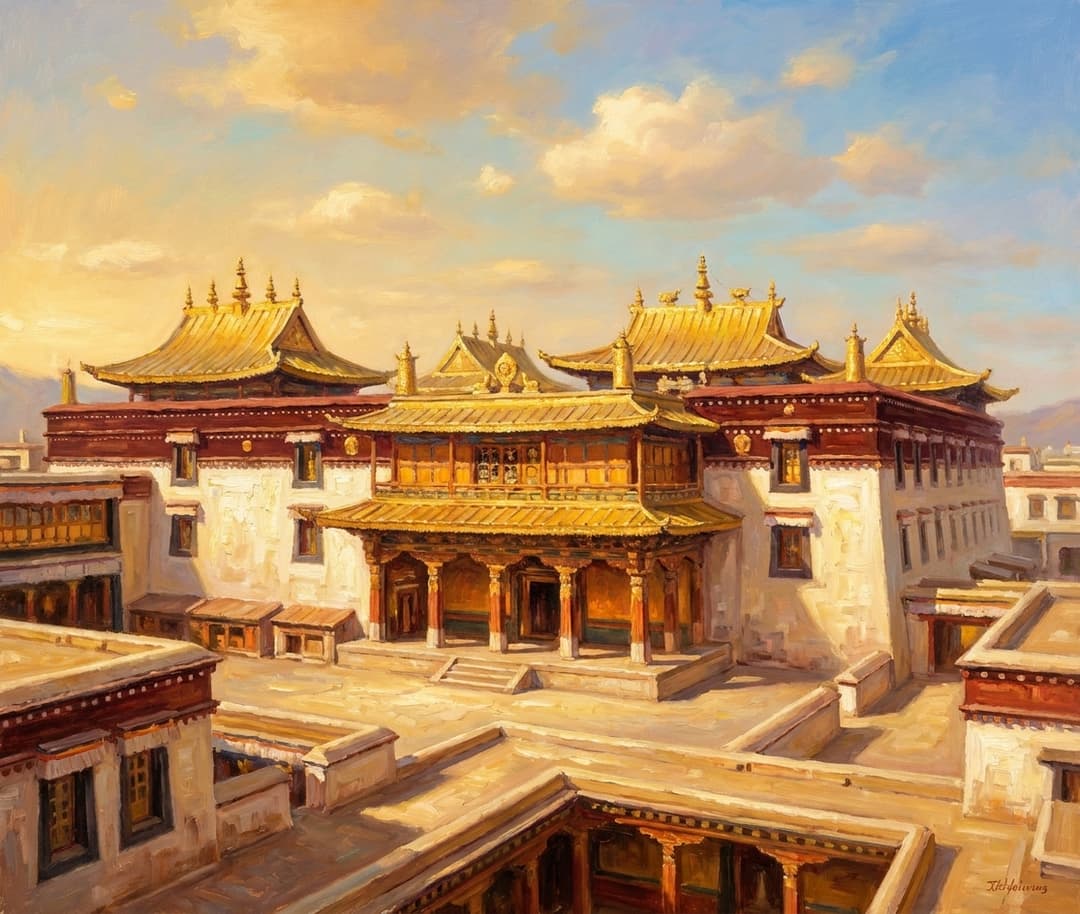
তিব্বতের পবিত্র হৃদয়, যেখানে পূজনীয় জাও শাক্যমুনি বুদ্ধের মূর্তি সংরক্ষিত আছে।
অনুসন্ধান করুন →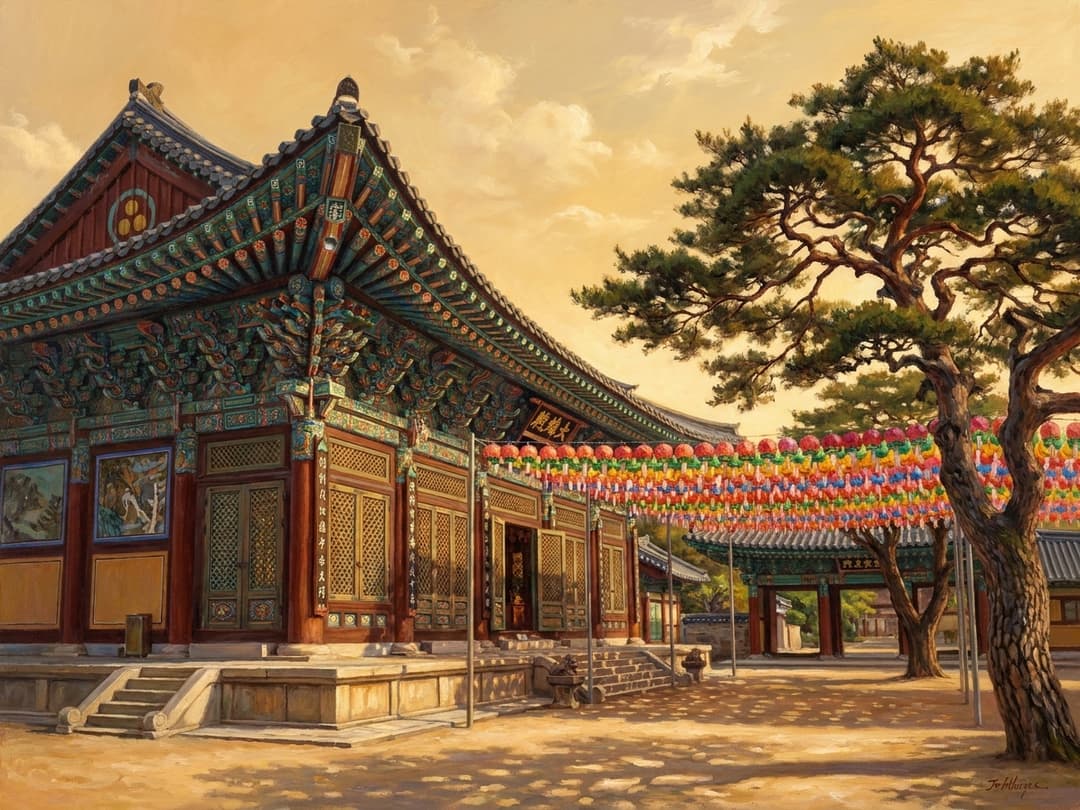
সিউল শহরের কেন্দ্রস্থলে অবস্থিত কোরিয়ান সিওন বৌদ্ধধর্মের মূল কেন্দ্র এবং জোগিয়ে অর্ডারের প্রশাসনিক সদর দফতর।
অনুসন্ধান করুন →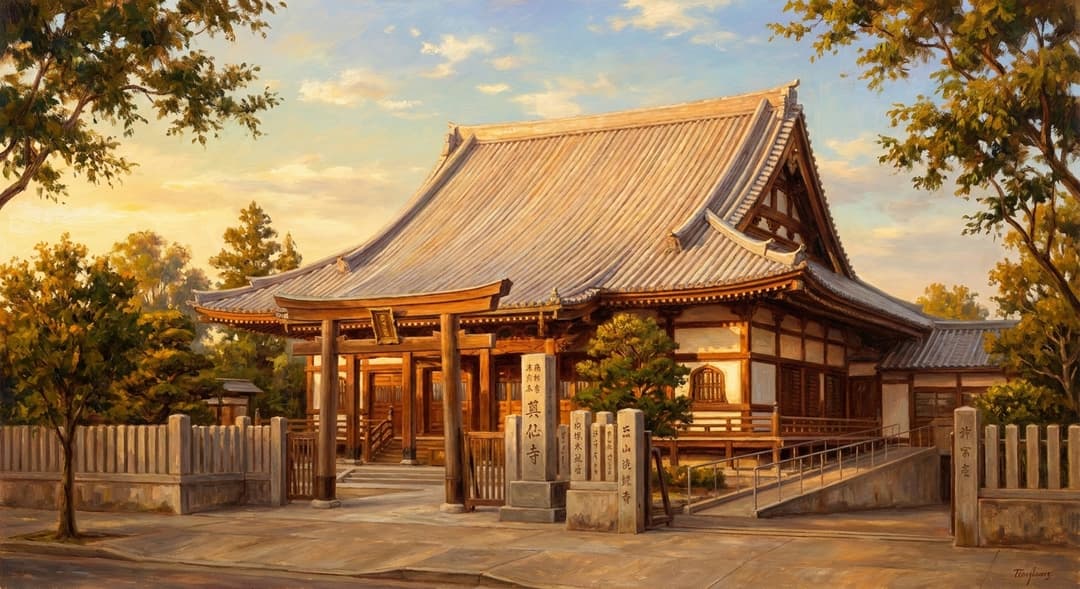
দক্ষিণ আমেরিকায় সোতো জেন বৌদ্ধধর্মের মহাদেশীয় প্রশাসনিক সদর দফতর এবং বিশেষ শাখা মন্দির।
অনুসন্ধান করুন →
মঙ্গোলিয়ার উচ্চ পর্বতের একটি বৌদ্ধ উপাসনালয় যেখানে শিল্পকলা, ধ্যান এবং জাতীয় পরিচয় একত্রিত হয়েছে।
অনুসন্ধান করুন →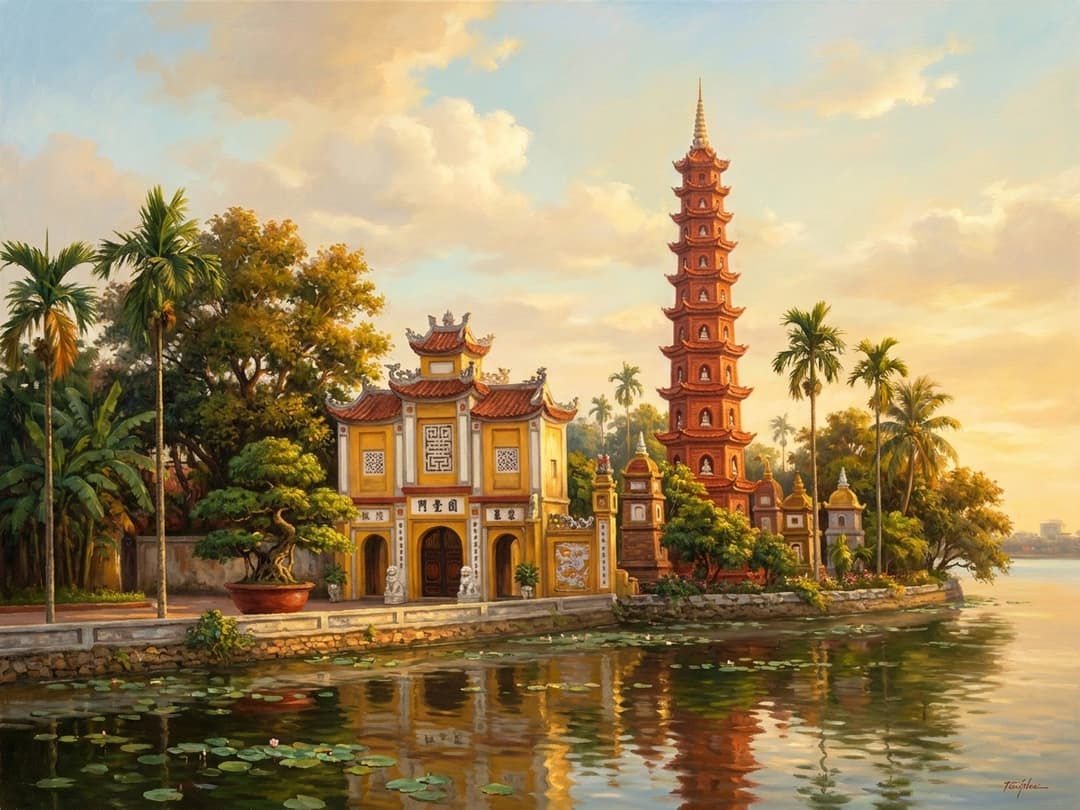
হ্যানয়ের প্রাচীনতম বৌদ্ধ মন্দির, যা ১,৫০০ বছরেরও বেশি সময় ধরে ওয়েস্ট লেকের এক পবিত্র দ্বীপ অভয়ারণ্য হিসেবে দাঁড়িয়ে আছে।
অনুসন্ধান করুন →
ধার্মিক প্রজ্ঞা, পরিবেশগত নিরাময় এবং সাধারণ অনুশীলনের মূলে প্রোথিত একটি নগর সোটো জেন ইকো-মঠ।
অনুসন্ধান করুন →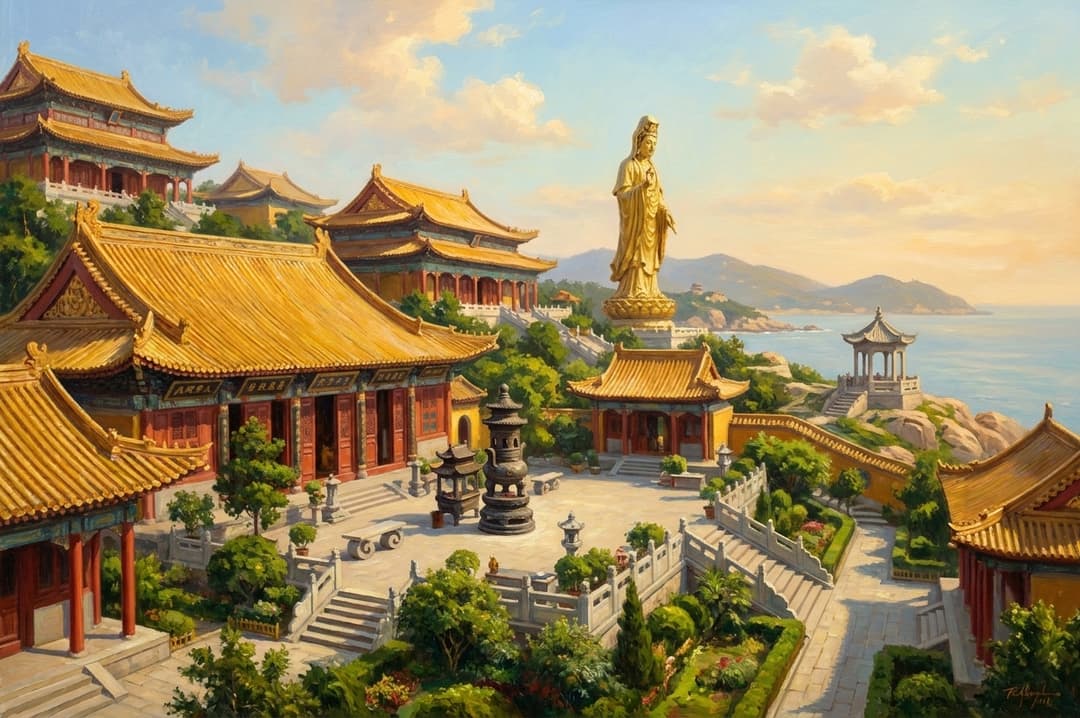
গুয়ানইনের পবিত্র দ্বীপ বোধিমণ্ড এবং মহাযান বৌদ্ধ ভক্তির চীনের প্রধান সামুদ্রিক কেন্দ্র।
অনুসন্ধান করুন →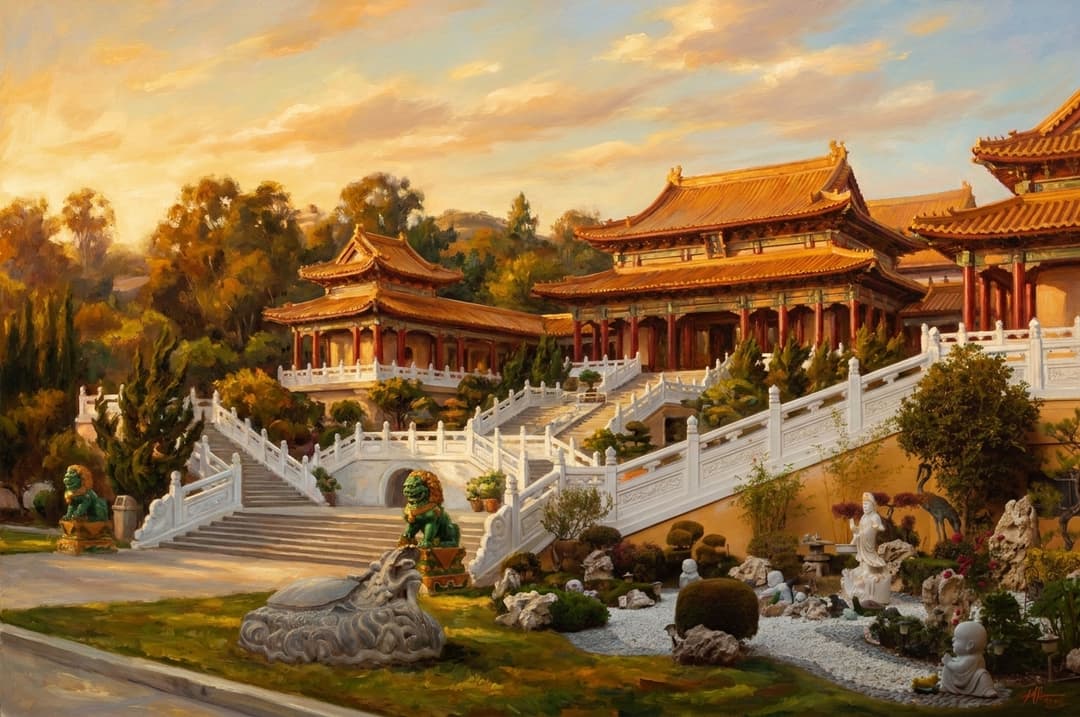
ফো গুয়াং শানের উত্তর আমেরিকার প্রধান মঠ, যা মানবতাবাদী বৌদ্ধধর্মের এক আধ্যাত্মিক সেতু হিসেবে কাজ করে।
অনুসন্ধান করুন →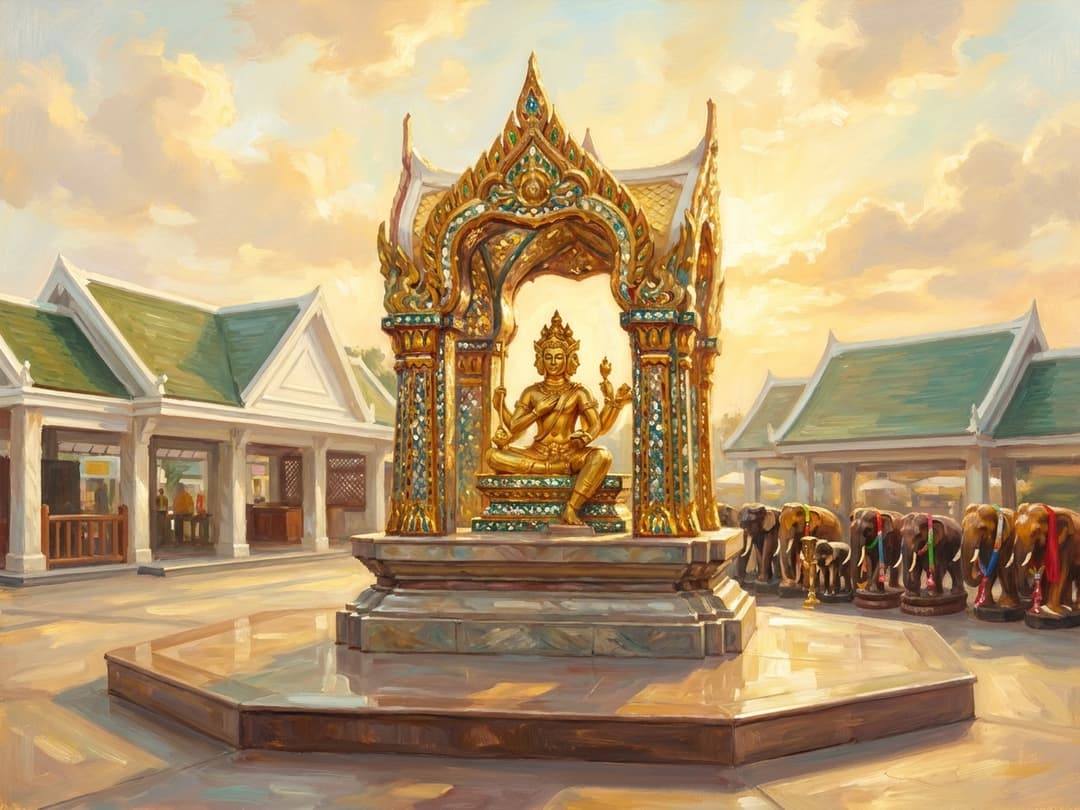
লাস ভেগাসের হৃদয়ে অবস্থিত একটি খাঁটি থাই বৌদ্ধ অভয়ারণ্য যা অসীম করুণা বিকিরণ করে।
অনুসন্ধান করুন →
ভিয়েতনামের একটি সুবিশাল বৌদ্ধ মন্দির চত্বর, যা প্রাচীন গুহা উপাসনার সাথে রাজকীয় মহিমান্বিত স্থাপত্যের মেলবন্ধন ঘটিয়েছে।
অনুসন্ধান করুন →
ওআহুর সুউচ্চ কোওলাউ পাহাড়ের নিচে অবস্থিত একটি শান্ত, অ-সাম্প্রদায়িক 'পিওর ল্যান্ড' শৈলীর মন্দির।
অনুসন্ধান করুন →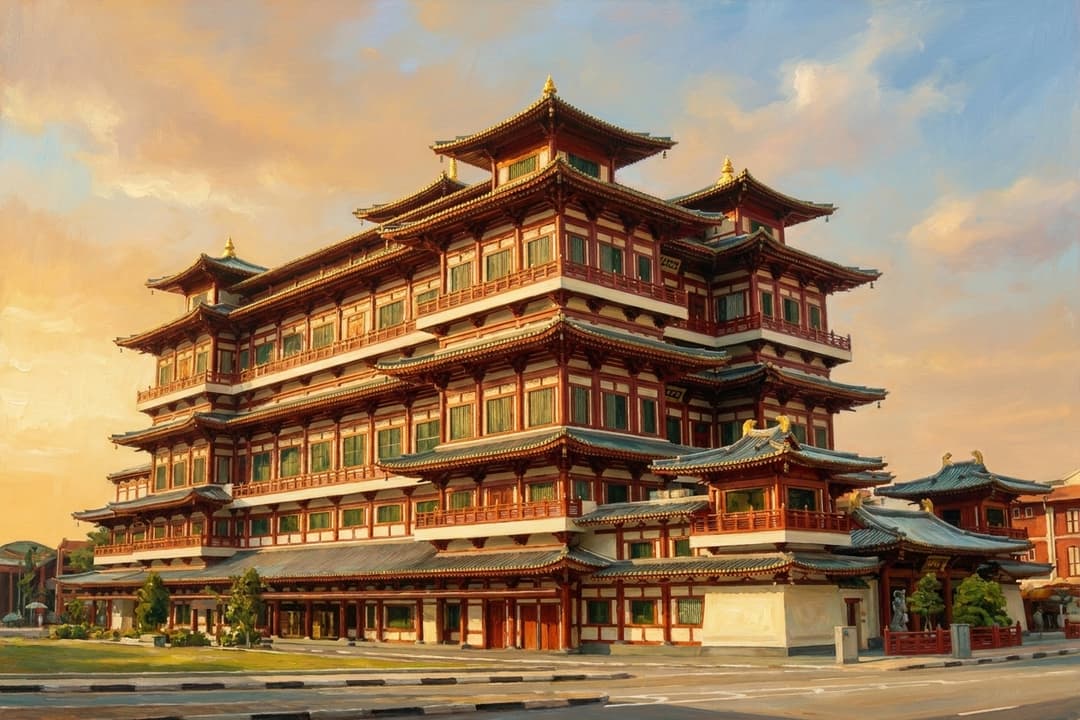
সিঙ্গাপুরের চায়নাটাউনে অবস্থিত তাং রাজবংশের স্থাপত্যশৈলীর এক পবিত্র মহাযান আশ্রয়স্থল, যেখানে গৌতম বুদ্ধের পূজনীয় দন্ত অবশেষ সংরক্ষিত রয়েছে।
অনুসন্ধান করুন →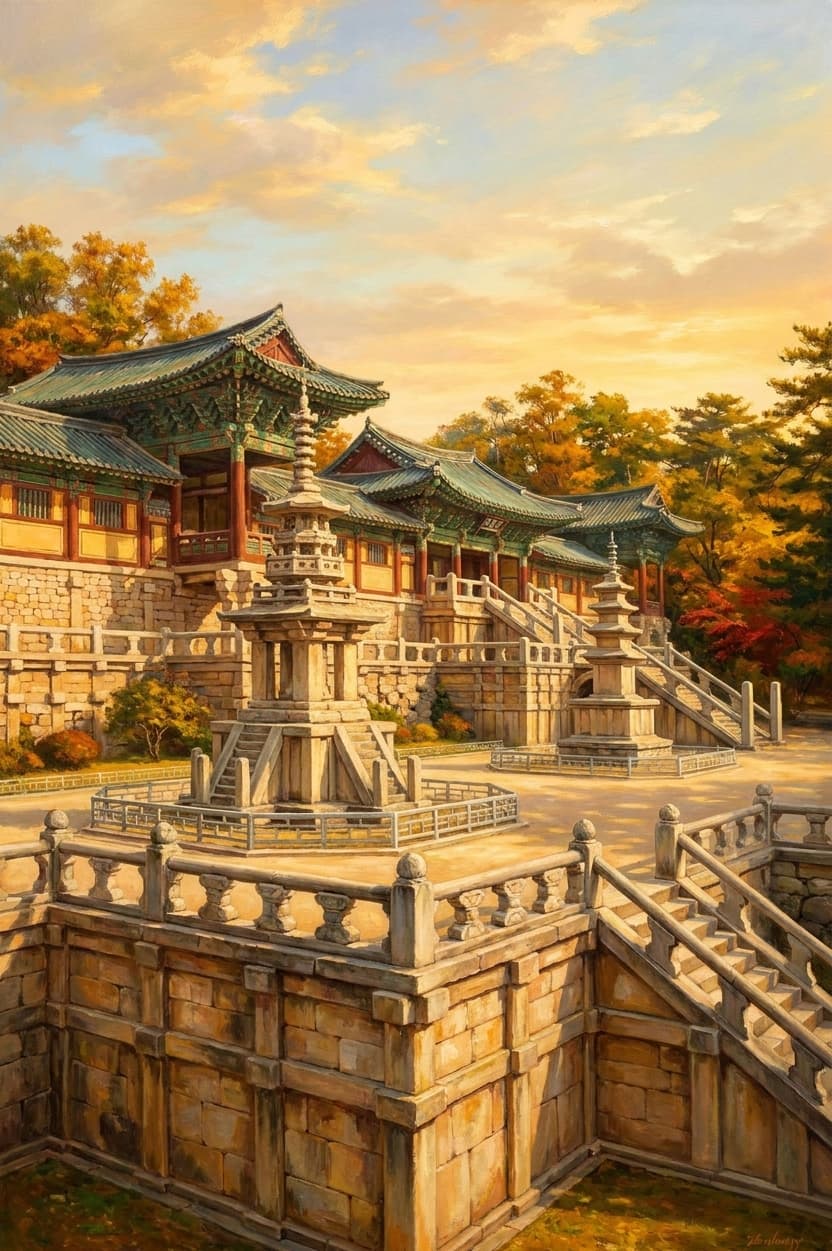
তোহাম পর্বতে অবস্থিত বৌদ্ধ পিওর ল্যান্ড এবং সিলা কারুশিল্পের এক অনবদ্য স্থাপত্য সংমিশ্রণ।
অনুসন্ধান করুন →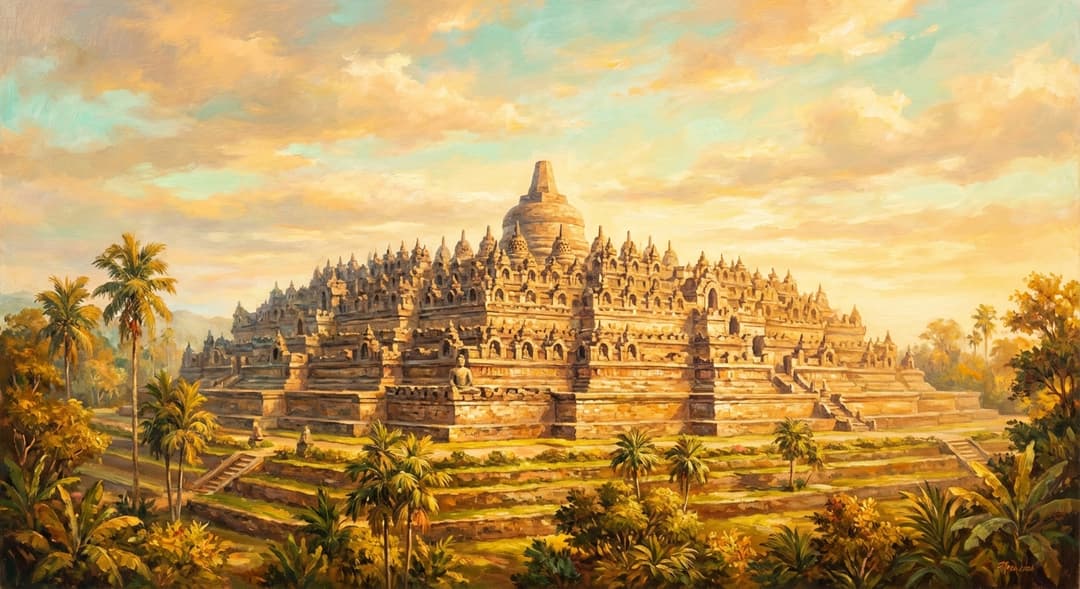
বিশ্বের বৃহত্তম বৌদ্ধ মন্দির, যা মহাযান বৌদ্ধ বিশ্বাস এবং জাভানিজ শিল্পকলার এক অপূর্ব নিদর্শন।
অনুসন্ধান করুন →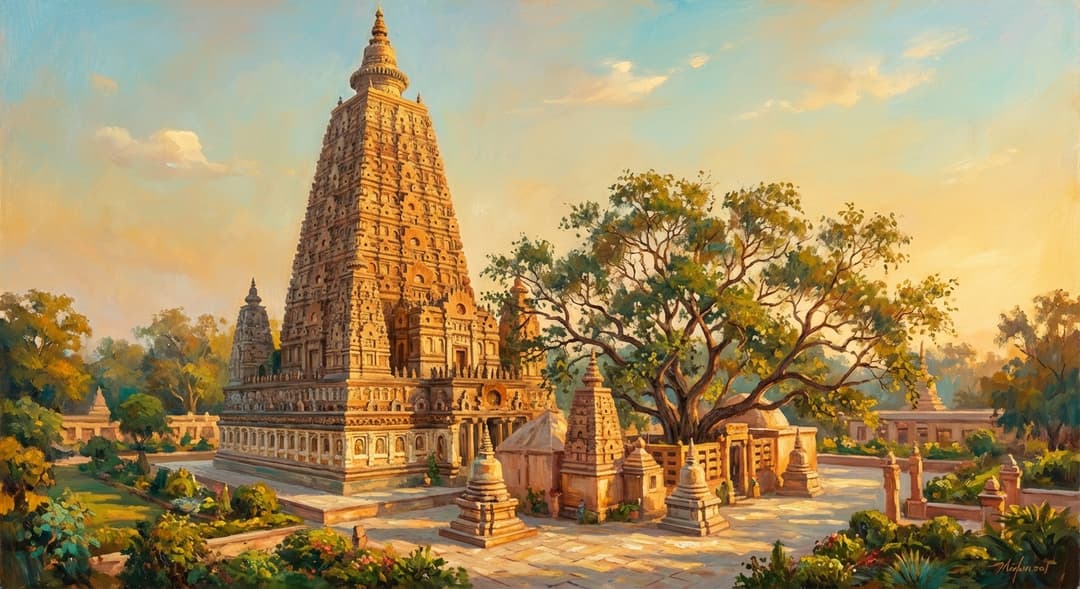
সেই পবিত্র স্থান যেখানে সিদ্ধার্থ গৌতম জ্ঞান লাভ করেছিলেন এবং বুদ্ধত্ব প্রাপ্ত হয়েছিলেন।
অনুসন্ধান করুন →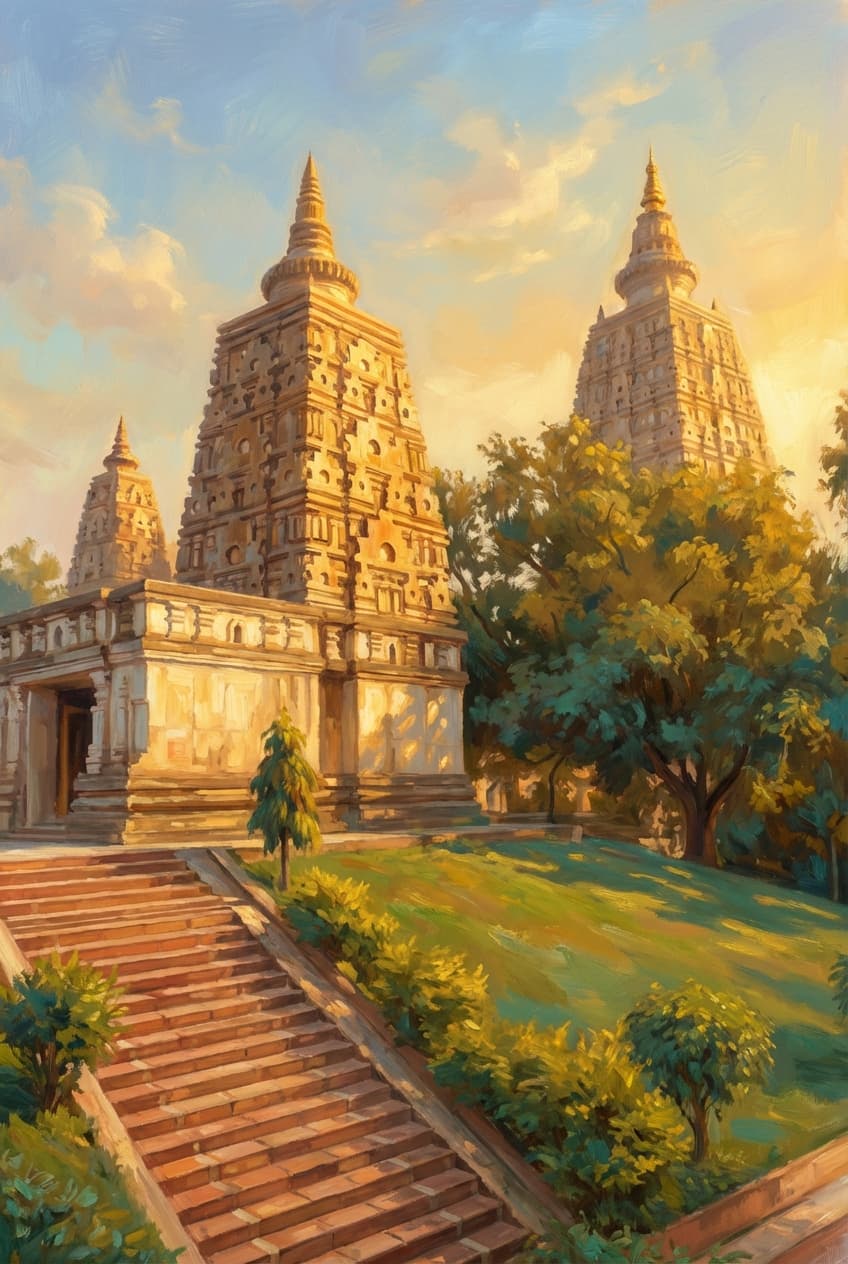
ভারতের বুদ্ধগয়ায় অবস্থিত একটি প্রাচীন বৌদ্ধ মন্দির, যা বুদ্ধের জ্ঞানার্জনের স্থানটিকে চিহ্নিত করে।
অনুসন্ধান করুন →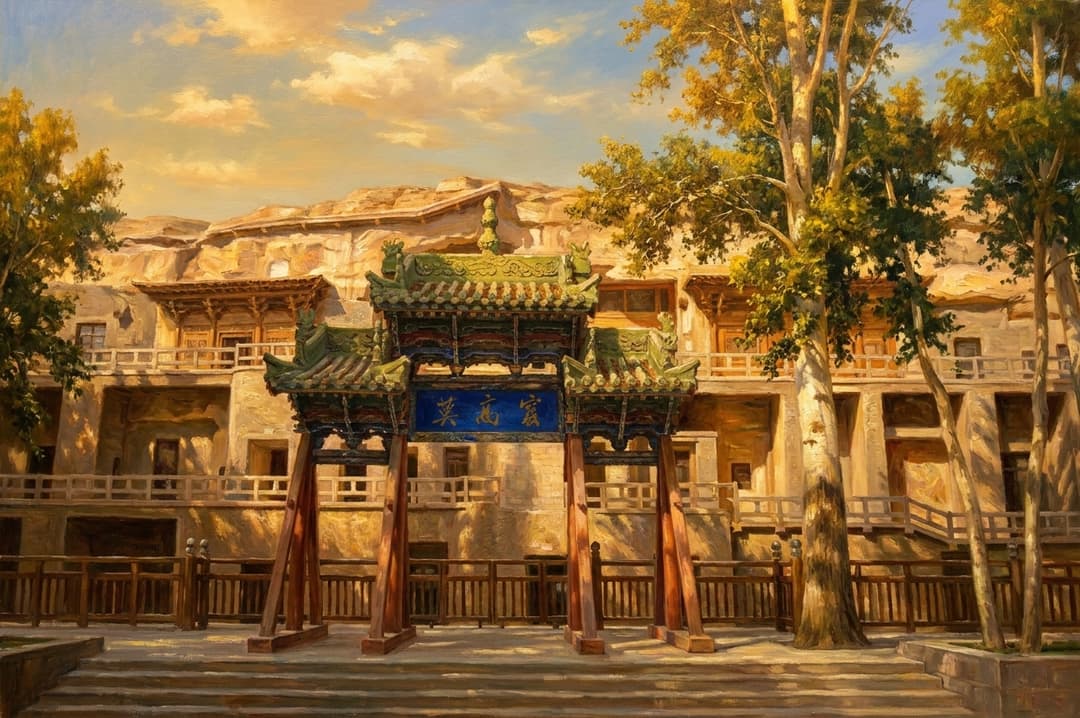
সিল্ক রোডের একটি ঐতিহাসিক পবিত্র স্থান, যা এক সহস্রাব্দের মহাযান ও গুহ্য বৌদ্ধ শিলা-কাটা শিল্পের ধারক।
অনুসন্ধান করুন →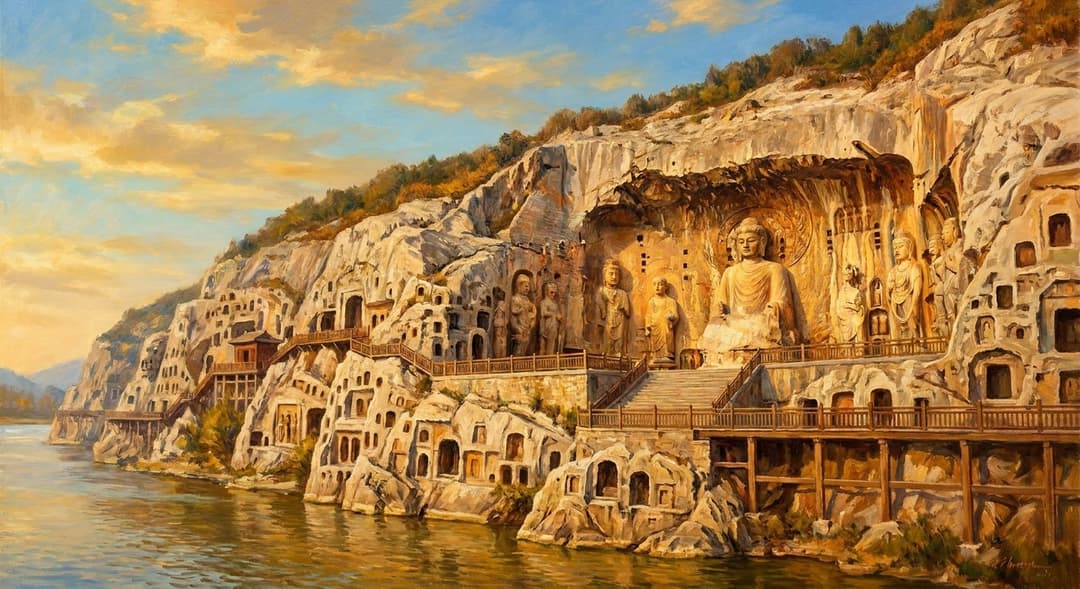
ই নদীর অববাহিকায় প্রাচীন চীনা রাজবংশের মহাযান বৌদ্ধ শিলাকাটা শিল্পের এক অনন্য পবিত্র ধাম।
অনুসন্ধান করুন →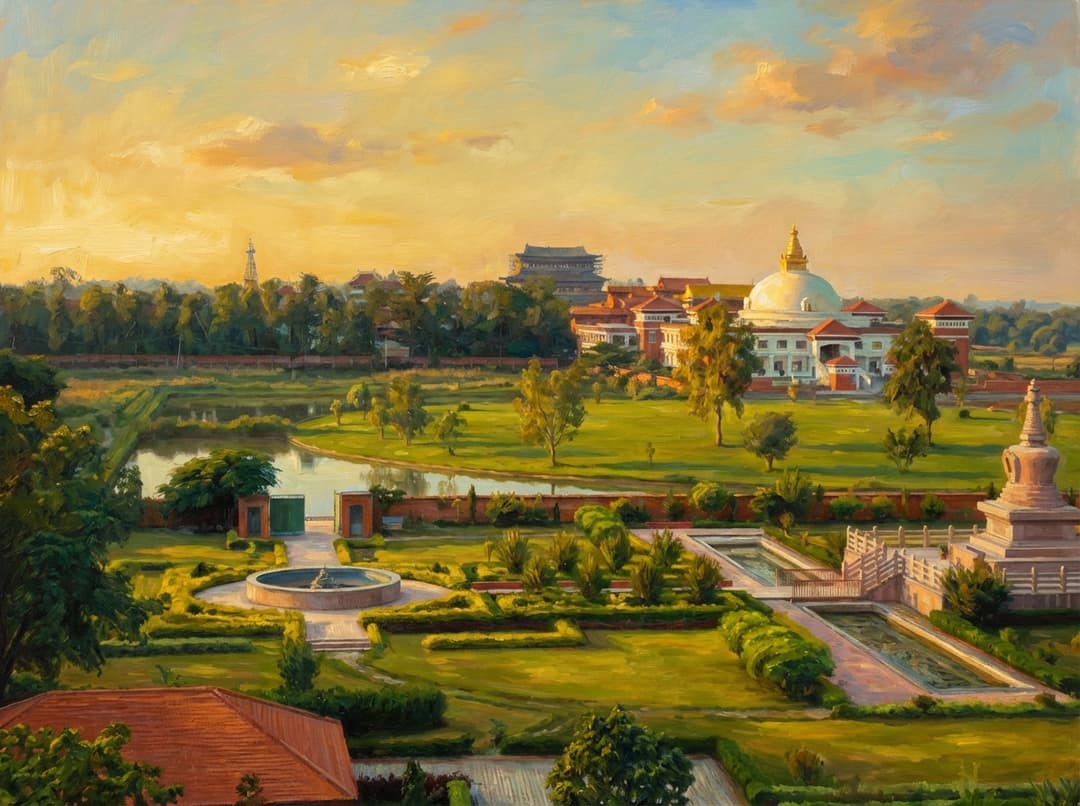
সিদ্ধার্থ গৌতম, ভগবান বুদ্ধের জন্মস্থান এবং একটি ইউনেস্কো ওয়ার্ল্ড হেরিটেজ সাইট।
অনুসন্ধান করুন →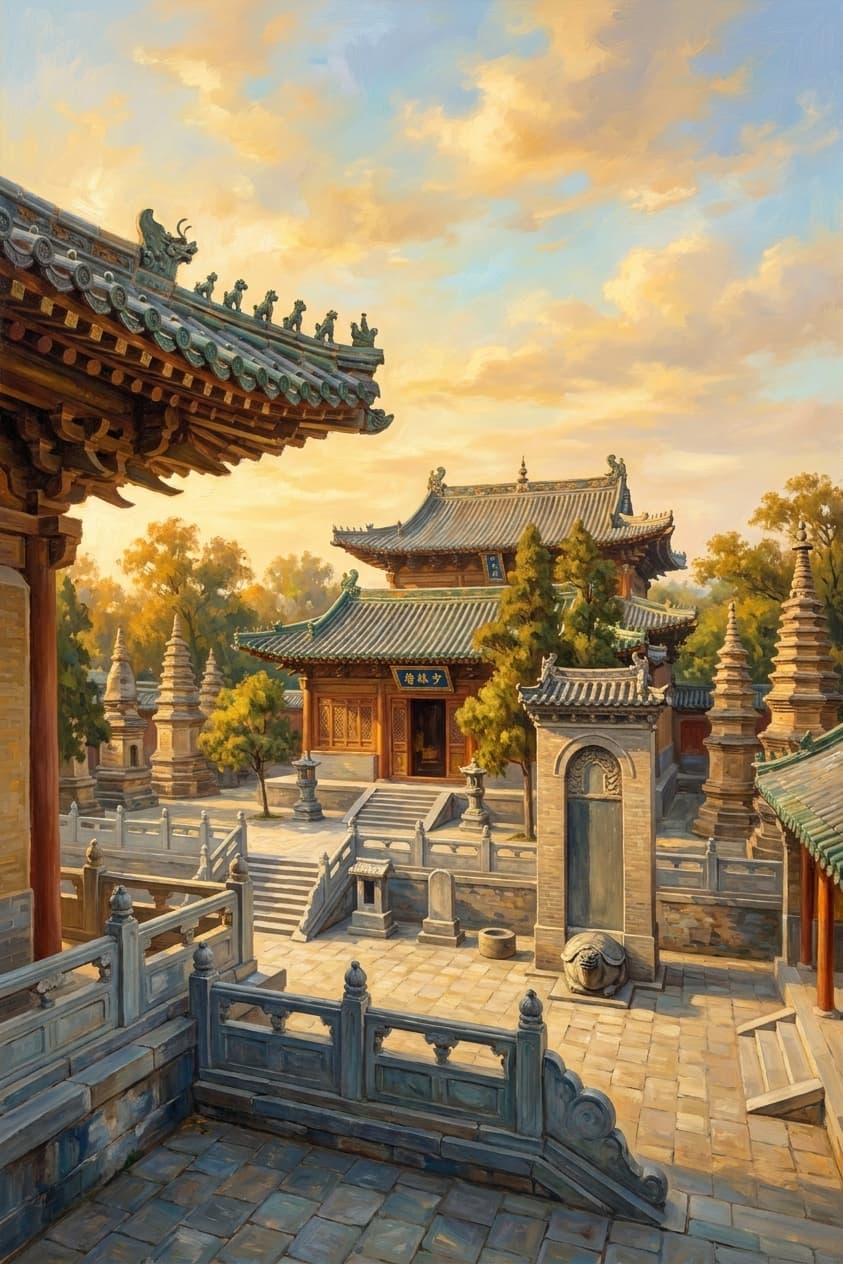
চান বৌদ্ধধর্মের সূতিকাগার এবং সং পর্বতে শাওলিন মার্শাল আর্টের ঐতিহাসিক জন্মস্থান।
অনুসন্ধান করুন →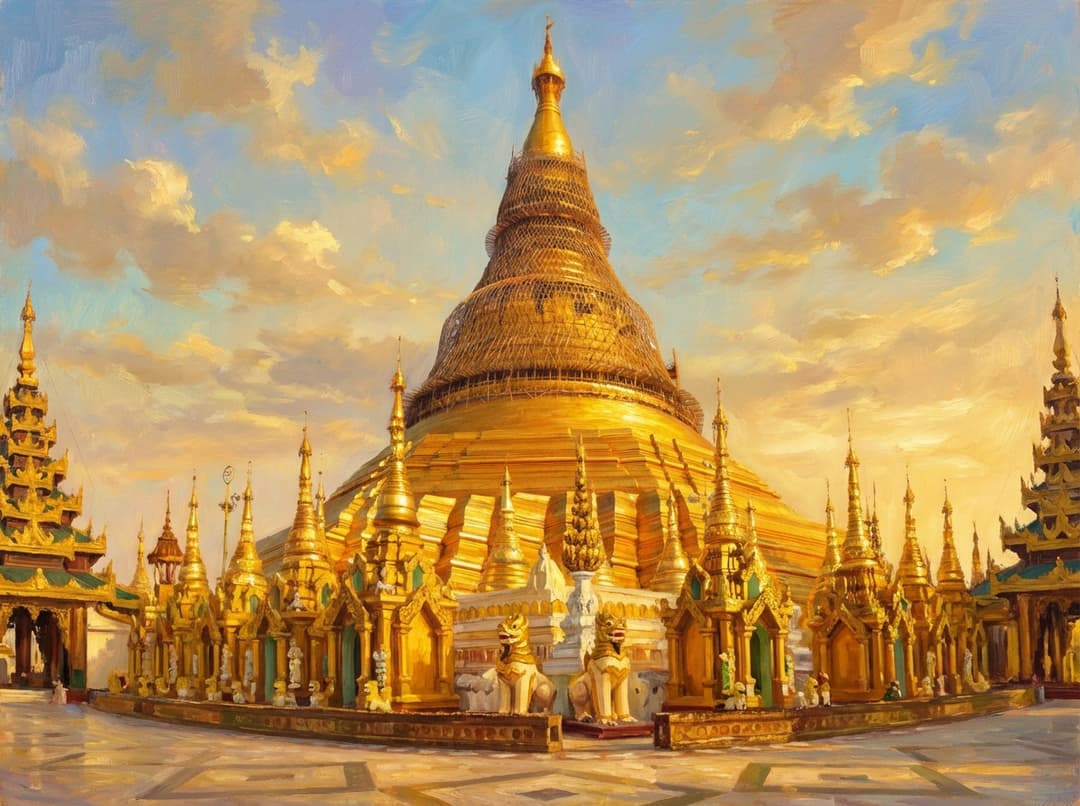
ইয়াঙ্গুনের একটি সোনালী স্তূপ, শ্বেডাগন প্যাগোডা হলো মায়ানমারের সবচেয়ে পবিত্র বৌদ্ধ স্থান, যেখানে অতীত বুদ্ধদের পবিত্র স্মৃতিচিহ্ন সংরক্ষিত রয়েছে।
অনুসন্ধান করুন →
পাশ্চাত্য বিশ্বে সোটো জেন অনুশীলনের প্রধান নগর মঠ এবং ভিত্তিমূলক কেন্দ্র।
অনুসন্ধান করুন →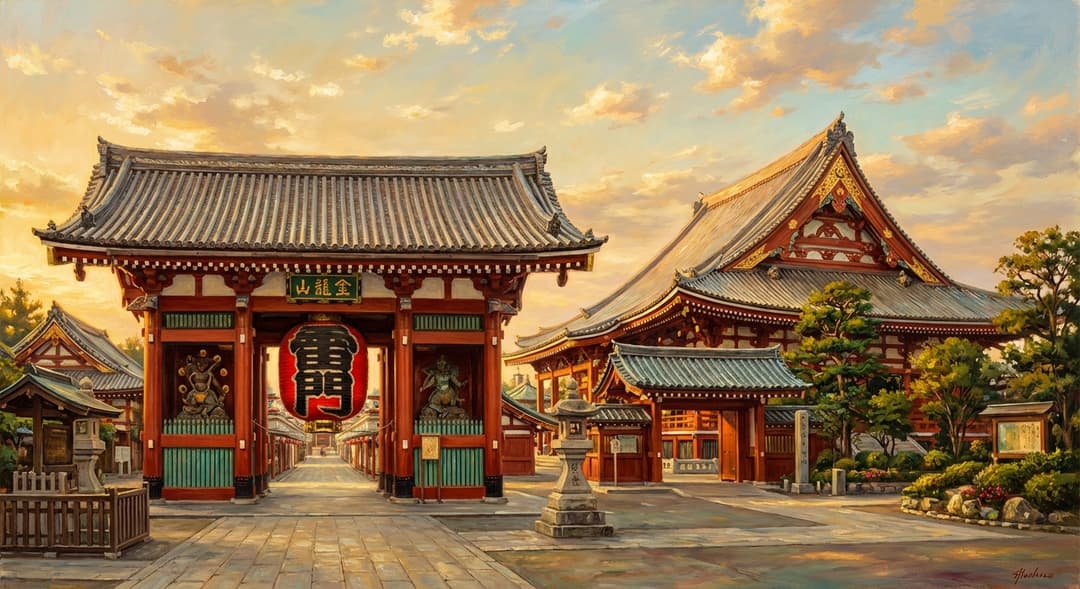
টোকিওর প্রাচীনতম মন্দির, যা করুণার বোধিসত্ত্ব কাননের উদ্দেশ্যে উৎসর্গীকৃত, যা প্রতি বছর লক্ষ লক্ষ দর্শককে আকর্ষণ করে।
অনুসন্ধান করুন →
পূর্ব সাগরের দৃশ্যপটসহ বুসানের খাড়া পাহাড়ের পাথরে নির্মিত একটি বিরল ও মহিমান্বিত উপকূলীয় বৌদ্ধ উপাসনালয়।
অনুসন্ধান করুন →বৌদ্ধ মন্দিরগুলো সাধারণত সবার জন্য উন্মুক্ত। যে কোনো ধর্মের মানুষই এখানে আসতে পারেন, পর্যবেক্ষণ করতে পারেন এবং এমনকি ধ্যান সেশনেও অংশ নিতে পারেন, যদি তারা পবিত্র স্থানের প্রতি উপযুক্ত শ্রদ্ধা প্রদর্শন করেন।
হ্যাঁ, বেশিরভাগ এশীয় ঐতিহ্যে, শ্রদ্ধা এবং পরিচ্ছন্নতার প্রতীক হিসেবে মূল উপাসনালয়ে প্রবেশের আগে জুতো খোলা প্রথাগত।
মাথা নত করা বা প্রণাম করা হলো বুদ্ধের শিক্ষার প্রতি গভীর শ্রদ্ধা ও কৃতজ্ঞতার প্রকাশ। বৌদ্ধরা মূর্তিকে প্রতিমা হিসেবে পূজা করেন না; বরং মূর্তিটি একটি প্রতীক যা প্রত্যেকের মধ্যে বুদ্ধত্ব লাভের সম্ভাবনার প্রতিনিধিত্ব করে।
পদ্ম কাদা জলে জন্মায় কিন্তু জলের উপরে অত্যন্ত সুন্দরভাবে প্রস্ফুটিত হয়। এটি জড়বাদ ও দুঃখের কাদা থেকে জ্ঞানার্জনের বিশুদ্ধ জাগরণে আত্মার যাত্রার প্রতীক।
এই সংরক্ষণাগার জুড়ে মন্দিরের বিস্তারিত পৃষ্ঠাগুলিতে ব্যবহৃত শব্দ।
শ্বাস নিন যখন বৃত্ত প্রসারিত হয়, শ্বাস ছাড়ুন যখন এটি সংকুচিত হয়।