দর্শনার্থীদের অন্তর্দৃষ্টি
দর্শন এইডেস মার্টিস
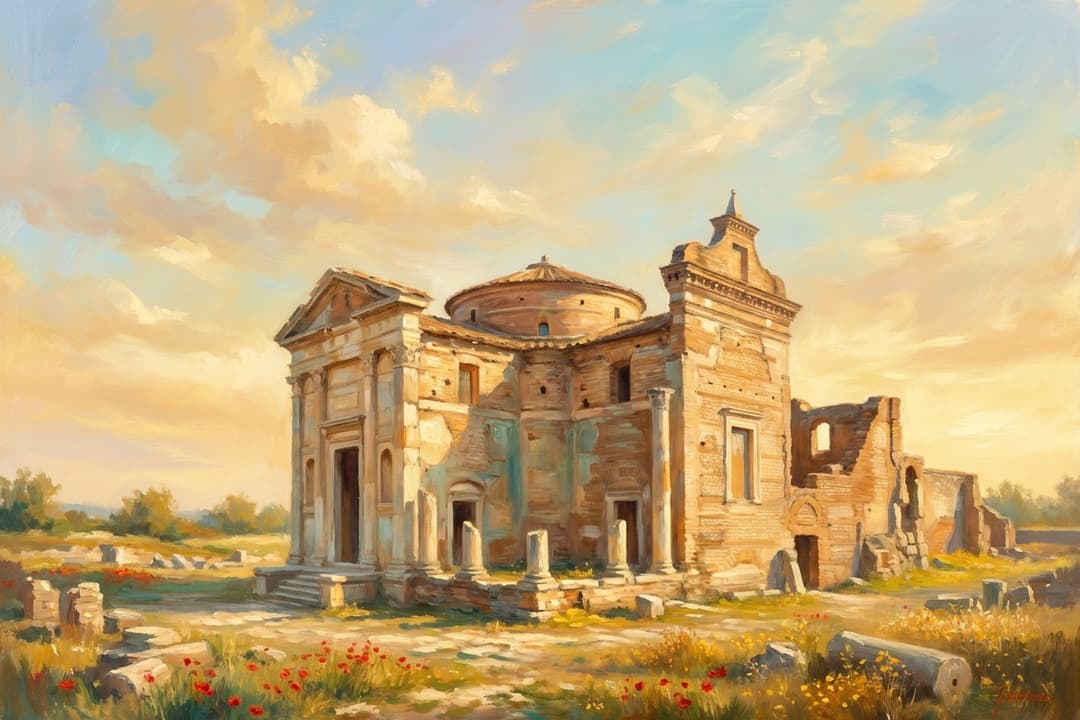
যদিও এইডেস মার্টিস বর্তমানে আর বিদ্যমান নেই, তবুও এর ঐতিহাসিক গুরুত্ব এখনও স্পষ্টভাবে অনুভব করা যায়। প্রাচীন ভায়া অ্যাপিয়া ধরে হাঁটার বা ক্যাম্পাস মার্টিয়াস অন্বেষণ করার কথা কল্পনা করুন, এবং সেই মন্দিরগুলোর ছবি মনে আঁকুন যা একসময় মার্সকে সম্মানিত করত। এই স্থানগুলো প্রাচীন রোমের পরিবেশকে পুনরুজ্জীবিত করে, যেখানে সামরিক শক্তি এবং কৃষি জীবন একে অপরের সাথে মিশে গিয়েছিল, যা শহরের সমৃদ্ধ অতীতের এক ঝলক দেখায়।
প্রধান বৈশিষ্ট্য
- প্রাচীন ভায়া অ্যাপিয়া অন্বেষণ করুন, যেখানে একসময় ক্লিভো-র মার্স মন্দিরটি অবস্থিত ছিল।
- ক্যাম্পাস মার্টিয়াস পরিদর্শন করুন, যা সার্কো-র মার্স মন্দিরের প্রাক্তন অবস্থান ছিল।
জানার বিষয়
- মূল মন্দিরের স্থানগুলোতে এখন আর কোনো কাঠামো দাঁড়িয়ে নেই।
- এই স্থানগুলোর গুরুত্ব উপলব্ধি করার জন্য ঐতিহাসিক প্রেক্ষাপট এবং কল্পনাশক্তি অত্যন্ত আবশ্যক।
অবস্থান

Campus Martius & Via Appia, Rome, Italy
দিকনির্দেশ পানপরিচিতি
ল্যাটিন ভাষায় ‘এইডেস মার্টিস’ শব্দের অর্থ হলো ‘মার্সের মন্দির’, যা রোমান দেবতা মার্সকে উৎসর্গীকৃত একাধিক মন্দিরকে নির্দেশ করে। প্রাচীন রোমান ধর্ম ও পৌরাণিক কাহিনীতে মার্স ছিলেন যুদ্ধের দেবতা এবং একই সাথে কৃষির রক্ষক, যা প্রাথমিক রোমের একটি সমন্বিত বৈশিষ্ট্যকে প্রতিফলিত করে। তাঁকে জুপিটার এবং জুনোর পুত্র হিসেবে বিবেচনা করা হতো এবং রোমান সেনাবাহিনীর সামরিক দেবতাদের মধ্যে তিনি এক বিশিষ্ট স্থান অধিকার করেছিলেন।
সবচেয়ে সুপরিচিত মন্দির দুটির মধ্যে ছিল সার্কো-র মার্স মন্দির (ক্যাম্পাস মার্টিয়াস) এবং ক্লিভো-র মার্স মন্দির (ভায়া অ্যাপিয়া)। সার্কো-র মার্স মন্দিরটি ১৩২ খ্রিস্টপূর্বাব্দে উৎসর্গ করা হয়েছিল, অন্যদিকে ক্লিভো-র মার্স মন্দিরটি ১ জুন, ৩৮৭ খ্রিস্টপূর্বাব্দে উৎসর্গ করা হয়েছিল। এই মন্দিরগুলো মার্সের উপাসনার গুরুত্বপূর্ণ কেন্দ্র হিসেবে কাজ করত এবং রোমান ধর্মীয় ও সামরিক জীবনে এক তাৎপর্যপূর্ণ ভূমিকা পালন করেছিল।
মার্সের মন্দিরগুলো কেবল উপাসনার স্থানই ছিল না, বরং রোমান শক্তি এবং সামরিক শক্তির প্রতীক হিসেবেও কাজ করত। এগুলো প্রায়শই মার্সের মূর্তি এবং অন্যান্য শৈল্পিক উপস্থাপনা, সেইসাথে যুদ্ধের ট্রফি এবং অন্যান্য লুণ্ঠিত সামগ্রী দ্বারা সজ্জিত থাকত। মন্দিরগুলো যুদ্ধের আগে এবং পরে সৈন্যদের একত্রিত হওয়ার স্থান হিসেবেও কাজ করত এবং এগুলো ছিল মার্সকে উৎসর্গীকৃত গুরুত্বপূর্ণ ধর্মীয় অনুষ্ঠান ও উৎসবের স্থান।
গ্যালারি
প্রতীকী উপাদান
মন্দিরের বাইরের অংশে জটিল খোদাই রয়েছে, যার প্রতিটি আধ্যাত্মিক অর্থে সমৃদ্ধ:

বল্লম এবং ঢাল
বল্লম এবং ঢাল হলো মার্সের সাথে যুক্ত সাধারণ প্রতীক, যা যুদ্ধের দেবতা হিসেবে তাঁর ভূমিকাকে প্রতিনিধিত্ব করে। এই প্রতীকগুলো রোমান সমাজে মার্স যে সামরিক দক্ষতা ও শক্তির প্রতিনিধিত্ব করতেন তা ধারণ করে। এগুলো প্রায়শই দেবতার মূর্তি এবং ছবির পাশে চিত্রিত করা হতো।

নেকড়ে
নেকড়ে ছিল মার্সের কাছে পবিত্র, যা রোমুলাস এবং রেমাসের মাধ্যমে রোম প্রতিষ্ঠার পৌরাণিক কাহিনীর সাথে তাঁকে আরও যুক্ত করে। যমজ সন্তানদের স্তন্যপান করানো নেকড়েটি ছিল শহরের উৎপত্তি এবং রোমের রক্ষক হিসেবে মার্সের ভূমিকার একটি শক্তিশালী প্রতীক। এই সংযোগ রোমান পরিচয়ে দেবতার গুরুত্বকে আরও জোরদার করেছিল।

মার্স আল্টর
অগাস্টাস কর্তৃক প্রতিষ্ঠিত “প্রতিশোধ গ্রহণকারী মার্স”-এর ধর্মীয় গোষ্ঠীটি প্রতিশোধ এবং রোমান সম্মানের পুনরুদ্ধারের প্রতীক ছিল। সিজারের হত্যাকারীদের বিরুদ্ধে অগাস্টাসের বিজয় এবং রোমান যুদ্ধ পতাকার প্রত্যাবর্তনকে স্মরণীয় করে রাখতে এই গোষ্ঠীটি তৈরি করা হয়েছিল। এটি রোমান সামরিক শক্তি এবং সাম্রাজ্যিক কর্তৃত্বের একটি শক্তিশালী প্রতীকে পরিণত হয়েছিল।

আরা মার্টিস
মার্সের বেদি (আরা মার্টিস) ছিল মার্সের উপাসনার প্রাচীনতম কেন্দ্র, যা রোমান ধর্মে তাঁর তাৎপর্যের সূচনা চিহ্নিত করে। এই বেদিটি দেবতার উদ্দেশ্যে উৎসর্গীকৃত বলি এবং অন্যান্য ধর্মীয় অনুষ্ঠানের কেন্দ্রবিন্দু হিসেবে কাজ করত। এটি সামরিক দক্ষতা এবং কৃষি জীবন উভয়ের সাথে প্রাথমিক রোমান সংযোগের প্রতীক ছিল।

সামরিক পতাকা
সামরিক পতাকা বা *signa militaria* ছিল রোমান লিজিওনগুলোর পবিত্র প্রতীক, যা প্রায়শই যুদ্ধের দেবতা হিসেবে মার্সের সাথে যুক্ত ছিল। এই পতাকাগুলো রোমান সেনাবাহিনীর সম্মান, আনুগত্য এবং ঐক্যের প্রতিনিধিত্ব করত। মার্সের উদ্দেশ্যে উৎসর্গীকৃত মন্দিরগুলোতে এগুলোর উপস্থিতি রোমান সামরিক শক্তির রক্ষক হিসেবে দেবতার ভূমিকাকে জোরদার করেছিল।

করিন্থিয়ান ক্যাপিটাল
ক্লিভোর মার্স মন্দিরে করিন্থিয়ান ক্যাপিটাল ছিল, যা রোমান মন্দিরের নকশার নির্দেশক একটি স্থাপত্য বিবরণ। অ্যাকান্থাস পাতা দিয়ে সজ্জিত এই অলঙ্কৃত ক্যাপিটালগুলো রোমান স্থাপত্যের পরিশীলিততা এবং মহিমাকে প্রতীকায়িত করত। মন্দিরে এগুলোর উপস্থিতি রোমান সমাজে মার্সের গুরুত্বকে প্রতিফলিত করেছিল।

রিয়া সিলভিয়া পেডিমেন্ট
ক্লিভোর মার্স মন্দিরের পেডিমেন্টাল ভাস্কর্যে মার্স কর্তৃক রিয়া সিলভিয়ার কাছে যাওয়ার দৃশ্য এবং রোমুলাস ও রেমাসকে স্তন্যপান করানো নেকড়েটিকে চিত্রিত করা হয়েছিল। এই আইকনিক দৃশ্যটি মার্সকে সরাসরি রোম প্রতিষ্ঠার মিথের সাথে যুক্ত করেছিল, যা রোমান জনগণের ঐশ্বরিক পূর্বপুরুষ এবং রক্ষক হিসেবে তাঁর ভূমিকাকে শক্তিশালী করেছিল।

হেক্সাস্টাইল নকশা
সিরকোর মার্স মন্দিরটি ছিল একটি হেক্সাস্টাইল পেরিপ্ট্যারাল মন্দির, যার অর্থ ছিল এতে ছয়টি স্তম্ভবিশিষ্ট একটি বারান্দা ছিল এবং এটি একটি স্তম্ভশ্রেণী দ্বারা বেষ্টিত ছিল। ইটালিক এবং হেলেনীয় গ্রীক উভয় ঐতিহ্যের দ্বারা প্রভাবিত এই স্থাপত্য শৈলীটি রোমান মন্দিরের নকশার মহিমা এবং পরিশীলিততাকে প্রতীকায়িত করত। হেক্সাস্টাইল নকশাটি ধর্মীয় ও নাগরিক জীবনের কেন্দ্র হিসেবে মন্দিরের গুরুত্বকে জোর দিয়েছিল।
আকর্ষণীয় তথ্য
ক্যাম্পাস মার্টিয়াস (“মার্সের মাঠ”) এই দেবতার নামানুসারে নামকরণ করা হয়েছিল এবং এটি একটি সামরিক প্রশিক্ষণ ক্ষেত্র হিসেবে ব্যবহৃত হতো।
রোমানরা জুপিটারের পরেই মার্সকে সবচেয়ে গুরুত্বপূর্ণ মনে করত।
মার্সের উৎসবগুলো মূলত মার্চ (মার্টিয়াস) এবং অক্টোবরে অনুষ্ঠিত হতো, যা সামরিক এবং কৃষি মৌসুমের শুরু ও শেষকে চিহ্নিত করত।
মার্সের পুরোহিতরা সালি নামে পরিচিত ছিলেন, যারা ছিলেন নৃত্যরত যোদ্ধা এবং উৎসবের সময় যুদ্ধ-সঙ্গীত পরিবেশন করতেন।
ক্লিভোর মার্স মন্দিরে ল্যাপিস ম্যানালিস পাথরগুলোর একটি রাখা ছিল, যা বৃষ্টি ডাকার অনুষ্ঠানে ব্যবহৃত হতো।
ক্লিভোর মার্স মন্দিরের চারপাশের এলাকাটি ছিল যুদ্ধের আগে এবং পরে সৈন্যদের একত্রিত হওয়ার স্থান।
অগাস্টাস সিজারের হত্যাকারীদের বিরুদ্ধে তাঁর বিজয় এবং রোমান যুদ্ধ পতাকার প্রত্যাবর্তনকে স্মরণীয় করে রাখতে মার্স আল্টরের ধর্মীয় গোষ্ঠী তৈরি করেছিলেন।
মঙ্গল গ্রহের (মার্স) নামকরণ করা হয়েছে এই রোমান দেবতার নামানুসারে।
মার্স আল্টর মন্দিরটি গুরুত্বপূর্ণ রাষ্ট্রীয় সিদ্ধান্তের একটি কেন্দ্রীয় বিন্দুতে পরিণত হয়েছিল, যেখানে যুদ্ধ ও শান্তি নিয়ে আলোচনার জন্য সিনেট মিলিত হতো।
সাম্রাজ্যের ছুটির দিনগুলোতে মার্স আল্টরের উদ্দেশ্যে বলি দেওয়া হতো এবং তরুণরা টোগা ভিরিলিস পরিধান করার সময় সেখানে বলি উৎসর্গ করত।
সাধারণ জিজ্ঞাসা
প্রাচীন রোমে মার্সের তাৎপর্য কী ছিল?
মার্স ছিলেন যুদ্ধ এবং কৃষির রোমান দেবতা, যা প্রাথমিক রোমের একটি বৈশিষ্ট্যপূর্ণ সংমিশ্রণকে প্রতিফলিত করে। জুপিটারের পরেই তাঁকে সবচেয়ে গুরুত্বপূর্ণ মনে করা হতো এবং রোমান সামরিক ও ধর্মীয় জীবনে তিনি অত্যন্ত গুরুত্বপূর্ণ ভূমিকা পালন করেছিলেন।
এডিস মার্টিস কোথায় অবস্থিত ছিল?
প্রাচীন রোমে মার্সের একাধিক মন্দির ছিল। এর মধ্যে সবচেয়ে সুপরিচিত দুটি ছিল সিরকোর মার্স মন্দির (ক্যাম্পাস মার্টিয়াস) and ক্লিভোর মার্স মন্দির (ভায়া অ্যাপিয়া)।
মার্সের মন্দিরগুলো কখন উৎসর্গ করা হয়েছিল?
সিরকোর মার্স মন্দিরটি খ্রিস্টপূর্ব ১৩২ অব্দে উৎসর্গ করা হয়েছিল, অন্যদিকে ক্লিভোর মার্স মন্দিরটি ১ জুন, খ্রিস্টপূর্ব ৩৮৭ অব্দে উৎসর্গ করা হয়েছিল।
মার্সের সাথে যুক্ত কিছু প্রতীকী উপাদান কী কী ছিল?
মার্স বেশ কয়েকটি প্রতীকী উপাদানকে ধারণ করতেন, যার মধ্যে রয়েছে যুদ্ধ ও কৃষি, বল্লম ও ঢাল এবং নেকড়ে। এই প্রতীকগুলো সামরিক শক্তি এবং কৃষি সুরক্ষার দেবতা হিসেবে তাঁর ভূমিকাকে প্রতিনিধিত্ব করত।
আজ এডিস মার্টিসের অবস্থা কী?
এডিস মার্টিস এখন আর অস্তিত্বে নেই। তবে, তাদের ঐতিহাসিক তাৎপর্য এখনও স্পষ্ট, এবং যেখানে তারা একসময় দাঁড়িয়ে ছিল সেই স্থানগুলো প্রাচীন রোমের সমৃদ্ধ অতীতের এক ঝলক দেখায়।
বৈশিষ্ট্যযুক্ত গল্প
ক্লিভোর মার্স মন্দিরের প্রতিষ্ঠা
390 BC
আক্রমণকারী সেনোনেসদের দ্বারা আলিয়ার যুদ্ধে রোমান সেনাবাহিনীর বিধ্বংসী পরাজয়ের পর, রোমান জনগণ সান্ত্বনা এবং সুরক্ষার জন্য তাদের দেবতার দিকে ঝুঁকেছিল। সম্মিলিত হতাশা এবং আশার এক মুহূর্তে, রোমকে আরও ধ্বংসের হাত থেকে রক্ষা করা হলে যুদ্ধের দেবতা মার্সের উদ্দেশ্যে একটি মহিমান্বিত মন্দির নির্মাণের মানত করা হয়েছিল। এই মানতটি ক্লিভোর মার্স মন্দিরের জন্ম চিহ্নিত করে, যা প্রতিকূলতার মুখে রোমান জনগণের স্থিতিস্থাপকতা এবং বিশ্বাসের প্রমাণ।
১ জুন, খ্রিস্টপূর্ব ৩৮৭ অব্দে টাইটাস কুইঙ্কটিয়াস কর্তৃক ক্লিভোর মার্স মন্দিরের উৎসর্গ ছিল শহরের জন্য একটি অত্যন্ত গুরুত্বপূর্ণ মুহূর্ত। এটি কেবল একটি পবিত্র মানত পূরণকেই প্রতীকায়িত করেনি, বরং তাদের শহর পুনর্নির্মাণ এবং সম্মান পুনরুদ্ধারের জন্য রোমান জনগণের নতুন আশা ও সংকল্পকেও নির্দেশ করেছিল। মন্দিরটি ধর্মীয় অনুষ্ঠান এবং সামরিক সমাবেশের কেন্দ্রবিন্দুতে পরিণত হয়েছিল, যা রোমের রক্ষক হিসেবে মার্সের ভূমিকাকে সুদৃঢ় করেছিল।
অগাস্টাস এবং মার্স আল্টরের ধর্মীয় গোষ্ঠী
2 BC
জুলিয়াস সিজারের হত্যাকাণ্ডের পর গৃহযুদ্ধের উত্তাল বছরগুলোর পর, অগাস্টাস রোমান প্রজাতন্ত্রে শান্তি ও স্থিতিশীলতা ফিরিয়ে আনতে চেয়েছিলেন। সিজারের হত্যাকারীদের বিরুদ্ধে তাঁর বিজয় এবং পূর্ববর্তী সংঘাতগুলোতে হারিয়ে যাওয়া রোমান যুদ্ধ পতাকার প্রত্যাবর্তনকে স্মরণীয় করে রাখতে অগাস্টাস মার্স আল্টর, “প্রতিশোধ গ্রহণকারী মার্স”-এর ধর্মীয় গোষ্ঠী প্রতিষ্ঠা করেন। এই গোষ্ঠীটির উদ্দেশ্য ছিল প্রতিশোধ, ন্যায়বিচার এবং রোমান সম্মানের পুনরুদ্ধারের প্রতীক হওয়া।
অগাস্টাস কর্তৃক অগাস্টাসের ফোরামে উৎসর্গীকৃত মার্স আল্টর মন্দিরটি গুরুত্বপূর্ণ রাষ্ট্রীয় সিদ্ধান্তের একটি কেন্দ্রীয় বিন্দুতে পরিণত হয়েছিল। সিনেট সেখানে যুদ্ধ ও শান্তির বিষয়গুলো নিয়ে আলোচনার জন্য মিলিত হতো এবং সাম্রাজ্যের ছুটির দিনগুলোতে মার্স আল্টরের উদ্দেশ্যে বলি দেওয়া হতো। তরুণরা তাদের প্রাপ্তবয়স্কতায় রূপান্তর এবং রোমান রাষ্ট্রের সেবা করার প্রতিশ্রুতি চিহ্নিত করতে toga virilis পরিধান করার সময় সেখানে বলি উৎসর্গ করত।
সিরকোর মার্স মন্দিরের স্থাপত্যের সংমিশ্রণ
2nd Century BC
হিস্পানিয়ায় সফল অভিযানের পর ডেসিমাস জুনিয়াস ব্রুটাস ক্যালাইকাস কর্তৃক নির্মিত সিরকোর মার্স মন্দিরটি স্থাপত্যের সংমিশ্রণের একটি অসাধারণ উদাহরণ হিসেবে দাঁড়িয়ে ছিল। সালামিসের হার্মোডোরাস দ্বারা নকশাকৃত এই মন্দিরটিতে ইটালিক এবং হেলেনীয় গ্রীক উভয় বৈশিষ্ট্যই অন্তর্ভুক্ত ছিল, যা রোমান প্রজাতন্ত্রের মধ্যকার ক্রমবর্ধমান সাংস্কৃতিক আদান-প্রদানকে প্রতিফলিত করে। শৈলীর এই মিশ্রণটি বিভিন্ন প্রভাবকে নিজের অনন্য পরিচয়ে আত্তীকরণ এবং খাপ খাইয়ে নেওয়ার রোমের ক্ষমতাকে প্রতীকায়িত করেছিল।
একটি হেক্সাস্টাইল পেরিপ্ট্যারাল মন্দির হিসেবে, সিরকোর মার্স মন্দিরে ছয়টি স্তম্ভবিশিষ্ট একটি বারান্দা ছিল এবং এটি একটি স্তম্ভশ্রেণী দ্বারা বেষ্টিত ছিল। এই নকশাটি কেবল রোমান স্থাপত্যের মহিমাই প্রদর্শন করেনি, বরং ধর্মীয় অনুষ্ঠান এবং জনসাধারণের সমাবেশের জন্য একটি প্রশস্ত ও সহজলভ্য স্থানও প্রদান করেছিল। মন্দিরের স্থাপত্যের সংমিশ্রণটি রোমের ক্রমবর্ধমান শক্তি এবং সাংস্কৃতিক প্রভাবের একটি দৃশ্যমান উপস্থাপনা হিসেবে কাজ করেছিল।
সময়রেখা
মার্সের বেদি স্থাপন
ক্যাম্পাস মার্টিয়াসে মার্সের বেদি (আরা মার্টিস) স্থাপিত হয়েছিল, যা মার্সের উপাসনার প্রাচীনতম কেন্দ্র হিসেবে চিহ্নিত।
মাইলস্টোনমার্সের উদ্দেশ্যে মন্দির মানত
সেনোনেসদের দ্বারা আলিয়ার যুদ্ধে রোমানদের পরাজয়ের পর, মার্সের উদ্দেশ্যে একটি মন্দির মানত করা হয়েছিল।
মাইলস্টোনক্লিভোতে মার্সের মন্দির উৎসর্গ
ভায়া অ্যাপিয়ার পশ্চিম পাশে টাইটাস কুইঙ্কটিয়াস কর্তৃক ক্লিভোর মার্স মন্দিরটি উৎসর্গ করা হয়েছিল।
উৎসর্গভায়া অ্যাপিয়া পাকা করা
ক্লিভোর মার্স মন্দির পর্যন্ত ভায়া অ্যাপিয়া পাকা করা হয়েছিল এবং রাস্তার পাশে একটি বারান্দা নির্মাণ করা হয়েছিল, যা ভায়া টেক্টা নামে পরিচিত।
ঘটনামার্সের মূর্তি স্থাপন
মার্কাস ক্লডিয়াস মার্সেলাস কর্তৃক ক্লিভোর মার্স মন্দিরে মার্সের একটি মূর্তি স্থাপন করা হয়েছিল।
ঘটনাসিরকোতে মার্সের মন্দির নির্মাণ
হিস্পানিয়ায় অভিযানের পর ডেসিমাস জুনিয়াস ব্রুটাস ক্যালাইকাস কর্তৃক সিরকোতে মার্সের মন্দিরটি নির্মিত হয়েছিল।
মাইলস্টোনসিরকোতে মার্সের মন্দির উৎসর্গ
সালামিসের হার্মোডোরাস দ্বারা নকশাকৃত সিরকোর মার্স মন্দিরটি ক্যাম্পাস মার্টিয়াসে উৎসর্গ করা হয়েছিল।
উৎসর্গমার্স আল্টর মন্দির উৎসর্গ
অগাস্টাস কর্তৃক অগাস্টাসের ফোরামে মার্স আল্টর (প্রতিশোধ গ্রহণকারী মার্স) মন্দিরটি উৎসর্গ করা হয়েছিল।
উৎসর্গপৌত্তলিকদের নিপীড়নের সময় বন্ধ
পরবর্তী রোমান সাম্রাজ্যে পৌত্তলিকদের নিপীড়নের সময় মন্দিরগুলো বন্ধ করে দেওয়া হয়েছিল, যখন খ্রিস্টান সম্রাটরা অ-খристиান উপাসনা নিষিদ্ধ করে ডিক্রি জারি করেছিলেন।
ঘটনাক্লিভোর মার্স মন্দিরের উল্লেখ
আইনসিডেলন আইটিন্যারারিতে ক্লিভোর মার্স মন্দিরটি তখনও অক্ষত অবস্থায় দাঁড়িয়ে থাকার কথা উল্লেখ করা হয়েছিল।
ঘটনাদশক অনুযায়ী ইতিহাস
খ্রিস্টপূর্ব ৫ম শতাব্দী
খ্রিস্টপূর্ব ৫ম শতাব্দী রোমে মার্সের উপাসনার প্রাথমিক বিকাশকে চিহ্নিত করে। ক্যাম্পাস মার্টিয়াসে মার্সের বেদি (আরা মার্টিস) স্থাপন এই দেবতার আরাধনার প্রাচীনতম কেন্দ্রকে নির্দেশ করে। এই সময়কাল রোমান ধর্ম এবং সামরিক জীবনে মার্সের পরবর্তী প্রাধান্তের ভিত্তি স্থাপন করেছিল।
খ্রিস্টপূর্ব ৪র্থ শতাব্দী
খ্রিস্টপূর্ব ৩৯০ অব্দে, আলিয়ার যুদ্ধে রোমানদের পরাজয়ের পর, মার্সের উদ্দেশ্যে একটি মন্দির মানত করা হয়েছিল, যার ফলে ১ জুন, খ্রিস্টপূর্ব ৩৮৭ অব্দে ক্লিভোর মার্স মন্দিরের নির্মাণ ও উৎসর্গ সম্পন্ন হয়। এই ঘটনাটি রোমের রক্ষক এবং সামরিক শক্তির প্রতীক হিসেবে মার্সের ক্রমবর্ধমান গুরুত্বকে তুলে ধরে।
খ্রিস্টপূর্ব ২য় শতাব্দী
খ্রিস্টপূর্ব ২য় শতাব্দীতে ডেসিমাস জুনিয়াস ব্রুটাস ক্যালাইকাস কর্তৃক সিরকোতে মার্সের মন্দির নির্মাণের সাক্ষী ছিল। সালামিসের হার্মোডোরাস দ্বারা নকশাকৃত এই মন্দিরটিতে ইটালিক এবং হেলেনীয় গ্রীক উভয় বৈশিষ্ট্যই অন্তর্ভুক্ত ছিল, যা রোমান প্রজাতন্ত্রের মধ্যকার সাংস্কৃতিক আদান-প্রদানকে প্রতিফলিত করে। খ্রিস্টপূর্ব ১৩২ অব্দে মন্দিরের উৎসর্গ রোমান সমাজে মার্সের ভূমিকাকে আরও সুদৃঢ় করে।
খ্রিস্টপূর্ব ১ম শতাব্দী
খ্রিস্টপূর্ব ১ম শতাব্দীতে অগাস্টাসের উত্থান এবং মার্স আল্টরের ধর্মের প্রতিষ্ঠা দেখা যায়। অগাস্টাস খ্রিস্টপূর্ব ২ অব্দে অগাস্টাসের ফোরামে মার্স আল্টরের মন্দিরটি উৎসর্গ করেন, যা সিজারের হত্যাকারীদের বিরুদ্ধে তাঁর বিজয় এবং রোমান যুদ্ধ পতাকার প্রত্যাবর্তনকে স্মরণীয় করে রাখে। এই ঘটনাটি যুদ্ধের দেবতা থেকে প্রতিশোধ ও ন্যায়বিচারের প্রতীকে মার্সের ধারণার একটি উল্লেখযোগ্য পরিবর্তন চিহ্নিত করে।
খ্রিস্টীয় ১ম-৪র্থ শতাব্দী
খ্রিস্টীয় প্রথম শতাব্দীগুলোতে, মার্সের মন্দিরগুলো রোমান ধর্মীয় ও সামরিক জীবনে গুরুত্বপূর্ণ ভূমিকা পালন করতে থাকে। তবে, খ্রিস্টধর্মের উত্থানের সাথে সাথে মন্দিরগুলো ক্রমবর্ধমান চ্যালেঞ্জের মুখোমুখি হয়। খ্রিস্টীয় ৪র্থ শতাব্দীর মধ্যে, পরবর্তী রোমান সাম্রাজ্যে পৌত্তলিকদের নিপীড়নের সময়, মন্দিরগুলো বন্ধ করে দেওয়া হয়, যা মার্সের উপাসনার পতনকে চিহ্নিত করে।
খ্রিস্টীয় ৮ম শতাব্দী
আইনসিডেলন আইটিন্যারারিতে ক্লিভোর মার্স মন্দিরটি তখনও অক্ষত অবস্থায় দাঁড়িয়ে থাকার কথা উল্লেখ করা হয়েছিল, যা নির্দেশ করে যে পৌত্তলিকতার পতনের পরও কিছু মন্দির শতাব্দী ধরে টিকে ছিল। তবে, সময়ের সাথে সাথে মন্দিরগুলো জরাজীর্ণ হয়ে পড়ে এবং অবশেষে ইতিহাসের পাতায় হারিয়ে যায়।
ধর্মীয় তাৎপর্য
এইডেস মার্টিস প্রাচীন রোমে গভীর ধর্মীয় গুরুত্ব বহন করত, যা যুদ্ধের দেবতা এবং কৃষির রক্ষক হিসেবে মার্সের দ্বৈত রূপকে মূর্ত করে তুলেছিল। এই মন্দিরগুলো পবিত্র স্থান হিসেবে কাজ করত যেখানে রোমানরা সামরিক সাফল্য এবং কৃষি সমৃদ্ধির জন্য ঐশ্বরিক অনুগ্রহ প্রার্থনা করত, যা তাদের সমাজের মূল মূল্যবোধকে প্রতিফলিত করে।
এইডেস মার্টিসের প্রাথমিক উদ্দেশ্য ছিল মার্সকে সম্মানিত ও সন্তুষ্ট করা, যাতে রোমান জনগণের জন্য তাঁর অবিরাম সুরক্ষা এবং সমর্থন নিশ্চিত করা যায়। বলিদান, প্রার্থনা এবং অন্যান্য ধর্মীয় অনুষ্ঠানের মাধ্যমে রোমানরা দেবতার সাথে একটি সুরেলা সম্পর্ক বজায় রাখতে এবং তাদের সামরিক প্রচেষ্টা ও কৃষি কাজের জন্য তাঁর আশীর্বাদ লাভ করতে চেয়েছিল।
পবিত্র বিধি
বলিদান
এইডেস মার্টিসে পশু বলিদান একটি সাধারণ প্রথা ছিল, যা মার্সকে সন্তুষ্ট করতে এবং তাঁর অনুগ্রহ লাভের জন্য দেওয়া হতো। এই বলিদানগুলো পুরোহিতদের দ্বারা সম্পন্ন হতো এবং এর মধ্যে পশুর আনুষ্ঠানিক জবাই অন্তর্ভুক্ত ছিল, যার কিছু অংশ দেবতাকে উৎসর্গ করা হতো এবং অবশিষ্ট অংশ উপাসকরা গ্রহণ করত।
প্রার্থনা
এইডেস মার্টিসে পরিচালিত ধর্মীয় অনুষ্ঠানগুলোর একটি অবিচ্ছেদ্য অংশ ছিল প্রার্থনা। রোমানরা মার্সের কাছে প্রার্থনা করত, তাদের কৃতজ্ঞতা প্রকাশ করত, তাঁর নির্দেশনা কামনা করত এবং সামরিক বিজয় ও প্রচুর ফসলের জন্য তাঁর কাছে মিনতি করত।
সামরিক গুরুত্ব
রোমান সামরিক জীবনে এইডেস মার্টিস অত্যন্ত গুরুত্বপূর্ণ ভূমিকা পালন করেছিল। সৈন্যরা যুদ্ধের আগে এবং পরে মন্দিরে সমবেত হতো, বিজয়ের জন্য মার্সের আশীর্বাদ প্রার্থনা করত এবং নিরাপদে ফিরে আসার জন্য ধন্যবাদ জানাত। মন্দিরগুলো সামরিক মানদণ্ড এবং ট্রফিগুলোর ভাণ্ডার হিসেবেও কাজ করত, যা রোমের সামরিক শক্তির প্রতীক ছিল।
কৃষি গুরুত্ব
মার্স কেবল যুদ্ধের দেবতাই ছিলেন না, বরং কৃষির রক্ষকও ছিলেন, যিনি মাঠ, ফসল এবং গবাদি পশু রক্ষা করতেন। এইডেস মার্টিস কৃষি সংক্রান্ত আচার-অনুষ্ঠানের কেন্দ্র হিসেবে কাজ করত, যেখানে রোমানরা প্রচুর ফসল এবং তাদের খামারগুলোর ক্রমাগত সমৃদ্ধি নিশ্চিত করতে প্রার্থনা ও বলিদান উৎসর্গ করত।
অনুরূপ মন্দিরসমূহ
উৎস ও গবেষণা
Temples.org-এর প্রতিটি তথ্য যাচাইকৃত দ্বারা সমর্থিত <strong>উৎস ও গবেষণা</strong>। তথ্যের প্রতিটি অংশ উৎস স্তর এবং আত্মবিশ্বাসের স্তর দ্বারা রেট করা হয়।
সমস্ত উৎস দেখুন (4)
| ক্ষেত্র | উৎস | স্তর | পুনরুদ্ধার করা হয়েছে |
|---|---|---|---|
| About & Historical Background | Nova Roma (নতুন ট্যাবে খোলে) | A | 2024-01-02 |
| Temple of Mars in Circo | Digital Augustan Rome (নতুন ট্যাবে খোলে) | A | 2024-01-02 |
| Temple of Mars in Clivo | Digital Augustan Rome (নতুন ট্যাবে খোলে) | A | 2024-01-02 |
| Historical Timeline | Digital Augustan Rome (নতুন ট্যাবে খোলে) | A | 2024-01-02 |