দর্শনার্থীদের অন্তর্দৃষ্টি
দর্শন আয়েদেস রোমা পিয়েতাস
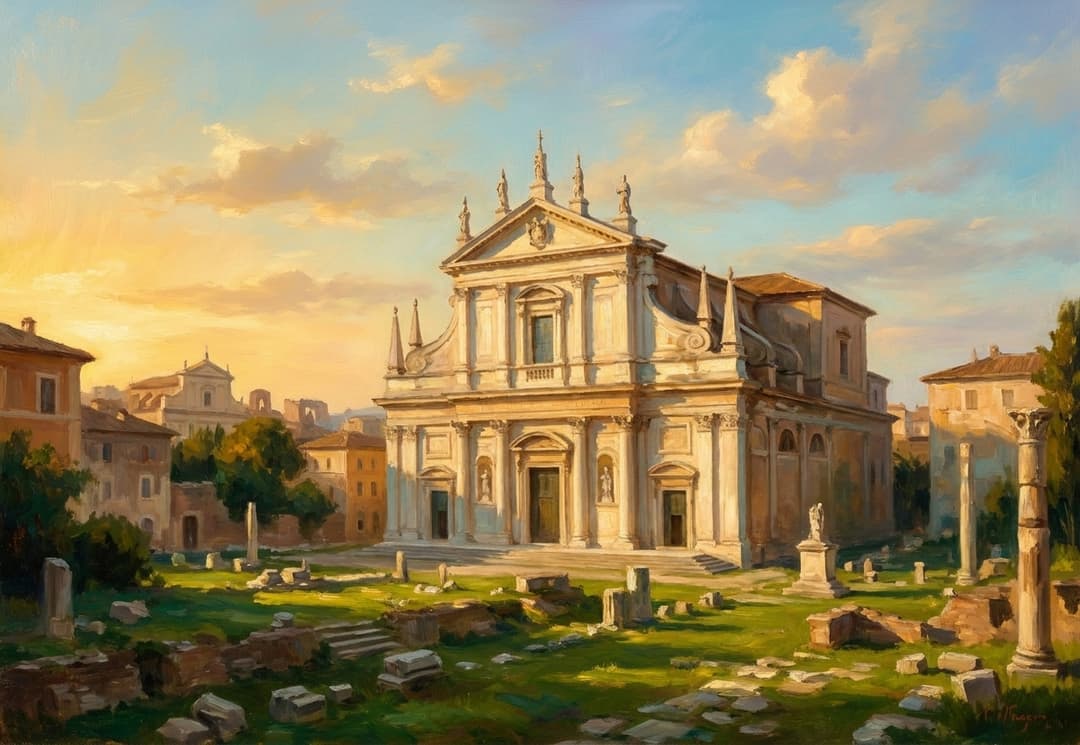
যেহেতু আয়েদেস রোমা পিয়েতাস আর বিদ্যমান নেই, তাই পরিদর্শনের জন্য কোনো বাস্তব স্থান নেই। মন্দিরটি একসময় ফোরাম অলিটোরিয়ামে অবস্থিত ছিল, যা এখন রোমের ঐতিহাসিক কেন্দ্রের অংশ। এই এলাকায় আসা দর্শনার্থীরা ধ্বংসাবশেষগুলো ঘুরে দেখতে পারেন এবং প্রাচীন বাজারের পরিবেশ কল্পনা করতে পারেন যেখানে একসময় মন্দিরটি দাঁড়িয়ে ছিল।
অবস্থান

Forum Olitorium, Rome, Italy
সময়: প্রযোজ্য নয়
সেখানে যাওয়া: প্রযোজ্য নয়
দিকনির্দেশ পানপরিচিতি
আয়েদেস পিয়েতাস (Aedes Pietatis) বা ভক্তির মন্দির (Temple of Piety) ছিল প্রাচীন রোমের একটি গুরুত্বপূর্ণ ধর্মীয় স্থাপনা, যা ভক্তির দেবত্বপ্রাপ্ত রূপ পিয়েতাসের (Pietas) উদ্দেশ্যে উৎসর্গীকৃত ছিল। এর মধ্যে দেবতাদের প্রতি শ্রদ্ধা, রাষ্ট্রের প্রতি আনুগত্য এবং পরিবারের প্রতি স্নেহ সহ বিস্তৃত গুণাবলী অন্তর্ভুক্ত ছিল। খ্রিস্টপূর্ব ১৮১ অব্দে নির্মিত এই মন্দিরটি কারমেন্টাল গেটের কাছে এবং ক্যাপিটোলাইন হিলের পশ্চিমে একটি ব্যস্ত শাকসবজির বাজার ফোরাম অলিটোরিয়ামের (Forum Olitorium) উত্তর প্রান্তে অবস্থিত ছিল।
রোমান-সেলিউসিড যুদ্ধের সময় থার্মোপিলির যুদ্ধে বিজয়ের পর মানিয়াস আকিলিয়াস গ্লাব্রিও (Manius Acilius Glabrio) এই মন্দিরটি নির্মাণের মানত করেছিলেন। পিয়েতাসের উদ্দেশ্যে একটি মন্দির উৎসর্গ করা রোমান মূল্যবোধের একটি বিশিষ্ট প্রতীক হিসেবে কাজ করেছিল, যা নাগরিকদের দেবতা, পরিবার এবং রাষ্ট্রের প্রতি তাদের দায়িত্ব পালনের গুরুত্ব স্মরণ করিয়ে দিত।
দুর্भाग्यবশত, থিয়েটার অব মার্সেলাসের (Theatre of Marcellus) নির্মাণের পথ সুগম করার জন্য জুলিয়াস সিজারের আদেশে খ্রিস্টপূর্ব ৪৪ অব্দে আয়েদেস পিয়েতাস ভেঙে ফেলা হয়। এটি রোমান ল্যান্ডস্কেপে মন্দিরের শারীরিক উপস্থিতির সমাপ্তি চিহ্নিত করে। যদিও কেউ কেউ বিশ্বাস করেন যে মন্দিরটি পরবর্তীতে সাম্রাজ্যবাদী আমলে পুনর্নির্মাণ করা হয়েছিল, তবে এটি পণ্ডিতদের মধ্যে বিতর্কের বিষয় রয়ে গেছে। তুলনামূলকভাবে স্বল্পস্থায়ী হওয়া সত্ত্বেও, আয়েদেস পিয়েতাস রোমান পুণ্য এবং ধর্মীয় ভক্তির প্রতীক হিসেবে একটি স্থায়ী উত্তরাধিকার রেখে গেছে।
গ্যালারি
প্রতীকী উপাদান
মন্দিরের বাইরের অংশে জটিল খোদাই রয়েছে, যার প্রতিটি আধ্যাত্মিক অর্থে সমৃদ্ধ:

পিয়েতাস
পিয়েতাস ছিলেন রোমান দেবী যিনি कर्तव्यপরায়ণতা, ধর্মীয় আচার-অনুষ্ঠান এবং পারিবারিক স্নেহের প্রতীক ছিলেন। তিনি রোমান সমাজের একটি অত্যন্ত গুরুত্বপূর্ণ ধারণা ছিলেন, যা দেবতা, পরিবার এবং রাষ্ট্রের প্রতি একজন ব্যক্তির দায়িত্বকে প্রতিনিধিত্ব করত।

স্বর্ণখচিত মূর্তি
এই মন্দিরে ম্যানিয়াস এসিলিয়াস গ্লাব্রিও-র একটি স্বর্ণখচিত মূর্তি ছিল, যা রোমে এই ধরণের প্রথম মূর্তি। এই মূর্তিটি সেইসব ব্যক্তিদের প্রতি সম্মান ও শ্রদ্ধার প্রতীক ছিল যারা রাষ্ট্রের প্রতি অসাধারণ ভক্তি ও সেবা প্রদর্শন করেছিলেন।

ফোরাম অলিটোরিয়াম
একটি ব্যস্ত সবজি বাজার ফোরাম অলিটোরিয়ামে মন্দিরের অবস্থানটি রোমান নাগরিকদের দৈনন্দিন কাজকর্মের সাথে ধর্মীয় জীবনের একীকরণের প্রতীক ছিল। এটি জীবনের সমস্ত ক্ষেত্রে ভক্তির গুরুত্বের কথা স্মরণ করিয়ে দেওয়ার কাজ করত।

কারমেন্টাল গেট
রোমের সার্ভিয়ান প্রাচীরের অন্যতম ফটক কারমেন্টাল গেটের কাছাকাছি মন্দিরের অবস্থানটি শহর এবং এর বাসিন্দাদের প্রতি ভক্তির মাধ্যমে প্রাপ্ত সুরক্ষা ও নিরাপত্তার প্রতীক ছিল। এটি ধর্মীয় ভক্তি এবং নাগরিক কল্যাণের মধ্যকার সংযোগকে প্রতিনিধিত্ব করত।

ক্যাপিটোলাইন পাহাড়
রোমের সাতটি পাহাড়ের অন্যতম এবং জুপিটারের মন্দিরের স্থান ক্যাপিটোলাইন পাহাড়ের পশ্চিমে মন্দিরের অবস্থানটি পিয়েতাস এবং রোমান ধর্মীয় ও রাজনৈতিক কর্তৃত্বের সর্বোচ্চ স্তরের মধ্যকার সংযোগের প্রতীক ছিল।

পাম শাখা
পিয়েতাসের চিত্রণে প্রায়শই তাঁকে একটি পাম শাখা হাতে দেখা যায়, যা বিজয়, শান্তি এবং গুণের জয়কে নির্দেশ করে। এই প্রতীকটি এই ধারণাকে জোরালো করে যে ভক্তি ইতিবাচক ফলাফল এবং দীর্ঘস্থায়ী পুরস্কারের দিকে নিয়ে যায়।

ধূপ
পিয়েতাসের আরেকটি সাধারণ চিত্রণে তাঁকে ধূপ উৎসর্গ করতে দেখা যায়, যা ধর্মীয় ভক্তি, ত্যাগ এবং দেবতাদের উদ্দেশ্যে প্রার্থনা নিবেদনের প্রতিনিধিত্ব করে। এটি ঈশ্বরের সাথে একটি দৃঢ় সংযোগ বজায় রাখার গুরুত্বের প্রতীক।

ঘোমটা পরা নারী
পিয়েতাসকে প্রায়শই ঘোমটা পরা নারী হিসেবে চিত্রিত করা হয়, যা শালীনতা, শ্রদ্ধা এবং ভক্তির প্রতীক হিসেবে তাঁর ভূমিকার পবিত্র প্রকৃতিকে নির্দেশ করে। ঘোমটাটি ধর্মীয় আচার-অনুষ্ঠানের সাথে যুক্ত সম্মান ও নম্রতার প্রতিনিধিত্ব করে।
আকর্ষণীয় তথ্য
১৯১ খ্রিস্টপূর্বাব্দে থার্মোপিলির যুদ্ধে ম্যানিয়াস এসিলিয়াস গ্লাব্রিও-র বিজয়ের পর মন্দিরটি উৎসর্গ করা হয়।
সেন্সরিয়াল নির্বাচনের সময় গ্লাব্রিও অপমানের সম্মুখীন হওয়ার পর তাঁর পুত্র মন্দিরের নির্মাণ কাজ সম্পন্ন করেন।
এইডিস পিয়েতাতিস প্রাচীন রোমের একটি ব্যস্ত সবজি বাজার ফোরাম অলিটোরিয়ামের কাছে অবস্থিত ছিল।
একটি বৃহৎ এবং গুরুত্বপূর্ণ বিনোদন কেন্দ্র থিয়েটার অব মার্সেলাসের জন্য জায়গা তৈরি করতে ৪৪ খ্রিস্টপূর্বাব্দে মন্দিরটি ধ্বংস করা হয়েছিল।
ম্যানিয়াস এসিলিয়াস গ্লাব্রিও-কে সম্মান জানাতে এই মন্দিরে রোমের কোনো নাগরিকের প্রথম স্বর্ণখচিত মূর্তি স্থাপন করা হয়েছিল।
এক কন্যার গল্প, যিনি তাঁর বন্দী পিতাকে নিজের বুকের দুধ খাইয়ে বাঁচিয়ে রেখেছিলেন, তা পরবর্তীতে এই মন্দিরের সাথে যুক্ত হয়।
পিয়েতাসের ধারণাটি কেবল ধর্মীয় আচার-অনুষ্ঠানের মধ্যেই সীমাবদ্ধ ছিল না, বরং পরিবার, বন্ধু এবং রাষ্ট্রের প্রতি আনুগত্য, শ্রদ্ধা ও স্নেহকেও অন্তর্ভুক্ত করত।
এইডিস পিয়েতাতিস সম্ভবত তাঁর পিতার প্রতি গাইয়াস ফ্ল্যামিনিয়াসের ভক্তির সাথে সম্পর্কিত ছিল।
মন্দিরটি সম্ভবত একটি প্রাক্তন কারাগার বা ‘ওয়েটনার্স কলাম’-এর ওপর বা তার কাছাকাছি নির্মিত হয়েছিল যেখানে দরিদ্র শিশুদের দুধ দেওয়া হতো।
মন্দিরটি কখনও কখনও তাঁর পিতার প্রতি গাইয়াস ফ্ল্যামিনিয়াসের ভক্তির সাথেও যুক্ত ছিল, যিনি প্লেবসের ট্রিবুনদের অলঙ্ঘনীয়তা সত্ত্বেও তাঁকে রোস্ট্রা থেকে টেনে নামিয়েছিলেন।
সাধারণ জিজ্ঞাসা
এইডিস পিয়েতাতিস কী ছিল?
এইডিস পিয়েতাতিস বা ভক্তির মন্দির ছিল একটি প্রাচীন রোমান মন্দির যা পিয়েতাস (ভক্তির দেবত্বপ্রাপ্ত রূপ)-এর উদ্দেশ্যে উৎসর্গীকৃত ছিল, যা বিশেষ করে পরিবার এবং দেশের প্রতি শ্রদ্ধা, আনুগত্য এবং স্নেহকে প্রকাশ করে।
এইডিস পিয়েতাতিস কখন নির্মিত হয়েছিল?
মন্দিরটি ১৮১ খ্রিস্টপূর্বাব্দে ফোরাম অলিটোরিয়ামের উত্তর প্রান্তে, ক্যাপিটোলাইন পাহাড়ের পশ্চিমে কারমেন্টাল গেটের কাছে নির্মিত হয়েছিল।
এইডিস পিয়েতাতিস কেন নির্মিত হয়েছিল?
রোমান-সেলুসিড যুদ্ধের সময় থার্মোপিলির যুদ্ধে বিজয়ের পর ম্যানিয়াস এসিলিয়াস গ্লাব্রিও মন্দিরটি নির্মাণের মানত করেছিলেন। পিয়েতাসের উদ্দেশ্যে একটি মন্দির উৎসর্গ করা ভক্তির গুরুত্বের কথা স্মরণ করিয়ে দেওয়ার কাজ করত।
এইডিস পিয়েতাতিস কখন ধ্বংস করা হয়েছিল?
থিয়েটার অব মার্সেলাসের নির্মাণের পথ সুগম করতে ৪৪ খ্রিস্টপূর্বাব্দে জুলিয়াস সিজার কর্তৃক মন্দিরটি ভেঙে ফেলা হয়েছিল।
রোমান সমাজে পিয়েতাসের তাৎপর্য কী ছিল?
পিয়েতাস ছিল রোমান সমাজের একটি অত্যন্ত গুরুত্বপূর্ণ ধারণা, যা দেবতা, পরিবার এবং রাষ্ট্রের প্রতি একজন ব্যক্তির দায়িত্বকে প্রতিনিধিত্ব করত। মন্দিরটি নিজেই এই মূল্যবোধের প্রতীক হিসেবে কাজ করেছিল, যা নাগরিকদের সামাজিক ও রাজনৈতিক সম্প্রীতি রক্ষায় ভক্তির গুরুত্ব স্মরণ করিয়ে দিত।
বৈশিষ্ট্যযুক্ত গল্প
ম্যানিয়াস এসিলিয়াস গ্লাব্রিও-র মানত
191 BC
১৯১ খ্রিস্টপূর্বাব্দে থার্মোপিলির যুদ্ধে তাঁর গৌরবময় বিজয়ের পর, ম্যানিয়াস এসিলিয়াস গ্লাব্রিও পিয়েতাসের উদ্দেশ্যে একটি মন্দির নির্মাণের মানত করেছিলেন। এই মানতটি ছিল যুদ্ধে দেবতাদের অনুগ্রহের জন্য তাঁর গভীর कर्तव्यবোধ এবং কৃতজ্ঞতার প্রমাণ। থার্মোপিলির বিজয় রোমান-সেলুসিড যুদ্ধের একটি অত্যন্ত গুরুত্বপূর্ণ মুহূর্ত ছিল এবং গ্লাব্রিও-র মন্দির উৎসর্গের উদ্দেশ্য ছিল রোমের প্রচেষ্টার জন্য দেবতাদের অব্যাহত সমর্থন নিশ্চিত করা।
পিয়েতাসের উদ্দেশ্যে মন্দিরটি উৎসর্গ করার সিদ্ধান্তটি রোমান সমাজে এই গুণের গুরুত্বকে প্রতিফলিত করেছিল, যা পরিবার, রাষ্ট্র এবং দেবতাদের প্রতি শ্রদ্ধা, আনুগত্য এবং স্নেহের প্রয়োজনীয়তার ওপর জোর দেয়। গ্লাব্রিও-র এই কাজটি সমস্ত নাগরিকের জন্য একটি উদাহরণ হিসেবে কাজ করেছিল, যা তাঁদের দায়িত্ব এবং তা পালনের পুরস্কারের কথা স্মরণ করিয়ে দিত। মন্দিরের নির্মাণ রোমান শক্তি এবং ভক্তির প্রতীক হয়ে উঠেছিল, যা গ্লাব্রিও-র ঐতিহ্যকে সুদৃঢ় করেছিল।
উৎস: shs-conferences.org
গ্লাব্রিও-র পুত্র কর্তৃক সমাপ্তি
181 BC
১৮১ খ্রিস্টপূর্বাব্দে এইডিস পিয়েতাতিসের নির্মাণ সম্পন্ন এবং উৎসর্গকরণ ম্যানিয়াস এসিলিয়াস গ্লাব্রিও-র পুত্র দ্বারা সম্পাদিত হয়েছিল, যিনি বিশেষভাবে এই উদ্দেশ্যে একজন ডুয়ুমভির হিসেবে নিযুক্ত হয়েছিলেন। পিতৃভক্তির এই কাজটি বিশেষভাবে তাৎপর্যপূর্ণ ছিল কারণ গ্লাব্রিও নিজে একটি সেন্সরিয়াল নির্বাচনের সময় অপমানের সম্মুখীন হয়েছিলেন। সমস্ত প্রতিকূলতা সত্ত্বেও পিতার প্রতি পুত্রের এই মন্দির উৎসর্গকরণ তাঁর আনুগত্য এবং শ্রদ্ধার এক শক্তিশালী প্রকাশ ছিল।
গ্লাব্রিও-র পুত্র কর্তৃক মন্দিরের নির্মাণ সমাপ্তি পারিবারিক বন্ধনের গুরুত্ব এবং প্রজন্মের পর প্রজন্ম ধরে পুণ্যময় ঐতিহ্য অব্যাহত রাখার বিষয়টিকে জোরালো করেছিল। এটি প্রমাণ করেছিল যে প্রতিকূলতার মধ্যেও পিয়েতাসের নীতিগুলি ভক্তি ও সেবামূলক কাজের অনুপ্রেরণা জোগাতে পারে। মন্দিরটি রোমান মূল্যবোধের প্রতি গ্লাব্রিও পরিবারের প্রতিশ্রুতির একটি স্থায়ী স্মৃতিস্তম্ভে পরিণত হয়েছিল।
উৎস: shs-conferences.org
ধ্বংসলীলা এবং থিয়েটার অব মার্সেলাস
44 BC
৪৪ খ্রিস্টপূর্বাব্দে, জুলিয়াস সিজার থিয়েটার অব মার্সেলাসের নির্মাণের পথ সুগম করার জন্য এইডিস পিয়েতাতিস ভেঙে ফেলার সিদ্ধান্ত নেন। এই সিদ্ধান্তটি মিশ্র প্রতিক্রিয়ার সৃষ্টি করেছিল, কারণ এর সাথে একটি মূল রোমান গুণের উদ্দেশ্যে উৎসর্গীকৃত মন্দির ধ্বংসের বিষয়টি জড়িত ছিল। তবে, সিজারের লক্ষ্য ছিল শহরটিকে একটি বিশাল বিনোদন কেন্দ্র উপহার দেওয়া যা ক্রমবর্ধমান জনসংখ্যার চাহিদা পূরণ করবে।
থিয়েটার অব মার্সেলাস রোমের অন্যতম গুরুত্বপূর্ণ বিনোদন কেন্দ্রে পরিণত হয়েছিল, যেখানে বিভিন্ন ধরণের পরিবেশনা এবং অনুষ্ঠানের আয়োজন করা হতো। যদিও এইডিস পিয়েতাতিস ভেঙে ফেলা অনেকের জন্য একটি ক্ষতি ছিল, তবুও থিয়েটারটির নির্মাণ জনসাধারণের বিনোদন প্রদান এবং সম্প্রদায়ের অনুভূতি গড়ে তোলার দিকে অগ্রাধিকারের পরিবর্তনের প্রতিনিধিত্ব করেছিল। মন্দিরের ধ্বংসের গল্পটি প্রাচীন রোমের চিরপরিবর্তনশীল ল্যান্ডস্কেপ এবং এর নেতাদের মুখোমুখি হওয়া জটিল সিদ্ধান্তের কথা স্মরণ করিয়ে দেয়।
উৎস: en.wikipedia.org
সময়রেখা
মন্দির নির্মাণের মানত
রোমান-সেলুসিড যুদ্ধের সময় থার্মোপিলির যুদ্ধে বিজয়ের পর ম্যানিয়াস এসিলিয়াস গ্লাব্রিও মন্দিরটি নির্মাণের মানত করেছিলেন।
মাইলস্টোনমন্দির উৎসর্গকরণ
ম্যানিয়াস এসিলিয়াস গ্লাব্রিও-র পুত্র, যিনি এই উদ্দেশ্যে একজন ডুয়ুমভির হিসেবে নিযুক্ত হয়েছিলেন, তাঁর দ্বারা মন্দিরটি সম্পন্ন এবং উৎসর্গ করা হয়েছিল।
উৎসর্গবজ্রপাতে মন্দিরের ক্ষতি
সার্কাস ফ্ল্যামিনিয়াসে অবস্থিত একটি মন্দির, সম্ভবত এইডিস পিয়েতাতিস, বজ্রপাতে আক্রান্ত হয়ে মারাত্মকভাবে ক্ষতিগ্রস্ত হয়েছিল।
ঘটনামন্দির ধ্বংসকরণ
থিয়েটার অব মার্সেলাসের নির্মাণের পথ সুগম করতে জুলিয়াস সিজার কর্তৃক মন্দিরটি ভেঙে ফেলা হয়েছিল।
মাইলস্টোনসম্ভাব্য পুনর্নির্মাণ
অনেকে বিশ্বাস করেন যে মন্দিরটি পুনর্নির্মাণ করা হয়েছিল এবং সেখানে ধর্মীয় আচার-অনুষ্ঠান অব্যাহত ছিল।
সংস্কারথার্মোপিলির যুদ্ধ
থার্মোপিলির যুদ্ধে ম্যানিয়াস এসিলিয়াস গ্লাব্রিও-র বিজয় তাঁকে এইডিস পিয়েতাতিস নির্মাণের মানত করতে উদ্বুদ্ধ করেছিল।
ঘটনাগ্লাব্রিও-র পুত্র কর্তৃক সমাপ্তি
সেন্সরিয়াল নির্বাচনের সময় গ্লাব্রিও অপমানের সম্মুখীন হওয়ার পর তাঁর পুত্র মন্দিরের নির্মাণ কাজ সম্পন্ন করেন।
মাইলস্টোনসিজারের ধ্বংসলীলা
জুলিয়াস সিজার থিয়েটার অব মার্সেলাসের জন্য জায়গা তৈরি করতে এইডিস পিয়েতাতিস ভেঙে ফেলার নির্দেশ দেন।
মাইলস্টোনমন্দিরের অবস্থান
এইডিস পিয়েতাতিস প্রাচীন রোমের একটি ব্যস্ত সবজি বাজার ফোরাম অলিটোরিয়ামের কাছে অবস্থিত ছিল।
ঘটনাস্বর্ণখচিত মূর্তি
ম্যানিয়াস এসিলিয়াস গ্লাব্রিও-কে সম্মান জানাতে এই মন্দিরে রোমের কোনো নাগরিকের প্রথম স্বর্ণখচিত মূর্তি স্থাপন করা হয়েছিল।
মাইলস্টোনপিয়েতাস-এর ধারণা
পিয়েতাসের ধারণাটি কেবল ধর্মীয় আচার-অনুষ্ঠানের মধ্যেই সীমাবদ্ধ ছিল না, বরং পরিবার, বন্ধু এবং রাষ্ট্রের প্রতি আনুগত্য, শ্রদ্ধা ও স্নেহকেও অন্তর্ভুক্ত করত।
ঘটনাগাইয়াস ফ্ল্যামিনিয়াস
এইডিস পিয়েতাতিস সম্ভবত তাঁর পিতার প্রতি গাইয়াস ফ্ল্যামিনিয়াসের ভক্তির সাথে সম্পর্কিত ছিল।
ঘটনামন্দিরের স্থান
মন্দিরটি সম্ভবত একটি প্রাক্তন কারাগার বা ‘ওয়েটনার্স কলাম’ (যেখানে দরিদ্র শিশুদের দুধ দেওয়া হতো)-এর ওপর বা তার কাছাকাছি নির্মিত হয়েছিল।
ঘটনাগাইয়াস ফ্ল্যামিনিয়াসের ভক্তি
মন্দিরটি কখনও কখনও তাঁর পিতার প্রতি গাইয়াস ফ্ল্যামিনিয়াসের ভক্তির সাথেও যুক্ত ছিল, যিনি প্লেবসের ট্রিবুনদের অলঙ্ঘনীয়তা সত্ত্বেও তাঁকে রোস্ট্রা থেকে টেনে নামিয়েছিলেন।
ঘটনাবজ্রপাত
একটি বজ্রপাতের ফলে মন্দিরের উল্লেখযোগ্য ক্ষতি হয়েছিল, যার জন্য মেরামত ও পুনরুদ্ধারের প্রয়োজন হয়েছিল।
সংস্কারঅনুরূপ মন্দিরসমূহ
উৎস ও গবেষণা
Temples.org-এর প্রতিটি তথ্য যাচাইকৃত দ্বারা সমর্থিত <strong>উৎস ও গবেষণা</strong>। তথ্যের প্রতিটি অংশ উৎস স্তর এবং আত্মবিশ্বাসের স্তর দ্বারা রেট করা হয়।
সমস্ত উৎস দেখুন (3)
| ক্ষেত্র | উৎস | স্তর | পুনরুদ্ধার করা হয়েছে |
|---|---|---|---|
| About & Historical Background | shs-conferences.org (নতুন ট্যাবে খোলে) | A | 2024-01-02 |
| About & Historical Background | University of Chicago (নতুন ট্যাবে খোলে) | B | 2024-01-02 |
| About & Historical Background | Nova Roma (নতুন ট্যাবে খোলে) | B | 2024-01-02 |