দর্শনার্থীদের অন্তর্দৃষ্টি
দর্শন ভেনাস ভার্টিকর্ডিয়ার মন্দির
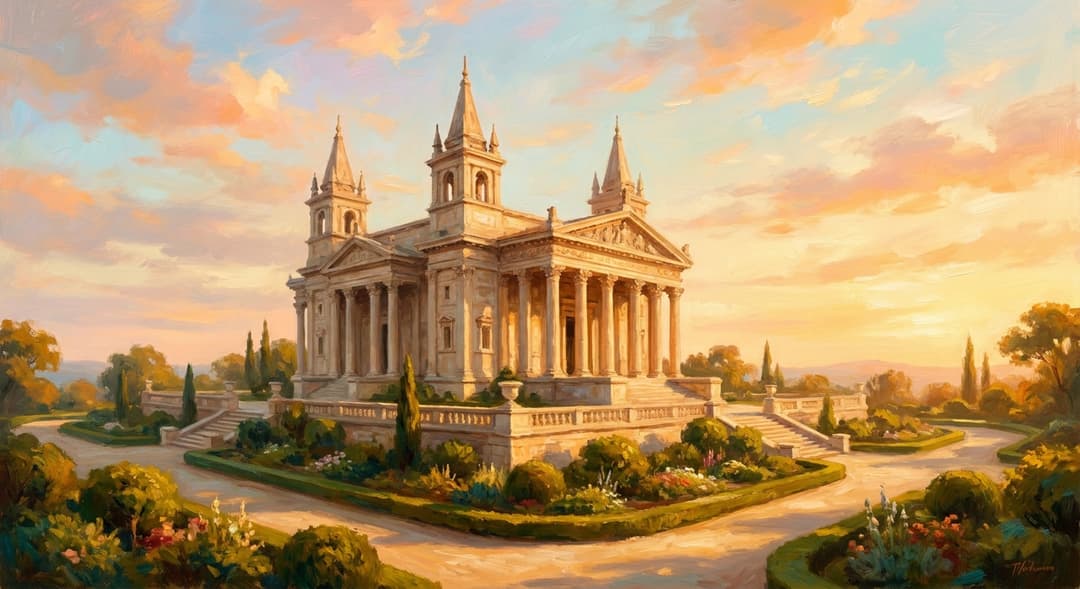
ভেনাস ভার্টিকর্ডিয়ার মন্দিরটি এখন আর অস্তিত্বশীল নেই, তবে এর ঐতিহাসিক অবস্থান ছিল রোমের সার্কাস ম্যাক্সিমাসের কাছে ওয়ালিস মার্সিয়া (Vallis Murcia)-তে। এই অঞ্চলে আগত দর্শনার্থীরা প্রাচীন রোমের ধ্বংসাবশেষ অন্বেষণ করতে পারেন এবং প্রেম ও বিবাহের ক্ষেত্রে নির্দেশনা চাওয়া রোমান নারীদের জীবনে এই মন্দিরের গুরুত্ব কেমন ছিল তা কল্পনা করতে পারেন। এই স্থানের পরিবেশটি ঐতিহাসিক প্রতিফলনে ভরপুর, যা প্রাচীন রোমের ধর্মীয় রীতিনীতির এক ঝলক দেখায়।
অবস্থান

Vallis Murcia, Rome, Italy
দিকনির্দেশ পানপরিচিতি
ভেনাস ভার্টিকর্ডিয়ার মন্দিরটি ছিল ভেনাস ভার্টিকর্ডিয়ার উদ্দেশ্যে উৎসর্গীকৃত একটি প্রাচীন রোমান মন্দির। তিনি ছিলেন দেবী ভেনাসের এমন একটি রূপ, যার কুমারী এবং যৌনভাবে সক্রিয় নারী উভয়কেই উচ্ছৃঙ্খল আকাঙ্ক্ষা থেকে যৌন সতীত্বের দিকে ফিরিয়ে আনার ক্ষমতা ছিল। দ্বিতীয় পিউনিক যুদ্ধের সময় একটি মূর্তি স্থাপনের মাধ্যমে ভেনাস ভার্টিকর্ডিয়ার পূজার সূচনা হয়েছিল।
ভেস্টালদের (পবিত্র কুমারী সেবিকাদের) মধ্যে ব্যভিচারের ঘটনার প্রায়শ্চিত্ত করার জন্য, সিবিলিন বইয়ের (Sibylline Books) নির্দেশ অনুসারে ১১৪ খ্রিস্টপূর্বাব্দে একটি মন্দির নির্মিত হয়েছিল। এর উৎসর্গের দিনটি ছিল ১লা এপ্রিল। মন্দিরটি ওয়ালিস মার্সিয়া (Vallis Murcia)-তে অবস্থিত ছিল, সম্ভবত সার্কাস ম্যাক্সিমাসের মার্সিয়ার উপাসনালয়ের কাছাকাছি।
রোমান ধর্মীয় জীবনে এই মন্দিরটি একটি গুরুত্বপূর্ণ ভূমিকা পালন করেছিল, বিশেষ করে সেইসব নারীদের জন্য যারা প্রেম এবং বিবাহের বিষয়ে নির্দেশনা খুঁজতেন। ১লা এপ্রিল উদযাপিত ভেনেরালাইয়া (Veneralia) উৎসবটি ভেনাস ভার্টিকর্ডিয়া এবং ফরচুনা ভিরিলিসের উদ্দেশ্যে উৎসর্গ করা হয়েছিল, যা রোমান সমাজে এই মন্দিরের গুরুত্বকে তুলে ধরে।
গ্যালারি
প্রতীকী উপাদান
মন্দিরের বাইরের অংশে জটিল খোদাই রয়েছে, যার প্রতিটি আধ্যাত্মিক অর্থে সমৃদ্ধ:

ভেনাস ভার্টিকর্ডিয়ার মূর্তি
ভেনাস ভার্টিকর্ডিয়ার মূর্তিটি দেবীর পাপ থেকে পুণ্যের দিকে হৃদয় পরিবর্তন করার ক্ষমতার প্রতিনিধিত্ব করত। এটি সুলপিসিয়া দ্বারা উৎসর্গ করা হয়েছিল, যিনি রোমের সবচেয়ে পবিত্র নারী হিসেবে নির্বাচিত হয়েছিলেন। মূর্তিটি উপাসনা এবং প্রার্থনার মূল কেন্দ্রবিন্দু হিসেবে কাজ করত।

মার্টল
মার্টল ছিল ভেনাসের কাছে একটি পবিত্র উদ্ভিদ, যা প্রেম, সৌন্দর্য এবং অমরত্বের প্রতীক। এটি ভেনেরালিয়াসহ দেবীর উদ্দেশ্যে উৎসর্গীকৃত আচার-অনুষ্ঠান এবং উৎসবে ব্যবহৃত হতো। ভেনাস ভার্টিকর্ডিয়ার পূজনীয় মূর্তি সাজাতে মার্টলের মালা ব্যবহার করা হতো।

পায়রা
পায়রা ছিল ভেনাসের কাছে পবিত্র পাখি, যা প্রেম, শান্তি এবং ভক্তির প্রতিনিধিত্ব করত। শিল্প ও পুরাণে প্রায়শই দেবীর পাশে এদের চিত্রিত করা হতো। পায়রা ভেনাসের চরিত্রের কোমল এবং যত্নশীল দিকগুলোর প্রতীক ছিল।

ভালিস মার্সিয়া
ভালিস মার্সিয়া, যেখানে মন্দিরটি অবস্থিত ছিল, প্রাচীন রোমের একটি উপত্যকা ছিল যা দেবী মার্সিয়ার সাথে সম্পর্কিত ছিল। সার্কাস ম্যাক্সিমাসের কাছে উপত্যকাটির অবস্থান এটিকে ধর্মীয় ও সাংস্কৃতিক অনুষ্ঠানের জন্য একটি গুরুত্বপূর্ণ স্থান করে তুলেছিল। এই উপত্যকায় মন্দিরের অবস্থান এর পবিত্রতা আরও বাড়িয়ে দিয়েছিল।

ভেনেরালিয়া উৎসব
১ এপ্রিল উদযাপিত ভেনেরালিয়া উৎসবটি ভেনাস ভার্টিকর্ডিয়া এবং ফরচুনা ভিরিলিসের উদ্দেশ্যে উৎসর্গীকৃত ছিল। এর মধ্যে জনসাধারণের স্নান এবং ভেনাস ভার্টিকর্ডিয়ার পূজনীয় মূর্তির স্নান ও মালা পরানোর মতো আচার-অনুষ্ঠান অন্তর্ভুক্ত ছিল। উৎসবটি রোমান সমাজে মন্দিরের গুরুত্বকে তুলে ধরেছিল।

সিবিলিন বই
সিবিলিন বই ছিল সংকটের সময়ে রোমানদের দ্বারা পরামর্শ করা ভবিষ্যদ্বাণীমূলক গ্রন্থের একটি সংগ্রহ। ভেনাস ভার্টিকর্ডিয়ার মন্দির নির্মাণ সিবিলিন বইয়ের নির্দেশনার দ্বারা অনুপ্রাণিত হয়েছিল, যা রোমান ধর্মীয় অনুশীলনে তাদের প্রভাবকে তুলে ধরে।

ভেস্টাল ভার্জিন
ভেস্টাল ভার্জিনরা ছিলেন রোমান চুল্লির দেবী ভেস্টার পুরোহিত। ভেস্টাল ভার্জিনদের মধ্যে ব্যভিচারের একটি ঘটনার প্রায়শ্চিত্ত করার জন্য মন্দিরটি নির্মিত হয়েছিল, যা রোমান সমাজে পবিত্রতা এবং পুণ্যের গুরুত্বকে জোরদার করে।

ফরচুনা ভিরিলিস
ফরচুনা ভিরিলিস ছিলেন ভাগ্যের দেবতা, বিশেষ করে প্রেম এবং যৌনতায় ভাগ্যের দেবতা। ভেনাস ভার্টিকর্ডিয়ার নিজস্ব মন্দির থাকার আগে মূর্তিটি সম্ভবত ফরচুনা ভিরিলিসের মন্দিরে রাখা হয়েছিল।
আকর্ষণীয় তথ্য
ভেনাস ভার্টিকর্ডিয়ার উদ্দেশ্য ছিল রোমানদের ঐতিহ্যগত যৌন শালীনতা এবং নৈতিকতাকে লালন করতে উদ্বুদ্ধ করা।
ভেনাস ভার্টিকর্ডিয়ার মূর্তিটি সুলপিসিয়া দ্বারা উৎসর্গ করা হয়েছিল, যিনি রোমের সবচেয়ে ‘pudica’ (যৌনভাবে পবিত্র) নারী হিসেবে নির্বাচিত হয়েছিলেন।
ভেনেরালিয়া ছিল একটি প্রাচীন রোমান উৎসব যা ১ এপ্রিল ভেনাস ভার্টিকর্ডিয়া এবং ফরচুনা ভিরিলিসের সম্মানে উদযাপিত হতো।
ভেনেরালিয়ার সময়, ভেনাস ভার্টিকর্ডিয়ার পূজনীয় মূর্তিটি পুরুষদের স্নানাগারে নিয়ে যাওয়া হতো, পোশাক উন্মোচন করে স্নান করানো হতো এবং মার্টল পাতা দিয়ে মালা পরানো হতো।
ভেস্টাল ভার্জিনদের মধ্যে ব্যভিচারের প্রায়শ্চিত্ত করার জন্য মন্দিরটি নির্মিত হয়েছিল।
ভেনাস ভার্টিকর্ডিয়ার নিজস্ব মন্দির থাকার আগে মূর্তিটি সম্ভবত ফরচুনা ভিরিলিসের মন্দিরে রাখা হয়েছিল।
ভেনাস ভার্টিকর্ডিয়ার উপাসনার উদ্দেশ্য ছিল যুদ্ধকালীন এবং সামাজিক সংকটের সময় নারীদের আচরণকে পরিচালিত করা।
রোমানরা একপত্নীত্ব এবং সাহচর্যের জন্য বিবাহকে আদর্শ মনে করত, এবং ভেনাস ভার্টিকর্ডিয়া বিবাহের মধ্যে যৌন আকাঙ্ক্ষার ইতিবাচক প্রকাশকে উৎসাহিত করত।
নারী ও পুরুষরা প্রেম, যৌনতা, বাগদান এবং বিবাহের বিষয়ে সাহায্যের জন্য ভেনাস ভার্টিকর্ডিয়ার কাছে প্রার্থনা করত।
ফরচুনা ভিরিলিসের উৎপত্তি খ্রিস্টপূর্ব ৪র্থ শতাব্দীর পরে নয়, যা ভার্টিকর্ডিয়ার মূর্তি উৎসর্গের আগের সময়কার।
সাধারণ জিজ্ঞাসা
ভেনাস ভার্টিকর্ডিয়ার মন্দিরের উদ্দেশ্য কী ছিল?
ভেনাস ভার্টিকর্ডিয়ার মন্দিরটি দেবী ভেনাসের একটি রূপ ভেনাস ভার্টিকর্ডিয়ার সম্মানে নির্মিত হয়েছিল, যার কুমারী এবং যৌনভাবে সক্রিয় উভয় নারীকেই অনিয়ন্ত্রিত লালসা থেকে যৌন পবিত্রতার দিকে ফিরিয়ে আনার ক্ষমতা ছিল। এটি রোমানদের, বিশেষ করে নারীদের জন্য প্রেম এবং বিবাহের বিষয়ে নির্দেশনা চাওয়ার একটি স্থান হিসেবে কাজ করত।
ভেনাস ভার্টিকর্ডিয়ার মন্দিরটি কখন নির্মিত হয়েছিল?
ভেস্টাল ভার্জিনদের মধ্যে ব্যভিচারের একটি ঘটনার প্রায়শ্চিত্ত করার জন্য সিবিলিন বইয়ের নির্দেশনা অনুসারে ১১৪ খ্রিস্টপূর্বে মন্দিরটি নির্মিত হয়েছিল।
ভেনাস ভার্টিকর্ডিয়ার মন্দিরটি কোথায় অবস্থিত ছিল?
মন্দিরটি ভালিস মার্সিয়ায় অবস্থিত ছিল, সম্ভবত রোমের সার্কাস ম্যাক্সিমাসে মার্সিয়ার উপাসনালয়ের কাছাকাছি।
ভেনেরালিয়া উৎসব কী ছিল?
ভেনেরালিয়া ছিল একটি প্রাচীন রোমান উৎসব যা ১ এপ্রিল ভেনাস ভার্টিকর্ডিয়া এবং ফরচুনা ভিরিলিসের সম্মানে উদযাপিত হতো। এর মধ্যে জনসাধারণের স্নান এবং ভেনাস ভার্টিকর্ডিয়ার পূজনীয় মূর্তির স্নান ও মালা পরানোর মতো আচার-অনুষ্ঠান অন্তর্ভুক্ত ছিল।
ভেনাস ভার্টিকর্ডিয়া নামের তাৎপর্য কী?
ভার্টিকর্ডিয়া উপাধিটি ল্যাটিন শব্দ ‘verto’ (পরিবর্তন করা) এবং ‘cor’ (হৃদয়) থেকে এসেছে, যা ভেনাসের পাপ থেকে পুণ্যের দিকে হৃদয় পরিবর্তন করার ক্ষমতাকে নির্দেশ করে।
বৈশিষ্ট্যযুক্ত গল্প
সুলপিসিয়া দ্বারা উৎসর্গ
204 BC
ভেনাস ভার্টিকর্ডিয়ার মূর্তিটি কিউ. ফুলভিয়াস ফ্ল্যাকাসের স্ত্রী সুলপিসিয়া দ্বারা উৎসর্গ করা হয়েছিল। তিনি রোমের সবচেয়ে ‘pudica’ (যৌনভাবে পবিত্র) নারী হিসেবে নির্বাচিত হয়েছিলেন, যা ছিল তাঁর পুণ্য ও ভক্তির প্রমাণ। এই সম্মানের জন্য সুলপিসিয়ার নির্বাচন রোমান সমাজে নারী পুণ্যের গুরুত্ব এবং নৈতিক শৃঙ্খলা বজায় রাখতে নারীদের ভূমিকাকে তুলে ধরেছিল।
উৎসর্গীকরণ অনুষ্ঠানটি একটি গুরুত্বপূর্ণ ঘটনা ছিল, যেখানে অনেক বিশিষ্ট রোমান উপস্থিত ছিলেন। সুলপিসিয়ার মূর্তি উৎসর্গের কাজটি ঐতিহ্যগত মূল্যবোধকে সমুন্নত রাখতে এবং প্রেম ও বিবাহের বিষয়ে ভেনাস ভার্টিকর্ডিয়ার নির্দেশনা চাওয়ার ক্ষেত্রে রোমান নারীদের অঙ্গীকারের প্রতীক ছিল। এই ঘটনাটি রোমান জনগণের মনে গভীরভাবে সাড়া ফেলেছিল, যা যৌন শালীনতা এবং নৈতিকতার গুরুত্বকে আরও শক্তিশালী করেছিল।
ভেনেরালিয়া উৎসব
April 1
ভেনেরালিয়া ছিল একটি বার্ষিক উৎসব যা ১ এপ্রিল ভেনাস ভার্টিকর্ডিয়া এবং ফরচুনা ভিরিলিসের সম্মানে উদযাপিত হতো। এই উৎসবটি ছিল জনসাধারণের উদযাপন এবং আচারগত শুদ্ধিকরণের সময়, যা প্রেম এবং পুণ্যের পুনর্নবীকরণের প্রতীক ছিল। উৎসবটি রোমান সমাজে উভয় দেবীর গুরুত্বকে তুলে ধরেছিল, যা প্রেম, ভাগ্য এবং নৈতিকতার পারস্পরিক সংযোগকে জোরদার করেছিল।
ভেনেরালিয়ার সময়, ভেনাস ভার্টিকর্ডিয়ার পূজনীয় মূর্তিটি পুরুষদের স্নানাগারে নিয়ে যাওয়া হতো, পোশাক উন্মোচন করে স্নান করানো হতো এবং মার্টল পাতা দিয়ে মালা পরানো হতো। এই আচারটি দেবীর শুদ্ধিকরণ এবং তাঁর হৃদয় পরিবর্তনের ক্ষমতা পুনর্নবীকরণের প্রতীক ছিল। উৎসবটি ছিল রোমানদের জন্য প্রেম, যৌনতা, বাগদান এবং বিবাহের বিষয়ে ভেনাস ভার্টিকর্ডিয়া এবং ফরচুনা ভিরিলিসের আশীর্বাদ চাওয়ার সময়।
ভেস্টাল ভার্জিনদের জন্য প্রায়শ্চিত্ত
114 BC
ভেনাস ভার্টিকর্ডিয়ার মন্দির নির্মাণ ভেস্টাল ভার্জিনদের মধ্যে ব্যভিচার সংক্রান্ত একটি কেলেঙ্কারির কারণে শুরু হয়েছিল। এই কেলেঙ্কারি রোমান সমাজকে নাড়া দিয়েছিল, যা এই পুরোহিতদের পবিত্রতা ও পুণ্য বজায় রাখার গুরুত্বকে তুলে ধরেছিল। সিবিলিন বইয়ের সাথে পরামর্শ করা হয়েছিল এবং প্রায়শ্চিত্ত ও পুনরুদ্ধারের উপায় হিসেবে মন্দির নির্মাণের নির্দেশ দেওয়া হয়েছিল।
মন্দির নির্মাণ নৈতিক মান বজায় রাখতে এবং ঐশ্বরিক ক্ষমা চাওয়ার প্রতি রোমের অঙ্গীকারের একটি প্রকাশ্য প্রদর্শন হিসেবে কাজ করেছিল। মন্দিরটি নৈতিক সংকটের পর ভারসাম্য ও সম্প্রীতি ফিরিয়ে আনার জন্য শহরের প্রচেষ্টার প্রতীক হয়ে ওঠে। এই ঘটনাটি সামাজিক শৃঙ্খলা বজায় রাখতে এবং অশান্তির সময়ে নির্দেশনা প্রদানে ধর্মীয় প্রতিষ্ঠানগুলোর গুরুত্বকে তুলে ধরেছিল।
সময়রেখা
ভেনাস ভার্টিকর্ডিয়ার কাল্ট প্রতিষ্ঠা
একটি মূর্তি (সিমুলাক্রাম) স্থাপনের মাধ্যমে ভেনাস ভার্টিকর্ডিয়ার কাল্ট প্রতিষ্ঠিত হয়।
মাইলস্টোনমূর্তি উৎসর্গ
কিউ. ফুলভিয়াস ফ্ল্যাকাসের স্ত্রী সুলপিসিয়াকে মূর্তিটি উৎসর্গ করার জন্য রোমের সবচেয়ে পবিত্র নারী হিসেবে নির্বাচিত করা হয়েছিল।
উৎসর্গমন্দির নির্মাণ
ভেস্টাল ভার্জিনদের মধ্যে ব্যভিচারের একটি ঘটনার প্রতিক্রিয়া হিসেবে ভেনাস ভার্টিকর্ডিয়ার জন্য একটি মন্দির তৈরি করা হয়।
মাইলস্টোনমুদ্রায় চিত্রণ
এম. কর্ডিয়াস রুফাসের মুদ্রায় ভেনাস ভার্টিকর্ডিয়ার মূর্তিটি চিত্রিত হয়েছে।
ঘটনাব্যবহারধীন মন্দির
মন্দিরটি তখনও সচল ছিল, যেখানে বিভিন্ন আচার-অনুষ্ঠান এবং উৎসব উদযাপিত হতো।
ঘটনাভেনেরালিয়া উৎসব
ভেনাস ভার্টিকর্ডিয়া এবং ফরচুনা ভিরিলিসের সম্মানে ভেনেরালিয়া উৎসব উদযাপিত হয়।
component.timeline.festivalসিবিলিন বইয়ের পরামর্শ
সিবিলিন বইয়ের সাথে পরামর্শ করে সিদ্ধান্ত নেওয়া হয়েছিল যে রোমান নারীদের ‘impudicitia’ (অপবিত্রতা)-র প্রতিক্রিয়া হিসেবে এই মূর্তিটির প্রয়োজন ছিল।
মাইলস্টোনভেস্টাল ভার্জিনদের প্রায়শ্চিত্ত
ভেস্টাল ভার্জিনদের মধ্যে ব্যভিচারের একটি ঘটনার প্রায়শ্চিত্ত করার জন্য মন্দিরটি নির্মিত হয়েছিল।
মাইলস্টোনপ্রেম এবং বিবাহে নির্দেশনা
রোমান ধর্মীয় জীবনে মন্দিরটি একটি গুরুত্বপূর্ণ ভূমিকা পালন করেছিল, বিশেষ করে সেইসব নারীদের জন্য যারা প্রেম এবং বিবাহের বিষয়ে নির্দেশনা খুঁজছিলেন।
ঘটনাজনসাধারণের স্নান
১ এপ্রিল ভেনেরালিয়া উৎসবটি জনসাধারণের স্নানের মাধ্যমে উদযাপিত হতো।
component.timeline.festivalহৃদয় পরিবর্তনের ক্ষমতা
ভেনাস ভার্টিকর্ডিয়া হৃদয় পরিবর্তনের ক্ষমতার প্রতীক, বিশেষ করে নারীদের পাপ থেকে পুণ্যের দিকে পরিচালিত করার জন্য।
মাইলস্টোনবিবাহিত নারীদের দ্বারা উপাসনা
বিবাহিত নারীদের দ্বারা ভেনাসের বিশেষ উপাসনা করা হতো।
ঘটনামার্টল এবং পায়রা
মার্টল এবং পায়রা ভেনাসের কাছে পবিত্র ছিল।
ঘটনাঐতিহ্যগত যৌন শালীনতা
ভেনাস ভার্টিকর্ডিয়ার উদ্দেশ্য ছিল রোমানদের ঐতিহ্যগত যৌন শালীনতা এবং নৈতিকতাকে লালন করতে উদ্বুদ্ধ করা।
মাইলস্টোনযৌন পবিত্রতা
ভেনাস ভার্টিকর্ডিয়ার মূর্তিটি সুলপিসিয়া দ্বারা উৎসর্গ করা হয়েছিল, যিনি রোমের সবচেয়ে ‘pudica’ (যৌনভাবে পবিত্র) নারী হিসেবে নির্বাচিত হয়েছিলেন।
উৎসর্গঅনুরূপ মন্দিরসমূহ
উৎস ও গবেষণা
Temples.org-এর প্রতিটি তথ্য যাচাইকৃত দ্বারা সমর্থিত <strong>উৎস ও গবেষণা</strong>। তথ্যের প্রতিটি অংশ উৎস স্তর এবং আত্মবিশ্বাসের স্তর দ্বারা রেট করা হয়।
সমস্ত উৎস দেখুন (1)
| ক্ষেত্র | উৎস | স্তর | পুনরুদ্ধার করা হয়েছে |
|---|---|---|---|
| Historical Timeline | Nova Roma (নতুন ট্যাবে খোলে) | C | 2024-02-29 |