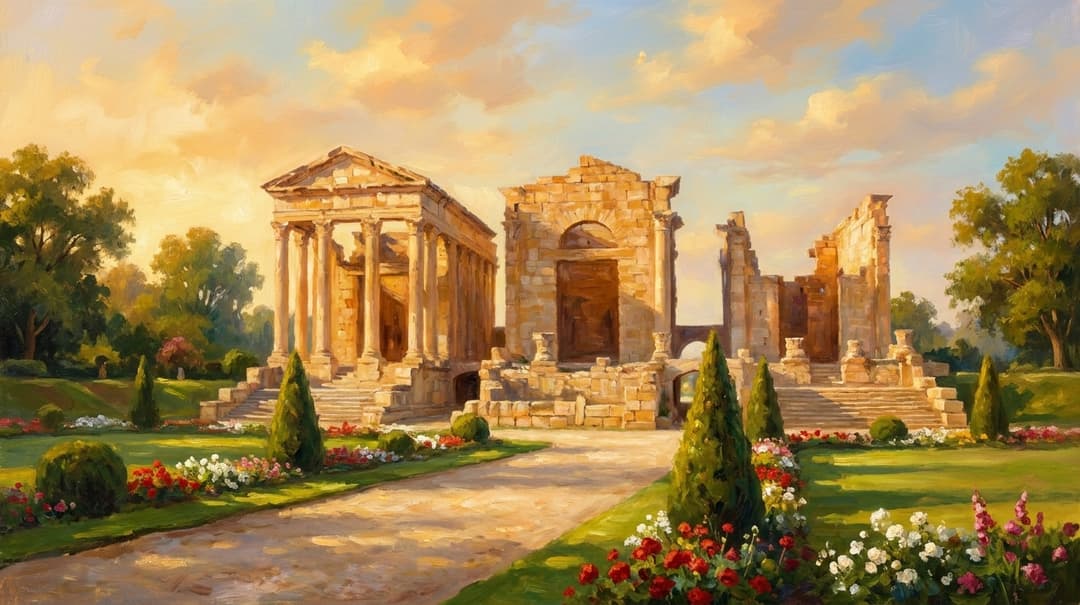
দর্শনার্থীদের অন্তর্দৃষ্টি
দর্শন টেম্পল অফ জুপিটার অপ্টিমাস ম্যাক্সিমাস
যদিও টেম্পল অফ জুপিটার আর তার পূর্ণ মহিমায় দাঁড়িয়ে নেই, তবুও রোমে আগত দর্শনার্থীরা ক্যাপিটোলিন পাহাড়ে গিয়ে এর ঐতিহাসিক গুরুত্ব অনুভব করতে পারেন। ক্যাপিটোলিন মিউজিয়াম এখন এই স্থানটি দখল করে আছে, যা টিকে থাকা ধ্বংসাবশেষ এবং প্রত্নতাত্ত্বিক নিদর্শনের মাধ্যমে মন্দিরের অতীতের এক ঝলক দেখায়। ক্যাপিটোলিন মিউজিয়ামের অংশ পালাজ্জো কাফফারেলির প্রাঙ্গণ ঘুরে দেখলে দর্শনার্থীরা মন্দিরের ভিত্তি এবং পোডিয়ামের অংশবিশেষ দেখতে পাবেন, যা তাদের প্রাচীন রোমের মহিমার সাথে সংযুক্ত করবে।
প্রধান বৈশিষ্ট্য
- টেম্পল অফ জুপিটারের টিকে থাকা ধ্বংসাবশেষ দেখতে ক্যাপিটোলিন মিউজিয়াম ঘুরে দেখুন।
- মন্দিরের ভিত্তি এবং পোডিয়াম দেখতে পালাজ্জো কাফফারেলির প্রাঙ্গণ পরিদর্শন করুন।
- ক্যাপিটোলিন পাহাড়ে মন্দিরের ইতিহাস এবং তাৎপর্য সম্পর্কে জানুন।
জানার বিষয়
- টেম্পল অফ জুপিটার আর দাঁড়িয়ে নেই, তাই দর্শনার্থীরা কেবল ধ্বংসাবশেষ এবং জাদুঘরের প্রদর্শনী দেখতে পাবেন।
- বর্তমান সময়সূচী, প্রবেশ মূল্য এবং যাতায়াতের নির্দেশাবলীর জন্য ক্যাপিটোলিন মিউজিয়ামের ওয়েবসাইটটি দেখে নিন।
অবস্থান
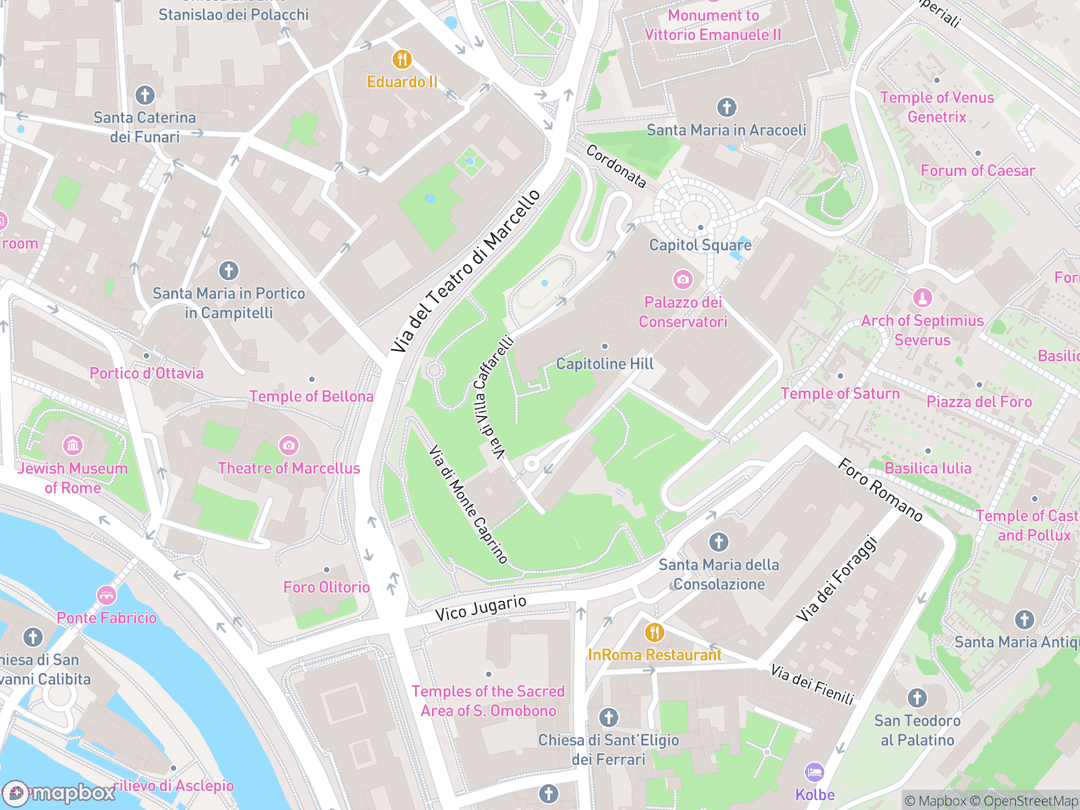
Capitoline Hill, Rome, Italy
সময়: বর্তমান সময়সূচীর জন্য ক্যাপিটোলিন মিউজিয়ামের ওয়েবসাইটটি দেখে নিন।
সেখানে যাওয়া: ক্যাপিটোলিন পাহাড়ে গণপরিবহনের মাধ্যমে পৌঁছানো যায় এবং এটি মধ্য রোমে অবস্থিত।
দিকনির্দেশ পানপরিচিতি
টেম্পল অফ জুপিটার অপ্টিমাস ম্যাক্সিমাস, যা টেম্পল অফ জুপিটার ক্যাপিটোলিনাস নামেও পরিচিত, ছিল প্রাচীন রোমের সবচেয়ে গুরুত্বপূর্ণ মন্দির, যা ক্যাপিটোলিন পাহাড়ে অবস্থিত ছিল। এটি ক্যাপিটোলিন ত্রয়ী: জুপিটার, জুনো এবং মিনার্ভার উদ্দেশ্যে উৎসর্গীকৃত ছিল এবং রোমান রাষ্ট্রীয় ধর্মের কেন্দ্র হিসেবে কাজ করত। বিধ্বংসী অগ্নিকাণ্ডের পর একাধিক পুনর্নির্মাণের মাধ্যমে এই মন্দিরের ইতিহাস বহু শতাব্দী ধরে বিস্তৃত।
খ্রিস্টপূর্ব ৬ষ্ঠ শতাব্দীতে ইট্রুস্কান রাজা টারকুইনিয়াস প্রিসকাসের অধীনে এর নির্মাণ কাজ শুরু হয় এবং টারকুইনিয়াস সুপারবাসের দ্বারা এটি সম্পন্ন হয়। ঐতিহ্যগতভাবে এটি ৫০৯ খ্রিস্টপূর্বাব্দের ১৩ সেপ্টেম্বর উৎসর্গ করা হয়েছিল, যা রোমান প্রজাতন্ত্র দ্বারা রোমান রাজ্য প্রতিস্থাপনের বছরটিকে চিহ্নিত করে। এর অস্তিত্ব জুড়ে, মন্দিরটি বেশ কয়েকবার পুনর্নির্মাণের মধ্য দিয়ে গেছে, যার প্রতিটি তৎকালীন স্থাপত্য শৈলী এবং উপলব্ধ সম্পদের প্রতিফলন ঘটায়।
মন্দিরের স্থাপত্য শৈলী তার আদি ইট্রুস্কান নকশা থেকে বিবর্তিত হয়ে গ্রীক এবং রোমান প্রভাবকে অন্তর্ভুক্ত করেছিল। এতে একটি উঁচু পোডিয়াম, সামনে ছয়টি স্তম্ভ বিশিষ্ট একটি হেক্সাস্টাইল নকশা এবং জুপিটার, জুনো ও মিনার্ভার উদ্দেশ্যে উৎসর্গীকৃত তিনটি সেলা (cellae) ছিল। মন্দিরটি পোড়ামাটির ভাস্কর্য দ্বারা সুশোভিত ছিল, যার মধ্যে ছাদে একটি বিখ্যাত কোয়াড্রিগা (চার ঘোড়ার রথ) অন্তর্ভুক্ত ছিল। শেষ পর্যন্ত ধ্বংস হয়ে যাওয়া সত্ত্বেও, টেম্পল অফ জুপিটার রোমান স্থাপত্য এবং ধর্মীয় অনুশীলনের উপর একটি স্থায়ী প্রভাব রেখে গেছে।
গ্যালারি
প্রতীকী উপাদান
মন্দিরের বাইরের অংশে জটিল খোদাই রয়েছে, যার প্রতিটি আধ্যাত্মিক অর্থে সমৃদ্ধ:

জুপিটার
প্রধান দেবতা হিসেবে, জুপিটারকে রোম এবং রোমান রাষ্ট্রের রক্ষক হিসেবে বিবেচনা করা হতো। তিনি শক্তি, কর্তৃত্ব এবং ঐশ্বরিক সুরক্ষার প্রতীক ছিলেন, যা রোমান প্রজাতন্ত্র এবং সাম্রাজ্যের শক্তি ও স্থিতিশীলতাকে মূর্ত করে তুলেছিল। মন্দিরে তাঁর উপস্থিতি ঐশ্বরিক জগতের সাথে রোমের সংযোগকে নির্দেশ করত।

জুনো
জুনো ঐশ্বরিক শক্তির নারী রূপের প্রতিনিধিত্ব করতেন এবং বিবাহ, মাতৃত্ব ও নারীদের কল্যাণের সাথে যুক্ত ছিলেন। তিনি রোমান রাষ্ট্রের লালনপালন এবং সুরক্ষামূলক গুণাবলীর প্রতীক ছিলেন, যা রোমান পরিবারগুলোর সমৃদ্ধি এবং ধারাবাহিকতা নিশ্চিত করত। তাঁর পূজা ছিল রোমের সামাজিক কাঠামোর অবিচ্ছেদ্য অংশ।

মিনার্ভা
মিনার্ভা জ্ঞান, কৌশলগত যুদ্ধ এবং শিল্পকলাকে মূর্ত করেছিলেন। তিনি বুদ্ধি, দক্ষতা এবং জ্ঞানের অন্বেষণের প্রতীক ছিলেন, যা উদ্ভাবন এবং সামরিক দক্ষতার প্রতি রোমানদের প্রতিশ্রুতিকে প্রতিনিধিত্ব করত। মন্দিরে তাঁর উপস্থিতি রোমান সমাজে বুদ্ধিবৃত্তিক এবং সামরিক উভয় শক্তির গুরুত্বকে নির্দেশ করত।

ক্যাপিটোলাইন ট্রায়াড
জুপিটার, জুনো এবং মিনার্ভার যৌথ পূজা রোমান সমাজের মূল মূল্যবোধ এবং বিশ্বাসের প্রতিনিধিত্ব করত। মন্দিরটি তাদের আধ্যাত্মিক প্রতিশ্রুতি এবং নাগরিক দায়িত্বের অনুস্মারক হিসেবে কাজ করত, যা রোমান রাষ্ট্রের ঐক্য ও শক্তিকে সুদৃঢ় করত। ক্যাপিটোলাইন ট্রায়াড ছিল রোমান পরিচয়ের কেন্দ্রবিন্দু।

কোয়াড্রিগা
চার ঘোড়ার রথ কোয়াড্রিগা মন্দিরের ছাদকে সুশোভিত করত এবং বিজয় ও সাফল্যের প্রতীক ছিল। এটি রোমের সামরিক সাফল্য এবং এর সম্রাটদের গৌরবকে প্রতিনিধিত্ব করত, যা রোমান শক্তি এবং আধিপত্যের একটি দৃশ্যমান অনুস্মারক হিসেবে কাজ করত। কোয়াড্রিগা ছিল রোমান সাম্রাজ্যবাদী উচ্চাকাঙ্ক্ষার একটি বিশিষ্ট প্রতীক।

উঁচু পোডিয়াম
প্রায় ৫০ মিটার x ৬০ মিটারের উঁচু পোডিয়ামটি মন্দিরটিকে ধরে রাখত এবং আশেপাশের ল্যান্ডস্কেপের উপরে এটিকে উন্নীত করত। এটি মন্দিরের গুরুত্ব এবং আধিপত্যের প্রতীক ছিল, যা রোমান ধর্মীয় ও রাজনৈতিক জীবনে এর কেন্দ্রীয় ভূমিকাকে দৃশ্যমানভাবে সুদৃঢ় করত। পোডিয়ামটি ছিল রোমান স্থাপত্যের উচ্চাকাঙ্ক্ষার একটি বহিঃপ্রকাশ।

গিল্ট করা ছাদের টালি
ব্রোঞ্জ দিয়ে তৈরি এবং সোনা দিয়ে মোড়ানো গিল্ট করা ছাদের টালিগুলো রোমের সম্পদ এবং ঐশ্বর্যকে প্রতিফলিত করত। এগুলো শহরের সমৃদ্ধি এবং মহৎ ধর্মীয় কাঠামোতে বিনিয়োগ করার ক্ষমতাকে প্রতীকায়িত করত, যা সাম্রাজ্যের অর্থনৈতিক শক্তি এবং সাংস্কৃতিক পরিশীলিততাকে প্রদর্শন করত। গিল্ট করা টালিগুলো ছিল রোমান প্রাচুর্যের প্রতীক।

সেলা
জুপিটার, জুনো এবং মিনার্ভার উদ্দেশ্যে উৎসর্গীকৃত মন্দিরের অভ্যন্তরভাগকে তিনটি সেলায় বিভক্ত করা প্রতিটি দেবতার স্বতন্ত্র ভূমিকা এবং দায়িত্বকে প্রতিফলিত করত। এই বিভাজন রোমান ধর্মীয় বিশ্বাসের জটিলতা এবং ক্যাপিটোলাইন ট্রায়াডের প্রতিটি সদস্যকে পৃথকভাবে সম্মান জানানোর গুরুত্বকে প্রতীকায়িত করত। সেলাগুলো মন্দিরের ধর্মীয় কাজের কেন্দ্রবিন্দু ছিল।
আকর্ষণীয় তথ্য
টেম্পল অফ জুপিটার ছিল প্রাচীন রোমের সবচেয়ে গুরুত্বপূর্ণ মন্দির।
এটি ছিল ইট্রুস্কান শৈলীর বৃহত্তম মন্দির।
এই মন্দিরটি বহু শতাব্দী ধরে রোমান মন্দির নির্মাণকে প্রভাবিত করেছিল।
এটি ধর্মীয় আচার, সাংস্কৃতিক এবং রাজনৈতিক সামগ্রীর ভাণ্ডার হিসেবে কাজ করত।
মন্দিরটি ছিল বিজয় শোভাযাত্রার (ট্রায়াম্ফ) শেষ বিন্দু।
এটি সিনেটের একটি সভাস্থল ছিল।
জুপিটারের মূর্তিটি লাল রঙে রাঙানো ছিল, যা বিজয় শোভাযাত্রার সময় রোমান জেনারেলদের মুখ রঙ করার ঐতিহ্যের সূচনা করেছিল।
সিবিলিন ওরাকলস (সিবিলদের ভবিষ্যদ্বাণী সম্বলিত বই) এই মন্দিরে রাখা হতো।
অগ্নিকাণ্ডের কারণে মন্দিরটি একাধিকবার ধ্বংস এবং পুনর্নির্মিত হয়েছিল।
৩৯২ খ্রিস্টাব্দে সম্রাট থিওডোসিয়াস প্রথম সমস্ত অ-খ্রিস্টান মন্দির বন্ধ না করা পর্যন্ত এই মন্দিরটি ব্যবহৃত হতো।
সাধারণ জিজ্ঞাসা
টেম্পল অফ জুপিটার অপটিমাস ম্যাক্সিমাস (Temple of Jupiter Optimus Maximus) কী ছিল?
টেম্পল অফ জুপিটার অপটিমাস ম্যাক্সিমাস ছিল প্রাচীন রোমের সবচেয়ে গুরুত্বপূর্ণ মন্দির, যা ক্যাপিটোলাইন হিলে অবস্থিত ছিল। এটি ক্যাপিটোলাইন ট্রায়াড: জুপিটার, জুনো এবং মিনার্ভার উদ্দেশ্যে উৎসর্গীকৃত ছিল এবং রোমান রাষ্ট্রীয় ধর্মের কেন্দ্র হিসেবে কাজ করত। এই মন্দিরের ইতিহাস বহু শতাব্দী ধরে বিস্তৃত, যেখানে বিধ্বংসী অগ্নিকাণ্ডের পর একাধিকবার এটি পুনর্নির্মাণ করা হয়েছে।
টেম্পল অফ জুপিটার কোথায় অবস্থিত ছিল?
টেম্পল অফ জুপিটার ইতালির রোমের ক্যাপিটোলাইন হিলে অবস্থিত ছিল। আজ, এই স্থানটি ক্যাপিটোলাইন মিউজিয়াম দ্বারা দখলকৃত, যেখানে দর্শনার্থীরা ধ্বংসাবশেষ অন্বেষণ করতে পারেন এবং এর ইতিহাস সম্পর্কে জানতে পারেন।
টেম্পল অফ জুপিটার কখন নির্মিত হয়েছিল?
ইট্রুস্কান রাজা টারকুইনিয়াস প্রিসকাসের অধীনে খ্রিস্টপূর্ব ৬ষ্ঠ শতাব্দীতে নির্মাণ কাজ শুরু হয় এবং টারকুইনিয়াস সুপারবাসের দ্বারা এটি সম্পন্ন হয়। এটি ঐতিহ্যগতভাবে খ্রিস্টপূর্ব ৫০৯ অব্দের ১৩ সেপ্টেম্বর উৎসর্গ করা হয়েছিল, যা রোমান প্রজাতন্ত্র দ্বারা রোমান রাজ্য প্রতিস্থাপনের বছরকে চিহ্নিত করে।
টেম্পল অফ জুপিটারে কোন দেবতাদের পূজা করা হতো?
টেম্পল অফ জুপিটার ক্যাপিটোলাইন ট্রায়াডের উদ্দেশ্যে উৎসর্গীকৃত ছিল: দেবতাদের রাজা জুপিটার; তাঁর স্ত্রী ও রানী জুনো; এবং তাঁদের কন্যা ও জ্ঞানের দেবী মিনার্ভা। এই তিন দেবতা রোমান সমাজের মূল মূল্যবোধ এবং বিশ্বাসের প্রতিনিধিত্ব করতেন।
টেম্পল অফ জুপিটারের কী হয়েছিল?
অগ্নিকাণ্ডের কারণে টেম্পল অফ জুপিটার বেশ কয়েকবার পুনর্নির্মাণ করা হয়েছিল এবং অবশেষে ভ্যান্ডালদের দ্বারা লুণ্ঠিত হয়েছিল। ১৬শ শতাব্দীতে জিওভানি পিয়েত্রো কাফাফারেলি এই স্থানে পালাজ্জো কাফাফারেলি নির্মাণ করলে অবশিষ্ট ধ্বংসাবশেষ ধ্বংস হয়ে যায়। আজ, দর্শনার্থীরা ক্যাপিটোলাইন মিউজিয়ামে ধ্বংসাবশেষ অন্বেষণ করতে পারেন এবং এর ইতিহাস সম্পর্কে জানতে পারেন।
বৈশিষ্ট্যযুক্ত গল্প
মন্দিরের উৎসর্গীকরণ
September 13, 509 BC
খ্রিস্টপূর্ব ৫০৯ অব্দের ১৩ সেপ্টেম্বর টেম্পল অফ জুপিটার অপটিমাস ম্যাক্সিমাসের উৎসর্গীকরণ রোমান ইতিহাসে একটি অত্যন্ত গুরুত্বপূর্ণ মুহূর্ত চিহ্নিত করেছিল। এই ঘটনাটি রোমান প্রজাতন্ত্র প্রতিষ্ঠার সাথে মিলে যায়, যা শাসন ব্যবস্থা এবং নাগরিক দায়িত্বের একটি নতুন যুগের সূচনা করে। মন্দিরের উৎসর্গীকরণ ছিল একটি মহৎ অনুষ্ঠান, যেখানে রোমান নেতা এবং সাধারণ নাগরিকরা সমানভাবে উপস্থিত ছিলেন, যা রোমান রাষ্ট্রীয় ধর্মের কেন্দ্র হিসেবে এর ভূমিকাকে সুদৃঢ় করেছিল।
উৎসর্গীকরণের সময় সম্পাদিত আচার-অনুষ্ঠানগুলো ঐতিহ্যে নিমজ্জিত ছিল, যা জুপিটার, জুনো এবং মিনার্ভাকে রোমের রক্ষক হিসেবে সম্মান জানায়। বলিদান করা হয়েছিল, প্রার্থনা করা হয়েছিল এবং মন্দিরটিকে আগামী প্রজন্মের জন্য একটি পবিত্র স্থান হিসেবে উৎসর্গ করা করেছিল। এই উৎসর্গীকরণটি রোমের তার দেবতাদের এবং তারা যে মূল্যবোধের প্রতিনিধিত্ব করত তার প্রতি প্রতিশ্রুতির প্রতীক ছিল।
পরিবেশটি আশা এবং প্রত্যাশায় ভরপুর ছিল, কারণ রোমান জনগণ তাদের নবপ্রতিষ্ঠিত প্রজাতন্ত্রের সাথে ভবিষ্যতের দিকে তাকিয়ে ছিল। টেম্পল অফ জুপিটার শক্তি এবং স্থিতিশীলতার আলোকবর্তিকা হিসেবে দাঁড়িয়ে ছিল, যা রোমান রাষ্ট্রের জন্য ঐশ্বরিক অনুগ্রহ এবং সুরক্ষার প্রতিশ্রুতি দিয়েছিল। উৎসর্গীকরণটি ছিল বিশ্বাসের চিরস্থায়ী শক্তি এবং নাগরিক ঐক্যের গুরুত্বের একটি প্রমাণ।
উৎস: Adapted from Livy, *Ab Urbe Condita*, Book 2.
খ্রিস্টপূর্ব ৮৩ অব্দের মহা অগ্নিকাণ্ড
83 BC
খ্রিস্টপূর্ব ৮৩ অব্দে, একটি বিধ্বংসী অগ্নিকাণ্ড টেম্পল অফ জুপিটারকে গ্রাস করে, যার ফলে কাঠের কাঠামোটি পুড়ে ছাই হয়ে যায়। এই বিপর্যয়কর ঘটনাটি সুলার অধীনে অশান্ত গৃহযুদ্ধের সময় ঘটেছিল, যা রোমে সংকট এবং অনিশ্চয়তার অনুভূতি বাড়িয়ে দিয়েছিল। মন্দিরের ক্ষতি রোমান জনগণ গভীরভাবে অনুভব করেছিল, যা তারা ঐশ্বরিক অসন্তোষের লক্ষণ হিসেবে দেখেছিল।
আগুন কেবল মন্দিরটিকেই গ্রাস করেনি, বরং এর মধ্যে থাকা অনেক পবিত্র নিদর্শন এবং ধনসম্পদও ধ্বংস করেছিল। এই ধ্বংসযজ্ঞ রোমানদের মনোবলকে আঘাত করেছিল, কারণ মন্দিরটি দীর্ঘকাল ধরে শহরের শক্তি এবং স্থিতিস্থাপকতার প্রতীক ছিল। এই ঘটনাটি মন্দিরটি পুনর্নির্মাণের জন্য অবিলম্বে প্রচেষ্টাকে উদ্বুদ্ধ করেছিল, যা রোমান পরিচয়ের কাছে এই স্থানটির স্থায়ী গুরুত্বকে প্রতিফলিত করে।
পুনর্নির্মাণ প্রক্রিয়াটি ছিল রোমানদের সংকল্পের একটি প্রমাণ, যেখানে এই প্রকল্পে প্রচুর সম্পদ এবং জনবল নিয়োজিত করা হয়েছিল। নতুন মন্দিরটি মার্বেল এবং গিল্ট করা ছাদের টালিসহ আরও ব্যয়বহুল উপকরণ দিয়ে তৈরি করা হয়েছিল, যা তার পবিত্র স্থানগুলো পুনরুদ্ধার করার জন্য রোমের প্রতিশ্রুতির প্রতীক ছিল। অগ্নিকাণ্ডটি মানুষের প্রচেষ্টার ভঙ্গুরতা এবং বিশ্বাসের চিরস্থায়ী শক্তির কথা মনে করিয়ে দিয়েছিল।
উৎস: Based on Plutarch, *Life of Sulla*.
৪৫৫ খ্রিস্টাব্দের ভ্যান্ডাল লুণ্ঠন
455 AD
৪৫৫ খ্রিস্টাব্দে, রোম ভ্যান্ডালদের শিকারে পরিণত হয়, যা শহরটি লুণ্ঠন করে এবং এর পবিত্র স্থানগুলোকে অপবিত্র করে। টেম্পল অফ জুপিটারও তাদের লক্ষ্যবস্তুগুলোর মধ্যে ছিল, ভ্যান্ডালরা এর ছাদকে সুশোভিত করা গিল্ট করা ব্রোঞ্জের টালির অর্ধেক খুলে নিয়ে যায়। এই অপবিত্রতার কাজটি রোমান জনগণের জন্য একটি গভীর ধাক্কা ছিল, যা তারা তাদের ধর্মীয় এবং সাংস্কৃতিক ঐতিহ্যের লঙ্ঘন হিসেবে দেখেছিল।
ভ্যান্ডালদের দ্বারা রোম লুণ্ঠন শহরের ইতিহাসে একটি টার্নিং পয়েন্ট চিহ্নিত করেছিল, যা পশ্চিম রোমান সাম্রাজ্যের পতনের ইঙ্গিত দেয়। গিল্ট করা টালিগুলোর ক্ষতি কেবল একটি বস্তুগত ক্ষতিই ছিল না, বরং একটি প্রতীকী ক্ষতিও ছিল, যা রোমান শক্তি এবং মর্যাদার ক্ষয়কে প্রতিনিধিত্ব করে। এই ঘটনাটি রোমানদের মনে একটি স্থায়ী ক্ষত রেখে গিয়েছিল, কারণ শহরটি এই ধ্বংসযজ্ঞ থেকে পুনরুদ্ধার করতে লড়াই করছিল।
ভ্যান্ডালদের লুণ্ঠন সত্ত্বেও, টেম্পল অফ জুপিটার রোমের স্থায়ী চেতনার প্রমাণ হিসেবে দাঁড়িয়ে ছিল। অবশিষ্ট টালি এবং মন্দিরের ভিত্তিপ্রস্তরগুলো শহরের গৌরবময় অতীত এবং এর নবায়নের সম্ভাবনার অনুস্মারক হিসেবে কাজ করেছিল। রোম লুণ্ঠন ছিল শহরের ইতিহাসের একটি অন্ধকার অধ্যায়, তবে এটি এর জনগণের স্থিতিস্থাপকতা এবং তাদের ঐতিহ্যের প্রতি তাদের অবিচল প্রতিশ্রুতিকেও তুলে ধরেছিল।
উৎস: Derived from Procopius, *History of the Vandalic War*.
সময়রেখা
নির্মাণ কাজ শুরু
ইট্রুস্কান রাজা টারকুইনিয়াস প্রিসকাসের অধীনে নির্মাণ কাজ শুরু হয়েছিল।
মাইলস্টোনঐতিহ্যগত উৎসর্গ
ঐতিহ্যগতভাবে ১৩ সেপ্টেম্বর উৎসর্গ করা হয়েছিল, যা রোমান প্রজাতন্ত্র দ্বারা রোমান রাজ্য প্রতিস্থাপনের বছরকে চিহ্নিত করে।
উৎসর্গটেরাকোটার পরিবর্তে ব্রোঞ্জের কোয়াড্রিগা স্থাপন
টেরাকোটার কোয়াড্রিগাটি একটি ব্রোঞ্জের কোয়াড্রিগা দ্বারা প্রতিস্থাপিত হয়েছিল।
সংস্কারঅগ্নিকাণ্ডে ধ্বংস
সুলার অধীনে গৃহযুদ্ধের সময় কাঠের মন্দিরটি আগুনে ধ্বংস হয়ে গিয়েছিল।
সংস্কারপুনর্নির্মাণ এবং উৎসর্গ
আরও ব্যয়বহুল উপকরণ দিয়ে পুনর্নির্মিত এবং কুইন্টাস লুটাটিয়াস ক্যাটুলাস ক্যাপিটোলিনাস দ্বারা উৎসর্গীকৃত।
উৎসর্গনতুন উপাসনা মূর্তি নির্মাণ সম্পন্ন
তিনটি নতুন উপাসনা মূর্তি সম্পন্ন হয়েছিল।
ঘটনামন্দিরটি আবার পুড়ে যায়
পুনর্নির্মিত মন্দিরটি ১৯ ডিসেম্বর পুড়ে ছাই হয়ে যায়।
সংস্কারভেসপাসিয়ান কর্তৃক মন্দির পুনর্নির্মাণ
ভেসপাসিয়ান মন্দিরটি পুনর্নির্মাণ করেন এবং এটি উৎসর্গ করেন।
উৎসর্গমন্দিরটি আবার পুড়ে যায়
পুনর্নির্মিত মন্দিরটি আবার পুড়ে যায়।
সংস্কারডমিশিয়ান কর্তৃক মন্দির পুনর্নির্মাণ
ডমিশিয়ান মন্দিরটি পুনর্নির্মাণ করেন।
উৎসর্গসরকারি তহবিল বন্ধ
সম্রাট থিওডোসিয়াস প্রথম পৌত্তলিক মন্দিরগুলোর জন্য সরকারি তহবিল বন্ধ করে দেন।
ঘটনাভ্যান্ডালদের দ্বারা মন্দির লুণ্ঠন
ভ্যান্ডালরা মন্দিরটি লুণ্ঠন করে এবং গিল্ট করা ব্রোঞ্জের টালির অর্ধেক খুলে নিয়ে যায়।
ঘটনামূর্তি এবং অলঙ্কার অপসারণ
নার্সেস অনেক মূর্তি এবং অলঙ্কার অপসারণ করেছিলেন।
ঘটনাধ্বংসাবশেষ ধ্বংস
জিওভানি পিয়েত্রো কাফাফারেলি এই স্থানে পালাজ্জো কাফাফারেলি নির্মাণ করলে অবশিষ্ট ধ্বংসাবশেষ ধ্বংস হয়ে যায়।
সংস্কারঅনুরূপ মন্দিরসমূহ
উৎস ও গবেষণা
Temples.org-এর প্রতিটি তথ্য যাচাইকৃত দ্বারা সমর্থিত <strong>উৎস ও গবেষণা</strong>। তথ্যের প্রতিটি অংশ উৎস স্তর এবং আত্মবিশ্বাসের স্তর দ্বারা রেট করা হয়।
সমস্ত উৎস দেখুন (4)
| ক্ষেত্র | উৎস | স্তর | পুনরুদ্ধার করা হয়েছে |
|---|---|---|---|
| About & Historical Background | Kiddle (নতুন ট্যাবে খোলে) | C | 2024-02-29 |
| Historical Timeline & Architectural Description | Ancient Rome Live (নতুন ট্যাবে খোলে) | C | 2024-02-29 |
| Architectural Description & Interesting Facts | Khan Academy (নতুন ট্যাবে খোলে) | B | 2024-02-29 |
| Symbolic Elements | Kiddle (নতুন ট্যাবে খোলে) | C | 2024-02-29 |