
The Civic and Spiritual Footprint of Sacred Architecture
Across centuries and civilizations, holy places have served as anchor points for human civilization. When a Latter-day Saint temple is constructed in a city, its presence extends beyond the walls of the building itself. A temple represents a substantial civic, environmental, and social investment in the surrounding community.
Urban planners, neighborhood leaders, and economists note that Latter-day Saint temples—and the active congregation infrastructure that surrounds them—bring tangible improvements to local municipalities. From meticulously maintained public grounds to extensive self-reliance programs open to the entire public, the presence of a temple creates positive ripple effects across the local area.
The Surrounding Community Ecosystem: Free Civic & Support Resources
Where a Latter-day Saint temple stands, there is an organized network of local congregations (stakes and wards) that operate a broad suite of charitable and community-building programs. These resources are designed to strengthen individuals and families, and many are open to the entire public regardless of religious background:
- Addiction Recovery Support (ARP): Local congregations sponsor free 12-step addiction recovery group meetings designed to assist individuals and families battling substance abuse, gambling, or behavioral addictions.
- Personal Finance & Self-Reliance Courses: Community members can attend free workshops covering practical budgeting, debt management, career advancement, and personal financial independence.
- Welfare Safety Net & Emergency Response: Latter-day Saint communities maintain rapid-mobilization disaster relief groups (often recognized as 'Mormon Helping Hands') that deploy volunteers during floods, storms, and local emergencies.
- Bishops' Storehouses & Food Storage Resources: To assist families during acute financial hardship, local networks utilize food storage centers and Bishops' Storehouses to distribute nutritious food and household essentials.
- Employment Specialists & Career Centers: Volunteer employment specialists provide free 1-on-1 career coaching, resume writing workshops, and job placement networking for job seekers.
- Family History Libraries (FamilySearch Centers): Most temple centers operate nearby FamilySearch Centers equipped with high-speed document scanners, historical databases, and expert staff available to help anyone research their family heritage at no cost.
Economic Activity and Local Commerce
The construction and ongoing operation of a temple generate significant local economic activity. During the multi-year construction phase, multi-million-dollar capital investments flow directly to local contractors, skilled trade workers, material suppliers, and engineering firms.
Once operating, temples draw patrons, multi-generational families, and conference attendees from surrounding regions. Visitors frequently utilize local hotels, restaurants, gas stations, and retail shops. During peak times—such as weekend weddings or annual conferences—this patron travel provides steady revenue for nearby hospitality and small business owners.
Neighborhood Beautification and Environmental Stewardship
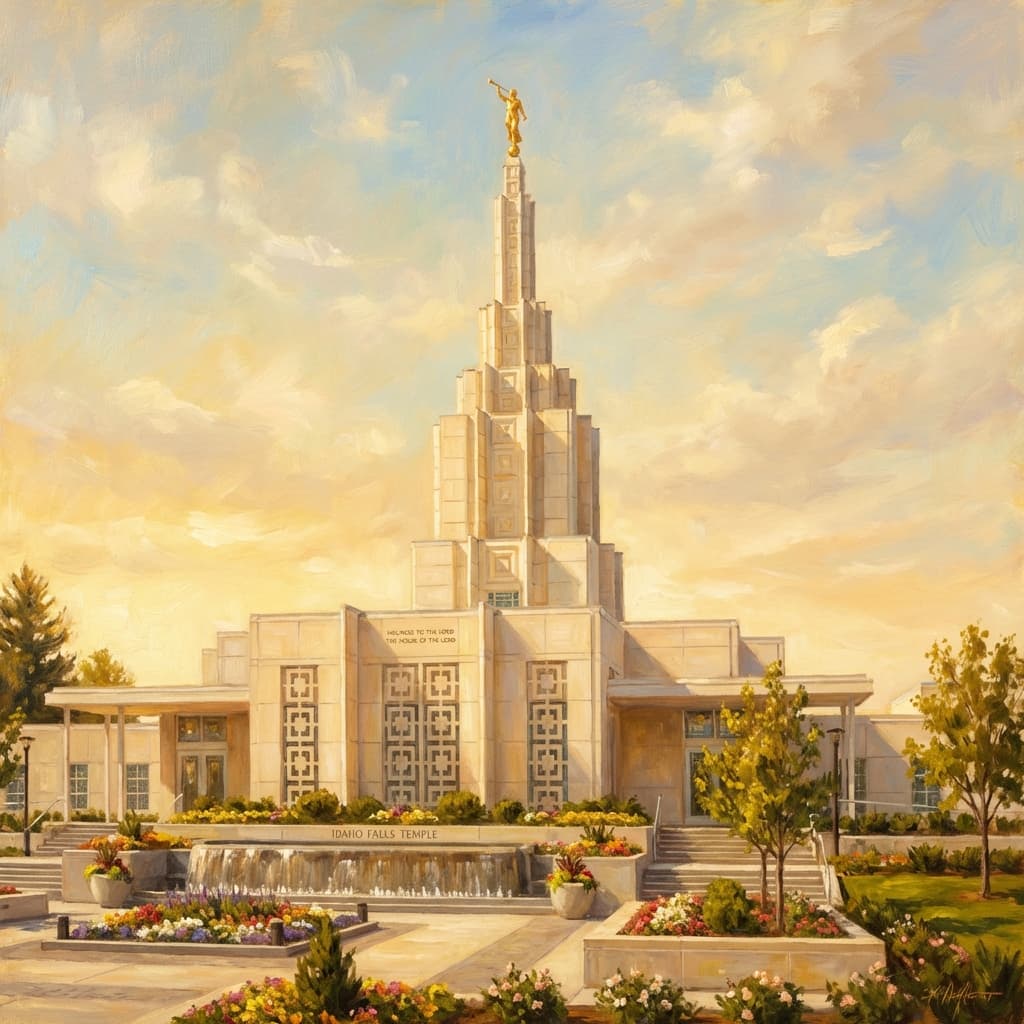
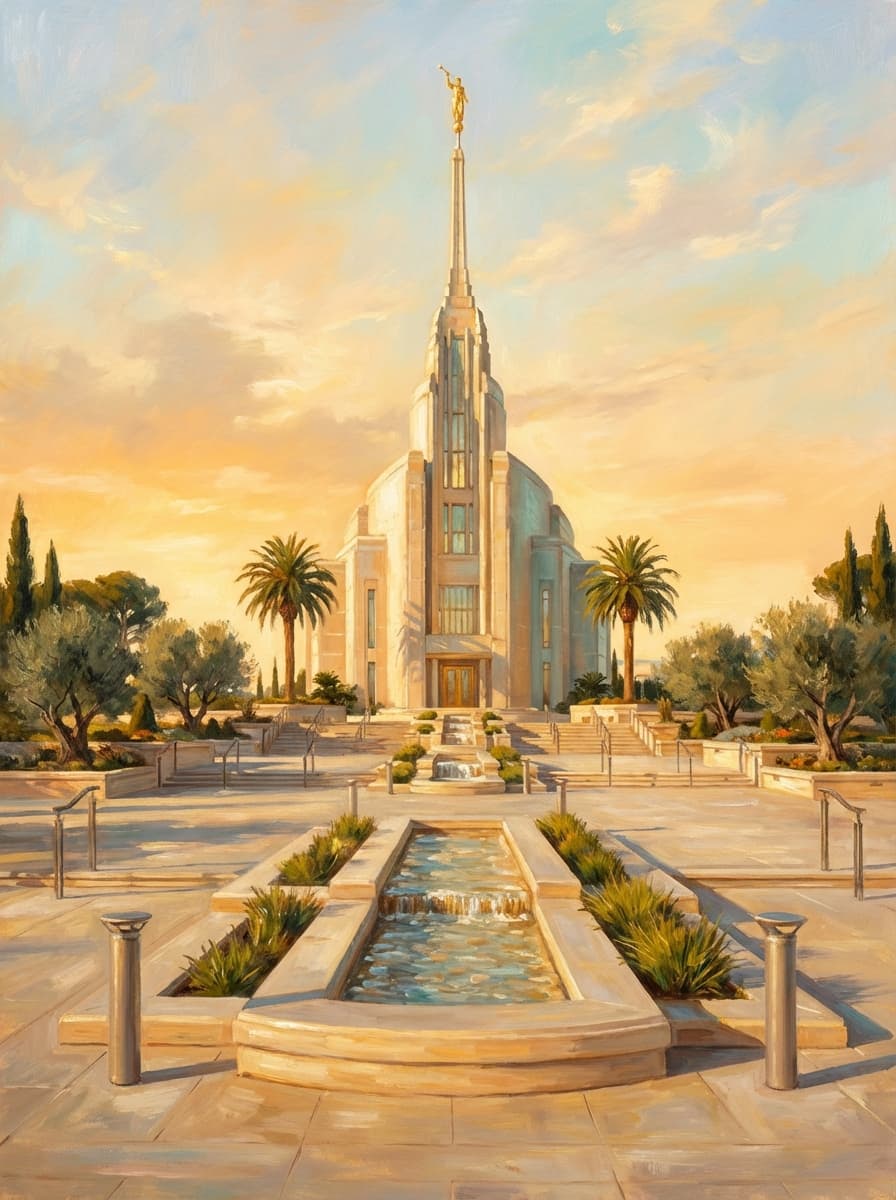
Latter-day Saint temples are renowned for their meticulous landscaping and architectural beauty. Grounds feature expansive flower gardens, peaceful water fountains, manicured lawns, and mature trees that enhance the aesthetic quality of the entire neighborhood.
Furthermore, modern temple construction prioritizes environmental stewardship. Buildings incorporate energy-efficient HVAC systems, high-performance insulation, LED illumination, and water-wise smart irrigation systems that minimize municipal resource consumption while creating a serene public space.
Real Estate Stability and Property Values
Real estate studies consistently show that high-quality institutional architecture stabilizes and enhances surrounding residential property values. Unlike commercial developments that may experience tenant turnover or economic decline, temples are maintained perpetually at institutional standards.
The long-term commitment to property maintenance gives homebuyers and developers confidence, fostering stable, highly desirable residential neighborhoods around temple grounds.
Public Safety, High-Visibility Lighting, and Security
Public safety is a natural byproduct of temple design and operation. Temple sites feature high-visibility exterior lighting, clear sightlines, clean sidewalks, and active security management. The presence of well-lit, open grounds deters crime and creates a safe, walkable environment for surrounding neighbors.
Cities routinely report that areas immediately adjacent to temple grounds maintain low incident rates, making them attractive locations for families, strollers, and evening walks.
Open Houses and Community Transparency
Prior to a temple's official dedication, the Church conducts a public open house lasting several weeks. During this period, tens—and sometimes hundreds—of thousands of local neighbors, civic leaders, and interfaith groups are invited to tour the interior of the building free of charge.
To ensure complete transparency, guides explain the sacred purpose of the building while highlighting the distinction between publicly accessible areas (such as exterior gardens, visitor centers, FamilySearch libraries, and community self-reliance classes) and sacred ordinance rooms (which are reserved for recommended Church members following dedication).
Related Temples


Sources & Research
Every fact on Temples.org is backed by verified Sources & Research. Each piece of information is rated by source tier and confidence level.
View All Sources (4)
| Field | Source | Tier | Retrieved |
|---|---|---|---|
| Church Welfare and Self-Reliance Services Annual Report | The Church of Jesus Christ of Latter-day Saints (opens in a new tab) | A | 2026-07-31 |
| Urban Planning and Economic Impact of Institutional Architecture | Journal of Urban Economics and Real Estate (opens in a new tab) | B | 2026-07-31 |
| FamilySearch Free Public Heritage Access | FamilySearch International (opens in a new tab) | A | 2026-07-31 |
| Addiction Recovery Program Community Outreach | Latter-day Saint Addiction Recovery Services (opens in a new tab) | A | 2026-07-31 |