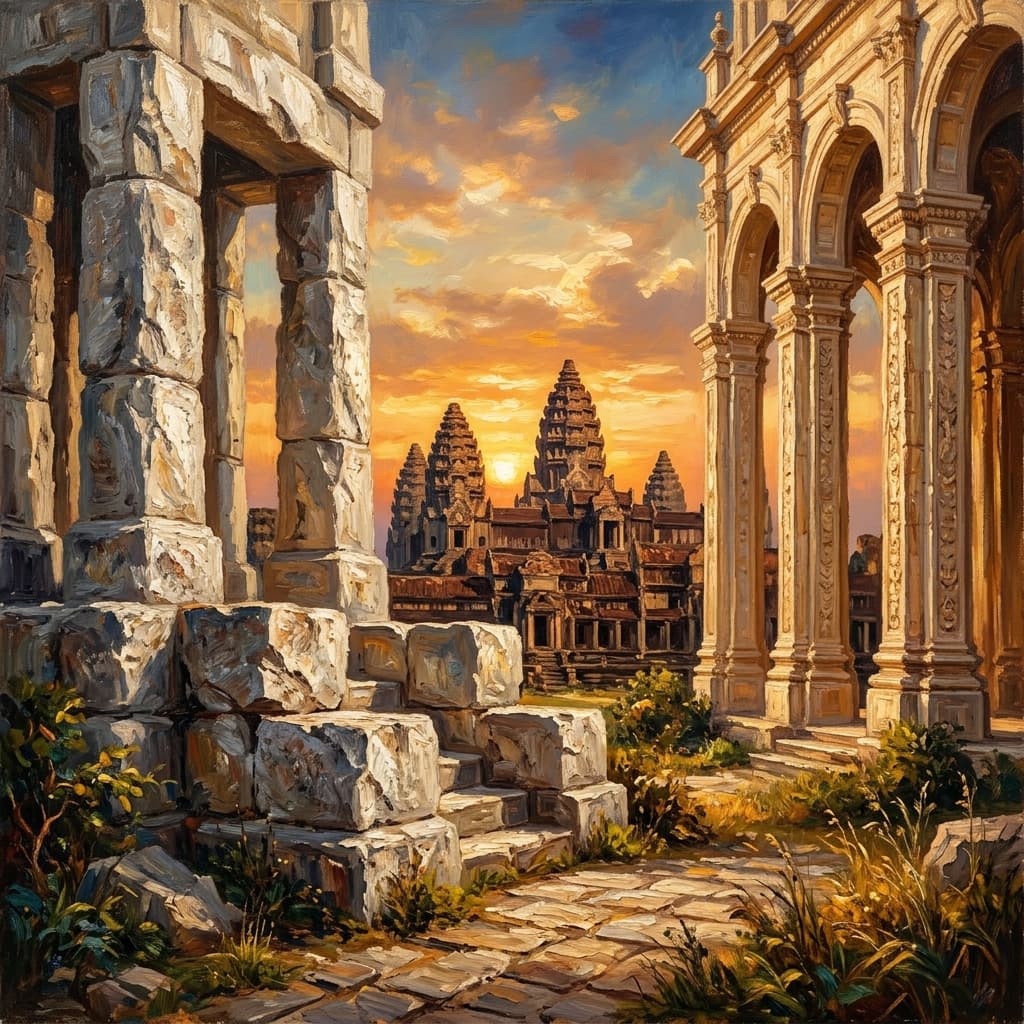
Stone as a Testament of Devotion
Sacred buildings are built to endure. While temporary dwellings are constructed of wood, clay, or thatch, the temples of the gods are carved from stone. Throughout history, the choice of temple materials has been a direct expression of faith, requiring immense sacrifice, engineering ingenuity, and deep symbolic planning.
Often, builders would ignore local, easily accessible stones in favor of quarrying specific materials located hundreds of miles away. Transporting these massive blocks across deserts, mountains, and rivers was an act of devotional labor, transforming the building process itself into a sacred ritual.
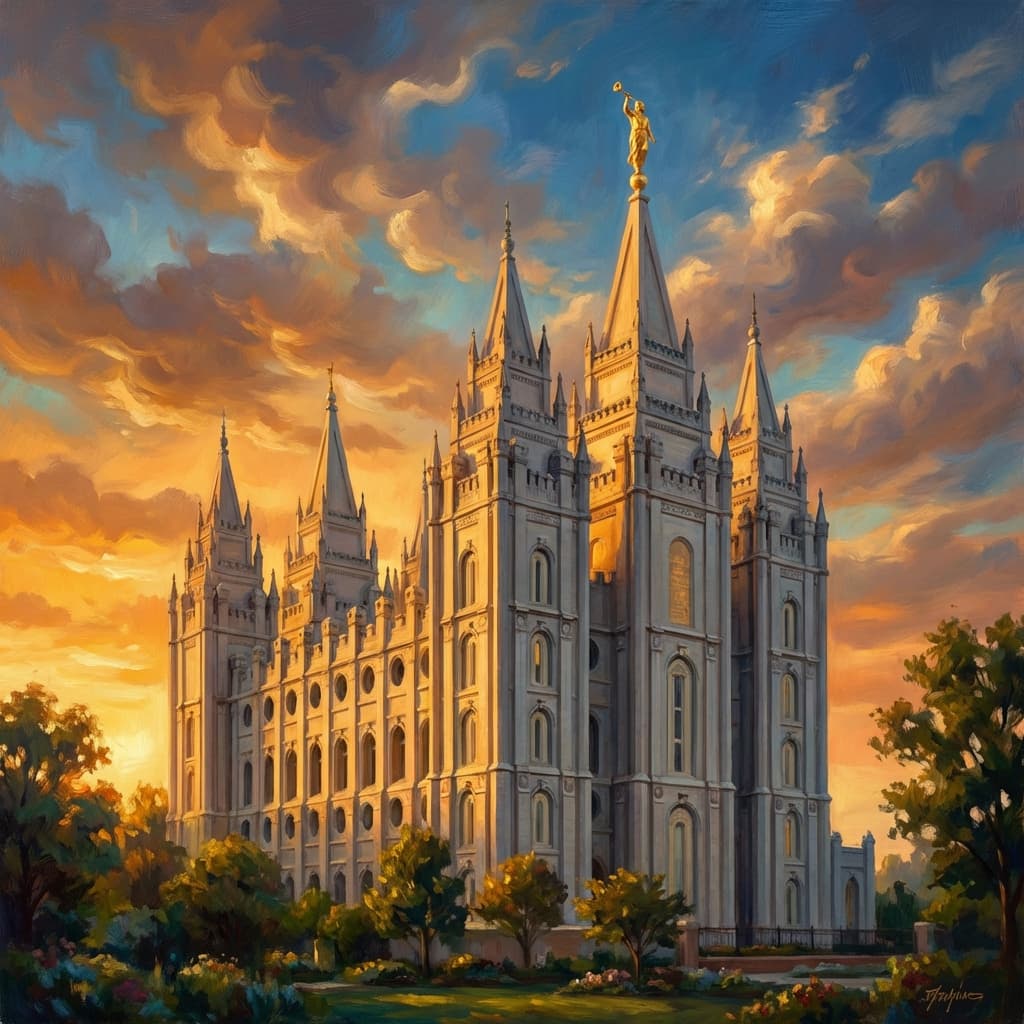
The White Granite of the Utah Pioneer Temples
For Latter-day Saint pioneers in the Utah Territory, constructing temples in the late 19th century was a monumental undertaking. For the Salt Lake Temple, Brigham Young insisted on using quartz monzonite (commonly referred to as white granite), quarried from the steep cliffs of Little Cottonwood Canyon, twenty miles south of the construction site.
Before the advent of the railroad, each massive granite block had to be hauled by teams of oxen. A single stone could take days to reach Temple Square, and the journey frequently broke the wooden wagons. This choice of exceptionally hard stone was symbolic: it represented the durability of the covenants made inside and the unyielding faith of the pioneers who built it.
Oolitic Limestone: Carving the Manti Temple
Just over a hundred miles south, the builders of the Manti Temple chose a different but equally symbolic stone. The hill upon which the Manti Temple stands is composed of oolitic limestone—a fine-grained, cream-colored rock formed millions of years ago in an ancient lake bed.
Unlike the hard granite of Salt Lake, oolitic limestone is relatively soft and easy to carve when first quarried, but it hardens over time when exposed to the air. This allowed pioneer craftsmen to carve intricate architectural details and moldings directly into the facade. The warm, glowing color of the Manti Temple limestone gives the structure its unique, castle-like radiance against the Utah sky.
Sandstone and Volcanoes: Sacred Materials Across Faiths
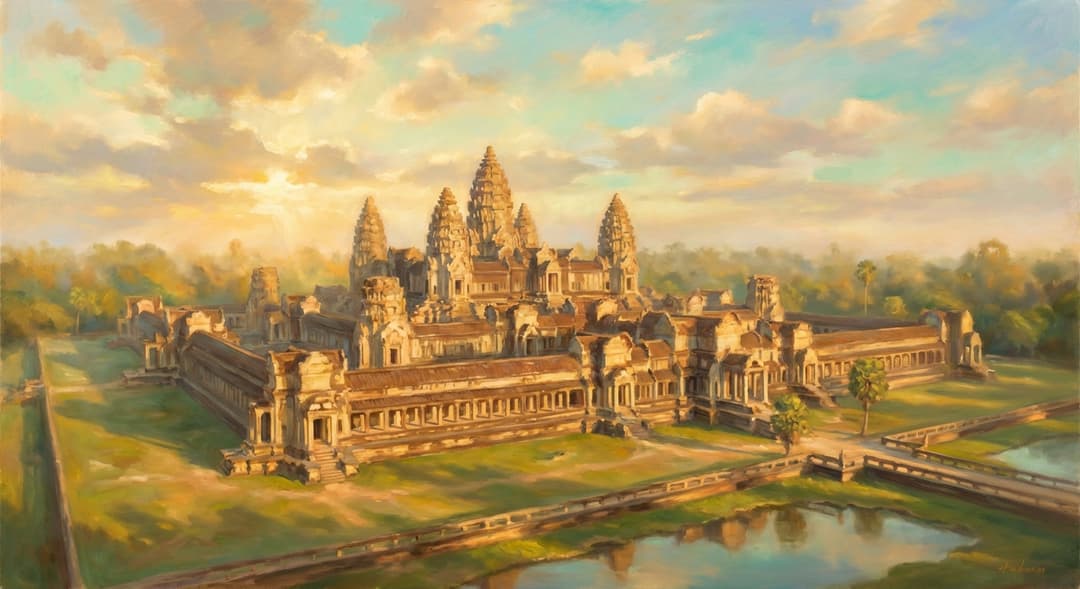
In other religious traditions, geology is equally tied to theology. The builders of Angkor Wat in Cambodia utilized over five million tons of sandstone, transported from the holy Mount Kulen via a network of canals. The sandstone allowed Khmer sculptors to cover almost every surface of the massive temple with intricate bas-reliefs detailing Hindu epics and celestial dancers (apsaras).
In Armenia, the ancient Etchmiadzin Cathedral—one of the oldest Christian cathedrals in the world—was constructed using local volcanic tuff. Tuff is a light, porous rock formed from volcanic ash, featuring beautiful pink, red, and black hues. The use of volcanic stone connects the cathedral to the dramatic, mountainous landscape of the Caucasus.
The Architecture of Eternity
Whether quartz monzonite, oolitic limestone, sandstone, or volcanic tuff, the stones of the world's temples are more than structural support. They are physical manifestations of a desire for permanence, beauty, and connection to the earth.
When we look at the weathered stone of an ancient sanctuary or the polished facade of a modern temple, we are looking at the geological history of the earth combined with the spiritual history of mankind.
Related Temples

Sources & Research
Every fact on Temples.org is backed by verified Sources & Research. Each piece of information is rated by source tier and confidence level.
View All Sources (3)
| Field | Source | Tier | Retrieved |
|---|---|---|---|
| Geology of the Salt Lake Temple granite | Salt Lake Tribune (opens in a new tab) | B | 2026-05-28 |
| Manti Temple construction and oolitic limestone history | The Church of Jesus Christ of Latter-day Saints (opens in a new tab) | A | 2026-05-28 |
| Angkor Wat sandstone quarrying and transportation | BBC News (opens in a new tab) | B | 2026-05-28 |