Visitor Insights
Visiting Bahía Blanca Argentina Temple
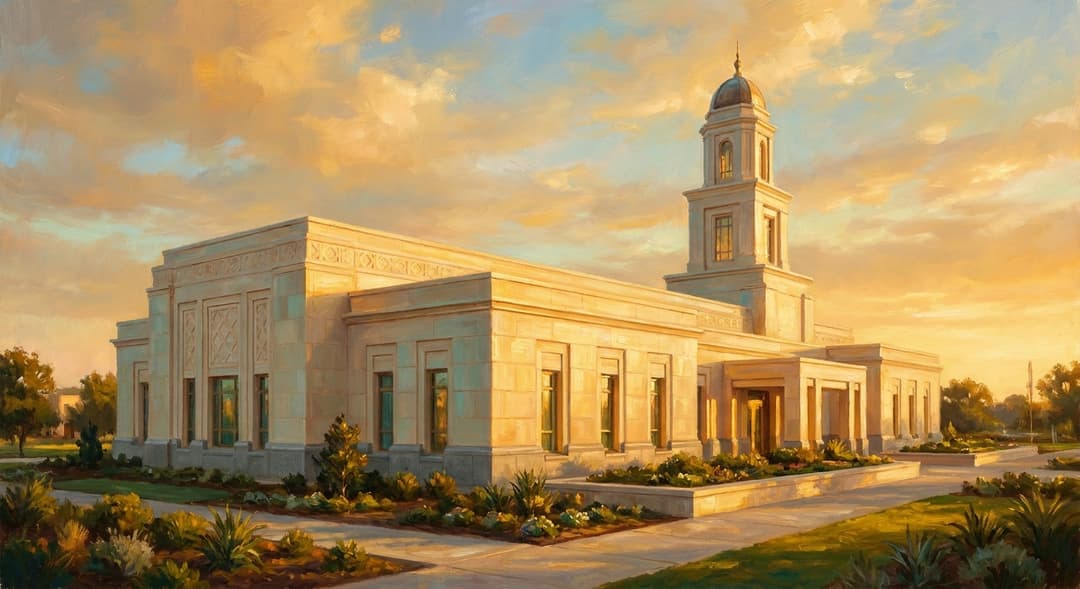
The Bahía Blanca Argentina Temple welcomes all to learn about its sacred purpose. While there is no dedicated visitors' center, the temple grounds offer a peaceful atmosphere for reflection. Visitors can appreciate the architecture and landscaping, and members of the Church can make reservations to participate in temple ordinances. The temple provides a spiritual haven for those seeking to strengthen their connection with God.
Highlights
- Beautiful architecture inspired by regional designs
- Peaceful grounds for reflection and contemplation
- Sacred space for members to perform temple ordinances
Things to Know
- No visitors' center is available
- Temple clothing rental is not available
- Reservations are recommended for temple ordinances
Location
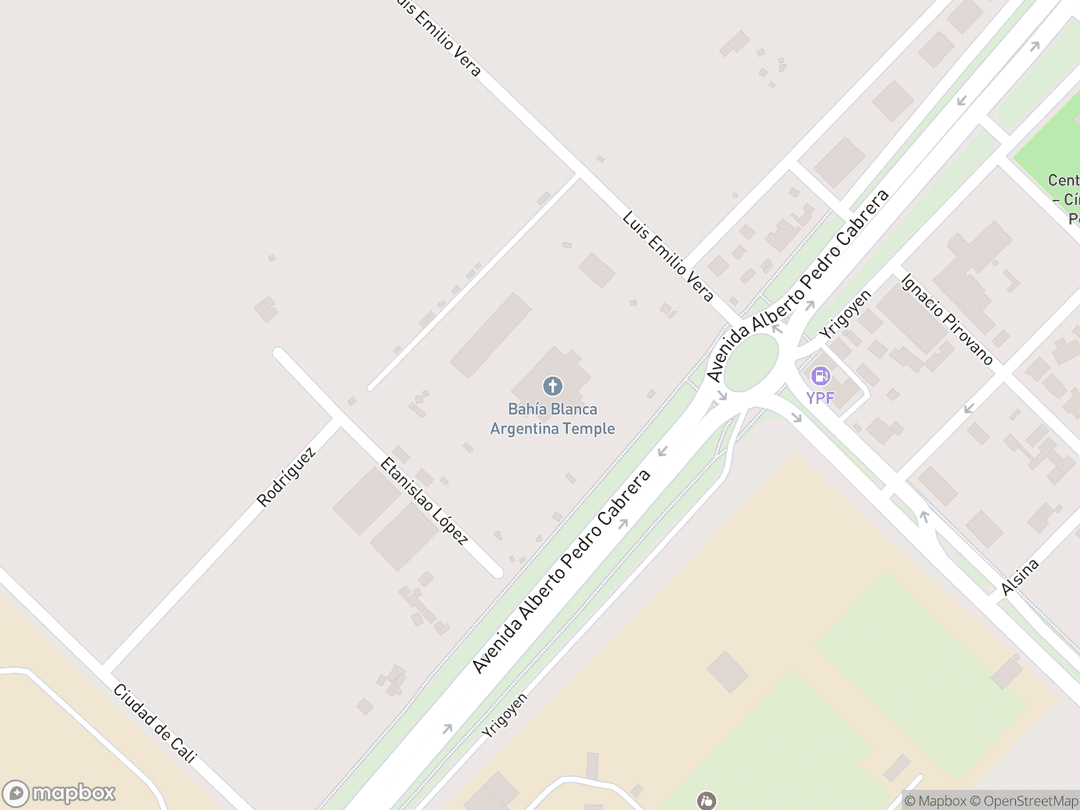
3200 Avenida Alberto Pedro Cabrera, Aldea Romana, Bahía Blanca, Buenos Aires Province, Argentina
Hours: Not available
Getting There: 3200 Avenida Alberto Pedro Cabrera, Aldea Romana, Bahía Blanca, Buenos Aires Province, Argentina
Get DirectionsAbout
The Bahía Blanca Argentina Temple is a temple of The Church of Jesus Christ of Latter-day Saints located in Bahía Blanca, Argentina. Announced on April 5, 2020, by Church President Russell M. Nelson, it is the fifth temple in Argentina and the first in the country's southern region. As part of the Abrahamic tradition and Christian theological grouping, the temple serves as a sacred space for members of The Church of Jesus Christ of Latter-day Saints to strengthen their faith, make covenants with God, and unite families eternally.
Temples of The Church of Jesus Christ of Latter-day Saints are considered houses of the Lord, distinct from meetinghouses used for regular Sunday worship. The Bahía Blanca Argentina Temple provides a place where members can participate in sacred ordinances, such as baptisms for the dead, endowments, and sealings, which unite families for eternity.
The temple's architecture draws inspiration from religious and historical designs in the region, reflecting both traditional Latter-day Saint temple architecture and local design influences. The temple stands as a beacon of faith and a symbol of the enduring presence of the Church in Argentina.
Gallery
Symbolic Elements
The temple's exterior features intricate carvings, each rich with spiritual meaning:

Portuguese Moleanos Limestone
The exterior of the Bahía Blanca Argentina Temple is clad with Portuguese Moleanos limestone, a durable and aesthetically pleasing material chosen for its ability to withstand the elements and evoke a sense of timelessness. This limestone symbolizes the enduring nature of faith and the eternal covenants made within the temple.

Gray Mara Granite Base
The base of the temple is made of gray mara granite, inspired by the city's historic main plaza. This granite provides a solid and stable foundation, symbolizing the strength and resilience of the community of Saints who gather at the temple.

Single Attached Tower
The temple features a single attached tower, a common element in Latter-day Saint temple architecture. The tower symbolizes the connection between heaven and earth and serves as a beacon of faith, drawing the attention of those seeking spiritual guidance.

Domed Cupola
The two-level steeple has a domed cupola, adding an elegant and distinctive feature to the temple's exterior. The cupola represents the celestial realm and the divine nature of the temple's purpose.

Stained-Glass Windows
The steeple includes eight stained-glass windows, which allow light to filter into the temple's interior in a colorful and inspiring way. These windows symbolize the light of Christ and the beauty of the gospel.

Jarilla Flower Art-Glass
Art-glass windows showcase the jarilla flower, native to the region, and incorporate geometric patterns found in design motifs throughout the temple. The jarilla flower represents the unique beauty and heritage of the region, connecting the temple to its local environment.

Geometric Patterns
Geometric patterns are incorporated into the temple's design motifs, adding a sense of order and harmony to the interior spaces. These patterns symbolize the divine order and eternal principles that govern the universe.

Landscaping
The temple is situated on an 8.14-acre site with landscaping that includes flowers and lawns, creating a peaceful and inviting environment. The landscaping symbolizes the beauty of God's creations and the importance of nurturing spiritual growth.
Interesting Facts
The Bahía Blanca Argentina Temple is the 211th dedicated temple in operation of The Church of Jesus Christ of Latter-day Saints.
It is the fifth temple built in Argentina, following the Buenos Aires, Córdoba, Salta, and Mendoza temples.
The temple is the first in the southern region of Argentina.
The dedication occurred almost 100 years after South America was dedicated for preaching the gospel.
The Secretary General of the Union of Construction Workers of Argentina for Bahía Blanca visited the construction site, emphasizing safe working conditions.
The city declared the temple of "municipal interest" due to its spiritual, cultural, and architectural significance.
The temple became the southernmost operating house of the Lord in South America upon dedication.
The temple serves nearly 500,000 Latter-day Saints in Argentina.
Common Questions
What is the purpose of the Bahía Blanca Argentina Temple?
The Bahía Blanca Argentina Temple serves as a sacred space for members of The Church of Jesus Christ of Latter-day Saints to strengthen their faith, make covenants with God, and unite families eternally through sacred ordinances.
Where is the temple located?
The temple is located at 3200 Avenida Alberto Pedro Cabrera, Aldea Romana, Bahía Blanca, Buenos Aires Province, Argentina.
When was the temple announced and dedicated?
The temple was announced on April 5, 2020, by Church President Russell M. Nelson and dedicated on November 23, 2025, by Elder Ulisses Soares.
What are some of the architectural features of the temple?
The temple is a single-story building with a single attached tower, constructed with concrete and structural steel, clad with Portuguese Moleanos limestone. The design draws inspiration from religious and historical architecture in the region.
What symbolic elements are incorporated into the temple design?
While specific symbolic elements for the Bahía Blanca Argentina Temple are not detailed in the provided sources, Latter-day Saint temples often incorporate the circle and the square, stars, and the temple itself as symbolic of mountains.
Featured Stories
Announcement of the Bahía Blanca Argentina Temple
April 5, 2020
During the 190th Annual General Conference of The Church of Jesus Christ of Latter-day Saints, President Russell M. Nelson announced the construction of the Bahía Blanca Argentina Temple. This announcement brought great joy and anticipation to the Latter-day Saints in the southern region of Argentina, who had long desired a temple closer to their homes. The announcement was particularly meaningful as it came nearly a century after the dedication of South America for the preaching of the gospel.
The news of the temple announcement quickly spread throughout the community, creating a sense of unity and excitement among the members. Many felt a deep connection to this historic event, recognizing the blessings it would bring to their families and future generations. The temple was seen as a symbol of hope and a testament to the enduring faith of the Saints in Argentina.
Source: The Church of Jesus Christ of Latter-day Saints Newsroom
Groundbreaking Ceremony Marks the Beginning of Construction
April 9, 2022
On April 9, 2022, a groundbreaking ceremony was held to mark the beginning of construction on the Bahía Blanca Argentina Temple. Elder Joaquin E. Costa presided over the event, offering a dedicatory prayer for the temple and its future patrons. The ceremony was attended by local Church leaders, members, and community representatives, all eager to witness this significant milestone.
The groundbreaking ceremony symbolized the beginning of a new chapter for the Latter-day Saints in Bahía Blanca and the surrounding areas. As the first shovels of dirt were turned, a sense of reverence and gratitude filled the air. The temple was seen as a testament to the faith and dedication of the Saints, and a symbol of the Church's commitment to the region.
Source: The Church of Jesus Christ of Latter-day Saints Newsroom
Dedication of the Bahía Blanca Argentina Temple
November 23, 2025
On November 23, 2025, the Bahía Blanca Argentina Temple was dedicated by Elder Ulisses Soares, marking its official opening for sacred ordinances. The dedication was a joyous occasion, filled with music, prayers, and expressions of gratitude. Latter-day Saints from across the region gathered to participate in this historic event, celebrating the culmination of years of anticipation and preparation.
The dedication of the temple was a spiritual highlight for the Latter-day Saints in Argentina. The temple is a sacred space where they can draw closer to God, make covenants, and unite their families for eternity. The dedication represented a new beginning, a time of increased blessings and opportunities for spiritual growth.
Source: The Church of Jesus Christ of Latter-day Saints Newsroom
Timeline
Potential Plans Circulate
News circulates in the Bahía Blanca area about potential plans for a temple.
MilestoneTemple Announced
President Russell M. Nelson announces the Bahía Blanca Argentina Temple during the 190th Annual General Conference.
MilestoneSite Visit
Church architectural engineers visit the site to finalize plans for the temple.
MilestoneLocation Announced
The location is announced as an 8.14-acre site in the Aldea Romana neighborhood.
MilestoneGroundbreaking Ceremony
Groundbreaking ceremony is held, presided over by Elder Joaquin E. Costa.
component.timeline.groundbreakingPublic Open House Begins
Public open house begins, excluding Sundays, and continues through November 1, 2025.
EventPublic Open House Ends
Public open house concludes after a period of welcoming the community.
EventTemple Dedication
The temple is dedicated by Elder Ulisses Soares, marking its official opening for sacred ordinances.
DedicationSouth America Dedicated for Gospel Preaching
Nearly 100 years prior to the temple dedication, South America was dedicated for the preaching of the gospel by Elder Melvin J. Ballard in Buenos Aires, Argentina.
MilestoneTemporary Closure Begins
The temple was temporarily closed for maintenance and upkeep.
RenovationTemporary Closure Ends
The temple reopened after a brief period of closure.
RenovationHistory by Decade
2020s — Temple Announcement and Construction
The 2020s marked a significant period for the Latter-day Saints in Bahía Blanca, Argentina, with the announcement and subsequent construction of the Bahía Blanca Argentina Temple. President Russell M. Nelson's announcement on April 5, 2020, brought immense joy and anticipation to the region. The groundbreaking ceremony on April 9, 2022, signified the beginning of a new era, as the temple began to take shape.
2025 — Temple Dedication and Operation
The year 2025 culminated in the dedication of the Bahía Blanca Argentina Temple by Elder Ulisses Soares on November 23. This marked the official opening of the temple for sacred ordinances, providing a dedicated space for Latter-day Saints to strengthen their faith, make covenants with God, and unite families eternally. The temple became the southernmost operating house of the Lord in South America, serving nearly 500,000 Latter-day Saints in Argentina.
Architecture & Facilities
The Bahía Blanca Argentina Temple's architectural style draws inspiration from religious and historical designs in the region, reflecting both traditional Latter-day Saint temple architecture and local design influences. The temple is a single-story building constructed with concrete and structural steel, clad with Portuguese Moleanos limestone. The design incorporates geometric patterns and art-glass windows showcasing the jarilla flower, native to the region.
Building Materials
Concrete and Structural Steel
The temple's structure is constructed with concrete and structural steel, providing a strong and stable framework for the building.
Gray Mara Granite
The base of the temple is made of gray mara granite, inspired by the city's historic main plaza. This granite provides a solid and stable foundation for the temple.
Portuguese Moleanos Limestone
The exterior of the temple is clad with Portuguese Moleanos limestone, a durable and aesthetically pleasing material chosen for its ability to withstand the elements and evoke a sense of timelessness.
Interior Features
Baptistry
The temple includes a baptistry, where baptisms for the dead are performed, allowing individuals to receive this essential ordinance even after passing away.
Instruction Rooms
The temple includes two instruction rooms, where members of the Church receive instruction on the gospel and temple ordinances.
Sealing Rooms
The temple includes two sealing rooms, where marriages are performed and families are united for eternity.
Temple Grounds
The temple is situated on an 8.14-acre site with landscaping that includes flowers and lawns, creating a peaceful and inviting environment for visitors and patrons.
Religious Significance
The Bahía Blanca Argentina Temple holds deep religious significance for members of The Church of Jesus Christ of Latter-day Saints. As a house of the Lord, the temple is a sacred space dedicated to worship and service.
The primary purpose of the temple is to provide a place where members can participate in sacred ordinances, such as baptisms for the dead, endowments, and sealings, which unite families for eternity.
Sacred Ordinances
Baptism for the Dead
This ordinance allows individuals to be baptized vicariously for those who have died without the opportunity to receive this essential ordinance.
Endowment
The endowment is a sacred ordinance in which members make covenants with God and receive blessings and knowledge to help them on their spiritual journey.
Sealing
This ordinance unites families for eternity, allowing husbands and wives, and parents and children, to be sealed together in eternal relationships.
The Temple as a House of the Lord
The temple is considered a house of the Lord, a sacred space where members can draw closer to God and receive blessings and guidance. It is a place of peace, reverence, and spiritual renewal.
Similar Temples
Sources & Research
Every fact on Temples.org is backed by verified Sources & Research. Each piece of information is rated by source tier and confidence level.
View All Sources (5)
| Field | Source | Tier | Retrieved |
|---|---|---|---|
| About & Historical Background | The Church of Jesus Christ of Latter-day Saints (opens in a new tab) | A | 2024-03-27 |
| About & Historical Background | churchofjesuschristtemples.org (opens in a new tab) | C | 2024-03-27 |
| Historical Timeline | The Church of Jesus Christ Newsroom (opens in a new tab) | A | 2024-03-27 |
| Architectural Description | The Church News (opens in a new tab) | B | 2024-03-27 |
| Symbolic Elements | Church History Department (opens in a new tab) | A | 2024-03-27 |