Visitor Insights
Visiting Recife Brazil Temple
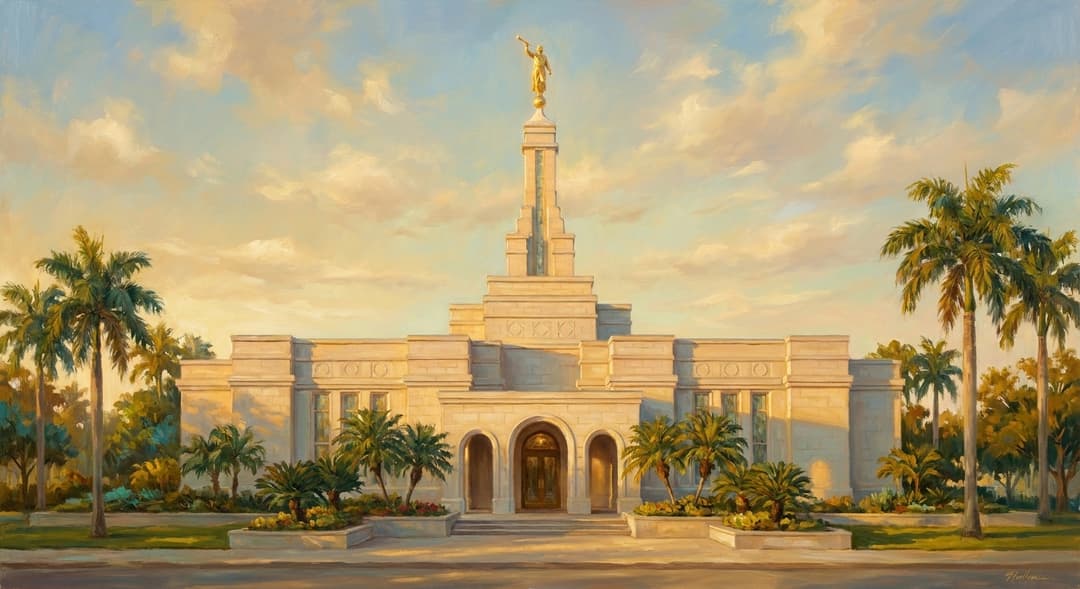
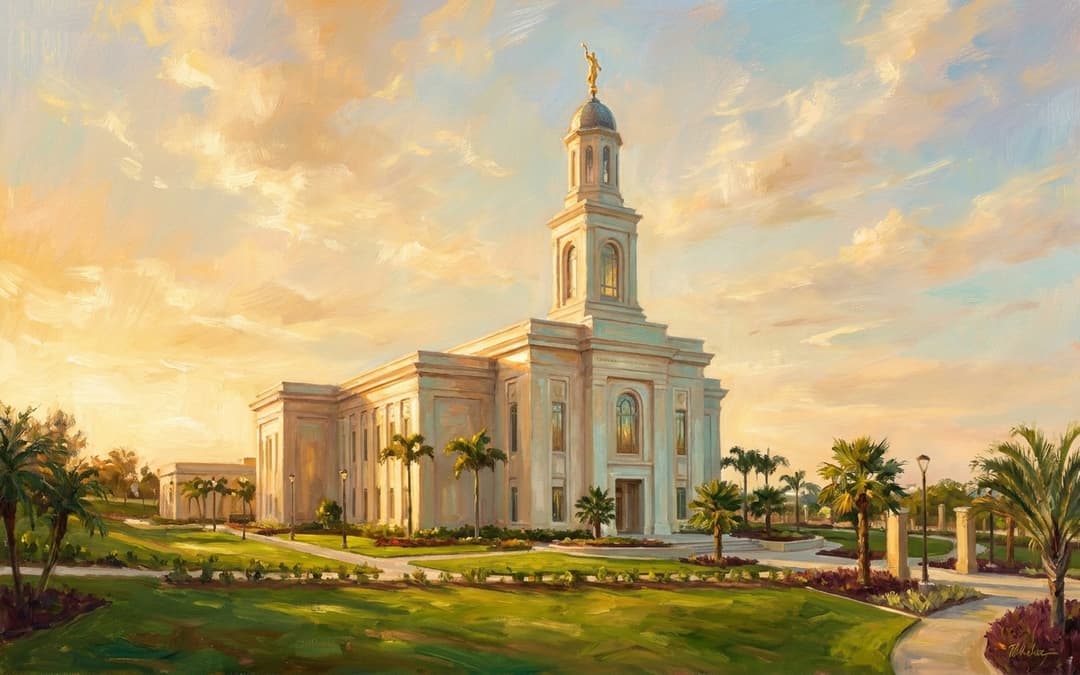
The temple grounds in Recife's Parnamirim neighborhood feature manicured tropical gardens, reflection fountains, and preserved native flora. While interior entry requires a valid temple recommend, the peaceful surrounding pathways welcome visitors of all faiths.
Highlights
- Lush gardens incorporating preserved two-hundred-year-old native mango and royal palm trees.
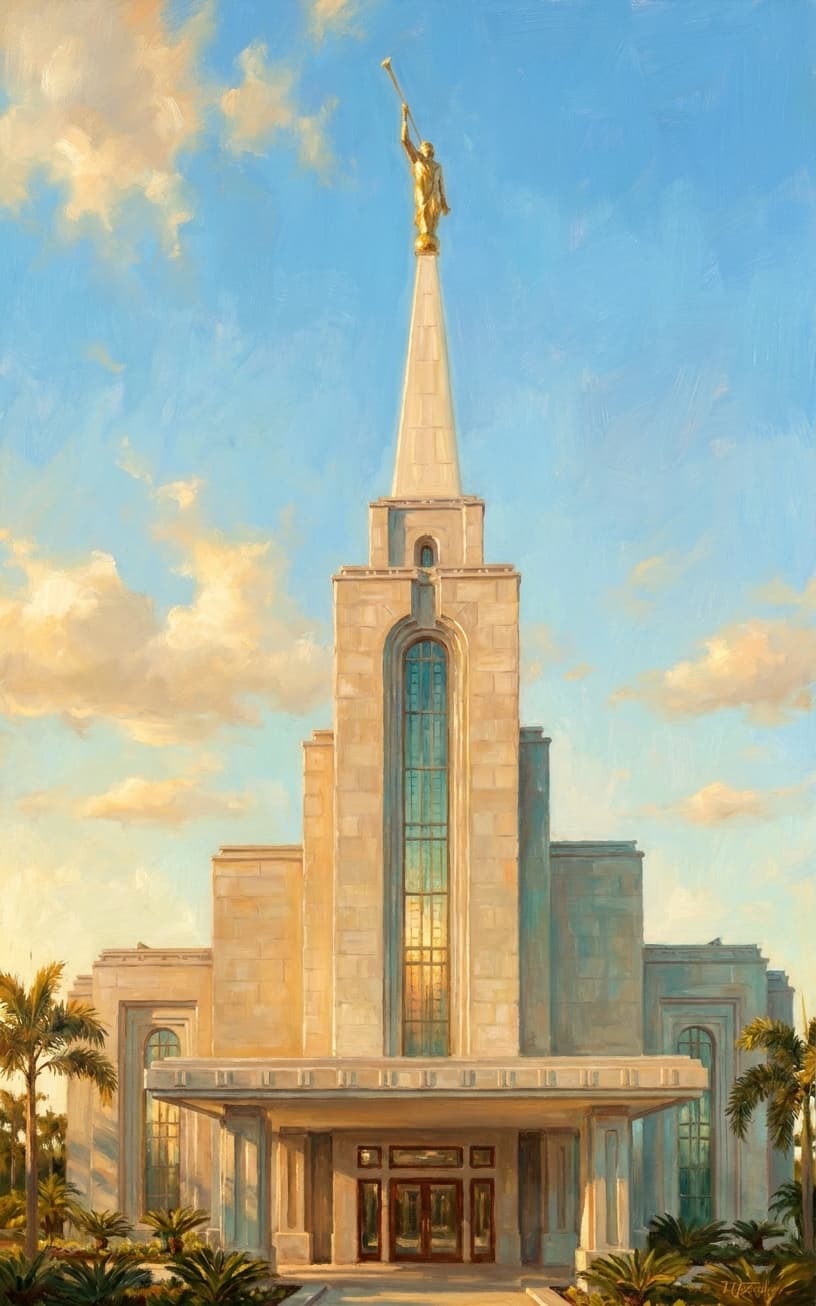
- Striking facade of white Asa Branca granite quarried in neighboring Ceará.
- Central reflection fountain reflecting the single central spire and Moroni statue.
Things to Know
- Interior admittance is reserved for members holding a current temple recommend.
- Tropical rains occur frequently; visiting during early morning offers optimal lighting.
Location
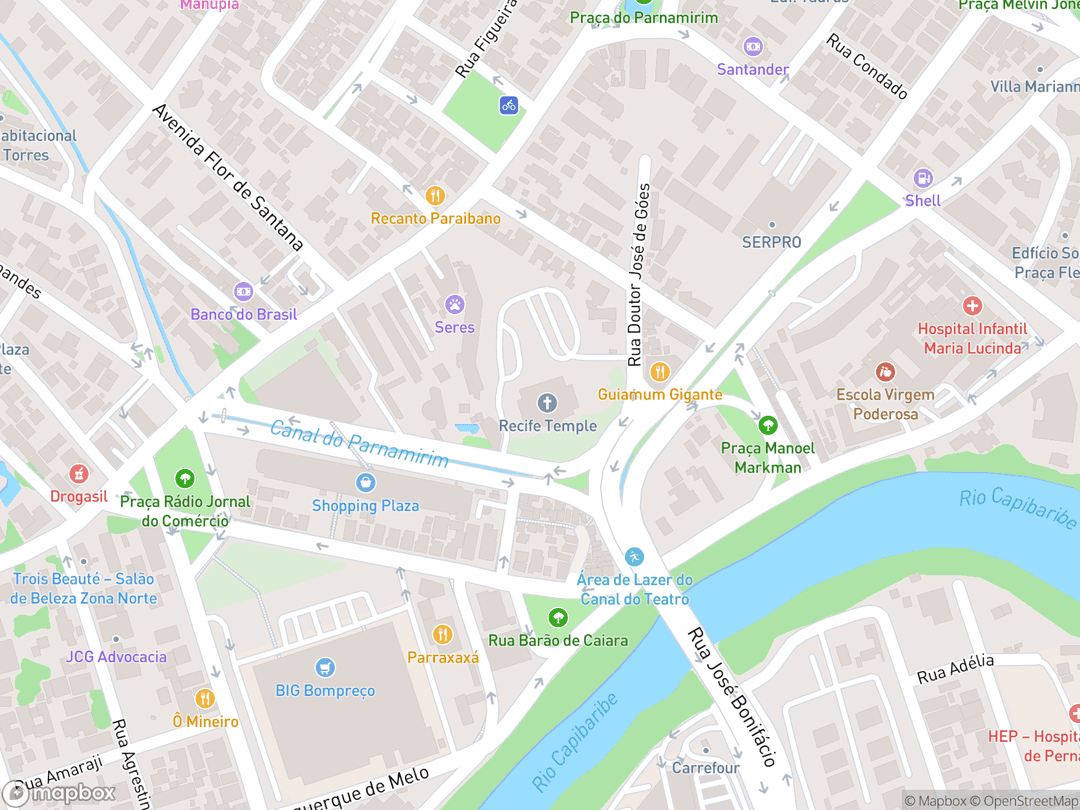
Rua Dr. José de Góes, 280, Parnamirim, Recife – PE, 52060-380, Brazil
Hours: Grounds open daily from sunrise to sunset; sanctuary schedule varies.
Getting There: Accessible via Avenida Parnamirim and Avenida Rosa e Silva in northern Recife, served by municipal bus lines, taxis, and rideshares.
Get DirectionsTips for Your Visit
Photography Points
Capture the white granite facade and single central spire from the front fountain courtyard.
Grounds Etiquette
Maintain a respectful demeanor while strolling the peaceful, palm-shaded reflection walkways.
About
Within the broader Abrahamic and Christian traditions, consecrated structures have long provided believers with sanctuaries to seek divine guidance and offer worship. In harmony with this ancient pattern, The Church of Jesus Christ of Latter-day Saints constructs temples as literal Houses of the Lord set apart from regular Sunday chapels.
Dedicated on December 15, 2000, by President Gordon B. Hinckley, the Recife Brazil Temple stands as the 101st operating temple of the Church worldwide and the first built in northeastern Brazil. Clad in pale Asa Branca granite from Ceará, the building serves as a spiritual landmark in the coastal capital of Pernambuco.
Before its construction, faithful members in Recife undertook arduous 72-hour round-trip bus journeys across 1,300 miles to attend the temple in São Paulo. Today, the sacred structure accommodates essential ordinances including eternal marriage sealings and baptisms for ancestors, uniting families across generations within the Christian covenant tradition.
Gallery
Symbolic Elements
The temple's exterior features intricate carvings, each rich with spiritual meaning:

Angel Moroni Statue
The gold-leafed statue atop the spire represents the restoration of the ancient gospel to all nations.

Twelve Oxen Baptistry Font
The baptismal font rests upon twelve sculpted oxen symbolizing the twelve tribes of Israel.

Asa Branca Granite
Pale regional stone represents purity and reflects local Brazilian heritage and flora.

Holiness to the Lord Inscription
Engraved Portuguese words designate the building as consecrated space set apart from the world.

Tropical Art Glass Windows
Custom art glass diffuses sunlight into soft interior hues symbolizing divine spiritual enlightenment.

Preserved Heritage Trees
Centuries-old mango trees integrated into grounds symbolize growth, deep roots, and spiritual endurance.

Central Tiered Spire
The ascending vertical spire design directs the visual focus of observers upward toward heaven.
Interesting Facts
The temple stands as the 101st operating sanctuary of the Church worldwide. (Tier A)
Crews drove over 1,000 reinforced concrete pilings deep into coastal soil for structural stability. (Tier B)
Landscape architects intentionally preserved two-hundred-year-old native mango trees on site. (Tier A)
Before completion, members traveled 72 hours by bus to attend the temple in São Paulo. (Tier B)
President James E. Faust, assisting at the dedication, had served as a young missionary in Brazil in 1939. (Tier A)
The Asa Branca granite cladding is named after a white-winged bird popular in Brazilian folklore. (Tier B)
The primary design was authored by local Brazilian architectural firm J&P Arquitetos Ltda. (Tier B)
Dedicatory sessions occurred amidst tropical rainstorms welcomed by attendees as a rain of blessings. (Tier A)
Recife served as the regional mother temple for northeastern Brazil for nearly two decades. (Tier B)
Common Questions
Who designed the Recife Brazil Temple?
It was designed by local Brazilian firm J&P Arquitetos Ltda., led by Jerônimo da Cunha Lima, alongside Church architects.
Can non-members visit the temple grounds?
Yes, visitors of all backgrounds are welcome to tour the quiet outer gardens and reflection areas.
What materials were used for the building facade?
The walls are clad in pale Asa Branca (White Wing) granite from the Brazilian state of Ceará.
How many temples operate in Brazil?
Recife was the second dedicated temple in Brazil, which now hosts a growing network of operating temples nationwide.
Featured Stories
Journeys of Sacrificial Devotion
1985
Before the temple in Recife was built, Latter-day Saints in northeastern Brazil organized long bus caravans traveling over 1,300 miles to São Paulo. Families sacrificed monthly income to afford the 72-hour journey over rough roads. The dedication of a local temple in Pernambuco answered decades of earnest prayers.
Source: Church History Department
Engineering in Coastal Soil
1997
Constructing a heavy stone sanctuary near the coastal waters of Recife required sophisticated engineering techniques. Workers drove over 1,000 reinforced concrete pilings deep into the high-water-table soil to ensure a solid foundation. This structural base symbolizes building faith upon an unshakable gospel foundation.
Source: Deseret News Historical Archives
Showers of Dedicatory Blessing
December 15, 2000
During the dedicatory services presided over by President Gordon B. Hinckley, warm tropical rain poured across Recife. Attendees embraced the downpour as a sign of divine favor, expressing gratitude that they no longer needed to cross the continent to enter a sacred House of the Lord.
Source: Official Church Newsroom
Timeline
Temple Announcement
President Howard W. Hunter announces the Recife Brazil Temple, the second designated in Brazil. (Tier A)
MilestoneGroundbreaking Ceremony
President Gordon B. Hinckley presides over the groundbreaking ceremony in Recife. (Tier A)
component.timeline.groundbreakingStructural Piling Works
Engineers drive over 1,000 deep concrete pilings into coastal ground to stabilize the foundation. (Tier B)
EventExterior Granite Installation
Crews complete fitting the Asa Branca granite slabs imported from Ceará. (Tier B)
EventAngel Moroni Statue Placed
The gold-leafed Angel Moroni statue is hoisted atop the central spire. (Tier A)
MilestonePublic Open House Begins
The temple opens its doors to 78,386 public visitors over a three-week open house. (Tier A)
EventTemple Dedication
President Gordon B. Hinckley dedicates the sanctuary across four solemn sessions. (Tier A)
DedicationPatron Housing Upgrade
Facilities undergo minor maintenance to support distant patrons arriving from northern states. (Tier C)
RenovationRegional Network Expansion
Dedication of the Fortaleza Temple reduces geographic pressure on the Recife facility. (Tier A)
EventOngoing Coastal Maintenance
The granite exterior and tropical grounds remain meticulously preserved against salt air. (Tier B)
EventHistory by Decade
1980s — Growth in Northeastern Brazil
Church membership expanded rapidly across Pernambuco and neighboring coastal states during the 1980s. Members made costly regular pilgrimages to the distant São Paulo Temple, demonstrating deep commitment to temple ordinances.
1990s — Announcement and Engineering
President Howard W. Hunter announced the temple in January 1995. Groundbreaking occurred in November 1996, leading to complex engineering works where over 1,000 deep concrete pilings stabilized the low-lying coastal land.
2000s — Dedication and Operation
Over 78,000 visitors attended the public open house in late 2000. President Gordon B. Hinckley dedicated the temple on December 15, 2000, establishing a spiritual center for over 137,000 regional Latter-day Saints.
2020s — Continuing Regional Legacy
As additional temples opened in Fortaleza, Belém, and Salvador, Recife's geographic district refined its focus on Pernambuco. The building and its historical garden grounds remain meticulously preserved.
Architecture & Facilities
The Recife Brazil Temple is built in a Classic Modern architectural style characterized by clean rectilinear symmetry, a central elevated spire, and subtle tropical cues adapted to the climate of northeastern Brazil.
Building Materials
Exterior Cladding
Finished in Asa Branca white granite quarried in Ceará to withstand high humidity and salt air.
Art Glass
Custom geometric and floral stained-glass panels diffuse intense tropical sunlight into soft interior light.
Hardwoods
Interior cabinetry and millwork incorporate rich native Brazilian hardwoods.
Flooring
Polished marble and custom hand-tufted carpets adorn internal passageways and ordinance rooms.
Interior Features
Ordinance Rooms
Two instruction rooms decorated in serene ocean tones for sacred instruction.
Sealing Rooms
Three sealing rooms equipped with facing mirrors symbolizing eternity during marriage ceremonies.
Baptistry
Features a font resting upon twelve life-sized sculpted oxen beneath ground level.
Celestial Room
A tranquil room featuring tall windows and elegant chandeliers for quiet reflection.
Temple Grounds
The 5.59-acre estate features preserved native mango and royal palm trees, manicured lawns, tropical flowerbeds, and peaceful reflection fountains.
Additional Facilities
Includes an on-site patron housing facility and a Church Distribution Center store to support visiting members.
Religious Significance
Aligned with Christian theological tradition regarding consecrated space, the Recife Brazil Temple stands as a House of the Lord dedicated to divine worship and sacred covenants.
To provide a holy sanctuary where sacred priesthood ordinances unite families for eternity and deepen individual devotion to Jesus Christ.
Sacred Ordinances
Endowment
Sacred instruction regarding God's plan of salvation and covenants of devotion.
Eternal Marriage Sealings
Solemnization of family relationships intended to endure beyond physical death.
Proxy Baptism for the Dead
Baptismal rites performed on behalf of deceased ancestors offering them covenant opportunities.
House of the Lord
The inscription on the facade marks the edifice as holy ground dedicated strictly to God's service.
Similar Temples
Sources & Research
Every fact on Temples.org is backed by verified Sources & Research. Each piece of information is rated by source tier and confidence level.
View All Sources (8)
| Field | Source | Tier | Retrieved |
|---|---|---|---|
| About & Historical Background | The Church of Jesus Christ of Latter-day Saints (opens in a new tab) | A | 2026-02-22 |
| About & Historical Background | The Church of Jesus Christ of Latter-day Saints (opens in a new tab) | A | 2026-02-22 |
| Timeline & Featured Stories | Church History Department (opens in a new tab) | A | 2026-02-22 |
| Architecture & Symbolic Elements | Deseret News (opens in a new tab) | B | 2026-02-22 |
| Architecture & Symbolic Elements | ChurchofJesusChristTemples.org (opens in a new tab) | C | 2026-02-22 |
| Visitor Insights | Governo do Estado de Pernambuco (opens in a new tab) | B | 2026-02-22 |
| Visitor Insights | Bairro Parnamirim Community Records (opens in a new tab) | B | 2026-02-22 |
| Religious Significance | The Church of Jesus Christ of Latter-day Saints (opens in a new tab) | A | 2026-02-22 |