Visitor Insights
Visiting Halifax Nova Scotia Temple
Temples of The Church of Jesus Christ of Latter-day Saints are sacred spaces reserved for members who hold a current temple recommend. While there is no visitors' center on site, the temple grounds are open to the public for quiet contemplation and enjoyment.
Highlights
- Enjoy the serene temple grounds, open to all visitors.
- Understand that temple interiors are reserved for endowed members of the Church.
Things to Know
- No visitors' center, food services, or temple housing are available on site.
- Temple clothing rentals are not provided; patrons should bring their own.
Location

44 Cumberland Drive, Dartmouth, Nova Scotia B2V 2C7, Canada
Hours: Operating schedule available on the official Church website; reservations recommended.
Getting There: Located in Dartmouth, Nova Scotia, accessible by car with on-site parking available.
Get DirectionsTips for Your Visit
Plan Your Visit
Check the official Church website for current operating hours and to make reservations for temple worship.
Respect the Sacred Space
The temple grounds offer a peaceful environment for reflection; please maintain a reverent demeanor.
About
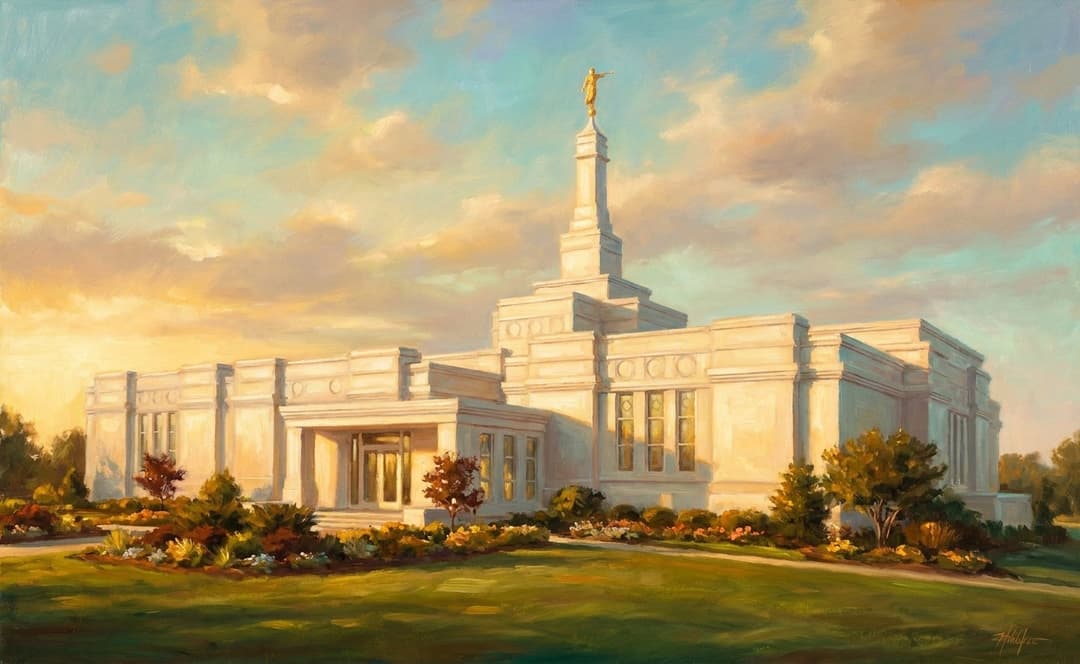
The Halifax Nova Scotia Temple stands as a beacon of faith in Dartmouth, Nova Scotia, Canada. Dedicated in 1999, it was the 64th operating temple of The Church of Jesus Christ of Latter-day Saints worldwide and the first in Nova Scotia. This sacred structure provides a place for members to participate in eternal ordinances and covenants central to their Christian faith.
As part of the Abrahamic tradition, Latter-day Saints believe temples are houses of the Lord, set apart from the world for higher spiritual purposes. The temple serves members from Nova Scotia, New Brunswick, Prince Edward Island, Newfoundland, and parts of Maine, USA, offering a closer place of worship than previously available. Its classic modern design and serene grounds contribute to its spiritual atmosphere.
Gallery
Symbolic Elements
The temple's exterior features intricate carvings, each rich with spiritual meaning:

Angel Moroni Statue
Perched atop the spire, this gold-leafed statue symbolizes the restoration of the gospel of Jesus Christ and its proclamation to the world.

White Bethel Granite
The exterior's white granite symbolizes purity, peace, and holiness, reflecting the sacred nature of the temple as a 'House of the Lord'.

Single Spire
The prominent single spire directs attention heavenward, symbolizing the spiritual ascent and connection with God sought within the temple.

Ordinance Rooms
These rooms are designed for sacred ceremonies, known as endowments, which teach about God's plan and individuals' divine potential.

Sealing Rooms
Here, marriages and family relationships are 'sealed' for eternity, reflecting the Latter-day Saint belief in the eternal nature of family units.

Baptistry
The baptistry, featuring a font resting on twelve oxen, is used for baptisms performed by proxy on behalf of deceased ancestors.

Twelve Oxen
The twelve oxen supporting the baptismal font represent the twelve tribes of Israel, symbolizing the ancient foundations of the gospel.

Classic Modern Style
The temple's architectural style embodies simplicity and reverence, reflecting a modern approach to sacred design while maintaining traditional temple elements.
Interesting Facts
The Halifax Nova Scotia Temple was the first Latter-day Saint temple built in Nova Scotia and the third in Canada.
Its dedication on November 14, 1999, marked the first time in Church history that two temples were dedicated on the same day.
Before its construction, members in Atlantic Canada often drove up to 24 hours to attend temples in Washington, D.C., or Toronto.
Approximately 8,000 people toured the temple during its public open house from November 4–7, 1999.
Richard Moses, chairman of the local temple committee, described the temple as a 'beacon' visible from his daughters' bedroom window.
During construction, members demonstrated great dedication, even draining and refilling the baptismal font when grouting flecks were found.
Members from across Newfoundland traveled for many hours by car and ferry to attend the dedication ceremony.
The temple serves Latter-day Saints across Atlantic Canada, including Nova Scotia, New Brunswick, Prince Edward Island, Newfoundland, and Maine, USA.
Common Questions
What is the purpose of the Halifax Nova Scotia Temple?
The temple provides a sacred space for Latter-day Saints to make covenants with God and participate in eternal ordinances.
Can non-members visit the temple?
While the temple interior is reserved for members, the beautiful grounds are open to the public for quiet enjoyment.
Why was the dedication date changed?
The dedication was postponed by one day due to mechanical problems with President Gordon B. Hinckley's airplane.
What is the significance of the Angel Moroni statue?
The Angel Moroni symbolizes the restoration of the gospel of Jesus Christ and its proclamation to the world.
What is the architectural style of the temple?
The temple features a classic modern, single-spire design, crafted from white Bethel granite.
Featured Stories
A Dedication Delayed, A History Made
November 14, 1999
The dedication of the Halifax Nova Scotia Temple was originally scheduled for November 13, 1999, but mechanical issues with President Gordon B. Hinckley's airplane caused a one-day delay. This unforeseen circumstance led to a historic first for the Church: both the Halifax and Regina Saskatchewan Temples were dedicated on the same day. The event underscored the dedication of Church leadership and members alike.
An Open House Welcomes Thousands
November 4–7, 1999
Before its dedication, the Halifax Nova Scotia Temple opened its doors to the public for a four-day open house, attracting approximately 8,000 visitors. Among the distinguished guests were Nova Scotia Lieutenant Governor J. James Kinley and his wife, who toured the sacred interior. This period allowed the community to experience the beauty and purpose of the temple before its formal dedication.
Dedication Through Diligence
1998-1999
The construction and preparation of the Halifax Nova Scotia Temple were marked by profound dedication from Church members. One notable instance involved members draining and refilling the baptismal font when flecks of grouting were discovered just a day before the dedication. This meticulous attention to detail ensured the temple was pristine and ready for its sacred purpose, reflecting the reverence held for the House of the Lord.
Timeline
Temple Announced
Plans to construct the Halifax Nova Scotia Temple were announced by the First Presidency.
component.timeline.announcementGroundbreaking Ceremony
Elder Jay E. Jensen presided over the groundbreaking ceremony, attended by approximately 700 members despite heavy rain.
component.timeline.groundbreakingPublic Open House Begins
A public open house commenced, attracting approximately 8,000 visitors over four days.
EventTemple Dedicated
President Gordon B. Hinckley dedicated the temple in three sessions, after a one-day delay due to airplane mechanical issues.
DedicationHistoric Double Dedication
Due to the delay, the Halifax Temple was dedicated on the same day as the Regina Saskatchewan Temple, a Church first.
MilestoneTemporary Closure for Pandemic
The temple, like all others worldwide, temporarily closed in response to the COVID-19 pandemic.
EventHistory by Decade
1990s — Announcement and Dedication
The 1990s marked a significant era for Latter-day Saints in Atlantic Canada with the announcement and subsequent dedication of the Halifax Nova Scotia Temple. Plans were unveiled in May 1998, followed by a groundbreaking ceremony in October of the same year. The decade culminated in the temple's dedication in November 1999, providing a long-awaited sacred space for members in the region.
2020s — Global Pandemic Response
In 2020, like all other temples of The Church of Jesus Christ of Latter-day Saints worldwide, the Halifax Nova Scotia Temple temporarily closed its doors in response to the global COVID-19 pandemic. This closure reflected the Church's commitment to public health and safety, with temple operations gradually resuming as conditions allowed.
Architecture & Facilities
The Halifax Nova Scotia Temple exemplifies a classic modern architectural style, characterized by its clean lines, elegant simplicity, and a single, prominent spire. This design philosophy integrates contemporary aesthetics with the traditional sacred symbolism of Latter-day Saint temples, creating a structure that is both visually striking and spiritually inviting within its Canadian landscape.
Building Materials
Exterior
The temple's exterior is meticulously crafted from white Bethel granite, chosen for its pristine appearance and durability, symbolizing purity and strength.
Interior Finishes
Interior spaces feature high-quality finishes, including fine woods, polished stone, and intricate detailing, creating an atmosphere of reverence and peace.
Roofing
The roof is constructed with durable, weather-resistant materials designed to withstand Nova Scotia's climate while complementing the temple's overall aesthetic.
Foundation
A robust foundation ensures the structural integrity of the temple, providing a stable base for the sacred edifice.
Interior Features
Ordinance Rooms
Two dedicated ordinance rooms provide space for members to participate in sacred endowment ceremonies, teaching divine truths and covenants.
Sealing Rooms
Two sealing rooms facilitate eternal marriage and family sealing ordinances, emphasizing the everlasting nature of family relationships.
Baptistry
The baptistry houses a font resting on twelve oxen, used for proxy baptisms on behalf of deceased ancestors, connecting generations.
Celestial Room
A serene Celestial Room represents a return to God's presence, offering a space for quiet contemplation and spiritual reflection.
Temple Grounds
The temple stands on a beautifully landscaped two-acre site, featuring manicured lawns, trees, and pathways that create a peaceful and contemplative environment for visitors.
Additional Facilities
There are no additional visitor facilities such as a visitors' center, food services, or temple housing directly on the temple grounds.
Religious Significance
As a sacred edifice of The Church of Jesus Christ of Latter-day Saints, the Halifax Nova Scotia Temple holds profound religious significance within the Christian theological framework. It is considered a 'House of the Lord,' a dedicated space where members engage in ordinances and covenants essential to their eternal progression and relationship with God.
The core spiritual purpose of the temple is to provide a place where members can make sacred covenants, receive divine instruction, and participate in ordinances that bind families together for eternity, both for the living and for their deceased ancestors.
Sacred Ordinances
Baptism for the Dead
Performed by proxy for deceased ancestors, this ordinance allows individuals to accept the gospel in the spirit world, reflecting God's universal love.
Endowment
A series of instructions and covenants that teach about God's plan of salvation, the purpose of life, and individuals' divine potential.
Sealing
This ordinance unites husbands and wives, and children to parents, for time and all eternity, emphasizing the eternal nature of family relationships.
Eternal Families
A central doctrine taught and practiced in the temple is the concept of eternal families, where relationships can continue beyond mortal life through sacred covenants.
Covenants and Blessings
Temple worship involves making solemn covenants with God, promising obedience and devotion, in return for divine blessings and guidance throughout life and into eternity.
Personal Revelation
The temple is a place where members can feel closer to God, seek personal revelation, and find peace and guidance amidst life's challenges.
Similar Temples
Sources & Research
Every fact on Temples.org is backed by verified Sources & Research. Each piece of information is rated by source tier and confidence level.
View All Sources (5)
| Field | Source | Tier | Retrieved |
|---|---|---|---|
| About & Historical Background | The Church of Jesus Christ of Latter-day Saints (opens in a new tab) | A | 2024-07-30 |
| General History & Facts | churchofjesuschristtemples.org (opens in a new tab) | C | 2024-07-30 |
| Historical Context & Member Dedication | Photogent (opens in a new tab) | C | 2024-07-30 |
| Temple Overview & Design | Kiddle Encyclopedia (opens in a new tab) | C | 2024-07-30 |
| Symbolic Elements & Interior Rooms | churchofjesuschristtemples.org (opens in a new tab) | C | 2024-07-30 |