Visitor Insights
Visiting Winnipeg Manitoba Temple
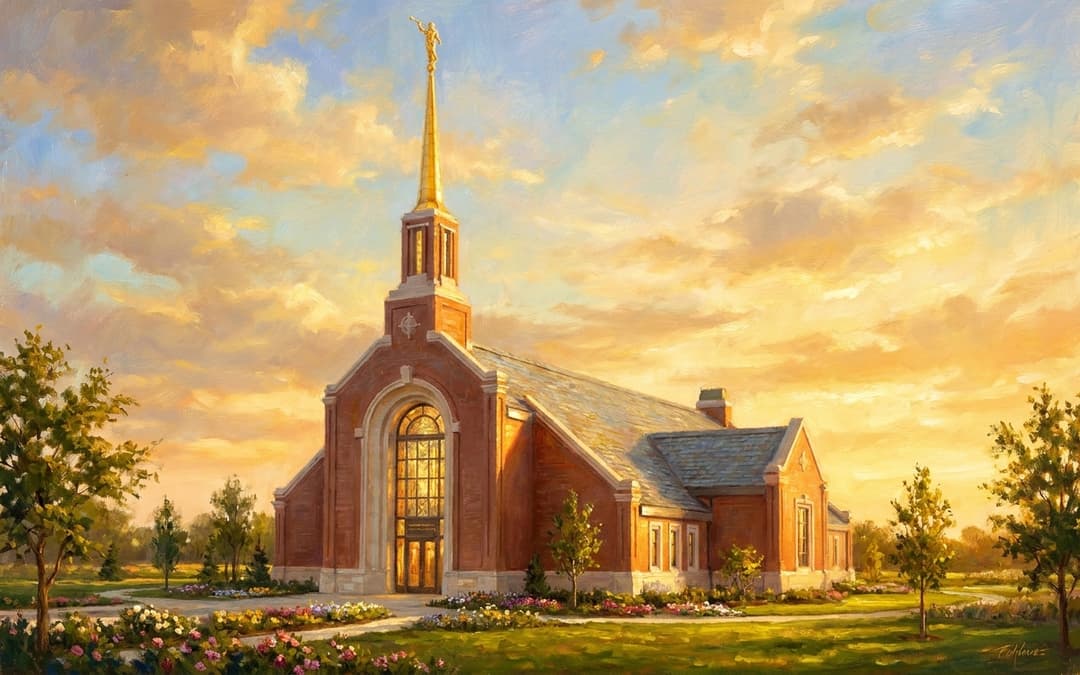
The Winnipeg Manitoba Temple offers a peaceful retreat nestled within the vibrant community of Bridgwater. The 7.7-acre grounds feature beautifully manicured lawns, native prairie trees, and paved pathways open to the public year-round for quiet contemplation and outdoor viewing.
Highlights
- Striking red brick exterior architecture with slate roofing unique to western Canadian LDS temples.
- Beautiful exterior art glass windows featuring stylized Manitoba Prairie Crocus motifs.
- Peaceful landscaped grounds with native trees, floral gardens, and public walking paths.
Things to Know
- Interior access is reserved for active Latter-day Saints holding a valid temple recommend.
- An adjoining meetinghouse on site welcomes all visitors for regular Sunday chapel services.
- Manitoba winter weather can be extreme; plan outdoor visits accordingly during colder months.
Location
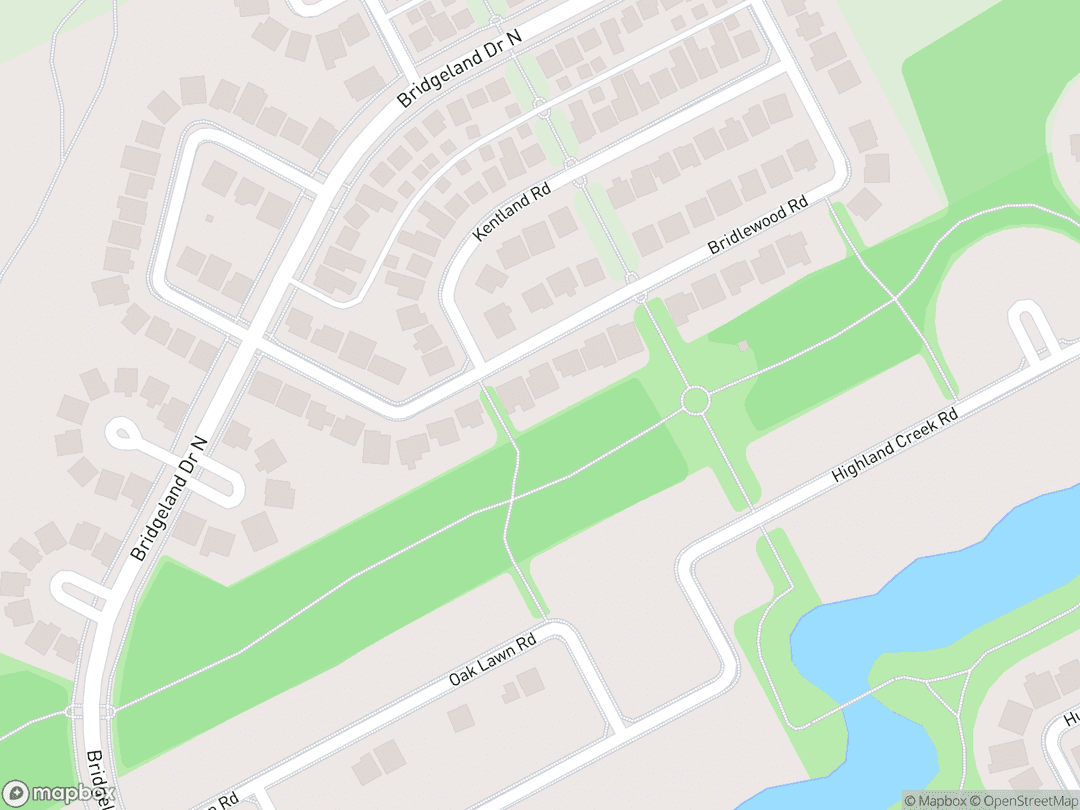
15 Centre Street, Winnipeg, Manitoba, R3Y 2C3, Canada
Hours: Grounds open daily from dawn to dusk. Temple ordinance schedules vary by day.
Getting There: Located in southwest Winnipeg near Kenaston Boulevard (Route 90) and Centre Street, easily accessible by automobile or local public transit routes.
Get DirectionsTips for Your Visit
Visiting the Grounds
Spring and early summer are the best seasons to see the surrounding flower gardens and prairie crocus-inspired landscape design in bloom.
Sunday Worship Services
Visitors interested in learning more about the Church are invited to attend public Sunday services at the adjoining chapel.
About
The Winnipeg Manitoba Temple stands as a sacred sanctuary for Latter-day Saints across Manitoba and northwestern Ontario. Dedicated in October 2021, it is the ninth temple constructed in Canada and the first in the province of Manitoba. Situated in the southwestern quadrant of Winnipeg at the entrance to The Neighbourhoods of Bridgwater, the edifice reflects the rich architectural traditions of western Canada through its classic red brick facade and stone accents.
Within the broader tradition of Christian theology, temples continue the biblical pattern of sacred spaces consecrated specifically for prayer, covenant, and divine communion. As dedicated houses of the Lord, Latter-day Saint temples serve a distinct purpose from weekly meetinghouses. They are specialized sanctuaries where faithful members participate in sacred sacraments, including eternal family sealings and proxy ordinances for ancestors.
Gallery
Symbolic Elements
The temple's exterior features intricate carvings, each rich with spiritual meaning:

Prairie Crocus Motif
As Manitoba's provincial flower blooming through snow, it symbolizes spiritual rebirth, resurrection, and hope in Christ.

Angel Moroni Statue
Positioned atop the 105-foot spire, the gilded statue represents the restoration of the everlasting gospel.

Twelve Oxen Base
The oxen supporting the baptismal font represent the strength and twelve tribes of ancient Israel.

Red Brick Façade
Reflects the enduring stability of classic Manitoban civic and ecclesiastical architecture.

Prairie Color Palette
Gold and green interior hues honor the colors of the Manitoban agricultural landscape.

Slate Roof
The dark pitched slate roof represents protection and permanence against harsh winter climates.

Arched Art Glass
Stone-framed exterior glass arches filter natural light to evoke divine reverence inside the sanctuary.
Interesting Facts
It is the ninth Latter-day Saint temple dedicated in Canada and the very first in Manitoba. (Tier A)
Dedicated on October 31, 2021, it was the first LDS temple dedicated worldwide following COVID-19 pandemic closures. (Tier A)
The architectural design prominently features the Prairie Crocus, Manitoba's provincial flower known as the Easter crocus. (Tier A)
President Gordon B. Hinckley promised Winnipeg Saints in 1998 that they would one day have a local temple. (Tier A)
Uniquely among modern LDS temples, the structure uses rich red brick masonry to mirror Winnipeg's heritage churches. (Tier A)
President Thomas S. Monson, who announced the temple in 2011, previously served as mission president in eastern Canada. (Tier A)
The temple's service boundary extends past Manitoba into remote communities of northwestern Ontario. (Tier A)
Materials inside the temple were crafted by artisans across Canada, Italy, Belgium, Turkey, and Korea. (Tier B)
Common Questions
Who can enter the Winnipeg Manitoba Temple?
The surrounding grounds are open to everyone, while interior access is reserved for active Latter-day Saints holding a temple recommend.
Why is the Winnipeg Manitoba Temple built with red brick?
The red brick exterior was chosen to harmonize with the historic 19th-century ecclesiastic and civic architecture of Winnipeg.
What geographic region does this temple serve?
It serves Latter-day Saints living throughout the province of Manitoba and parts of northwestern Ontario.
What is the symbolic flower used in the interior design?
The interior features the Prairie Crocus, Manitoba's provincial flower and a traditional symbol of rebirth and hope.
Featured Stories
The Prophetic Promise of 1998
August 1, 1998
During a multi-city Canadian tour in August 1998, President Gordon B. Hinckley addressed 1,500 Latter-day Saints gathered at the Winnipeg stake center. Recognizing that local families frequently drove up to 14 hours to attend temples in Alberta or Minnesota, he offered words of comfort and long-term hope. He promised members that they would eventually have a temple in Winnipeg, encouraging them to remain faithful and keep driving in the meantime.
Source: Church News Archives
First Post-Pandemic Dedication
October 31, 2021
When Elder Gerrit W. Gong dedicated the Winnipeg Manitoba Temple on October 31, 2021, it marked an unprecedented milestone for the global Church. Following months of worldwide pandemic closures and delays, it became the very first Latter-day Saint temple dedicated anywhere in the world after the onset of COVID-19. The emotional dedication signaled a joyful return to sacred gathering for Canadian Saints.
Source: LDS Newsroom
Prairie Craftsmanship and Local Heritage
2016
Architects designed the Winnipeg Manitoba Temple to pay direct tribute to the historic prairie churches of western Canada. Rather than utilizing standard light stone panels, construction teams laid rich red brick complemented by slate roofing and stone trim. Local Manitoban craftsmen worked alongside international artisans to create a structure that feels deeply rooted in the province's cultural heritage.
Source: Official Open House Guide
Timeline
Prophetic Ties Initiated
Thomas S. Monson begins serving as Canadian Mission president, fostering deep relationships with local Winnipeg members.
EventProphetic Promise Given
President Gordon B. Hinckley addresses 1,500 Winnipeg members and promises that they will eventually receive a temple.
MilestoneTemple Announced
President Thomas S. Monson officially announces the Winnipeg Manitoba Temple during general conference.
component.timeline.announcementCivic Open House
The Church hosts a public neighborhood open house to present architectural plans for the Bridgwater site.
EventGroundbreaking Ceremony
Elder Larry Y. Wilson presides over the official site dedication and groundbreaking service.
component.timeline.groundbreakingConstruction Interruption
Global pandemic restrictions temporarily delay construction completion and original dedication timelines.
EventPublic Open House Begins
Thousands of community members and civic leaders tour the completed interior during a two-week open house.
EventTemple Dedication
Elder Gerrit W. Gong dedicates the temple across four sessions as the first post-pandemic temple dedication globally.
DedicationHistory by Decade
1950s–1990s — Growth across the Prairie
Church membership in Manitoba grew steadily throughout the mid-20th century, supported by leaders like future Church President Thomas S. Monson during his tenure as Canadian Mission president. Members routinely traveled vast distances over Canadian highways to reach dedicated temples in Alberta, Saskatchewan, or the United States. In 1998, President Gordon B. Hinckley formally assured Winnipeg Saints that a local temple would be built in due time.
2010s — Announcement and Construction
President Monson officially announced the Winnipeg Manitoba Temple in April 2011 to widespread jubilation. Following site selection in the Bridgwater community, groundbreaking took place in December 2016 under the direction of Elder Larry Y. Wilson. Over the next several years, construction teams erected the single-tower red brick edifice designed to withstand Manitoba's rigorous freeze-thaw cycles.
2020s — Completion and Dedication
Although pandemic restrictions temporarily delayed final completion in 2020, public open house tours welcomed thousands of visitors in October 2021. Elder Gerrit W. Gong officially dedicated the house of the Lord on October 31, 2021 across four sessions, establishing the first LDS temple in Manitoba as a beacon of faith and peace.
Architecture & Facilities
The Winnipeg Manitoba Temple features a Prairie-inspired traditional ecclesiastic architectural design that intentionally reflects the historic 19th-century church buildings of Winnipeg and rural Manitoba. Its exterior combines warm red brick masonry with light-colored stone accent trim, slate roofing, and a prominent single end tower crowned with a gilded spire.
Building Materials
Exterior Masonry
Rich red brick coursework framed by cast stone headers, sills, and decorative quoins.
Roofing
Durable dark slate tiles designed to withstand severe northern winter conditions.
Art Glass
Custom multi-paned insulated art glass windows framed in arched stone openings.
Interior Millwork
High-grade Canadian timber and custom stained woodwork throughout ordinance spaces.
Interior Features
Baptistry
An ox-supported cast metal font resting beneath custom stained glass artwork.
Instruction Room
Reverent classroom featuring fine woodwork, wool carpets, and prairie crocus details.
Sealing Room
Sacred room equipped with facing mirrors, custom lighting, and an altar for eternal marriages.
Celestial Room
Spiritual centerpiece adorned with off-white wall finishes, crystal chandeliers, and soft neutral textiles.
Temple Grounds
The 7.7-acre property features manicured lawns, native Manitoba prairie trees, shrubs, and seasonal flowerbeds with public walking paths.
Additional Facilities
An adjoining Latter-day Saint meetinghouse stands on the property to accommodate weekly community worship services.
Religious Significance
Within Abrahamic and Christian tradition, sacred structures serve as dedicated places of worship and divine encounter. In Latter-day Saint theology, temples are distinct from local chapels, functioning as consecrated houses of the Lord where believers make sacred covenants.
To provide a holy sanctuary for personal worship, spiritual instruction, eternal family sealings, and proxy ordinances.
Sacred Ordinances
The Endowment
Sacred instruction regarding God's plan of salvation and personal covenants of consecration.
Eternal Marriage and Sealings
Priesthood ordinances uniting husbands, wives, and families for time and all eternity.
Baptism for Deceased Ancestors
Vicarious proxy baptisms performed on behalf of departed relatives.
Christian Continuity and Restoration
Temples connect modern Latter-day Saints with ancient biblical worship while providing unique sacraments restored through modern revelation.
Similar Temples
Sources & Research
Every fact on Temples.org is backed by verified Sources & Research. Each piece of information is rated by source tier and confidence level.
View All Sources (4)
| Field | Source | Tier | Retrieved |
|---|---|---|---|
| About & Historical Background | The Church of Jesus Christ of Latter-day Saints (opens in a new tab) | A | 2026-02-22 |
| Timeline & Construction | ChurchofJesusChristTemples.org (opens in a new tab) | C | 2026-02-22 |
| Symbolic Elements & Artistry | ChurchofJesusChristTemples.org (opens in a new tab) | C | 2026-02-22 |
| Grounds & Construction | Photogent Photography (opens in a new tab) | B | 2026-02-22 |