Visitor Insights
Visiting Yigo Guam Temple
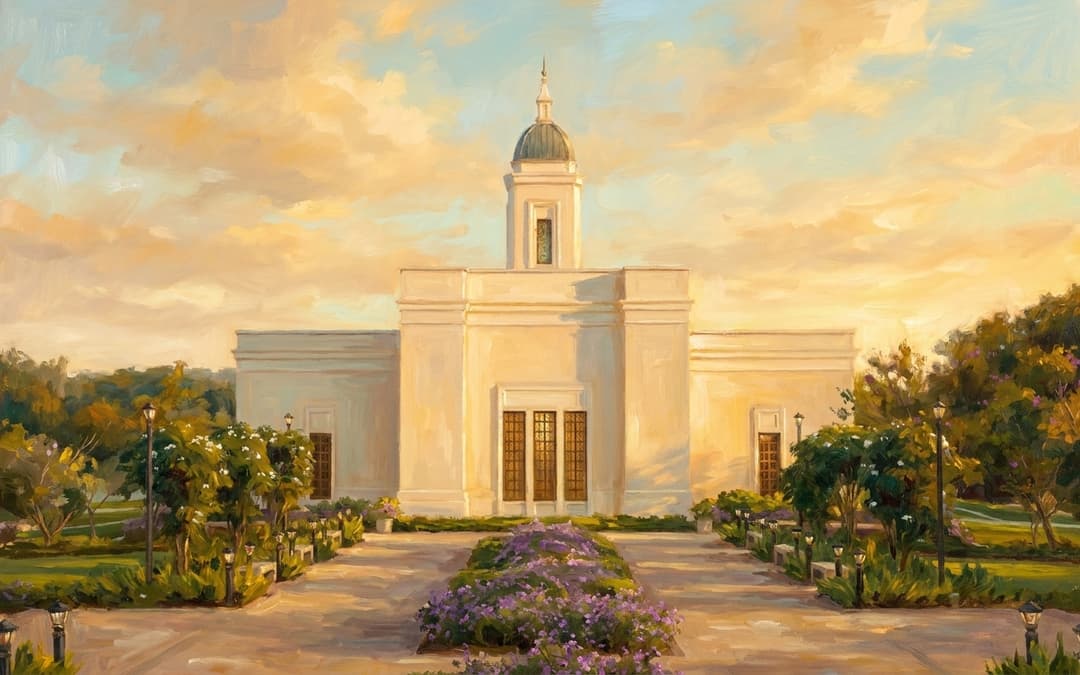
The Yigo Guam Temple features beautifully landscaped grounds in northern Guam that are open to visitors of all faiths. Guests can walk the stone paths, view native island foliage, and experience the peaceful atmosphere surrounding the house of the Lord.
Highlights
- Custom art glass featuring native Chamorro floral motifs
- Manicured grounds planted with palms, bougainvillea, and hibiscus
- Convenient access off Marine Corps Drive near Andersen Air Force Base
- Adjacent meetinghouse housing an arrival center and distribution services
Things to Know
- Interior temple entry is reserved for Church members with valid temple recommends.
- Public visitors are welcome to explore the grounds and adjacent arrival center.
- Modest attire is recommended when visiting sacred grounds.
Location
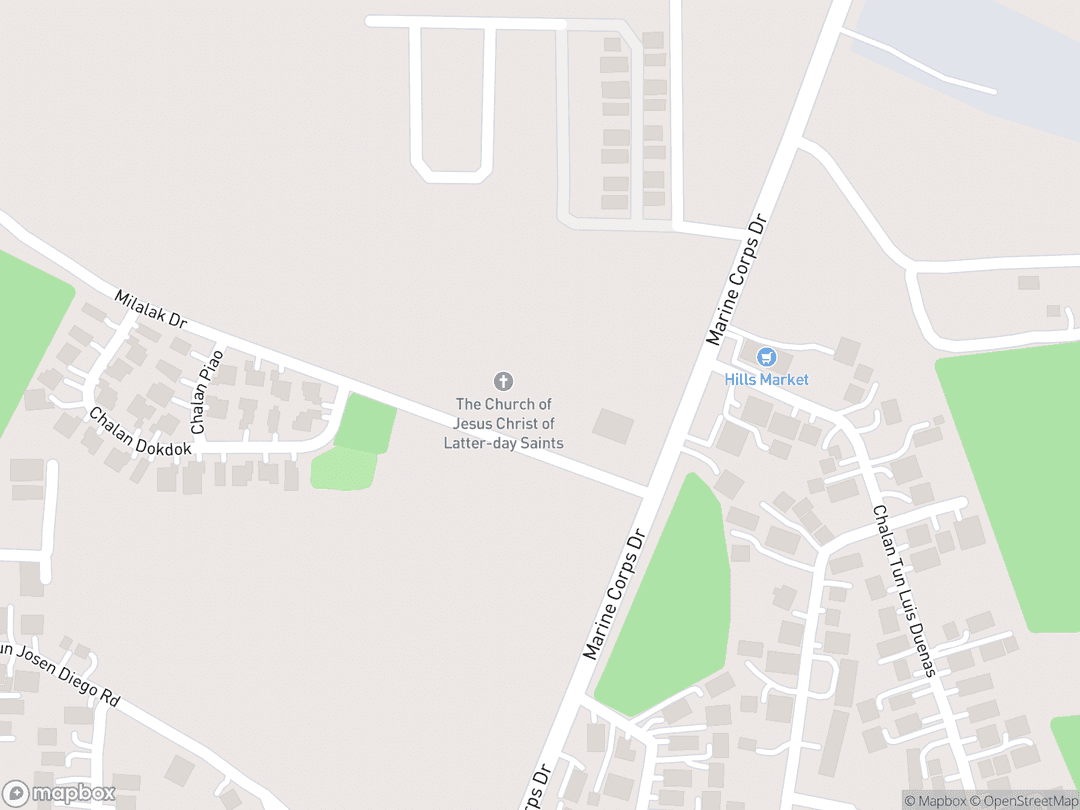
Corner of Marine Corps Drive and Milalak Drive, Yigo, Guam 96929
Hours: Grounds open daily from dawn to dusk; ordinance schedules vary.
Getting There: Located in Yigo on Highway 1 (Marine Corps Drive) at Milalak Drive, approximately 12 miles north of Won Pat International Airport.
Get DirectionsTips for Your Visit
Photography Advice
Visit during golden hour at sunrise or sunset to catch warm light reflecting on the off-white stucco exterior and decorative window grilles.
Arrival Center
Stop by the adjacent meetinghouse arrival center for informational displays and assistance from local staff.
About
The Yigo Guam Temple stands as a sacred sanctuary of The Church of Jesus Christ of Latter-day Saints in the northern village of Yigo, Guam. Dedicated on May 22, 2022, by Elder David A. Bednar, the temple serves approximately 9,600 Church members residing across Guam and the surrounding islands of Micronesia, including Saipan, Tinian, Rota, Palau, Yap, Chuuk, Pohnpei, and Kosrae.
Rooted in the Judeo-Christian tradition of consecrated worship spaces, the temple functions as a holy house of the Lord where sacred covenants are made. Situated along Marine Corps Drive, this compact structure bridges ancient biblical sanctuary practices with modern island architecture, offering a place of spiritual peace and eternal family sealings in the Western Pacific.
Gallery
Symbolic Elements
The temple's exterior features intricate carvings, each rich with spiritual meaning:

Entrance Inscription
The phrase 'Holiness to the Lord – The House of the Lord' echoes ancient Jerusalem sanctuary inscriptions.

Twelve Oxen Font
The baptismal font rests on twelve oxen symbolizing the biblical twelve tribes of Israel.
Single Central Tower
The 74-foot vertical tower directs spatial focus upward toward God and eternal covenants.

Island Flora Art Glass
Stained-glass windows incorporate local bougainvillea patterns representing divine creation in the ocean islands.

Pure White Exterior
Off-white concrete surfaces symbolize moral purity and spiritual cleanliness through Christ.

The Celestial Room
A serene room reflecting the peace, light, and presence of God's heavenly kingdom.

Bronze Window Grilles
Decorative grilles protect the sacred interior while providing solar shading and structural shielding.
Interesting Facts
It is the first Latter-day Saint temple constructed in the entire region of Micronesia. (Tier A)
At 6,861 square feet, it stands among the most compact operating temples worldwide. (Tier A)
The temple introduced modular ordinance rooms that easily convert between endowment and sealing functions. (Tier B)
Category 4 Typhoon Mawar caused zero structural damage to the temple envelope in 2023. (Tier A)
Church leaders conducted a traveling open house across distant islands for members unable to fly to Guam. (Tier A)
The structure was built on the site of a demolished meetinghouse originally erected in the 20th century. (Tier A)
Dedicated by Elder David A. Bednar, who stressed that smaller size does not diminish holiness. (Tier A)
Plans were approved in 2023 for a 9-unit patron housing facility to accommodate island travelers. (Tier A)
Common Questions
Who can enter the interior of the Yigo Guam Temple?
Active members of The Church of Jesus Christ of Latter-day Saints who hold a current temple recommend may enter for sacred ceremonies.
Can members of the public visit the temple grounds?
Yes, the exterior grounds and adjacent arrival center are open to visitors of all religious backgrounds.
What islands does the Yigo Guam Temple serve?
It serves members across Guam, Saipan, Tinian, Rota, Palau, Yap, Chuuk, Pohnpei, and Kosrae.
How did the temple withstand Typhoon Mawar?
High-performance reinforced concrete and wind-resistant grilles protected the structural envelope against 140 mph winds.
Featured Stories
The Traveling Island Open House
May 2022
When pandemic travel restrictions prevented islanders across Micronesia from flying to Guam for the open house, Church leaders brought the temple experience directly to them. Portable photo displays, physical models, and interactive video presentations were flown to islands like Chuuk, Pohnpei, and Kosrae. This novel outreach allowed thousands of distant Saints to participate in the milestone.
Source: The Church of Jesus Christ of Latter-day Saints Newsroom
Enduring Typhoon Mawar
May 2023
Just one year after its dedication, Category 4 Typhoon Mawar battered Guam with destructive 140 mph winds and torrential rain. While widespread destruction left the island without electricity, the temple's engineered concrete walls and impact-resistant grilles held firm without structural damage. Following swift interior carpet replacement, sacred worship resumed promptly.
Source: Pacific Daily News Report
Decades of Faith Across the Pacific
1990s–2010s
For decades before the Yigo temple existed, faithful Latter-day Saints across Micronesia saved money for years to undertake long ocean voyages to temples in Manila, Taipei, or Tokyo. Entire families sacrificed non-essential expenses to receive eternal sealings. The dedication in Yigo fulfilled long-standing prayers for a local house of the Lord.
Source: Church History Department Records
Timeline
First Meetings Held
Latter-day Saint servicemen serving during World War II host informal church gatherings on Guam.
Official Registration
The Church officially registers on Guam and establishes the first formal branch in Barrigada.
Micronesia Guam Mission Created
The Church organizes a dedicated mission headquartered on Guam to oversee outreach across Micronesian islands.
First Stake Organized
Elder L. Tom Perry organizes the Barrigada Guam Stake, marking the first stake in Micronesia.
Temple Announced
President Russell M. Nelson announces plans to construct the first temple in Micronesia.
Groundbreaking Ceremony
Elder Yoon Hwan Choi presides over the groundbreaking ceremony on the Yigo property.
Open House Dates Announced
Official dates for the public open house and dedication are released by Church headquarters.
Public Open House Begins
The temple opens its doors to community visitors and neighbors across Guam for guided tours.
Youth Cultural Celebration
Island youth perform traditional Pacific dances and songs honoring their cultural heritage.
Temple Dedicated
Elder David A. Bednar dedicates the Yigo Guam Temple in three solemn sessions.
Category 4 Typhoon Mawar
Typhoon Mawar strikes Guam with 140 mph winds, leaving the reinforced temple structure completely undamaged.
Reopening After Typhoon Clean-up
The temple reopens for regular sacred work following interior carpet replacement after typhoon rain intrusion.
History by Decade
1940s–1950s — Island Foundations
Latter-day Saint servicemen stationed on Guam during World War II gathered for informal Christian meetings starting in 1944. By 1957, the Church officially registered on the island, establishing a permanent branch in Barrigada to minister to local and military families.
1970s–1980s — Expansion Across Micronesia
The creation of the Micronesia Guam Mission in 1976 launched formal proselytizing across distant archipelagos. Converts among Chamorro, Carolinian, and Filipino populations formed vibrant branches throughout Palau, Yap, Chuuk, Pohnpei, and Kosrae.
1990s–2000s — Temple Excursions
Growing congregations organized group temple trips requiring long-distance air travel to Asian temples in Manila and Tokyo. Local Saints saved funds for years to participate in eternal marriage sealings and sacred ordinances.
2010s — Announcement and Construction
President Russell M. Nelson announced the Yigo Guam Temple in October 2018. Groundbreaking took place in May 2019 on Marine Corps Drive, replacing an older chapel with an innovative, highly efficient temple structure.
2020s — Dedication and Resilience
Dedicated on May 22, 2022, by Elder David A. Bednar, the temple quickly became the spiritual anchor for Western Pacific Saints. In 2023, the building survived Category 4 Typhoon Mawar unscathed, continuing its mission of service.
Architecture & Facilities
The Yigo Guam Temple features a contemporary tropical interpretation of Latter-day Saint religious architecture. Its clean rectangular envelope, off-white concrete exterior, and single central tower synthesize classic Christian sanctuary design with structural adaptations built specifically for Pacific island environmental conditions.
Building Materials
Reinforced Concrete Facade
High-performance concrete exterior built for extreme wind resistance and saltwater protection.
Bronze Window Grilles
Custom bronze grilles offering solar shading and impact protection against typhoon debris.
Polished Light Marble
High-durability natural marble flooring accentuating light throughout interior hallways.
Custom Art Glass
Stained-glass panels featuring geometric patterns intertwined with native island flora motifs.
Interior Features
Celestial Room
A peaceful room featuring cream walls, rich hardwood trims, and a central crystal chandelier.
Modular Instruction Rooms
Adaptable spaces configured to serve flexible daily volumes for instruction and sealings.
Sealing Rooms
Sacred marriage rooms equipped with facing mirrors representing eternal family unity.
Baptistry Font
A baptismal font mounted atop twelve bronze-cast oxen representing the tribes of Israel.
Temple Grounds
The 5.8-acre site features manicured lawns, stone walkways, and tropical landscaping planted with palm trees, bougainvillea, and native flowering shrubs. The grounds link the temple directly to the adjacent chapel and arrival facilities.
Additional Facilities
An adjacent modern meetinghouse includes an arrival center, distribution store, and chapel facilities, alongside planned multi-unit patron housing.
Religious Significance
Within Christian and Abrahamic theology, sacred space has historically served as a boundary where humanity encounters God. Latter-day Saints view modern temples as the direct restoration of biblical sanctuary worship, established for personal spiritual progression and family sealings.
To provide a consecrated house of the Lord where believers make sacred covenants and receive ordinances for time and eternity.
Sacred Ordinances
Baptism for the Deceased
Vicarious proxy baptism performed in the subterranean font, extending salvation covenants to deceased ancestors.
Temple Endowment
Sacred instruction presenting God's plan of salvation, creation history, and Christian moral commitments.
Eternal Marriage Sealing
Priesthood ordinance binding husbands, wives, and children in eternal family units across generations.
Biblical Roots of Ocean Sanctuary Worship
Scriptural promises in Isaiah and the Book of Mormon emphasize that God remembers those dwelling on distant ocean islands. The establishment of a holy temple on Guam stands as a literal realization of these sacred promises for Micronesian believers.
The Covenant Path in the Western Pacific
By bringing temple ordinances closer to local island populations, the Yigo Guam Temple allows Saints across vast distances to participate regularly in sacred worship without the burden of long international travel.
Similar Temples
Sources & Research
Every fact on Temples.org is backed by verified Sources & Research. Each piece of information is rated by source tier and confidence level.
View All Sources (2)
| Field | Source | Tier | Retrieved |
|---|---|---|---|
| About & Historical Background | Church History Department (opens in a new tab) | A | 2026-02-22 |
| Architecture & Specifications | Temples of The Church of Jesus Christ of Latter-day Saints (opens in a new tab) | C | 2026-02-22 |