Visitor Insights
Visiting Temple of Seven Hills (Tirumala)
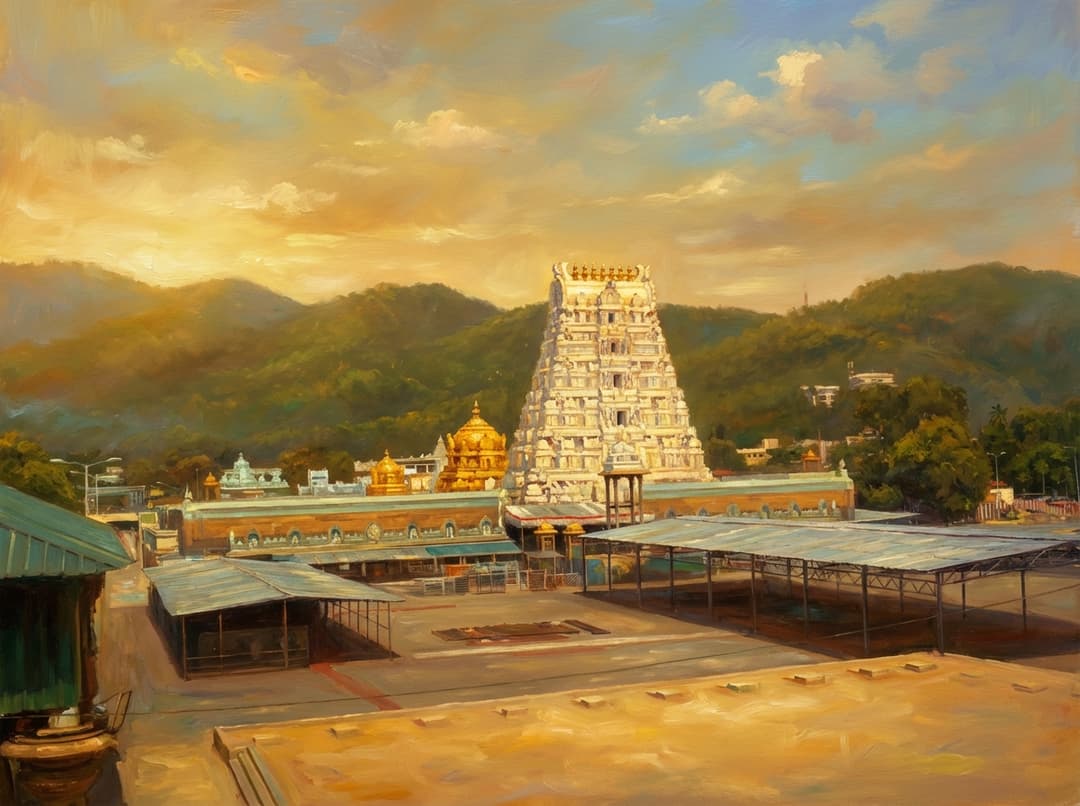
Visiting the Temple of Seven Hills is a deeply spiritual experience. The temple complex is vibrant with devotees, chanting, and traditional music, creating an atmosphere of devotion and serenity. Expect long queues for darshan, especially during peak seasons and festivals. The temple is meticulously maintained, and various facilities are available for pilgrims, including accommodation, food, and transportation.
Highlights
- Witness the magnificent Dravidian architecture and intricate carvings.
- Participate in the sacred rituals and traditions.
- Experience the divine presence of Lord Venkateswara.
Things to Know
- Book accommodation and darshan tickets in advance.
- Adhere to the dress code and prohibited items guidelines.
- Be prepared for long queues and crowds.
Location
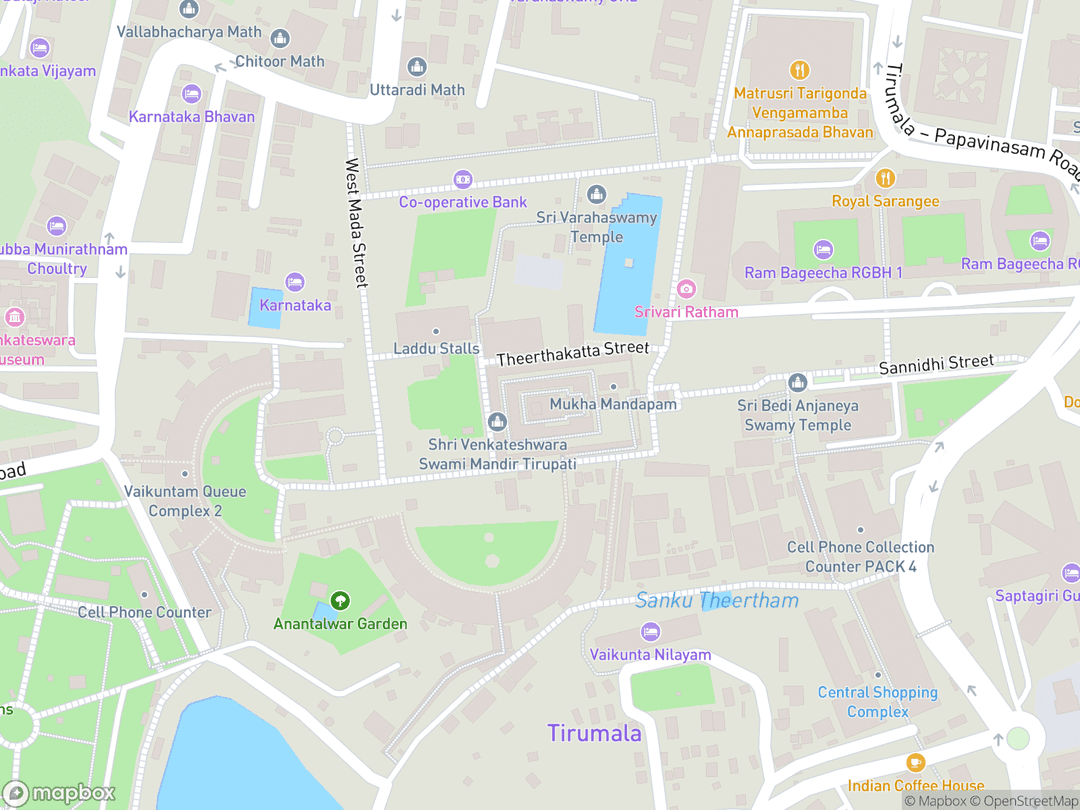
Tirumala, Tirupati, Andhra Pradesh 517504, India
Hours: The temple is generally open from 3:00 AM to 12:00 AM.
Getting There: Tirupati is well-connected by air, rail, and road. From Tirupati, visitors can reach Tirumala by bus, taxi, or by walking the Alipiri Mettu or Srivari Mettu.
Get DirectionsTips for Your Visit
Plan Ahead
Book accommodation and darshan tickets in advance to avoid long queues and ensure a smooth visit.
Dress Appropriately
Adhere to the traditional Indian attire dress code: men should wear dhoti, kurta, or formal pants and shirts, and women should wear sarees, salwar kameez, or long skirts.
Respect Temple Rules
Avoid bringing prohibited items such as mobile phones, cameras, footwear, and leather materials inside the temple.
About
The Temple of Seven Hills, also known as Tirumala Temple, Tirupati Temple, or Tirupati Balaji Temple, is a renowned Hindu temple dedicated to Lord Venkateswara, an incarnation of Vishnu. Located in Tirumala, near Tirupati in Andhra Pradesh, India, the temple is situated on the seventh peak (Venkatadri) of the Seshachalam Hills. It stands at an elevation of 853 meters (2,799 feet) and covers approximately 10.33 square miles (26.75 square kilometers).
The temple's origins are traced back to ancient Hindu Vedic scriptures, with construction believed to have started around 300 CE. Over the centuries, various dynasties, including the Pallavas, Cholas, Pandyas, and Vijayanagara Empire, have contributed to its architectural and cultural heritage. The temple is governed by the Tirumala Tirupati Devasthanams (TTD), which is under the control of the Andhra Pradesh Government.
As one of the most visited and wealthiest religious sites globally, the Temple of Seven Hills attracts millions of pilgrims annually. Devotees seek the blessings of Lord Venkateswara, who is believed to fulfill wishes and bestow boons. The temple is known for its grand festivals, daily rituals, and the practice of offering hair, symbolizing the surrender of ego and pride before the Lord. The Tirupati Laddu, a sweet given as prasadam (offering), is also famous and has a Geographical Indication (GI) tag.
Gallery
Symbolic Elements
The temple's exterior features intricate carvings, each rich with spiritual meaning:

Lord Venkateswara
Lord Venkateswara, the presiding deity, is an incarnation of Vishnu, believed to have appeared on earth to save mankind from the trials of Kali Yuga. He is considered the bestower of boons, and worshiping him with devotion is believed to fulfill wishes. The idol is adorned with precious jewels and flowers, symbolizing his divine presence and power.

Seven Hills (Sapthagiri)
The seven hills represent the seven heads of Adisesha, the divine serpent on whom Lord Vishnu rests. Each hill has a unique significance, representing different aspects of devotion and divine presence. The hills are considered sacred, and the temple's location on the seventh peak, Venkatadri, is highly revered.

Swami Pushkarini
The Swami Pushkarini is a holy water tank located on the northern side of the main temple. It is considered sacred and is believed to cleanse sins. Devotees take a dip in the Pushkarini before visiting the temple, symbolizing purification and spiritual cleansing.

Hair Offering (Tonsuring)
The practice of tonsuring, or offering hair, is a symbolic gesture of surrendering ego and pride before the Lord. Devotees shave their heads as an act of devotion, signifying the renunciation of worldly attachments and the acceptance of divine grace. The offered hair is then auctioned, and the proceeds are used for charitable purposes.

Ananda Nilayam Gopuram
The Ananda Nilayam Gopuram is the gold-plated tower above the sanctum sanctorum (Garbhagriham), where the idol of Lord Venkateswara resides. It is a prominent architectural feature of the temple, symbolizing the divine abode of the Lord. The gopuram is intricately carved and adorned with gold, reflecting the temple's grandeur and spiritual significance.

Donations (Hundi)
Devotees donate cash, gold, silver, and jewelry to the temple as a form of devotion and to help repay the Lord's wedding loan. The donations are deposited in the Hundi (donation box), which is a significant source of revenue for the temple. These offerings symbolize the devotee's gratitude and commitment to the divine.

Mahadwaram (Main Entrance)
The Mahadwaram is the main entrance to the temple, featuring a 50-foot tower adorned with intricate carvings and sculptures. It serves as the gateway to the sacred complex, welcoming devotees and symbolizing the transition from the mundane world to the divine realm. The entrance is a testament to the temple's architectural grandeur and spiritual significance.

Vaikuntha Ekadasi
Vaikuntha Ekadasi is a significant festival celebrated at the Temple of Seven Hills, marking the opening of the Vaikuntha Dwaram (the gate to Vishnu's abode). Devotees believe that passing through this gate on this auspicious day leads to liberation and spiritual enlightenment. The festival attracts a large number of pilgrims who seek to experience the divine grace and blessings of Lord Venkateswara.
Interesting Facts
The Temple of Seven Hills is one of the most visited and wealthiest religious sites in the world. (A)
The temple is situated on seven hills, representing the seven heads of Adisesha. (A)
The deity of Lord Venkateswara is believed to remain in the temple for the entire duration of the present Kali Yuga. (A)
The temple is mentioned in ancient Hindu texts and Vedas and is highly regarded by Hindu worshippers. (A)
The Tirupati Laddu, a sweet given as prasadam (offering), has a Geographical Indication (GI) tag. (C)
The temple has a unique collection of about 3000 copper plates with Telugu Sankirtanas of Tallapaka Annamacharya and his descendants. (C)
The practice of offering hair is a symbolic gesture of surrendering ego and pride to the deity. (B)
The temple is a stronghold of Vaishnavism, a prominent Hindu sect dedicated to Lord Vishnu. (B)
The temple's daily rituals, grand festivals, and timeless traditions reflect centuries of unbroken faith. (C)
The temple is considered the earthly abode of Lord Vishnu in the age of Kali. (C)
Common Questions
What is the significance of the Temple of Seven Hills?
The Temple of Seven Hills, also known as Tirumala Temple, is a renowned Hindu temple dedicated to Lord Venkateswara, an incarnation of Vishnu. It is one of the most visited and wealthiest religious sites in the world, attracting millions of pilgrims annually who seek the blessings of Lord Venkateswara.
Where is the Temple of Seven Hills located?
The temple is located in Tirumala, near Tirupati, in the Chittoor district of Andhra Pradesh, India. It is situated on the seventh peak (Venkatadri) of the Seshachalam Hills, standing at an elevation of 853 meters (2,799 feet).
What is the architectural style of the Temple of Seven Hills?
The Temple of Seven Hills showcases a magnificent Dravidian architectural style, characterized by towering gopurams (gateway towers), intricate carvings, and the use of granite, sandstone, and soapstone. This style emerged in South India and is known for its grandeur and attention to detail.
What are some of the key symbolic elements of the temple?
The temple is rich in symbolism, including Lord Venkateswara as an incarnation of Vishnu, the seven hills representing the seven heads of Adisesha, the Swami Pushkarini holy water tank, the practice of hair offering, and the donations made by devotees. These elements reflect Hindu beliefs and traditions.
What are the visitor guidelines for the Temple of Seven Hills?
Visitors are advised to book accommodation and darshan tickets in advance, adhere to the traditional Indian attire dress code, and avoid bringing prohibited items such as mobile phones, cameras, footwear, and leather materials inside the temple. It is also recommended to bathe in the Swami Pushkarini before visiting the temple.
Related Stories
Explore the rich history, traditions, and people connected to this sacred site.

Featured Stories
The Legend of Lord Venkateswara's Appearance
Ancient Times
According to Hindu mythology, Lord Venkateswara, an incarnation of Vishnu, appeared on earth to save mankind from the trials and troubles of Kali Yuga. It is believed that during this era of moral decline and spiritual ignorance, the Lord chose to manifest himself on the Venkatadri hill to guide and protect his devotees. The story tells of his divine descent and the establishment of his sacred abode on the Temple of Seven Hills, offering solace and salvation to all who seek his refuge.
The legend speaks of a celestial dispute between the deities, leading to Lord Vishnu taking the form of Venkateswara and residing on the Seshachalam Hills. The divine presence of the Lord is said to have transformed the landscape, making it a sacred and powerful place for spiritual seekers. The story emphasizes the Lord's compassion and his commitment to uplifting humanity during the darkest of times.
The Temple of Seven Hills stands as a testament to this divine appearance, serving as a beacon of hope and a sanctuary for devotees seeking the blessings of Lord Venkateswara. The temple's rituals, traditions, and architectural grandeur reflect the profound significance of this legendary event, reminding pilgrims of the Lord's eternal presence and his unwavering love for his devotees.
Source: Puranic Texts and Temple Legends
Krishnadevaraya's Golden Contributions
16th Century
During the reign of the Vijayanagara Empire, Krishnadevaraya, a devout follower of Lord Venkateswara, made significant contributions to the Temple of Seven Hills. His reign marked a golden age for the temple, with extensive renovations, expansions, and embellishments that enhanced its architectural and spiritual significance. Krishnadevaraya's devotion and patronage left an indelible mark on the temple's history and legacy.
One of Krishnadevaraya's most notable contributions was the gold-plating of the Vimana, the tower above the sanctum sanctorum. This act of devotion transformed the temple's skyline, making it a dazzling symbol of divine presence and royal patronage. The gold-plated Vimana continues to shine brightly, reflecting the emperor's unwavering faith and his commitment to honoring Lord Venkateswara.
Krishnadevaraya's contributions extended beyond the physical enhancements of the temple. He also supported the temple's rituals, traditions, and charitable activities, ensuring its continued prosperity and spiritual vibrancy. His legacy as a devoted ruler and a generous benefactor is celebrated to this day, with his statue standing as a reminder of his profound impact on the Temple of Seven Hills.
Source: Historical Records and Temple Inscriptions
The Miracle of the Everlasting Lamp
Centuries of Tradition
Within the sanctum sanctorum of the Temple of Seven Hills, an oil lamp burns continuously, fueled by a tradition that has been passed down through centuries. The lamp is said to have been lit centuries ago, and despite the passage of time and the challenges of maintaining a constant flame, it continues to burn brightly, symbolizing the eternal presence of Lord Venkateswara. The miracle of the everlasting lamp is a testament to the unwavering faith and devotion of the temple's caretakers.
The lamp is carefully tended by a dedicated team of priests who ensure that it never runs out of oil. The oil used to fuel the lamp is specially prepared and is believed to possess divine properties. The lamp's flame is considered sacred, and its light is said to illuminate the path to spiritual enlightenment. Devotees believe that witnessing the everlasting lamp is a blessing, bringing them closer to the divine.
The story of the everlasting lamp is a reminder of the enduring power of faith and the importance of preserving traditions. The lamp's unwavering flame serves as a symbol of hope, inspiring devotees to remain steadfast in their devotion and to seek the eternal light of Lord Venkateswara. The miracle of the everlasting lamp continues to captivate and inspire pilgrims from around the world, making it a cherished part of the Temple of Seven Hills' rich heritage.
Source: Temple Lore and Oral Traditions
Timeline
Construction Begins
Construction of the Tirupati temple dates back to around this time, during the reign of King Thondaiman of Tondaimandalam.
MilestonePallava Dynasty Patronage
The Pallava dynasty patronized and initiated formal temple construction, adding to the temple's early structure and significance.
MilestoneChola and Pandya Dynasties
The Chola and Pandya dynasties added structural enhancements and refined rituals, further enriching the temple's heritage.
MilestoneQueen Samavai's Donation
Pallava Queen Samavai donated jewels and land to the temple, showcasing the temple's growing importance and royal patronage.
EventRamanujacharya's Visit
Ramanujacharya visited Tirumala and streamlined the temple's rituals according to Vaikhanasa Agama, standardizing the temple's practices.
EventConstruction of Fortifications
Construction of the fortifications of the second entrance (silver entrance) began and was completed, enhancing the temple's security and grandeur.
MilestoneVijayanagara Empire's Golden Age
The Vijayanagara Empire's rule marked the golden age of the Tirumala temple, with significant contributions from Krishnadevaraya, including gold-plating the Vimana.
MilestoneConstruction of Tirumamani Mandapam
Madhavadasa constructed Tirumamani Mandapam, adding to the temple's architectural complex and devotional spaces.
MilestoneKrishnadevaraya's Statue
Krishnadevaraya installed his own statue in the temple, commemorating his contributions and devotion to Lord Venkateswara.
EventRenovation of Temple Tank
Pedda Tirumalacharya renovated the Temple Tank and Adivaraha shrine, enhancing the temple's facilities and sacred spaces.
RenovationConstruction of Kalyana Mandapam
Chennappa, a representative of the Vijayanagara Empire, constructed the Kalyana Mandapam, adding to the temple's architectural grandeur.
MilestoneUnder British Authority
The Venkateswara Temple came under the administrative authority of the British East India Company, marking a shift in governance.
EventAdministration to Mahants
The British transferred the administration to the Mahants of Hathiramji Muth, changing the temple's management structure.
EventSilver Entrance Plated
The doors of the silver entrance were plated with silver, enhancing the temple's aesthetic appeal and devotional significance.
RenovationFormation of TTD
The Tirumala Tirupati Devasthanams (TTD) was formed to manage the temple, establishing a dedicated administrative body.
MilestoneActs and Committees
Various acts and committees were established to manage the temple, refining the temple's governance and operations.
EventHistory by Decade
300 CE – 900 CE — Early Temple Development
The early history of the Temple of Seven Hills is shrouded in legend and ancient scriptures. Construction of the temple is believed to have commenced around 300 CE, during the reign of King Thondaiman of Tondaimandalam. The Pallava dynasty, which ruled the region from the 6th to the 9th centuries CE, provided significant patronage and initiated formal temple construction. These early centuries laid the foundation for the temple's future growth and prominence.
900 CE – 1300 CE — Chola and Pandya Influence
From the 9th to the 13th centuries CE, the Chola and Pandya dynasties exerted their influence over the Temple of Seven Hills. These dynasties added structural enhancements and refined rituals, further enriching the temple's cultural and religious significance. In 966 CE, Pallava Queen Samavai donated jewels and land to the temple, highlighting its growing importance and royal patronage.
1300 CE – 1600 CE — Vijayanagara Empire's Golden Age
The Vijayanagara Empire's rule, spanning from the 14th to the 16th centuries CE, marked the golden age of the Temple of Seven Hills. Krishnadevaraya, a devout follower of Lord Venkateswara, contributed significantly to the temple's development, including gold-plating the Vimana. In 1417 AD, Madhavadasa constructed Tirumamani Mandapam, adding to the temple's architectural complex. In 1517, Krishnadevaraya installed his own statue in the temple, commemorating his contributions.
1600 CE – 1800 CE — Transition and Administration
The 17th and 18th centuries witnessed a transition in the administration of the Temple of Seven Hills. In 1535 AD, Pedda Tirumalacharya renovated the Temple Tank and Adivaraha shrine. In 1586 AD, Chennappa, a representative of the Vijayanagara Empire, constructed the Kalyana Mandapam. In 1789, the Venkateswara Temple came under the administrative authority of the British East India Company, marking a shift in governance.
1800 CE – 1900 CE — British Rule and Management
During the 19th century, the Temple of Seven Hills continued to be administered under British influence. In 1843, the British transferred the administration to the Mahants of Hathiramji Muth, changing the temple's management structure. This period saw efforts to maintain the temple's traditions and facilities under changing political circumstances.
1900 CE – Present — Modern Governance and Development
The 20th century marked a new era of governance and development for the Temple of Seven Hills. In 1929, the doors of the silver entrance were plated with silver, enhancing the temple's aesthetic appeal. In 1933, the Tirumala Tirupati Devasthanams (TTD) was formed to manage the temple, establishing a dedicated administrative body. From 1951 onwards, various acts and committees were established to manage the temple, refining its governance and operations.
Architecture & Facilities
Dravidian architecture defines the temple complex with its towering gopuram (gateway tower) adorned with intricate sculptures, ornamental pillars, and elaborate carvings typical of South Indian Hindu temple design dating back centuries.
Building Materials
Granite
Granite is the primary building material used in the construction of the Temple of Seven Hills. It is known for its durability and strength, providing a solid foundation for the temple's towering structures. The granite is sourced from local quarries and is carefully carved and shaped to create the temple's intricate designs.
Sandstone
Sandstone is used for decorative elements and carvings in the temple's architecture. Its softer texture allows for intricate detailing and ornamentation, adding to the temple's aesthetic appeal. The sandstone is carefully selected for its color and quality, enhancing the temple's visual harmony.
Soapstone
Soapstone is used for sculptures and idols within the temple. Its smooth texture and ability to be easily carved make it ideal for creating intricate representations of deities and mythological figures. The soapstone sculptures are revered for their artistic beauty and spiritual significance.
Gold
Gold is used for plating the Vimana (tower above the sanctum sanctorum) and other decorative elements. Its lustrous appearance symbolizes the divine presence and adds to the temple's grandeur. The gold plating is a testament to the temple's wealth and the devotion of its patrons.
Interior Features
Garbhagriha (Sanctum Sanctorum)
The Garbhagriha is the innermost sanctum where the idol of Lord Venkateswara resides. It is the most sacred space within the temple, accessible only to priests. The Garbhagriha is adorned with gold and precious jewels, creating a divine atmosphere for worship.
Tirumamani Mandapam
The Tirumamani Mandapam is a hall constructed in 1417 AD by Madhavadasa, used for religious discourses and ceremonies. It features intricately carved pillars and ceiling panels depicting scenes from Hindu mythology, serving as a gathering place for devotees.
Navaranga Mandapam
The Navaranga Mandapam is a pillared hall that connects the main entrance to the inner sanctum. It serves as a transition space for devotees, adorned with sculptures and inscriptions that narrate the temple's rich history and the glory of Lord Venkateswara.
Similar Temples
Sources & Research
Every fact on Temples.org is backed by verified Sources & Research. Each piece of information is rated by source tier and confidence level.
View All Sources (10)
| Field | Source | Tier | Retrieved |
|---|---|---|---|
| About & Historical Background | Incredible India (opens in a new tab) | C | 2024-01-27 |
| Historical Timeline | Britannica (opens in a new tab) | B | 2024-01-27 |
| Visitor Information | Government of Andhra Pradesh (opens in a new tab) | A | 2024-01-27 |
| Historical Timeline | Vajiram and Ravi (opens in a new tab) | C | 2024-01-27 |
| Architectural Description | Tripod (opens in a new tab) | C | 2024-01-27 |
| Historical Timeline | Tirumala Tirupati Devasthanams (opens in a new tab) | A | 2024-01-27 |
| Symbolic Elements | Quora (opens in a new tab) | D | 2024-01-27 |
| Visitor Information | Tirumala Tirupati Devasthanams (opens in a new tab) | A | 2024-01-27 |
| Visitor Information | Jyotirlinga Temples (opens in a new tab) | C | 2024-01-27 |
| Temple Timings | Sri Venkateswara Temple (opens in a new tab) | C | 2024-01-27 |