Visitor Insights
Visiting Sapta Puri
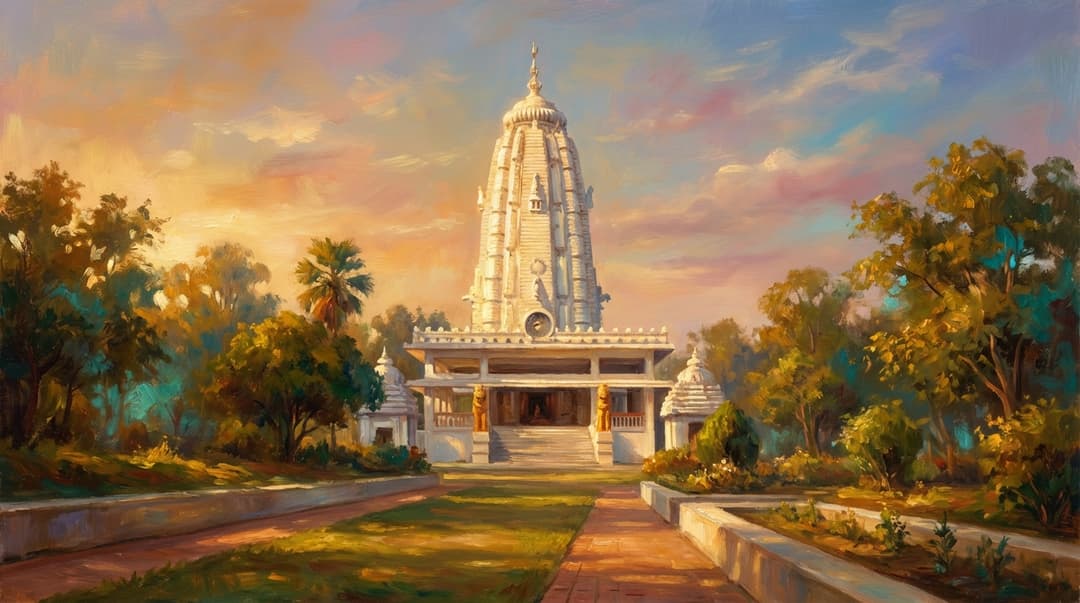
Visiting the Sapta Puri offers a profound spiritual journey through the heart of Hinduism. Each city exudes a unique atmosphere, steeped in ancient traditions and mythological significance. Pilgrims can expect to encounter vibrant temple complexes, participate in sacred rituals, and witness the devotion of countless devotees. The experience is both enriching and transformative, providing a deeper understanding of Hindu culture and spirituality.
Highlights
- Witnessing the Ganga Aarti ceremony in Haridwar and Varanasi.
- Visiting the birthplace of Lord Rama in Ayodhya and Lord Krishna in Mathura.
- Exploring the ancient temples of Kanchipuram and Ujjain.
Things to Know
- Plan your visit during the cooler months (October to March) for a more comfortable experience.
- Be prepared for large crowds, especially during festivals and auspicious occasions.
- Respect local customs and traditions, and dress modestly when visiting temples.
Location
Various locations across India
Hours: Vary by location and temple; typically open from early morning to late evening.
Getting There: Each city is well-connected by air, rail, and road. Local transportation options include taxis, buses, and auto-rickshaws.
Get DirectionsTips for Your Visit
Dress Code
Dress modestly when visiting temples. Avoid wearing shorts, sleeveless tops, and revealing clothing.
Photography
Photography may be restricted in some areas. Always ask for permission before taking photos.
About
The Sapta Puri, meaning "Seven Cities," are a group of seven Hindu tirthas, or holy pilgrimage sites, in India that are believed to grant moksha (liberation) from the cycle of birth and death. These cities are revered as the birthplaces of religious and spiritual masters, places where deities incarnated, or nitya tirthas (places naturally endowed with spiritual powers). The seven cities are Ayodhya, Mathura, Haridwar, Varanasi, Kanchipuram, Ujjain, and Dwarka.
Hindus share a common heritage of sacred places and stories, and the concept of pilgrimage is central to the faith. The Sapta Puri are particularly important, as they are believed to be "gateways to liberation". Visiting these cities with devotion is thought to purify the soul and lead to spiritual enlightenment. Each city is associated with specific deities and mythological events, enhancing its spiritual significance.
These cities represent a diverse tapestry of Hindu traditions, history, and mythology. From the birthplace of Lord Rama in Ayodhya to the ancient city of Varanasi on the banks of the Ganges, each site offers a unique spiritual experience. Pilgrims travel from all over the world to visit these sacred places, seeking blessings, purification, and ultimately, liberation from the cycle of rebirth.
Gallery
Symbolic Elements
The temple's exterior features intricate carvings, each rich with spiritual meaning:

Ganges River (Ganga)
The Ganges River is considered the most sacred river in Hinduism and is revered as a goddess. Bathing in the Ganges is believed to purify one's sins and grant spiritual merit. Haridwar and Varanasi, two of the Sapta Puri, are located on the banks of the Ganges, making them particularly important pilgrimage sites.

Temple Bells
Temple bells are an integral part of Hindu worship and are rung during aarti (worship ceremony) and other rituals. The sound of the bell is believed to invoke the deities and create a sacred atmosphere. The numerous temples in the Sapta Puri are adorned with bells of various sizes and designs.
Deity Idols (Murtis)
Deity idols, or murtis, are representations of Hindu gods and goddesses and are the focal point of worship in temples. The Sapta Puri are home to numerous temples dedicated to various deities, including Rama, Krishna, Shiva, Vishnu, and various goddesses. These idols are often adorned with elaborate clothing, jewelry, and flowers.

Sacred Threads (Kalava)
Sacred threads, or kalava, are tied around the wrists of devotees as a symbol of protection and blessings. These threads are often offered by priests in temples and are believed to ward off evil and bring good fortune. Pilgrims visiting the Sapta Puri often receive kalava as a reminder of their spiritual journey.

Incense (Agarbatti)
Incense, or agarbatti, is burned during Hindu worship to create a fragrant and sacred atmosphere. The smoke from the incense is believed to carry prayers to the deities. The temples in the Sapta Puri are filled with the aroma of incense, adding to the spiritual ambiance.

Oil Lamps (Diya)
Oil lamps, or diya, are lit during Hindu worship to symbolize the dispelling of darkness and the triumph of good over evil. The light from the lamps is believed to illuminate the path to enlightenment. The Sapta Puri are illuminated with countless diya during festivals and special occasions.

Saffron Color
Saffron is a sacred color in Hinduism, representing purity, sacrifice, and spiritual awakening. It is often worn by monks, ascetics, and devotees. The color is also used in temple decorations, flags, and offerings. Saffron-colored clothing and adornments are commonly seen in the Sapta Puri.

Lotus Flower (Padma)
The lotus flower, or padma, is a symbol of purity, enlightenment, and spiritual growth in Hinduism. It represents the unfolding of the soul and the potential for spiritual awakening. The lotus is often associated with deities such as Lakshmi and Vishnu. Lotus motifs are found in temple architecture, art, and iconography throughout the Sapta Puri.
Interesting Facts
Ayodhya is the birthplace of Lord Rama, the seventh avatar of Vishnu, and is central to the epic Ramayana.
Mathura is the birthplace of Lord Krishna, the eighth incarnation of Vishnu, and is an important pilgrimage site, especially during Krishna Janmashtami.
Haridwar, meaning 'Gateway to Hari (Vishnu/Shiva),' is a major pilgrimage site on the banks of the Ganges River and the gateway to the Char Dham Yatra.
Varanasi, also known as Kashi or Banaras, is considered the spiritual capital of India and one of the oldest continuously inhabited cities in the world.
Kanchipuram is known as the 'city of a thousand temples' and is one of the seven most important pilgrim centers of Hinduism.
Ujjain, also known as Avantika, is one of the oldest cities in India and is home to the Mahakaleshwar Jyotirlinga, one of the twelve Jyotirlingas of Lord Shiva.
Dwarka, meaning 'gateway,' is considered the first capital of Gujarat and the kingdom of Lord Krishna.
The Kumbh Mela, one of the largest peaceful gatherings in the world, is held in Haridwar and Ujjain every 12 years.
Dying in Varanasi is believed to grant moksha (salvation).
Kanchipuram is associated with the Rishabam (Taurus) zodiac sign.
Common Questions
What are the Sapta Puri?
The Sapta Puri are a group of seven Hindu holy cities in India that are considered to be the most sacred pilgrimage sites. They are Ayodhya, Mathura, Haridwar, Varanasi, Kanchipuram, Ujjain, and Dwarka.
Why are the Sapta Puri important?
The Sapta Puri are believed to grant moksha (liberation) from the cycle of birth and death. Visiting these cities with devotion is thought to purify the soul and lead to spiritual enlightenment. Each city is associated with specific deities and mythological events, enhancing its spiritual significance.
What can I expect to see and do in the Sapta Puri?
In the Sapta Puri, you can expect to see vibrant temple complexes, participate in sacred rituals, witness the devotion of countless devotees, and explore the rich cultural and historical heritage of each city. Each site offers a unique spiritual experience.
When is the best time to visit the Sapta Puri?
The best time to visit the Sapta Puri is during the cooler months (October to March) for a more comfortable experience. Be prepared for large crowds, especially during festivals and auspicious occasions.
What should I wear when visiting the Sapta Puri?
Dress modestly when visiting temples. Avoid wearing shorts, sleeveless tops, and revealing clothing. Respect local customs and traditions.
Related Stories
Explore the rich history, traditions, and people connected to this sacred site.
Featured Stories
The Divine Birth of Rama in Ayodhya
Ancient Times
Ayodhya, the birthplace of Lord Rama, holds a central place in the hearts of Hindus. According to the epic Ramayana, Rama was born in Ayodhya to King Dasharatha and Queen Kausalya. His birth was a divine event, marking the descent of Vishnu to earth to restore dharma (righteousness) and vanquish evil. The city of Ayodhya is revered as the sacred land where Rama spent his childhood and ruled as a virtuous king.
The story of Rama's birth is celebrated with great fervor during the festival of Ram Navami, when devotees throng to Ayodhya to participate in elaborate processions, prayers, and reenactments of scenes from the Ramayana. The newly constructed Ram Mandir stands as a testament to the enduring faith and devotion of millions of Hindus who revere Rama as the ideal embodiment of righteousness, compassion, and courage.
Source: Ramayana
Krishna's Childhood Leelas in Mathura
Ancient Times
Mathura, the birthplace of Lord Krishna, is a vibrant city filled with stories of his childhood leelas (divine plays). Krishna was born in Mathura to Devaki and Vasudeva, but was raised in Gokul to protect him from the evil King Kamsa. Mathura and its surrounding areas, including Vrindavan and Gokul, are filled with places associated with Krishna's mischievous and endearing childhood adventures.
Devotees flock to Mathura to visit the Krishna Janmabhoomi Temple Complex, which marks the site of Krishna's birth. The city comes alive during Krishna Janmashtami, the celebration of Krishna's birth, with elaborate decorations, processions, and performances depicting scenes from his life. The atmosphere is filled with joy, devotion, and a deep sense of connection to the divine.
Source: Bhagavata Purana
The Descent of the Ganges in Haridwar
Ancient Times
Haridwar, meaning 'Gateway to Hari (Vishnu/Shiva),' is a sacred city on the banks of the Ganges River, revered as the place where the Ganges descends from the Himalayas into the plains. According to Hindu mythology, the Ganges was brought to earth by King Bhagiratha through his intense penance. The river is believed to have the power to purify sins and grant spiritual merit.
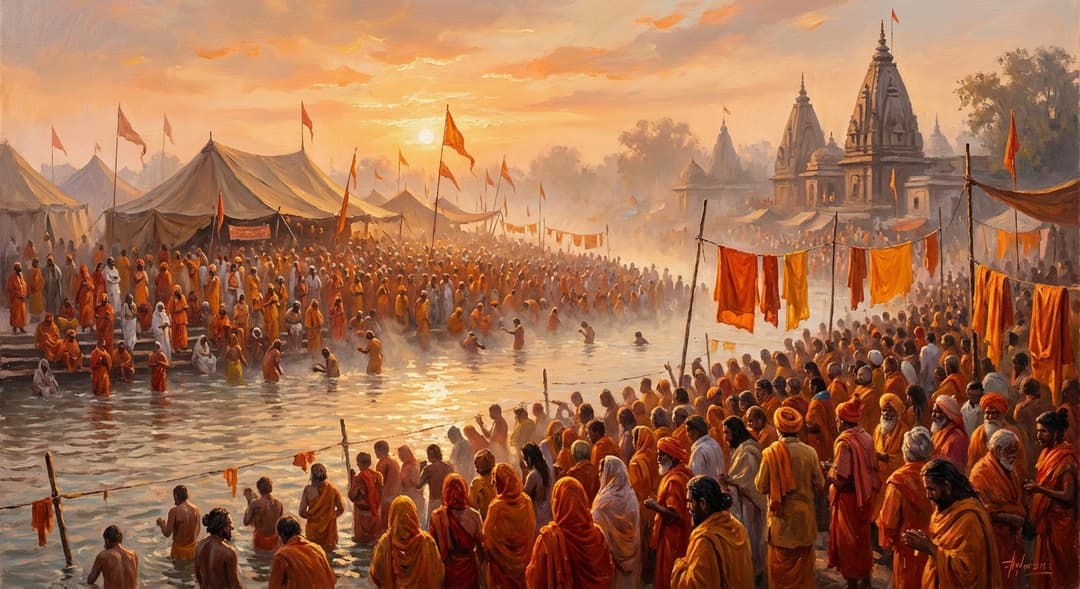
The Ganga Aarti ceremony, held every evening at Har Ki Pauri ghat in Haridwar, is a spectacular event that attracts thousands of devotees. The ceremony involves the waving of lamps, chanting of prayers, and the release of flower-filled diyas into the river. The atmosphere is filled with devotion, energy, and a deep sense of reverence for the sacred Ganges.
Source: Hindu Mythology
Timeline
Mythological Origins
Each of the Sapta Puri has its roots in ancient Hindu mythology, with stories and legends associated with various deities and events.
MilestoneEmergence as Important Centers
Many of the Sapta Puri, such as Ayodhya, Mathura, and Ujjain, emerged as important political, economic, and religious centers during the 6th century BCE.
MilestoneMauryan Empire Influence
Several of the Sapta Puri came under the influence of the Mauryan Empire, contributing to their growth and development.
EventPallava Dynasty in Kanchipuram
Kanchipuram served as the capital of the Pallava kingdom, flourishing as a center of commerce, learning, and temple architecture.
EventConstruction of Major Temples
Many of the iconic temples in the Sapta Puri were constructed or renovated during the medieval period, showcasing diverse architectural styles.
MilestoneConstruction of Babri Mosque in Ayodhya
The Babri Mosque was built in Ayodhya, leading to a long-standing dispute over the site.
EventHaridwar's Ancient Activity
Archaeological evidence suggests that Haridwar has been an active site since 1700-1200 BC.
EventMaratha Empire Influence
Some of the Sapta Puri came under the influence of the Maratha Empire, contributing to their cultural and religious landscape.
EventDemolition of Babri Mosque
The Babri Mosque in Ayodhya was demolished, escalating tensions and leading to widespread communal violence.
EventSupreme Court Verdict on Ayodhya Dispute
The Supreme Court of India ruled in favor of Hindus in the Ayodhya dispute, paving the way for the construction of the Ram Mandir.
MilestoneConsecration of Ram Mandir in Ayodhya
The Ram Mandir in Ayodhya was consecrated, marking a significant milestone in Hindu history and culture.
DedicationKumbh Mela
Haridwar and Ujjain host the Kumbh Mela, a major Hindu pilgrimage and festival held every 12 years, attracting millions of devotees.
EventPilgrimage and Devotion
The Sapta Puri continue to be major pilgrimage sites for Hindus, attracting devotees from all over the world seeking blessings, purification, and spiritual enlightenment.
EventPreservation and Development
Efforts are being made to preserve the cultural and historical heritage of the Sapta Puri while also developing infrastructure to accommodate the growing number of pilgrims.
EventHistory by Decade
Ancient Times
The Sapta Puri have their roots in ancient Hindu mythology and history, with each city associated with various deities, events, and dynasties. These cities emerged as important religious, cultural, and economic centers, attracting pilgrims and scholars from all over the world. The stories and legends associated with these cities have been passed down through generations, shaping the Hindu faith and culture.
Medieval Period
During the medieval period, many of the iconic temples in the Sapta Puri were constructed or renovated, showcasing diverse architectural styles and artistic traditions. These temples became centers of religious activity, attracting devotees and scholars. The cities also faced various challenges, including invasions and political instability, but they continued to thrive as important centers of Hindu culture.
1950s
Following India's independence, major renovation projects were initiated to restore and preserve the ancient temples of the Sapta Puri, which had suffered neglect or damage over centuries.
1980s–1990s
The Ram Janmabhoomi movement gained momentum, focusing national attention on Ayodhya and leading to significant political and social shifts regarding the site of Lord Rama's birthplace.
2000s–Present
Massive infrastructure development has transformed cities like Haridwar and Ujjain to support the Kumbh Mela, with modern amenities being integrated into these ancient pilgrimage centers to handle millions of visitors.
Religious Significance
The Sapta Puri hold immense religious significance in Hinduism, representing the most sacred pilgrimage sites for devotees seeking spiritual liberation.
The primary purpose of visiting the Sapta Puri is to attain moksha (liberation) from the cycle of birth and death, purify the soul, and gain spiritual merit.
Sacred Ordinances
Temple Visits
Visiting the numerous temples in the Sapta Puri and offering prayers to the deities is a central practice for pilgrims.
Bathing in Sacred Rivers
Bathing in the Ganges River in Haridwar and Varanasi, and in other sacred rivers in the Sapta Puri, is believed to purify sins and grant spiritual merit.
Participating in Rituals
Participating in various religious rituals, such as aarti, puja, and yajna, is an important part of the pilgrimage experience.
The Concept of Tirtha
The Sapta Puri are considered tirthas, or sacred places that connect the earthly realm with the divine. Visiting these tirthas is believed to facilitate spiritual growth and transformation.
The Importance of Bhakti
Devotion (bhakti) is a key element of the pilgrimage experience. Pilgrims visit the Sapta Puri with deep faith and love for the deities, seeking their blessings and guidance.
Similar Temples
Sources & Research
Every fact on Temples.org is backed by verified Sources & Research. Each piece of information is rated by source tier and confidence level.
View All Sources (7)
| Field | Source | Tier | Retrieved |
|---|---|---|---|
| General Information & Significance | Holaciti (opens in a new tab) | A | 2024-02-29 |
| Mathura Significance & History | Official Website of Mathura District (opens in a new tab) | B | 2024-02-29 |
| Haridwar Significance & History | Official Website of Haridwar District (opens in a new tab) | A | 2024-02-29 |
| Kanchipuram Significance & History | Kancheepuram Online (opens in a new tab) | B | 2024-02-29 |
| Ujjain Significance & History | Official Website of Ujjain District (opens in a new tab) | B | 2024-02-29 |
| Dwarka Significance & History | Official Website of Devbhumi Dwarka District (opens in a new tab) | A | 2024-02-29 |
| Ayodhya Ram Mandir Construction | Britannica (opens in a new tab) | B | 2024-02-29 |