Visitor Insights
Visiting Vatican Hill
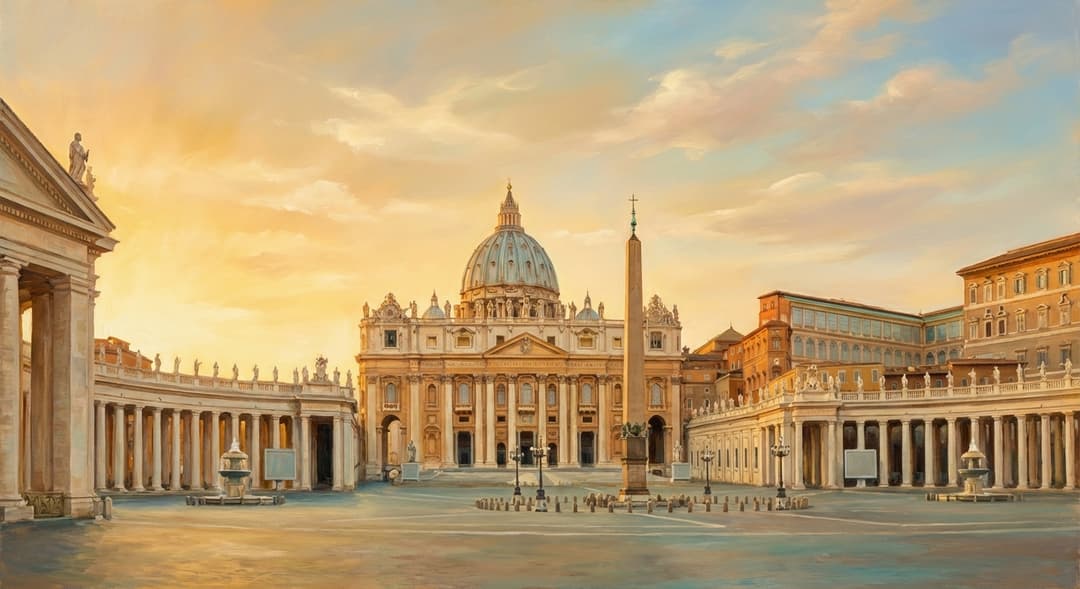
Visiting Vatican Hill offers a profound experience steeped in history, art, and religious significance. Expect to be awed by the grandeur of St. Peter's Basilica, the extensive art collections in the Vatican Museums, and the serene beauty of the Vatican Gardens. The atmosphere is both reverent and vibrant, with pilgrims and tourists from around the world converging to explore this iconic site.
Highlights
- St. Peter's Basilica: Marvel at the architectural masterpiece and climb to the dome for panoramic views of Rome.
- Vatican Museums: Explore world-renowned art collections, including the Sistine Chapel with Michelangelo's frescoes.
- Vatican Gardens: Enjoy a peaceful retreat amidst lush greenery and historical monuments.
Things to Know
- Dress modestly (shoulders and knees covered) when visiting religious sites.
- Be prepared for crowds, especially during peak season.
- Book tickets in advance to avoid long lines.
Location
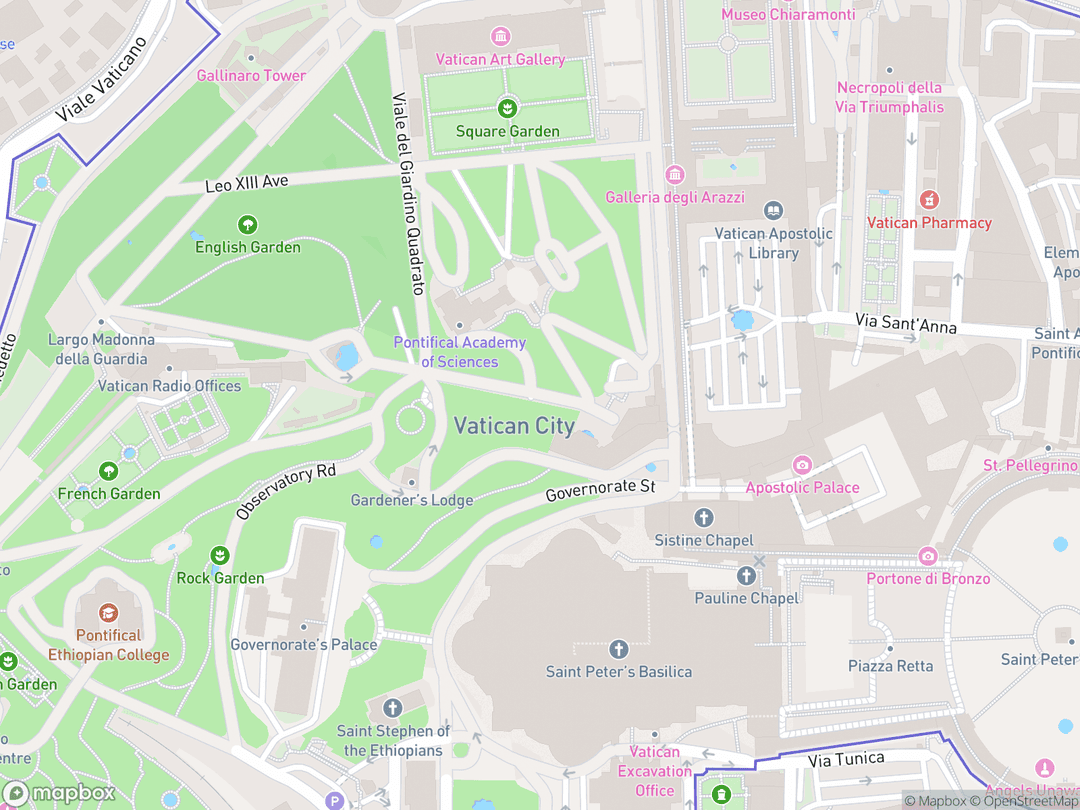
Vatican City, Rome, Italy
Hours: Hours vary depending on the specific site. Check the official Vatican website for details.
Getting There: Vatican Hill is accessible by public transportation, including buses and metro. The nearest metro station is Ottaviano-San Pietro.
Get DirectionsTips for Your Visit
Visit Early
Arrive early in the morning to avoid the largest crowds and enjoy a more peaceful experience.
Book Tickets in Advance
Purchase tickets online to skip the long lines at the Vatican Museums and other popular attractions.
Dress Code
Remember to dress modestly when visiting religious sites, covering shoulders and knees.
About
Vatican Hill, located on the right bank of the Tiber River in Rome, Italy, is a site of immense historical and religious significance. It is home to St. Peter's Basilica, the Vatican Museums, and numerous other structures that represent centuries of Catholic history and artistic achievement. Though not one of the traditional seven hills of Rome, Vatican Hill has been a focal point of religious activity since long before the rise of Christianity.
In ancient times, the area was associated with pagan deities and was the location of the Circus of Nero, where many early Christians, including St. Peter, were martyred. The construction of Old St. Peter's Basilica in the 4th century marked a turning point, transforming the hill into a center of Christian worship. Over the centuries, the Vatican has evolved into the heart of the Catholic Church, attracting pilgrims and visitors from around the world.
Today, Vatican Hill stands as a testament to the enduring power of faith and the rich cultural heritage of the Catholic Church. Its architectural marvels, artistic treasures, and spiritual atmosphere make it a unique and inspiring destination for people of all backgrounds. The Vatican City, established as an independent state in 1929, ensures the continued preservation and administration of this sacred site.
Gallery
Symbolic Elements
The temple's exterior features intricate carvings, each rich with spiritual meaning:

St. Peter's Basilica Dome
The dome of St. Peter's Basilica, designed in part by Michelangelo, symbolizes the heavens and the connection between the earthly and divine realms. Its impressive height and intricate design reflect the grandeur and power of the Catholic Church. The dome serves as a focal point of the Vatican skyline and a testament to Renaissance architectural achievement.

Colonnades of St. Peter's Square
Designed by Gian Lorenzo Bernini, the colonnades of St. Peter's Square represent the embracing arms of the Church, welcoming pilgrims and visitors from around the world. The semi-circular design creates a sense of enclosure and grandeur, enhancing the overall experience of the square. The colonnades are adorned with statues of saints, further emphasizing the spiritual significance of the site.

Obelisk in St. Peter's Square
The ancient Egyptian obelisk in St. Peter's Square represents Christ's triumph over paganism. Originally brought to Rome by Emperor Caligula, it was later moved to its current location in 1586. The obelisk stands as a silent witness to centuries of history and a symbol of the enduring power of faith.

Papal Altar
The Papal Altar, located beneath the dome of St. Peter's Basilica, marks the supposed tomb of St. Peter. It is the site where the Pope celebrates Mass and a focal point of religious devotion for Catholics. The altar is adorned with intricate carvings and precious materials, reflecting the sacredness of the space.

Sistine Chapel Frescoes
Michelangelo's frescoes in the Sistine Chapel are among the most famous works of art in the world. The ceiling depicts scenes from the Book of Genesis, while the altar wall features the Last Judgment. These masterpieces represent the pinnacle of Renaissance art and a profound expression of religious faith.

Swiss Guard Uniforms
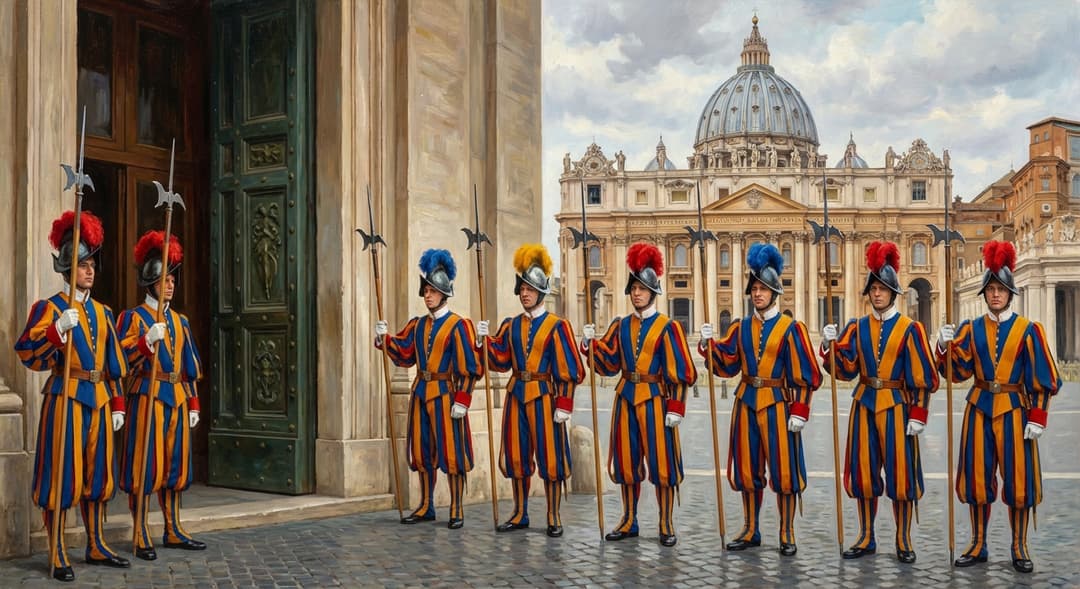
The colorful uniforms of the Swiss Guard, who have been protecting the Pope since the 16th century, are a distinctive symbol of the Vatican. Designed in part by Michelangelo, the uniforms represent the loyalty and dedication of the Swiss Guard to the papacy. Their presence adds a sense of tradition and pageantry to the Vatican.

Bronze Doors of St. Peter's Basilica
The bronze doors of St. Peter's Basilica, particularly the main door known as the Holy Door, are adorned with intricate reliefs depicting scenes from the lives of St. Peter and St. Paul. These doors serve as a symbolic entrance to the sacred space within the basilica. The Holy Door is only opened during Jubilee years, marking a time of special grace and pilgrimage.

Vatican Gardens
The Vatican Gardens offer a peaceful retreat amidst lush greenery, fountains, and historical monuments. These gardens provide a serene contrast to the bustling atmosphere of St. Peter's Square and the Vatican Museums. They represent a harmonious blend of nature and art, inviting visitors to reflect and contemplate.
Interesting Facts
Vatican Hill was once considered an unhealthy area used for grazing cattle.
Before Christianity, the hill was associated with pagan deities and prophecy.
Emperor Nero blamed Christians for the fire that devastated Rome and executed them on Vatican Hill.
The Circus of Nero, where Christians were martyred, now lies beneath St. Peter's Basilica.
The Vatican includes a secret passage (Passetto di Borgo) to Castel Sant'Angelo, used by popes as an escape route.
The dome of St. Peter's Basilica is one of the largest in the world.
The Vatican is the smallest independent country in the world.
The Vatican Museums house an extensive collection of art and artifacts from various periods.
The Swiss Guard has been protecting the Pope since the 16th century.
There is a heart-shaped cobblestone in St. Peter's Square, nicknamed 'Nero's Heart,' possibly marking the site of Nero's circus.
Common Questions
What is the significance of Vatican Hill?
Vatican Hill is significant as the location of St. Peter's Basilica, the Vatican Museums, and the Vatican City, the independent state that serves as the spiritual and administrative center of the Catholic Church. It is a place of pilgrimage, historical importance, and artistic excellence.
Who was St. Peter, and why is he important to the Vatican?
St. Peter was one of Jesus's apostles and is considered the first Pope. He was martyred in Rome, and St. Peter's Basilica is built over his supposed tomb, making it a site of immense religious significance for Catholics.
What are some of the must-see attractions on Vatican Hill?
Some of the must-see attractions include St. Peter's Basilica, the Vatican Museums (including the Sistine Chapel), St. Peter's Square, and the Vatican Gardens. Each offers a unique glimpse into the history, art, and spirituality of the Vatican.
What is the dress code for visiting Vatican Hill?
Visitors are expected to dress modestly when visiting religious sites on Vatican Hill. This typically means covering shoulders and knees. It's advisable to wear comfortable shoes, as there is a lot of walking involved.
How can I avoid long lines when visiting the Vatican?
To avoid long lines, it's recommended to book tickets online in advance, especially for the Vatican Museums. Arriving early in the morning or visiting during the off-season can also help reduce wait times. Consider taking a guided tour for expedited entry.
Related Stories
Explore the rich history, traditions, and people connected to this sacred site.
 Heritage
 The Pontifical Swiss Guard
Protecting the Pope for over half a millennium with unflinching loyalty, vibrant uniforms, and formidable skill.
Explore Story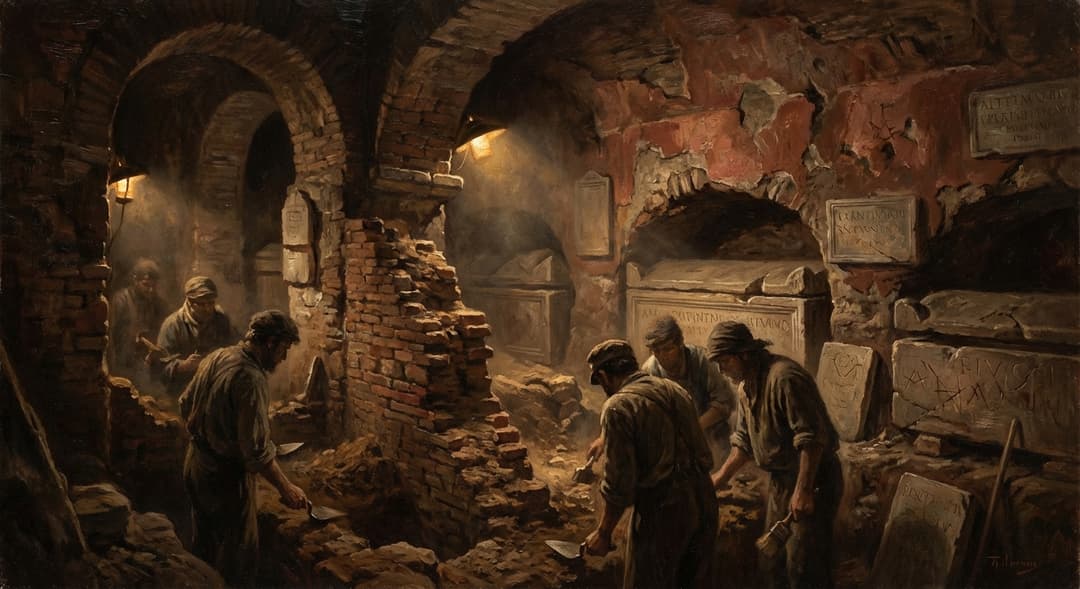 Notable Figure
 The Tomb of St. Peter: Faith Beneath the Vatican
Tracing the ancient tradition and modern archaeological search for the grave of the chief apostle beneath the high altar.
Explore Story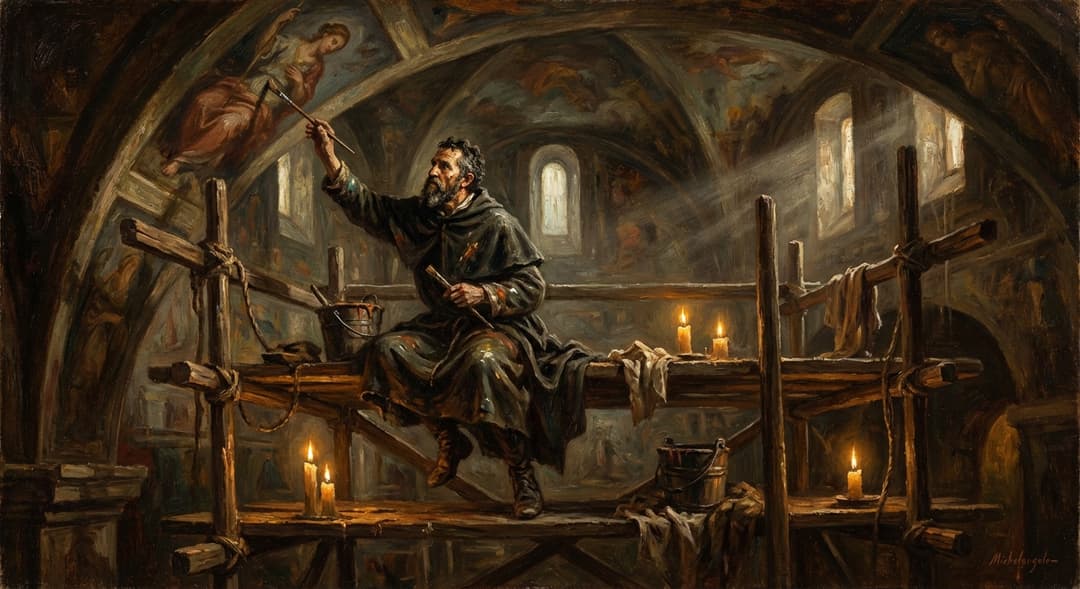 Artwork
 Michelangelo and the Sistine Chapel
The agonizing, transcendent creation of the world's most famous ceiling fresco.
Explore StoryFeatured Stories
The Construction of St. Peter's Basilica: A Testament to Faith and Art
1506–1626
The construction of the New St. Peter's Basilica was a monumental undertaking that spanned over a century and involved some of the greatest artists and architects of the Renaissance and Baroque periods. Initiated by Pope Julius II in 1506, the project aimed to replace the aging Old St. Peter's Basilica, which had stood for over a thousand years.
Donato Bramante, Raphael, Michelangelo, and Gian Lorenzo Bernini each contributed their unique talents to the design and construction of the basilica. Michelangelo's redesign of the dome and Bernini's creation of St. Peter's Square are particularly iconic elements of the Vatican. The basilica stands as a testament to the enduring power of faith and the transformative potential of art.
The completion of St. Peter's Basilica in 1626 marked a triumph of human ingenuity and a symbol of the Catholic Church's enduring legacy. The basilica continues to inspire awe and reverence in visitors from around the world, serving as a reminder of the rich history and artistic heritage of the Vatican.
Source: Vatican Archives
The Martyrdom of St. Peter: A Foundation of Faith
1st Century AD
According to tradition, St. Peter, one of Jesus's apostles and the first Pope, was martyred in Rome during the reign of Emperor Nero. He was crucified upside down, at his own request, as he felt unworthy to die in the same manner as Jesus. The location of his martyrdom is believed to be on Vatican Hill, where St. Peter's Basilica now stands.
The martyrdom of St. Peter is a foundational event in the history of the Catholic Church. His unwavering faith and ultimate sacrifice serve as an inspiration to Christians around the world. The construction of St. Peter's Basilica over his supposed tomb is a testament to the enduring significance of his life and teachings.
The legacy of St. Peter continues to shape the Catholic Church, with each successive Pope considered his successor. Vatican Hill, as the site of his martyrdom and the location of St. Peter's Basilica, remains a sacred place for Catholics and a symbol of the enduring power of faith.
Source: Early Christian Texts
The Establishment of Vatican City: A Symbol of Independence
1929
The Lateran Treaty of 1929 established Vatican City as an independent state, resolving a long-standing dispute between the papacy and the Italian government. The treaty granted the Pope sovereignty over Vatican Hill and its surrounding territory, ensuring the continued independence and autonomy of the Catholic Church.
The establishment of Vatican City was a pivotal moment in the history of the papacy, allowing the Pope to exercise his spiritual authority without interference from secular powers. Vatican City became a symbol of the Church's independence and a haven for its religious and cultural treasures.
Today, Vatican City remains the smallest independent country in the world, but its influence extends far beyond its physical boundaries. As the spiritual and administrative center of the Catholic Church, Vatican City plays a vital role in global affairs and continues to attract millions of visitors each year.
Source: Lateran Treaty Documents
Timeline
Possible Etruscan Settlement
The area may have been the site of an Etruscan town called Vaticum.
MilestoneCircus of Nero and Martyrdom of St. Peter
The Circus of Caligula (later the Circus of Nero) was constructed. It is believed that Saint Peter was martyred here during the reign of Emperor Nero.
EventConstruction of Old St. Peter's Basilica
Emperor Constantine I commissioned the building of the Old St. Peter's Basilica over the supposed tomb of St. Peter.
DedicationPapal Residence
After the fall of the Roman Empire, the hill became a preferred residence for the Popes.
MilestoneExpansion of City Walls
Pope Leo IV expanded the city walls between 848 and 852 to protect St. Peter's Basilica and the Vatican.
RenovationAvignon Papacy
Before the Avignon Papacy, the headquarters of the Holy See were located at the Lateran Palace.
EventConstruction of New St. Peter's Basilica Begins
Construction of the New St. Peter's Basilica began under Pope Julius II, replacing the deteriorating Old St. Peter's Basilica. Donato Bramante served as the primary architect.
RenovationMichelangelo Takes Over as Architect
Michelangelo took over as chief architect of St. Peter's, modifying Bramante's design and redesigning the dome.
RenovationRelocation of the Obelisk
The obelisk from the Circus of Nero was relocated to its present location in St. Peter's Square by Domenico Fontana.
EventCompletion of New St. Peter's Basilica
The New St. Peter's Basilica was completed.
DedicationLateran Treaty Establishes Vatican City
The Lateran Treaty established Vatican City as an independent state.
MilestoneCenter of the Catholic Church
Vatican Hill continues to serve as the spiritual and administrative center of the Catholic Church, attracting millions of visitors each year.
EventPreservation and Pilgrimage
Ongoing efforts to preserve the historical and artistic treasures of Vatican Hill ensure its continued significance as a place of pilgrimage and cultural importance.
EventArtistic Contributions
Throughout the centuries, numerous artists, architects, and craftsmen have contributed to the beauty and grandeur of Vatican Hill, leaving behind a legacy of artistic excellence.
EventPapal Leadership
Successive Popes have played a crucial role in shaping the history and development of Vatican Hill, each leaving their own mark on this sacred site.
EventHistory by Decade
Pre-Roman Era
Before the rise of Rome, Vatican Hill was likely associated with Etruscan settlements and religious practices. The name "Vatican" may derive from the Etruscan language, suggesting a connection to ancient deities or sacred sites. Archaeological evidence indicates that the area was inhabited long before the Roman era, with traces of early settlements and burial grounds.
1st Century AD
During the Roman Empire, Vatican Hill was the site of the Circus of Nero, a large entertainment venue where chariot races and other spectacles were held. It was also a place of persecution for early Christians, with many martyred in the arena. According to tradition, St. Peter was crucified in the Circus of Nero, marking a pivotal moment in the history of Christianity.
4th Century
Emperor Constantine I commissioned the construction of Old St. Peter's Basilica over the supposed tomb of St. Peter, transforming Vatican Hill into a center of Christian worship. The basilica became a major pilgrimage site and a symbol of the growing power of the Catholic Church. The construction of the basilica marked a turning point in the history of Vatican Hill, solidifying its status as a sacred place.
16th Century
The 16th century saw significant changes to Vatican Hill, including the beginning of construction on the New St. Peter's Basilica. The century also saw the establishment of the Swiss Guard to protect the Pope.
19th Century
The 19th century was a time of political upheaval in Italy, with the Papal States gradually being absorbed into the Kingdom of Italy. The Pope's temporal power was diminished, but his spiritual authority remained strong. The Vatican became a symbol of resistance to the unification of Italy.
20th Century
The 20th century brought significant changes to Vatican Hill, including the establishment of Vatican City as an independent state in 1929. The Lateran Treaty resolved a long-standing dispute between the papacy and the Italian government, granting the Pope sovereignty over Vatican Hill and its surrounding territory. Vatican City became a symbol of the Church's independence and a haven for its religious and cultural treasures.
Architecture & Facilities
Renaissance and Baroque architectural styles dominate Vatican Hill, with Michelangelo's iconic dome crowning St. Peter's Basilica, Bernini's sweeping colonnade encircling the piazza, and centuries of commissioned artistry creating one of the world's most recognizable sacred skylines.
Building Materials
Travertine
Travertine stone, quarried from the nearby hills, was used extensively in the construction of St. Peter's Basilica and other buildings on Vatican Hill. Its durability and aesthetic appeal made it a popular choice for both structural and decorative elements.
Marble
Marble, imported from various regions of Italy and beyond, was used for sculptures, columns, and other decorative features in St. Peter's Basilica and the Vatican Museums. Its smooth texture and varied colors added to the grandeur and beauty of the site.
Bronze
Bronze was used for the doors of St. Peter's Basilica, as well as for statues and other decorative elements. Its durability and resistance to corrosion made it a suitable material for outdoor use.
Interior Features
St. Peter's Basilica Nave
The nave of St. Peter's Basilica is a vast and awe-inspiring space, adorned with intricate carvings, sculptures, and mosaics. Its soaring height and elaborate decoration create a sense of grandeur and reverence.
Sistine Chapel
The Sistine Chapel is renowned for its stunning frescoes by Michelangelo, including the ceiling depicting scenes from the Book of Genesis and the altar wall featuring the Last Judgment. These masterpieces represent the pinnacle of Renaissance art and a profound expression of religious faith.
Vatican Museums Galleries
The Vatican Museums comprise a series of galleries housing an extensive collection of art and artifacts from various periods. These galleries showcase the rich cultural heritage of the Catholic Church and the artistic achievements of Western civilization.
Temple Grounds
The grounds of Vatican Hill include St. Peter's Square, the Vatican Gardens, and various courtyards and plazas. These spaces provide a harmonious blend of architecture, landscaping, and public gathering areas.
Religious Significance
Vatican Hill holds immense religious significance as the center of the Catholic Church and the site of St. Peter's Basilica, built over the tomb of St. Peter, one of Jesus's apostles.
The purpose of Vatican Hill is to serve as the spiritual and administrative center of the Catholic Church, promoting the teachings of Jesus Christ and providing guidance to Catholics around the world.
Sacred Ordinances
Mass
The celebration of Mass is a central ordinance in the Catholic Church, commemorating the Last Supper of Jesus Christ and offering a sacrifice of praise and thanksgiving to God.
Confession
The sacrament of confession allows Catholics to receive forgiveness for their sins and reconcile with God and the Church.
Prayer
Prayer is an essential practice for Catholics, allowing them to communicate with God, seek guidance, and express gratitude.
The Papacy
The Pope, as the successor of St. Peter, is the head of the Catholic Church and the spiritual leader of Catholics around the world. He resides in Vatican City and exercises his authority over the Church from this location.
Pilgrimage
Vatican Hill is a major pilgrimage destination for Catholics, who travel from around the world to visit St. Peter's Basilica, pray at the tomb of St. Peter, and receive blessings from the Pope. The site is a symbol of faith and a source of spiritual inspiration for millions of people.
Similar Temples

Sources & Research
Every fact on Temples.org is backed by verified Sources & Research. Each piece of information is rated by source tier and confidence level.
View All Sources (5)
| Field | Source | Tier | Retrieved |
|---|---|---|---|
| About & Historical Background | The Metropolitan Museum of Art (opens in a new tab) | A | 2024-02-29 |
| About & Historical Background | Rost Architects (opens in a new tab) | B | 2024-02-29 |
| About & Historical Background | The Archaeologist (opens in a new tab) | B | 2024-02-29 |
| About & Historical Background | Walks Insider Rome (opens in a new tab) | C | 2024-02-29 |
| Visitor Information | Grokipedia (opens in a new tab) | D | 2024-02-29 |