Visitor Insights
Visiting Church and Monastery of San Francisco
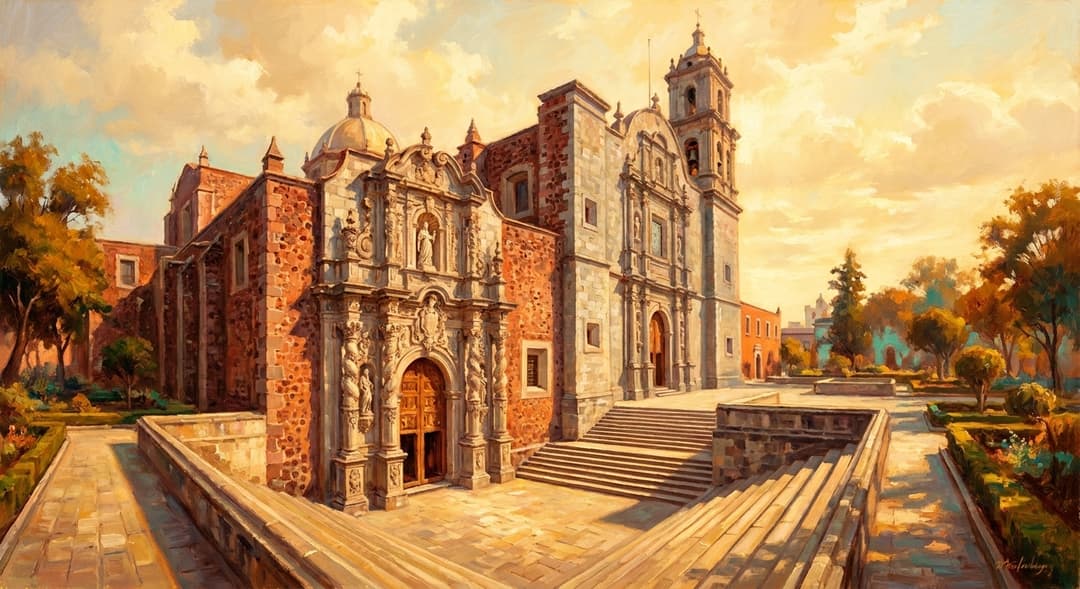
Visiting the Church of San Francisco offers a peaceful contemplative escape from the bustling pedestrian traffic of Avenida Madero. Descending into the sunken atrium highlights centuries of soil compaction while leading into an interior rich in gilded Baroque retablos and Franciscan artwork.
Highlights
- Intricate 1766 Churrigueresque Balvanera Chapel portal designed by Lorenzo Rodríguez.
- Unique sunken atrium positioned several meters below modern street level.
- Magnificent main altarpiece dedicated to the Virgin of Guadalupe.
- Carved Franciscan symbols and historic stone reliefs throughout the nave.
Things to Know
- Mass services are held daily; visitors are asked to maintain quiet reverence during liturgies.
- Entry is gained via the side Balvanera Chapel portal due to 19th-century street reorganizations.
Location
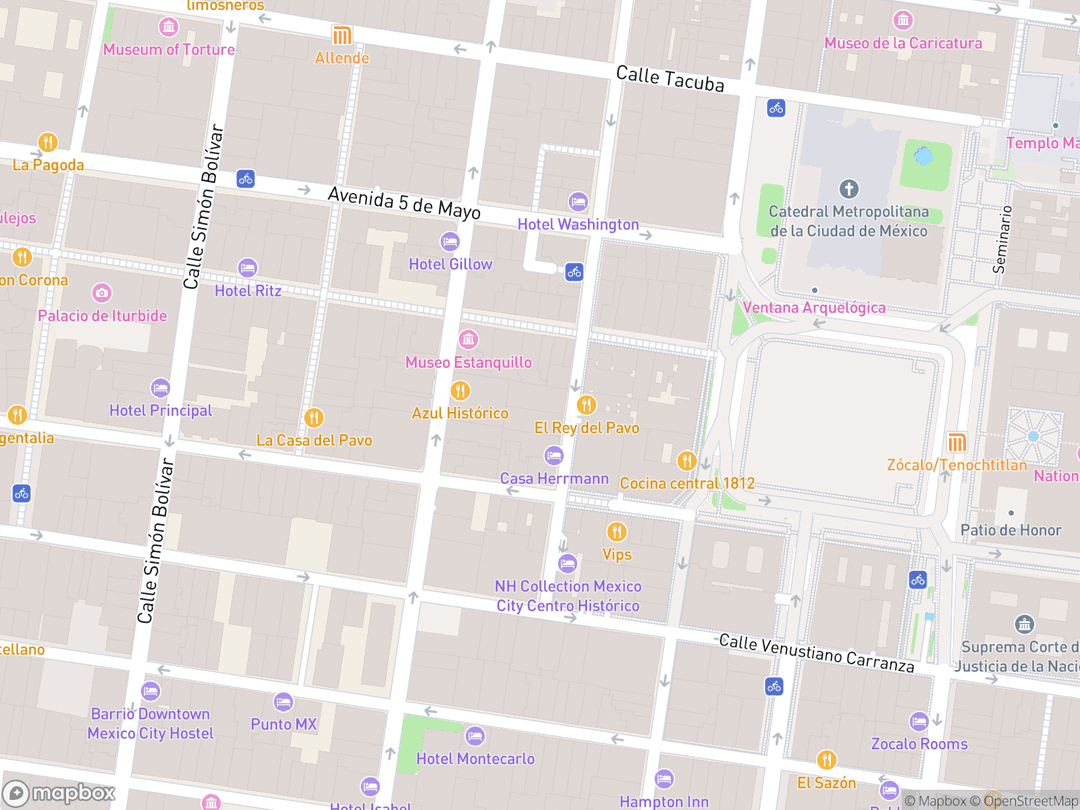
Calle Francisco I. Madero No. 7, Centro Histórico, Cuauhtémoc, 06000 Mexico City, Mexico
Hours: Daily from 8:00 AM to 8:00 PM
Getting There: Located on pedestrianized Avenida Francisco I. Madero, a short walk from Metro stations Bellas Artes (Lines 2 & 8) or Zócalo (Line 2).
Get DirectionsTips for Your Visit
Optimal Viewing Time
Visit during mid-morning on weekdays to enjoy calm lighting and quiet reflection away from weekend shopping crowds.
Explore Surrounding Traces
Look for remaining arches and stone walls of the original monastery embedded in nearby commercial shops along Calle Gante.
Respectful Photography
Photography is permitted without flash, but remain mindful of worshipers during active prayer times.
About
The Church and Monastery of San Francisco holds a monumental position in the spiritual and cultural history of the Americas. Founded in the 1520s following the Spanish conquest, this sacred site served as the primary headquarters for the Order of Friars Minor in New Spain. As part of the Christian theological tradition within the broader Abrahamic heritage, the sanctuary stands as a dedicated house of prayer centered on divine worship, the Eucharist, and communal devotion.
Constructed directly over the former zoological gardens of Aztec Emperor Moctezuma II, the monastery complex grew to become the largest in Latin America during the colonial era. The current main church structure represents the third iteration on the site, erected between 1710 and 1716 to replace earlier 16th-century buildings that had subsided into the soft, water-logged soil of Lake Texcoco.
Though much of the original 8-acre monastic compound was dismantled during the 19th-century Reform Laws, the surviving church and its stunning Churrigueresque Balvanera chapel portal remain active places of worship. Today, visitors descend stairs into a sunken atrium to step away from modern Avenida Madero into a tranquil subterranean refuge of faith and artistic grandeur.
Gallery
Symbolic Elements
The temple's exterior features intricate carvings, each rich with spiritual meaning:

Franciscan Tau Cross
Carved into stone portals as the ancient symbol of Franciscan humility and Christ's redemption.

Estipite Columns
Inverted pyramid pilasters on the Balvanera portal representing human elevation toward the divine.
Virgin of Guadalupe Retablo
The primary altar artwork framing Mary as the unifying patroness of the Americas.

Sunken Atrium Steps
The physical descent into the courtyard symbolizing a spiritual transition into subterranean peace.

Five Franciscan Wounds
Heraldic stone emblems displaying the stigmata of St. Francis of Assisi.

Tezontle Volcanic Stone
Dark reddish porous basalt walls anchoring the building into Mexico City's ancient volcanic terrain.

Chiluca Limestone Reliefs
Finely carved gray limestone accents creating sharp artistic contrast against dark volcanic masonry.
Interesting Facts
The monastery was built on grounds previously occupied by Aztec Emperor Moctezuma II's royal zoological gardens.
It served as the original headquarters for the Twelve Apostles of Mexico dispatched by Pope Adrian VI in 1524.
At its colonial peak, the monastery complex encompassed 32,224 square meters across four modern city blocks.
Due to ancient Lake Texcoco's soft lakebed, visitors descend several meters into a sunken courtyard to enter.
In 1856, Mexico's Reform Laws led to Calle de Gante being cut directly through the center of the monastic cloisters.
In the 1520s, a false funeral mass was held here for Hernán Cortés before he returned unexpectedly from an expedition.
General Agustín de Iturbide celebrated a historic independence victory Te Deum service at the church in 1821.
Vestiges of the monastery's colonial walls remain hidden inside neighboring bakeries and shops on Calle Gante.
Common Questions
Why is the entrance to the church located below street level?
Because Mexico City was built over Lake Texcoco, the massive stone church gradually settled into the soft lakebed over three centuries.
Why do visitors enter through the side Balvanera Chapel?
The original 16th-century main west entrance was blocked when neighboring monastery lands were converted into urban commercial streets in 1856.
Is the Church of San Francisco an active place of worship?
Yes, it is an active Catholic church under the Archdiocese of Mexico holding daily Mass services.
What Aztec structure originally stood on this site?
The monastery was built directly over the former royal zoological gardens of Aztec Emperor Moctezuma II.
Featured Stories
The Cradle of the Twelve Apostles
1524
In 1524, twelve Franciscan friars led by Fray Martín de Valencia arrived in New Spain after walking barefoot from Veracruz to Mexico City. Upon establishing their headquarters at San Francisco, they pioneered vocational education and open-air chapel worship, laying the foundation for Christian apostolic work across North America.
Source: Franciscan Colonial Chronicles
The Disguised Viceroy's Refuge
1629
During a political crisis between civil authorities and the Archbishop in 1629, the Viceroy Marquis of Gelves faced violent riots at his palace. Disguising himself in the humble brown habit of a Franciscan friar, he slipped through angry crowds to seek sanctuary inside the protected walls of San Francisco.
Source: Viceregal Historical Records
The Street That Cut a Monastery
1856
When Mexico's Reform Laws nationalized church property in 1856, urban planners drove Calle de Gante directly through the center of the 8-acre monastery. The sprawling cloisters were carved into individual commercial lots, leaving hidden archways and chapel walls embedded inside modern bakeries and shops.
Source: Historic Center Urban Archives
Timeline
Franciscan Land Grant
Hernán Cortés grants land to the first Franciscan friars led by Fray Martín de Valencia.
MilestoneSchool of San José Founded
Fray Pedro de Gante establishes an influential school for indigenous arts and trades.
EventViceroy Seeks Sanctuary
The Marquis of Gelves enters the monastery disguised as a friar during civil unrest.
EventViceregal Refuge
The Count of Galve and his family seek refuge inside the monastic walls during city riots.
EventReconstruction Begins
Demolition of the subsiding 16th-century church makes way for a grand Baroque sanctuary.
component.timeline.groundbreakingChurch Dedication
Master architect Pedro de Arrieta completes the new main sanctuary.
DedicationBalvanera Façade Completed
Lorenzo Rodríguez completes the ornate Churrigueresque portal for the Balvanera Chapel.
MilestoneIndependence Te Deum
Agustín de Iturbide attends a solemn victory service celebrating Mexican independence.
EventNationalization & Street Division
Reform Laws nationalize church property, opening Calle de Gante through the cloisters.
RenovationNational Historic Monument
Federal authorities designate the remaining sanctuary as a national heritage treasure.
MilestoneStructural Stabilization
Ongoing engineering initiatives stabilize the building's deep lakebed subsidence.
RenovationHistory by Decade
1520s — Foundation on Aztec Soil
Here on former Aztec grounds was planted the first seed of Franciscan faith in New Spain.
Following the fall of Tenochtitlan, Hernán Cortés granted royal lands to the first twelve Franciscan friars dispatched to the New World. Established over the site of Emperor Moctezuma II's royal zoological gardens, the original chapel became the spiritual nerve center for early apostolic work in New Spain.
1620s–1690s — Viceregal Sanctuary
Throughout the 17th century, the monastery served not only as an administrative headquarters for hundreds of friars but also as a secure sanctuary during civil turbulence. Viceroys and government leaders repeatedly sought refuge within its defensive masonry walls during floods and urban uprisings.
1710s–1760s — Baroque Masterpiece
Severe soil subsidence forced the demolition of the early structures in 1710. Master builders Pedro de Arrieta and later Lorenzo Rodríguez reshaped the site into an 18th-century Baroque masterpiece, complete with ultra-ornate Churrigueresque carving and soaring vaults.
1820s — Dawn of Independence
In September 1821, as the Army of the Three Guarantees marched into Mexico City to secure national independence, General Agustín de Iturbide paused at San Francisco to celebrate a triumphant Te Deum service, cementing the church's role in civic memory.
1850s — Exclaustration & Urban Cuts
The passage of the liberal Reform Laws in 1856 brought dramatic structural changes. The Mexican government nationalized the 8-acre monastic compound, evicted the friars, and drove Calle de Gante through the central cloisters, selling off individual parcels to private commercial owners.
1940s–2000s — Preservation & Living Faith
Recognized as a protected national monument in the 20th century, the sanctuary underwent extensive structural engineering to monitor and preserve its historical subsidence. Today, it remains an active, beloved Catholic church serving thousands of daily visitors in Mexico City's historic center.
Architecture & Facilities
The Church and Monastery of San Francisco exhibits a extraordinary synthesis of New Spanish Baroque, 18th-century Churrigueresque ultra-ornamentation, and historic monastic proportions. Built with local volcanic stone, the ensemble features dramatic contrasts between dark reddish wall surfaces and intricate stone carvings around its elevated portals.
Building Materials
Tezontle Volcanic Basalt
Porous reddish volcanic stone forming lightweight, highly durable exterior structural walls.
Chiluca Gray Limestone
Dense light gray stone used for fine decorative carving around door frames, niches, and statues.
Gilded Wood Altarpieces
Intricately carved wooden retablos covered in gold leaf framing sacred paintings inside the nave.
Stucco Decorative Reliefs
Molded interior ceiling plasterwork featuring angelic motifs and Franciscan floral emblems.
Interior Features
Single-Nave Sanctuary
An expansive vaulted central hall designed to direct congregational focus toward the main altar.
Balvanera Chapel
An ornate side chapel serving as the primary public entrance with elaborate Baroque altarpieces.
Guadalupe Retablo
A soaring gilded retablo honoring Our Lady of Guadalupe as the spiritual focus of the nave.
Historic Choir Loft
An elevated rear balcony carved from native timber where Franciscan friars chanted daily prayers.
Temple Grounds
The sanctuary is accessed via a distinct sunken atrium stepped down from pedestrianized Avenida Madero. The enclosed courtyard offers quiet stone benches and shaded arcades, surrounded by surviving colonial masonry walls.
Additional Facilities
Active parish offices, liturgical sacristy, and historical displays documenting the monastery's architectural preservation.
Religious Significance
Within Catholic theology and the broader Abrahamic tradition of consecrated sacred spaces, the Church of San Francisco stands as a place where the physical world meets divine grace. Centered on the incarnation of Jesus Christ and the celebration of the Eucharist, the church serves as an enduring house of prayer and spiritual refuge.
To offer a consecrated sanctuary for Catholic liturgical worship, the administration of sacraments, and the living expression of Franciscan humility.
Sacred Ordinances
The Holy Eucharist (Mass)
Daily sacramental celebration centered on Christ's presence in the consecrated bread and wine.
Sacrament of Reconciliation
Confessional prayer services providing personal spiritual renewal and divine forgiveness.
Franciscan Devotional Rites
Traditional prayers honoring Saint Francis of Assisi and the Marian intercession of Our Lady of Guadalupe.
Franciscan Charism in New Spain
The monastery embodies the Franciscan commitment to poverty, street-level preaching, and solidarity with the marginalized. Early friars developed adaptive cultural approaches that integrated indigenous artistic traditions into Christian liturgical life.
Sacred Continuity Across Eras
Despite centuries of urban transformation and structural subsidence, the sanctuary continues its unbroken tradition of daily prayer, welcoming thousands of urban pilgrims into its quiet subterranean embrace.
Similar Temples
Sources & Research
Every fact on Temples.org is backed by verified Sources & Research. Each piece of information is rated by source tier and confidence level.
View All Sources (5)
| Field | Source | Tier | Retrieved |
|---|---|---|---|
| About & Historical Background | Government of Mexico City (opens in a new tab) | A | 2026-02-23 |
| Visitor Insights & Access | Visit Mexico Secretariat of Tourism (opens in a new tab) | A | 2026-02-23 |
| Timeline & Key Events | Colonial Mexico Heritage Portal (opens in a new tab) | B | 2026-02-23 |
| Monastic History & Exclaustration | Wikidata Entity Knowledge Base (opens in a new tab) | B | 2026-02-23 |
| Cultural Heritage & Modern Preservation | GPSMyCity Cultural Walking Guides (opens in a new tab) | D | 2026-02-23 |