Visitor Insights
Visiting Chapel of the Holy Cross
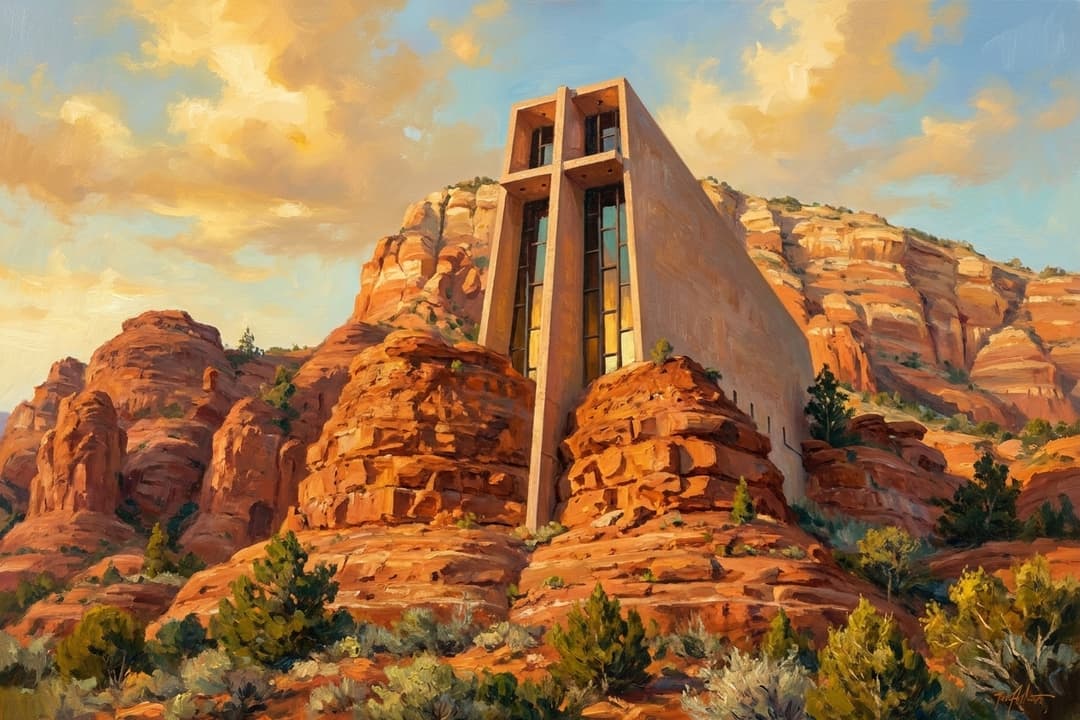
The Chapel of the Holy Cross offers a serene spiritual retreat suspended above Sedona's red rocks. Visitors can pray inside the chapel, admire sweeping high-desert vistas, or explore the lower level gift shop.
Highlights
- Sweeping views of Coconino National Forest and the Verde Valley
- The towering 90-foot structural concrete cross embedded in glass
- Serpentine outdoor entrance ramp winding up the cliff edge
- Intimate sanctuary space for prayer and quiet reflection
Things to Know
- Limited upper parking requires walking up the steep road or taking volunteer golf cart shuttles
- Sanctuary seating is restricted to 50 pews and fills quickly during peak hours
- Photography inside the sanctuary should remain quiet and respectful
Location
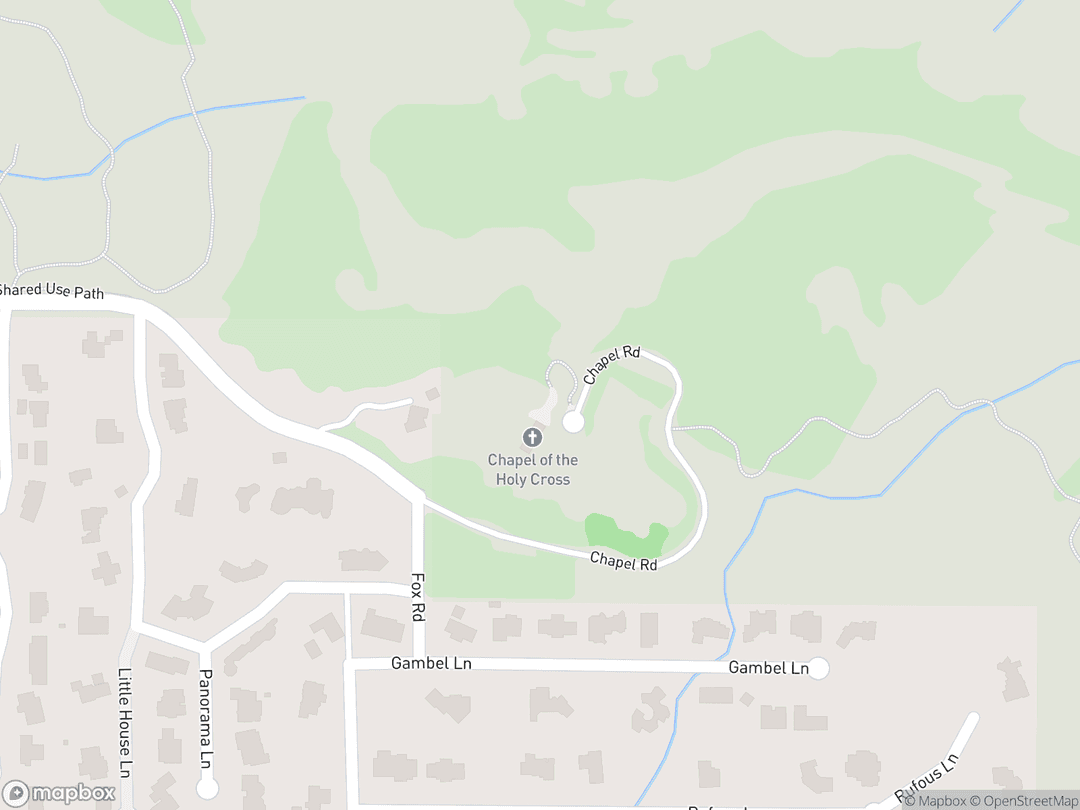
780 Chapel Road, Sedona, AZ 86336
Hours: Daily 9:00 AM – 5:00 PM; Closed Thanksgiving, Christmas, Good Friday, and Easter Sunday.
Getting There: Located at 780 Chapel Road off AZ-179, approximately 3.5 miles south of Uptown Sedona. Parking is along the serpentine road.
Get DirectionsTips for Your Visit
Arrive Early for Parking
Visit between 9:00 AM and 10:30 AM to secure upper parking and experience quiet sanctuary conditions.
Utilize Volunteer Shuttles
Church volunteers operate free golf cart shuttles from the lower parking lots up the winding steep road.
Attend Friday Mass
Catholic Mass is celebrated every Friday afternoon at 3:00 PM in the chapel interior.
About
The Chapel of the Holy Cross is a world-renowned Roman Catholic chapel built directly into the red sandstone monoliths of Coconino National Forest in Sedona, Arizona. Inspired by the Empire State Building's steel grid in 1932, sculptor Marguerite Brunswig Staude envisioned a modern cruciform sanctuary that would elevate the human spirit through nature and faith. Completed in 1956, the chapel stands as a masterwork of Mid-Century Modernist Contextualism.
Belonging to the Catholic tradition within Abrahamic monotheism, the chapel connects ancient biblical reverence for high places with the sacramental incarnation of Christ. Its soaring 90-foot concrete cross frames dramatic views of the Verde Valley, creating a sacred refuge for millions of annual pilgrims.
Gallery
Symbolic Elements
The temple's exterior features intricate carvings, each rich with spiritual meaning:
The 90-Foot Facade Cross
A massive reinforced concrete cross that serves as both the main structural frame and primary theological symbol.

Sandstone Foundation Footings
Concrete footings fused directly into 350-million-year-old rock, symbolizing faith built upon an unshakeable foundation.
Smoky Tinted Glass Wall
Tinted glass that filters bright desert sunlight, representing the divine light illuminating human darkness.
Suspended Bronze Crucifix
A central bronze figure of Christ positioned against the window, focusing devotion on the mystery of redemption.

Serpentine Ascending Ramp
A curved pedestrian walkway providing a deliberate physical journey upward from earthly valley to elevated sanctuary.
Sandblasted Aggregate Walls
Rough concrete walls colored and textured to harmonize seamlessly with Sedona's natural red monoliths.

Horn-Handled Entrance Doors
Sculpted bronze and aluminum door handles representing organic art integrated into liturgical design.
Interesting Facts
The chapel's original design was intended for a skyscraper cathedral overlooking the Danube River in Budapest, Hungary. (Tier A)
Constructing the chapel on public forest land required a special permit granted through an official Act of the U.S. Congress. (Tier A)
The giant 90-foot facade cross acts as a load-bearing structural diaphragm supporting the massive glass wall and roof assembly. (Tier A)
Concrete for the 12-inch-thick walls was mixed with local red aggregate and sandblasted to match surrounding cliff formations. (Tier B)
Building crews completed the entire cantilevered chapel structure in just 18 months at a cost of $300,000. (Tier A)
The American Institute of Architects honored the chapel with its prestigious First Honor Award in 1957. (Tier A)
Arizona citizens voted the sanctuary as one of the Seven Man-Made Wonders of Arizona in 2007. (Tier B)
The chapel was officially listed on the U.S. National Register of Historic Places on October 6, 2011. (Tier A)
Despite seating only 50 visitors inside its sanctuary nave, the shrine attracts over 3 million guests annually. (Tier A)
Common Questions
Is the Chapel of the Holy Cross an active Catholic church?
Yes, it is an active Roman Catholic chapel administered by St. John Vianney Catholic Parish in Sedona.
How much does it cost to visit the chapel?
Admission to the Chapel of the Holy Cross is free, though donations supporting maintenance are welcome.
Are Catholic Mass services held at the chapel?
Catholic Mass is celebrated inside the chapel every Friday afternoon at 3:00 PM.
Is the chapel accessible for visitors with disabilities?
Yes, the ascending entrance ramp is wheelchair accessible and volunteer golf carts shuttle guests from lower parking.
Featured Stories
An Empire State Inspiration
1932
While gazing at New York's newly built Empire State Building in 1932, sculptor Marguerite Brunswig Staude saw a giant cross in its steel framework. This striking visual epiphany inspired her lifelong quest to build a modern cruciform church. After war ruined her initial plans for Hungary, she found the perfect setting in Sedona's red rocks.
Source: Diocese of Phoenix Archives
An Act of Congress in the Desert
1953
Building a chapel atop a rugged cliff in Coconino National Forest presented unique legal and engineering hurdles. Because the chosen site was federal land, Arizona Senator Barry Goldwater sponsored an Act of Congress to secure a special-use permit. Construction proceeded swiftly as builders anchored foundation piers directly into the ancient sandstone.
Source: National Register of Historic Places Documentation
Engineering the Structural Cross
1955
Architects August Strotz and Richard Hein designed the 90-foot facade cross as a major structural load-bearing element rather than a decorative ornament. Superintendent Fred Coukos led workers in casting heavy reinforced concrete into high cliffside forms. The finished cross held the glass curtain wall firmly against high mountain wind gusts.
Source: American Institute of Architects Records
Timeline
Vision of the Cruciform Skyscraper
Marguerite Brunswig Staude envisions a modern cruciform chapel after observing the Empire State Building.
MilestoneBudapest Project Design
Staude partners with architect Lloyd Wright to design a 150-meter cathedral overlooking the Danube.
EventEuropean Project Abandoned
World War II halts construction plans in Hungary, shifting focus to the American Southwest.
EventRelocation to Sedona
Staude purchases Doodlebug Ranch in Sedona and resolves to construct her chapel in the red rocks.
MilestoneCongressional Land Permit
Senator Barry Goldwater helps secure a congressional special-use permit for federal land.
EventArchitectural Commission
San Francisco firm Anshen & Allen is selected to execute the modernist sanctuary design.
MilestoneGroundbreaking
William Simpson Construction Company begins anchoring foundations into Coconino sandstone.
component.timeline.groundbreakingChapel Dedication
The completed chapel is formally dedicated as a memorial to Lucien and Marguerite Brunswig.
DedicationAIA Award of Honor
The American Institute of Architects awards its First Honor Award to the chapel design.
EventParish Administration
Pastoral care and administration are officially transferred to St. John Vianney Catholic Parish.
EventSeven Wonders Designation
Arizona citizens vote the sanctuary as one of the Seven Man-Made Wonders of Arizona.
EventNational Register Listing
The sanctuary is listed on the U.S. National Register of Historic Places.
MilestoneHistory by Decade
1930s — Vision & European Plans
In 1932, sculptor Marguerite Brunswig Staude envisioned a modern cruciform chapel inspired by New York's Empire State Building framework. She collaborated with architect Lloyd Wright to design a massive cathedral in Budapest, Hungary. However, the outbreak of World War II in 1939 forced the permanent cancellation of the European cathedral project.
1940s — Relocation to Sedona
After purchasing the Doodlebug Ranch in Sedona in 1941, Staude fell in love with Arizona's red rock landscape. Following her mother's passing in 1946, she committed her personal inheritance to build the chapel as a family memorial in the high desert. She spent the remainder of the decade searching for the ideal sandstone cliff site.
1950s — Construction & National Acclaim
With help from Senator Barry Goldwater, an Act of Congress granted a special-use land permit in Coconino National Forest. Architectural firm Anshen & Allen designed the sanctuary, breaking ground in April 1955. Dedicated in July 1956, the $300,000 project earned the American Institute of Architects First Honor Award in 1957.
1960s–1990s — Global Pilgrimage Shrine
In 1969, formal pastoral administration of the chapel was entrusted to St. John Vianney Catholic Community in Sedona. Over subsequent decades, the sanctuary transformed from a quiet mountain chapel into an internationally celebrated site of pilgrimage and architectural study. Millions of travelers gathered annually to experience its tranquil atmosphere.
2000s–Present — Historic Preservation
Voted one of the Seven Man-Made Wonders of Arizona in 2007, the chapel gained further national recognition on October 6, 2011, when it was listed on the National Register of Historic Places. Ongoing preservation efforts continue to maintain its structural concrete, bronze sculptures, and visitor infrastructure for millions of annual guests.
Architecture & Facilities
The Chapel of the Holy Cross is a landmark example of Mid-Century Modernist Contextualism and Organic Architecture. Designed by Anshen & Allen, the sanctuary emerges directly out of a 200-foot red sandstone spur, utilizing rugged exposed-aggregate concrete and glass to seamlessly frame the surrounding desert landscape within a sacred context.
Building Materials
Coarse-Aggregate Concrete
Cast-in-place concrete mixed with local reddish stone sandblasted to match the surrounding sandstone cliff texture.
Smoky-Gray Tinted Glass
Heat-absorbing tinted glass panels that soften harsh high-desert sunbeams while framing high-desert vistas.
Trowel-Finished Concrete Floor
A dark unadorned concrete floor sloping gently downward to keep focus on the central sanctuary altar.
Bronze Entrance Doors
Custom metallic entry doors equipped with handcrafted horn-shaped handles blending organic and modernist geometry.
Interior Features
Sanctuary Nave
An intimate worship space seating 50 worshippers on wooden pews facing the dramatic glass wall cross.
Central Altar Base
A simple concrete altar table positioned directly in front of the sweeping valley landscape window.
Suspended Bronze Crucifix
A metallic Corpus sculptured figure suspended against the glass cross for prayerful reflection.
Lower Level Gift Shop
A functional visitor center located directly beneath the main nave supporting ongoing shrine maintenance.
Temple Grounds
A sweeping 250-foot curved concrete pedestrian ramp ascends the sandstone cliff edge, leading visitors from the lower driveway to the elevated chapel entrance.
Additional Facilities
The site features a lower level gift shop offering religious items, lower parking zones, and volunteer shuttle transport service.
Religious Significance
Rooted in the Christian and Abrahamic traditions, the Chapel of the Holy Cross honors the ancient practice of seeking divine connection in mountain high places. Within Catholic theology, the chapel functions as a consecrated sacramental refuge where physical creation reflects the glory of God.
To serve as a place of prayer, pilgrimage, and reflection where visitors encounter Christ's redeeming love through the symbol of the Holy Cross and the grandeur of creation.
Sacred Ordinances
The Holy Sacrifice of the Mass
Celebrated weekly on Friday afternoons, bringing the Eucharist into the physical presence of the high-desert sanctuary.
Private Prayer & Veneration
Daily opportunites for quiet contemplation, candle lighting, and adoration before the altar crucifix.
Taizé Prayer Services
Ecumenical evening prayer sessions featuring meditative chanting and scripture reading amidst soft lighting.
The Cross as Axis Mundi
The central 90-foot facade cross anchors both the physical structure and spiritual experience of the chapel. It represents Christ as the center point connecting heaven and earth, inviting all visitors into redemptive peace.
Sacramental Nature and Architecture
In Catholic doctrine, visible matter can convey invisible divine grace. By integrating raw sandstone and rough concrete, the architecture demonstrates that God's presence sanctifies the natural world.
Similar Temples
Sources & Research
Every fact on Temples.org is backed by verified Sources & Research. Each piece of information is rated by source tier and confidence level.
View All Sources (8)
| Field | Source | Tier | Retrieved |
|---|---|---|---|
| About & Historical Background | St. John Vianney Catholic Community (opens in a new tab) | A | 2026-02-18 |
| About & Historical Background | Roman Catholic Diocese of Phoenix (opens in a new tab) | A | 2026-02-18 |
| Timeline & Featured Stories | National Register of Historic Places - National Park Service (opens in a new tab) | A | 2026-02-18 |
| Architecture & Structural Details | American Institute of Architects (opens in a new tab) | B | 2026-02-18 |
| Visitor Insights & Location | USDA Forest Service - Coconino National Forest (opens in a new tab) | A | 2026-02-18 |
| Timeline & Historical Context | Arizona State Library, Archives and Public Records (opens in a new tab) | B | 2026-02-18 |
| Visitor Insights & Guidelines | St. John Vianney Parish Sedona (opens in a new tab) | A | 2026-02-18 |
| Interesting Facts & Overview | Arizona Office of Tourism (opens in a new tab) | B | 2026-02-18 |