Visitor Insights
Visiting BAPS Shri Swaminarayan Mandir, Chino Hills
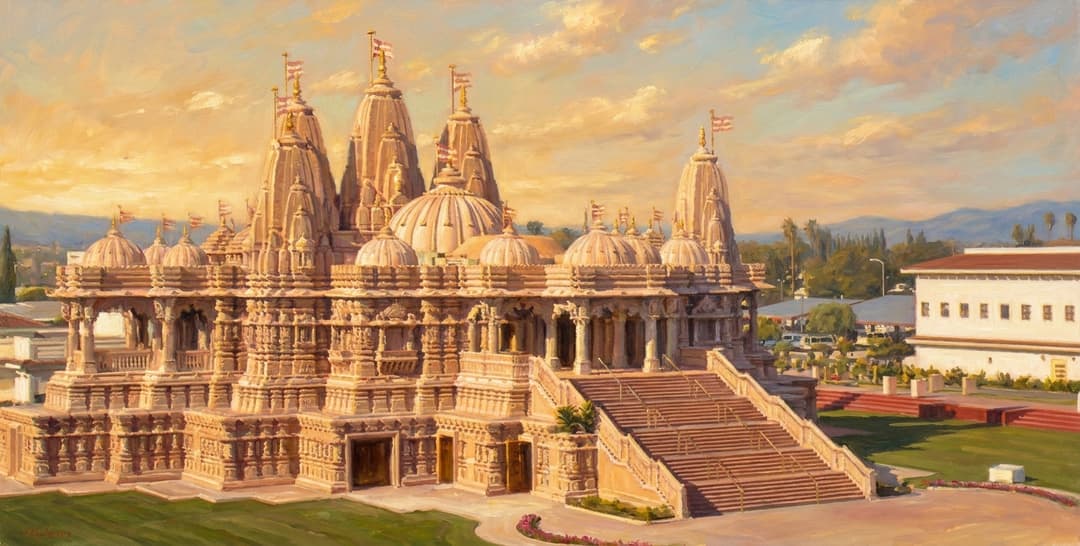
The BAPS Shri Swaminarayan Mandir offers visitors a serene atmosphere for prayer, cultural education, and visual communion (darshan). Guests can admire intricate stone and wood carvings while experiencing traditional Hindu hospitality.
Highlights
- Intricate Italian Carrara marble and pink sandstone hand-carvings
- Traditional Burmese teakwood Gujarati Haveli entrance foyer
- Lotus-shaped reflection pond and peaceful landscaped grounds
- Interactive cultural exhibition on Hindu heritage and philosophy
Things to Know
- Modest dress code required covering shoulders and knees
- Footwear must be removed before entering the upper temple grounds
- Photography is allowed outdoors but strictly prohibited inside the main sanctuary
Location
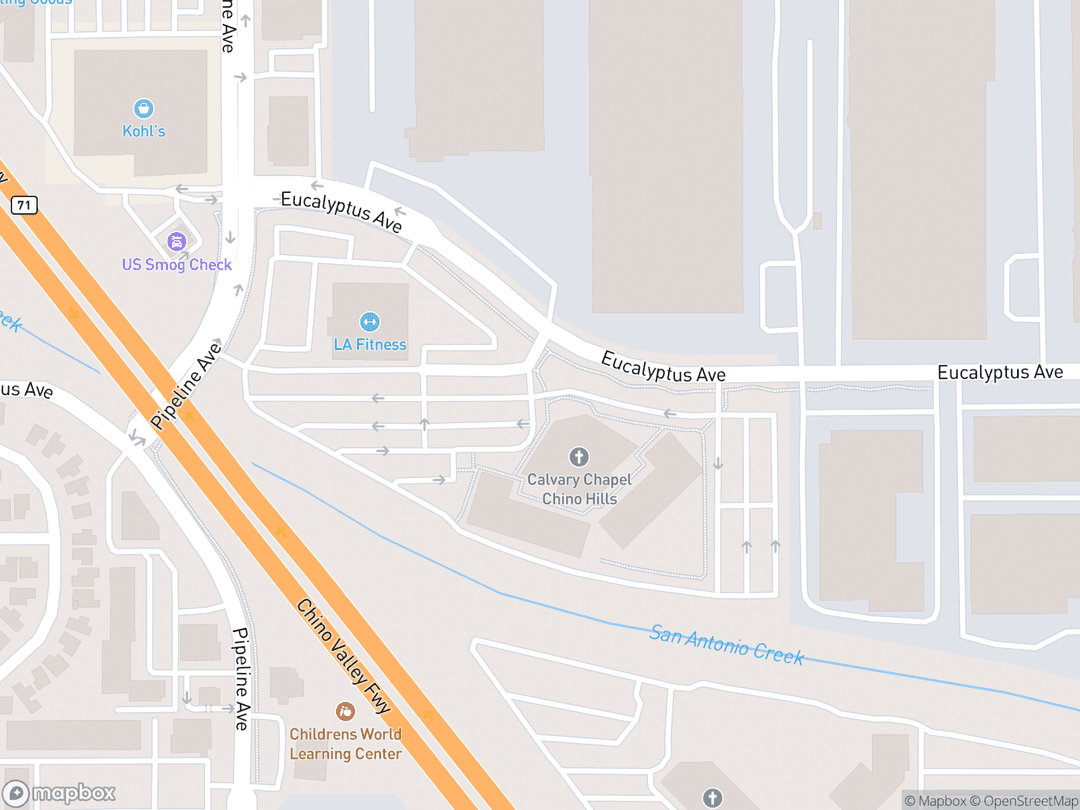
15100 Fairfield Ranch Road, Chino Hills, California 91709, USA
Hours: Grounds open daily 9:00 AM – 7:30 PM; Sacred Darshan hours daily 9:00 AM – 12:00 PM and 4:00 PM – 7:30 PM
Getting There: Located off CA-71 at Soquel Canyon Parkway in Chino Hills with ample free parking on site.
Get DirectionsTips for Your Visit
Arrive for Evening Aarti
Experience the vibrant evening lighting ritual at 7:00 PM for a memorable spiritual ceremony.
Plan for Dress Code
Ensure shoulders and knees are covered, or use complimentary shawls available at the entrance.
Enjoy Vegetarian Cuisine
Visit the on-site Shayona center for authentic Indian vegetarian snacks and sweets.
About
The BAPS Shri Swaminarayan Mandir in Chino Hills stands as an architectural and spiritual landmark in Southern California. Built according to ancient Nagara architectural canons, the mandir serves as a place of spiritual stillness, worship, and community gathering for the Hindu diaspora.
Rooted in ancient Dharmic heritage and the Akshar-Purushottam philosophy, the temple represents the earthly abode of the Divine. Constructed using hand-carved Rajasthani pink sandstone and Italian Carrara marble, it seamlessly bridges ancient Vedic sacred design with modern California seismic engineering.
Gallery
Symbolic Elements
The temple's exterior features intricate carvings, each rich with spiritual meaning:

Central Sanctum (Garbhagriha)
The sacred heart of the mandir housing consecrated divine murtis.

Five Shikharas (Spires)
Soaring stone pinnacles representing the peaks of cosmic Mount Meru.

Gajendra Elephant Frieze
A continuous band of carved elephants symbolizing stability and spiritual strength.

Lotus Reflection Pond
A 91-foot water feature signifying spiritual purity amidst worldly distractions.

Carved Toranas (Arches)
Intricate stone gateways representing the transition into a sanctified realm.

Golden Kalash Urns
Sacred urns crowning the spires symbolising spiritual perfection and divine grace.

Burmese Teakwood Haveli
Hand-carved wooden entrance complex reflecting traditional Gujarati domestic architecture.
Interesting Facts
The mandir is the world's first traditional load-bearing stone Hindu temple constructed with a seismic base-isolation system. (Tier A)
Over 35,000 individual pieces of hand-carved sandstone and marble were numbered and assembled on site without structural steel rebar. (Tier A)
More than 900 local volunteers contributed 1.3 million man-hours during the assembly of the campus. (Tier A)
The concrete foundation slab incorporates non-corrosive fiberglass rebar designed to last for a projected 1,000 years. (Tier B)
A 597 kW solar power system provides clean renewable energy across the 20-acre complex. (Tier A)
His Holiness Pramukh Swami Maharaj consecrated the divine murtis five years before the stone mandir was fully completed. (Tier A)
Italian Carrara marble was shipped to India for hand-carving before arriving in California for assembly. (Tier B)
A 91-foot lotus-shaped reflection pond welcomes visitors as they approach the main grand entrance staircase. (Tier B)
Common Questions
What are the visiting hours for the Chino Hills Mandir?
The grounds are open daily from 9:00 AM to 7:30 PM, with sacred Darshan available during morning and evening windows.
Is there a dress code for visiting the temple?
Yes, modest attire covering shoulders and knees is strictly required for all visitors entering the complex.
Are photos allowed inside the stone mandir?
Photography is allowed on outdoor grounds and inside the Haveli foyer, but strictly prohibited inside the main stone sanctuary.
How is the temple engineered against earthquakes?
The upper stone building rests on 40 base isolators that decouple it from foundation movement during seismic activity.
Featured Stories
Bridging Sacred Tradition and Modern Earthquake Engineering
2008–2012
To reconcile ancient Shilpa Shastra rules forbidding steel rebar with California seismic codes, engineers installed 40 base isolators beneath the upper temple structure. This innovation created the world's first traditional floating stone mandir capable of sliding safely during major earthquakes. The structural achievement guarantees a projected 1,000-year lifespan while maintaining strict adherence to sacred Vedic building canons.
Source: BAPS Swaminarayan Sanstha
A Mosaic of 1.3 Million Volunteer Hours
2007–2012
Over 900 local volunteers contributed more than 1.3 million man-hours to assemble the mandir like a complex 3D puzzle. Second-generation Indian Americans, students, and retirees worked alongside master artisans to unpack and place 35,000 numbered stone pieces shipped from India. Their selfless devotion transformed raw pink sandstone and Carrara marble into a living community sanctuary.
Source: BAPS Swaminarayan Sanstha
Pre-Completion Consecration by Pramukh Swami Maharaj
2007
During his 2007 visit to Southern California, His Holiness Pramukh Swami Maharaj performed the Murti Pratishtha ceremony inside the wooden Haveli. This marked the first time in BAPS history that divine murtis were consecrated five years prior to the completion of their permanent stone sanctuary. Devotees lovingly worshiped the murtis in the Haveli until they were moved into the finished stone mandir in 2012.
Source: BAPS Swaminarayan Sanstha
Timeline
First Regional Center
Pramukh Swami Maharaj inaugurated the region's first BAPS mandir in Whittier, California.
Chino Hills Property Acquisition
Pramukh Swami Maharaj sanctified the newly acquired 20-acre property in Chino Hills.
City Approval Granted
BAPS secured municipal approvals for traditional shikharas following dialogue with city officials.
Haveli Opening & Murti Pratishtha
Pramukh Swami Maharaj consecrated the divine murtis inside the newly finished wooden Haveli.
Stone Carving Underway
Over 1,500 artisans in India began hand-carving 35,000 pieces of sandstone and marble.
Grand Mandir Dedication
Senior BAPS sadhus and civic leaders formally dedicated the completed stone mandir complex.
Humanitarian Relief Efforts
The mandir served as a regional COVID-19 vaccination clinic and food distribution hub.
History by Decade
1970s–1980s — Early Foundations
Spiritual assemblies began in private Southern California homes following visits from Pramukh Swami Maharaj. In 1984, the congregation opened a permanent center in Whittier to serve expanding families.
1990s–2000s — Vision and Planning
To accommodate a growing community, BAPS acquired 20 acres in Chino Hills in 2000. Navigating strict local height rules, volunteers collaborated with city planners to allow traditional spires, culminating in the 2007 Haveli opening.
2010s–Present — Dedication and Service
The stone mandir opened in December 2012 after 1.3 million hours of volunteer service. Today, the solar-powered campus actively supports worship, youth education, and community humanitarian relief.
Architecture & Facilities
The BAPS Shri Swaminarayan Mandir in Chino Hills is designed in the traditional Nagara style of Northern India, strictly following the sacred rules of the ancient Shilpa Shastras. The load-bearing masonry contains no structural steel rebar, relying instead on interlocking stone joints, gravity, and precise friction.
Building Materials
Exterior Sandstone
Hand-carved pink sandstone sourced from Bansipaharpur quarries in Rajasthan, India.
Interior Marble
High-grade white Carrara marble imported directly from historic Italian quarries.
Foundation Concrete
A three-foot solid concrete slab reinforced with non-corrosive fiberglass rebar.
Base Isolators
Forty seismic base-isolation units that decouple the upper temple from earth movement.
Interior Features
Garbhagriha (Sanctum Sanctorum)
The inner shrine featuring ornate Carrara marble work housing the consecrated murtis.
Pratharna & Nrutya Mandaps
Carved marble assembly domes framed with delicate lace-like ceiling patterns.
Carved Toranas
Seamless archways suspended between carved pillars symbolizing divine transitional gateways.
Gujarati Haveli Foyer
A courtyard entrance built with hand-carved Burmese teakwood depicting traditional motifs.
Temple Grounds
The 20-acre complex includes a 91-foot lotus-shaped reflection pond, manicured garden walkways, an interactive cultural exhibit, a sports gymnasium, and a 597 kW solar power system.
Additional Facilities
Features a multi-purpose cultural hall, language classrooms, a vegetarian food hall (Shayona), and extensive visitor infrastructure.
Religious Significance
In classical Hindu theology, a mandir is the earthly abode of the Divine (Prasada), designed as a physical representation of the cosmic form. The Chino Hills Mandir offers a consecrated venue for visual communion with God (Darshan) and devotional service.
To serve as a place of spiritual reflection, moral upliftment, and devotion to God based on the Akshar-Purushottam philosophy taught by Bhagwan Swaminarayan.
Sacred Ordinances
Murti Pratishtha
The sacred Vedic ritual invoking divine presence into hand-carved murtis.
Aarti Ceremony
Daily light offering accompanied by music and prayers expressing spiritual gratitude.
Darshan
The reverent act of seeing and being seen by divine murtis in a peaceful setting.
Seva (Selfless Service)
Offering voluntary labor for temple operations and community welfare as devotional practice.
Akshar-Purushottam Darshana
Rooted in the Upanishads and codified by Bhagwan Swaminarayan, this philosophy teaches that a seeker must realize their spiritual self (Akshar) to offer pure devotion to the Supreme Being (Purushottam).
Dharmic Heritage in Modern Life
The mandir anchors core Dharmic principles—such as non-violence, truth, family harmony, and interfaith respect—within contemporary Southern California society.
Similar Temples
Sources & Research
Every fact on Temples.org is backed by verified Sources & Research. Each piece of information is rated by source tier and confidence level.
View All Sources (5)
| Field | Source | Tier | Retrieved |
|---|---|---|---|
| About & Historical Background | BAPS Swaminarayan Sanstha (opens in a new tab) | A | 2026-02-21 |
| Architecture & Engineering | BAPS Swaminarayan Sanstha (opens in a new tab) | A | 2026-02-21 |
| Visitor Insights & Overview | BAPS Swaminarayan Sanstha (opens in a new tab) | A | 2026-02-21 |
| Community & History | BAPS Swaminarayan Sanstha (opens in a new tab) | A | 2026-02-21 |
| Religious Significance | India West Regional Coverage (opens in a new tab) | B | 2026-02-21 |