Visitor Insights
Visiting Redlands California Temple
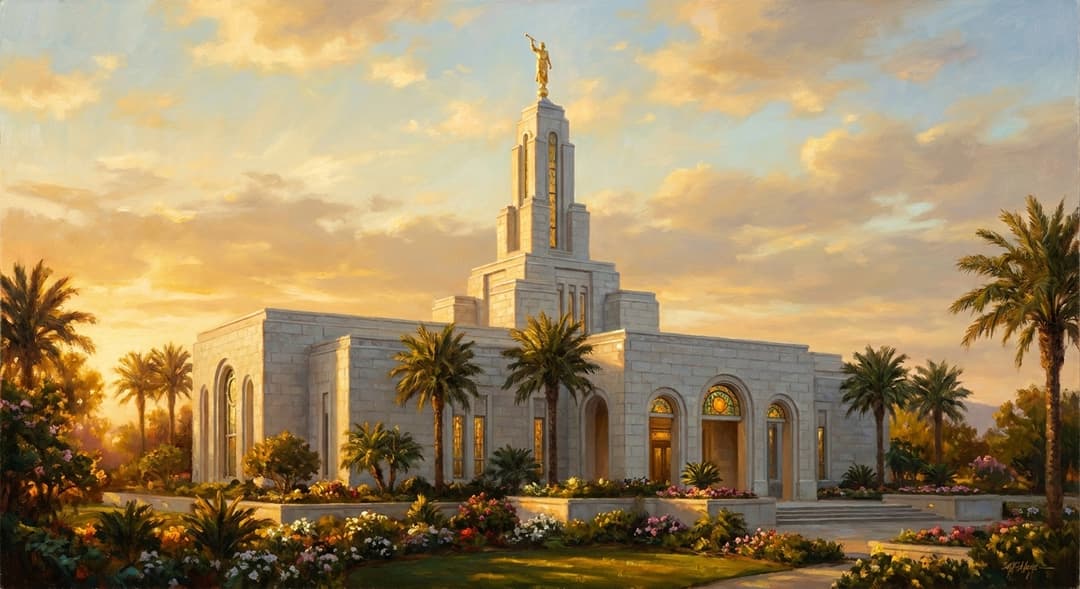
The Redlands California Temple welcomes visitors to stroll its peaceful grounds lined with palm trees and native flora. While indoor access is reserved for recommend-holding members, the peaceful courtyards offer an inspiring setting for contemplation.
Highlights
- Soaring 130-foot central tower crowned with the gold-leafed Angel Moroni statue.
- Courtyard reflection fountain flanked by native California fan palms.
- Historic citrus heritage reflected in subtle architectural and landscape details.
Things to Know
- Interior ordinance rooms are open exclusively to endowed church members.
- Photography is welcomed on the grounds, but restricted inside the building.
- Spring visits offer blossoming orange groves and vivid flower garden displays.
Location
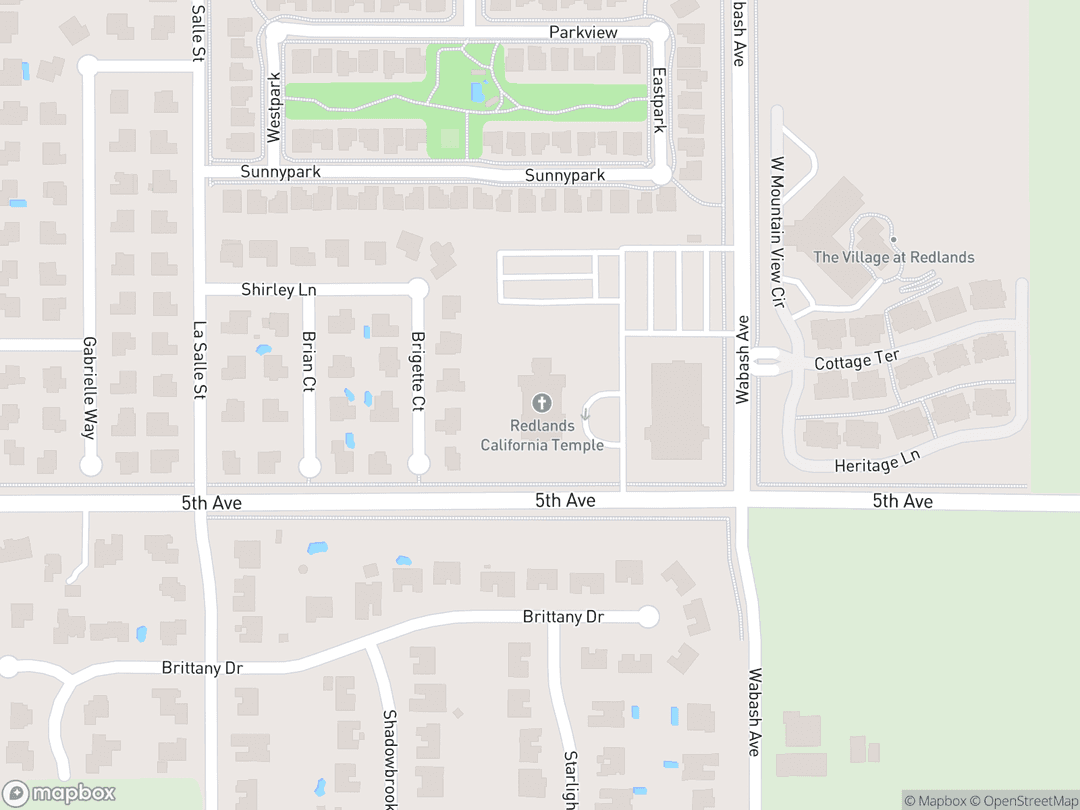
1761 5th Avenue, Redlands, CA 92374
Hours: Grounds open daily during daylight hours. Ordinance schedule varies Tuesday through Saturday.
Getting There: Located in East Redlands near Interstate 10. Exit Cypress Avenue or University Street and proceed south to 5th Avenue.
Get DirectionsTips for Your Visit
Optimal Photo Times
Visit during golden hour when warm sunlight illuminates the light gray granite exterior.
Springtime Fragrance
Plan a visit in March or April to experience the sweet aroma of blooming orange blossoms.
Visitor Etiquette
Maintain a reverent atmosphere while walking the pathways and viewing the reflection fountain.
About
The Redlands California Temple stands as a sacred sanctuary of worship serving members of The Church of Jesus Christ of Latter-day Saints across the Inland Empire. As a dedicated house of the Lord, the temple serves as a holy space where believers make sacred covenants and perform saving ordinances.
Constructed on land formerly occupied by commercial orange groves, the temple integrates local history with eternal spiritual symbolism. Over 15,000 members contributed gathered granite rocks for its exterior, symbolizing unity and devotion across generations of faithful Saints.
As the 116th operating temple of the Church, the edifice fulfills a century-and-a-half vision begun when early pioneer settlers first established a community in the San Bernardino Valley in 1851.
Gallery
Symbolic Elements
The temple's exterior features intricate carvings, each rich with spiritual meaning:

Angel Moroni Statue
The gold-leafed statue atop the spire symbolizes the everlasting gospel proclaimed to all nations in fulfillment of Revelation 14:6.

Community-Donated Granite Cladding
Incorporating rocks gathered by members reflects 1 Peter 2:5, symbolizing believers as living stones built upon Christ.

California Fan Palms
Palms signify victory and righteousness in Christian tradition, while representing the contributions of local youth.

Citrus and Floral Stained Glass
Subtle orange blossom motifs pay homage to regional heritage while symbolizing spiritual fruitfulness.

Baptismal Font Resting on Twelve Oxen
Twelve oxen supporting the font echo Solomon's Temple and symbolize the Twelve Tribes of Israel.
Historic First Vision Stained Glass
The restored 1930 glass art depicts Joseph Smith's prayer, symbolizing the dawn of the Gospel Restoration.

Celestial Room Chandelier
The radiant central chandelier symbolizes the divine light and peace of Jesus Christ in God's presence.
Interesting Facts
The temple stands on land linked to an 1852 plan where pioneers designated a block for a future temple. (Tier A)
Guests at the 2001 groundbreaking were served fresh orange juice made from trees cleared on-site. (Tier A)
Over 15,000 members contributed granite stones, including rocks from an 1851 pioneer camp at Devore. (Tier A)
Local Primary children saved personal pennies to purchase the fan palm trees lining the grounds. (Tier A)
The foyer features a rescued and restored 1930 leaded stained-glass window depicting the First Vision. (Tier A)
It was announced on April 21, 2001, alongside two other California temples in Newport Beach and Sacramento. (Tier A)
Nearly 100 direct descendants of the 1851 San Bernardino pioneer company attended the 2003 open house. (Tier B)
It was the fifth temple constructed in California and the first in the Inland Empire region. (Tier A)
Common Questions
Can non-members visit the Redlands California Temple?
Visitors of all faiths are welcome to walk the exterior grounds, gardens, and view the reflection fountain during daylight hours.
What makes the Redlands temple exterior unique?
The light gray granite exterior incorporates crushed rocks donated by over 15,000 local church members, including stones from an 1851 pioneer campsite.
What historic artifact is inside the temple?
The entry foyer features a fully restored 1930 leaded stained-glass window depicting the First Vision, rescued from an earlier San Bernardino chapel.
Why were orange trees significant to this temple?
The temple was built on a former commercial citrus grove, and fresh orange juice harvested from the site was served at the 2001 groundbreaking.
Featured Stories
Fulfillment of a Pioneer Vision
2003
When Latter-day Saint pioneers settled the San Bernardino Valley in 1851, town planners designated a central city block specifically for a future temple. Recalled to Utah in 1857, those early Saints left the site undeveloped for over a century. The 2003 dedication of the Redlands temple fulfilled that long-cherished pioneer hope.
Source: Church History Department
The Living Stones of Devore
2003
During construction, over 15,000 members across the temple district gathered granite stones from local canyons, including the 1851 Devore pioneer campsite. These rocks were crushed and mixed into the rock-faced exterior cladding. This collective effort created a physical monument of living faith and community devotion.
Source: Church News Archives
Preserving the First Vision Window
2003
Crafted during the Great Depression for a chapel in San Bernardino, a prized leaded stained-glass window depicting the First Vision was carefully preserved when the building was sold. Artisan John Heiss painstakingly restored the glass art for installation in the temple lobby. Today, it greets every visitor with an inspiring link to regional heritage.
Source: San Bernardino Sun Records
Timeline
San Bernardino Pioneer Colony Established
Brigham Young sends nearly 500 pioneers to establish a community in Southern California.
MilestoneTemple Block Designated
Town planners reserve a central block in San Bernardino specifically for a future temple.
MilestoneSan Bernardino Chapel Dedicated
A landmark chapel featuring custom leaded First Vision stained glass is constructed.
MilestoneTemple Announced
President Gordon B. Hinckley officially announces the intent to build the Redlands temple.
MilestoneGroundbreaking Ceremony
Elder Dieter F. Uchtdorf presides over the groundbreaking in a former orange grove.
component.timeline.groundbreakingAngel Moroni Installed
A 13.5-foot gold-leafed Angel Moroni statue is lifted atop the 130-foot tower.
MilestonePublic Open House Begins
Over 140,000 community members and visitors tour the newly completed sanctuary.
EventTemple Dedicated
President Gordon B. Hinckley dedicates the temple across four solemn sessions.
DedicationHistory by Decade
1850s
In 1851, Brigham Young dispatched 500 pioneers to establish a settlement in Southern California. The colonists purchased Rancho San Bernardino and designated a site for a future temple before being recalled to Utah during the 1857 Utah War.
1930s
Local Latter-day Saints constructed a landmark chapel in San Bernardino in 1930. Members raised funds during the Great Depression to commission custom stained-glass windows, including a prominent First Vision depiction.
2000s
President Gordon B. Hinckley announced the Redlands temple in 2001, with groundbreaking held in a former orange grove later that year. Dedicated in September 2003, it became the 116th operating temple worldwide.
2010s
The temple serves tens of thousands of Saints across San Bernardino and Riverside counties. Following brief operational adjustments during 2020, the sanctuary continues its full spiritual ministry.
Architecture & Facilities
The Redlands California Temple exhibits a Classic Modern design blended with Southern California Spanish Colonial Revival aesthetics. Its light gray rock-faced granite facade provides a textured appearance that pays homage to regional pioneer stonemasonry, while clean vertical lines emphasize its sacred character.
Building Materials
Exterior Cladding
Light gray rock-faced granite incorporating member-donated local stones.
Spire & Finial
Tapered stepped tower topped by a 13.5-foot gold-leafed fiberglass Moroni statue.
Windows
Custom leaded art glass featuring floral and citrus fruit motifs.
Interior Trim
Deep natural hardwood millwork paired with imported stone floor tile.
Interior Features
Entrance Foyer
Features a restored 1930 leaded stained-glass window depicting Joseph Smith's First Vision.
Instruction Rooms
Two progressive rooms embellished with hand-painted murals of local landscapes.
Sealing Rooms
Three rooms equipped with sacred altars and facing mirrors reflecting eternity.
Celestial Room
A serene space designed with high ceilings, plush cream carpeting, and crystal chandeliers.
Temple Grounds
Occupying 4.6 acres in East Redlands, the grounds integrate native California fan palms, manicured floral displays, and a stone-lined reflection fountain.
Additional Facilities
An adjacent stake center provides administrative facilities, meeting halls, and visitor parking.
Religious Significance
For members of The Church of Jesus Christ of Latter-day Saints, the Redlands California Temple is a holy house of God set apart from the worldly sphere. Within Latter-day Saint theology, the temple is where essential gospel ordinances are solemnized for eternity.
To serve as a sacred house of the Lord for making divine covenants, uniting families for eternity, and experiencing heavenly peace.
Sacred Ordinances
Baptism for the Deceased
Proxy baptisms performed in an immersion font supported by twelve carved oxen.
Initiatory & Endowment
Sacred instructional rites where members receive spiritual guidance and make personal covenants with God.
Marriage Sealing
Holy ceremonies uniting husbands, wives, and families for eternity under priesthood authority.
Sacred Space and Eternal Covenants
Latter-day Saint temples continue the biblical concept of designated holy ground. Through Christ-centered worship and covenants, members seek higher spiritual devotion and deeper unity with God.
Similar Temples
Sources & Research
Every fact on Temples.org is backed by verified Sources & Research. Each piece of information is rated by source tier and confidence level.
View All Sources (8)
| Field | Source | Tier | Retrieved |
|---|---|---|---|
| About & Historical Background | The Church of Jesus Christ of Latter-day Saints (opens in a new tab) | A | 2026-02-17 |
| Dedication & Open House Details | The Church of Jesus Christ of Latter-day Saints (opens in a new tab) | A | 2026-02-17 |
| Pioneer History & Land Records | Church History Department (opens in a new tab) | A | 2026-02-17 |
| Architectural & Construction Specs | Church News (opens in a new tab) | B | 2026-02-17 |
| Inland Empire Cultural Heritage | City of Redlands (opens in a new tab) | B | 2026-02-17 |
| Stained Glass Preservation History | San Bernardino Sun (opens in a new tab) | B | 2026-02-17 |
| Temple Data Aggregation | ChurchofJesusChristTemples.org (opens in a new tab) | C | 2026-02-17 |
| San Bernardino Pioneer Colony Records | City of San Bernardino Historical Society (opens in a new tab) | B | 2026-02-17 |