Visitor Insights
Visiting Sacramento California Temple
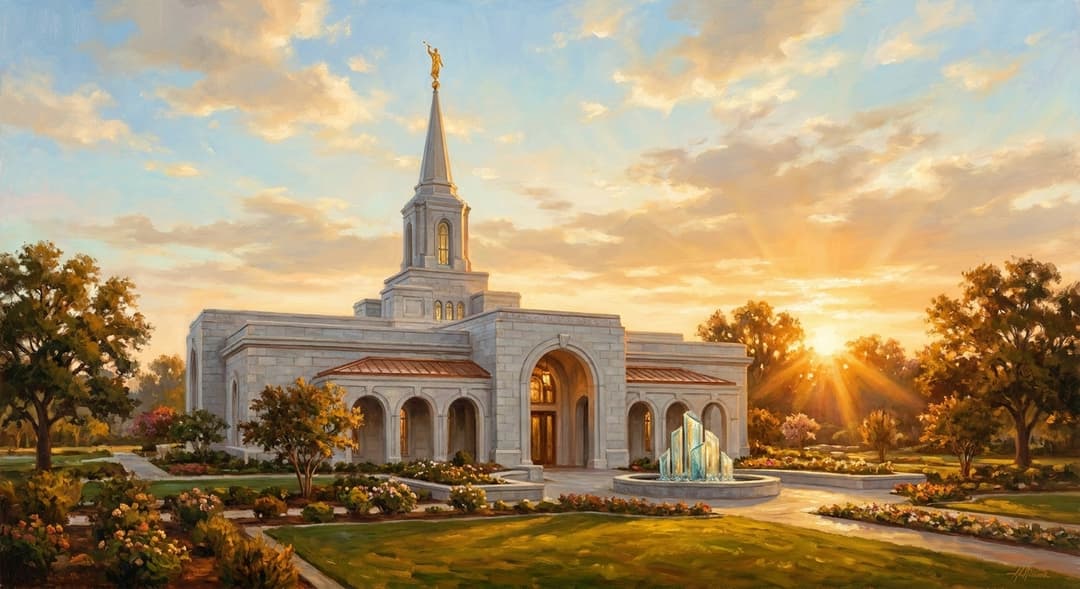
Visitors to the Sacramento California Temple grounds enjoy serene walking paths framed by native California white oak trees, formal floral beds, and quiet reflections near Lake Natoma. The peaceful hilltop offers sweeping sunset views toward the Sierra Nevada foothills.
Highlights
- Native California oak grove and surrounding 46-acre parkland.
- Central entrance water feature and open arched colonnades.
- Elevation overlooking the American River and Lake Natoma.
Things to Know
- Exterior grounds are open daily from sunrise to dusk for quiet reflection.
- Interior ordinance rooms are reserved for Church members with valid temple recommends.
- Sundown and golden hour present ideal conditions for photography.
Location
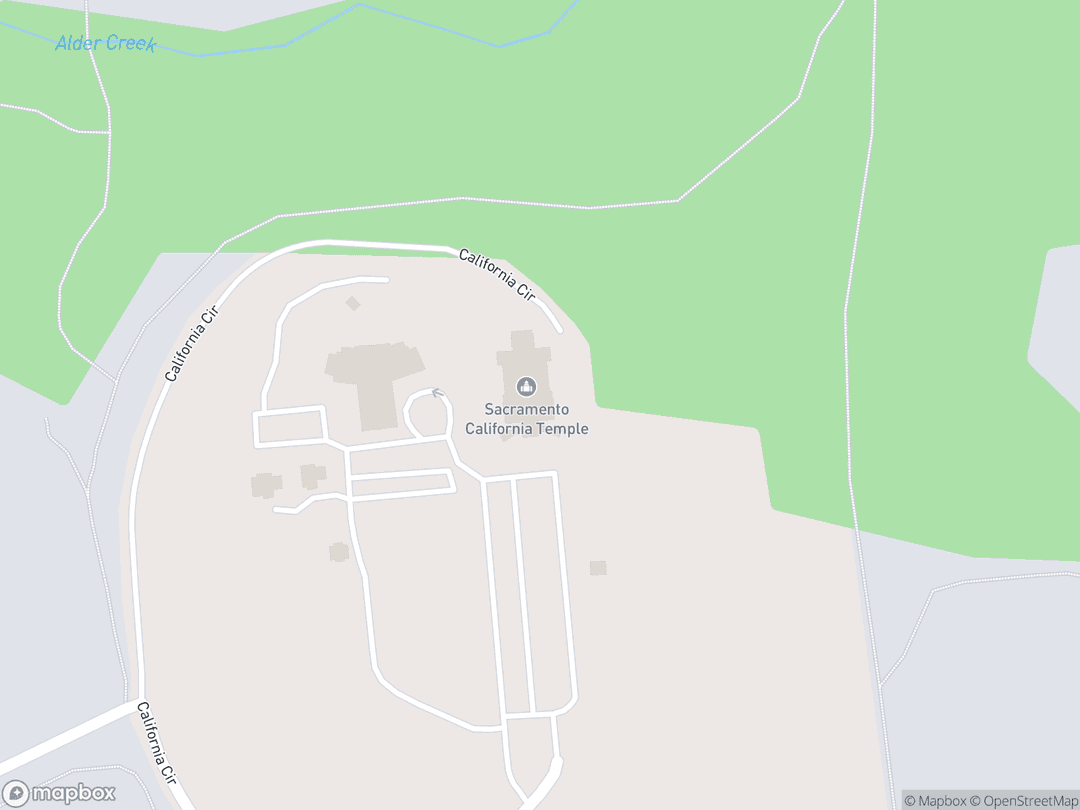
2110 California Circle, Rancho Cordova, California 95742, USA
Hours: Grounds open daily sunrise to dusk; interior operations vary by schedule.
Getting There: Located off US Highway 50 in Rancho Cordova, approximately 20 miles east of downtown Sacramento.
Get DirectionsTips for Your Visit
Grounds Exploration
Take time to walk the shaded paths through the native oak trees surrounding the temple entry.
Photography Spot
The main entrance plaza framed by the water feature and arched colonnades offers excellent photos.
About
The Sacramento California Temple serves as a sacred sanctuary for Latter-day Saints across northern and central California. Situated within the broader Christian and Abrahamic traditions, Latter-day Saints affirm Jesus Christ as the Son of God and Redeemer of the world. Temple worship connects with biblical precedents such as the ancient Tabernacle of Moses and Solomon's Temple, creating a consecrated space set apart from the secular world for divine communion.
Dedicated in 2006 by Church President Gordon B. Hinckley, the temple stands on a hilltop site in Rancho Cordova overlooking Lake Natoma. While public meetinghouses host weekly Sunday services, this temple is reserved for sacred sacraments known as ordinances, including family sealings and vicarious baptisms, reflecting the theological conviction that Christ's redeeming grace extends across all generations.
Gallery
Symbolic Elements
The temple's exterior features intricate carvings, each rich with spiritual meaning:

Angel Moroni Statue
The gilded heraldic trumpeter atop the spire symbolizes the restoration of the everlasting gospel.

Sierra Nevada Landscape Mural
Hand-painted interior artwork connects worshippers to local geography and divine natural creation.

Entrance Water Feature
Flowing water at the entry plaza represents spiritual renewal, cleansing, and Jesus Christ as living water.

Native Oak Motifs
Carved details and glass art evoke native California white oaks, echoing ancient biblical botanical symbolism.

Arched Colonnade Entry
Open arched walkways create a reverent transition space between outer grounds and the sacred temple.

Temple White Chinese Granite
Precision-crafted light gray stone panels symbolize enduring purity, strength, and sacred permanence.

Custom Botanical Glassware
Art glass incorporating green and gold hues filters light into the interior while honouring local flora.
Interesting Facts
The temple sits on a 46-acre site formerly developed as an employee recreation park for Aerojet General Corp. (Tier A)
President Gordon B. Hinckley announced the Sacramento Temple simultaneously with temples in Newport Beach and Redlands. (Tier A)
To accommodate neighbor requests, architects reduced the building size from 50,000 to 19,500 square feet and lowered the spire by 20 feet. (Tier B)
The exterior granite was quarried and precision-cut in Fuzhou, China under the trade name 'Temple White.' (Tier B)
An interior instruction room features a custom hand-painted mural illustrating the local Sierra Nevada mountain range. (Tier B)
Over 5,000 Latter-day Saint youth participated in a cultural celebration at ARCO Arena prior to the dedication. (Tier A)
President Gordon B. Hinckley presided over both the groundbreaking and dedication at the age of 96. (Tier A)
The hilltop elevation offers clear views across Lake Natoma and the American River toward the Sierra Nevada foothills. (Tier B)
Common Questions
Who can enter the Sacramento California Temple?
The outdoor grounds are open to everyone, while interior sacred spaces are reserved for Church members holding a current temple recommend.
Why was the temple size reduced during planning?
Church leaders adjusted the design to 19,500 square feet and lowered the spire height to harmonize with surrounding neighbors and native oak trees.
What materials were used on the exterior?
The outer walls are constructed from precision-cut 'Temple White' granite imported from Fuzhou, China.
What is the historical significance of the location?
The temple stands near the western terminus of the historic 1848 Mormon Emigrant Trail in northern California.
Featured Stories
Community Collaboration and Design Revisions
2002–2004
When initial plans proposed a 50,000-square-foot temple on the Rancho Cordova hilltop, local residents expressed concerns about height and surrounding native oak groves. Church architects actively engaged municipal leaders and neighbors, revising the design down to a streamlined 19,500-square-foot footprint and lowering the spire by 20 feet. This collaborative spirit fostered lasting goodwill and ensured the structure integrated gracefully into the local landscape.
Source: Church News & Rancho Cordova Planning Records
Historic Pioneer Heritage on the Emigrant Trail
1848–2006
Following the 1848 discovery of gold at Sutter's Mill, veterans of the Mormon Battalion helped blaze the 70-mile Mormon Emigrant Trail over the Sierra Nevada. Over a century later, a holy temple was dedicated near the terminus of that historic pioneer trail. The sacred site stands as a modern monument to the faith, sacrifice, and enduring legacy of California's early Latter-day Saint pioneers.
Source: LDS Church History Department
Dedication and ARCO Arena Youth Celebration
September 2, 2006
On the eve of the temple dedication, more than 5,000 young Latter-day Saints gathered at ARCO Arena in Sacramento for a memorable cultural performance. Aged 96, President Gordon B. Hinckley attended the energetic celebration before formally dedicating the temple the following morning. The gathering highlighted a vibrant young generation eager to engage in sacred worship.
Source: Church Newsroom
Timeline
Mormon Emigrant Trail
Latter-day Saint pioneer veterans blaze a road through northern California following gold discoveries.
MilestoneLand Acquisition
The Church purchases a 47-acre hilltop corporate recreational property from Aerojet General Corp.
MilestoneTemple Announcement
President Gordon B. Hinckley formally announces plans for a temple in Sacramento.
MilestoneGroundbreaking Ceremony
President Gordon B. Hinckley presides over the site dedication and groundbreaking.
component.timeline.groundbreakingPublic Open House Begins
A four-week public open house opens the temple interior to over 168,000 community visitors.
EventYouth Cultural Celebration
Over 5,000 local youth perform in a grand celebration at ARCO Arena in Sacramento.
EventTemple Dedication
President Gordon B. Hinckley dedicates the structure as the 123rd operating LDS temple.
DedicationTemporary Suspension
Operations are temporarily paused during global health measures before resuming phased services.
EventHistory by Decade
1840s–1850s — Pioneer Beginnings in Sacramento Valley
Latter-day Saint history in northern California began when pioneers settled near Sutter's Fort following the 1846 arrival of the ship Brooklyn. In 1848, battalion veterans built the Mormon Emigrant Trail over the Sierra Nevada, opening key travel corridors and laying early spiritual foundations in the region.
1970s — Acquisition of the Aerojet Recreational Site
In 1971, the Church purchased a 47-acre hilltop property in Rancho Cordova previously operated by Aerojet General Corp. as an employee recreation facility. The grounds were adapted to serve a local stake center chapel while preserving natural oak groves for community gatherings.
2000s — Design Adjustments, Construction, and Dedication
President Gordon B. Hinckley announced the Sacramento Temple in April 2001. Following thoughtful community consultations to lower spire height and floor area, groundbreaking took place in August 2004, culminating in a public open house and formal dedication in September 2006.
2010s–2020s — Continued Worship and Community Presence
The temple serves approximately 80,000 Latter-day Saints across northern and central California. Following temporary operational adjustments in 2020, the temple continues providing sacred ordinance work and a peaceful spiritual landmark for the greater Sacramento area.
Architecture & Facilities
The Sacramento California Temple exhibits a classic modern single-spire architectural design that harmonizes with its hilltop surroundings in Rancho Cordova. Adapting classic Latter-day Saint temple aesthetics to the oak-dotted landscape near Lake Natoma, the building combines formal symmetry with refined local natural motifs.
Building Materials
Exterior Cladding
Precision-cut light gray 'Temple White' granite imported from Fuzhou, China.
Roofing & Trim
Durable architectural granite coping paired with weather-sealed copper detailing.
Art Glass Windows
Custom stained glass panes incorporating subtle gold and leaf-green hues.
Interior Millwork
Polished cherry wood trim combined with hand-carved stone accents.
Interior Features
Instruction Rooms
Two progressive ordinance rooms designed for spiritual learning and covenant making.
Sealing Rooms
Four sacred rooms equipped with altars where eternal marriage sealings take place.
Baptistry
A baptismal font resting upon twelve sculptured oxen representing the tribes of Israel.
Celestial Room
A peaceful sanctuary representing divine celestial glory and heavenly communion.
Temple Grounds
The 46-acre property features native California white oak trees, manicured lawns, floral gardens, and wide stone plazas overlooking Lake Natoma.
Additional Facilities
An adjacent stake center chapel provides meeting space for Sunday services, conferences, and visitor arrival operations.
Religious Significance
Rooted in the broader Christian and Abrahamic traditions, Latter-day Saint temples serve as consecrated sanctuaries dedicated to holy communion with God. Like biblical holy spaces of old, temples are set apart from worldly activity as sacred Houses of the Lord.
The Sacramento California Temple provides a consecrated space where members make sacred covenants, receive spiritual instruction, and unite families for eternity.
Sacred Ordinances
Baptism for the Dead
Vicarious proxy baptisms performed on behalf of deceased ancestors, affirming Christ's universal saving grace.
Temple Endowment
Sacred instruction and covenants detailing God's eternal plan for his children and human salvation.
Eternal Marriage Sealing
Holy sacraments binding husband, wife, and children together for time and all eternity.
Biblical Sanctuaries & Modern Temples
Latter-day Saints view modern temples as the direct spiritual continuation of ancient sanctuaries such as Moses's Tabernacle and Solomon's Temple, creating places where heaven touches earth.
Redemptive Grace Across Generations
Through vicarious temple sacraments, Latter-day Saints practice a theology of infinite love, believing divine redemption extends to every soul across past and present generations.
Similar Temples
Sources & Research
Every fact on Temples.org is backed by verified Sources & Research. Each piece of information is rated by source tier and confidence level.
View All Sources (6)
| Field | Source | Tier | Retrieved |
|---|---|---|---|
| About & Historical Background | The Church of Jesus Christ of Latter-day Saints (opens in a new tab) | A | 2026-02-15 |
| Timeline & Dedication | Church News (opens in a new tab) | B | 2026-02-15 |
| Site & Construction Details | ChurchofJesusChristTemples.org (opens in a new tab) | C | 2026-02-15 |
| Architecture & Design | Meridian Magazine (opens in a new tab) | C | 2026-02-15 |
| Open House & Youth Celebration | Church Newsroom (opens in a new tab) | A | 2026-02-15 |
| Photography & Building Specifications | LDS Temple Pictures (opens in a new tab) | C | 2026-02-15 |