Visitor Insights
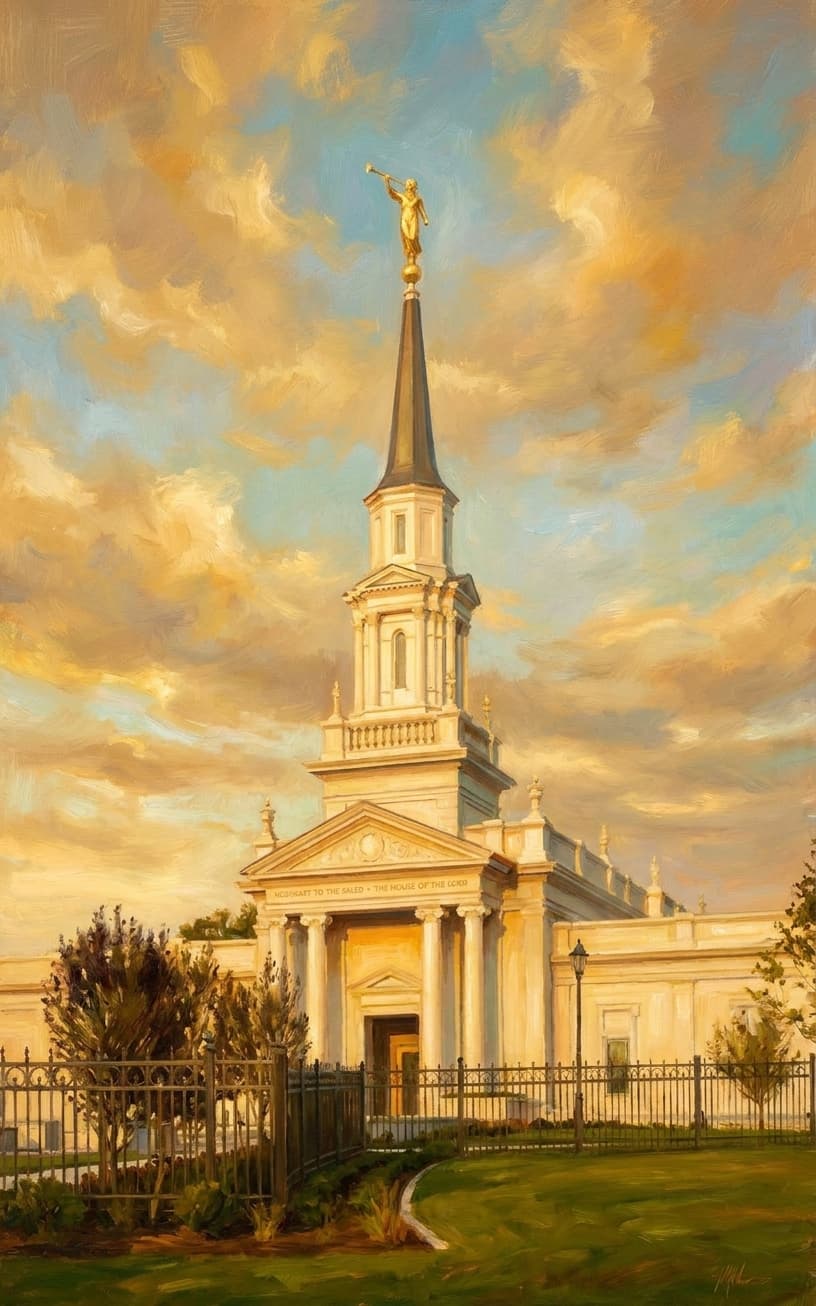
Visiting Hartford Connecticut Temple
The Hartford Connecticut Temple grounds are open to the public, offering a serene environment for reflection. While the temple interior is reserved for members with a temple recommend, all are welcome to enjoy the beautifully landscaped gardens.
Highlights
- Explore the meticulously maintained temple grounds.
- Learn about the temple's purpose at the visitor's center (if available).
- Attend a public open house when announced for interior tours.
Things to Know
- The temple interior is not open for general public tours outside of open house periods.
- Dress respectfully when visiting the temple grounds.
Location

100 Farms Village Road, Farmington, Connecticut, United States
Hours: Grounds are generally open from dawn to dusk. Temple operating hours for members vary.
Getting There: Located in Farmington, Connecticut, the temple is accessible by car. Check local transit for public transportation options.
Get DirectionsTips for Your Visit
Walk the Grounds
Enjoy a peaceful stroll through the temple's beautiful gardens and admire its exterior architecture.
Plan for Open House
If interested in seeing the interior, watch for announcements of future public open houses.
About
The Hartford Connecticut Temple stands as a beacon of faith in Farmington, Connecticut, serving members of The Church of Jesus Christ of Latter-day Saints across New England. Dedicated in 2016, this temple provides a sacred space for worship, covenants, and ordinances central to the Latter-day Saint faith, reflecting its deep roots within the broader Christian tradition.
Its modern design, featuring pristine Bethel White granite and meticulously landscaped grounds, harmonizes with the serene New England landscape. The temple's interior is adorned with local flora motifs, creating an atmosphere of reverence and connection to both divine creation and the region's natural beauty.
As a house of the Lord, the Hartford Connecticut Temple invites Latter-day Saints to draw closer to Jesus Christ through sacred ordinances and worship. It stands as a testament to the Church's global growth and its commitment to providing opportunities for spiritual growth and eternal family connections.
Gallery
Symbolic Elements
The temple's exterior features intricate carvings, each rich with spiritual meaning:

Spire
The single spire points heavenward, symbolizing a connection between heaven and earth and a focus on divine aspirations.

Angel Moroni
The statue of the Angel Moroni atop the spire represents the restoration of the gospel of Jesus Christ and the proclamation of eternal truths.

Bethel White Granite
The exterior granite, known for its purity, symbolizes cleanliness, strength, and the enduring nature of divine covenants.

Stained Glass
Windows depicting dogwood and mountain laurel blossoms symbolize growth, beauty, and the divine creation, reflecting local flora.

Celestial Room
This sacred space, representing a return to God's presence, is designed for quiet contemplation and spiritual communion.

Baptistry
The baptistry, featuring an oxen-supported font, symbolizes the cleansing power of baptism and the sacred practice of proxy ordinances.

Sealing Rooms
These rooms are where eternal marriages and family sealings are performed, symbolizing the everlasting nature of family relationships.

Landscaped Grounds
The meticulously maintained grounds, with their serene gardens, symbolize peace, order, and the beauty of God's handiwork.
Interesting Facts
It was the first temple of The Church of Jesus Christ of Latter-day Saints built in Connecticut (Tier A).
The temple's exterior is made of Bethel White granite from Vermont, known for its pristine white appearance (Tier A).
The architectural style is a modern interpretation of traditional temple design, emphasizing simplicity and elegance (Tier B).
Stained-glass windows inside feature designs inspired by Connecticut's state flower, the mountain laurel, and the dogwood blossom (Tier A).
The temple sits on a 16-acre site, sharing the grounds with an existing meetinghouse, creating a cohesive spiritual campus (Tier A).
The groundbreaking ceremony in 2013 was presided over by President Thomas S. Monson, then president of the Church (Tier A).
The temple serves Latter-day Saints from Connecticut, parts of New York, and other areas of New England (Tier B).
The building's height, including the spire and Angel Moroni statue, reaches approximately 99 feet (Tier B).
The Hartford Connecticut Temple was one of five temples announced by President Monson in October 2010 (Tier A).
The public open house for the temple attracted thousands of visitors from various faiths and backgrounds before its dedication (Tier A).
Common Questions
What is the purpose of the Hartford Connecticut Temple?
The temple is a sacred house of worship where members of The Church of Jesus Christ of Latter-day Saints make covenants and perform ordinances.
Can non-members enter the temple?
The temple interior is reserved for faithful Latter-day Saints, but the grounds are open to all visitors.
What is the Angel Moroni statue?
The Angel Moroni is a prophet-historian from the Book of Mormon, symbolizing the restoration of the gospel.
What are the temple's architectural features?
It features a classic modern design with Bethel White granite and a single spire.
Are there visitor facilities?
The temple shares its site with an existing meetinghouse, and its grounds are open for public enjoyment.
Featured Stories
A Prophetic Announcement for New England
October 2, 2010
The announcement of the Hartford Connecticut Temple by President Thomas S. Monson brought immense joy to Latter-day Saints across New England. It signaled a new era of spiritual access and growth for members who had long traveled to distant temples for sacred ordinances. This prophetic declaration underscored the Church's commitment to bringing temples closer to its global membership.
Source: The Church of Jesus Christ of Latter-day Saints Newsroom
Community Welcome at the Open House
September 30 – October 22, 2016
Before its dedication, the Hartford Connecticut Temple opened its doors to the public, welcoming thousands of visitors from diverse backgrounds. This open house provided a unique opportunity for community members to tour the sacred interior, fostering understanding and goodwill. Many expressed appreciation for the temple's beauty and the peaceful atmosphere it offered.
Source: The Church of Jesus Christ of Latter-day Saints Newsroom
A Dedication for Eternal Blessings
October 8, 2016
The dedication of the Hartford Connecticut Temple by President Henry B. Eyring marked a joyous occasion for Latter-day Saints in the region. This sacred event consecrated the building as a house of the Lord, where members could receive eternal blessings and make sacred covenants. It solidified the temple's role as a spiritual anchor for families and individuals seeking to draw closer to God.
Source: The Church of Jesus Christ of Latter-day Saints Newsroom
Timeline
Temple Announced
President Thomas S. Monson announced the Hartford Connecticut Temple during General Conference.
component.timeline.announcementRendering Released
The Church released an architectural rendering of the planned temple design.
MilestonePlans Approved
The Farmington Planning and Zoning Commission approved the temple's construction plans.
MilestoneGroundbreaking Ceremony
President Thomas S. Monson presided over and dedicated the temple site, officially commencing construction.
component.timeline.groundbreakingPublic Open House Begins
A public open house commenced, allowing thousands to tour the temple's interior.
EventTemple Dedicated
President Henry B. Eyring dedicated the Hartford Connecticut Temple in three sessions.
DedicationOpen House Concludes
The public open house period for the temple officially concluded.
EventHistory by Decade
2010s — Announcement and Construction
The 2010s marked the entire journey of the Hartford Connecticut Temple, from its announcement to its dedication. President Thomas S. Monson's announcement in October 2010 initiated a period of anticipation and planning for Latter-day Saints in the region. The release of architectural renderings and the approval of plans by local commissions paved the way for construction.
2013 — Groundbreaking and Building Begins
August 17, 2013, was a significant day as President Thomas S. Monson presided over the groundbreaking ceremony, officially commencing construction. This event brought together Church leaders and members, symbolizing the beginning of a new spiritual landmark in Connecticut. The construction phase then began in earnest, transforming the site into a sacred edifice.
2016 — Open House and Dedication
The year 2016 culminated in the temple's completion and dedication. A public open house from September 30 to October 22 allowed thousands to tour the interior, fostering community understanding. The temple was then formally dedicated on October 8, 2016, by President Henry B. Eyring, opening its doors for sacred ordinances and worship.
Architecture & Facilities
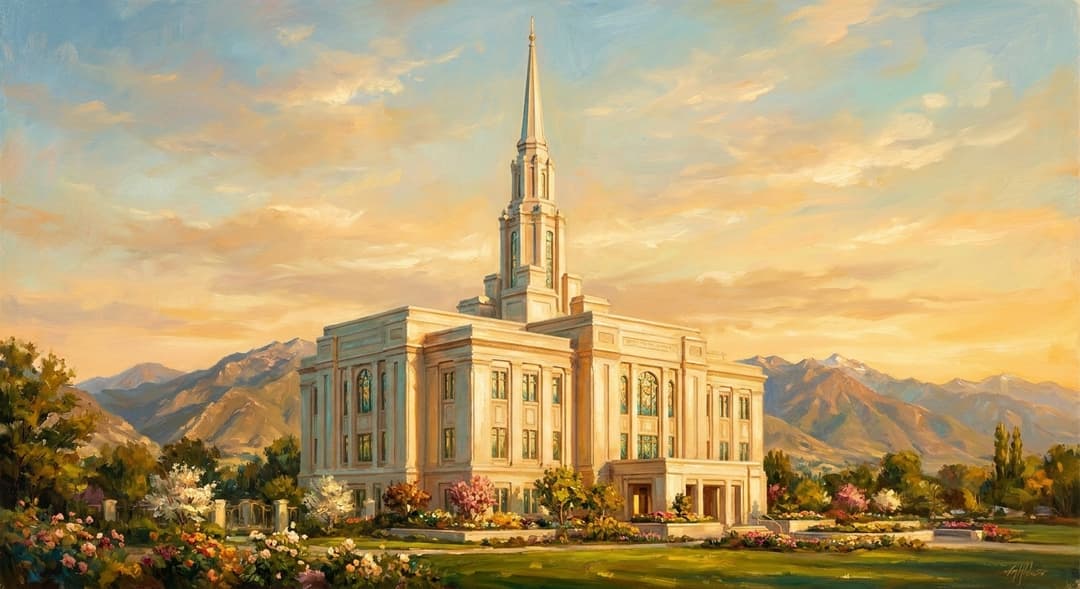
The Hartford Connecticut Temple features a classic modern architectural style, characterized by its clean lines, elegant simplicity, and a single, graceful spire. This design philosophy blends contemporary aesthetics with traditional temple forms, creating a dignified and inviting structure that harmonizes with its New England surroundings. The use of high-quality materials and thoughtful detailing reflects a commitment to both beauty and spiritual purpose.
Building Materials
Exterior
Bethel White granite, quarried in Vermont, provides a bright, durable, and elegant facade for the temple.
Interior Finishes
Fine millwork, custom carpets, and elegant furnishings create an atmosphere of peace and reverence throughout the temple's sacred spaces.
Stained Glass
Custom stained-glass windows feature intricate designs inspired by local flora, including dogwood and mountain laurel blossoms.
Roofing
High-quality, durable roofing materials are used to ensure the longevity and protection of the sacred structure.
Interior Features
Baptistry
This room houses an oxen-supported font used for proxy baptisms for the dead, a central ordinance in Latter-day Saint theology.
Instruction Rooms
Spaces designed for members to receive sacred teachings and make covenants as part of the endowment ceremony.
Celestial Room
A serene and beautiful room symbolizing a return to God's presence, offering a space for quiet contemplation and spiritual reflection.
Sealing Rooms
Rooms where eternal marriages and family sealings are performed, emphasizing the everlasting nature of family relationships.
Temple Grounds
The temple grounds are meticulously landscaped with a variety of trees, shrubs, and flowers, creating a serene and welcoming atmosphere for visitors and members alike. Pathways and seating areas invite contemplation, and the overall design complements the natural beauty of the Connecticut landscape.
Additional Facilities
The temple shares its 16-acre site with an existing meetinghouse, creating a cohesive spiritual campus that serves both temple patrons and local congregations. The grounds are open to the public for quiet enjoyment.
Religious Significance
As a temple of The Church of Jesus Christ of Latter-day Saints, the Hartford Connecticut Temple is a sacred edifice dedicated to the worship of God and the performance of holy ordinances. Within the broader Christian theological grouping, it represents a unique expression of faith, emphasizing eternal covenants and the sanctity of family relationships.
The core spiritual purpose of the temple is to provide a place where members can draw closer to Jesus Christ, make sacred covenants with God, and participate in ordinances essential for eternal salvation and exaltation. It is considered a house of the Lord, set apart from the world for divine purposes.
Sacred Ordinances
Baptism for the Dead
Members perform proxy baptisms on behalf of deceased ancestors who did not have the opportunity to be baptized during their mortal lives, reflecting a belief in universal salvation.
Endowment
A series of sacred instructions and covenants that provide a deeper understanding of God's plan, the purpose of life, and the path to eternal progression.
Sealing
Ordinances that bind families together eternally, allowing husbands and wives, and parents and children, to be united beyond mortal life through the power of the priesthood.
Covenant Path
The temple is central to the Latter-day Saint 'covenant path,' a series of commitments made with God that guide individuals toward spiritual growth and eternal life. Each ordinance performed in the temple is a step along this path, strengthening one's relationship with the Savior.
Eternal Families
A fundamental doctrine taught in the temple is the eternal nature of the family. Through sealing ordinances, families can be united forever, providing hope and comfort beyond the grave and emphasizing the divine institution of marriage and parenthood.
Sacrifice and Service
Attending the temple requires sacrifice of time and effort, symbolizing a dedication to God. Members serve by performing ordinances for others, both living and deceased, embodying the Christian principle of selfless service.
Similar Temples
Sources & Research
Every fact on Temples.org is backed by verified Sources & Research. Each piece of information is rated by source tier and confidence level.
View All Sources (4)
| Field | Source | Tier | Retrieved |
|---|---|---|---|
| Dedication & Purpose | The Church of Jesus Christ of Latter-day Saints (opens in a new tab) | A | 2024-07-30 |
| Architectural Design & Materials | FFKR Architects (opens in a new tab) | B | 2024-07-30 |
| Historical Timeline | ChurchofJesusChristTemples.org (opens in a new tab) | C | 2024-07-30 |
| Interior Design Elements | LDS Church Temples (opens in a new tab) | B | 2024-07-30 |