Visitor Insights
Visiting Deseret Peak Utah Temple
The beautifully manicured grounds of the Deseret Peak Utah Temple are open to the general public of all faiths, offering a peaceful and reverent atmosphere. While the interior is reserved for members with active temple recommends, visitors are welcome to explore the exterior and enjoy the serene landscaping.
Highlights
- Experience the 'Golden Hour' at sunset for stunning reflections off the temple's exterior.
- Visit in spring and summer to see the native landscaping and wildflower gardens in full bloom.
Things to Know
- Visitors are asked to maintain a quiet, reverent demeanor while on the temple grounds.
- Modest attire is appreciated, reflecting respect for the sacred nature of the site.
- Professional photography is permitted on the grounds, provided it does not disrupt temple patrons.
Location
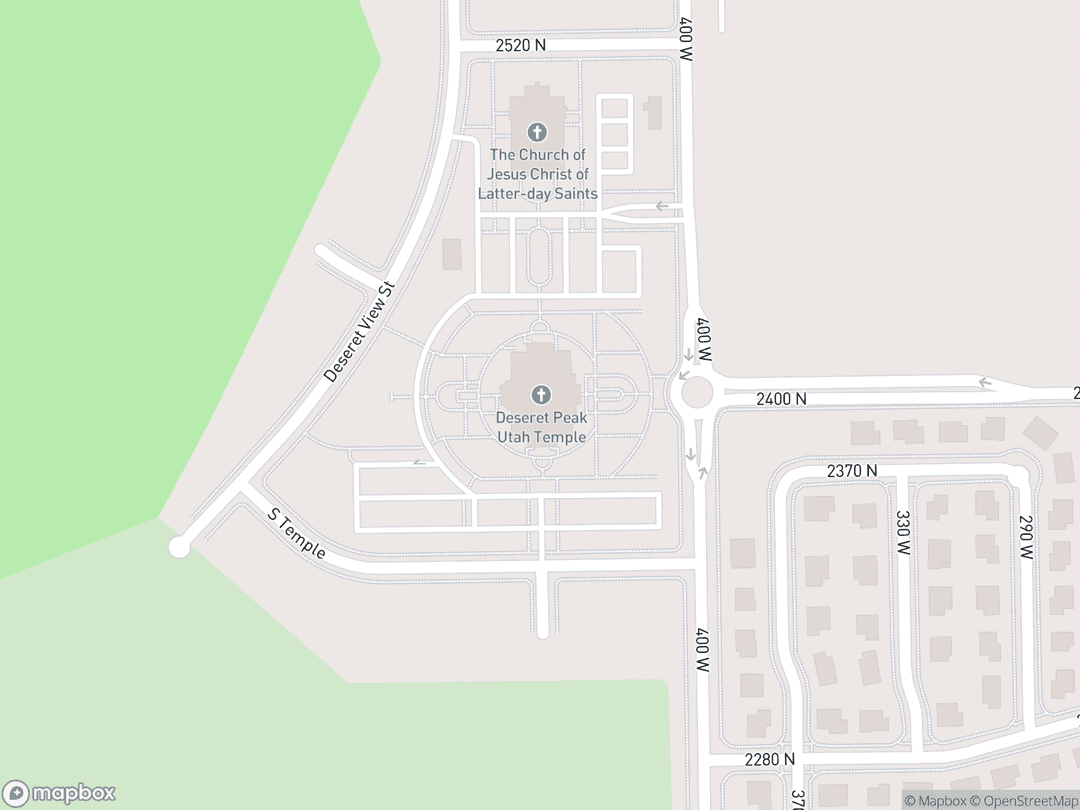
2400 North 400 West, Tooele, Utah 84074, United States
Hours: The grounds are generally open daily from sunrise to approximately 10:00 p.m.
Getting There: From Salt Lake City, take I-80 West to Exit 99 (SR-36 South). Travel approximately 10 miles, then turn right onto 2400 North. The temple is on the left, sharing a lot with a local chapel. Ample free parking is available on-site.
Get DirectionsTips for Your Visit
Experience the Golden Hour
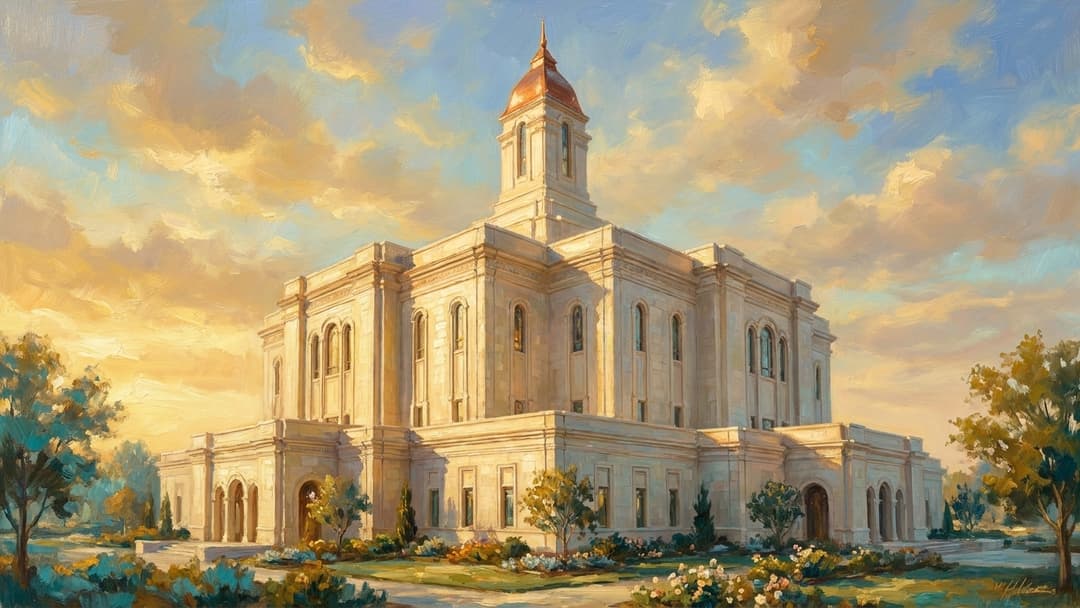
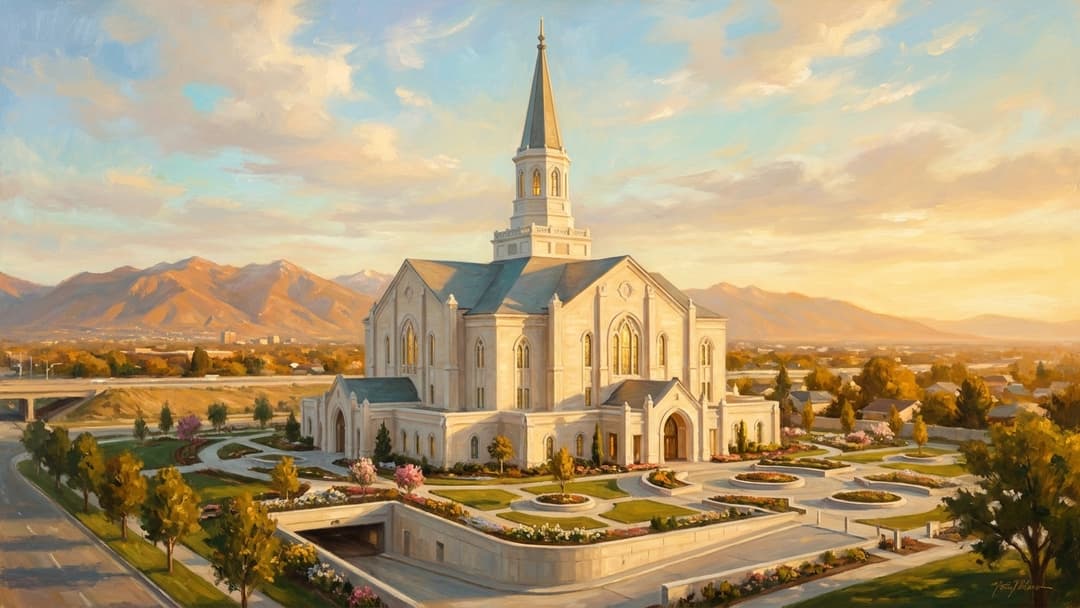
Plan your visit around sunset to witness the temple's warm GFRC cast stone and copper spire beautifully illuminated against the backdrop of the Oquirrh and Stansbury Mountains.
Respect the Sacred Grounds
Maintain a quiet and reverent demeanor while on the temple grounds, and please dress modestly as a sign of respect for this sacred space.
About
The Deseret Peak Utah Temple stands as a monumental spiritual sanctuary in the Tooele Valley of Utah. Dedicated in late 2024, this sacred edifice represents a milestone in the modern expansion of Latter-day Saint temples, serving as the 200th operating temple of The Church of Jesus Christ of Latter-day Saints worldwide. It is a physical testament to the community's deep-rooted pioneer heritage and enduring faith.
Originally announced as the Tooele Valley Utah Temple, its relocation to Tooele City and subsequent renaming reflected a commitment to community harmony. The temple's architecture blends classical Latter-day Saint pioneer heritage with modern sustainable engineering, featuring local materials and symbolic elements that connect patrons to their faith and the surrounding landscape.
Gallery
Symbolic Elements
The temple's exterior features intricate carvings, each rich with spiritual meaning:

Tall Arches
Windows, doorways, and interior entryways feature prominent tall arches, symbolizing strength, the gateway to heaven, and Christ's triumph over death.

Silvery Lupine
This native Tooele Valley wildflower is integrated into the design, representing the fulfillment of Isaiah 35:1—that 'the desert shall rejoice, and blossom as the rose.'

Cliff Rose
Another native wildflower, the cliff rose is woven into the exterior stone carvings and interior elements, symbolizing spiritual life flourishing in barren places.

Salt Grass Motifs
Stylized salt grass, thriving in saline soils, is carved into the millwork and font bowl, symbolizing resilience, endurance, and steadfastness in challenging environments.

Upward-Pointing Spire
The central copper spire serves as a vertical axis pointing toward the heavens, reminding patrons of the connection between the mortal and the divine.

Baptismal Font on Oxen
A large bronze font rests on twelve life-sized oxen, mirroring Solomon's Temple and representing the twelve tribes of Israel and the global scope of salvation.

Copper Shingles
Adorning the roof and spire, the copper shingles are designed to weather gracefully over time, echoing the copper-clad elements of historic Utah architecture.

Dolomite Aggregate
Dolomite aggregate sourced directly from the Tooele Valley is mixed into the exterior GFRC panels, physically embedding the local earth into the sacred structure.
Interesting Facts
The Deseret Peak Utah Temple holds a historic place as the 200th operating temple dedicated in the modern era.
It was dedicated by Church President Russell M. Nelson, who had celebrated his 100th birthday just two months prior.
The temple was originally announced and planned as the 'Tooele Valley Utah Temple' before being relocated and renamed in 2021.
The Church voluntarily withdrew its high-density residential plans and relocated the temple to Tooele City to preserve community harmony.
The exterior GFRC panels contain actual dolomite aggregate sourced directly from the Tooele Valley, physically embedding local earth into the structure.
Its dedication marked the first time the Church implemented a 'simplified dedication' format, setting a new standard for future temple dedications.
The temple shares its 15.5-acre site with a newly constructed, 20,000-square-foot meetinghouse, creating a dual-purpose spiritual hub.
Over 11,000 members volunteered during the open house, and a waiting list was established for regular temple workers.
The architectural details are a direct nod to the historic 19th-century pioneer tabernacles of Utah, featuring a classic central spire and copper shingles.
Common Questions
What is the significance of the Deseret Peak Utah Temple?
The Deseret Peak Utah Temple holds a historic place as the 200th operating temple dedicated by The Church of Jesus Christ of Latter-day Saints worldwide.
Why was the temple's location changed after its initial announcement?
The Church voluntarily relocated the temple to Tooele City to preserve community harmony after local pushback regarding a proposed residential development.
What architectural style does the Deseret Peak Utah Temple feature?
The Deseret Peak Utah Temple's architecture is a blend of classical Latter-day Saint pioneer heritage and modern sustainable engineering, paying homage to historic tabernacles.
Are the temple grounds open to the public?
Yes, the beautifully manicured temple grounds are open to the general public of all faiths, though the interior is reserved for members.
Who dedicated the Deseret Peak Utah Temple?
The temple was dedicated by President Russell M. Nelson, who celebrated his 100th birthday just two months prior.
Featured Stories
The 200th Temple Milestone
November 10, 2024
The dedication of the Deseret Peak Utah Temple by President Russell M. Nelson marked a historic moment as the 200th operating temple of the Church. This milestone underscores the rapid global expansion of Latter-day Saint temples, providing sacred spaces for worship and covenant-making to members worldwide.
A Community's Harmony
January 19, 2021
Initially planned for Erda, the temple's relocation to Tooele City demonstrated the Church's commitment to fostering community peace. The voluntary withdrawal of a residential development proposal and the subsequent move ensured local harmony, allowing the temple to become a cherished landmark for all.
Pioneer Heritage in Modern Design
November 10, 2024
The temple's architecture beautifully blends pioneer heritage with modern engineering, paying homage to 19th-century tabernacles. Designed by FFKR Architects, its exterior features GFRC panels with local dolomite aggregate and copper shingles, connecting the sacred structure deeply to Utah's landscape and history.
Timeline
Temple Announced
President Russell M. Nelson announced plans for a temple in the Tooele Valley during the 189th Annual General Conference.
component.timeline.announcementOriginal Site Announced
The Church announced the initial site for the Tooele Valley Utah Temple in Erda, Utah.
EventExterior Rendering Released
The official exterior rendering of the Tooele Valley Utah Temple was released, showcasing a pioneer-style design.
EventRezoning Request Withdrawn
The First Presidency voluntarily withdrew its rezoning request for the Erda site to prevent community discord over proposed high-density housing.
EventRelocated and Renamed
The temple was relocated to Tooele City and renamed the Deseret Peak Utah Temple, honoring the nearby Stansbury Mountains.
MilestoneGroundbreaking Ceremony
Elder Brook P. Hales presided over the groundbreaking ceremony, officially commencing construction on the Tooele City site.
component.timeline.groundbreakingPublic Open House Begins
The public open house for the completed temple began, welcoming over 130,000 visitors over three weeks.
EventTemple Dedicated
President Russell M. Nelson dedicated the Deseret Peak Utah Temple in a single, simplified session, marking the 200th operating temple.
DedicationHistory by Decade
2010s — Announcement and Initial Vision
The vision for a temple in the Tooele Valley began on April 7, 2019, with an announcement from President Russell M. Nelson. The original site for the "Tooele Valley Utah Temple" was later announced in Erda, sparking joy among local members who previously traveled long distances for temple worship.
Early 2020s — Relocation and Groundbreaking
Following community feedback, the Church voluntarily relocated the temple to Tooele City and renamed it the Deseret Peak Utah Temple in January 2021. This decision ensured local harmony, leading to the groundbreaking ceremony on May 15, 2021, which officially commenced construction on the new site.
Mid-2020s — Open House and Dedication
The completed temple welcomed over 130,000 visitors during its public open house from September to October 2024. On November 10, 2024, President Russell M. Nelson dedicated the temple in a simplified session, marking its historic status as the 200th operating temple of the Church.
Architecture & Facilities
The Deseret Peak Utah Temple features a modern adaptation of classical Latter-day Saint pioneer architecture, drawing inspiration from historic 19th-century tabernacles in Utah. The design emphasizes verticality and spiritual aspiration through a symmetrical facade, a prominent central spire with copper shingles, and tall arched windows.
Building Materials
GFRC Panels with Dolomite Aggregate
Exterior cladding made of glass fiber reinforced concrete panels containing actual dolomite aggregate sourced directly from the Tooele Valley.
Copper Shingles
Durable copper shingles cladding the roof and central spire, designed to weather gracefully over time.
White Oak Millwork
High-quality, custom-crafted white oak used throughout the interior for doors, moldings, and decorative trim.
Cast Stone Detailing
Intricate cast stone elements used for exterior ornamentation, mimicking historic hand-carved pioneer masonry.
Interior Features
Celestial Room
A serene, high-ceilinged space representing heaven on earth, adorned with elegant crystal chandeliers, soft cream and gold color palettes, and refined millwork.
Ordinance Rooms
Instruction rooms featuring custom decorative painting and murals depicting the creation and journey of life, designed for progressive covenant-making.
Sealing Rooms
Sacred spaces where marriages are performed for eternity, featuring central altars and facing mirrors symbolizing infinite family connections.
Baptistry
A sacred font resting on twelve life-sized bronze oxen, symbolizing the twelve tribes of Israel, used for proxy baptisms.
Temple Grounds
The 15.5-acre grounds are beautifully landscaped with water-efficient native plants, including silvery lupine and cliff rose. Paved walkways, peaceful seating areas, and reflection plazas surround the temple, offering a quiet sanctuary for patrons and visitors.
Additional Facilities
A newly constructed 20,000-square-foot meetinghouse shares the site, providing a dual-purpose spiritual and community hub for local congregations.
Similar Temples
Sources & Research
Every fact on Temples.org is backed by verified Sources & Research. Each piece of information is rated by source tier and confidence level.
View All Sources (7)
| Field | Source | Tier | Retrieved |
|---|---|---|---|
| About & Historical Background | The Church News (opens in a new tab) | B | 2024-07-30 |
| About & Historical Background | The Church of Jesus Christ of Latter-day Saints (opens in a new tab) | A | 2024-07-30 |
| Historical Timeline | LDS Living (opens in a new tab) | B | 2024-07-30 |
| Architectural Description | Unlimited Designs (opens in a new tab) | B | 2024-07-30 |
| Symbolic Elements | KSL.com (opens in a new tab) | B | 2024-07-30 |
| Facts & Timeline | ChurchofJesusChristTemples.org (opens in a new tab) | C | 2024-07-30 |
| Grounds and Landscape | Tooele Online (opens in a new tab) | C | 2024-07-30 |