游客信息
参观 梵蒂冈山
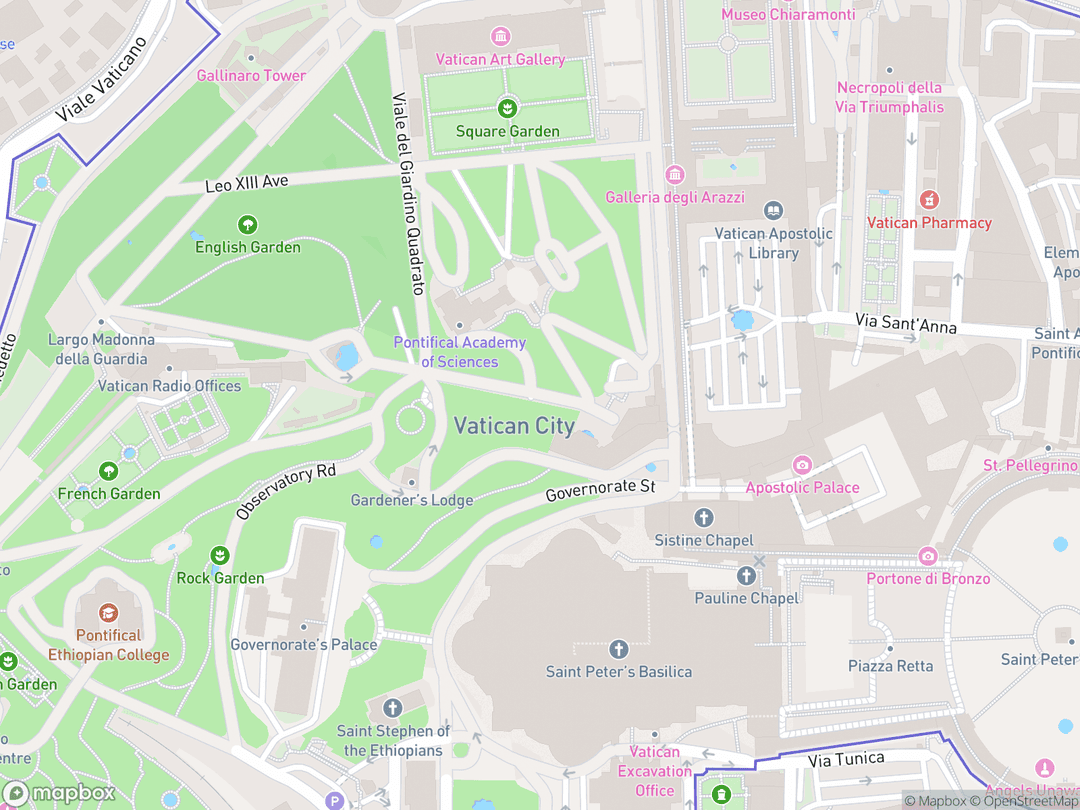
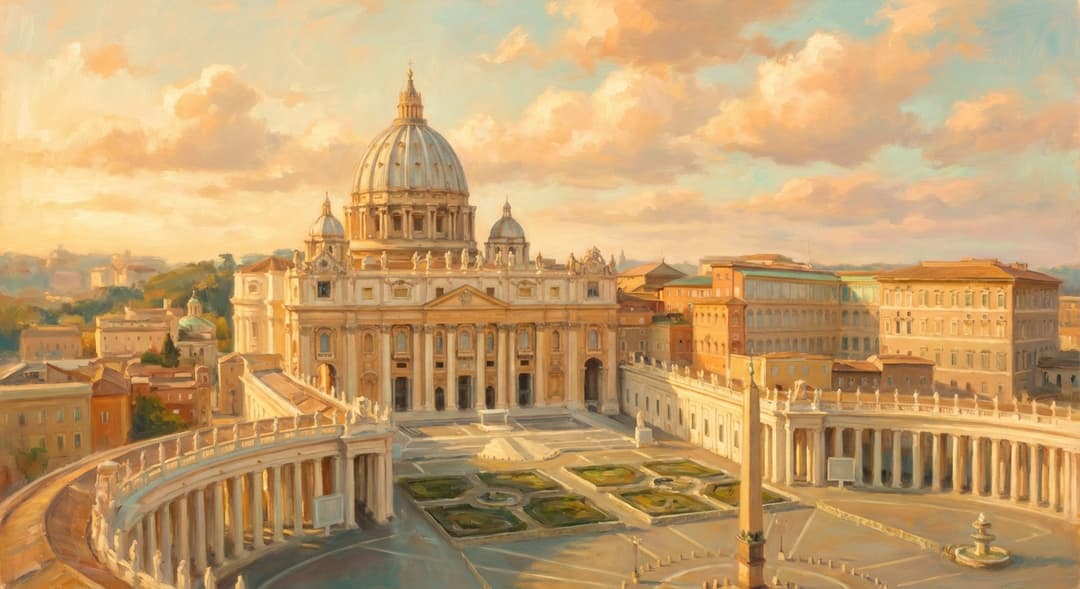
参观梵蒂冈山是一次深刻的体验,沉浸在历史、艺术和宗教意义中。 圣彼得大教堂的宏伟、梵蒂冈博物馆中广泛的艺术收藏品以及梵蒂冈花园的宁静之美会让您惊叹不已。 这里的气氛既庄严肃穆又充满活力,来自世界各地的朝圣者和游客汇聚于此,探索这个标志性的地点。
亮点
- 圣彼得大教堂:惊叹于建筑杰作,登上圆顶欣赏罗马全景。
- 梵蒂冈博物馆:探索世界著名的艺术收藏品,包括拥有米开朗基罗壁画的西斯廷教堂。
- 梵蒂冈花园:在郁郁葱葱的绿色植物和历史古迹中享受宁静的休憩之所。
须知事项
- 参观宗教场所时,穿着要端庄(遮盖肩膀和膝盖)。
- 做好拥挤的准备,尤其是在旺季。
- 提前预订门票以避免排长队。
参观提示
尽早参观
清晨到达,避开拥挤的人群,享受更宁静的体验。
提前预订门票
在线购买门票,即可跳过梵蒂冈博物馆和其他热门景点的长队。
着装规范
参观宗教场所时,请记住穿着端庄,遮盖肩膀和膝盖。
关于
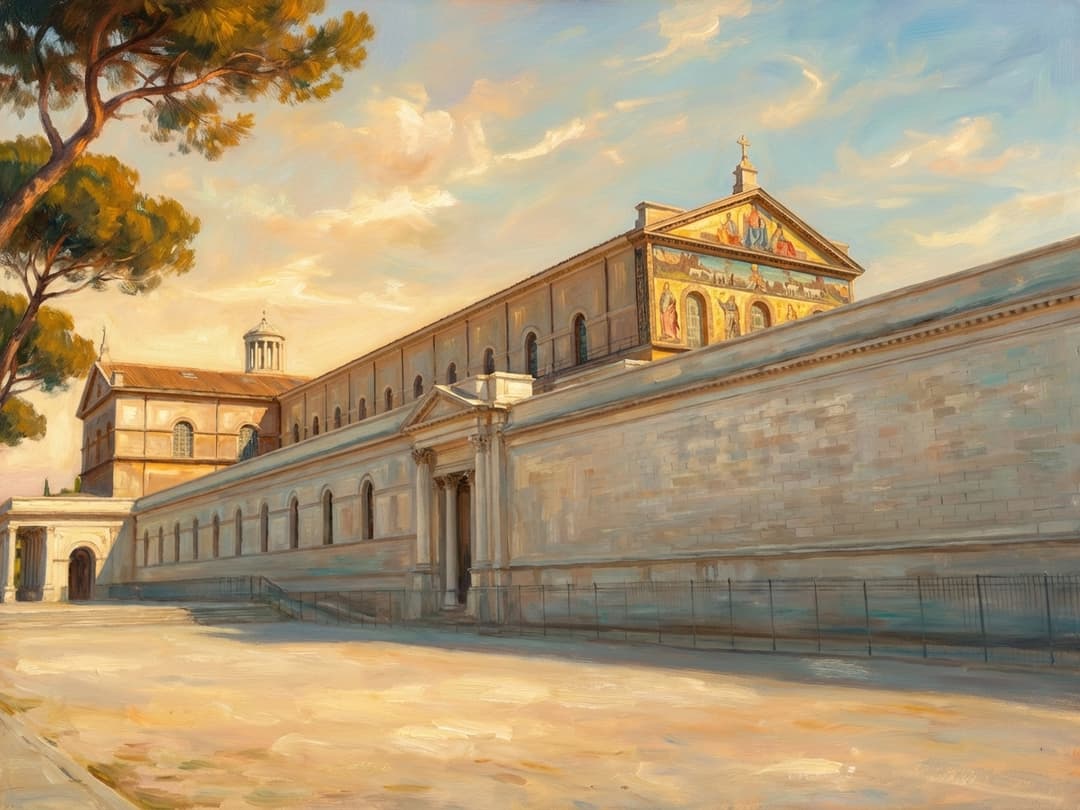
梵蒂冈山位于意大利罗马台伯河的右岸,是一个具有重大历史和宗教意义的地点。 它是圣彼得大教堂、梵蒂冈博物馆以及其他众多建筑的所在地,这些建筑代表了天主教数百年的历史和艺术成就。 虽然不是罗马传统的七座山丘之一,但自基督教兴起之前很久,梵蒂冈山一直是宗教活动的中心。
在古代,该地区与异教神灵有关,是尼禄竞技场的所在地,包括圣彼得在内的许多早期基督徒在此殉难。 公元4世纪老圣彼得大教堂的建造标志着一个转折点,将这座山丘转变为基督教崇拜的中心。 几个世纪以来,梵蒂冈已发展成为天主教会的中心,吸引着来自世界各地的朝圣者和游客。
今天,梵蒂冈山是信仰持久力量和天主教会丰富文化遗产的见证。 其建筑奇迹、艺术珍品和精神氛围使其成为适合所有背景人士的独特而鼓舞人心的目的地。 梵蒂冈城于1929年建立为一个独立国家,确保了对这一神圣场所的持续保护和管理。
图库
象征元素
寺庙外观有精美的雕刻,每一处都蕴含着丰富的精神意义:
St. Peter's Basilica Dome
The dome of St. Peter's Basilica, designed in part by Michelangelo, symbolizes the heavens and the connection between the earthly and divine realms. Its impressive height and intricate design reflect the grandeur and power of the Catholic Church. The dome serves as a focal point of the Vatican skyline and a testament to Renaissance architectural achievement.
Colonnades of St. Peter's Square
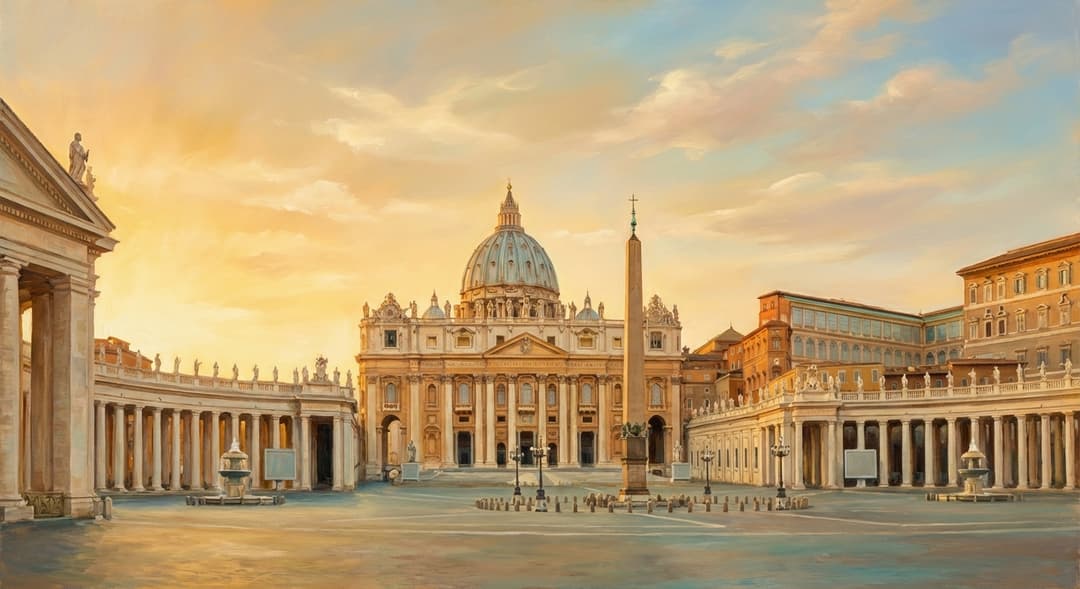
Designed by Gian Lorenzo Bernini, the colonnades of St. Peter's Square represent the embracing arms of the Church, welcoming pilgrims and visitors from around the world. The semi-circular design creates a sense of enclosure and grandeur, enhancing the overall experience of the square. The colonnades are adorned with statues of saints, further emphasizing the spiritual significance of the site.
Obelisk in St. Peter's Square
The ancient Egyptian obelisk in St. Peter's Square represents Christ's triumph over paganism. Originally brought to Rome by Emperor Caligula, it was later moved to its current location in 1586. The obelisk stands as a silent witness to centuries of history and a symbol of the enduring power of faith.
Papal Altar
The Papal Altar, located beneath the dome of St. Peter's Basilica, marks the supposed tomb of St. Peter. It is the site where the Pope celebrates Mass and a focal point of religious devotion for Catholics. The altar is adorned with intricate carvings and precious materials, reflecting the sacredness of the space.
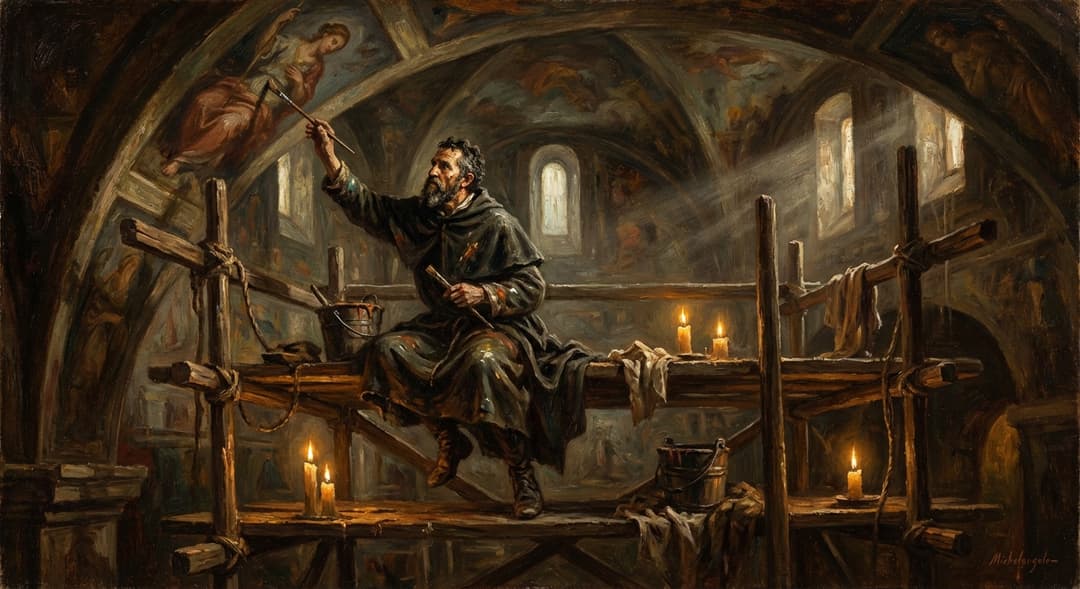
Sistine Chapel Frescoes
Michelangelo's frescoes in the Sistine Chapel are among the most famous works of art in the world. The ceiling depicts scenes from the Book of Genesis, while the altar wall features the Last Judgment. These masterpieces represent the pinnacle of Renaissance art and a profound expression of religious faith.
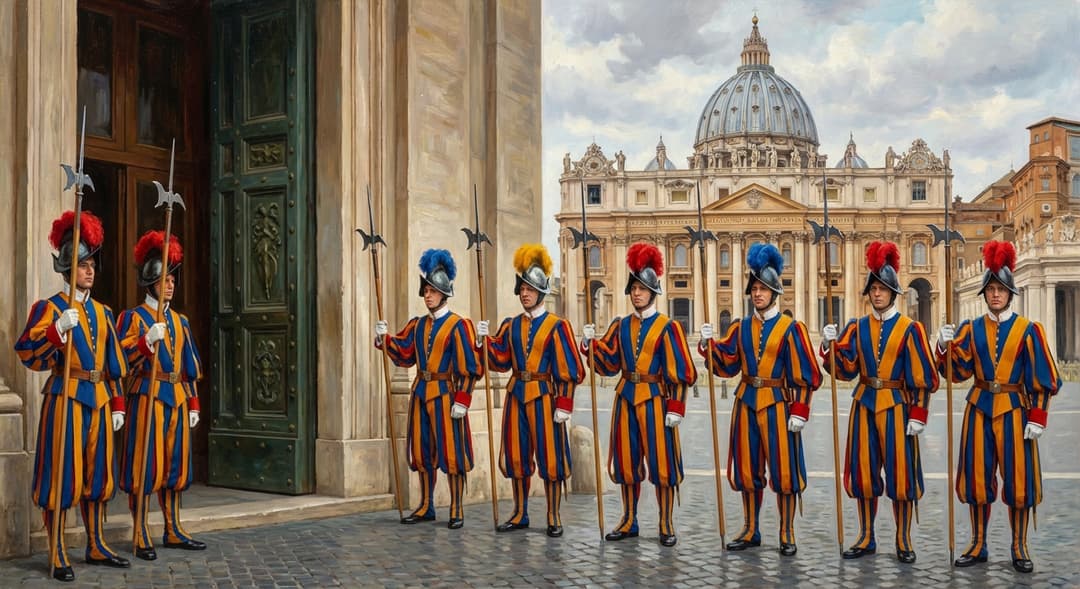
Swiss Guard Uniforms
The colorful uniforms of the Swiss Guard, who have been protecting the Pope since the 16th century, are a distinctive symbol of the Vatican. Designed in part by Michelangelo, the uniforms represent the loyalty and dedication of the Swiss Guard to the papacy. Their presence adds a sense of tradition and pageantry to the Vatican.
Bronze Doors of St. Peter's Basilica
The bronze doors of St. Peter's Basilica, particularly the main door known as the Holy Door, are adorned with intricate reliefs depicting scenes from the lives of St. Peter and St. Paul. These doors serve as a symbolic entrance to the sacred space within the basilica. The Holy Door is only opened during Jubilee years, marking a time of special grace and pilgrimage.
Vatican Gardens
The Vatican Gardens offer a peaceful retreat amidst lush greenery, fountains, and historical monuments. These gardens provide a serene contrast to the bustling atmosphere of St. Peter's Square and the Vatican Museums. They represent a harmonious blend of nature and art, inviting visitors to reflect and contemplate.
趣闻轶事
Vatican Hill was once considered an unhealthy area used for grazing cattle.
Before Christianity, the hill was associated with pagan deities and prophecy.
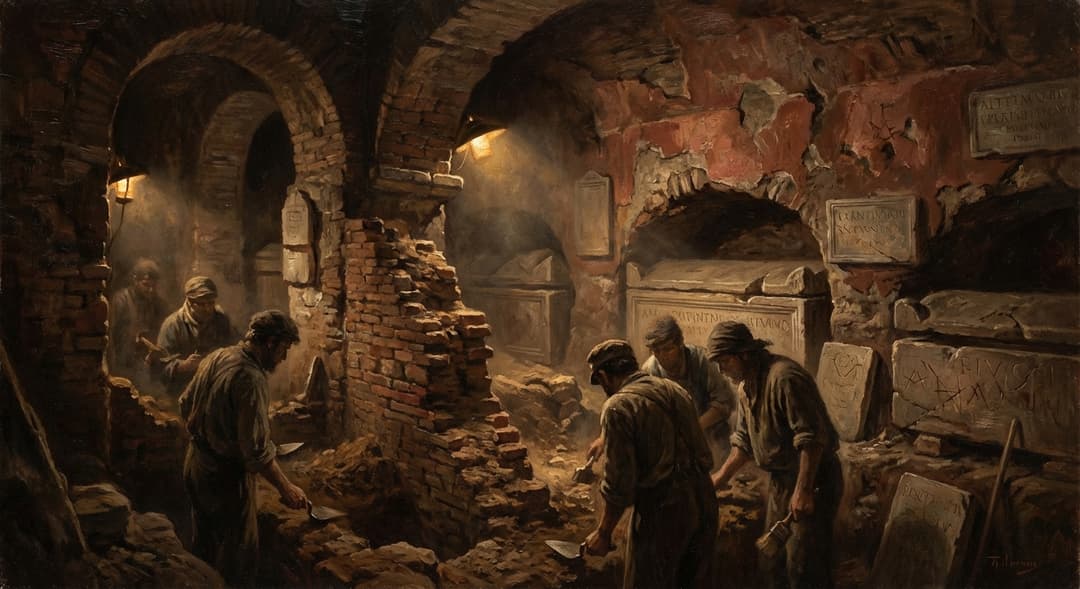
Emperor Nero blamed Christians for the fire that devastated Rome and executed them on Vatican Hill.
The Circus of Nero, where Christians were martyred, now lies beneath St. Peter's Basilica.
The Vatican includes a secret passage (Passetto di Borgo) to Castel Sant'Angelo, used by popes as an escape route.
The dome of St. Peter's Basilica is one of the largest in the world.
The Vatican is the smallest independent country in the world.
The Vatican Museums house an extensive collection of art and artifacts from various periods.
The Swiss Guard has been protecting the Pope since the 16th century.
There is a heart-shaped cobblestone in St. Peter's Square, nicknamed 'Nero's Heart,' possibly marking the site of Nero's circus.
常见问题
What is the significance of Vatican Hill?
Vatican Hill is significant as the location of St. Peter's Basilica, the Vatican Museums, and the Vatican City, the independent state that serves as the spiritual and administrative center of the Catholic Church. It is a place of pilgrimage, historical importance, and artistic excellence.
Who was St. Peter, and why is he important to the Vatican?
St. Peter was one of Jesus's apostles and is considered the first Pope. He was martyred in Rome, and St. Peter's Basilica is built over his supposed tomb, making it a site of immense religious significance for Catholics.
What are some of the must-see attractions on Vatican Hill?
Some of the must-see attractions include St. Peter's Basilica, the Vatican Museums (including the Sistine Chapel), St. Peter's Square, and the Vatican Gardens. Each offers a unique glimpse into the history, art, and spirituality of the Vatican.
What is the dress code for visiting Vatican Hill?
Visitors are expected to dress modestly when visiting religious sites on Vatican Hill. This typically means covering shoulders and knees. It's advisable to wear comfortable shoes, as there is a lot of walking involved.
How can I avoid long lines when visiting the Vatican?
To avoid long lines, it's recommended to book tickets online in advance, especially for the Vatican Museums. Arriving early in the morning or visiting during the off-season can also help reduce wait times. Consider taking a guided tour for expedited entry.
精选故事
The Construction of St. Peter's Basilica: A Testament to Faith and Art
1506–1626
The construction of the New St. Peter's Basilica was a monumental undertaking that spanned over a century and involved some of the greatest artists and architects of the Renaissance and Baroque periods. Initiated by Pope Julius II in 1506, the project aimed to replace the aging Old St. Peter's Basilica, which had stood for over a thousand years.
Donato Bramante, Raphael, Michelangelo, and Gian Lorenzo Bernini each contributed their unique talents to the design and construction of the basilica. Michelangelo's redesign of the dome and Bernini's creation of St. Peter's Square are particularly iconic elements of the Vatican. The basilica stands as a testament to the enduring power of faith and the transformative potential of art.
The completion of St. Peter's Basilica in 1626 marked a triumph of human ingenuity and a symbol of the Catholic Church's enduring legacy. The basilica continues to inspire awe and reverence in visitors from around the world, serving as a reminder of the rich history and artistic heritage of the Vatican.
来源: Vatican Archives
The Martyrdom of St. Peter: A Foundation of Faith
1st Century AD
According to tradition, St. Peter, one of Jesus's apostles and the first Pope, was martyred in Rome during the reign of Emperor Nero. He was crucified upside down, at his own request, as he felt unworthy to die in the same manner as Jesus. The location of his martyrdom is believed to be on Vatican Hill, where St. Peter's Basilica now stands.
The martyrdom of St. Peter is a foundational event in the history of the Catholic Church. His unwavering faith and ultimate sacrifice serve as an inspiration to Christians around the world. The construction of St. Peter's Basilica over his supposed tomb is a testament to the enduring significance of his life and teachings.
The legacy of St. Peter continues to shape the Catholic Church, with each successive Pope considered his successor. Vatican Hill, as the site of his martyrdom and the location of St. Peter's Basilica, remains a sacred place for Catholics and a symbol of the enduring power of faith.
来源: Early Christian Texts
The Establishment of Vatican City: A Symbol of Independence
1929
The Lateran Treaty of 1929 established Vatican City as an independent state, resolving a long-standing dispute between the papacy and the Italian government. The treaty granted the Pope sovereignty over Vatican Hill and its surrounding territory, ensuring the continued independence and autonomy of the Catholic Church.
The establishment of Vatican City was a pivotal moment in the history of the papacy, allowing the Pope to exercise his spiritual authority without interference from secular powers. Vatican City became a symbol of the Church's independence and a haven for its religious and cultural treasures.
Today, Vatican City remains the smallest independent country in the world, but its influence extends far beyond its physical boundaries. As the spiritual and administrative center of the Catholic Church, Vatican City plays a vital role in global affairs and continues to attract millions of visitors each year.
来源: Lateran Treaty Documents
时间线
Possible Etruscan Settlement
The area may have been the site of an Etruscan town called Vaticum.
里程碑Circus of Nero and Martyrdom of St. Peter
The Circus of Caligula (later the Circus of Nero) was constructed. It is believed that Saint Peter was martyred here during the reign of Emperor Nero.
事件Construction of Old St. Peter's Basilica
Emperor Constantine I commissioned the building of the Old St. Peter's Basilica over the supposed tomb of St. Peter.
落成Papal Residence
After the fall of the Roman Empire, the hill became a preferred residence for the Popes.
里程碑Expansion of City Walls
Pope Leo IV expanded the city walls between 848 and 852 to protect St. Peter's Basilica and the Vatican.
翻新Avignon Papacy
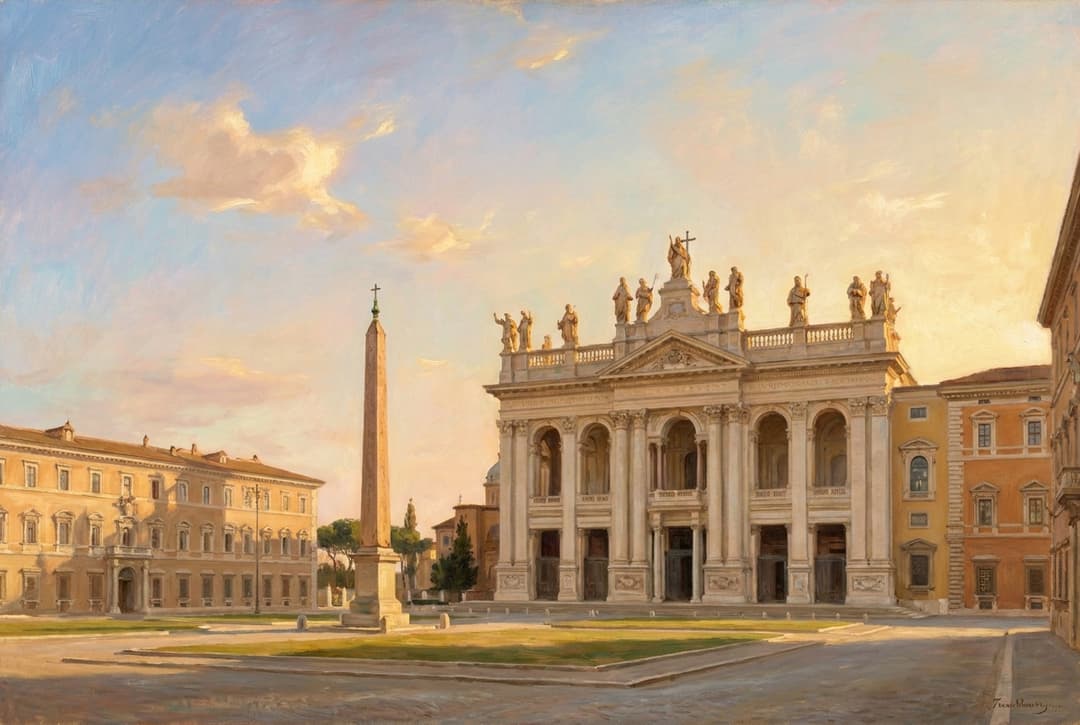
Before the Avignon Papacy, the headquarters of the Holy See were located at the Lateran Palace.
事件Construction of New St. Peter's Basilica Begins
Construction of the New St. Peter's Basilica began under Pope Julius II, replacing the deteriorating Old St. Peter's Basilica. Donato Bramante served as the primary architect.
翻新Michelangelo Takes Over as Architect
Michelangelo took over as chief architect of St. Peter's, modifying Bramante's design and redesigning the dome.
翻新Relocation of the Obelisk
The obelisk from the Circus of Nero was relocated to its present location in St. Peter's Square by Domenico Fontana.
事件Completion of New St. Peter's Basilica
The New St. Peter's Basilica was completed.
落成Lateran Treaty Establishes Vatican City
The Lateran Treaty established Vatican City as an independent state.
里程碑Center of the Catholic Church
Vatican Hill continues to serve as the spiritual and administrative center of the Catholic Church, attracting millions of visitors each year.
事件Preservation and Pilgrimage
Ongoing efforts to preserve the historical and artistic treasures of Vatican Hill ensure its continued significance as a place of pilgrimage and cultural importance.
事件Artistic Contributions
Throughout the centuries, numerous artists, architects, and craftsmen have contributed to the beauty and grandeur of Vatican Hill, leaving behind a legacy of artistic excellence.
事件Papal Leadership
Successive Popes have played a crucial role in shaping the history and development of Vatican Hill, each leaving their own mark on this sacred site.
事件按年代历史
Pre-Roman Era
Before the rise of Rome, Vatican Hill was likely associated with Etruscan settlements and religious practices. The name "Vatican" may derive from the Etruscan language, suggesting a connection to ancient deities or sacred sites. Archaeological evidence indicates that the area was inhabited long before the Roman era, with traces of early settlements and burial grounds.
1st Century AD
During the Roman Empire, Vatican Hill was the site of the Circus of Nero, a large entertainment venue where chariot races and other spectacles were held. It was also a place of persecution for early Christians, with many martyred in the arena. According to tradition, St. Peter was crucified in the Circus of Nero, marking a pivotal moment in the history of Christianity.
4th Century
Emperor Constantine I commissioned the construction of Old St. Peter's Basilica over the supposed tomb of St. Peter, transforming Vatican Hill into a center of Christian worship. The basilica became a major pilgrimage site and a symbol of the growing power of the Catholic Church. The construction of the basilica marked a turning point in the history of Vatican Hill, solidifying its status as a sacred place.
16th Century
The 16th century saw significant changes to Vatican Hill, including the beginning of construction on the New St. Peter's Basilica. The century also saw the establishment of the Swiss Guard to protect the Pope.
19th Century
The 19th century was a time of political upheaval in Italy, with the Papal States gradually being absorbed into the Kingdom of Italy. The Pope's temporal power was diminished, but his spiritual authority remained strong. The Vatican became a symbol of resistance to the unification of Italy.
20th Century
The 20th century brought significant changes to Vatican Hill, including the establishment of Vatican City as an independent state in 1929. The Lateran Treaty resolved a long-standing dispute between the papacy and the Italian government, granting the Pope sovereignty over Vatican Hill and its surrounding territory. Vatican City became a symbol of the Church's independence and a haven for its religious and cultural treasures.
建筑与设施
文艺复兴时期和巴洛克式建筑风格主导着梵蒂冈山,米开朗基罗标志性的圆顶为圣彼得大教堂加冕,贝尔尼尼 sweeping 的柱廊环绕着广场,几个世纪以来受委托的艺术创作创造了世界上最知名的神圣天际线之一。
建筑材料
石灰华
石灰华石材是从附近的山丘采石而来,广泛用于圣彼得大教堂和梵蒂冈山其他建筑的建造中。 它的耐用性和美观性使其成为结构和装饰元素的流行选择。
大理石
大理石从意大利各地及其他地区进口,用于圣彼得大教堂和梵蒂冈博物馆的雕塑、柱子和其他装饰特征。 其光滑的质地和多样的颜色增添了该地点的宏伟和美丽。
青铜
青铜用于圣彼得大教堂的门,以及雕像和其他装饰元素。 它的耐用性和耐腐蚀性使其成为户外使用的合适材料。
室内特色
圣彼得大教堂中殿
圣彼得大教堂的中殿是一个广阔而令人敬畏的空间,装饰着错综复杂的雕刻、雕塑和马赛克。 其高耸的高度和精致的装饰营造出一种宏伟和庄严的感觉。
西斯廷教堂
西斯廷教堂以米开朗基罗令人惊叹的壁画而闻名,其中包括描绘创世纪场景的天花板和以最后的审判为主题的祭坛墙。 这些杰作代表了文艺复兴时期艺术的顶峰和宗教信仰的深刻表达。
梵蒂冈博物馆画廊
梵蒂冈博物馆包括一系列画廊,收藏了来自各个时期的艺术品和文物。 这些画廊展示了天主教会丰富的文化遗产和西方文明的艺术成就。
寺庙场地
梵蒂冈山的场地包括圣彼得广场、梵蒂冈花园以及各种庭院和广场。 这些空间提供了建筑、景观和公共聚集区的和谐融合。
宗教意义
梵蒂冈山作为天主教会的中心和圣彼得大教堂的所在地,具有巨大的宗教意义,圣彼得大教堂建在耶稣使徒之一圣彼得的墓地上。
梵蒂冈山的目的是作为天主教会的精神和行政中心,促进耶稣基督的教义,并为世界各地的天主教徒提供指导。
神圣仪式
弥撒
弥撒的庆祝是天主教会的中心圣礼,纪念耶稣基督的最后的晚餐,并向上帝献上赞美和感恩的祭祀。
告解
告解圣事允许天主教徒获得罪的宽恕,并与上帝和教会和解。
祈祷
祈祷是天主教徒的一项重要实践,使他们能够与上帝沟通、寻求指导和表达感激之情。
教皇
教皇作为圣彼得的继任者,是天主教会的领袖和世界各地天主教徒的精神领袖。 他居住在梵蒂冈城,并从这个地点行使他对教会的权力。
朝圣
梵蒂冈山是天主教徒的主要朝圣目的地,他们从世界各地前往参观圣彼得大教堂,在圣彼得的墓前祈祷,并接受教皇的祝福。 该地点是信仰的象征,也是数百万人的精神灵感来源。
类似寺庙
来源与研究
Temples.org上的每个事实都有 来源与研究的支持。每条信息按来源等级和可信度进行分类。
查看所有来源 (5)
| 字段 | 来源 | 等级 | 检索日期 |
|---|---|---|---|
| About & Historical Background | The Metropolitan Museum of Art (opens in a new tab) | A | 2024-02-29 |
| About & Historical Background | Rost Architects (opens in a new tab) | B | 2024-02-29 |
| About & Historical Background | The Archaeologist (opens in a new tab) | B | 2024-02-29 |
| About & Historical Background | Walks Insider Rome (opens in a new tab) | C | 2024-02-29 |
| Visitor Information | Grokipedia (opens in a new tab) | D | 2024-02-29 |