Visitor Insights
Visiting Cochabamba Bolivia Temple
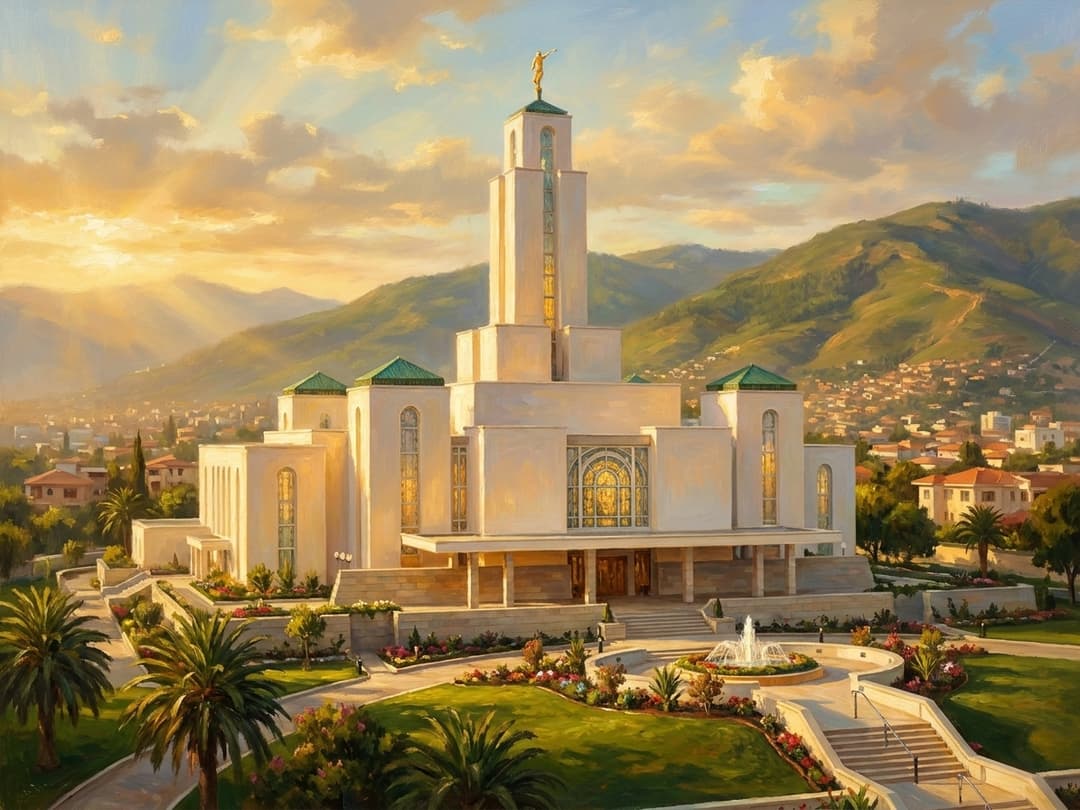
The Cochabamba Bolivia Temple offers a peaceful, contemplative sanctuary for visitors seeking spiritual refuge. Nestled in the northern Alto Queru Queru neighborhood, the temple grounds feature beautifully manicured gardens, vibrant flowerbeds, and native palm trees. Visitors can enjoy stunning views of the surrounding Andes Mountains and the nearby Cristo de la Concordia statue. While the interior is reserved for Latter-day Saints with active recommends, the public is welcome to explore the serene exterior walkways during daylight hours.
Highlights
- Stunning panoramic views of the Andes Mountains and the valley of Cochabamba.
- Beautifully manicured 6.51-acre grounds featuring native flora and palm trees.
- Direct line of sight to the famous Cristo de la Concordia statue.
Things to Know
- The interior of the temple is accessible only to members of The Church of Jesus Christ of Latter-day Saints with a valid recommend.
- The grounds are open to the public free of charge during daylight hours, typically Tuesday through Saturday.
- Modest dress and respectful behavior are encouraged while walking the sacred grounds.
Location
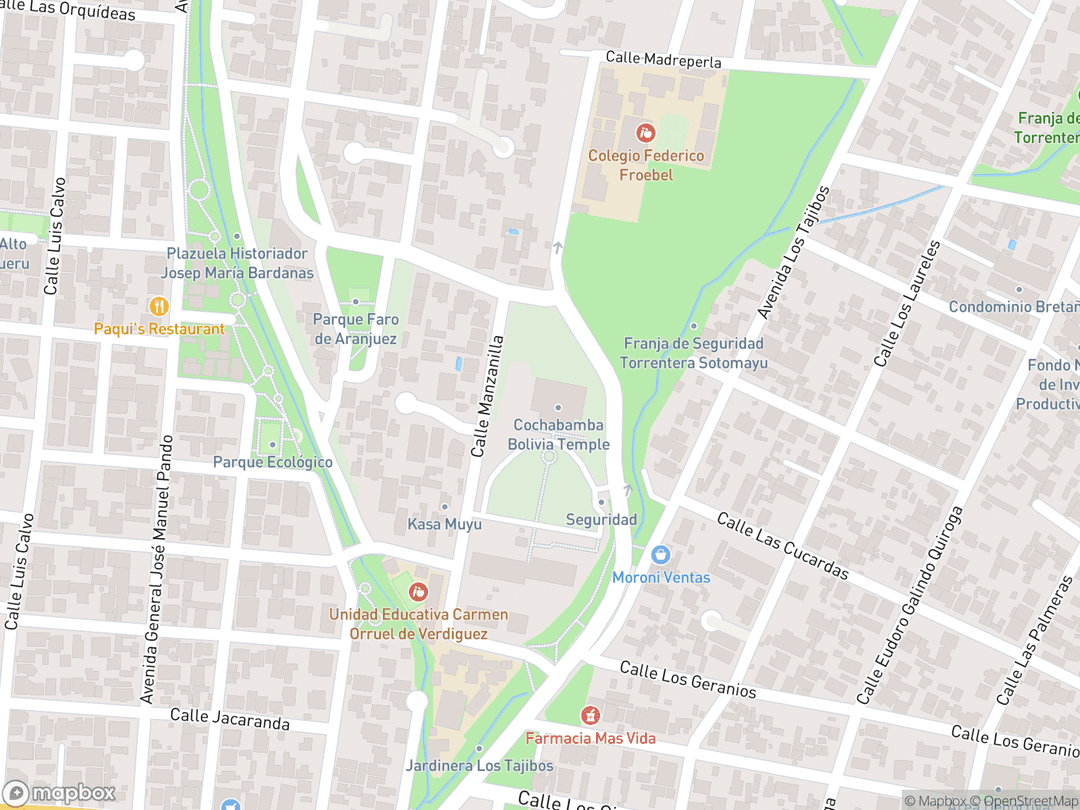
Avenida Melchor Urquidi 1500, Alto Queru Queru, Cochabamba, Bolivia
Hours: Open Tuesday through Saturday during daylight hours; closed Sundays and Mondays.
Getting There: Located at Avenida Melchor Urquidi 1500 in northern Cochabamba. Easily accessible via local taxis or public transit routes (micros or trufis) heading to the Alto Queru Queru neighborhood.
Get DirectionsTips for Your Visit
Visit at Golden Hour
Arrive in the late afternoon to watch the setting sun illuminate the hand-hewn Comanche granite against the Andes Mountains.
Springtime Blooms
Plan your visit between September and November to experience the temple's extensive flowerbeds in full, vibrant bloom.
About
Throughout the history of the Abrahamic traditions, the concept of sacred space has remained central to the worship of the Divine. From the portable Tabernacle of Moses in the wilderness and the grand Temple of Solomon in Jerusalem to the towering cathedrals of medieval Europe, Christians and their spiritual ancestors have long sought to construct physical sanctuaries that bridge the gap between heaven and earth. These sacred edifices serve as physical manifestations of faith, designed to foster deep communion with God, facilitate solemn covenants, and stand as monuments of devotion.
For members of The Church of Jesus Christ of Latter-day Saints, the Cochabamba Bolivia Temple builds directly upon this shared biblical heritage of sacred sanctuaries. While local Latter-day Saint chapels and meetinghouses function similarly to traditional Christian churches—serving as centers for weekly Sabbath worship, community fellowship, and religious instruction—temples are regarded as uniquely holy spaces, literally designated as the "House of the Lord."
Within these walls, the faith's distinct theological doctrines are put into practice through sacred ordinances. Unlike regular Sunday services, temple worship focuses on eternal covenants, such as the "sealing" of husbands, wives, and children for eternity, and vicarious baptisms performed on behalf of deceased ancestors. These practices reflect the Latter-day Saint doctrine that the grace of Jesus Christ is universally accessible to all of God's children across all generations, and that the family unit is intended to endure beyond physical death.
Gallery
Symbolic Elements
The temple's exterior features intricate carvings, each rich with spiritual meaning:
Angel Moroni Statue
The gilded statue of the Angel Moroni stands atop the central spire, holding a trumpet to his lips. This symbolizes the restoration of the gospel of Jesus Christ in the latter days and the spreading of the everlasting covenant to all nations.

Central Spire and Corner Towers
The prominent central spire is surrounded by four smaller corner towers. This arrangement symbolizes the organization of the priesthood and the presidency of the Church, while visually directing the thoughts of onlookers upward.

Arched Windows
The five tall, arched windows on the front facade represent the light of Christ illuminating the world. The classical arch shape symbolizes a gateway or portal between the earthly realm and the celestial kingdom.

Hand-Hewn Comanche Granite
The use of local Comanche granite represents the solid, enduring foundation of the Saints' faith. Hand-hewn by local Bolivian craftsmen, it also symbolizes the personal sacrifice, labor, and cultural heritage dedicated to building the temple.

Baptismal Font on Twelve Oxen
Located in the lower-level baptistry, the large baptismal font rests upon the backs of twelve sculpted oxen. This design mirrors the 'molten sea' in Solomon's Temple, representing the twelve tribes of Israel and the gathering of covenant Israel.

Celestial Room Chandelier
The elegant crystal chandelier in the Celestial Room represents the light, clarity, and beauty of the presence of God. It serves as a focal point in the room, encouraging quiet contemplation and prayer.

Symmetrical Classic Modern Facade
The clean, symmetrical lines of the temple's Classic Modern facade reflect order, balance, and eternal progression. This design harmonizes contemporary architectural standards with traditional, timeless forms.
Interesting Facts
The Cochabamba Bolivia Temple was the 82nd operating temple of the Church worldwide and the very first built in Bolivia.
From the temple grounds, visitors have a clear, direct view of the Cristo de la Concordia statue, the largest statue of Christ in the world.
The granite used for the temple's exterior was hand-hewn in Comanche, a small town famous for its traditional stonecutters.
At the 1996 groundbreaking, President Gordon B. Hinckley promised to return in 'about two years' to dedicate the temple; he kept his promise, returning in April 2000.
In the dedicatory prayer, President Hinckley noted that liberator Simón Bolívar passed away in 1830, the exact year the Church was organized.
During the public open house, interest was so immense that volunteers kept the temple open until midnight to accommodate over 20,000 daily visitors.
At an elevation of 8,697 feet (2,651 meters), it is one of the highest-altitude Latter-day Saint temples in operation globally.
The temple's announcement in January 1995 ended an 11-year drought of temple announcements in South America.
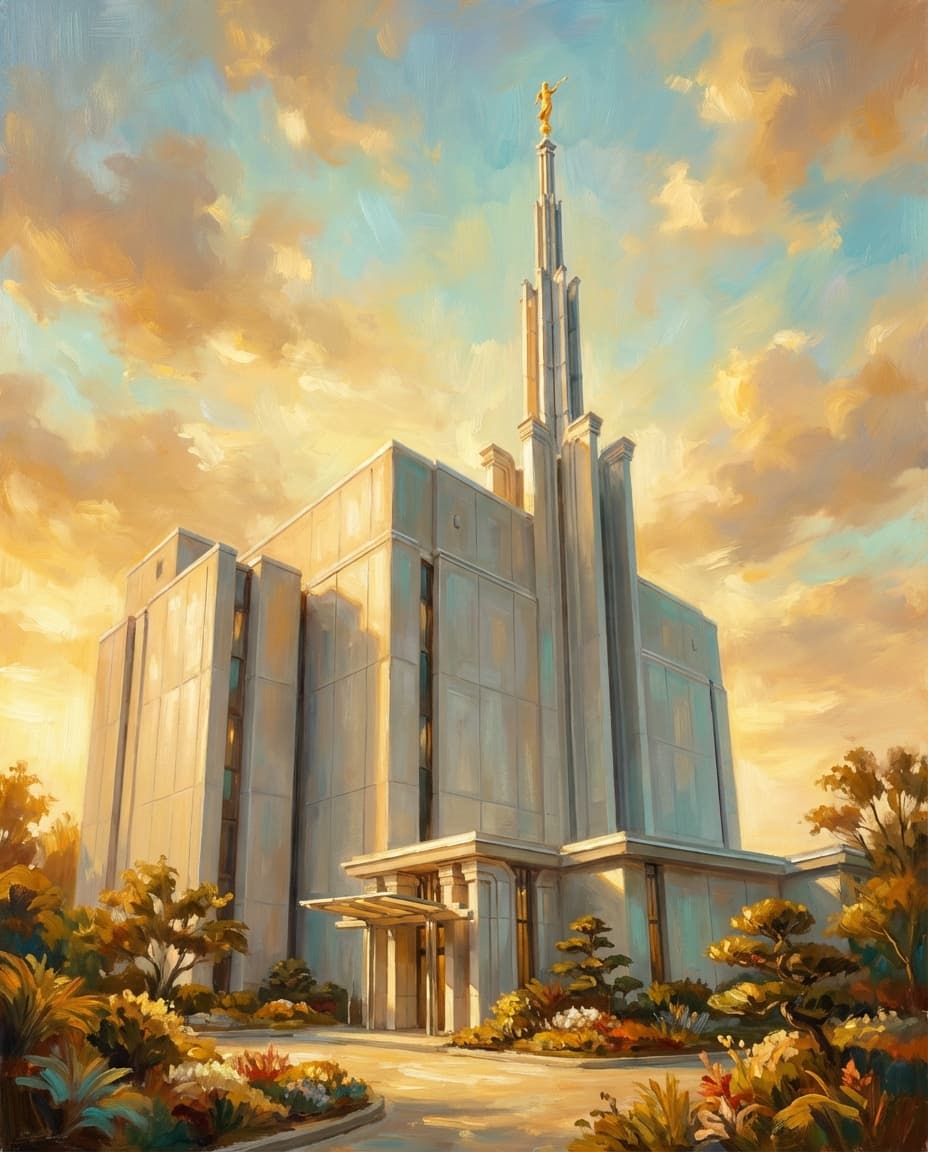
The temple shares its architectural floor plan design with the Albuquerque New Mexico and Houston Texas temples.
The dedication services brought together 9,084 Saints, marking the largest single gathering of Church members in Bolivia's history to that date.
Common Questions
Can anyone visit the interior of the Cochabamba Bolivia Temple?
The interior of the temple is reserved for members of The Church of Jesus Christ of Latter-day Saints who hold a valid temple recommend. However, the public is warmly invited to visit and walk the beautifully landscaped temple grounds.
What makes the exterior stone of the temple unique?
The temple is clad in a unique blend of hand-hewn Comanche granite and smooth plaster. The granite was sourced locally from the town of Comanche in the La Paz Department, famous for its generations of skilled stonecutters.
How does the temple relate to the nearby Cristo de la Concordia statue?
The temple grounds offer a direct, clear view of the Cristo de la Concordia statue on San Pedro hill. Together, these two structures serve as prominent spiritual landmarks in the Cochabamba valley.
When was the temple dedicated, and who performed the dedication?
The temple was dedicated on April 30, 2000, by President Gordon B. Hinckley. He dedicated the structure in four sessions attended by over 9,000 local members.
Are there other temples in Bolivia?
The Cochabamba temple was the first temple built in Bolivia. In October 2021, President Russell M. Nelson announced plans to construct two additional temples in the country, to be located in La Paz and Santa Cruz.
Featured Stories
The Midnight Open House
April 2000
During the public open house in April 2000, the local interest in the newly completed temple was absolutely overwhelming. On one single day, over 20,000 people queued for blocks through the streets of Cochabamba, eager to catch a glimpse of the sacred interior. The lines grew so long that volunteers realized they would not be able to accommodate everyone before the scheduled closing time.
Demonstrating incredible dedication, the temple staff and volunteers decided to keep the doors open until midnight, ensuring that every single visitor who had waited was able to experience the beauty and peace of the House of the Lord.
Source: Church News
The Stonecutters of Comanche
1998
The selection of Comanche granite for the temple's exterior cladding brought a deep sense of local pride and heritage to the project. Sourced from the small town of Comanche in the La Paz Department, this exceptionally hard, high-quality stone is famous throughout Bolivia. Generations of traditional stonecutters worked tirelessly to hand-hew each block of granite to the exact specifications required for the temple.
Their meticulous craftsmanship and physical labor became a literal and symbolic offering, embedding the very soil and soul of Bolivia into the foundation of this sacred sanctuary.
Source: Photogent Temple Gallery
A Prophet's Kept Promise
April 30, 2000
At the groundbreaking ceremony in November 1996, President Gordon B. Hinckley made a heartfelt promise to the local Latter-day Saints, stating that he would return in 'about two years' to dedicate the completed structure. Although the complex construction and stone-carving process ultimately took three and a half years, President Hinckley remained determined to keep his word.
In April 2000, the beloved prophet traveled back to the high-altitude valley of Cochabamba to dedicate the temple in person. His presence and the subsequent dedication services brought immense joy to the 9,084 members who gathered, marking a historic milestone for the Church in South America.
Source: Church News
Timeline
Proselytizing Begins
Formal proselytizing by Latter-day Saint missionaries officially begins in Bolivia.
EventFirst Convert Baptism
The first convert baptism is performed in Bolivia, establishing a foundation of local believers.
EventAndes Mission Organized
The Andes Mission is formally organized with its headquarters in La Paz.
EventBaptism of Rene Cabrera
Rene Cabrera, who would later serve as an Area Seventy during the temple's construction, is baptized.
EventFirst Stakes Established
The first stakes (dioceses) are organized in Santa Cruz, La Paz, and Cochabamba.
MilestoneTemple Announced
The First Presidency of the Church formally announces the intent to construct a temple in Cochabamba.
MilestoneGroundbreaking Ceremony
President Gordon B. Hinckley presides over the groundbreaking ceremony and challenges members to prepare spiritually.
component.timeline.groundbreakingExcavation Begins
Excavation and foundation work begins on the Alto Queru Queru site.
EventGranite Selection
Local Comanche granite is selected and hand-hewn by traditional Bolivian stonecutters.
EventStained Glass Installation
Installation of the five arched art glass windows on the front facade is completed.
EventAngel Moroni Installed
The gilded statue of the Angel Moroni is installed atop the central spire.
MilestonePublic Open House
The public open house begins, allowing tens of thousands of Bolivian citizens to tour the interior.
EventYouth Cultural Celebration
A vibrant youth cultural celebration is held prior to the dedication services.
EventTemple Dedication
President Gordon B. Hinckley dedicates the Cochabamba Bolivia Temple in four sessions.
DedicationTemporary Pandemic Closure
The temple temporarily closes its doors in alignment with global health protocols during the COVID-19 pandemic.
EventFuture Temples Announced
President Russell M. Nelson announces plans to construct two additional temples in Bolivia (La Paz and Santa Cruz).
MilestoneHistory by Decade
1960s–1970s — Planting the Seeds of Faith
The history of the Church in Bolivia began in earnest in November 1964, when formal proselytizing officially commenced following the arrival of missionaries from the Andes Mission. Just a month later, in December 1964, the first convert baptism was performed, establishing a small but highly dedicated foundation of local believers. Throughout the 1970s, the Church experienced steady, resilient growth. The Andes Mission was reorganized to focus specifically on the diverse populations of Bolivia, including Spanish, Aymara, and Quechua-speaking communities. By 1979, the first stakes (dioceses) were organized in Santa Cruz, La Paz, and Cochabamba, signaling that local congregations had achieved the leadership depth necessary for self-governance and spiritual maturity.
1990s — Announcement and Groundbreaking
On January 13, 1995, the First Presidency of the Church formally announced plans to construct a temple in Cochabamba, Bolivia. This announcement was met with immense joy and relief, as Bolivian Saints previously had to undertake long, expensive journeys to Lima, Peru, to participate in temple worship. On November 10, 1996, President Gordon B. Hinckley presided over the groundbreaking ceremony on a beautiful 6.51-acre site in the northern Alto Queru Queru neighborhood. During his address, he challenged the local members to prepare themselves spiritually, emphasizing that a temple recommend should serve as a constant reminder of the sacred covenants they would soon make within the completed structure.
2000s–Present — A Beacon in the Andes
The temple was completed in early 2000, featuring a stunning Classic Modern design clad in hand-hewn Comanche granite. Following a highly successful public open house that drew tens of thousands of visitors, President Gordon B. Hinckley dedicated the Cochabamba Bolivia Temple on April 30, 2000, in four sacred sessions attended by 9,084 local members. In the decades following its dedication, the temple has stood as a spiritual beacon in the high-altitude valley of Cochabamba. The dramatic growth of the Church in Bolivia eventually led President Russell M. Nelson to announce plans in October 2021 to construct two additional temples in the country—one in La Paz and one in Santa Cruz—further expanding the reach of sacred ordinances for the Bolivian Saints.
Architecture & Facilities
The Cochabamba Bolivia Temple features a Classic Modern architectural design characterized by clean, symmetrical lines, a single central spire, and minimal exterior ornamentation. The design was carefully crafted to harmonize contemporary architectural standards with traditional Bolivian motifs, creating a structure that feels both timeless and deeply rooted in its local environment.
Building Materials
Exterior Cladding
A unique blend of hand-hewn Comanche granite sourced from the La Paz Department and smooth, light-colored plaster.
Art Glass Windows
Stained-glass windows featuring soft geometric patterns that allow natural light to filter into the sacred interior spaces.
Interior Woodwork
High-quality, polished hardwood trim and detailing that adds warmth and elegance to the ordinance and sealing rooms.
Floor Coverings
Premium carpeting and stone tiling designed to withstand heavy foot traffic while maintaining a quiet, reverent atmosphere.
Interior Features
Celestial Room
The symbolic heart of the temple, elegantly decorated with light, warm tones, crystal chandeliers, and comfortable seating to encourage quiet prayer and meditation.
Sealing Rooms
Three sacred rooms equipped with central altars where marriages and family sealings are performed for eternity.
Instruction Rooms
Two stationary ordinance rooms where patrons participate in symbolic presentations of the plan of salvation.
Baptistry
A lower-level baptistry featuring a large baptismal font resting upon the backs of twelve sculpted oxen, symbolizing the twelve tribes of Israel.
Temple Grounds
The temple is situated on a beautifully manicured 6.51-acre site in the northern Alto Queru Queru neighborhood. The grounds are adorned with vibrant flowerbeds, native shrubs, and stately palm trees, all set against the dramatic backdrop of the Andes Mountains.
Additional Facilities
The temple complex includes an arrival center, patron housing for those traveling long distances, and a distribution center.
Religious Significance
For members of The Church of Jesus Christ of Latter-day Saints, the Cochabamba Bolivia Temple is a literally dedicated House of the Lord, building directly upon the biblical heritage of sacred sanctuaries like the Tabernacle of Moses and the Temple of Solomon.
To serve as a sacred space where eternal covenants are made, bridging the gap between heaven and earth, and making the saving grace of Jesus Christ universally accessible to all generations.
Sacred Ordinances
The Endowment
A sacred presentation where patrons receive instruction regarding God's plan of salvation and make covenants to follow Jesus Christ.
Eternal Marriage (Sealing)
A solemn ordinance where husbands, wives, and children are united ('sealed') for eternity, reflecting the doctrine that family relationships endure beyond death.
Proxy Baptism
Baptisms performed by the living on behalf of deceased ancestors, ensuring that the opportunity for salvation is universally accessible.
Universal Grace and the Family Unit
The ordinances performed within the Cochabamba Bolivia Temple reflect the core Latter-day Saint doctrine that the family unit is intended to endure eternally and that God's love extends to all of His children, past and present.
Similar Temples
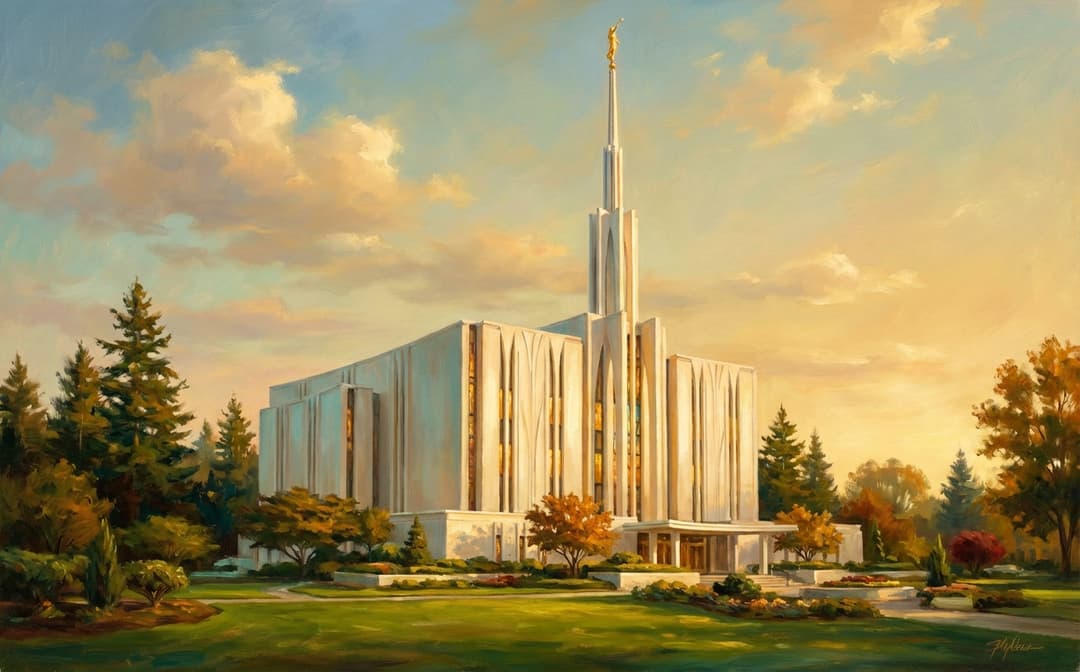
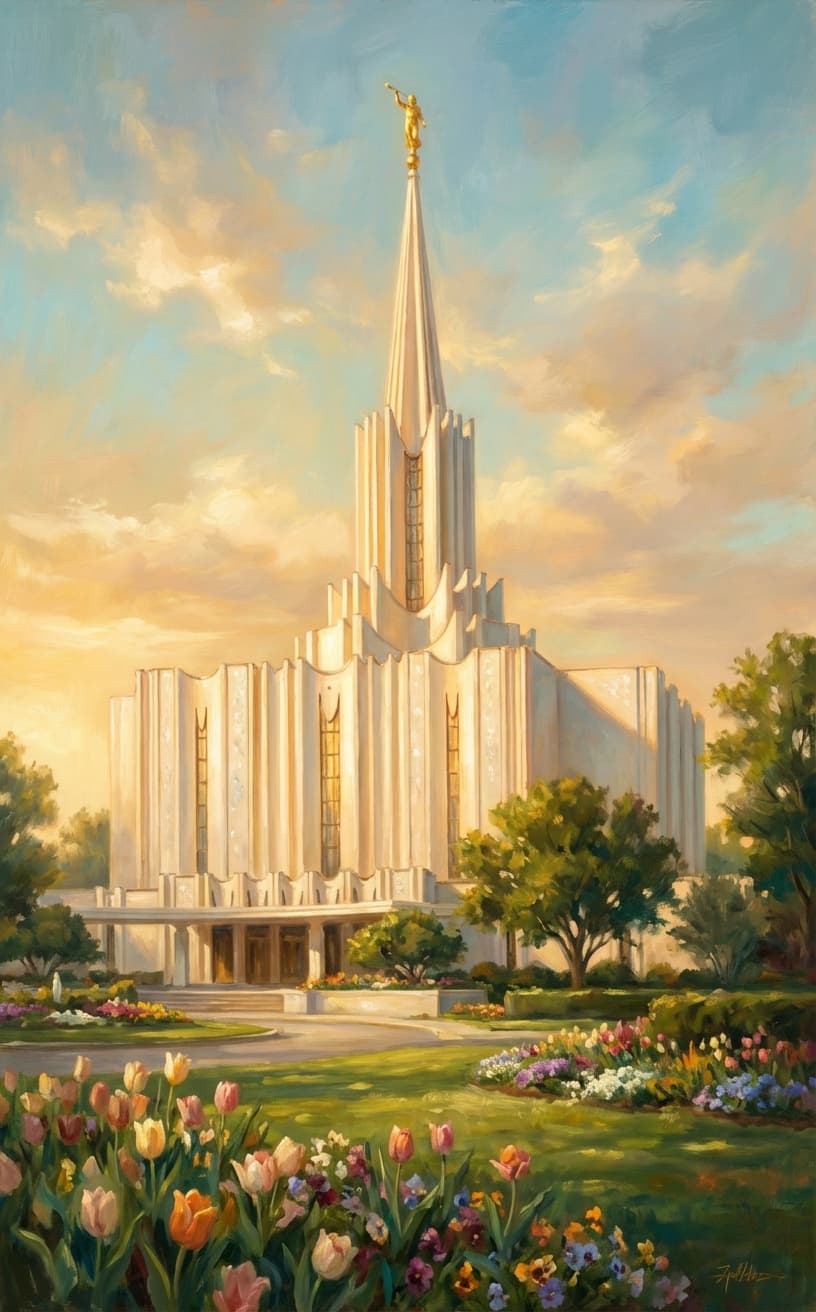
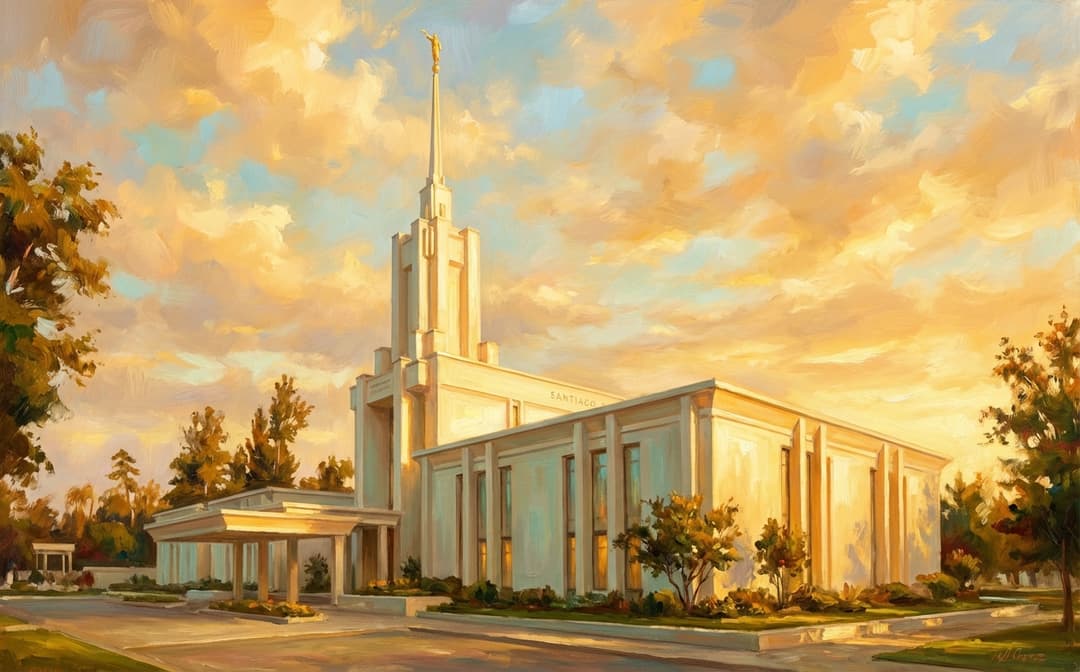
Sources & Research
Every fact on Temples.org is backed by verified Sources & Research. Each piece of information is rated by source tier and confidence level.
View All Sources (6)
| Field | Source | Tier | Retrieved |
|---|---|---|---|
| About & Historical Background | The Church of Jesus Christ of Latter-day Saints (opens in a new tab) | A | 2026-02-18 |
| Timeline & Dedication | Church News (opens in a new tab) | B | 2026-02-18 |
| Architecture & Materials | Photogent Temple Gallery (opens in a new tab) | C | 2026-02-18 |
| Visitor Insights & Location | ChurchofJesusChristTemples.org (opens in a new tab) | C | 2026-02-18 |
| Interesting Facts & Statistics | LDS Daily (opens in a new tab) | B | 2026-02-18 |
| Travel & Regional Context | Kupi Travel (opens in a new tab) | D | 2026-02-18 |