Visitor Insights
Visiting Seattle Washington Temple
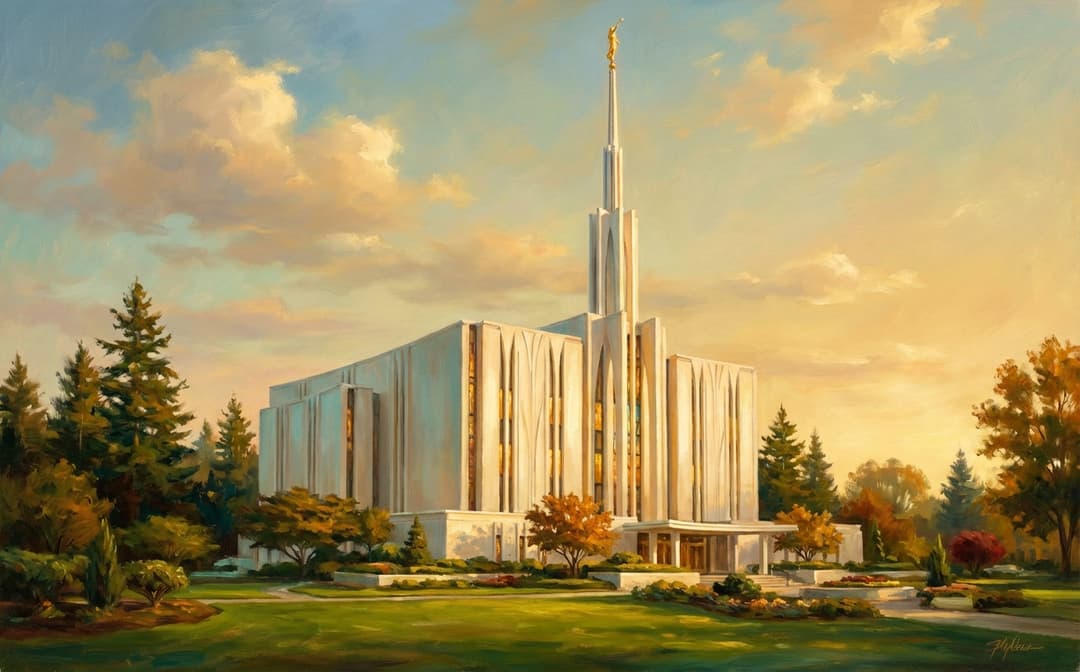
The Seattle Washington Temple offers a serene and reverent atmosphere for members of The Church of Jesus Christ of Latter-day Saints. Visitors can expect beautifully maintained grounds, a modern architectural design, and a sense of spiritual peace. While there is no visitors' center open to the public, the temple grounds are open for quiet contemplation and appreciation of the temple's beauty. The temple is an active place of worship and service.
Highlights
- Beautiful modern architecture
- Well-maintained and peaceful grounds
- Symbolic wheat designs and reverse Gothic arches
Things to Know
- No visitors' center is available.
- Temple is an active place of worship.
- Dress modestly when visiting the grounds.
Location
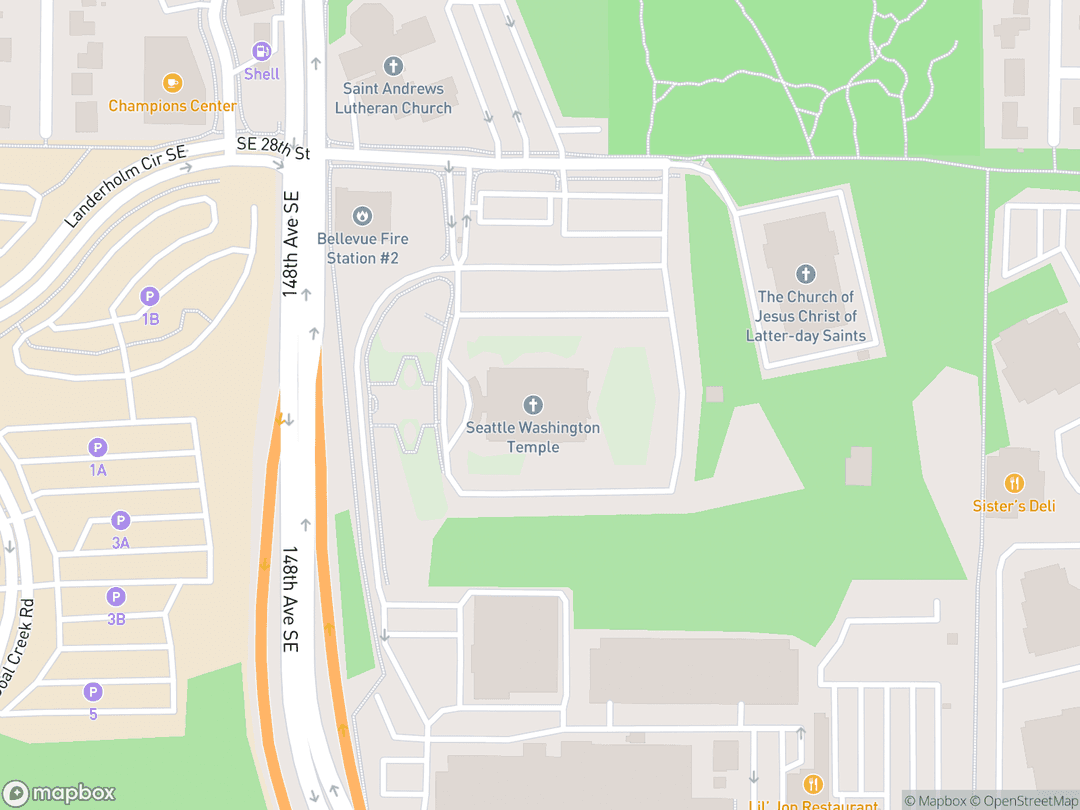
2808 148th Ave SE, Bellevue, Washington 98007-6453
Hours: Tuesday through Saturday, 6:00 AM to 9:45 PM
Getting There: Located at 2808 148th Ave SE, Bellevue, Washington. Use navigation apps for best route.
Get DirectionsAbout
According to The Church of Jesus Christ of Latter-day Saints, the Seattle Washington Temple, dedicated in 1980, is the 19th operating temple of the Church and serves members in the Pacific Northwest. Located in Bellevue, Washington, just east of Seattle, it was the first temple built in the state. Its modern architecture and serene grounds offer a place of peace and spiritual reflection for all who visit.
The temple's history dates back to the early days of the Church in the region, with members arriving in the 1850s to work on the railroads. As the Church grew, the need for a temple became apparent, and in 1975, President Spencer W. Kimball announced the plans for its construction. The groundbreaking ceremony in 1978 marked the beginning of a significant chapter in the history of the Church in the Pacific Northwest.
The Seattle Temple's design incorporates elements reflective of both local culture and broader Church symbolism. The exterior, constructed of reinforced concrete faced with white marble aggregate and cast stone, features a single spire and outward-curving walls. Inside, the temple is adorned with Czechoslovak chandeliers and reverse Gothic arches, creating a unique and inspiring atmosphere. The temple continues to be a vital center for Latter-day Saints in the region, providing a sacred space for worship, service, and spiritual growth.
Gallery
Symbolic Elements
The temple's exterior features intricate carvings, each rich with spiritual meaning:

Angel Moroni Statue
The statue of the angel Moroni, a prominent figure in Latter-day Saint belief, stands atop the temple's spire. It symbolizes the restoration of the gospel and the coming forth of the Book of Mormon, a companion scripture to the Bible. The Seattle Temple is unique in that its angel Moroni statue holds the gold plates.

Wheat Designs
High-relief sculptures of stalks of wheat are visible on the exterior walls and metal ornamentations on the entrance doors. Wheat symbolizes Christ as the 'bread of life' and can also represent the parable of the wheat and the tares. It is also a symbol of preparedness and the gathering of Israel.

Reverse Gothic Arches
The window and wall designs frequently incorporate reverse Gothic arches with lines that bend out like tree branches. This architectural element is reflective of the Northwestern region of the United States, paying homage to the area's natural beauty and forests.

Temple Spires
The spire of the Seattle Washington Temple draws the eyes upward to Heaven, symbolizing the need to look to Heavenly Father and Jesus Christ. Spires are a common feature in temple architecture, representing a connection between the earthly and the divine.

White Exterior
The temple's exterior is constructed of white marble aggregate and cast stone, symbolizing purity and holiness. White is often associated with sacred spaces and represents the desire to be clean and worthy before God.

Czechoslovak Chandeliers
The interior of the Seattle Washington Temple features Czechoslovak chandeliers, adding elegance and beauty to the sacred space. Chandeliers provide light and warmth, creating a reverent atmosphere for worship and reflection.

Carpets
The carpets transition from dark brown to white as one travels upward through the temple, representing the spiritual journey of faithful church members. This visual transition symbolizes the progression from earthly concerns to spiritual enlightenment and purity.

Water Feature
The captivating landscaping that surrounds the temple features a cascading water feature, family-themed statues, and numerous brightly colored flowers, hedges, and trees. Water is often used as a symbol of cleansing and life.
Interesting Facts
The Seattle Washington Temple was the first temple built in the Pacific Northwest.
The temple was originally named the Seattle Temple.
The temple's exterior walls curve outward, creating a tapered effect.
The Seattle Temple is one of only five temples featuring an angel Moroni statue holding the gold plates.
The captivating landscaping that surrounds the temple features a cascading water feature, family-themed statues, and numerous brightly colored flowers, hedges, and trees.
The Seattle Family Discovery Center, located near the temple, provides resources for family history research.
During the dedication, a group of women protested the Church's position on the Equal Rights Amendment.
To support the temple's construction, members from across the temple district donated over $3.2 million.
In the first year after dedication, one hundred thousand endowments were performed in under six months.
The temple's design incorporates elements reflective of both the local culture and broader church symbolism.
Common Questions
What is the purpose of the Seattle Washington Temple?
The Seattle Washington Temple serves as a sacred space for members of The Church of Jesus Christ of Latter-day Saints to participate in religious ordinances, make covenants with God, and strengthen their faith. It is a place of peace, reflection, and spiritual growth.
When was the Seattle Washington Temple dedicated?
The Seattle Washington Temple was dedicated from November 17-21, 1980, by President Spencer W. Kimball. The dedication was a significant event for Latter-day Saints in the Pacific Northwest, marking the culmination of years of planning and construction.
What are some of the architectural features of the Seattle Washington Temple?
The Seattle Washington Temple features a modern single-spire design with an exterior constructed of reinforced concrete faced with white marble aggregate and cast stone. The building stands five stories tall and incorporates reverse Gothic arches and wheat designs, reflecting both local culture and broader Church symbolism.
Is the Seattle Washington Temple open to the public?
While the temple itself is reserved for members of The Church of Jesus Christ of Latter-day Saints, the temple grounds are open to the public for quiet contemplation and appreciation of the temple's beauty. During the open house prior to the dedication, the public was invited to tour the interior of the temple.
What is the significance of the angel Moroni statue on the Seattle Washington Temple?
The statue of the angel Moroni atop the spire symbolizes the coming of divine truth, as found in the Book of Mormon. The Seattle Temple is one of only five temples featuring an angel Moroni statue holding the gold plates, adding to its unique significance.
Related Stories
Explore the rich history, traditions, and people connected to this sacred site.
Featured Stories
The Announcement of the Seattle Temple
November 15, 1975
The announcement of the Seattle Temple by President Spencer W. Kimball on November 15, 1975, was met with overwhelming joy and gratitude by Latter-day Saints throughout the Pacific Northwest. For years, members had traveled long distances to attend temples in other states, and the prospect of having a temple closer to home was a dream come true. The news spread quickly through communities, uniting members in a shared sense of anticipation and excitement for the future.
The announcement not only strengthened the faith of existing members but also attracted new converts to the Church. Many saw the construction of a temple as a sign of the Church's growing presence and commitment to the region. The Seattle Temple became a symbol of hope and spiritual growth for Latter-day Saints in Washington, Oregon, Idaho, and British Columbia.
Source: The Church News
The Dedication of the Seattle Temple
November 17-21, 1980
The dedication of the Seattle Temple from November 17-21, 1980, was a momentous occasion presided over by President Spencer W. Kimball. During the thirteen dedicatory sessions, President Kimball shared inspiring messages of faith, hope, and love, emphasizing the sacred purpose of the temple and the blessings it would bring to the lives of those who entered its doors. The spirit of reverence and gratitude filled the temple as members participated in the dedicatory services.
The dedication was not without its challenges. A group of women staged a protest outside the temple gates, expressing their opposition to the Church's stance on the Equal Rights Amendment. Despite the demonstration, the dedication proceeded with dignity and respect, and the temple was officially set apart as a house of the Lord. The dedication marked the culmination of years of planning, sacrifice, and hard work, and the Seattle Temple became a beacon of light for Latter-day Saints in the Pacific Northwest.
Source: The Church of Jesus Christ of Latter-day Saints Newsroom
The Impact of the Seattle Temple on the Community
1980-Present
Since its dedication, the Seattle Temple has had a profound impact on the Latter-day Saint community in the Pacific Northwest. The temple has provided a sacred space for members to participate in essential religious ordinances, such as baptisms for the dead, endowments, and sealings. These ordinances strengthen family bonds, connect individuals with their ancestors, and provide opportunities for spiritual growth.
Beyond its religious functions, the Seattle Temple has also served as a center for community service and outreach. Members of the Church have volunteered countless hours in local charities, food banks, and disaster relief efforts, demonstrating their commitment to serving others. The Seattle Temple has become a symbol of faith, hope, and love for Latter-day Saints and a valuable asset to the broader community.
Source: Church History Department
Timeline
Early Latter-day Saints Arrive
Latter-day Saint history in the area dates back to this time, when members came to work on the railroads, establishing a foundation for the Church in the Pacific Northwest.
MilestoneFirst Stake Created
The first stake was created in the area, marking a significant milestone in the growth of the Church and leading to rapid membership increase in the region.
MilestonePetition for a Temple
A group of Stake Presidents petitioned the First Presidency for a temple in the Pacific Northwest, reflecting the growing desire for a dedicated sacred space.
MilestoneTemple Announced
Plans to construct the Seattle Temple were officially announced by Church President Spencer W. Kimball, bringing great joy and anticipation to members in the region.
MilestoneProperty Acquired
The Church successfully closed on the property for the Seattle Temple, securing the location for the future sacred edifice.
MilestoneGroundbreaking Ceremony
Ground was broken for the Seattle Temple, with Marion G. Romney presiding over the ceremony attended by approximately 1,200 church members.
component.timeline.groundbreakingPublic Open House
A public open house was held, allowing over 100,000 visitors to tour the newly constructed temple and learn about its sacred purpose.
EventTemple Dedication
The Seattle Temple was dedicated by Spencer W. Kimball in 13 sessions, marking a significant spiritual milestone for Latter-day Saints in the Pacific Northwest.
DedicationElder Hinckley Called as Counselor
Due to ailing health, President Kimball called Elder Gordon B. Hinckley as a third counselor in the First Presidency in July, impacting Church leadership.
EventAirfield Closes
The nearby Bellevue Airfield closed, and the red strobe warning light at the base of the angel Moroni statue was shut off, altering the temple's surroundings.
EventTemporary Closure
The Seattle Washington Temple was temporarily closed due to the coronavirus pandemic, impacting temple worship and activities.
RenovationEarly Saints in the Area
Latter-day Saints began settling in the Seattle area, primarily working on railroads and establishing communities that would later contribute to the growth of the Church.
MilestoneTemple Announcement Impact
The announcement of the Seattle Temple brought immense joy and anticipation to Latter-day Saints throughout Washington, Oregon, Idaho, and British Columbia, uniting them in support of the project.
EventDedication Preparations
During the dedication, volunteers from across the region worked tirelessly to ensure the temple was ready for its sacred purpose, cleaning, decorating, and preparing for the thousands of visitors expected.
EventContinued Service
Since its dedication, the Seattle Temple has served as a spiritual anchor for Latter-day Saints in the Pacific Northwest, providing a place for sacred ordinances, personal reflection, and community worship.
MilestoneHistory by Decade
1850s–1890s — Early Settlement
The history of Latter-day Saints in the Seattle area dates back to the mid-19th century, when members of The Church of Jesus Christ of Latter-day Saints began settling in the Pacific Northwest. Many of these early settlers were drawn to the region by opportunities in the railroad industry and other emerging sectors. They established small communities and congregations, laying the foundation for the future growth of the Church in the area.
1900s–1930s — Growth and Development
The early 20th century saw continued growth and development for the Church in the Seattle area. New congregations were established, and existing ones expanded to accommodate the growing membership. Church members played an active role in the community, contributing to civic and cultural life. The Church also focused on strengthening its educational and social programs, providing opportunities for members to learn and connect with one another.
1940s–1960s — Post-War Expansion
Following World War II, the Seattle area experienced a period of rapid growth and prosperity, and the Church mirrored this trend. The creation of the first stake in 1938 marked a significant milestone, and membership continued to increase steadily. Church leaders recognized the need for a temple to serve the growing number of Latter-day Saints in the Pacific Northwest, and discussions began about the possibility of constructing a temple in the region.
1970s — Planning and Construction
We are grateful for the faith and dedication of the members in this area.
The 1970s were a pivotal decade for the Church in the Seattle area, as plans for the Seattle Temple began to take shape. In 1975, President Spencer W. Kimball announced the Church's intention to build a temple in Bellevue, Washington. The announcement was met with great enthusiasm and anticipation by Latter-day Saints throughout the region. The groundbreaking ceremony took place in 1978, and construction began in earnest.
1980s — Dedication and Service
The Seattle Temple was dedicated in November 1980, marking a significant milestone in the history of the Church in the Pacific Northwest. The dedication was presided over by President Spencer W. Kimball, and thousands of Latter-day Saints from across the region attended the dedicatory sessions. Since its dedication, the Seattle Temple has served as a sacred space for members to participate in religious ordinances and strengthen their faith.
1990s–Present — Continued Blessings
The Seattle Temple has continued to be a source of blessings and inspiration for Latter-day Saints in the Pacific Northwest in the decades since its dedication. The temple has provided a place for members to connect with God, strengthen their families, and serve others. The temple has also served as a symbol of the Church's commitment to the region and its continued growth and development.
Architecture & Facilities
The Seattle Washington Temple exhibits a modern, single-spire design, reflecting the architectural trends of the late 20th century. Its clean lines and geometric forms create a sense of simplicity and elegance, while its outward-curving walls add a unique and distinctive touch. The temple's design incorporates elements reflective of both the local culture and broader Church symbolism, creating a harmonious blend of tradition and modernity.
Building Materials
Exterior
The exterior of the Seattle Washington Temple is constructed of reinforced concrete faced with white marble aggregate and cast stone. These materials provide durability and a sense of timelessness, while the white color symbolizes purity and holiness. The marble aggregate adds a subtle texture and visual interest to the exterior surface.
Interior
The interior of the Seattle Washington Temple features a variety of high-quality materials, including Czechoslovak chandeliers, wood finishes, and plush carpeting. These materials create a warm and inviting atmosphere, while also reflecting the sacred nature of the space. The use of natural light and carefully chosen color palettes enhances the overall sense of peace and reverence.
Wheat Designs
High-relief sculptures of stalks of wheat are visible on the exterior walls and metal ornamentations on the entrance doors. Wheat symbolizes Christ as the 'bread of life' and can also represent the parable of the wheat and the tares. It is also a symbol of preparedness and the gathering of Israel.
Stained Glass
The temple incorporates stained glass windows, which allow natural light to filter through while adding color and visual interest to the interior. The stained glass designs often feature symbolic motifs and patterns, enhancing the spiritual atmosphere of the temple.
Interior Features
Celestial Room
The Celestial Room is considered the most beautiful room in the temple, representing heaven on earth. It is a place for quiet prayer, meditation, and reflection, where members can feel closer to God. The room is typically adorned with elegant furnishings, soft lighting, and inspiring artwork.
Sealing Rooms
Sealing rooms are where marriages are performed for time and all eternity. These rooms are decorated with beautiful altars and comfortable seating, creating a sacred and intimate space for couples to begin their eternal journey together. Family members and friends often attend the sealing ceremony to witness and support the couple's commitment.
Baptistry
The baptistry is where baptisms for the dead are performed, allowing deceased individuals to receive this essential ordinance. The baptistry typically features a large font of water, symbolizing cleansing and rebirth. Members of the Church perform baptisms on behalf of their ancestors, providing them with the opportunity to accept the gospel of Jesus Christ.
Endowment Rooms
Endowment rooms are where members receive instruction on the plan of salvation and make covenants with God. These rooms are designed to create a reverent and peaceful atmosphere, allowing members to focus on the sacred teachings and promises they are receiving.
Temple Grounds
The grounds of the Seattle Washington Temple are meticulously maintained and feature a variety of trees, shrubs, flowers, and water features. The landscaping is designed to create a peaceful and inviting atmosphere, providing a place for visitors to stroll, reflect, and enjoy the beauty of nature. The grounds also include family-themed statues and cascading water features, adding to the overall sense of tranquility and inspiration.
Additional Facilities
The Seattle Family Discovery Center, which is located in a meetinghouse west of the temple grounds, acts as a comprehensive educational resource, providing both members and non-members with an in-depth understanding of the importance of family history and genealogical research. The center offers classes, workshops, and access to genealogical databases, helping individuals connect with their ancestors and learn about their heritage.
Religious Significance
Temples of The Church of Jesus Christ of Latter-day Saints are considered houses of the Lord, sacred spaces dedicated to performing essential religious ordinances and strengthening one's connection with God. These temples are not places of regular Sunday worship but are reserved for special ceremonies and covenants that bind individuals and families together for eternity.
The primary purpose of the Seattle Washington Temple is to provide a place where members of The Church of Jesus Christ of Latter-day Saints can participate in sacred ordinances, make covenants with God, and receive blessings that are not available elsewhere. These ordinances include baptisms for the dead, endowments, and sealings, which are essential for eternal salvation and exaltation.
Sacred Ordinances
Baptism for the Dead
Baptism for the dead is a vicarious ordinance performed on behalf of deceased individuals who did not have the opportunity to be baptized during their lifetime. Members of the Church are baptized in the temple on behalf of their ancestors, providing them with the opportunity to accept the gospel of Jesus Christ in the afterlife.
Endowment
The endowment is a sacred ordinance in which members receive instruction on the plan of salvation and make covenants with God. The endowment provides individuals with greater knowledge, power, and blessings, enabling them to live more righteous lives and fulfill their divine potential.
Sealing
Sealing is the ordinance in which marriages are performed for time and all eternity, binding couples together in an eternal union. Children can also be sealed to their parents, creating eternal families that will endure beyond this life. Sealing is considered one of the most sacred and important ordinances in the temple.
The Importance of Covenants
Covenants are sacred agreements between God and individuals, in which God promises to bless those who keep His commandments. The covenants made in the temple are essential for eternal salvation and exaltation, providing individuals with the opportunity to return to God's presence and live with Him forever. Keeping these covenants requires faith, obedience, and a commitment to living a righteous life.
The Role of the Temple in Strengthening Families
Temples play a vital role in strengthening families by providing a place where couples can be sealed together for eternity and children can be sealed to their parents. These eternal families provide a foundation of love, support, and guidance that can help individuals navigate the challenges of life and achieve their full potential. The temple also provides opportunities for families to serve together and connect with their ancestors, strengthening their bonds across generations.
Similar Temples
Sources & Research
Every fact on Temples.org is backed by verified Sources & Research. Each piece of information is rated by source tier and confidence level.
View All Sources (6)
| Field | Source | Tier | Retrieved |
|---|---|---|---|
| About & Historical Background | The Church of Jesus Christ of Latter-day Saints (opens in a new tab) | A | 2024-01-04 |
| About & Historical Background | churchofjesuschristtemples.org (opens in a new tab) | C | 2024-01-04 |
| Historical Timeline | The Church of Jesus Christ of Latter-day Saints Newsroom (opens in a new tab) | A | 2024-01-04 |
| Architectural Description | Church History Department (opens in a new tab) | A | 2024-01-04 |
| Interesting Facts | The Church News (opens in a new tab) | B | 2024-01-04 |
| About & Historical Background | MormonWiki (opens in a new tab) | B | 2024-01-04 |