Visitor Insights
Visiting Santiago Chile Temple
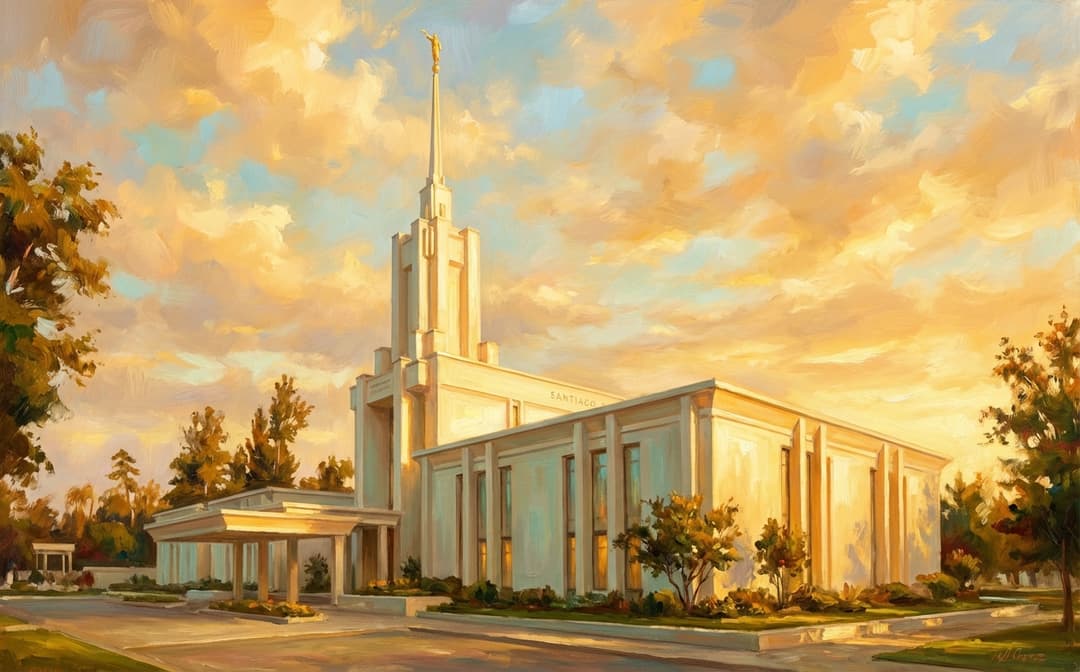
The Santiago Chile Temple offers a serene and reverent atmosphere for visitors. The temple grounds are beautifully maintained, featuring gardens, trees, and a fountain, providing a peaceful environment for reflection. While there is no formal visitor's center, the distribution center on-site allows patrons to purchase temple garments and clothing. Visitors can expect a sacred and uplifting experience as they approach this house of the Lord.
Highlights
- Beautifully landscaped grounds with gardens and a fountain.
- The first temple built in a Spanish-speaking country.
- A place of peace and spiritual enrichment for members.
Things to Know
- The temple is closed on certain dates for maintenance and cleaning.
- No visitor's center is available on-site.
- Temple garments and clothing can be purchased at the distribution center.
Location
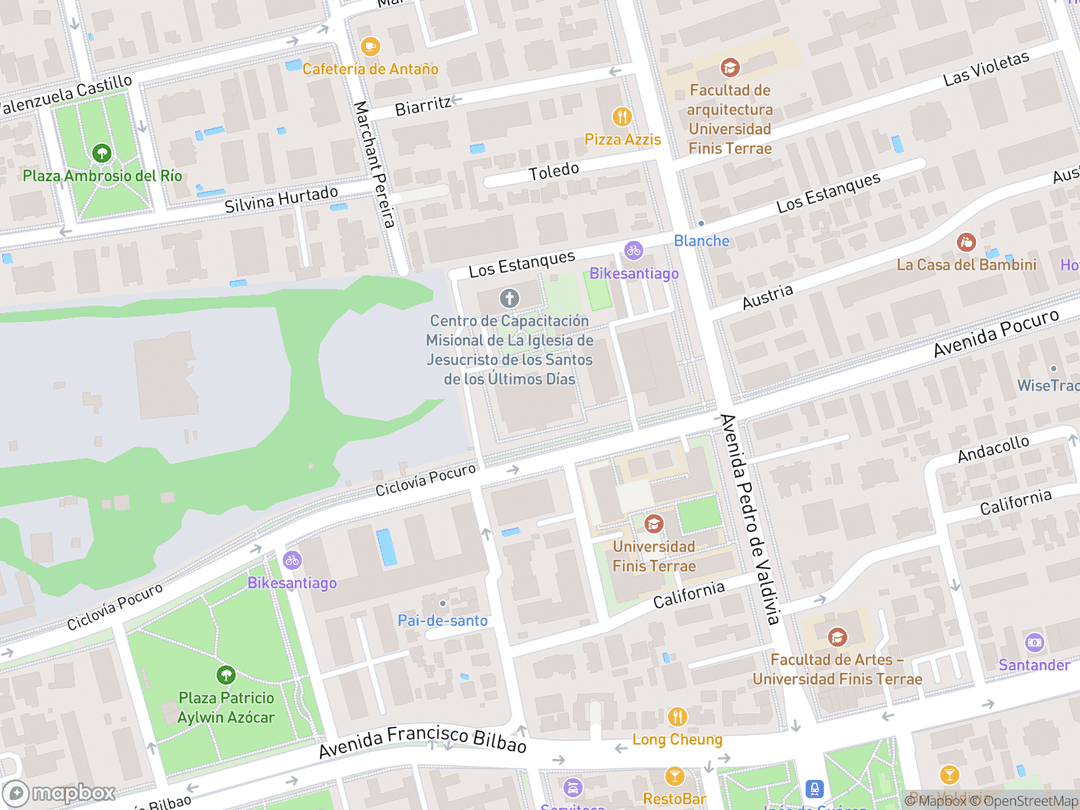
Pocuro #1940 Providencia 6641404 Santiago, Region Metropolitana, Chile
Hours: Please refer to the official Church website for the most up-to-date hours of operation.
Getting There: The temple is located in the Providencia district of Santiago. Public transportation and parking are available.
Get DirectionsAbout
The Santiago Chile Temple stands as a beacon of faith in the Providencia district of Santiago, Chile. Announced on April 2, 1980, it holds the distinction of being the first temple constructed in a Spanish-speaking nation and the second in South America. This sacred edifice provides a haven of peace and spiritual enrichment for members of The Church of Jesus Christ of Latter-day Saints, fostering a closer connection with God.
The temple's history is intertwined with the growth of the Church in Chile. Following the arrival of early missionaries in 1850 and the formal establishment of the Church in 1956, the announcement of the Santiago Chile Temple marked a significant milestone. Groundbreaking ceremonies took place on May 30, 1981, followed by a public open house in 1983. The temple was dedicated from September 15-17, 1983, by Gordon B. Hinckley, then a counselor in the First Presidency.
In 2005, the temple closed for expansion and renovation to better serve the growing membership. A subsequent open house was held in early 2006, and the temple was rededicated on March 12, 2006, by President Gordon B. Hinckley. The Santiago Chile Temple continues to be a cherished landmark, symbolizing the enduring faith and devotion of Latter-day Saints in Chile.
Gallery
Symbolic Elements
The temple's exterior features intricate carvings, each rich with spiritual meaning:

Angel Moroni Statue
The statue of the angel Moroni atop the temple spire is a recognizable symbol of Latter-day Saint temples. It symbolizes the restoration of the gospel of Jesus Christ and also serves as a lightning rod, protecting the temple from electrical damage. The statue faces eastward, signifying the heralding of Christ's return.

Copihue Motif
The copihue, Chile's national flower, is incorporated into the temple's design in the door hardware and stained glass. This elegant flower, known for its bell-like shape and vibrant colors, represents the beauty and unique heritage of Chile. Its inclusion symbolizes the blending of local culture with the sacred purpose of the temple.

Twelve Oxen
The baptismal font rests upon twelve oxen, representing the twelve tribes of Israel. This symbolic representation is a common feature in Latter-day Saint temples, signifying the importance of baptism and the connection to the ancient covenant people. Each ox is meticulously crafted, reflecting the dedication and artistry involved in the temple's construction.

Stucco Exterior
The exterior of the Santiago Chile Temple is finished with stucco on concrete block. This material choice provides durability and a clean, elegant appearance. The stucco finish contributes to the temple's overall aesthetic, creating a welcoming and reverent atmosphere for all who visit.

Single Spire
The original design of the Santiago Chile Temple featured a single spire reaching 76 feet. This spire serves as a focal point, drawing the eye upward and symbolizing the connection between heaven and earth. The spire is a testament to the temple's sacred purpose and its role as a beacon of faith.

Gardens and Fountain
The grounds of the Santiago Chile Temple are adorned with trees, gardens, and a fountain. These elements create a peaceful and serene environment, inviting visitors to reflect and contemplate. The meticulously maintained gardens and the soothing sound of the fountain contribute to the temple's overall sense of tranquility.

Hand-Carved Wainscoting
The interior of the Santiago Chile Temple features hand-carved wainscoting, showcasing the skill and artistry of the craftsmen involved in its construction. This intricate detailing adds a touch of elegance and reverence to the temple's interior spaces. The wainscoting reflects the dedication to creating a sacred and beautiful environment for worship.

Chilean Marble and Lapis Lazuli
Inlaid Chilean marble and lapis lazuli are incorporated into the temple's interior design. These materials, sourced locally, add a unique and distinctive touch to the temple's aesthetic. The use of Chilean marble and lapis lazuli symbolizes the integration of local resources and culture into the sacred space.
Interesting Facts
The Santiago Chile Temple was the first temple built in a Spanish-speaking country.
It was the second temple built in South America, following the São Paulo Brazil Temple.
The temple was built on land previously intended for a Church school.
During the temple's original open house, convert baptisms tripled in the Chile Santiago North Mission.
Chilean members made significant sacrifices to fund the temple's construction, including donating gold jewelry and dental fillings.
At the time of its dedication, the temple served 140,000 members. By the time of its rededication in 2006, it served more than 535,000 members.
A cultural celebration featuring 4,000 youth preceded the 2006 rededication.
President Gordon B. Hinckley made his first major public appearance after colon cancer surgery at the 2006 rededication of the Santiago Chile Temple.
The Santiago West Chile Temple was announced in October 2021, making Santiago one of a few cities with multiple temples.
The original design featured a single spire reaching 76 feet, topped by a statue of the angel Moroni.
Common Questions
When was the Santiago Chile Temple announced?
The Santiago Chile Temple was announced on April 2, 1980, by Church President Spencer W. Kimball.
When was the Santiago Chile Temple dedicated?
The Santiago Chile Temple was dedicated from September 15-17, 1983, by Gordon B. Hinckley, then a counselor in the First Presidency.
When was the Santiago Chile Temple rededicated?
The Santiago Chile Temple was rededicated on March 12, 2006, by Church President Gordon B. Hinckley, following expansion and renovation.
Where is the Santiago Chile Temple located?
The Santiago Chile Temple is located in the Providencia district of Santiago, Chile, at Pocuro #1940 Providencia 6641404 Santiago, Region Metropolitana.
What are some of the unique features of the Santiago Chile Temple?
The Santiago Chile Temple was the first temple built in a Spanish-speaking country and incorporates symbolic elements such as the angel Moroni statue and copihue motifs.
What is the significance of the Santiago Chile Temple?
The Santiago Chile Temple is a sacred space for members of The Church of Jesus Christ of Latter-day Saints, providing a place of refuge and peace where they can draw closer to God and participate in sacred ordinances.
Featured Stories
The Announcement of the Santiago Chile Temple
April 2, 1980
On April 2, 1980, members of The Church of Jesus Christ of Latter-day Saints in Chile rejoiced as President Spencer W. Kimball announced the construction of a temple in Santiago. This announcement marked a pivotal moment, as it signified the first temple to be built in a Spanish-speaking country. The news spread rapidly, filling the hearts of the Chilean Saints with immense gratitude and anticipation for the blessings that a temple would bring to their lives and the generations to come.
The announcement was particularly significant because, at the time, members had to travel great distances to attend the temple, often facing financial and logistical challenges. The prospect of having a temple in their own land was a dream come true, a testament to the growing strength and faithfulness of the Church in Chile. The announcement instilled a renewed sense of purpose and dedication among the members, uniting them in their commitment to support the construction and future use of the sacred edifice.
Source: The Church News
Sacrifices for the Temple
1981-1983
The construction of the Santiago Chile Temple was a testament to the faith and dedication of the Chilean Saints, who made significant sacrifices to contribute to its building. Members from all walks of life donated generously, offering not only their financial resources but also their time and talents. Many families contributed what they could, understanding the profound impact the temple would have on their spiritual lives and the lives of future generations.
Stories circulated of members donating gold jewelry, precious heirlooms, and even dental fillings to help fund the temple's construction. These acts of sacrifice exemplified the deep love and commitment the Chilean Saints had for the Lord and His house. Their unwavering dedication transformed the temple from a mere building project into a symbol of their collective faith and devotion, solidifying its place as a cherished landmark in their hearts.
Source: ChurchofJesusChristTemples.org
Rededication After Renovations
March 12, 2006
Following a period of expansion and renovation, the Santiago Chile Temple was rededicated on March 12, 2006, by President Gordon B. Hinckley. This event marked a new chapter in the temple's history, as it reopened its doors to serve a growing membership. The rededication was preceded by a public open house, during which thousands of visitors had the opportunity to tour the beautifully renovated temple and learn about its sacred purpose.
The rededication ceremony was a deeply spiritual occasion, filled with gratitude and renewed commitment. President Hinckley's presence was particularly meaningful, as it was his first major public appearance after undergoing colon cancer surgery. His dedication and unwavering service inspired the Chilean Saints, reinforcing their love for the temple and their determination to live worthy of its blessings. The rededication symbolized a fresh start, a reaffirmation of the temple's enduring role as a beacon of hope and spiritual strength in Chile.
Source: The Church of Jesus Christ of Latter-day Saints Newsroom
Timeline
Early Missionaries Arrive
Missionaries from America arrived in Chile to begin preaching the gospel, though their stay was brief due to language barriers.
MilestoneChurch Established in Chile
The Church of Jesus Christ of Latter-day Saints was formally established in Chile.
MilestoneTemple Announced
Church President Spencer W. Kimball announced plans to construct the Santiago Chile Temple.
MilestoneGroundbreaking Ceremony
Groundbreaking ceremonies were held, with Spencer W. Kimball presiding. Thousands of members attended despite cold rain.
component.timeline.groundbreakingPublic Open House
A public open house was held, allowing the community to tour the newly constructed temple.
EventTemple Dedication
The temple was dedicated by Gordon B. Hinckley, then a counselor in the First Presidency, in ten sessions. Over 15,000 members attended.
DedicationTemple Closed for Renovation
The temple was closed for expansion and renovation to better serve the growing membership.
RenovationPublic Open House (Rededication)
A public open house was held following completion of the renovations. Over 62,000 people toured the temple.
EventTemple Rededication
The temple was rededicated by Church President Gordon B. Hinckley.
DedicationAngel Moroni Statue Updated
The angel Moroni statue on the temple received a new trumpet.
MilestoneSantiago West Chile Temple Announced
The Santiago West Chile Temple was announced, making Santiago one of a few cities with multiple temples.
MilestoneTemple Served 140,000 Members
At the time of its dedication, the temple served 140,000 members in Chile.
MilestoneTemple Served more than 535,000 Members
By the time of its rededication in 2006, it served more than 535,000 members.
MilestoneConvert Baptisms Tripled
During the temple's original open house, convert baptisms tripled in the Chile Santiago North Mission.
MilestoneCultural Celebration
A cultural celebration featuring 4,000 youth preceded the 2006 rededication.
EventHistory by Decade
1850s
The history of The Church of Jesus Christ of Latter-day Saints in Chile began in the 1850s when missionaries were first sent to the country. However, their initial efforts were short-lived due to language barriers and other challenges. Despite the early setbacks, the seeds of the gospel had been planted, and the Church would later find fertile ground in Chile.
1950s
The Church experienced significant growth in Chile during the 1950s. In 1956, the first stake (diocese) was organized in Santiago, marking a major milestone in the Church's development in the country. This period saw an increase in missionary efforts and a growing number of converts joining the Church.
1980s
The 1980s were a pivotal decade for the Church in Chile, highlighted by the announcement and construction of the Santiago Chile Temple. The temple announcement in 1980 brought great joy and anticipation to the Chilean Saints. The temple's dedication in 1983 was a historic event, solidifying the Church's presence and providing a sacred space for members to worship and perform ordinances.
2000s
In the early 2000s, the Santiago Chile Temple underwent expansion and renovation to accommodate the growing membership. The temple was rededicated in 2006, further enhancing its capacity to serve the needs of the Chilean Saints. This period reflected the continued growth and strength of the Church in Chile.
2010s
The Church continued to thrive in Chile during the 2010s, with increasing membership and active participation in Church programs and activities. The Santiago Chile Temple remained a central focus of faith and devotion for Latter-day Saints throughout the country.
2020s
In October 2021, President Russell M. Nelson announced the construction of the Santiago Chile West Temple, signifying the continued growth and importance of the Church in Chile. This announcement made Santiago one of a select few cities in the world with multiple temples, reflecting the strong faith and dedication of the Latter-day Saints in the region.
Architecture & Facilities
Modern with a single spire, the Santiago Chile Temple features clean white lines and a distinctive gold-leafed Angel Moroni statue atop its soaring central tower, blending contemporary Latter-day Saint temple design with the grandeur of the Andes backdrop.
Building Materials
Exterior
The exterior of the Santiago Chile Temple is constructed with durable concrete blocks and finished with a smooth stucco, providing a clean and elegant appearance that complements the surrounding landscape. The stucco finish is designed to withstand the local climate while maintaining its aesthetic appeal.
Interior
The interior of the temple features high-quality materials, including hand-carved wainscoting, inlaid Chilean marble, and lapis lazuli, creating a reverent and beautiful atmosphere for worship and sacred ordinances. The materials were carefully selected to reflect the local culture and heritage.
Interior Features
Celestial Room
The Celestial Room is designed as a space of peace and reflection, representing the presence of God. It is adorned with elegant furnishings and soft lighting, creating a serene environment for contemplation and prayer. The room serves as a reminder of the eternal possibilities available through temple worship.
Ordinance Rooms
The ordinance rooms are designed for specific sacred ceremonies, such as the endowment. These rooms are furnished with comfortable seating and feature symbolic artwork and decor, enhancing the spiritual experience for those participating in the ordinances. Each room is meticulously maintained to ensure a reverent atmosphere.
Sealing Rooms
The sealing rooms are where marriages are performed for eternity. These rooms are beautifully decorated and provide a sacred space for couples to begin their eternal journey together. The rooms are designed to create a sense of intimacy and reverence, emphasizing the eternal nature of the marriage covenant.
Temple Grounds
The temple grounds are meticulously landscaped with gardens, trees, and a fountain, creating a peaceful and inviting environment for visitors and members alike. The gardens feature a variety of local plants and flowers, adding to the temple's unique charm. Pathways wind through the grounds, providing opportunities for quiet reflection and contemplation.
Additional Facilities
The temple complex includes a distribution center where patrons can purchase temple garments and other religious items. Additionally, patron housing is available for those traveling long distances to attend the temple. These facilities are designed to support the needs of temple patrons and enhance their overall experience.
Religious Significance
Temples of The Church of Jesus Christ of Latter-day Saints are considered houses of the Lord, sacred spaces dedicated to worship, prayer, and the performance of sacred ordinances. These ordinances are essential for the eternal progression of individuals and families, connecting them to God and His plan of salvation.
The primary purpose of the temple is to provide a place where members of the Church can draw closer to God, make sacred covenants, and receive blessings that are not available elsewhere. Temples are centers of spiritual learning and growth, offering opportunities for personal revelation and a deeper understanding of God's love.
Sacred Ordinances
Baptism for the Dead
Baptism for the dead is a vicarious ordinance performed in temples, allowing deceased individuals who did not have the opportunity to be baptized in this life to receive this essential ordinance. This act of service demonstrates God's love for all His children and His desire for them to have the opportunity to receive eternal blessings.
Endowment
The endowment is a sacred ordinance in which individuals receive instruction, make covenants with God, and are promised blessings conditioned upon their faithfulness. This ordinance provides a deeper understanding of God's plan of salvation and prepares individuals for eternal life.
Sealing
The sealing ordinance unites families together for eternity. Couples are sealed to each other, and children are sealed to their parents, creating eternal family relationships that transcend mortality. This ordinance is a central focus of temple worship and reflects God's desire for families to be together forever.
The Importance of Covenants
Covenants are sacred agreements between God and His children. In the temple, individuals make covenants to follow God's commandments, serve Him, and live according to His teachings. These covenants are essential for spiritual growth and eternal progression, binding individuals to God and His blessings.
The Role of Revelation
Temples are places of revelation, where individuals can receive personal guidance and inspiration from God. Through prayer, meditation, and participation in temple ordinances, members can gain a deeper understanding of God's will and receive answers to their questions. Temples provide a sacred environment where the Holy Spirit can manifest itself and guide individuals on their spiritual journey.
Similar Temples
Sources & Research
Every fact on Temples.org is backed by verified Sources & Research. Each piece of information is rated by source tier and confidence level.
View All Sources (7)
| Field | Source | Tier | Retrieved |
|---|---|---|---|
| About & Historical Background | The Church of Jesus Christ of Latter-day Saints (opens in a new tab) | A | 2024-01-03 |
| About & Historical Background | churchofjesuschristtemples.org (opens in a new tab) | C | 2024-01-03 |
| Interesting Facts | churchofjesuschristtemples.org (opens in a new tab) | C | 2024-01-03 |
| Architectural Details | Naylor Wentworth Lund Architects (opens in a new tab) | B | 2024-01-03 |
| Temple History | MormonWiki (opens in a new tab) | B | 2024-01-03 |
| Temple Location | The Church of Jesus Christ of Latter-day Saints (opens in a new tab) | A | 2024-01-03 |
| Temple Dedication | The Church of Jesus Christ of Latter-day Saints Newsroom (opens in a new tab) | A | 2024-01-03 |