Visitor Insights
Visiting Templo Busshinji
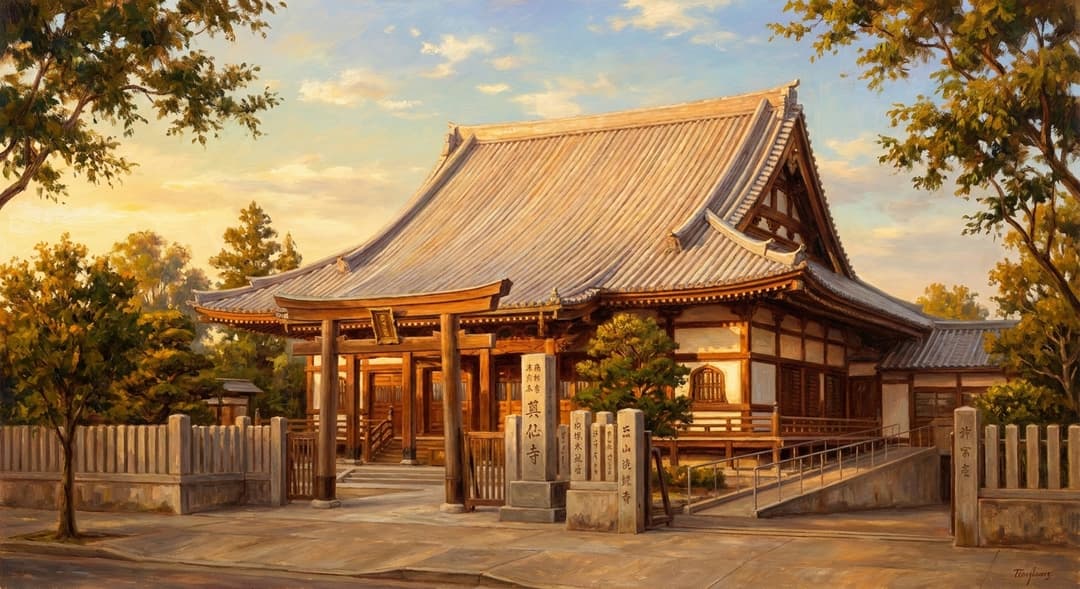
Templo Busshinji offers a serene sanctuary of silence amid the urban energy of São Paulo's Liberdade neighborhood. Visitors can admire authentic East Asian timber architecture, join public instruction in silent zazen meditation, or participate in traditional cultural arts such as tea ceremony.
Highlights
- Traditional Paraguayan ironwood timber Main Dharma Hall (Hondō)
- Dedicated Zazendo meditation hall formatted with traditional raised platforms
- Weekly introductory zazen orientation sessions open to the public
Things to Know
- Strict dress code requiring loose dark trousers and sleeved dark shirts
- Shoes must be removed at entryways before entering carpeted or wooden floors
Location
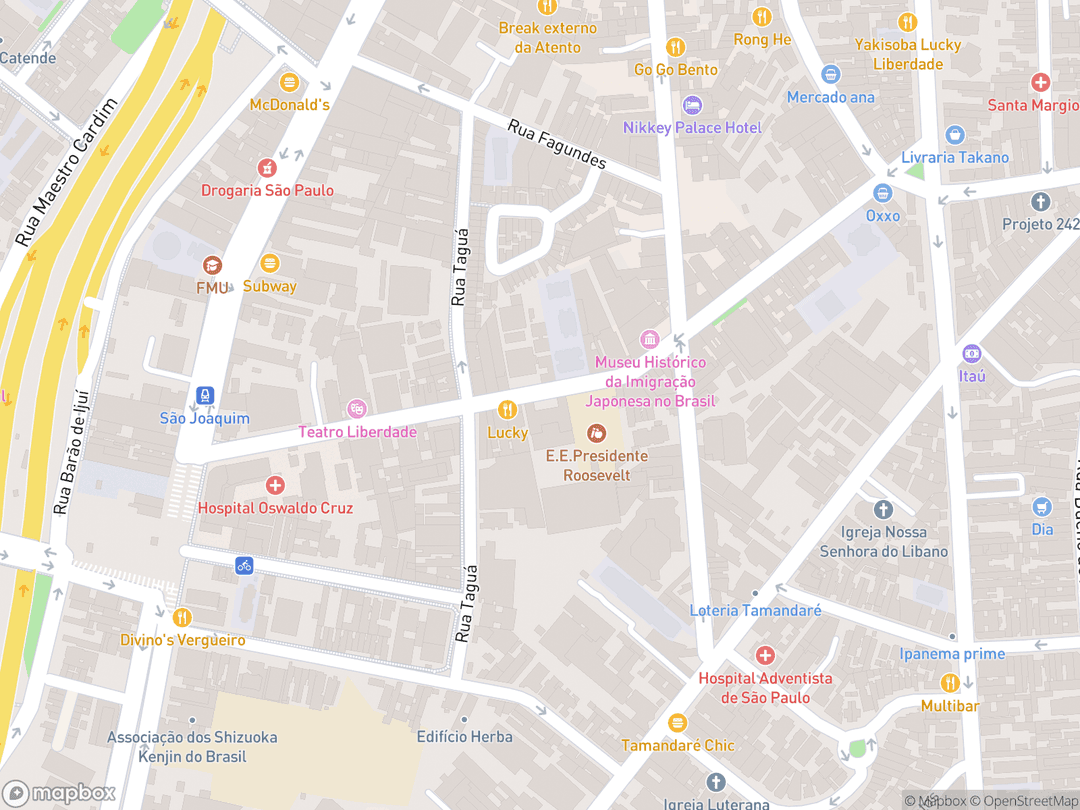
Rua São Joaquim, 285, Bairro da Liberdade, São Paulo - SP, 01508-001, Brazil
Hours: Open daily from 9:00 AM to 4:00 PM for public visits, prayer, and quiet reflection.
Getting There: Located 300 meters from Japão-Liberdade and São Joaquim stations on Line 1-Blue of the São Paulo Metrô.
Get DirectionsTips for Your Visit
Zazen Orientation Arrival
Arrive between 5:15 PM and 5:55 PM on Saturdays for beginner instruction, as late arrivals cannot enter after session starts.
Attire Guidelines
Wear comfortable dark trousers and sleeved shirts; avoid shorts, skirts, sleeveless tops, or bright colors.
About
Templo Busshinji is the official continental headquarters (Sokambu) for Sōtō Zen Buddhism across South America. Located in the bustling Liberdade enclave of São Paulo, home to the largest Japanese diaspora outside Japan, the temple serves as a vital bridge connecting classical Japanese Zen monastic traditions with the spiritual life of Latin America.
Officially designated as Sōtōshū Ryōdaihonzan Nambei Betsuin Busshinji, it operates as a special branch temple under the joint authority of Sōtō Zen's two primary head monasteries in Japan, Eiheiji and Sōjiji. Founded in 1955 by octogenarian Head Priest Takashina Rosen Zenji, the institution oversees missionary operations across Brazil, Argentina, Peru, Colombia, and Paraguay while offering daily zazen meditation, retreats, and ancestral memorial rites to both Japanese descendants and non-Japanese practitioners.
Gallery
Symbolic Elements
The temple's exterior features intricate carvings, each rich with spiritual meaning:

Sanzon Altar Triad
Central sanctuary triad featuring Shakyamuni Buddha flanked by patriarchs Eihei Dōgen and Keizan Jōkin.

Sōtōshū Dual Crests
The gentian crest of Eiheiji and paulownia crest of Sōjiji signifying joint ancestral lineage.

Zafu and Zabuton
Black kapok cushion and padded floor mat representing the accessible seat of awakening.

Mokugyo Wooden Fish
Carved hollow wooden instrument struck during chanting whose open eyes represent unceasing vigilance.

Keisu Singing Bowl
Heavy bronze bell whose deep resonant tone signals transitions and reminds practitioners of impermanence.

Han Sounding Board
Suspended wooden board struck with precise rhythm to summon monks to zazen meditation.

Paraguayan Ironwood Timbers
Dense South American timber posts symbolizing structural permanence and Zen adaptability in the Americas.
Interesting Facts
Templo Busshinji serves as the administrative headquarters for Sōtō Zen Buddhism across all of South America. (Tier A)
It holds rare dual branch status under both Eiheiji and Sōjiji, Sōtō Zen's two primary head monasteries in Japan. (Tier A)
The temple was founded in 1955 by 80-year-old Head Priest Takashina Rosen Zenji after a three-month voyage across Brazil. (Tier A)
It is located in São Paulo's Liberdade district, home to the largest Japanese community outside of Japan. (Tier B)
The main hall was reconstructed in 1995 using dense Paraguayan ironwood timber instead of traditional Japanese cypress. (Tier B)
In 1961, Busshinji became the first traditional East Asian temple in Brazil to open zazen to non-Japanese speakers. (Tier B)
Monja Coen Roshi trained at Busshinji before becoming the first female president of the Buddhist Sects Federation of Brazil. (Tier B)
Resident monks maintain a daily monastic routine starting with 6:30 AM zazen and morning liturgy. (Tier A)
Common Questions
What does 'Ryōdaihonzan Nambei Betsuin' mean?
It indicates that Busshinji is an official South American branch temple jointly governed by Sōtō Zen's two head monasteries in Japan, Eiheiji and Sōjiji.
Can non-Buddhists participate in meditation sessions?
Yes, beginner zazen sessions on Saturdays are open to anyone interested in learning seated meditation.
What is the dress code for visiting Busshinji?
Visitors should wear modest, dark-colored clothing with long pants and sleeved shirts, removing shoes in sanctuary spaces.
Where is the temple located in São Paulo?
It is located at Rua São Joaquim 285 in the Liberdade district, a short walk from Line 1-Blue Metrô stations.
Featured Stories
The Voyage of Takashina Rosen Zenji
November 1955
In late 1955, 80-year-old Takashina Rosen Zenji, Head Priest of Sōtō Zen, traveled across Brazil for three months to comfort post-war Japanese immigrants. Recognizing the deep spiritual needs of the diaspora, he officially established Templo Busshinji in São Paulo on November 30, days before returning to Japan. His visionary mission laid the cornerstone for organized Zen Buddhism in Latin America.
Source: Sōtō Zen Institutional Records
Opening Doors to Non-Japanese Brazilians
1961
In 1961, Busshinji took a groundbreaking step by opening formal zazen meditation sessions to non-Japanese speaking Brazilians under scholar Ricardo Gonçalves. This initiative transformed the temple from an immigrant chaplaincy into a vibrant intercultural bridge. It established Busshinji as a pioneer in introducing authentic Asian meditative arts to Western South America.
Source: Comunidade Soto Zen Archives
Rebuilding with South American Timber
1995
When Busshinji reconstructed its Main Dharma Hall in 1995, architects chose dense Paraguayan ironwood timber instead of imported Japanese cypress. The decision harmonized traditional East Asian post-and-beam joinery with native Latin American materials. The result is a resilient sanctuary that embodies both classical Japanese aesthetics and South American physical reality.
Source: Nippo-Brasil History Review
Timeline
Official Founding
Head Priest Takashina Rosen Zenji establishes Templo Busshinji during a three-month missionary tour across Brazil.
MilestoneFirst South American Director
Rev. Ryōhan Shingū is appointed as the first Director of the Sōtō Zen South America Office.
EventPioneering Non-Japanese Outreach
Busshinji becomes the first traditional Buddhist temple in Brazil to offer zazen instruction specifically for non-Japanese speakers.
EventDecennial Celebration
Founder Takashina Rosen Zenji returns to São Paulo to preside over the temple's 10th anniversary ceremonies.
EventMain Dharma Hall Rebuilding
The temple completes construction of its monumental Main Dharma Hall using durable Paraguayan ironwood timber.
RenovationHistoric Leadership Milestone
Monja Coen Roshi becomes the first woman and person of non-Japanese descent elected President of the Federation of Buddhist Sects of Brazil.
MilestoneGolden Jubilee Expansion
Busshinji launches a major construction project coinciding with the 50th anniversary of the South America Office.
component.timeline.groundbreakingInauguration of New Zazendo
The dedicated Meditation Hall, Founder's Hall, and administrative complex are formally inaugurated.
DedicationDiamond Jubilee
The temple celebrates 60 years of Sōtō Zen presence in South America with international delegates from Japan.
EventModern Mission Expansion
Current Abbot Rev. Chōhō Seinō oversees mission activities connecting 16 regional centers across South America.
EventHistory by Decade
1900s–1940s — Immigrant Foundation
Following the arrival of the ship Kasado Maru at Santos Port in 1908, thousands of Japanese immigrants settled in São Paulo. Spiritual life was constrained during World War II due to government restrictions on non-Catholic assemblies and foreign language usage, creating a post-war longing for spiritual reconnection.
1950s — Founding and Official Establishment
On November 30, 1955, Head Priest Takashina Rosen Zenji founded Busshinji in Liberdade as a branch temple of Eiheiji and Sōjiji. In 1956, Rev. Ryōhan Shingū arrived as the first official South American Director, establishing formal liturgical cycles and administrative structures.
1960s–1980s — Intercultural Outreach and Lineage Growth
In 1961, Busshinji initiated public zazen sessions for non-Japanese Brazilians, broadening its community footprint. Over the following decades, prominent teachers practiced at Busshinji before founding autonomous Zen centers throughout Brazil, bridging traditional parish memorial rites with Western meditation practice.
1990s–2000s — Main Hall Rebuilding and Facility Expansion
In 1995, the temple inaugurated its reconstructed Paraguayan ironwood Main Dharma Hall. Between 2005 and 2009, a major construction project added a dedicated Zazendo meditation hall, Founder's Hall, and multi-story administrative wings for the South American headquarters.
2010s–2020s — Regional Mission and Public Engagement
Busshinji currently coordinates 16 international missionary outposts across five South American nations. The temple continues its active public presence in São Paulo through daily meditation cycles, cultural workshops, and public peace walks.
Architecture & Facilities
Templo Busshinji presents classical Japanese Sōtō Zen monastic architecture cleverly adapted to a dense urban lot in São Paulo. The complex features traditional post-and-beam timber construction, steep multi-tiered hip-and-gable roofs (irimoya-zukuri), dark wooden floorboards, and woven tatami mat sanctuary interiors.
Building Materials
Paraguayan Ironwood
Dense South American ironwood used for primary structural posts and beams in the 1995 Main Dharma Hall.
Paraná Pine
Native Brazilian pine utilized for interior wall panels, ceiling joists, and decorative joinery.
Woven Tatami Mats
Traditional rush mats flooring ceremonial altar zones for traditional monastic liturgy.
Bronze Roof Accents and Lanterns
Cast bronze hanging lanterns and roof crest fittings imported from Japanese artisanal foundries.
Interior Features
Hondō (Main Dharma Hall)
High-ceilinged central sanctuary housing the primary Sanzon altar triad and hanging bronze lanterns.
Zazendo (Meditation Hall)
Dedicated hall lined with raised wooden platforms (tan) formatted strictly for silent zazen meditation.
Kaisando (Founder's Hall)
Memorial hall preserving ancestor tablets (ihai) honoring past abbots, patriarchs, and the founder.
Dai Kankaku (Administrative Wing)
Multi-story wing containing the South American continental office, reception halls, library, and guest quarters.
Temple Grounds
A quiet urban courtyard framed by a traditional timber gatehouse, stone lanterns, and decorative gravel pathways leading away from busy city streets.
Additional Facilities
Includes a tea ceremony room (Chashitsu) maintained in partnership with the Urasenke School, a Buddhist library, guest quarters for visiting monastics, and reception halls.
Religious Significance
Within the Dharmic context of Mahayana Buddhism, Templo Busshinji serves as the primary spiritual anchor for Sōtō Zen in South America. It embodies the living transmission of zen practice, connecting the historical Buddha's awakening with contemporary Latin American life.
To provide an authentic sanctuary for silent zazen meditation, preserve ancestral memorial rites, and coordinate Sōtō Zen missionary work across South America.
Sacred Ordinances
Shikantaza (Seated Zazen)
Silent, objectless seated meditation practicing direct realization of inherent Buddha-nature.
Chōka (Morning Liturgy)
Daily dawn sutra chanting and dedication rites honoring teachers and all sentient beings.
Seno Kuyo (Ancestral Memorial Rites)
Traditional ceremonies offering incense and sutra merit to departed family members and ancestors.
The Dual Lineage (Ryōdaihonzan)
Busshinji's special designation links it directly to both Eiheiji and Sōjiji monasteries in Japan, upholding the dual heritage of Zen founders Eihei Dōgen and Keizan Jōkin.
Bodhisattva Ideal in Latin America
The temple integrates contemplative silence with active social compassion, leading peace marches and cultural exchanges across Brazil.
Similar Temples
Sources & Research
Every fact on Temples.org is backed by verified Sources & Research. Each piece of information is rated by source tier and confidence level.
View All Sources (8)
| Field | Source | Tier | Retrieved |
|---|---|---|---|
| About & Historical Background | Comunidade Soto Zen do Brasil (opens in a new tab) | A | 2026-02-22 |
| About & Historical Background | Sotoshu Educational Department (opens in a new tab) | A | 2026-02-22 |
| Timeline & Lineage Expansion | Soto Zen Buddhist Association (opens in a new tab) | B | 2026-02-22 |
| Architecture & Campus | Nippo-Brasil (opens in a new tab) | B | 2026-02-22 |
| Religious Significance & Practice | Terebess Online Asia Index (opens in a new tab) | B | 2026-02-22 |
| Visitor Information & Guidelines | São Paulo Turismo (opens in a new tab) | C | 2026-02-22 |
| Cultural Activities & Tea Ceremony | Centro de Chado Urasenke do Brasil (opens in a new tab) | B | 2026-02-22 |
| Administrative Designation | Sotoshu 120th Anniversary Commemoration (opens in a new tab) | A | 2026-02-22 |